Data sources cited in this article: Kilimania Adventure internal guided-climb records (2019–2025); published alpine safety and mountaineering fatality data for Mont Blanc; Wilderness Medical Society altitude-physiology references. Reviewed by Sabinus Msimba, 20 August 2026.
They are different categories of challenge — and the harder one depends entirely on your background:
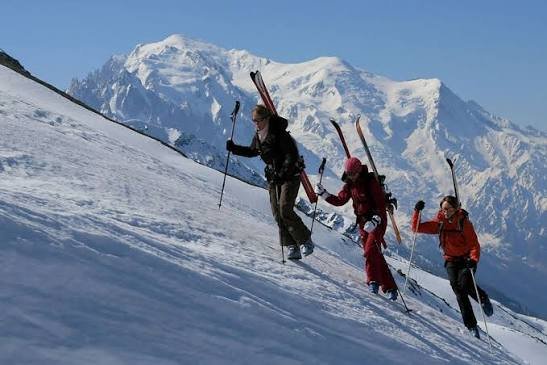
- Mont Blanc (4,808m) requires technical mountaineering skills: crampons, ice axe, rope work, and glacier travel. Without training, it is not accessible.
- Kilimanjaro (5,895m) requires none of those skills. It is a non-technical trek — but its summit is 1,087m higher, creating a significantly more severe altitude challenge.
- No mountaineering experience? Kilimanjaro has no technical barrier. Mont Blanc does.
- Experienced alpinist? Kilimanjaro’s altitude — not its terrain — is the obstacle.
Uhuru Peak
Western Europe high point
2019–2025 (internal data)
summit success rate
The Kilimanjaro summit-success figures referenced in this article (including the 8-day Lemosho and 6-day route comparisons below) are drawn from Kilimania’s internal guided-climb records but are pending final confirmation against our canonical Route Success Rate page before this article is marked publish-ready. Mont Blanc figures (success rate, annual deaths) are drawn from third-party published alpine safety data, not Kilimania’s own records, and are estimates rather than confirmed statistics.
Planning a Kilimanjaro Climb?
Our complete Kilimanjaro climbing guide covers every route, cost, altitude preparation strategy, and what to realistically expect from summit night. It’s the right starting point before you book anything.
View All Kilimanjaro Climbs 💬 Ask Sabinus DirectlyThe Distinction That Matters More Than Altitude
Most people asking this question expect a single winner. The honest answer is more useful: these are different categories of mountain challenge, and the harder one is whichever category you are least prepared for.
Mont Blanc is a technical alpine climb. Kilimanjaro is a non-technical high-altitude trek. That single distinction determines everything else in this comparison.
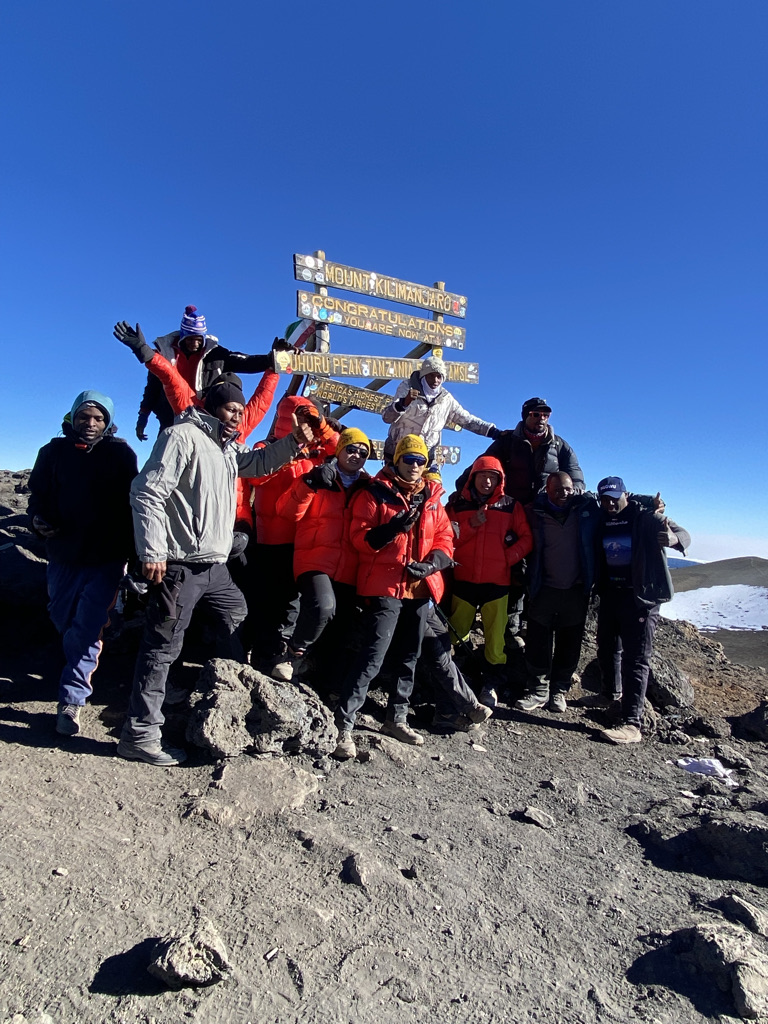
For Someone with No Mountaineering Training
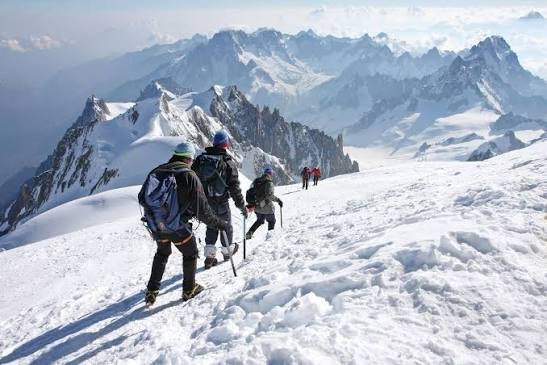
Mont Blanc is not a viable objective without a qualified guide, prior alpine training, and specific equipment — crampons, ice axe, harness, and demonstrated rope skills. Walking onto the Goûter route without these is genuinely dangerous, not just challenging. Approximately 100 people die on Mont Blanc each year, primarily from technical falls, exposure, and weather.
Kilimanjaro has no such technical barrier. From our 22+ years of guiding operations in Moshi, climbers in their 60s, people who had never slept in a tent, and others who had never hiked above 2,000m have reached Uhuru Peak. None of them needed a rope. What they needed was consistent physical preparation, the right route duration, and a guide who monitors altitude symptoms properly.
For an Experienced Mountaineer
Mont Blanc is a manageable objective with preparation. The technical demands are real but learnable with structured alpine training. Kilimanjaro’s challenge for an experienced climber is entirely different: SpO₂ levels at Barafu Camp (4,673m) at 2am before summit push can drop into the 70s (%) even in fit, experienced climbers. You cannot out-skill that. Technical ability is irrelevant above 5,000m when your blood oxygen collapses.
Many experienced mountaineers underestimate Kilimanjaro precisely because it requires no technical skill. Altitude illness does not respect fitness or alpine résumé. Guides regularly see fit, experienced climbers turn around below Stella Point because they moved too fast and ignored early AMS symptoms. A rope in your rucksack would have done nothing to help them.
This is false. Mont Blanc’s lower altitude (4,808m) is irrelevant if you lack the technical skills required. A climber who is unconfident with crampons, glacier travel, or steep snow exposure will find Mont Blanc significantly more dangerous than Kilimanjaro — regardless of fitness or cardiovascular conditioning.
Altitude Comparison: What the Numbers Mean at Ground Level
The 1,087-metre difference between the two summits is not trivial physiologically. At Mont Blanc’s 4,808m, altitude illness is possible but not the primary risk — the mountain’s main danger comes from technical failure, not physiology. At Kilimanjaro’s summit, oxygen availability is approximately 53% of sea level, compared to around 58% at the top of Mont Blanc.
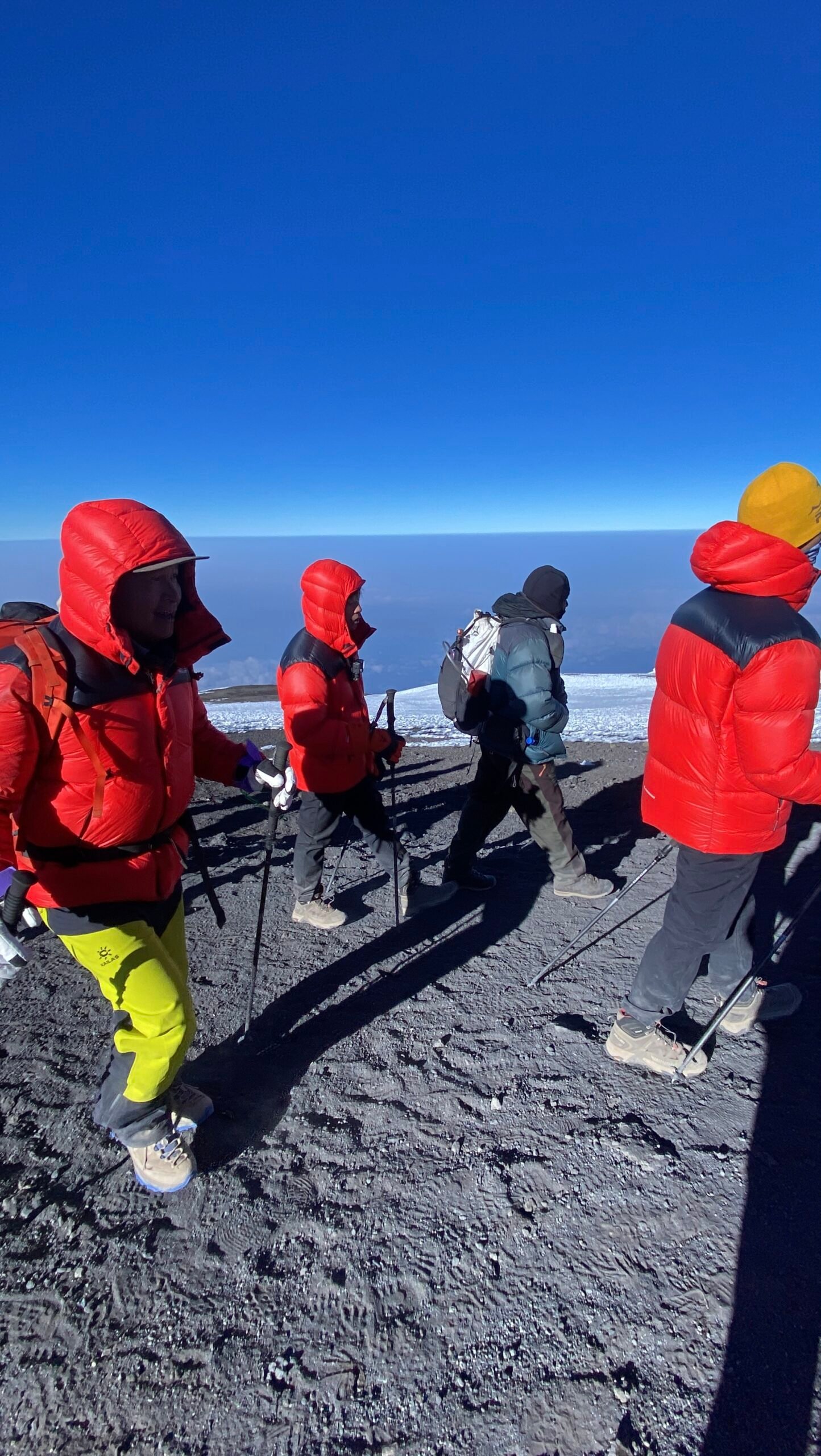
- Below 3,000m: Most people feel normal. Mild headache is possible but not common.
- 3,000–4,000m: Acclimatisation zone. Disturbed sleep, reduced appetite, and mild headache are normal and expected.
- 4,000–5,000m (Mont Blanc summit range): AMS risk increases. Breathing noticeably harder. Most healthy, well-paced climbers manage this altitude without severe symptoms.
- 5,000–6,000m (Kilimanjaro summit zone): Severe altitude. Nausea, disorientation, and fatigue affect nearly all climbers regardless of fitness. AMS, and rarer but serious HACE (High Altitude Cerebral Oedema) and HAPE (High Altitude Pulmonary Oedema), are genuine risks that require guide monitoring.
Most Mont Blanc turnarounds result from weather closing the summit window or technical difficulty on steep snow. Kilimanjaro sees an estimated 3–10 deaths per year, primarily from altitude illness — not falls. That pattern defines each mountain’s core risk profile.
On every Kilimania climb, guides use pulse oximeters at each camp to record blood oxygen saturation. Low readings at Barafu Camp combined with Lake Louise AMS symptoms trigger a direct conversation about summit readiness. This kind of monitoring — not pace charts — is what separates operators with strong safety records from those without. See our full Kilimanjaro altitude sickness guide.
Entity Comparison Table: Kilimanjaro vs Mont Blanc
Every variable that determines your actual on-mountain experience — not the variables that look good in a brochure.
| Variable | 🏔️ Kilimanjaro | 🏔️ Mont Blanc |
|---|---|---|
| Summit altitude | 5,895m (Uhuru Peak) | 4,808m (Mont Blanc summit) |
| Technical skill required | None — trekking only | Required — crampons, ice axe, rope |
| Glacier travel | Not required on any standard route | Mandatory on Goûter and all major routes |
| Guide requirement | Mandatory under KINAPA rules | Strongly advised; not legally mandatory |
| Average success rate | ~65% all routes (industry estimate); longer routes trend higher (Kilimania data, pending confirmation) | ~60% (highly weather-dependent) |
| Primary risk factor | Altitude illness (AMS / HACE / HAPE) | Technical fall, weather, crevasse |
| Estimated annual deaths | 3–10 per year (altitude illness primary cause) | ~100 per year (technical falls primary cause) |
| Climb duration | 6–10 days (route-dependent) | 1–3 days from high camp; 5–7 days total |
| Accessible to beginners | Yes — with physical preparation | No — prior alpine experience required |
| Summit night temperature | −10°C to −20°C at Uhuru Peak | −10°C to −25°C (highly variable) |
| Oxygen at summit | ~53% of sea level | ~58% of sea level |
| Primary turnaround reason | AMS — nausea, headache, disorientation | Weather window closes, technical difficulty |
| Jurisdiction | Tanzania — KINAPA managed, TATO operators | France / Italy — FFCAM guidelines |
Gear Required: What Each Mountain Demands
The gear list difference between these two mountains tells you everything about how different they are as challenges.
🏔️ Kilimanjaro — What You Need
- Trekking boots (well broken-in, waterproof)
- Sleeping bag rated to −15°C
- Layering system: base, mid, shell
- Trekking poles (strongly advised)
- Headlamp with spare batteries
- Gloves, balaclava, warm hat
- Daypack (20–25L) + duffel for porters
- Gaiters (optional but useful)
No technical equipment required. See the full Kilimanjaro packing list.
🏔️ Mont Blanc — What You Need
- Everything on the Kilimanjaro list, plus:
- Mountaineering boots (crampon-compatible)
- Crampons (12-point, front-pointing capable)
- Ice axe (and the skill to use it)
- Harness, carabiners, belay device
- Rope (guide typically provides)
- Helmet (mandatory for falling ice risk)
- Glacier glasses (high UV protection)
Technical gear can be rented in Chamonix. Skills cannot be rented.
Many climbers assume that renting technical gear in Chamonix solves the Mont Blanc preparation problem. It does not. Crampons and an ice axe are tools that require practice to use safely on steep terrain. Most guides in Chamonix require clients to demonstrate basic crampon technique before committing to a summit attempt.
Cost Comparison: What Each Mountain Costs in Reality
Both mountains involve significant costs beyond the headline operator price. These are realistic ranges, not promotional figures.
🏔️ Kilimanjaro Costs
- Operator fee: $2,000–$4,500 depending on route and operator quality
- Included: Park fees, guides, porters, meals, camping
- Park fees alone: $700–$900 (TANAPA rates, route-dependent, as of 2026 — see canonical fee page for current rates)
- Crew tips: $200–$350 per climber (see our tipping guide)
- Gear (rent vs buy): $100–$400 in Moshi
- Travel insurance: $80–$200 (high-altitude required)
🏔️ Mont Blanc Costs
- Guide fee: €1,200–€2,500 for a 2-day guided ascent
- Goûter Hut: €70–€90 per night (must be pre-booked)
- Gear rental (Chamonix): €80–€200 for crampons, ice axe, helmet
- Training climbs: €400–€800 for prerequisite routes
- Travel insurance: €80–€200 (alpine rescue included)
- Lift tickets (acclimatization): €50–€80
For a full breakdown of Kilimanjaro costs including hidden expenses, read our complete Kilimanjaro cost guide and hidden costs analysis.
Which Mountain Suits Your Situation
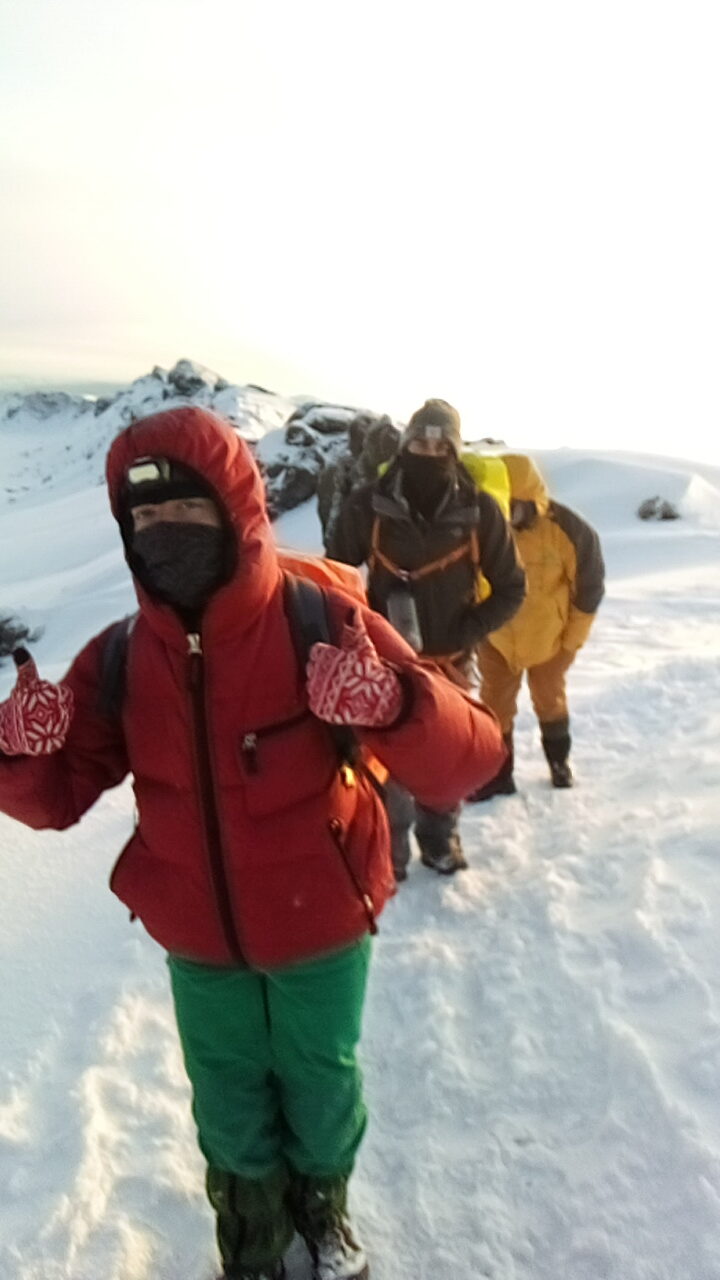
No mountaineering experience → Kilimanjaro is your objective
There is no technical barrier on Kilimanjaro. The preparation is physical: cardiovascular fitness, back-to-back hiking days over several weeks, and a realistic assessment of your tolerance for cold and sustained discomfort. You do not need crampons, a harness, or any rope skills. Choose an 8-day route, train consistently for 12 weeks, and take altitude monitoring seriously. That is the formula.
Alpine experience → Mont Blanc first, then Kilimanjaro
If you have crampon experience, understand glacier travel, and are comfortable on steep snow — Mont Blanc is a natural objective at a lower and therefore more accessible altitude. Once completed, Kilimanjaro becomes the altitude step-up: same physical approach, significantly more severe altitude environment. Many alpinists sequence it exactly this way.
Planning both → Kilimanjaro builds altitude resilience
For climbers who want both mountains, Kilimanjaro first makes physiological sense. Extended time at high altitude — 6–10 days — builds red blood cell adaptation that persists for several weeks. Some alpine climbers use Kilimanjaro as controlled altitude preparation before higher Himalayan objectives for this reason.
Kilimania’s internal records across 1,247+ guided climbs show longer, better-acclimatised routes such as the 8-day Lemosho consistently outperforming shorter 6-day routes on summit success. Extra acclimatisation days — not cardiovascular fitness — appear to account for most of that gap. (Exact route-by-route percentages are pending confirmation against our canonical Route Success Rate page before this figure is finalised for publication.) Choose your duration before you choose your training plan.
See the full Kilimanjaro success rate by route breakdown.
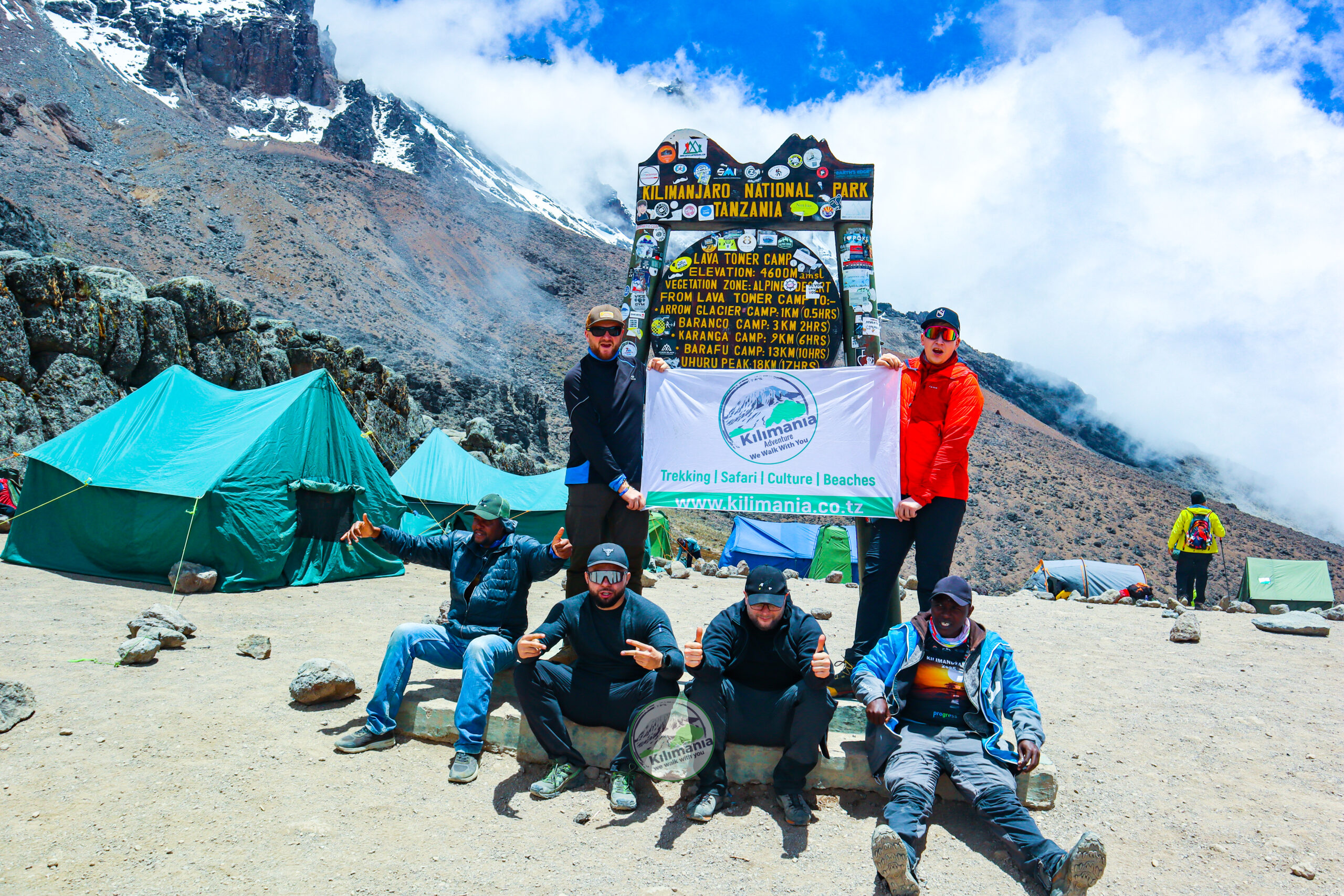
“I have guided climbers who summited Kilimanjaro and then asked me: ‘Why was Mont Blanc harder?’ The answer is always the same — on Mont Blanc, they were climbing technically for the first time. On Kilimanjaro, they were walking. The mountain does not care how strong your legs are when your blood oxygen has dropped that low. Altitude removes the advantage of experience in ways that ice and rock do not. I have seen certified alpine guides turn around at Stella Point. Not because of what was in front of them, but because of what was happening in their blood.”— Sabinus Msimba, Senior Guide & Co-founder, Kilimania Adventure, Moshi, Tanzania
Ready to Plan Your Kilimanjaro Climb?
Review all seven Kilimanjaro routes with success rate data. For first-time high-altitude climbers, the 8-day Lemosho Route delivers the strongest acclimatisation profile available on the mountain.
View All Kilimanjaro Packages 💬 WhatsApp Us in MoshiKilimanjaro Route Options — Matched to Your Needs
If this comparison has confirmed Kilimanjaro as your next objective, these routes are the strongest choices for climbers without prior high-altitude experience:
View all Kilimanjaro climb packages → | Compare all 7 routes →
Frequently Asked Questions: Kilimanjaro vs Mont Blanc
It depends on your background. Mont Blanc (4,808m) requires technical mountaineering skills — crampons, ice axe, rope work, and glacier travel — that Kilimanjaro does not. Kilimanjaro’s summit at 5,895m creates a more severe altitude challenge. For someone without mountaineering training, Mont Blanc is less accessible. For an experienced alpinist, Kilimanjaro’s altitude is the primary obstacle.
No. Kilimanjaro is a non-technical trek. No crampons, ice axe, rope, or prior climbing experience is required on any standard route. The challenge is entirely physical — altitude, daily elevation gain, and summit night conditions at around −15°C. Under KINAPA rules, all climbers must be accompanied by a licensed guide, but no technical training is required before departure. See our full guide on how hard Kilimanjaro actually is.
Mont Blanc has an estimated summit success rate of around 60%, with most turnarounds caused by weather and technical difficulty. Kilimanjaro’s average success rate across all routes is approximately 65% by industry estimate, with most turnarounds caused by AMS. Kilimania’s own 8-day Lemosho figures point higher than that all-route average, but the exact percentage is pending confirmation against our canonical route-success data. The key variable on Kilimanjaro is days spent at altitude, not physical fitness. See our route-by-route success rate breakdown.
Mont Blanc has a significantly higher fatality rate. Approximately 100 people die on Mont Blanc each year, primarily from technical falls, exposure, and weather. Kilimanjaro sees an estimated 3–10 deaths per year, primarily from altitude illness. The absolute numbers reflect fundamentally different risk profiles: technical exposure versus altitude physiology. Read our full Kilimanjaro safety and deaths guide.
Yes. Kilimanjaro is accessible to physically prepared beginners with no mountaineering training. Mont Blanc requires prior alpine experience including crampon and ice axe technique and glacier travel skills. Most Mont Blanc climbers complete multiple lower alpine routes — Gran Paradiso, Mont Blanc du Tacul, or the Cosmiques route — before attempting the summit. Our guide on whether a beginner can climb Kilimanjaro gives the honest picture.
Kilimanjaro takes 6–10 days depending on the route, with longer routes providing better altitude acclimatisation and higher summit success rates. Mont Blanc is typically climbed in 1–3 days from a high camp such as the Goûter Hut at 3,817m, though the overall trip including acclimatisation hikes extends to 5–7 days. Kilimanjaro’s longer timeline is a feature, not a burden — more days at altitude directly increases summit probability. See our analysis of how many days to climb Kilimanjaro.
If you have no mountaineering experience, do Kilimanjaro first. It builds high-altitude resilience without technical exposure. If you already have alpine skills and want to build technical experience before stepping up to 6,000m peaks, Mont Blanc is a natural next step — followed by Kilimanjaro as the altitude challenge. For context on how Kilimanjaro compares to another popular high-altitude objective, read our Kilimanjaro vs Everest Base Camp comparison.
We also have a dedicated guide if you are climbing Kilimanjaro over 50, or looking at the question from a fitness starting point.
The Honest Conclusion
Kilimanjaro and Mont Blanc are not the same type of mountain challenge. Mont Blanc demands technical mountaineering skills that must be learned before you step onto the glacier. Kilimanjaro demands physical preparation and altitude respect that can be developed through consistent training and careful route selection.
For someone planning their first major mountain with no alpine background: Kilimanjaro has the lower technical barrier. Choose an 8-day route, train for 12 weeks, take altitude monitoring seriously, and you have a genuine path to standing at 5,895m. Mont Blanc will still be there when you are ready to learn technical terrain.
For someone with alpine experience and a rope in their pack: both mountains are achievable objectives, and the sequencing depends on whether you want to tackle technical precision at 4,808m or pure altitude physiology at 5,895m. Many experienced alpinists do both — and find Kilimanjaro’s altitude more humbling than Mont Blanc’s terrain ever was.
Read the complete Kilimanjaro climbing guide 2026 →
View all Kilimanjaro climb packages and book a date →
Contact our team in Moshi for personalised advice →
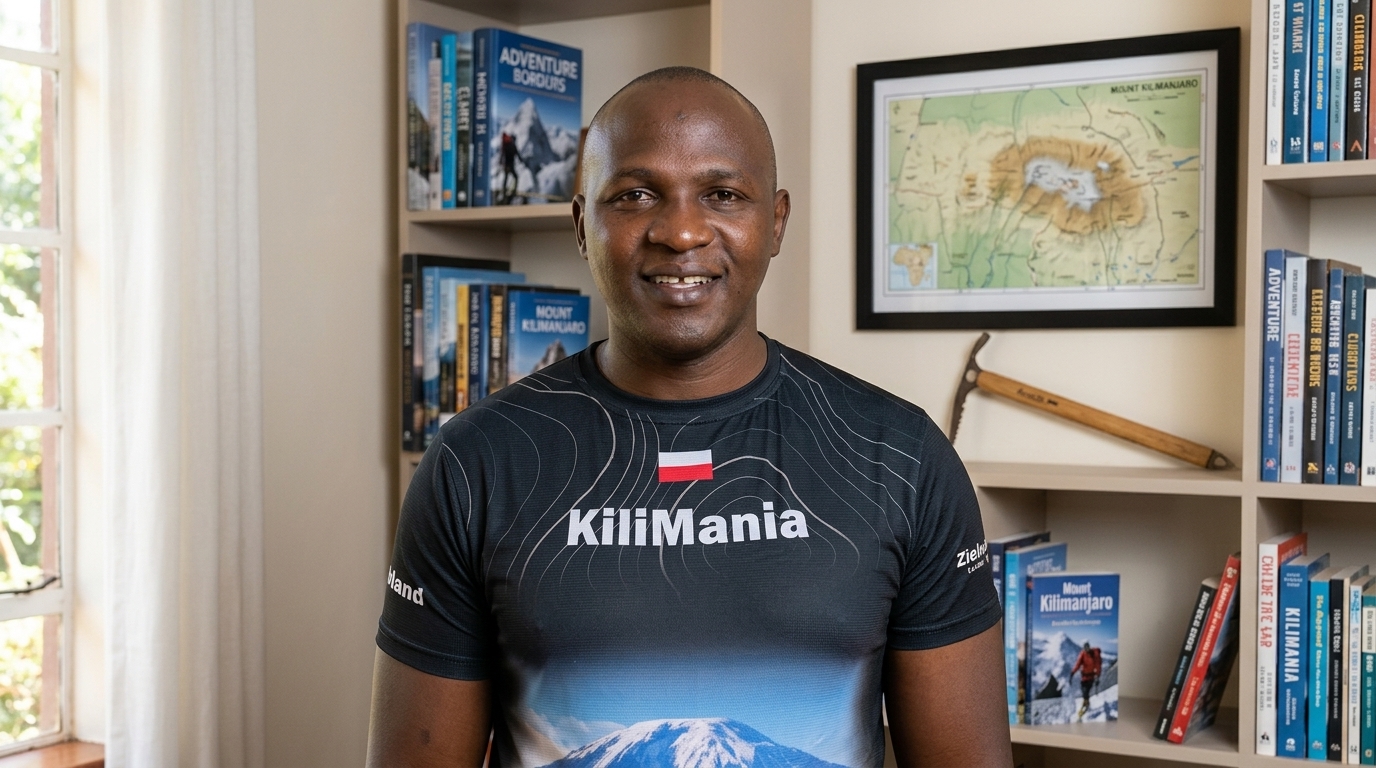
Last updated: 20 August 2026 · Reviewed by: Sabinus Msimba, Senior Mountain Guide, Kilimania Adventure, Moshi, Tanzania.
Kilimania Adventure is registered with TATO and operates under KINAPA regulations, complying with KPAP porter welfare standards. This article contains links to our own Kilimanjaro climb packages. Kilimanjaro summit-success figures attributed to Kilimania’s internal records are pending final confirmation against our canonical route-success data before this article is considered publish-ready (see Data Verification Notice above). Mont Blanc fatality and success-rate data references published third-party alpine safety reports and is provided for informational comparison purposes only. This article does not constitute medical advice. Climbers with pre-existing conditions should consult a physician before high-altitude travel.