Scenic Lemosho Route with high success rates & fewer crowds

Northern Circuit · 9 Days on the mountain
Northern Circuit Route: Kilimanjaro’s longest itinerary, and the northern face most climbers never see
Nine days on the mountain, an approach from the quiet northern slopes, and a summit night launched from School Hut instead of Barafu. This is the longest itinerary Kilimania guides — built for climbers who have the time and want the widest acclimatization margin the mountain allows. New to Kilimanjaro planning? Start with our complete climbing guide or what to expect on Kilimanjaro.
- 96% summit success rate (215 climbers)
- 4.9/5 on Google (36 reviews)
- 5.0/5 on TripAdvisor (33 reviews)
- KINAPA-licensed lead guide
- 22+ years on Kilimanjaro
- TATO-registered
- KPAP-aligned porter welfare
The 9-Day Northern Circuit is Kilimania’s longest Kilimanjaro itinerary: 9 days and 8 nights on the mountain, starting at Londorossi Gate, crossing the Shira Plateau, then circling the quieter northern slopes via Moir Hut, Pofu Camp, Third Cave and School Hut before summiting Uhuru Peak (5,895m) and descending via Mweka. Add a briefing day in Moshi before the climb and a departure day after it, and the full trip runs 10 days door to door. Camping throughout. From $2,050 per person for a group of six. Based on Kilimania’s internal climbing records (updated August 2026), this itinerary has a 96% summit success rate from 215 climbers.
- Days on the mountain
- 9 days / 8 nights
- Total trip length
- 10 days, Moshi to Moshi
- Starting gate
- Londorossi Gate, 2,200m
- Summit
- Uhuru Peak, 5,895m
- Summit approach
- School Hut (northern side)
- Success rate
- 96% (215 climbers, Kilimania data)
- Accommodation
- Camping, all nights
- Group size
- Small groups or private
- Price from
- $2,050 pp (group of 6)
Is the 9-Day Northern Circuit right for you?
This route suits you if…
- You have 10 days available for the full trip, including travel days in Moshi.
- You want the widest acclimatization window Kilimania offers on any route.
- You’d rather share the trail with very few other groups than climb the most popular path.
- You’re comfortable camping for eight consecutive nights, including several above 4,000m.
- Budget is secondary to time on the mountain and route solitude.
Consider a different route if…
- You only have 6–7 days — look at the 7-Day Machame or 8-Day Lemosho instead.
- You want hut accommodation rather than tents — see the Marangu Route.
- Cost per day matters more to you than route length — Machame and Rongai run shorter and less expensive.
- You want a first Kilimanjaro route with more climbers around for company — Machame and Lemosho see far more foot traffic.
First time tackling a high-altitude trek at all? Our beginner’s guide to climbing Kilimanjaro covers what to expect regardless of route. Many Northern Circuit climbers also combine the 10-day trip with a few days on safari afterward — see our Tanzania safari and Kilimanjaro guide for how that typically fits together.
What makes the Northern Circuit different
Every other main Kilimanjaro route eventually joins the busier southern or eastern approaches to the summit. The Northern Circuit is the one exception: after crossing the Shira Plateau it turns north and traces the quiet side of the mountain — the side few climbers on Machame, Lemosho or Marangu ever see — before summiting from School Hut rather than Barafu Camp.
The practical effect of that extra distance is more nights spent adjusting to altitude before summit night. The table below shows how many nights each Kilimania itinerary spends above 3,500m — the elevation band where most people start noticing altitude.
| Route | Duration | Approx. nights above 3,500m |
|---|---|---|
| Northern Circuit | 9 days | 6 |
| Lemosho | 8 days | 5 |
| Machame | 7 days | 4 |
| Rongai | 6 days | 3 |
| Marangu | 6 days | 2 |
These are approximate figures based on each itinerary’s published camp elevations, not a clinical measurement — individual acclimatization still varies by person regardless of route.
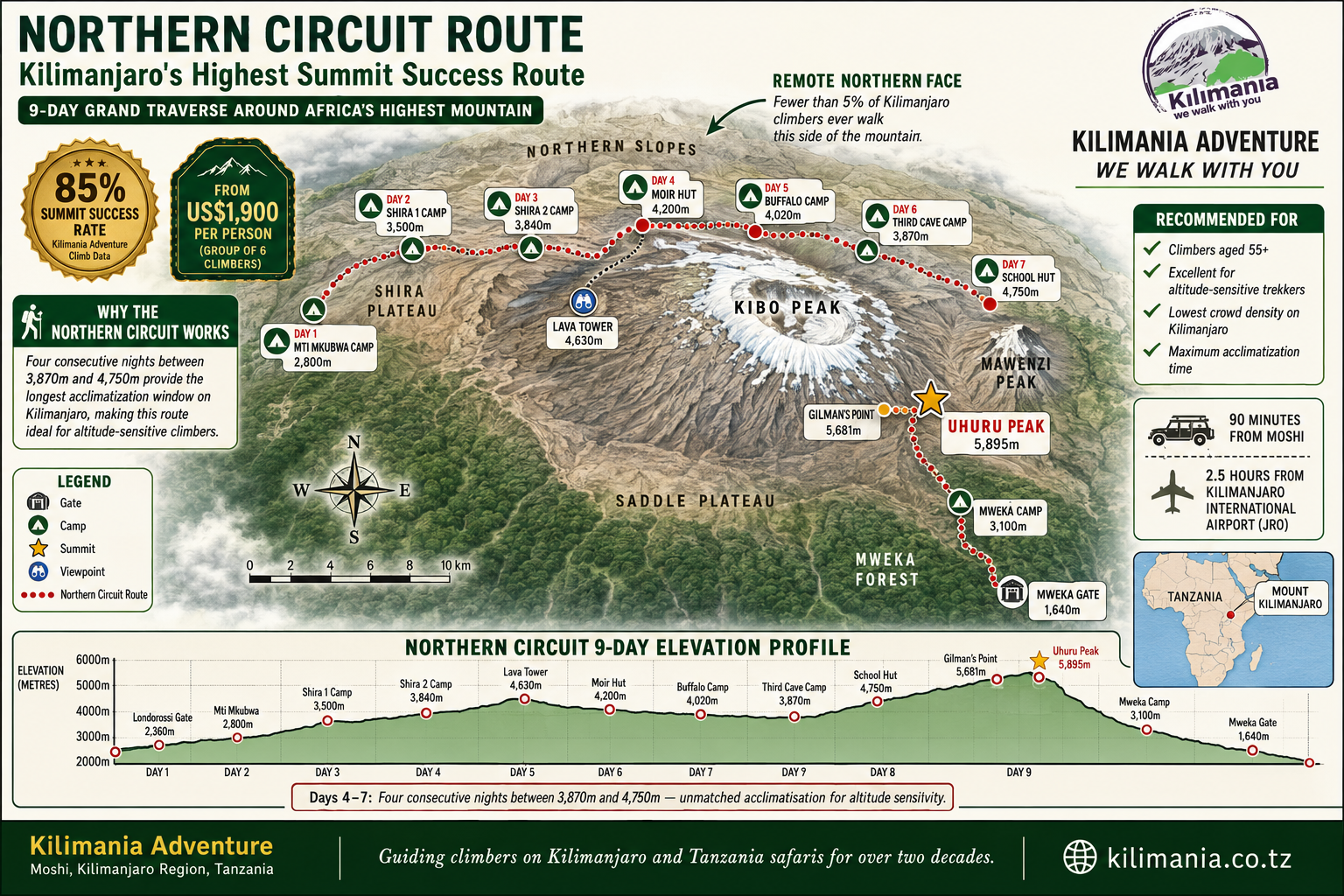
Day-by-day itinerary
This is the itinerary Kilimania uses for the 9-Day Northern Circuit. Elevations are given for the camps used along the route; treat distances and walking times as approximate, since pace varies with weather, group size and how the group is acclimatizing.
Day 0
Moshi hotel
Pre-climb briefing and gear check
You’ll meet your guide team the evening before you set out. This session covers the route plan, a full gear check, and a chance to ask anything before you commit to the trail. Overnight at your hotel in Moshi.
Day 1
2,200m → 2,600m
Londorossi Gate to Big Tree Camp
- Habitat: montane rainforest
Registration formalities at Londorossi Gate, then a gentle first day through rainforest. This is the easiest walking day of the trip — a good stretch to settle into a sustainable pace rather than rushing simply because the terrain allows it.
Guide note: the pace you set on Day 1 has no bearing on summit night five days later — there’s no advantage to walking fast here.
Day 2
2,600m → 3,500m
Big Tree Camp to Shira 1 Camp
- Habitat: upper forest into moorland
The trail climbs out of the forest onto the edge of the Shira Plateau. The vegetation thins noticeably and the views open up. Shira 1 Camp is your first night above 3,000m.
Day 3
3,500m → 4,200m
Shira 1 Camp to Moir Hut
- Habitat: alpine moorland
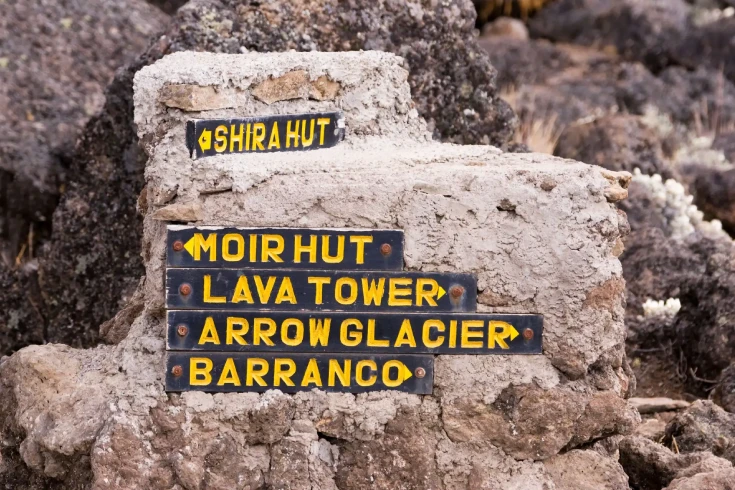
This is where the Northern Circuit parts ways with the Lemosho route and turns toward the mountain’s quiet northern side. Moir Hut is the first camp above 4,000m — most climbers begin to notice the altitude here, which is exactly what the extra days are built to manage.
Guide note: symptom checks and hydration reminders start in earnest from this camp onward.
Day 4
4,200m → 4,400m
Moir Hut to Pofu Camp
- Habitat: alpine desert, northern slope
- Also written: Poff / Buffalo Camp
A short day by design — only 200m of elevation gain — because the value of this stage is time spent at altitude, not distance covered. This section of the northern slope sees very few other climbers on any given week.
Day 5
4,400m → 4,600m
Pofu Camp to Third Cave
- Habitat: alpine desert
The trail continues its traverse along the northern slope. Third Cave is a rocky, sheltered site that also marks your first clear view of Mawenzi’s jagged peak from the north.
Day 6
4,600m → 4,900m
Third Cave to School Hut
- Habitat: high alpine desert
A short, deliberately easy day to School Hut, the staging camp for summit night. Rest, an early dinner, and gear preparation take priority — most climbers find sleep difficult at this elevation, which is normal.
Day 7
4,900m → 5,895m → 4,640m
Summit night: School Hut to Uhuru Peak, descend to Barafu Camp
- The longest, coldest, hardest day of the climb
Departure is around midnight for a dawn summit. The Northern Circuit’s approach to Uhuru Peak comes from the north via School Hut rather than the Barafu approach used by most other routes — different terrain, different exposure, same summit. After time at the top, the descent continues to Barafu Camp to rest.
See the full hour-by-hour summit night guide for what to expect from the cold, the pace, and the descent.
Day 8
4,640m → 3,100m
Barafu Camp to Mweka Camp
- Habitat: alpine desert into moorland
A long descent day, but a welcome one after summit night — the air thickens noticeably as you drop. Mweka Camp is the final overnight on the mountain.
Day 9
3,100m → 1,640m
Mweka Camp to Mweka Gate, transfer to Moshi
- Habitat: rainforest
The final descent through rainforest to Mweka Gate, where summit certificates are issued. A transfer returns you to your hotel in Moshi for a shower and a proper rest.
Day 10
Moshi
Recovery and departure
A buffer day in Moshi to recover before your onward travel or flight home.
Acclimatization strategy
The Northern Circuit doesn’t do anything mysterious for acclimatization — it simply gives your body more time at altitude before the summit push than any other Kilimania itinerary, with several short, low-gain days (Day 4 in particular) built in specifically to let you adjust rather than advance. That’s a real, measurable difference in exposure time, not a promise about outcome: some people acclimatize easily on any route, and others struggle regardless of how many days they’re given. Individual physiology varies more than route choice does.
Our guides check in on hydration and how everyone is feeling at every camp from Moir Hut onward, and are prepared to slow the pace or, if needed, recommend descent — the same protocol we apply on every route we guide. For general background on symptoms and prevention, see our altitude sickness guide.
Summit night on the Northern Circuit
Summit night departs School Hut (4,900m) around midnight for a dawn arrival at Uhuru Peak. Expect five to seven hours of ascent in temperatures that commonly fall between -10°C and -20°C, in reduced oxygen, on a northern approach rather than the more commonly described Barafu route. The descent from the summit back down to Barafu Camp adds several more hours on tired legs. It is, by a wide margin, the hardest single day of the trip regardless of which route a climber takes — we don’t soften that for anyone booking with us.
Honest difficulty assessment
Overall: Moderate in daily terrain, demanding in total duration. No technical climbing is involved anywhere on the route, but nine consecutive days of trekking and camping, several of them above 4,000m, is a genuine physical undertaking.
The hardest part is summit night, described above — not any single earlier day.
Fitness benchmark: you should be able to walk comfortably for six hours at a sustained pace, carrying a daypack of 5–7kg. If that’s not where you are yet, our 12-week training guide gives a realistic run-up.
What fitness doesn’t protect you from: altitude. Very fit climbers have turned back on Kilimanjaro for reasons that had nothing to do with their conditioning. Extra days improve your odds; they don’t remove the risk.
Compared to other routes: the Northern Circuit’s daily walking is generally gentler than Machame’s steeper stages, but its total length and time commitment make it the more demanding trip overall. See our full Kilimanjaro difficulty guide for a route-by-route breakdown.
How it compares to other routes
| Route | Duration | Accommodation | Crowd level | Main advantage | Main trade-off |
|---|---|---|---|---|---|
| Northern Circuit | 9 days | Camping | Very low | Longest acclimatization window, quietest trail | More days, higher cost |
| Lemosho | 8 days | Camping | Moderate | Scenic western approach, strong acclimatization | Busier from Barranco onward |
| Machame | 7 days | Camping | High | Shorter, most-climbed route | Steeper stages, more company on trail |
| Marangu | 6 days | Huts | High | Hut sleeping, shortest option | Least acclimatization time |
| Rongai | 6 days | Camping | Low | Drier northern approach, quieter | Less scenic variety than Northern Circuit |
Summit success rate: based on Kilimania’s internal climbing records (updated August 2026), the 9-day Northern Circuit has a 96% summit success rate, from 215 climbers. A climb counts as successful when the climber reaches Uhuru Peak (5,895m); climbers who turn back before the summit for any reason are counted as unsuccessful. This is Kilimania’s own operational data — not an official TANAPA or KINAPA statistic, and not an industry-wide figure. Individual outcomes still vary with acclimatization, fitness, weather, pacing and preparation; a route’s historical success rate is not a guarantee for any one climber. For the full route-by-route breakdown, see the Kilimanjaro Routes guide and Kilimanjaro Success Rate by Route.
Northern Circuit vs. Lemosho
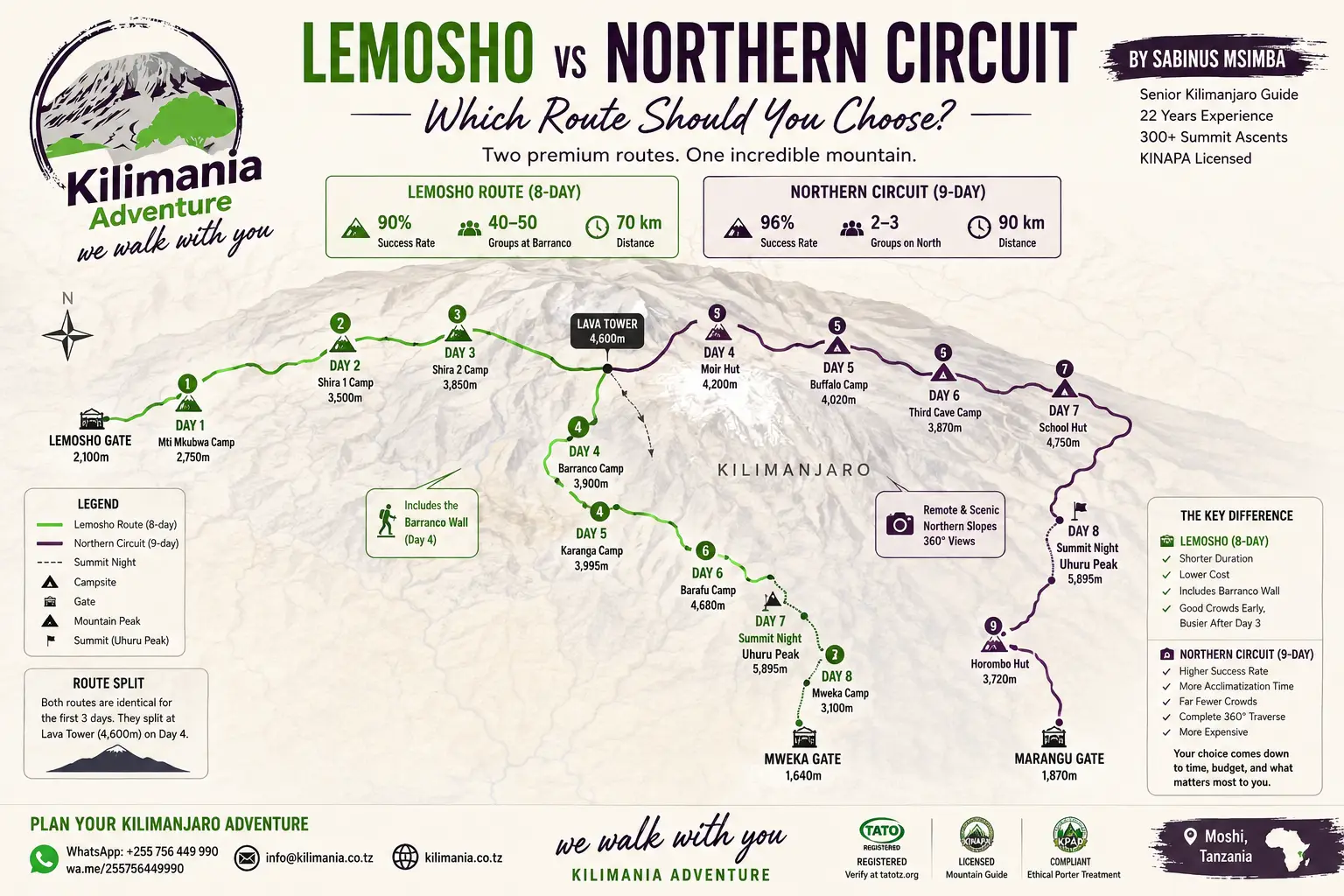
Lemosho and the Northern Circuit follow the same trail for their first three days, then diverge: Lemosho heads toward the busier southern circuit, while the Northern Circuit continues around the mountain’s quiet side. If an extra day and a quieter trail matter more to you than cost, the Northern Circuit is the fuller version of the Lemosho experience. If 8 days and a lower price fit your plans better, Lemosho remains a strong choice — full breakdown in our Lemosho vs Northern Circuit comparison.
What can be difficult about this route
For Kilimanjaro’s overall safety record and how operators handle emergencies generally, see our Kilimanjaro safety guide.
Altitude at Moir Hut and Pofu Camp
Most climbers first notice altitude effects around 4,200–4,400m. Our guides watch for symptoms and adjust pace or, if necessary, recommend descent.
Remote terrain between Moir Hut and Third Cave
This stretch of the northern slope has no other camps nearby. Guides carry emergency oxygen and a first-aid kit and stay in contact with our Moshi base throughout the trip.
Cold, multi-night camping
Eight nights in tents, several above 4,000m, means genuinely cold nights. A proper sleeping bag rating and layering system matters more on this route than on shorter ones — see our packing list.
Total physical demand
Nine consecutive walking days add up, even when individual stages are gentle. Fatigue by summit night is common on every route, but the cumulative distance here is the longest we guide.
What’s included
Included
- 2 hotel nights in Moshi (before and after the climb)
- Kilimanjaro National Park fees and entry fees (TANAPA/KINAPA)
- Rescue fees and emergency support
- Professional, licensed Kilimanjaro mountain guides and assistant guides
- Experienced cooks and porters, treated per KPAP-aligned responsible-tourism standards
- All camping equipment: tents, sleeping mattresses, mess tent
- All meals on the mountain and clean, purified drinking water
- Airport transfers (JRO ↔ Moshi hotel) and transfers to/from the park gates
- Pre-climb briefing and gear check
- Daily health monitoring, emergency oxygen and first-aid kit
- Kilimanjaro summit certificate
Not included
- International and domestic flights
- Tanzania visa fees
- Travel and medical insurance (required — must cover high-altitude evacuation; providers such as World Nomads offer relevant cover)
- Sleeping bag, hiking boots, trekking poles, personal clothing and gear
- Tips for guides, cooks and porters (see our tipping guide)
- Personal snacks, alcoholic and soft drinks
- Single room supplement, extra hotel nights, private toilet tent, gear rental
Pricing
The Northern Circuit is Kilimania’s longest — and most expensive — itinerary, reflecting nine days of park fees, staffing and mountain logistics rather than any single service.
| Group size | Price per person |
|---|---|
| 1 person (private) | $2,350 |
| 2 people | $2,250 |
| 3 people | $2,200 |
| 4 people | $2,150 |
| 5 people | $2,100 |
| 6 people | $2,050 |
Deposit: $100 per person to secure your booking. Full moon climb: available in select months for a small surcharge — ask us for current dates. Solo travelers or pairs can also ask about joining an existing departure via our joining calendar.
Prices last verified: September 2026. Full breakdown of what drives Kilimanjaro pricing generally is in our Kilimanjaro Cost guide and current TANAPA park fees.
Ready to plan your Northern Circuit climb?
Send us your dates and group size — we respond within 12 hours with a personalised itinerary and quote.
Your guide
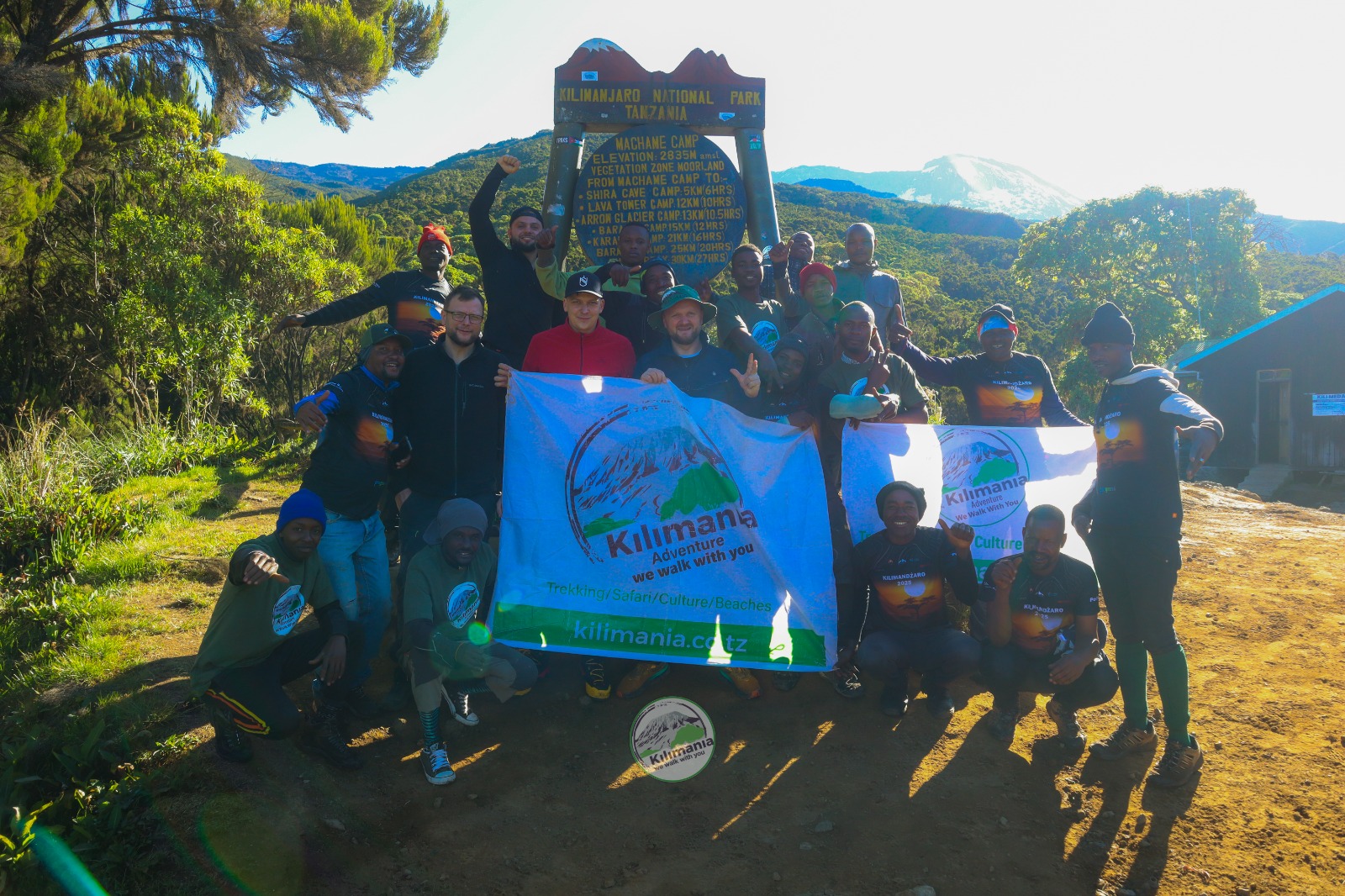
Sabinus Msimba
Senior Mountain Guide and Co-founder of Kilimania Adventure. 22+ years guiding on Kilimanjaro, 300+ personal Uhuru Peak summits, KINAPA-licensed since 2003 (License No. 044395), Wilderness First Responder certified. Depending on availability and group size, your climb may be led by Sabinus or another member of Kilimania’s licensed guide team.
Kilimania Adventure is TATO-registered and follows KPAP porter-welfare standards. Kilimania holds 5.0/5 on TripAdvisor (33 reviews) and 4.9/5 on Google (36 reviews) — read the full, unfiltered history on TripAdvisor and Google Reviews. We don’t display route-specific review quotes here until we have a verified set for the Northern Circuit specifically — the links above are our full company-wide review history, not filtered to this route.
Free planning downloads
Altitude symptom checklist
AMS, HACE and HAPE warning signs, plus a daily self-check form.
Download PDFOther Kilimanjaro routes
8 Days
Lemosho Route
Scenic western approach with strong acclimatization, fewer days than the Northern Circuit.
Frequently asked questions
How many days is the Northern Circuit route?
Nine days and eight nights on the mountain. Including a pre-climb briefing day and a post-climb departure day in Moshi, the full trip runs 10 days from arrival to departure.
What is the success rate on the 9-day Northern Circuit?
Based on Kilimania’s internal climbing records (updated August 2026), the 9-day Northern Circuit has a 96% summit success rate from 215 climbers who reached Uhuru Peak. This is Kilimania’s own operational data, not an official TANAPA/KINAPA statistic, and individual outcomes still depend on acclimatization, fitness, weather and pacing.
Is the Northern Circuit good for first-time climbers?
Yes, provided you have the time and budget for it. Its gradual daily ascent and extra nights at altitude make it one of the more forgiving routes for someone attempting a high-altitude trek for the first time — the trade-off is a longer, more expensive trip than Machame or Marangu.
How is the Northern Circuit different from Lemosho?
The two routes share their first three days, then the Northern Circuit turns north onto the quieter side of the mountain for an extra day, while Lemosho joins the busier southern circuit. The Northern Circuit sees far fewer other climbers but costs more and takes a day longer.
Why does the Northern Circuit cost more than other routes?
Mainly the extra day: more park fees, more staff days, more food and camping logistics. It isn’t a premium add-on service — it’s the same inclusions as our other routes, spread across a longer itinerary.
What camps does the Northern Circuit use?
Big Tree Camp, Shira 1 Camp, Moir Hut, Pofu Camp (also called Poff or Buffalo Camp), Third Cave, School Hut, then Barafu Camp and Mweka Camp on the descent.
How difficult is the 9-day Northern Circuit?
Daily terrain is moderate — no technical climbing — but the total duration and multiple nights above 4,000m make it a genuine physical undertaking. Summit night, launched from School Hut, is the hardest single stretch on any route we guide.
What is the summit night approach on the Northern Circuit?
Summit night starts at School Hut (4,900m) on the mountain’s northern side, unlike most other routes which launch from Barafu Camp on the southeastern side. Both approaches converge at Uhuru Peak.
Can I join an existing Kilimania group on the Northern Circuit?
Solo travelers and pairs can sometimes join a scheduled departure at a joining rate. Check our joining calendar for current open dates, or ask us directly.
How do I book the 9-day Northern Circuit?
Use the booking form below or message us on WhatsApp with your preferred dates and group size. We reply within 12 hours with a full itinerary and quote; a $100 per-person deposit confirms your booking.
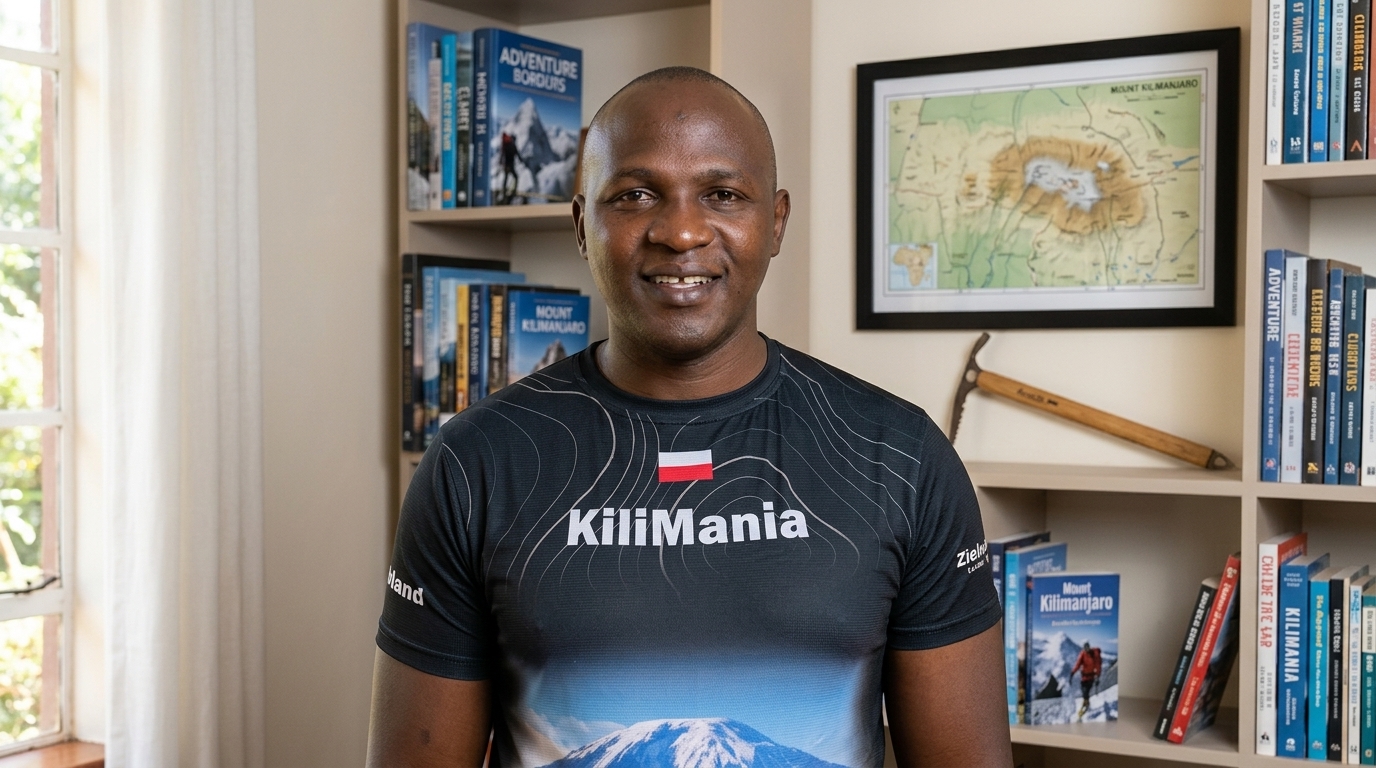
Sabinus Msimba
Senior Mountain Guide · Co-founder, Kilimania Adventure
Last reviewed: September 2026. This page is published by Kilimania Adventure, a TATO-registered Kilimanjaro climbing and Tanzania safari operator based in Moshi, Tanzania (Business Registration No. 437131). Itinerary, camp names and elevations reflect our standard operating plan for this route and may be adjusted on the ground for weather or safety reasons. We encourage comparing this information with at least one other TATO-registered operator before booking.
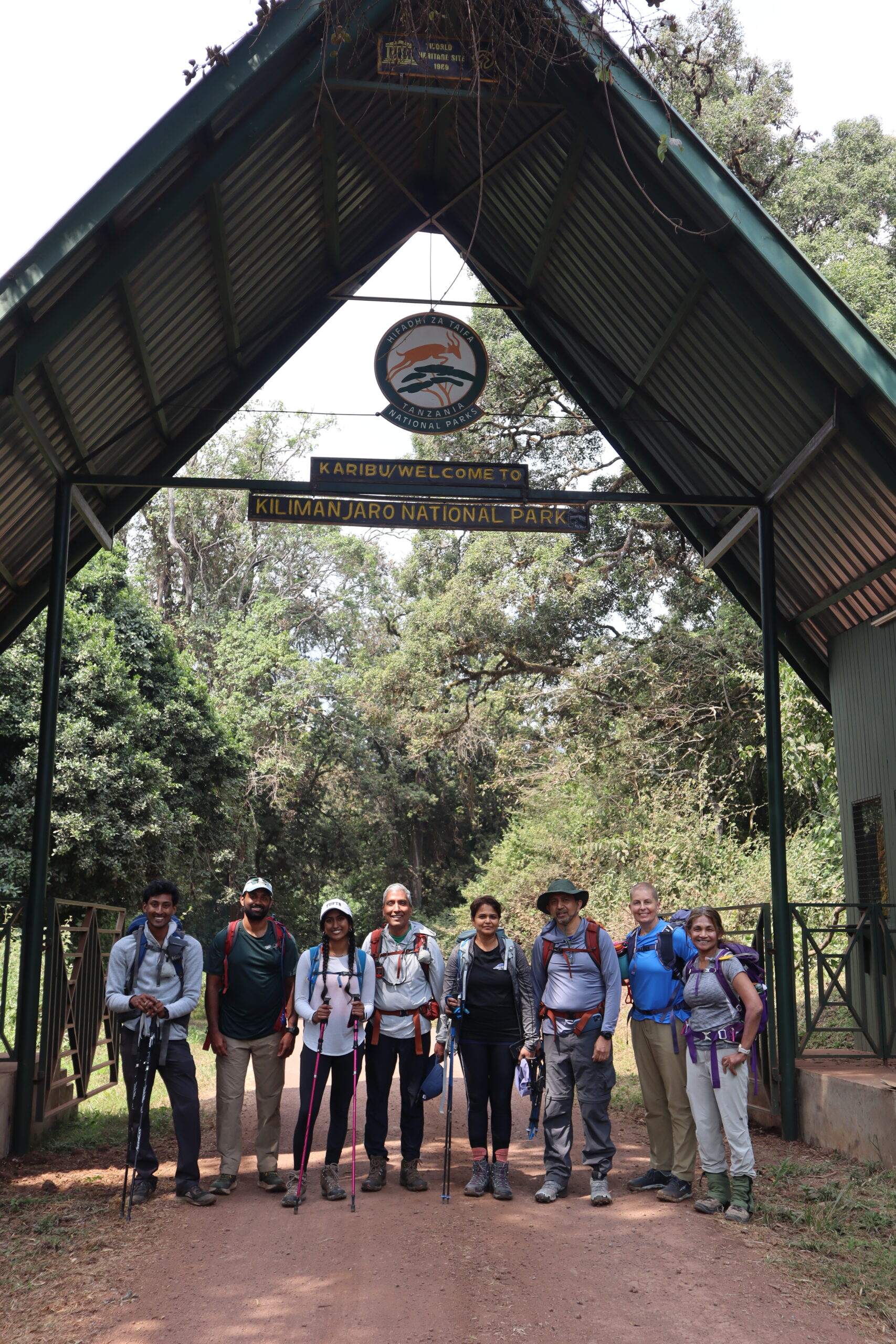
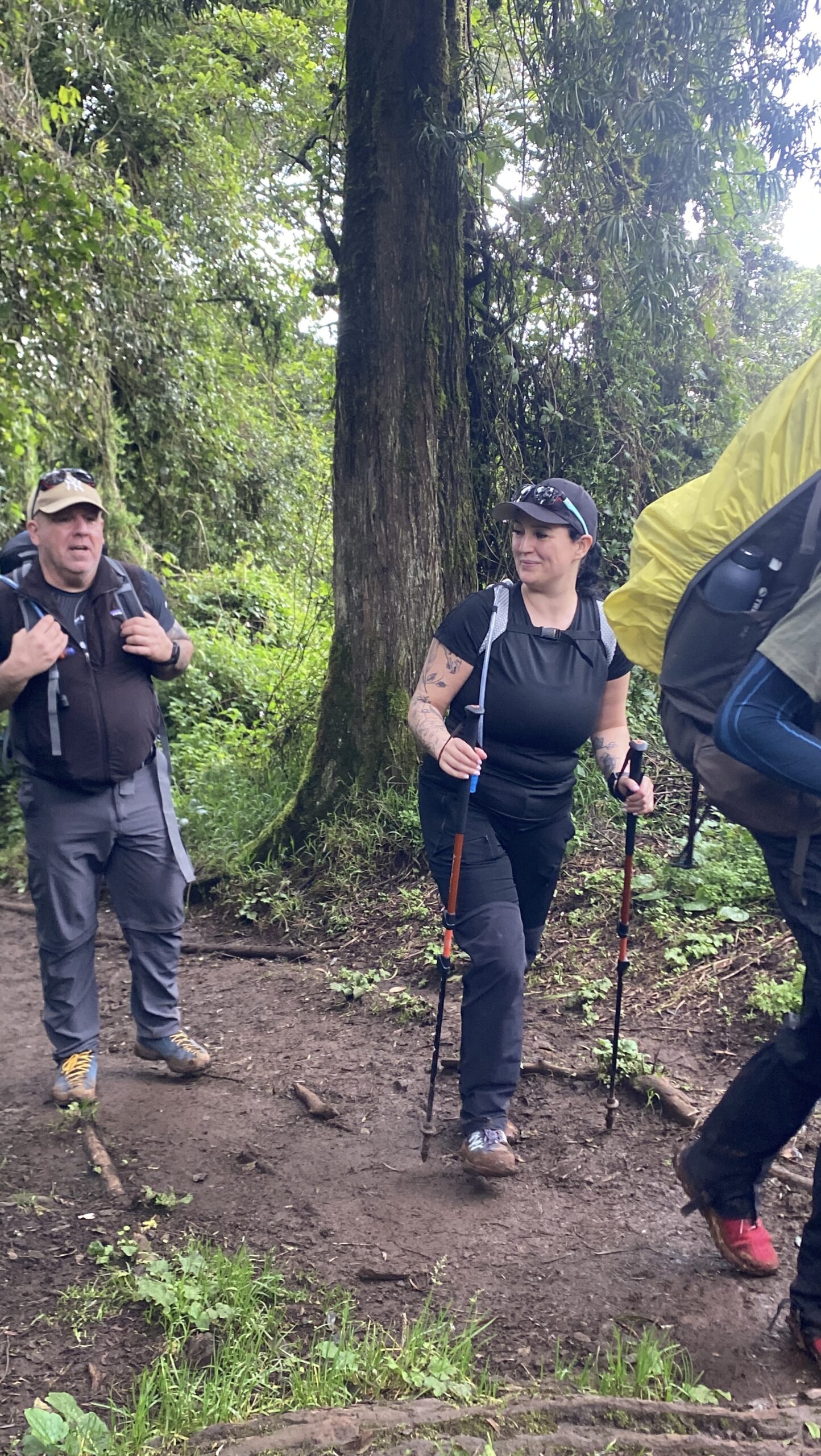
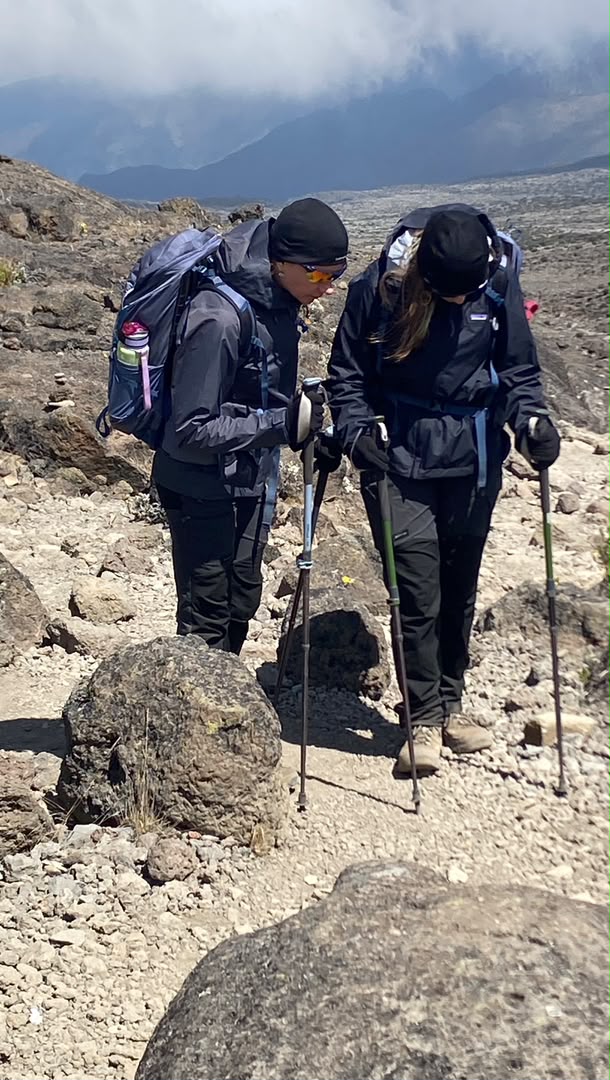
Kilimanjaro with Kilimania — photo gallery
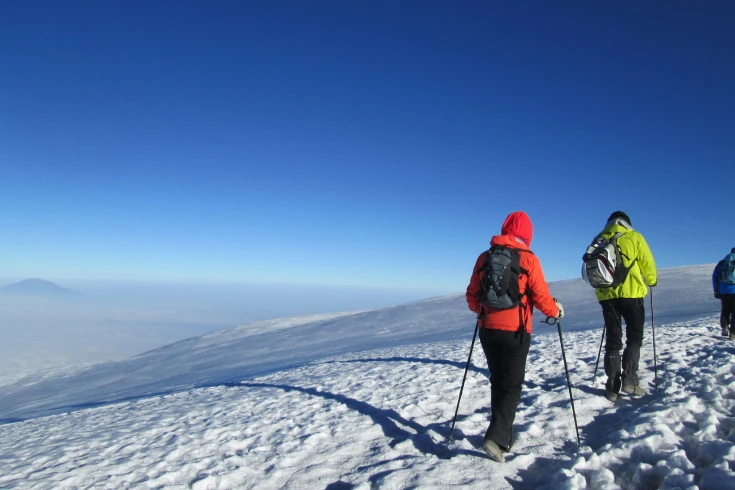
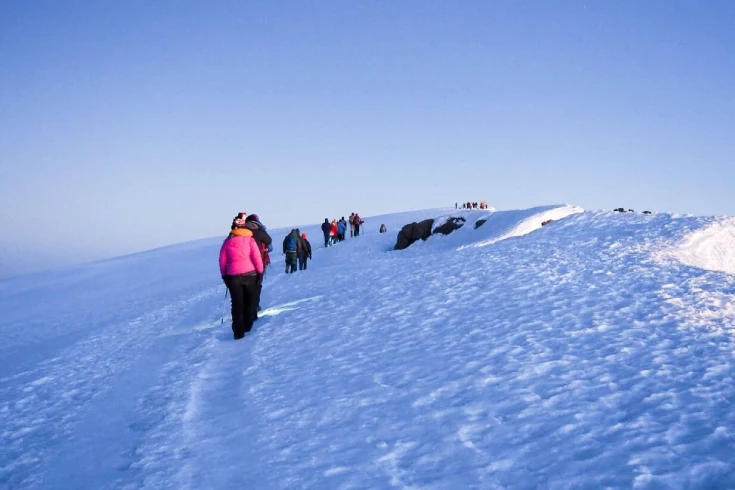
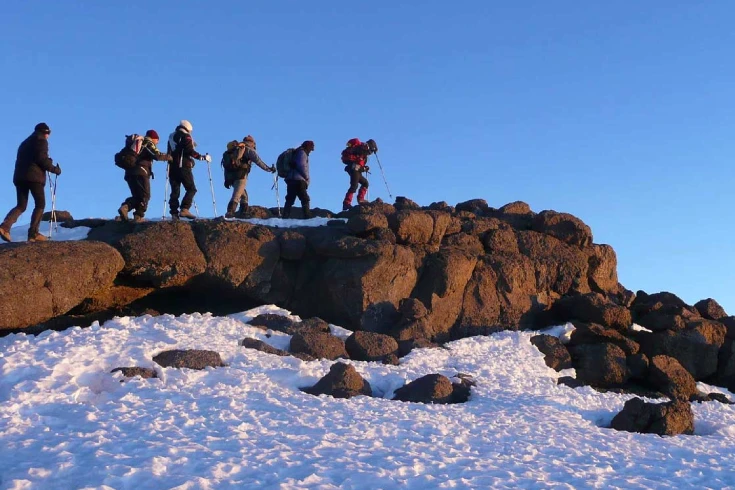
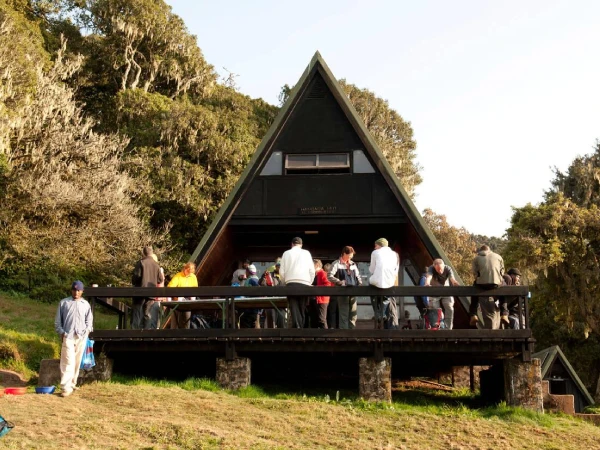
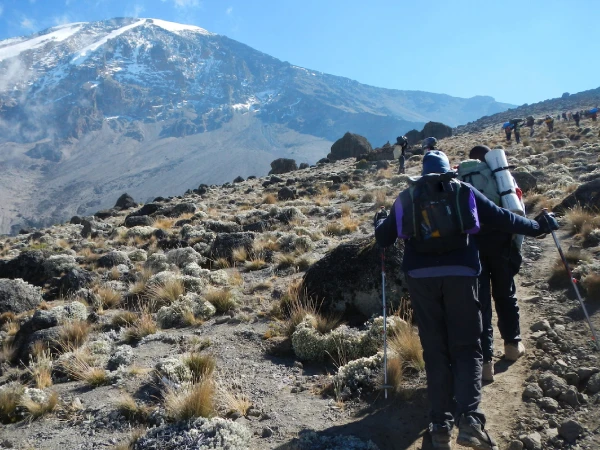
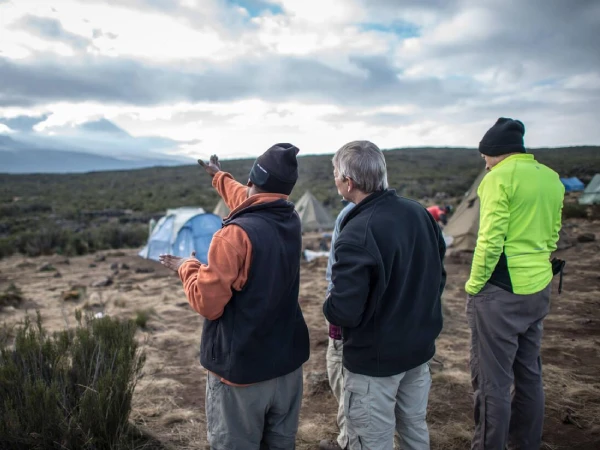
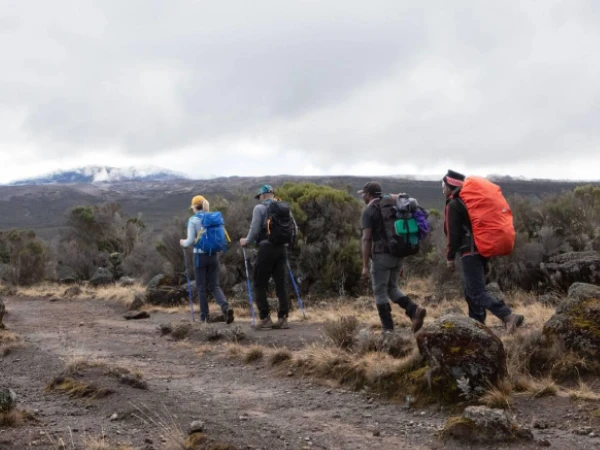
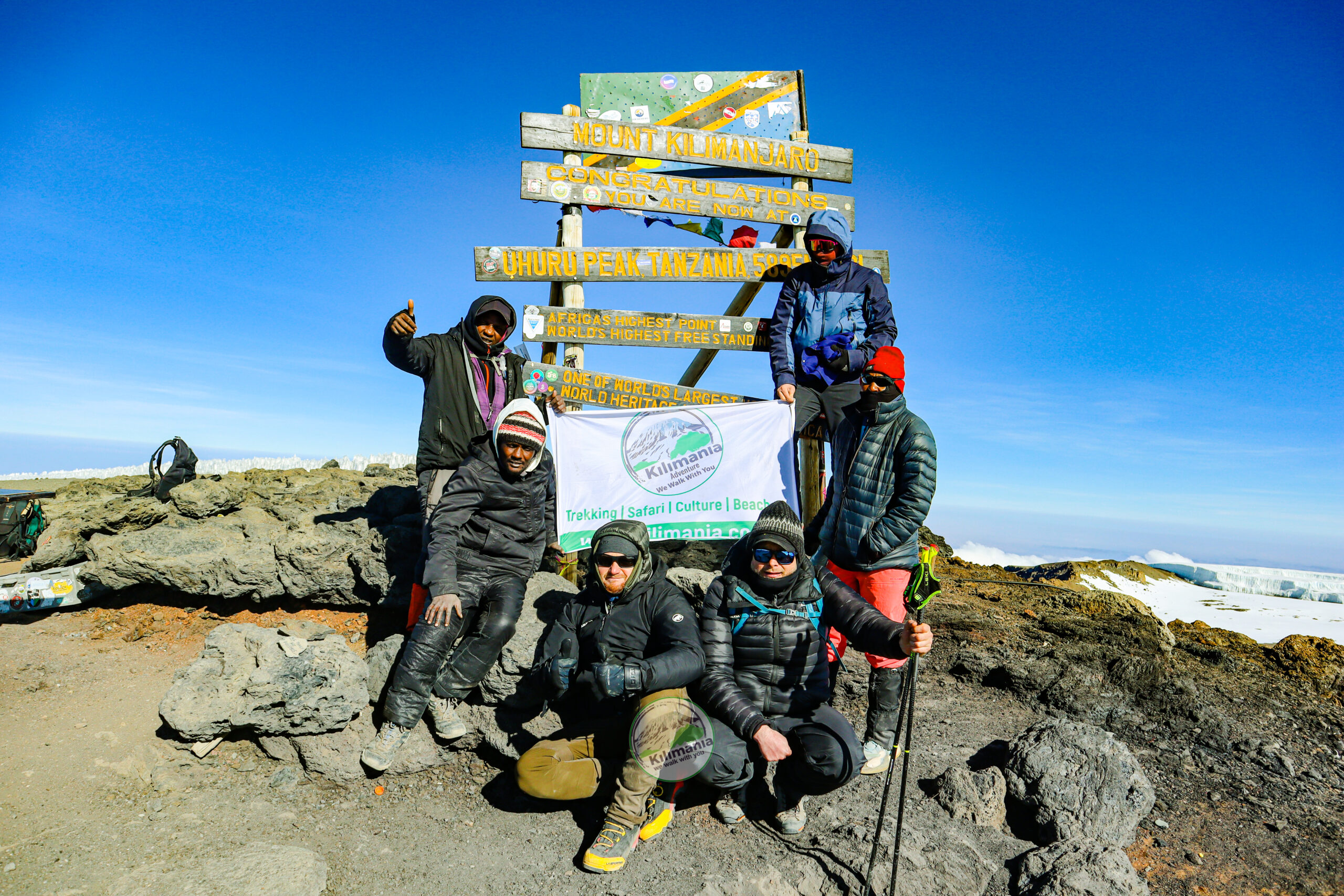
A mix of photography from Kilimania’s climbs across Kilimanjaro’s routes — not all taken on the Northern Circuit specifically, since we’re still building a dedicated photo set for this itinerary.