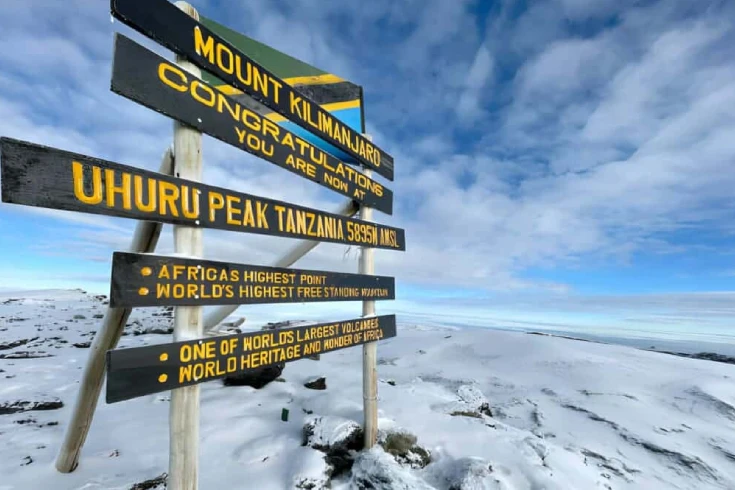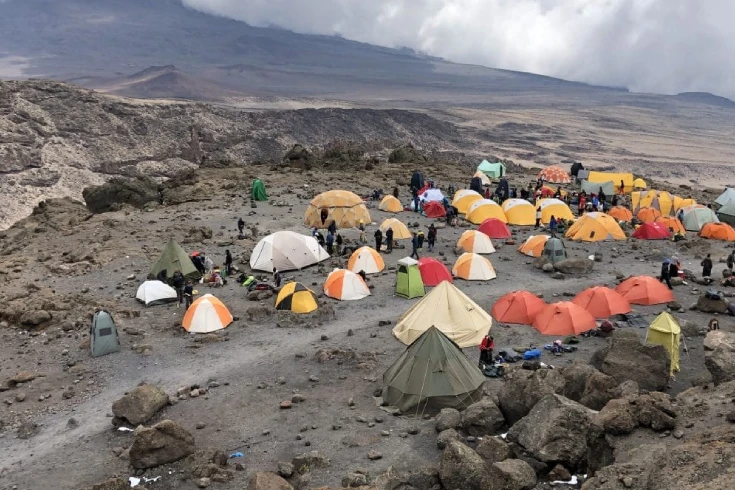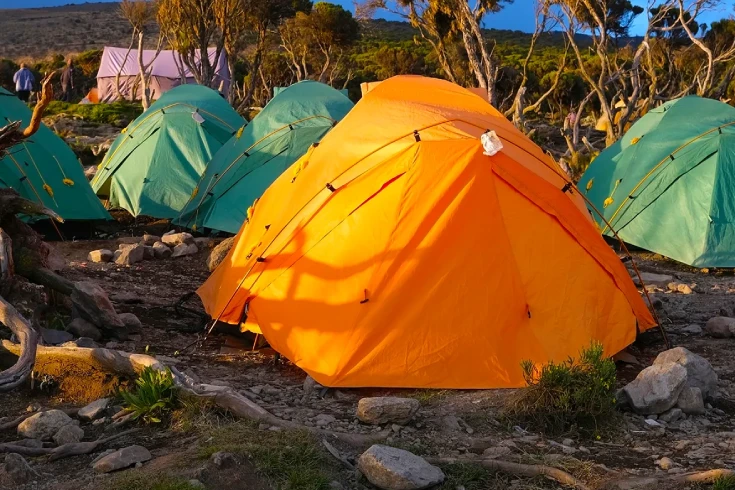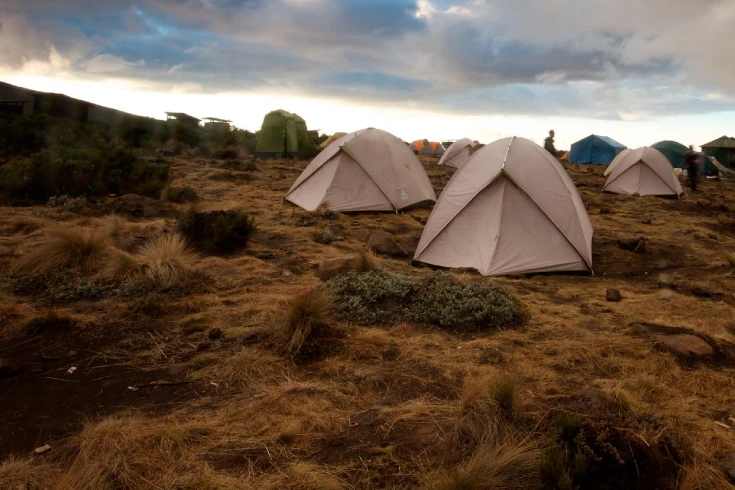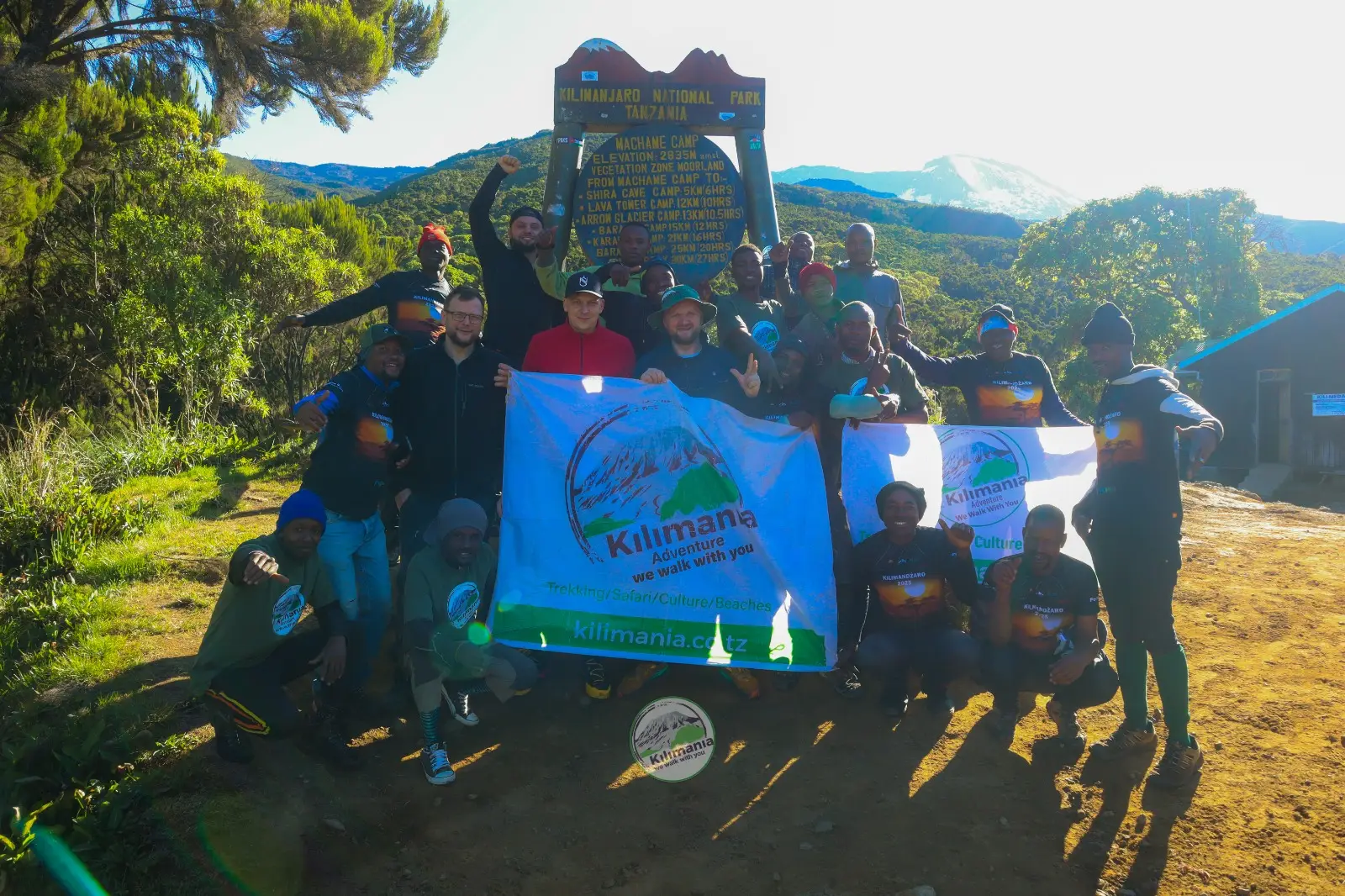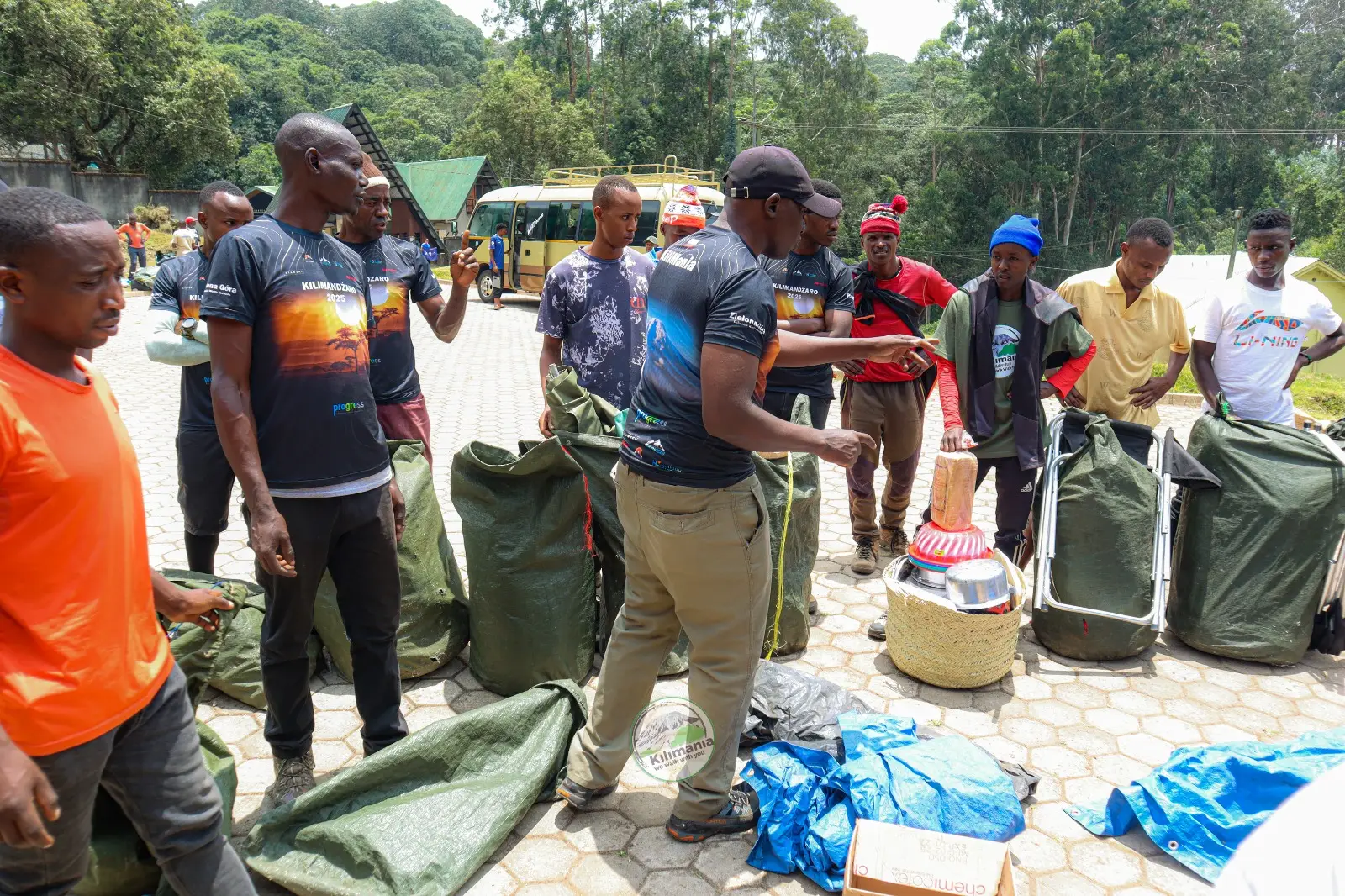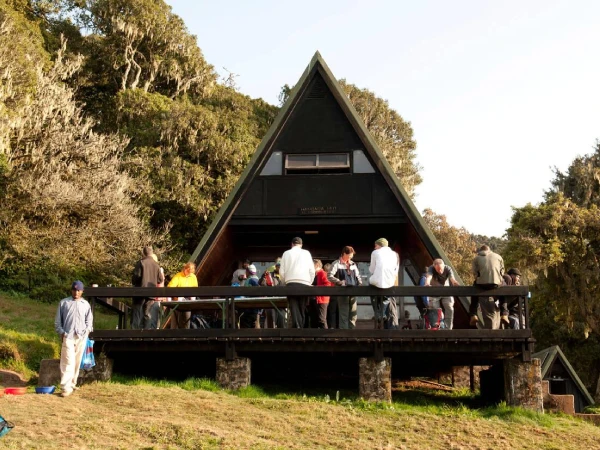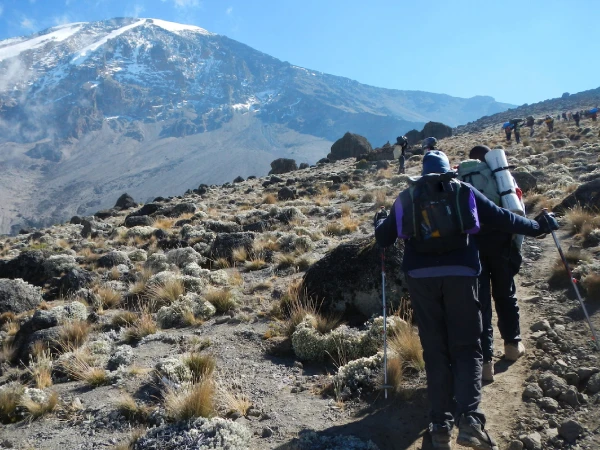
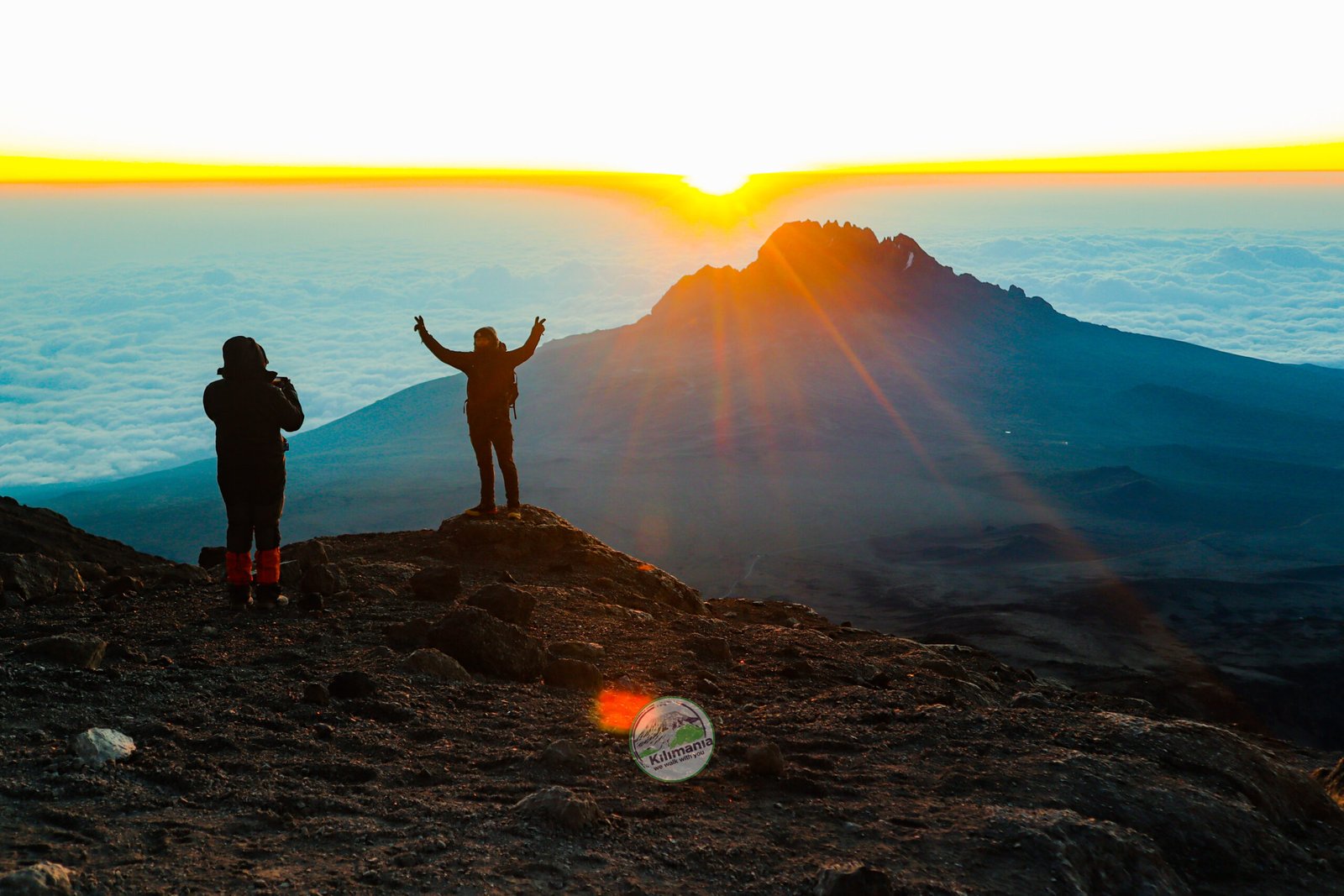
Six days is the compressed version of Machame — same trail, same camps, one fewer night. The night it removes is the one at Karanga Valley, which means your third night on the mountain you go straight from 3,976 m to 4,673 m instead of easing through 4,033 m first. That’s a 697-metre jump in sleeping altitude in a single day, and it’s the whole story of why six days is harder than seven. If your schedule genuinely only allows six days and you’ve handled altitude before, this route works. If you have any flexibility at all, take the seventh day — it costs one extra guide day and buys you a real acclimatization buffer.
The 6-day Machame climbs from Machame Gate (1,800 m) to Uhuru Peak (5,895 m), skipping the Karanga Valley overnight that the 7-day version includes. Day 4 combines the Barranco Wall, the Karanga crossing, and the push to Barafu into one long day. Kilimania guides this route for climbers with genuine time limits and some prior altitude experience — pricing starts at $1,450 pp for a group of six, deposit $100.
Six days or seven? Read this first.
Both itineraries follow the identical trail and camps. The difference is one night: on the 7-day you sleep at Karanga (4,033 m) between Barranco and Barafu; on the 6-day you skip straight from Barranco (3,976 m) to Barafu (4,673 m). That’s the entire trade-off — not scenery, not guide quality, just acclimatization time.
Take six days if: your travel dates are fixed, you’ve slept above 4,000 m before without serious trouble, and you’re comfortable with a demanding Day 4.
Take seven days if: you have any flexibility on dates. This is what we recommend to most climbers, first-timers especially — see the 7-day Machame Route.
From Kilimania’s 2019–2026 operational records, the 6-day Machame Route runs a lower summit success rate than the 7-day Machame or 8-day Lemosho — consistent with the shorter acclimatization window. We haven’t published an exact route-specific percentage here because we don’t yet have a dataset we’d stand behind publicly; if you want to discuss it directly, ask us. For the broader picture, see Kilimanjaro success rate by route.
Who the 6-Day Machame Route Actually Suits
Machame earns its “Whiskey Route” nickname from being the harder of the two most-walked paths up the mountain (Marangu, the hut route, is the “Coca-Cola Route”). Over six days you pass through four distinct habitats — rainforest, heath and moorland, alpine desert, and the arctic summit zone — on the same trail the 7-day version uses. Nothing about the scenery changes. What changes is how much time your body gets to adjust before the two hardest days.
Six days works for people who have a hard return flight and can’t move it, who’ve been above 4,000 m before and know roughly how their body responds, and who are walking-fit enough to do six to eight hours a day, several days running, without it wrecking them. It does not work well as an introduction to altitude. If this would be your first time sleeping above 3,500 m, the compressed schedule is not where you want to find that out.
First time at altitude? We’d rather talk you into the 7-day Machame or 8-day Lemosho than watch you turn back at Stella Point because Day 4 caught up with you. See can a beginner climb Kilimanjaro for a longer answer.
Day-by-Day Itinerary — 6 Days Machame
Distances and times below are typical for our groups; weather and pace will shift them a little on any given climb.
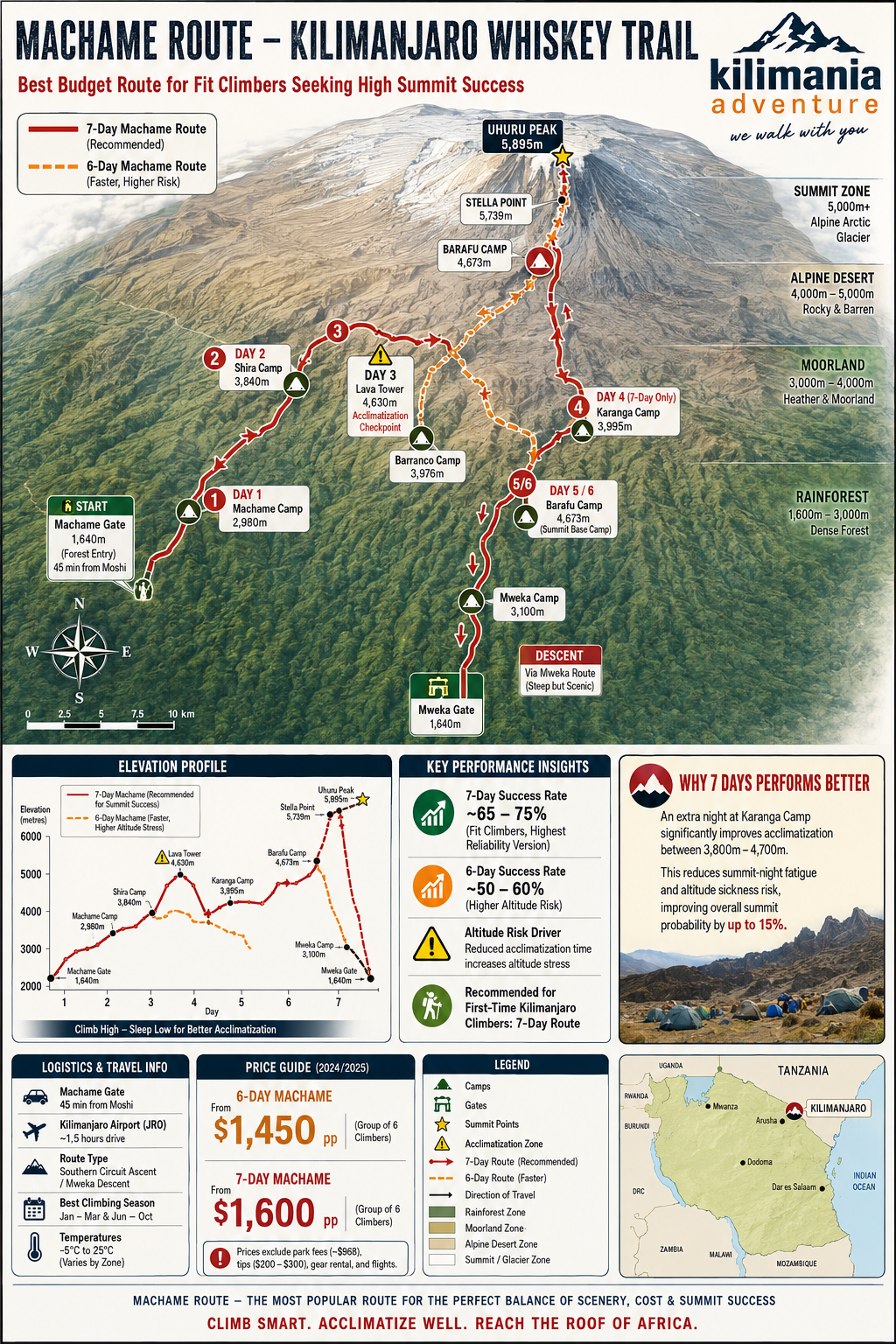
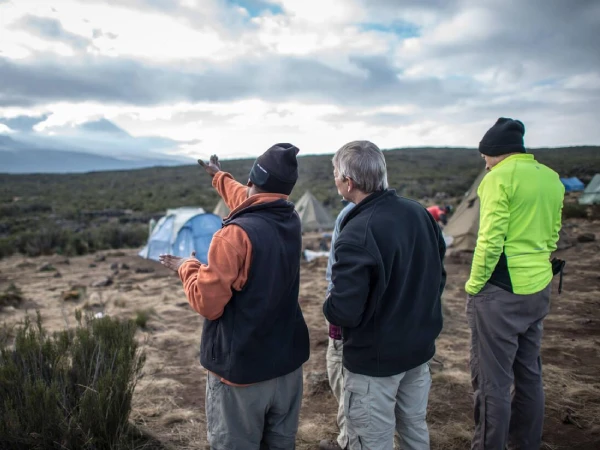
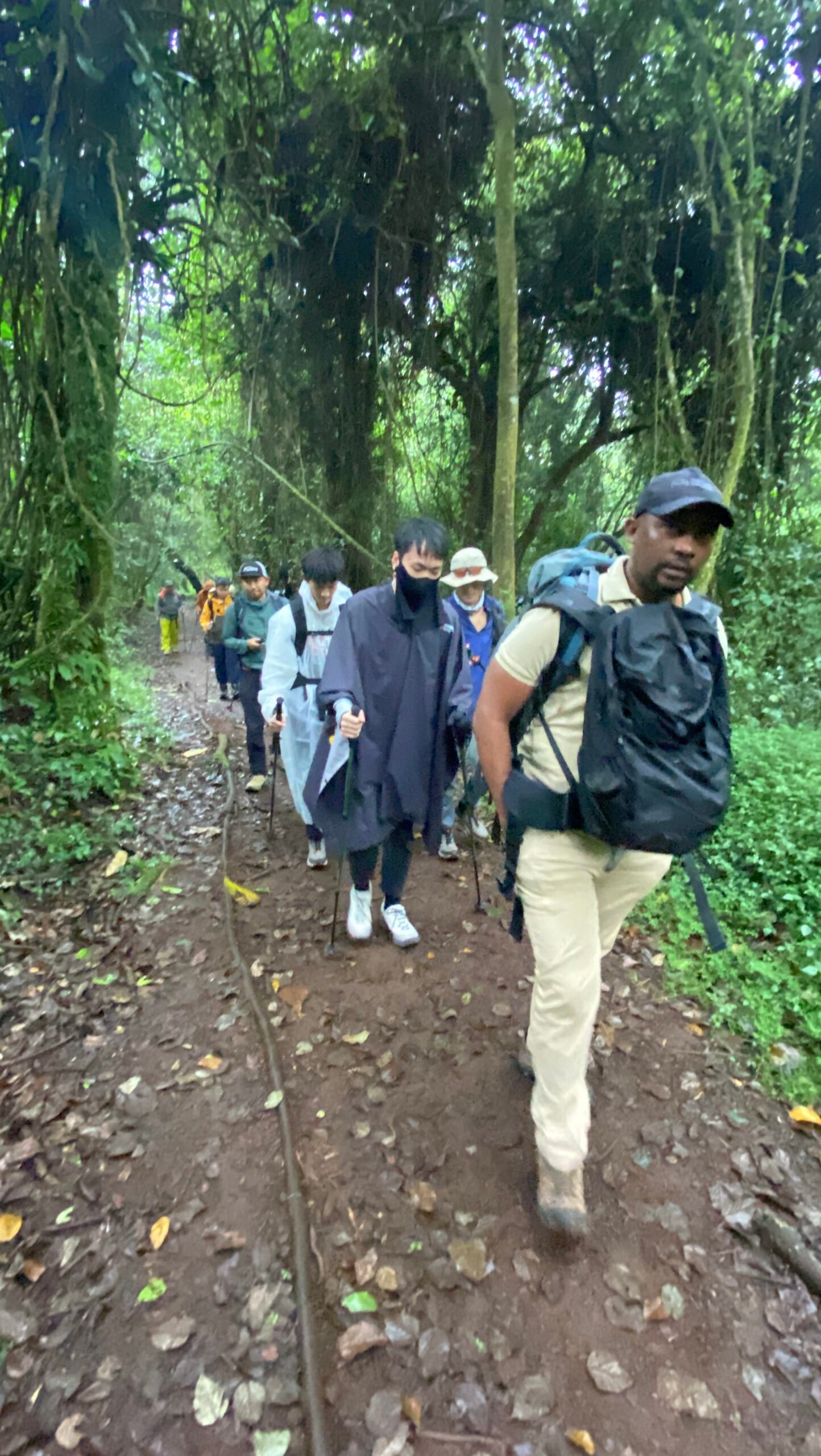
Registration at the gate, then straight into rainforest — thick canopy, humid air, a good chance of colobus monkeys overhead. The porters, carrying 15–20 kg each, disappear ahead of the group almost immediately. This day exists to get everyone walking at the right pace, not to test anyone. Sabinus tells new groups: “The mountain isn’t asking anything of you today. Save it.”
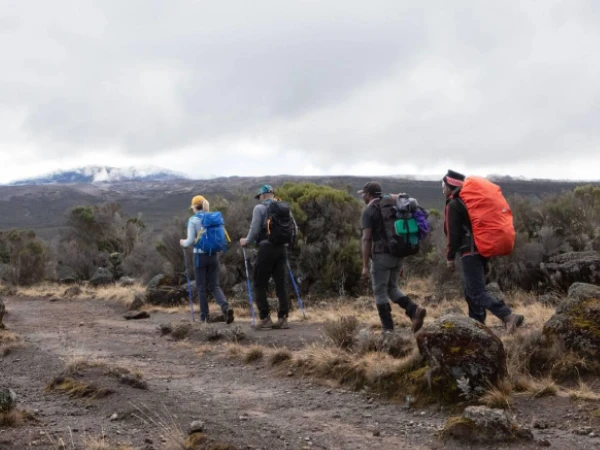
The forest ends within the first hour and the mountain opens up — heather, then open moorland on the old Shira Plateau. Shorter day in distance, meaningful in elevation. This is your first night above 3,500 m, and the first evening your guide takes a pulse-oximeter reading — considered alongside how you’re sleeping, eating, and feeling, not as a standalone number.
The most important acclimatization day of the whole climb. You walk up to Lava Tower (4,630 m) for lunch, then drop back down to sleep at Barranco (3,976 m) — climb high, sleep low. It’s the mechanism that makes Machame viable in the first place. Barranco Camp sits under the Barranco Wall, which looms more dramatically from below than it climbs the next morning.
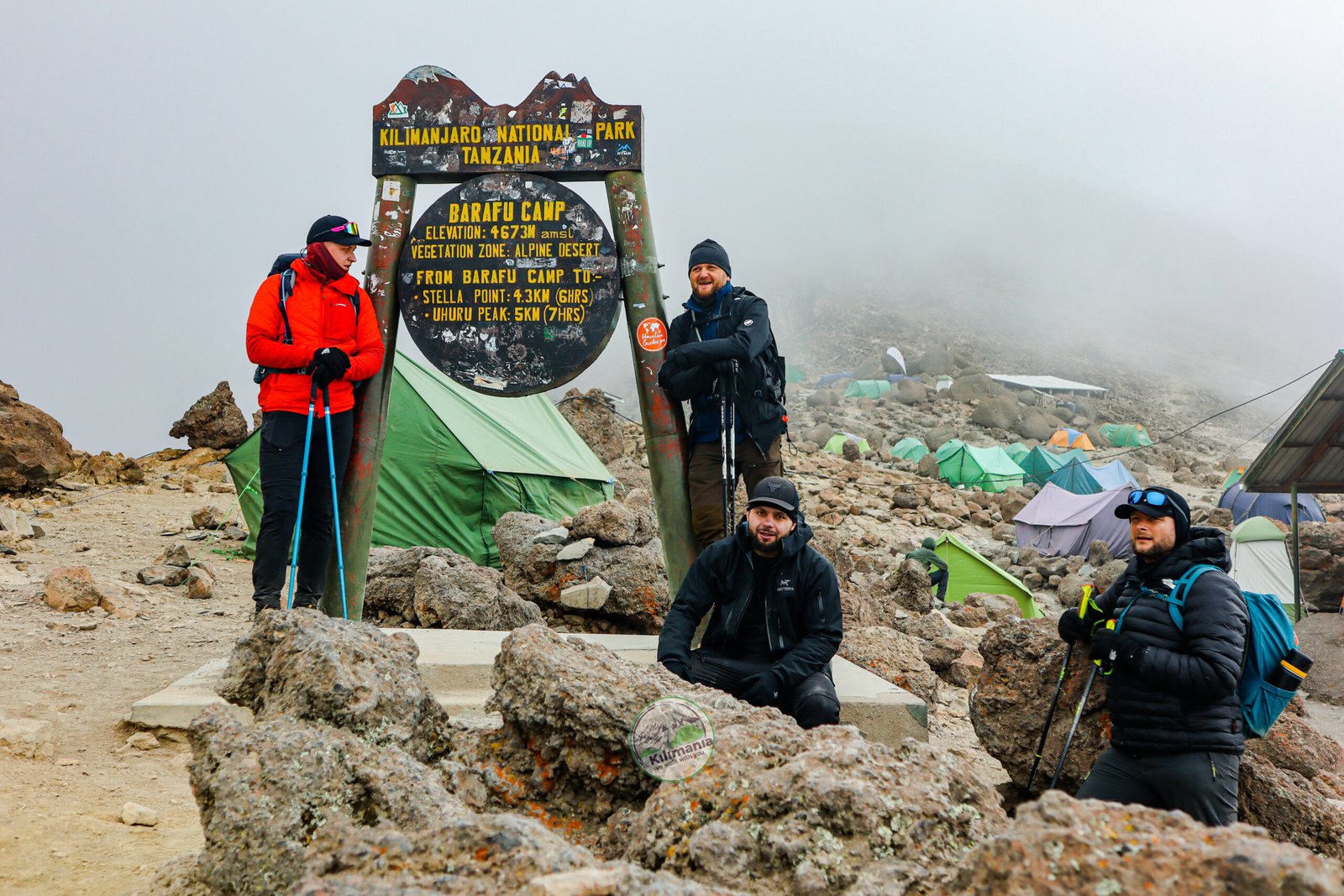
This is the day that separates six from seven. It starts with the Barranco Wall — a roughly 60–90 minute scramble, hands-on for balance but not technical climbing. From the top, the trail crosses the Karanga Valley (where the 7-day itinerary would stop for the night) and continues climbing to Barafu Camp at 4,673 m. You’ll sleep 697 m higher than the night before, with summit night starting a few hours later. Guides watch pulse-oximeter readings more closely this evening than on any other night of the climb.
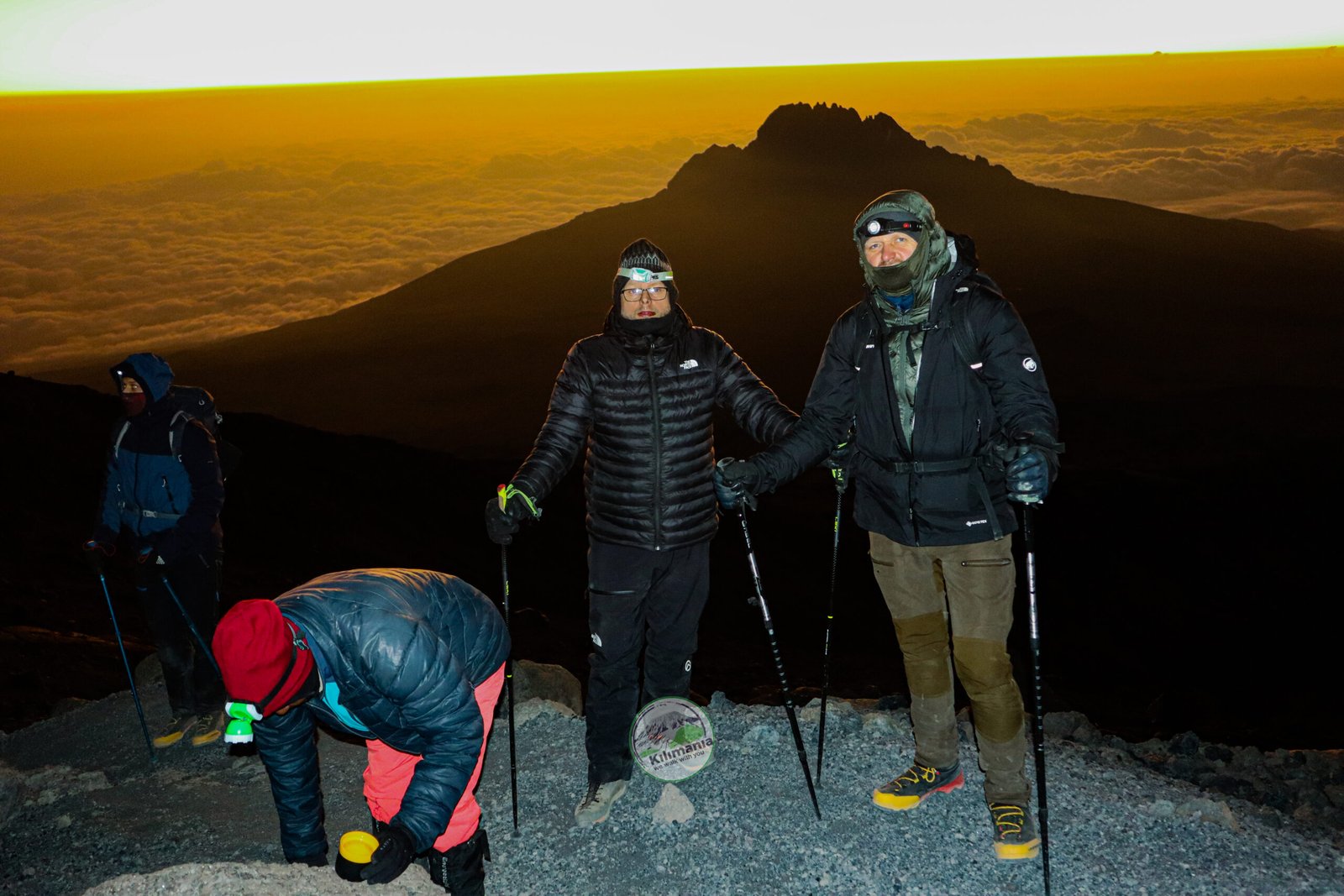
Wake-up is typically around 23:00 for tea and a snack. Temperatures at Barafu can fall well below freezing, and strong wind can make it feel considerably colder still. The push to Stella Point (5,756 m) is steep scree by headlamp — no technical difficulty, just steep walking in thin air for several hours. From Stella Point it’s another 45–60 minutes along the crater rim to Uhuru Peak. After photos, the descent back to Barafu takes 2–3 hours, then a further 4–5 hours down to Mweka Camp — typically 12–14 hours in total from Barafu departure to Mweka Camp, depending on pace, weather, and how the group is doing.
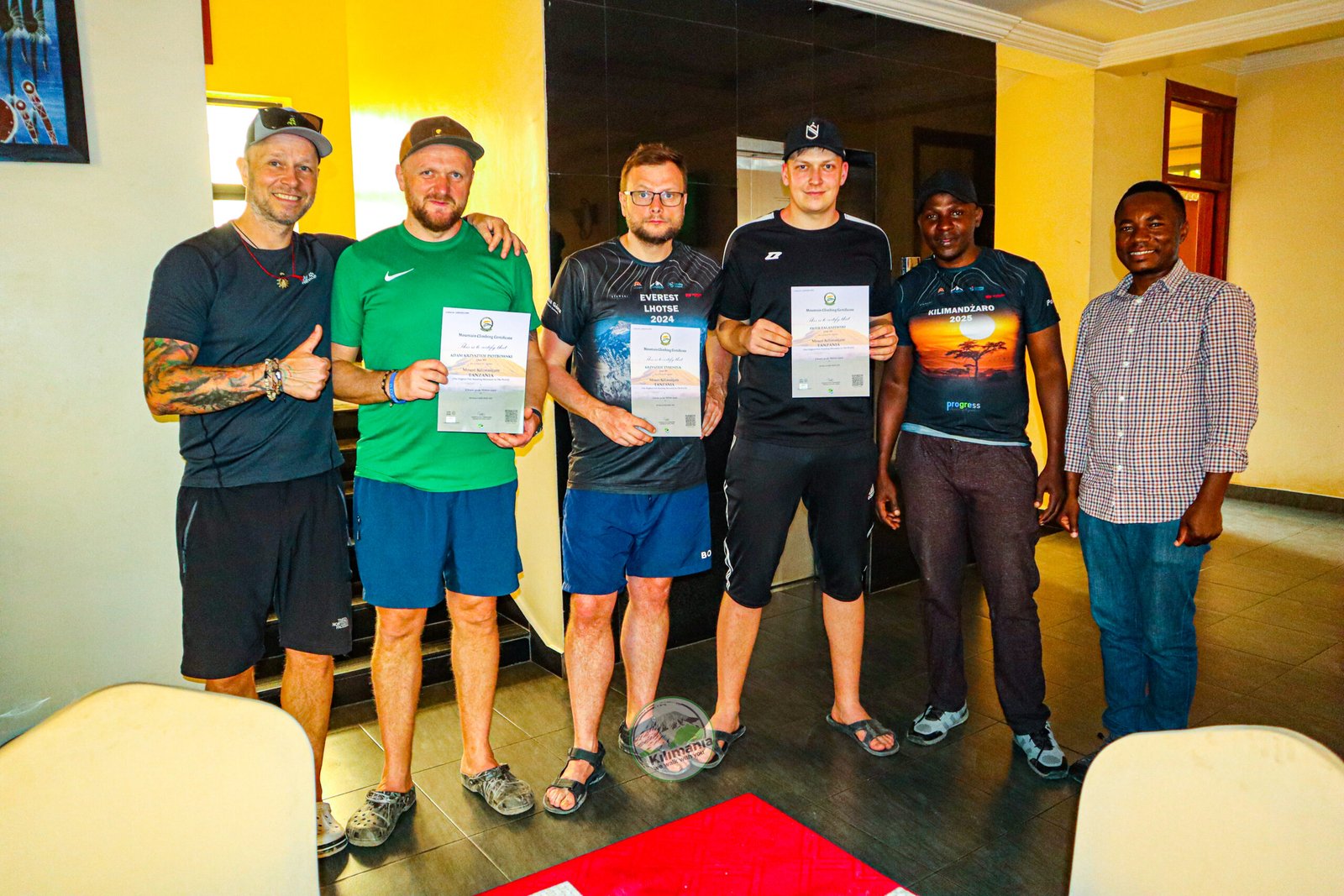
Back through rainforest to Mweka Gate, where you sign out and collect certificates — gold for Uhuru Peak, green for Stella Point. A vehicle takes the group back to Moshi.
Acclimatization on the Compressed Schedule
Sleeping altitude by night: 3,010 m → 3,840 m → 3,976 m → 4,673 m → summit. The single jump on Night 4 is the reason our guides treat this route with more caution than the 7-day version — closer pulse-ox monitoring that evening, more direct questions about headache and appetite, and no hesitation about descending if the numbers say so. Sabinus puts it plainly: “We’re not trying to talk anyone out of summiting. We’re trying to make sure the decision to keep going is an informed one.” Emergency oxygen and a pulse oximeter travel with every 6-day group. For the mechanics of altitude sickness itself, see how hard Kilimanjaro really is.
Honest Difficulty Assessment
Rating: Hard — harder than the 7-day Machame, on the same trail.
- Day 4 combines the Barranco Wall, the Karanga crossing, and a long climb to Barafu on a body already working at altitude.
- The Night 4 sleeping-altitude jump (+697 m) is the largest sleeping-altitude increase on this six-day itinerary.
- Summit night is cold and steep — temperatures well below freezing, worse with wind — followed immediately by a long descent to Mweka.
- Day 5 typically runs 12–14 hours from Barafu departure to Mweka Camp — the longest day on the mountain.
Fitness helps you keep walking; it doesn’t determine how your body acclimatizes. Some very fit climbers turn back from altitude sickness, and some less-trained ones summit without incident. The amount of time spent acclimatizing at altitude is an important part of the picture — which is one reason we generally prefer the extra night on the 7-day route.
To prepare: aim to comfortably walk 6–8 hours with a 5–7 kg daypack on consecutive days, practice with trekking poles on descents, and pack for temperatures well below -15°C — see the Kilimanjaro packing list.
Have six days available?
Send us your dates and group size — we’ll confirm availability, current pricing, and whether joining or a private climb makes more sense, usually within 12 hours.
Pricing — 6-Day Machame Route
Per person, USD, current as of July 2026 — confirm before booking.
Deposit: $100 per person secures your date. Joining rate: the 3-person price applies to solo travelers or pairs joining an existing departure — see the joining calendar. Full breakdown of park fees and tipping guidance is on the Kilimanjaro cost page.
← scroll for full table →
| Group size | Price per person | Notes |
|---|---|---|
| 1 | $1,750 | Private |
| 2 | $1,650 | |
| 3 | $1,600 | Joining rate |
| 4 | $1,550 | |
| 5 | $1,500 | |
| 6 | $1,450 | Lowest per-person rate |
What’s Included & What’s Not
Included
- TANAPA park fees and KINAPA rescue fee
- KINAPA-licensed lead guide, assistant guides, cook and porters
- Tents, sleeping mats, dining and toilet tents
- All meals and unlimited drinking water on the mountain
- Emergency oxygen and nightly pulse-oximeter checks
- First aid kit
- Transfers: Moshi ↔ Machame Gate / Mweka Gate
- 2 hotel nights before the climb, 2 after
- Summit certificate
Not Included
- International flights and Tanzania visa
- Travel insurance — required, must cover high-altitude evacuation
- Personal trekking gear
- Guide and porter tips
- Diamox or personal medication — consult your own doctor
- Personal porter (available as an add-on)
- Extra accommodation beyond the two nights specified
Joining a Group or Climbing Privately
Joining: solo travelers or pairs can join an existing 6-day Machame departure at the 3-person rate ($1,600 pp). Check the joining calendar for confirmed dates. Private: available on your own schedule with the same guides and equipment — your group sets the pace without coordinating around anyone else.
Safety & Altitude
- Pulse-oximetry every evening; Lake Louise AMS score checked each morning
- Emergency oxygen carried by the lead guide at all times
- Descent is the default response to worsening AMS — no summit outcome overrides that
- Guides are trained in KINAPA rescue coordination
Diamox: some climbers use it to aid acclimatization. We don’t prescribe it — talk to your own doctor 4–6 weeks out about whether it’s right for you.
How the 6-Day Machame Compares
← scroll for full table →
| Route | Duration | Acclimatization | Main challenge | Kilimania view |
|---|---|---|---|---|
| Machame 6 Days | 6D/5N | No Karanga night | Day 4 combined section | For time-limited, altitude-experienced climbers |
| Machame 7 Days | 7D/6N | Includes Karanga night | Summit night | Recommended for most climbers |
| Lemosho 8 Days | 8D/7N | Most gradual | Length | Best for first-timers wanting maximum buffer |
| Marangu 6 Days | 6D/5N | Moderate | Hut crowding | For hut preference or budget priority |
| Rongai 6 Days | 6D/5N | Moderate | Remote, fewer nearby rescue resources | Quieter northern approach, dry-season pick |

The Guide Team
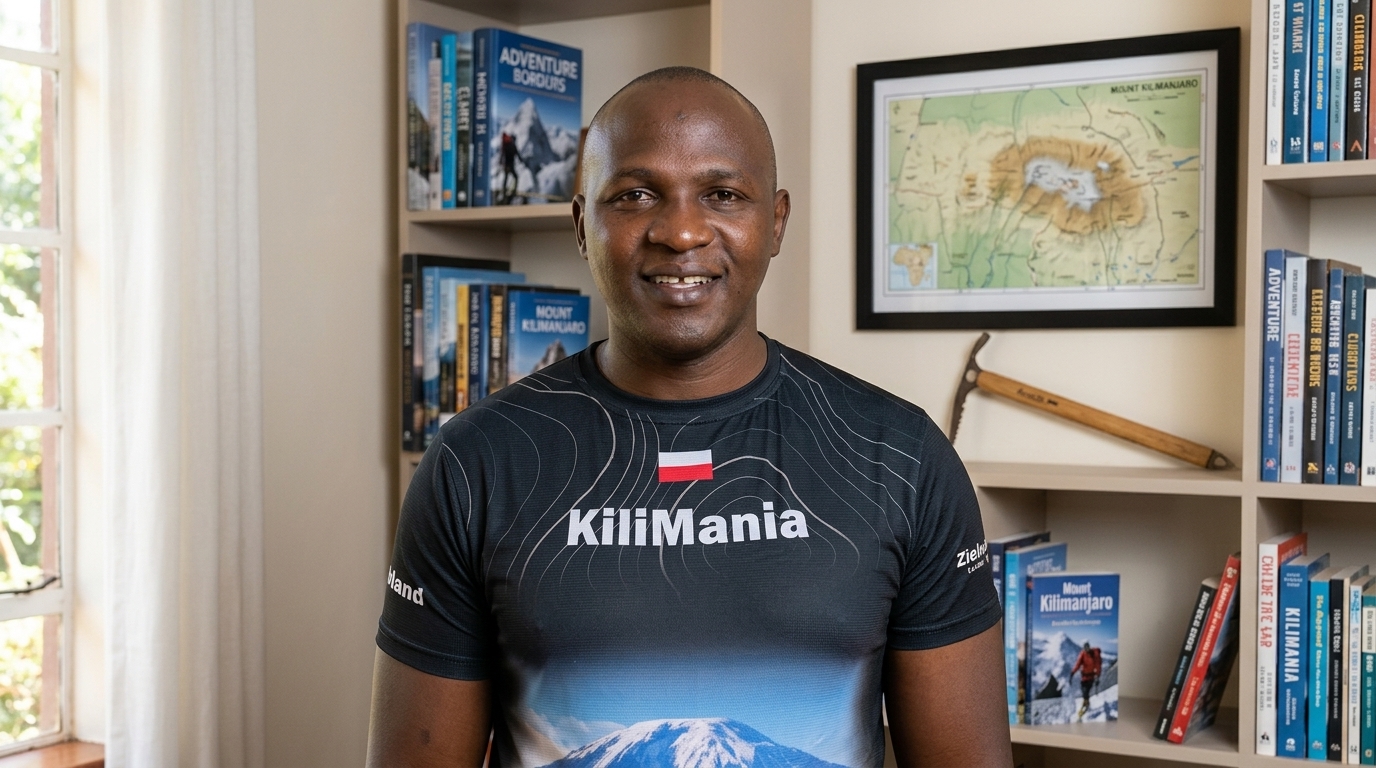
Sabinus Msimba
Senior Mountain Guide & Co-founder, Kilimania Adventure
Guiding on Kilimanjaro since 2003, across every major route. On 6-day Machame climbs Sabinus leads the team or directly supervises the lead guide, and treats Day 4’s sleeping-altitude jump as the moment that decides how the rest of the climb goes — closer monitoring, earlier readings, and a direct conversation at Barafu about what summit night will actually demand.
Kilimanjaro Guide
Kilimanjaro Guide
Kilimanjaro Guide
Frequently Asked Questions
Hard — harder than the 7-day version of the same route, mainly because Night 4 pushes sleeping altitude up 697 m in one go instead of splitting the increase across two nights. The Barranco Wall itself is a steep but non-technical scramble most climbers manage without difficulty; the real demand is Day 5’s 12–14 hours of summit night plus descent.
$1,750 solo down to $1,450 pp for a group of six, plus a $100 deposit. That covers park fees, guides, porters, tents, meals, water, transfers, and 2 hotel nights before the climb plus 2 after. Flights, insurance, tips, and personal gear are extra — confirm current pricing before booking.
We don’t recommend it as a first high-altitude trek. The compressed acclimatization profile puts more demand on a body with no prior experience above 3,500 m. First-timers are usually better served by the 7-day Machame or 8-day Lemosho. If you’ve slept above 4,000 m before without serious symptoms, six days is a reasonable option.
You climb the Barranco Wall (60–90 minutes, hands-on scrambling), cross the Karanga Valley without stopping overnight, and continue climbing to Barafu Camp at 4,673 m. It’s roughly 12 km over 6–8 hours, and you end the day 697 m higher in sleeping altitude than the night before.
Yes, at the 3-person rate ($1,600 pp). Check the joining calendar for confirmed departure dates, or ask us about private-climb alternatives if nothing lines up.
$100 per person secures your date. Contact us for the current balance schedule.
Reaching Stella Point but not Uhuru Peak earns a green certificate rather than gold. If altitude sickness forces an earlier descent, guides accompany you down and coordinate evacuation if needed — no one turns back alone, and no summit is worth pushing through a genuine medical warning sign.
Reviews from Recent Climbers
Pulled directly from TripAdvisor and Google — nothing edited, nothing invented.
“Just completed our Kilimanjaro summit with Kilimania Adventure and I’m still speechless! After researching dozens of operators in Moshi, we chose them for their 20+ years experience and it paid off massively. Our guide was phenomenal — patient, knowledgeable, and genuinely cared about our safety and success. We summited Uhuru Peak at sunrise and it was life-changing.”
“We chose Kilimania Adventure partly because we wanted an ethical Kilimanjaro climb, and I’m really glad we did. The guides and porters were amazing, and it was clear the crew was treated with respect. That matters a lot on a mountain like this. I’d absolutely recommend them to anyone who wants a company that genuinely cares about its team.”
“Summited Kilimanjaro via Machame Route with Kilimania Adventure last month — absolutely the right choice! The crew-to-client ratio was impressive. Our guide’s expertise in altitude management got our entire group to the top safely. What sets them apart is their genuine commitment to porter welfare and environmental responsibility.”
More reviews on TripAdvisor and Google.







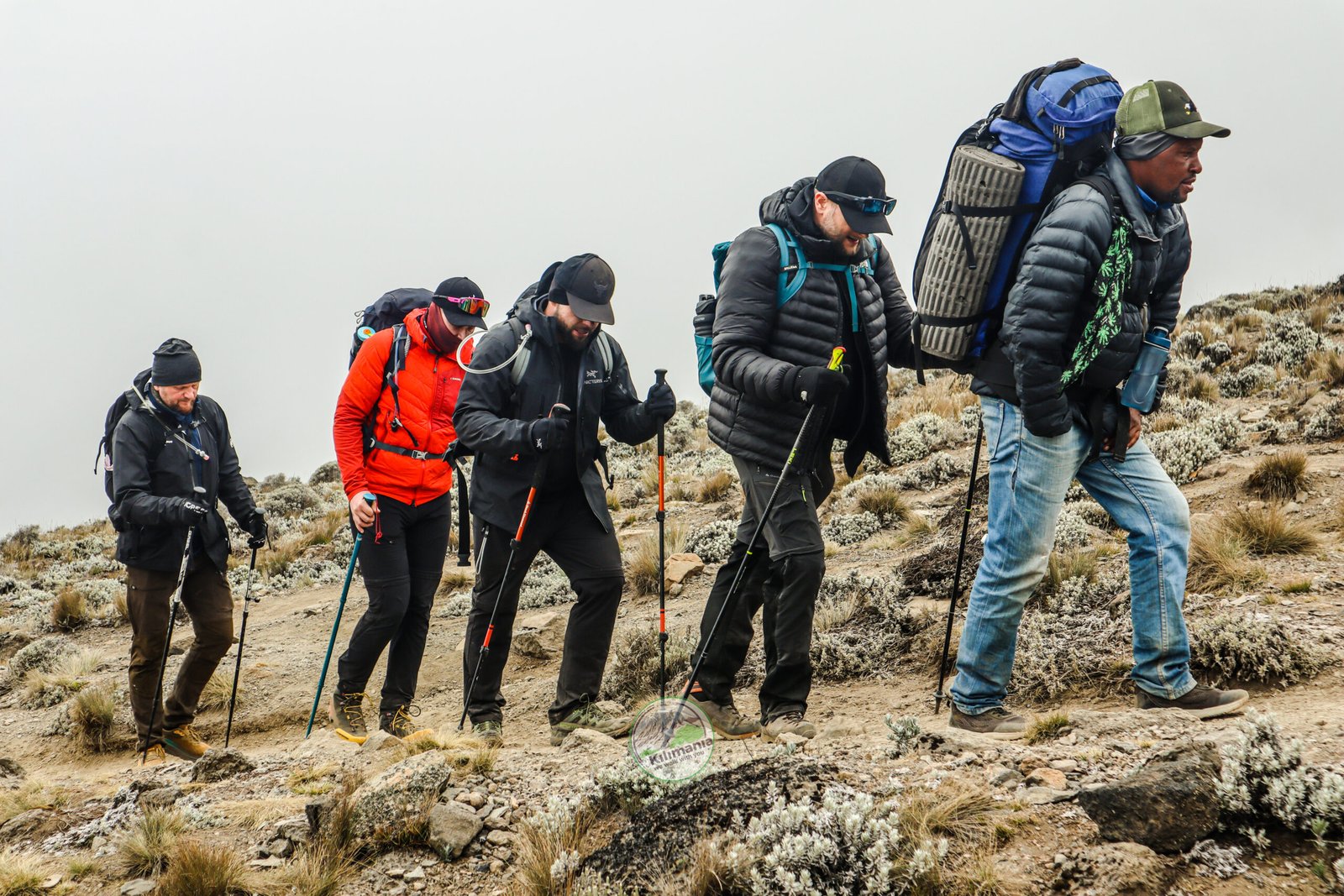
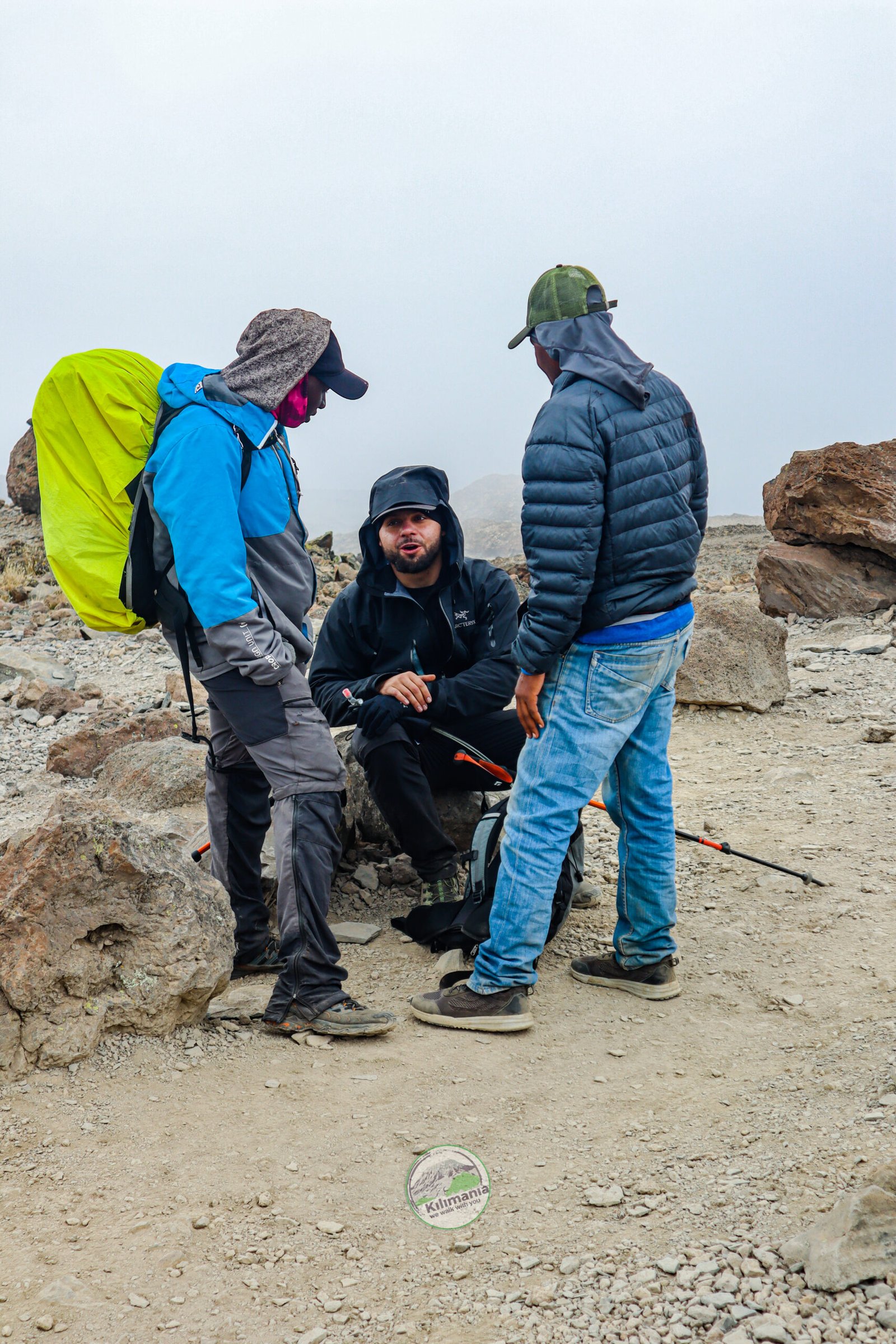
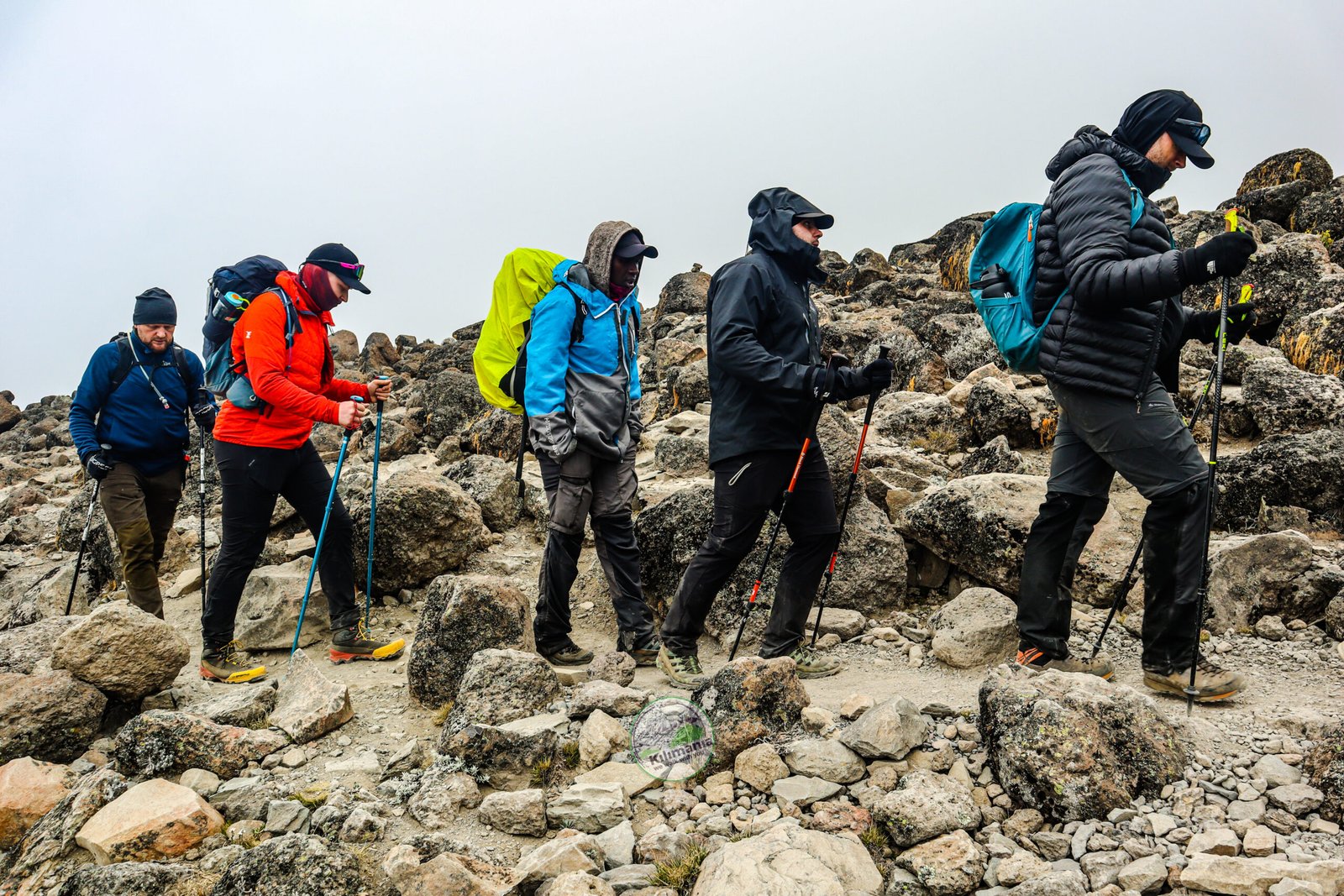
Photos from the Route
Compare Other Kilimanjaro Options
Book or Ask a Question
Tell us your dates and group size — we typically reply within 12 hours with availability and current pricing.
Request received — thank you. A guide will reply within 12 hours. You can also reach us directly on WhatsApp: +255 756 449 990.
The Practical Summary
Six days works when it has to — the trade-off is one less night to adjust before the two hardest days of the climb. If your dates can move, the 7-day Machame is where most of our climbers reach the summit with the least drama. If six days is what you’ve got, Sabinus and the team will prepare you for it honestly, not optimistically. Full background on routes and planning is on the Kilimanjaro climbing guide.
Notes for International Travelers
All prices on this page are in USD, per person, and payable by international bank transfer or the payment method Kilimania confirms at booking. The $100 deposit secures your date; the balance is due ahead of arrival on a schedule confirmed when you book. Bring your own travel insurance covering high-altitude emergency evacuation — this isn’t optional, and it isn’t included in the price. A Tanzania entry visa and international flights into Kilimanjaro International Airport (JRO) or Arusha Airport (ARK) are also on you to arrange; airport transfers on the Tanzania side are covered. Guide and porter tips are customary and are best carried in USD cash — see the Kilimanjaro cost page for tipping guidance.
Sabinus Msimba
Senior Mountain Guide · Kilimania Adventure · Moshi, Tanzania
Guiding Kilimanjaro since 2003, with more than 300 personal Uhuru Peak summits across every major route. Holds a current KINAPA licence and reviewed the route facts and pricing on this page.
Information & pricing note: Published by Kilimania Adventure, a TATO-registered operator based in Moshi, Kilimanjaro Region, Tanzania. Route details, prices and availability can change; confirm current figures before booking. Elevation figures follow TANAPA/KINAPA route data. Prices confirmed July 2026. Last reviewed: September 2026.