Home / Climbing Guides / Worst Part of Climbing Kilimanjaro
Worst Part of Climbing Kilimanjaro: 7 Hard Truths From a 22-Year Guide
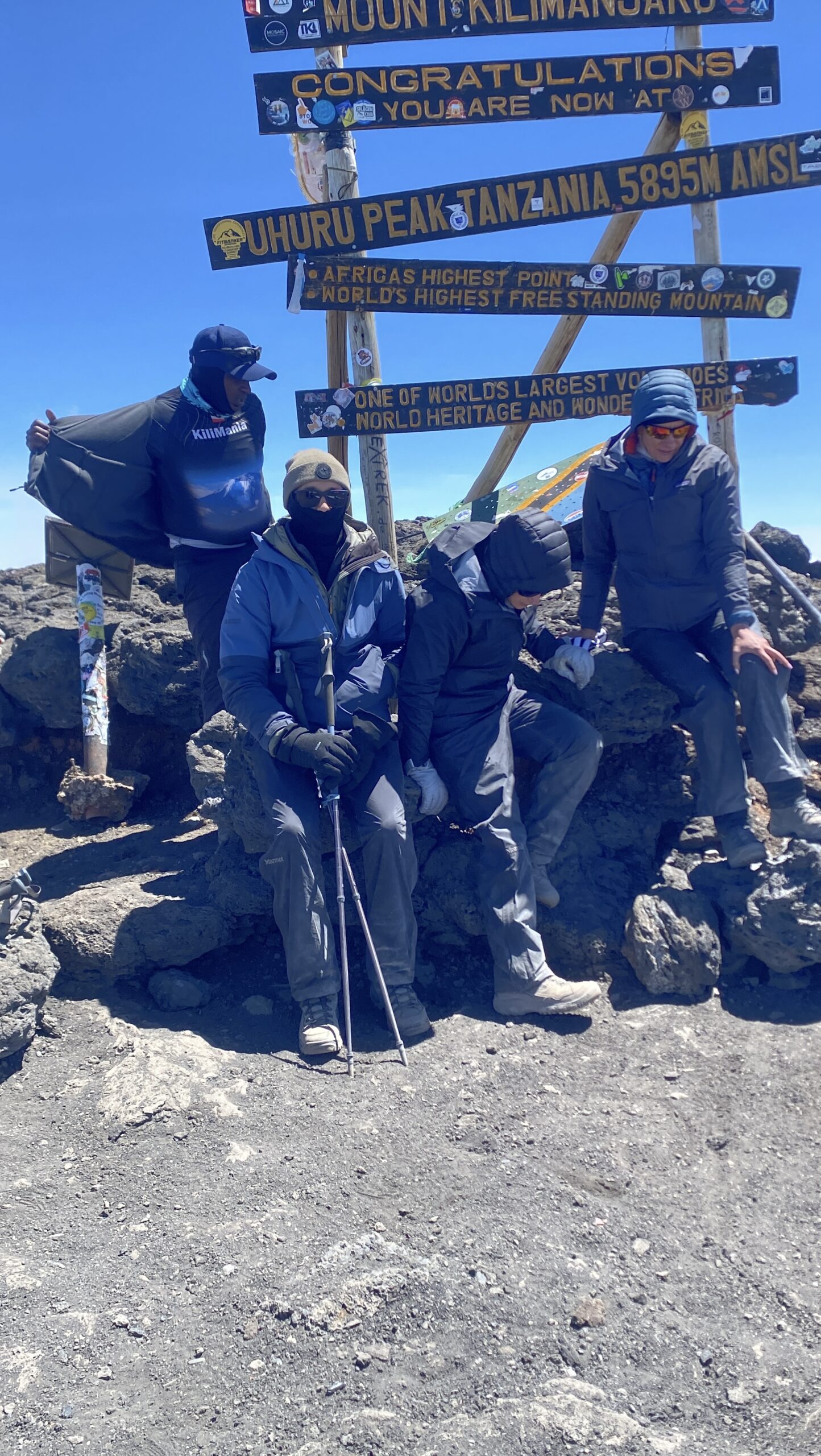
For most climbers, the hardest part of climbing Kilimanjaro is summit night — 6 to 8 hours in darkness, cold temperatures, loose volcanic scree underfoot, and altitude effects that intensify above 5,000 metres. Everything else on this list — basic toilets, disrupted sleep, the descent, the waiting during acclimatisation — is real, and much of it is left out of standard operator brochures.
Reviewed: June 15, 2026 · Last updated: August 14, 2026 · Next scheduled review: November 2026
Quick Answer
What is the worst part of climbing Kilimanjaro? For many climbers, it’s summit night. You leave Barafu Camp (4,673m) between 11pm and midnight, walk 6–8 hours in cold, dark conditions on loose volcanic scree, and manage altitude effects above 5,000 metres. The stretch before Stella Point (5,756m) is where many climbers consider turning back — but once they reach Stella Point, most continue on to Uhuru Peak. Choosing a longer itinerary, such as the 8-day route over a 6-day option, is one of the most effective ways to make that night more manageable.
Kilimanjaro is not technically difficult — no ropes or mountaineering experience are required on any standard trekking route. But it stacks discomfort across seven to ten consecutive days: cold nights, basic facilities, long walking days, altitude effects, appetite loss, and a summit attempt that begins when your body wants to be asleep. Understanding what’s actually coming — rather than just the summit photo — is, in our experience, the biggest factor separating climbers who manage the mountain from climbers who are managed by it. If you haven’t already, it’s worth completing a Kilimanjaro fitness assessment before you commit to a date, and reading what climbing Kilimanjaro is actually like day to day.
1. Summit Night
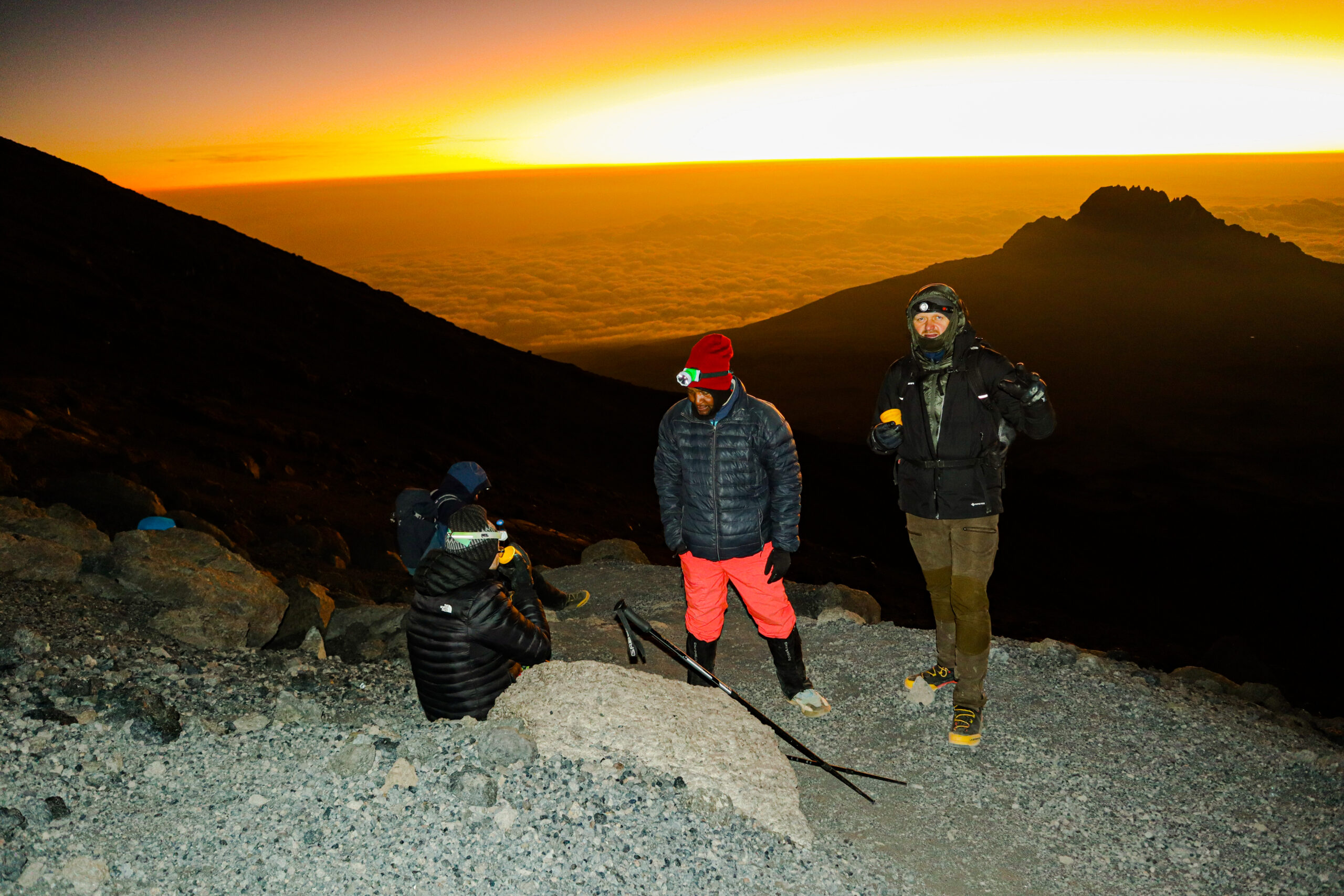
For most climbers, summit night is the hardest single section of the climb. You leave Barafu Camp (4,673m) between 11pm and midnight, walking 6–8 hours in cold, dark conditions on loose volcanic scree. The two hours before Stella Point (5,756m) are, based on our guides’ experience, where climbers most often consider turning back.
The cold is immediate the moment you leave your tent. The path is steep and covered in loose volcanic scree — every step forward can slide half a step back. The pace is deliberately slow (guides use the phrase “pole pole,” slowly slowly) because oxygen availability at this altitude is significantly reduced compared to sea level.
Above 5,500 metres, breathing becomes noticeably harder with each step. Oxygen saturation generally falls with increasing altitude, though pulse oximeter readings become less reliable in cold conditions at extreme altitude — a limitation confirmed by mountaineering medicine research from the Wilderness Medical Society. Our guides monitor climbers using a combination of visible symptoms, speech, coordination, and reported feeling, not oximeter numbers alone.
The encouraging part: once you reach Stella Point, most climbers who make it that far continue on to Uhuru Peak. The final 45 minutes are generally considered easier than the two hours before it.
Our guides see this pattern often: somewhere around 5,600 metres, a climber stops, sits, and says they’re done. Most of the time, a few quiet minutes beside a guide — no pressure either way — is enough. They stand up and finish.
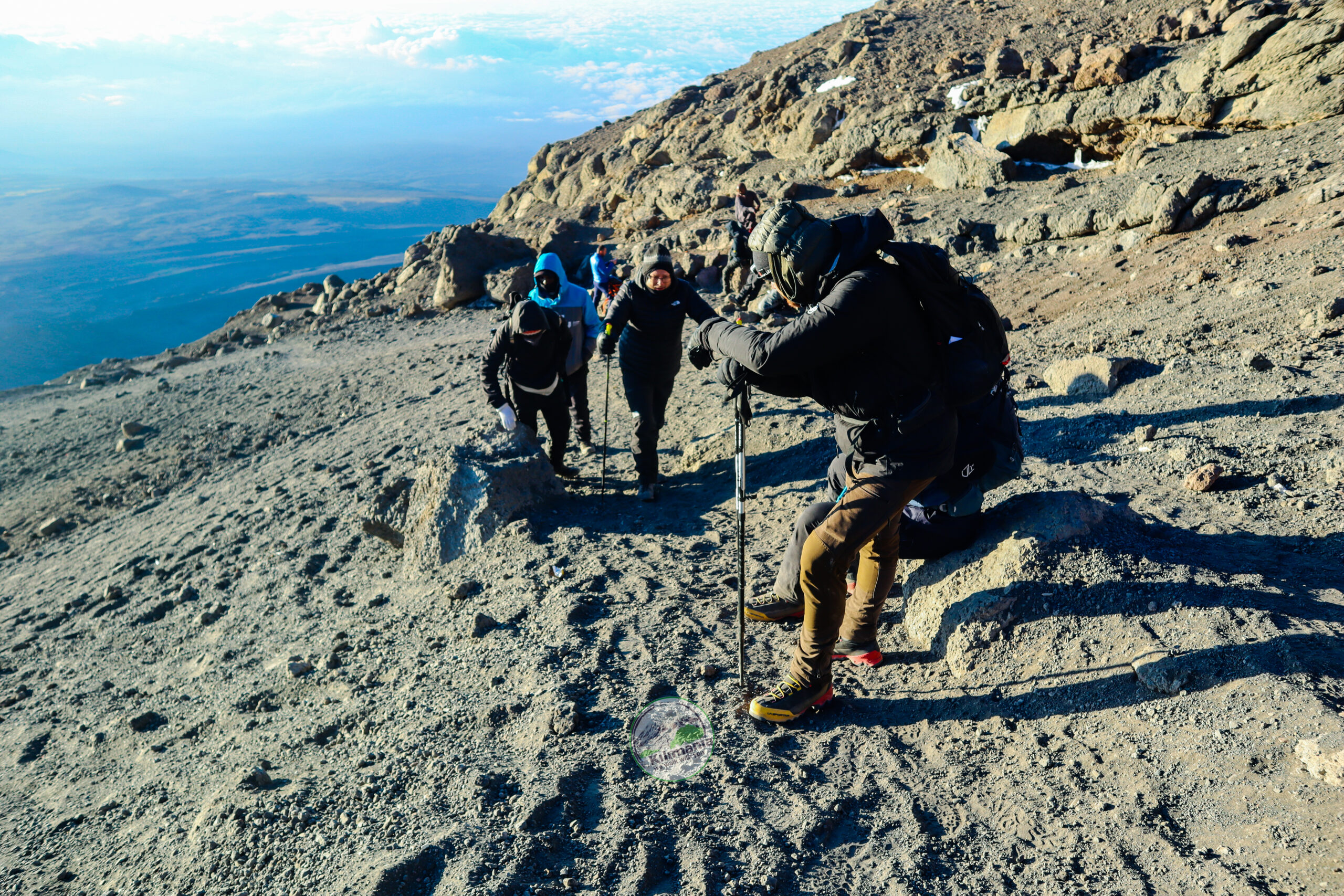
What helps: Lay out summit layers the night before, in order. Let your lead guide set the pace — it will feel slower than necessary, and that’s correct. Choosing a longer itinerary, such as the 8-day route over a 6-day option, gives your body more time to adjust before summit night.
2. Altitude Headaches and AMS Risk
Headache is common above 4,000 metres and is often part of normal acclimatisation — but it can also be an early sign of Acute Mountain Sickness (AMS). It should never be dismissed automatically, and it should always be reported to your guide.
The headache often sits behind the eyes or across the forehead and can persist for a few days as your body adjusts. The difficulty is partly psychological: after two days, climbers often start wondering whether it means something serious. Sometimes it does. Our guides use a structured symptom scale daily specifically to help tell the difference between manageable acclimatisation and early AMS that needs action — this is why reporting symptoms honestly matters more than trying to “push through” quietly.
Symptoms that warrant immediate guide assessment include headache accompanied by vomiting, confusion, loss of coordination, or breathlessness at rest. General guidance on recognizing these warning signs is also published by the CDC’s altitude illness resources.
Some climbers use prescription medication such as Acetazolamide after consulting their doctor before travel — this is a personal medical decision that should be made with a physician in advance, not experimented with on the mountain. General discomfort remedies like ibuprofen may help with headache symptoms, but should also be discussed with your doctor beforehand, particularly if you have any pre-existing conditions.
📥 Free Download: Kilimanjaro Altitude Symptom & AMS Checklist
Altitude illness is one of the leading reasons climbers turn back on Mount Kilimanjaro. This checklist reflects the symptom-monitoring approach used by Senior Guide Sabinus Msimba and the Kilimania Adventure team throughout every expedition.
- Normal acclimatisation symptoms above 3,000m
- Acute Mountain Sickness (AMS) warning signs
- HACE and HAPE emergency symptoms
- Daily health monitoring form (SpO₂, pulse, hydration)
Prepared by Sabinus Msimba, Senior Mountain Guide, Kilimania Adventure, Moshi, Tanzania. This checklist is for educational purposes only and does not replace professional medical advice. Climbers with pre-existing medical conditions should consult a physician before high-altitude travel.
3. Poor Sleep Above 4,000 Metres
Many climbers report poor sleep above 4,000 metres — irregular breathing patterns, cold, and general altitude discomfort are common contributors. This is a frequent experience among Kilimania’s clients but not a guaranteed outcome for every individual.
By day six, small problems can feel larger, and patience often wears thin — a combination of altitude and cumulative sleep loss rather than a character issue. Earplugs are genuinely useful kit rather than an optional comfort item, and a sleeping bag rated for well below freezing makes a measurable difference. Discuss options like melatonin with your doctor before travel if sleep is a specific concern for you.
4. Toilets and Basic Facilities
Public KINAPA camps use basic long-drop pit latrines, and Barafu Camp during peak season (roughly June–October) is generally considered the least pleasant on the mountain. Night visits in near-freezing temperatures are a daily reality for most of the climb.
The specific challenge most climbers underestimate is the 2am trip: cold outside, warm sleeping bag, latrine a few minutes across a dark camp. Some climbers restrict fluids to avoid this — which works against acclimatisation and is not advisable at altitude.
What helps: Keep hand sanitizer in an easily accessible pocket, not buried in your duffel. Keep your headtorch in the same tent pocket every night. Kilimania provides a private portable toilet tent on arranged climbs, which removes most public facility use — confirm this is included when comparing quotes, since it’s one of several hidden costs of climbing Kilimanjaro that separate a complete quote from an incomplete one. It’s also worth understanding why very cheap Kilimanjaro quotes can be risky before booking on price alone — amenities like this are often the first thing cut.
5. The Descent
In Kilimania’s internal records from 2019–2025, more recorded on-mountain medical evacuations occurred during descent than during ascent. After 12–15 hours of summit exertion, climbers are physically and mentally fatigued — which is when slips on loose scree become more likely. This pattern reflects Kilimania’s own operational data and is not presented as a universal statistic across all Kilimanjaro operators.
The summit is not the finish line. A typical summit day runs 18–20 hours total. After Uhuru Peak, 6–8 more hours of descent remain on legs that have been working since midnight. Our operational rule: use roughly half your energy reaching the summit, and keep the other half for getting back down safely.
What helps: Trekking poles are a safety tool, not a comfort accessory. Your guide will demonstrate a scree-descent technique — shorter steps, bent knees, active pole use. Keep eating and drinking after the summit; descent demands the same fuel as the ascent.
6. The Possibility of Turning Back
Not reaching the summit is, for many climbers, the hardest non-physical part of the experience. Understanding beforehand that this is a real possibility — not a personal failing — tends to soften the emotional impact if it happens.
Some climbers descend by their own decision; others follow a guide’s recommendation based on observed symptoms — balance, speech, coordination, or reported feeling. Sabinus Msimba puts it this way: “When we ask a climber to descend, we’ve usually seen something specific that tells us the next hour won’t be safe. Turning back isn’t failure — it’s the decision that brings a climber home.” If you’re weighing whether this climb is right for you at all, our article on reasons you should not climb Kilimanjaro is worth reading honestly before you book.
7. Acclimatisation and Waiting
On structured itineraries, some acclimatisation days end by early afternoon, leaving several hours of camp time with no phone signal and limited activity options. For active people, the waiting can genuinely feel harder than the walking.
The physical discomfort of the trail is something most climbers train for. Having nothing to do is often something they don’t expect. These quiet afternoons are also where some of the most honest conversations of the trip happen, since nobody is performing and everyone is tired.
What helps: Download books, podcasts, or music before departure — assume no signal from around day three. A journal or deck of cards goes a long way. Let the slow hours be slow; your body is doing important work during that time.
About Kilimania’s Climb Data
The statistics referenced in this article come from Kilimania Adventure’s internal climb records, covering guided ascents between 2019 and 2025 across the Machame, Lemosho, and Northern Circuit routes. “Summit rate” reflects Kilimania clients who reached Uhuru Peak; “turn-back” reflects climbers who descended before summiting for any reason, including guide-directed descent. This data reflects our own operations only and should not be read as a global average across all Kilimanjaro operators or all climbers on the mountain.
Which Route Makes These Challenges Easier?
No route eliminates the hard parts of Kilimanjaro, but longer itineraries — specifically the 8-day Lemosho and 9-day Northern Circuit — are associated with more manageable acclimatisation and higher summit rates in Kilimania’s internal records.
| Route | Duration | Summit Rate — Qualitative (Kilimania Records) | Recommended For |
|---|---|---|---|
| Machame | 6 days | Lower, relative to our 7–8 day itineraries | Fit, experienced trekkers accepting a harder summit night |
| Machame | 7 days | Moderate, relative to our 6-day itinerary | Fit trekkers wanting one extra acclimatisation day |
| Lemosho | 7 days | Moderate to high, relative to shorter routes | First-time Kilimanjaro climbers |
| Lemosho | 8 days | Highest among our commonly booked itineraries | First-timers, climbers over 50, medical considerations |
| Northern Circuit | 9 days | Highest overall in our records | Maximum acclimatisation time |
| Marangu | 5 days | Lowest among our commonly booked itineraries | Not generally recommended for first-time climbers |
This table reflects a qualitative comparison based on Kilimania Adventure’s internal climb records, 2019–2025, not precise published percentages. Figures apply to Kilimania clients only. See our full 6 vs 7 vs 8 day route comparison for a deeper breakdown, or read about the Shira Route if you’re considering an alternative approach.
Bottom Line
Summit night will very likely be the hardest few hours of your Kilimanjaro climb, regardless of which route you choose or how fit you are going in. A longer itinerary reduces the odds of altitude problems but does not remove them — and even well-prepared, experienced climbers sometimes turn back. If you take one thing from this article, let it be this: preparation for what summit night actually feels like matters more than raw fitness, and listening to your guide’s assessment matters more than your own instinct to push through.
What Makes This Worth It Anyway?
The dominant first feeling at Uhuru Peak is often relief rather than triumph — relief that the effort was enough, that the body held up. We’ve guided retired teachers, engineers, and first-time hikers to this spot, and the reaction is rarely loud. It tends to be quiet, private, and different from any other moment on the climb.
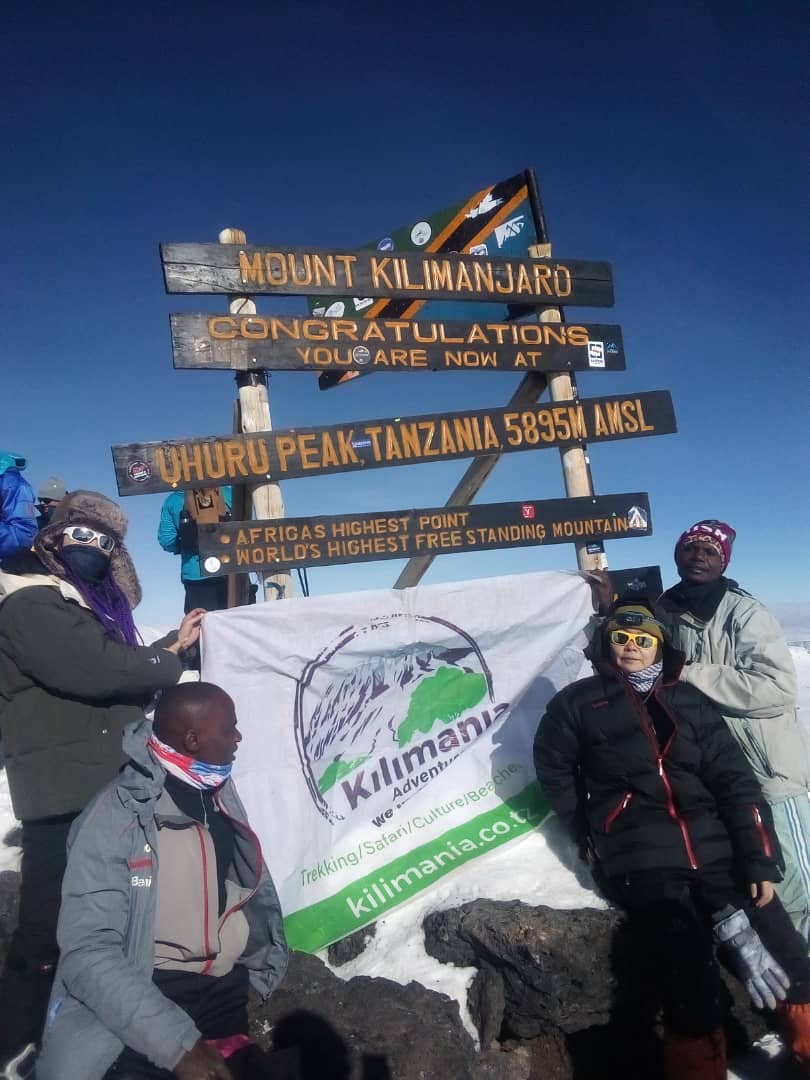
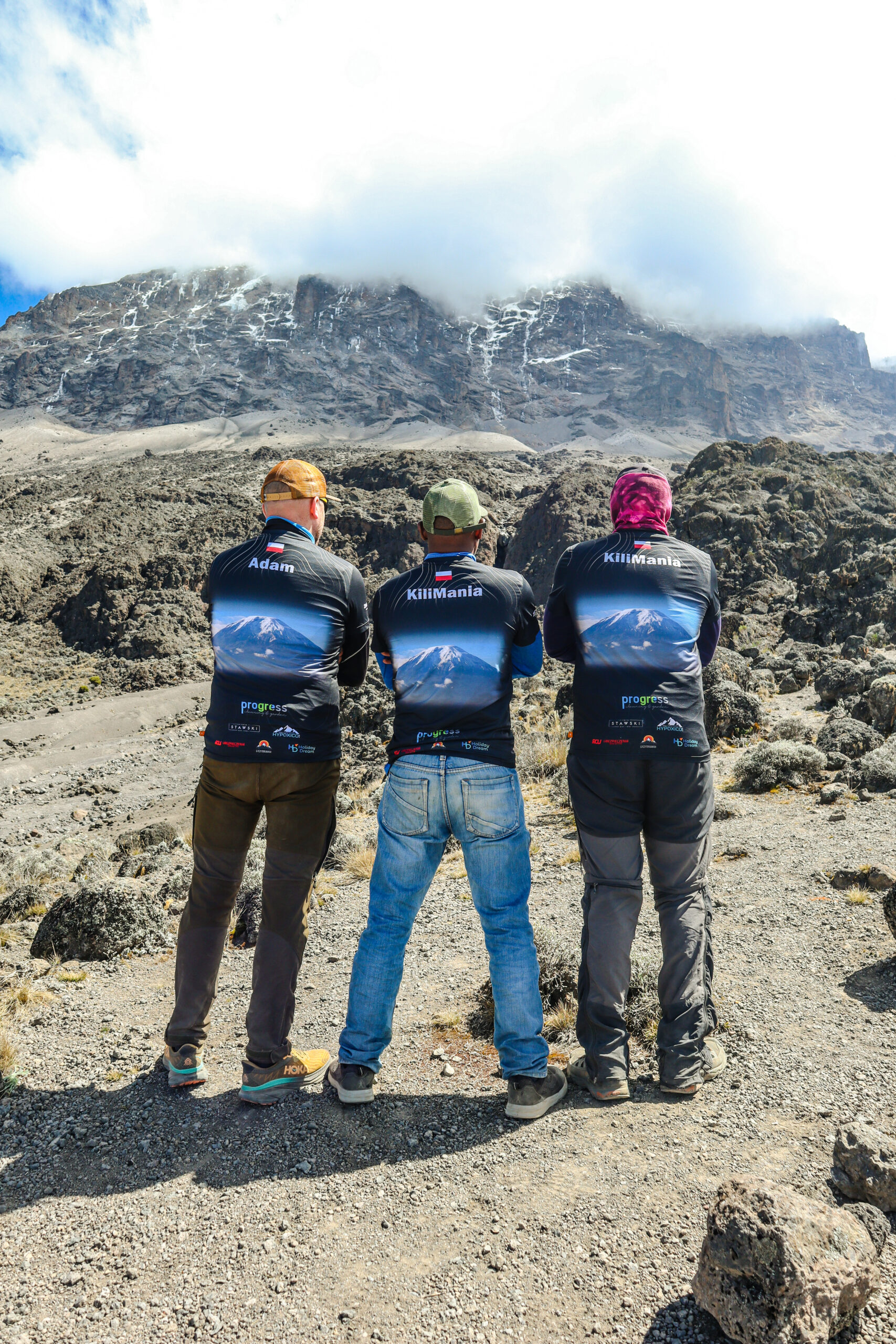
The porter team deserves mention here too. You arrive on day one as a client and generally leave knowing people — guides and porters who carried gear under KPAP welfare standards and made the climb operationally possible. The farewell at Mweka Gate catches most climbers off guard, in a good way.
FAQ: What Is the Worst Part of Climbing Kilimanjaro?
What is the single worst part of climbing Kilimanjaro?
For most climbers, summit night. You leave camp around midnight in cold, dark conditions, walk 6–8 hours on loose volcanic scree, and manage altitude effects above 5,000 metres. The stretch before Stella Point (5,756m) is where many climbers consider turning back.
Are the toilets really that bad?
At public camps during peak season, yes — long-drop pit latrines, with Barafu Camp generally considered the least pleasant. Kilimania’s private portable toilet tent removes most public facility use on arranged climbs.
Can you sleep above 4,000 metres?
Many climbers sleep poorly due to irregular breathing, cold, and altitude discomfort. Earplugs, a properly rated sleeping bag, and accepting reduced sleep quality as common are the most practical strategies.
Is altitude headache normal?
Headache is common above 4,000 metres and is often part of normal acclimatisation, but it can also signal AMS. Report any headache to your guide, especially if it worsens or comes with nausea, confusion, or loss of coordination.
Why is descent more dangerous than ascent?
In Kilimania’s internal records (2019–2025), more medical evacuations happened on descent than ascent. After 12–15 hours of summit exertion, fatigue increases the risk of slips on loose scree. Trekking poles and proper technique reduce this risk.
Is turning back a failure?
No. A guide recommending descent has usually observed specific warning signs. Descent in that situation is the decision that brings a climber home safely.
Does a longer route make it easier?
It can’t eliminate the challenges, but the 8-day Lemosho and 9-day Northern Circuit give the body more time to adapt before summit night, and are associated with higher summit rates in our internal data.
What surprises climbers most?
How the difficulties combine rather than appear one at a time — poor sleep, headache, appetite loss, basic facilities, and cold mornings often overlap across the same week. Fitness alone does not prevent this.
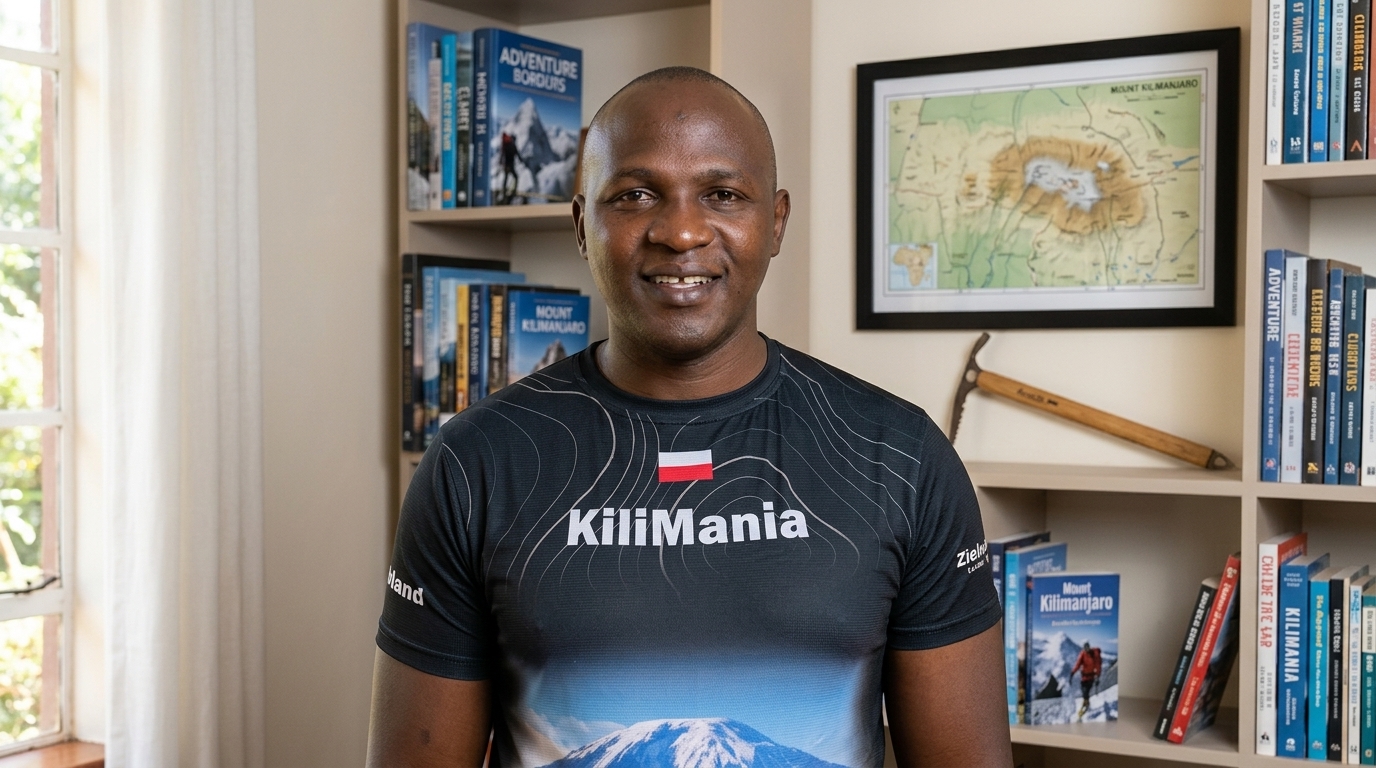
Sabinus Msimba is a Senior Kilimanjaro Guide and Co-founder of Kilimania Adventure, based in Moshi, Tanzania. Full credentials and biography on his profile page.
“The guide sat with me at 5,600 metres for 10 minutes when I said I was done. He didn’t pressure me either way. I stood up and finished. That 10 minutes was the whole climb.” — Marcus T., verified Google Review, March 2026
“I was nervous about summit night from the moment I booked. Knowing exactly what to expect meant I wasn’t surprised when it happened.” — Sarah M., verified TripAdvisor Review, September 2025
Conclusion
Summit night is, for most climbers, the defining hard part of Kilimanjaro. In our experience, the climbers who handle it best aren’t necessarily the fittest — they’re the ones who understood beforehand what it would actually feel like. If you’re deciding between route lengths, the 6 vs 7 vs 8 day comparison is worth reading before you book. Turning back is a real, non-shameful outcome every climber should understand going in, not discover on the mountain.
We Walk With You.
Plan Your Climb — Get an Honest Quote
Share your dates, group size, and preferred route. We reply within 12 hours with an itemized quote — park fees by day, full inclusion list, nothing discovered at the gate.
WhatsApp: +255 756 449 990 · info@kilimania.co.tz
TATO-registered · KINAPA-licensed guides · Operating on East Africa Time (UTC+3)
Medical disclaimer: Altitude sickness is a real medical risk. This article reflects operational experience and internal Kilimania data — it is not medical advice. Consult a physician before booking if you have pre-existing conditions. Verify current park fees and regulations at KINAPA and TATO.