How Many Days to Climb Kilimanjaro? (6 vs 7 vs 8 Days — Real Success Rates)
Last updated: July 2026 · Data from 1,247+ guided ascents (2019–2025) · Written by Sabinus Salvatory Msimba, Senior Guide & Co-founder
The direct answer: Most climbers need 8 days to give themselves the strongest realistic chance of reaching Uhuru Peak (5,895m). On Kilimania’s Lemosho route — same trail, same guides, same equipment, only the day count changed — the summit success rate moved from 67% at 6 days, to 82% at 7 days, to 93% at 8 days, based on 1,247+ guided ascents tracked between 2019 and 2025. Day count, not route choice, is the single biggest variable inside your control.
- 8 days = 93% summit success on the Lemosho route — the right choice for most first-time climbers.
- 7 days = 82% success — viable for fit trekkers with documented altitude experience above 3,500m.
- 6 days = 67% success — roughly one in three climbers does not reach the summit. Recommended only for experienced high-altitude climbers.
- Each additional day adds 11–15 percentage points to summit probability on the same route.
- An extra day costs approximately $220–$270; a failed summit followed by a return attempt costs $2,500–$3,500.
- The 9-day Northern Circuit achieves the highest rate in Kilimania’s database: 96%.
| Days | Route | Success Rate | Ideal For |
|---|---|---|---|
| 8 | Lemosho | 93% | Most first-time climbers |
| 7 | Lemosho / Machame | 82% | Fit trekkers with some altitude experience |
| 6 | Machame / Marangu | 67% | Experienced altitude climbers only |
| 9 | Northern Circuit | 96% | Maximum success probability |
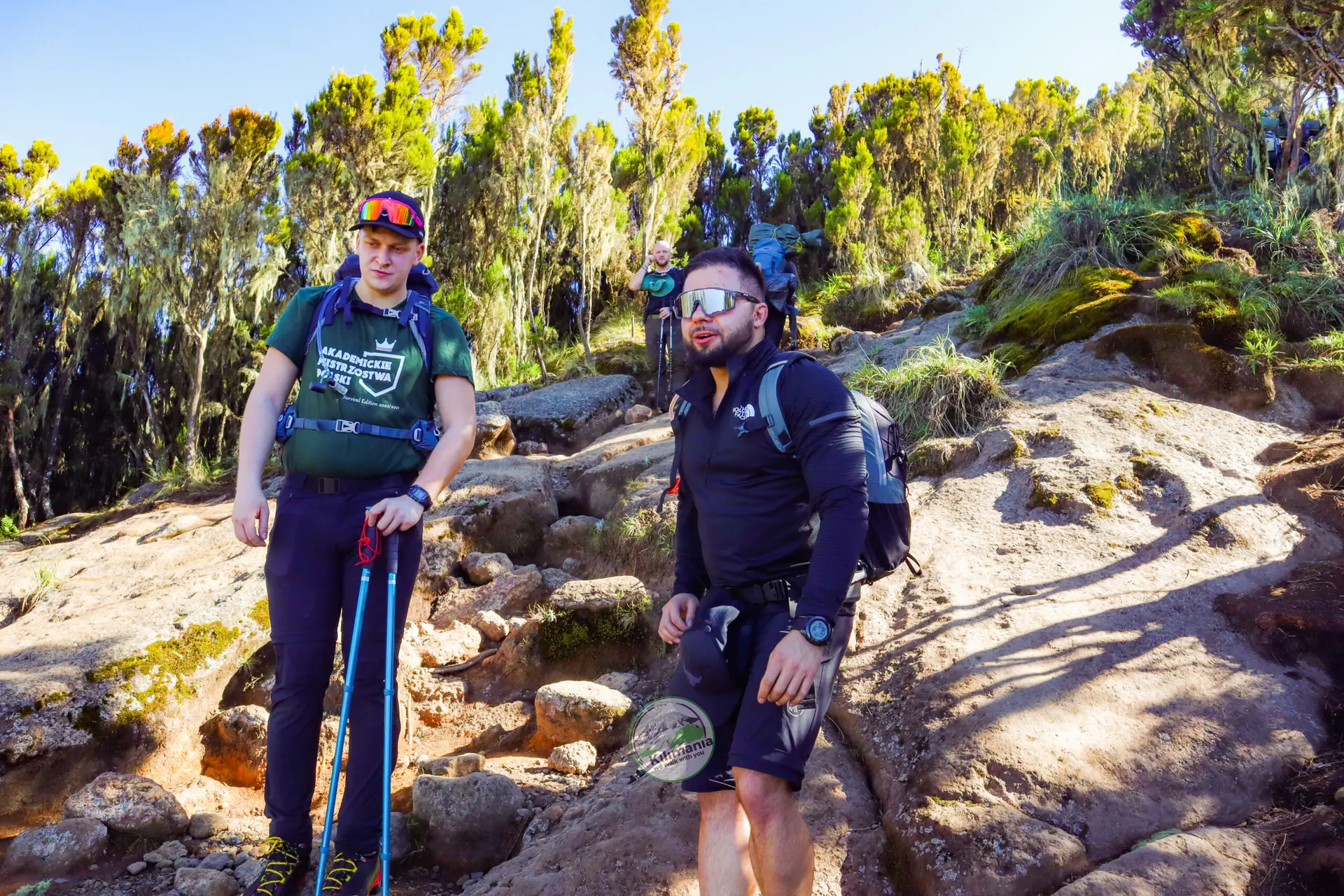
Most climbers ask me: “Which route should I take — Lemosho or Machame?” After 22 years guiding on Mount Kilimanjaro in Tanzania, I tell them they are asking the wrong question first.
The right first question is: how many days can I allocate? Route selection matters. Day count matters more. The data from Kilimania’s own guided-climb records makes this impossible to argue with: the identical Lemosho route produces a 67% success rate at 6 days and a 93% success rate at 8 days. No route swap produces a 26-percentage-point improvement.
WhatsApp Sabinus directly: +255 756 449 990 — tell him your fitness level, altitude history, and available dates. He will tell you the right duration for your situation before he recommends a route.
Duration vs. Success — Key Numbers from Kilimania’s 1,247+ Climb Database
Bottom Line
An extra day on Kilimanjaro costs $220–$270 in park fees and crew wages. A failed summit attempt — if you choose to return for a second trip — costs $2,500–$3,500 plus another week of your life.
The value calculation strongly favours paying for the additional day. Do not book a 6-day climb to save $300 when it reduces your summit odds by 26 percentage points in Kilimania’s own operational data.
The One Table That Changes How You Choose
Every competitor article we have seen compares different routes with different day counts and different operators. This table holds everything constant — same route, same guides, same equipment — and changes only the day count. That isolation is what makes it actionable.
| Duration | Success Rate | Nights Above 4,000m Before Summit | Acclimatisation Days | Recommended For |
|---|---|---|---|---|
| 6 days | 67% | 1 | 0 | Experienced high-altitude trekkers only |
| 7 days | 82% | 1–2 | 1 | Fit first-timers with time constraints |
| 8 days (recommended) | 93% | 2 | 2 | Most first-time climbers |
| 9 days (Northern Circuit) | 96% | 3 | 3 | Climbers over 50, AMS history, maximum success priority |
Figure 1: Summit success rate by itinerary duration, Lemosho Route (6–8 days) and Northern Circuit (9 days), Mount Kilimanjaro. Source: Kilimania Adventure climb database, 1,247+ guided ascents (2019–2025). Internal operator data — see Sources for peer-reviewed corroboration.
What this proves: the decision is not Machame versus Lemosho. The decision is six days versus eight days. Route selection matters. Day count matters more. The difference between 6 and 8 days on the same route, with the same guides, is 26 percentage points of summit probability — more than any other variable you control before you leave home.
📥 Free Download: Kilimanjaro Route Comparison Cheat Sheet
Still deciding which Kilimanjaro route is right for you — and which duration to pair it with? Download our free printable cheat sheet prepared by Senior Mountain Guide Sabinus Msimba.
- ✓ Compare all 7 Kilimanjaro routes side by side
- ✓ Difficulty, scenery, and crowd levels by route
- ✓ Expert duration recommendations for first-time climbers
- ✓ Updated for the 2026 climbing season
How We Calculated These Success Rates
Methodology: Kilimania Adventure Climb Database (2019–2025)
What was counted
- Sample: 1,247+ guided ascents led by Kilimania Adventure crew on the Lemosho Route (6, 7, and 8-day itineraries) and Northern Circuit (9-day itinerary), tracked between January 2019 and December 2025.
- Summit definition: A climber was counted as a summit success only when they physically reached Uhuru Peak at 5,895m and the lead guide recorded confirmation at the summit sign. Stella Point (5,756m) was not counted as a summit regardless of reason for stopping there.
- Non-summit definition: Any climber who turned around below Uhuru Peak for any reason — AMS symptoms, exhaustion, weather, personal decision, or guide instruction — was counted as a non-summit. This is a stricter definition than some operators use.
How routes were isolated
All three day-count comparisons (6, 7, and 8 days) used the Lemosho Route only. The 9-day figure uses the Northern Circuit, which adds significant western and northern traversal and is not directly comparable to the Lemosho figures — it is included for context, not as a direct continuation of the Lemosho comparison.
How weather was handled
Climbs during confirmed severe weather events (storms that forced early departure from Barafu Camp) are included in the non-summit count for the duration category in which they occurred. We did not exclude weather-forced turnarounds because weather risk is a real variable that interacts with itinerary length — longer itineraries have more scheduling flexibility to wait out deteriorating conditions.
Limitations — what this data cannot tell you
- This is internal operator data, not an independently audited or peer-reviewed study. It has not been verified by a third party.
- Climber self-selection may affect results: clients who choose 8-day itineraries may be more deliberate planners on average, which could partly explain higher success rates independent of acclimatisation time.
- The dataset does not include data from other operators, so it cannot represent an industry-wide average.
- Individual physiology varies widely. A 93% group success rate does not ensure any individual outcome.
Why we publish honest failure rates
Most operators do not publish their 6-day failure rates. We publish ours — 33% — because climbers who understand the real odds make better booking decisions. A client who knows the risks and chooses 6 days is making an informed choice. A client who was told “6 days is fine” and turns back at Stella Point after spending $2,500 and travelling 12 hours is not.
Why Day Count Beats Route Choice — The Physiology
What is the Lemosho Route?
The Lemosho Route is a western-approach trail on Mount Kilimanjaro in Kilimanjaro National Park, Tanzania. Typically completed in 7 to 8 days, it is widely regarded as the most scenic of the standard routes and provides one of the strongest acclimatisation profiles available on the mountain. It joins the Southern Circuit above the Shira Plateau, giving climbers exceptional views and gradual altitude gain before the summit push.
What is Acute Mountain Sickness (AMS)?
Acute Mountain Sickness (AMS) is the body’s reaction to reduced oxygen partial pressure at high altitude. Symptoms include headache, nausea, dizziness, and fatigue. On Mount Kilimanjaro, AMS is the leading cause of summit failure — not lack of fitness, not inadequate gear, not poor weather. Slower ascent rates, achieved by longer itineraries, are the most effective evidence-based strategy for reducing AMS risk.
I have personally guided more than 300 climbers to Uhuru Peak over 22 years on this mountain. I have watched elite athletes fail on 6-day climbs and people who had never hiked before succeed on 8-day climbs. The difference is almost always the same variable: time spent at altitude.
Kilimanjaro National Park — managed by KINAPA and recognised as a UNESCO World Heritage Site — rises to 5,895m, where each breath delivers roughly 50% of the oxygen molecules you would receive at sea level. Your body has compensation mechanisms, but none of them are immediate.
In the first 24–48 hours above 3,000m, your kidneys adjust fluid and bicarbonate balance, your breathing rate increases, and your heart rate rises. These acute responses partially compensate for reduced oxygen — but only partially.
From 48–96 hours onward, erythropoietin production rises, triggering red blood cell production. Your haemoglobin begins shifting its oxygen-binding curve to release oxygen more readily in thin air. This is the physiological change that actually matters for summit night at 5,895m — and it takes days, not hours.
A 6-day climber reaches Barafu Camp (4,640m) having spent fewer than 48 hours above 4,000m. An 8-day climber arrives having spent 72–96 hours above 4,000m, including deliberate “climb high, sleep low” acclimatisation days. The measurable difference in physiological adaptation between those two climbers explains the 26-point gap in summit success rates.
AMS incidence correlates directly with ascent rate. The standard reference review by Hackett and Roach in the New England Journal of Medicine identifies ascent rate as a primary modifiable risk factor for altitude illness (Hackett & Roach, 2001, PubMed 11450659 — see Sources). A Kilimanjaro-specific study found AMS prevalence rising sharply with faster ascent profiles on this exact mountain (Jackson et al., 2010, PubMed 20919888 — see Sources). Slowing the ascent — which adding days achieves — is what the evidence recommends. There is no shortcut.
WhatsApp: +255 756 449 990 — not sure how many days you need? Message Sabinus with your fitness background and altitude history. He responds within 12 hours, seven days a week.
📥 Free Download: Kilimanjaro Altitude Symptom & AMS Checklist
Altitude illness is the leading reason climbers turn around on Mount Kilimanjaro. This practical checklist is used by Senior Guide Sabinus Msimba and the Kilimania Adventure team to monitor climbers throughout every expedition.
- Normal acclimatisation symptoms above 3,000m
- Acute Mountain Sickness (AMS) warning signs
- HACE and HAPE emergency symptoms
- Daily health monitoring form (SpO₂, pulse, hydration)
- Guide reporting and self-assessment checklist
Educational purposes only — not a substitute for professional medical advice. Consult a physician before high-altitude travel. See the CDC and WHO resources in Sources for official pre-travel guidance.
What Actually Changes When You Add a Day — Altitude by Altitude
| Day | 6-Day Lemosho | 7-Day Lemosho | 8-Day Lemosho |
|---|---|---|---|
| 1 | Lemosho Gate (2,360m) → Mti Mkubwa (2,750m) | Same | Same |
| 2 | Mti Mkubwa → Shira 1 (3,500m) | Same | Same |
| 3 | Shira 1 → Shira 2 (3,840m) | Same | Same |
| 4 | Shira 2 → Lava Tower (4,630m) → Barranco (3,950m) | Same | Same |
| 5 ⭐ Diverges here | Barranco → Barafu (4,640m) — summit the next morning | Barranco → Karanga (4,000m) | Barranco → Karanga (4,000m) |
| 6 | Summit night → Uhuru Peak (5,895m) → Mweka descent | Karanga → Barafu (4,640m) | Karanga → Barafu + Kosovo Camp acclimatisation hike (4,800m) |
| 7 | — | Summit night → Uhuru Peak (5,895m) → Mweka | Summit night → Uhuru Peak (5,895m) → Mweka |
| 8 | — | — | Mweka Gate descent complete |
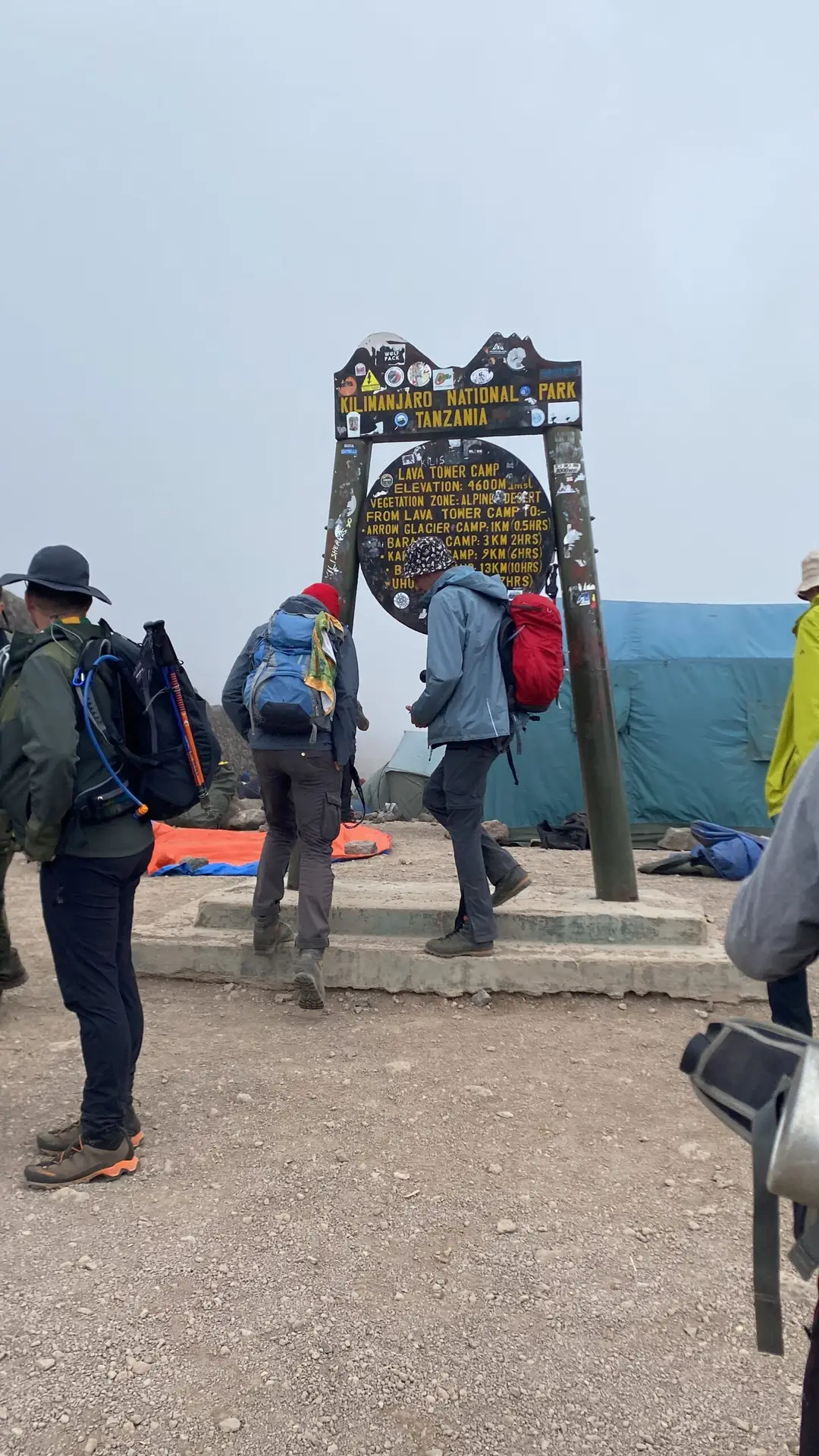
The critical difference is Day 5 onward. The 6-day climber moves from Barranco (3,950m) directly to Barafu (4,640m) and begins the summit push fewer than 18 hours later — less than 18 hours above 4,600m before attempting Uhuru Peak at 5,895m on Kilimanjaro’s crater rim. The 7-day climber first sleeps one night at Karanga (4,000m), gaining 24–36 hours of additional acclimatisation. The 8-day climber sleeps at Karanga, moves to Barafu, and completes a Kosovo Camp acclimatisation hike to 4,800m before returning to sleep at Barafu: 48–72 hours above 4,000m and two deliberate adaptation cycles.
The Kosovo hike on Day 6 of the 8-day itinerary is not extra walking for its own sake. It pushes the body briefly to near-summit altitude, triggering additional physiological adaptation, then allows recovery at Barafu — a textbook “climb high, sleep low” mechanism that only exists in the 8-day structure and is one of the most widely documented acclimatisation strategies in high-altitude medicine.
Browse the complete 8-day Lemosho route and 7-day Lemosho route for full day-by-day breakdowns. For the 6-day option with honest risk disclosure, see the 6-day Machame route.
📋 Get the Guide-Verified Packing Checklist
Longer itineraries mean packing for more days at altitude — extra base layers, batteries, and blister care become non-negotiable past Day 6. The exact list our guides check at the gate: sleeping bag ratings, Moshi rental prices, and the porter weight limit, all in one printable PDF.
Download the Free PDF ChecklistPros and Cons of Each Kilimanjaro Itinerary Length
6-Day Kilimanjaro (Machame or Lemosho)
| Advantages | Disadvantages |
|---|---|
| Lowest total cost (roughly $250–$400 less than 8 days) | 67% summit success rate — one in three climbers turns back |
| Fewer vacation days required — useful for limited annual leave | Highest AMS risk of any standard itinerary |
| Suitable for climbers with proven altitude acclimatisation | Zero acclimatisation days above 3,950m before summit night |
| — | Not recommended for first-time high-altitude trekkers |
Choose 6 days if: You have documented experience above 4,500m, no history of AMS, limited schedule flexibility, and a clear understanding that a 33% failure rate is the accepted trade-off. See the 6-day Machame route guide for full risk disclosure.
Avoid 6 days if: This is your first time above 3,000m, you have a history of AMS, or you are over 50 without prior altitude experience.
7-Day Kilimanjaro (Lemosho or Machame)
| Advantages | Disadvantages |
|---|---|
| 82% summit success rate — strong improvement over 6 days | Still 11 percentage points below 8-day success rate |
| One acclimatisation day added — meaningful physiological gain | Only one “climb high, sleep low” cycle before summit night |
| Good balance of cost, time, and success probability | Marginally higher AMS risk than 8 days |
| Viable for fit first-timers with time constraints | Still not the optimal choice for altitude-naive climbers |
Choose 7 days if: You have prior high-altitude trekking experience, reasonable fitness, and cannot add the extra day. See the 7-day Lemosho route guide for full itinerary detail.
8-Day Kilimanjaro — Recommended (Lemosho)
| Advantages | Disadvantages |
|---|---|
| 93% summit success rate — highest for standard Lemosho itinerary | Requires one additional vacation day vs. 7-day option |
| Two full “climb high, sleep low” acclimatisation cycles | Approximately $220–$400 more expensive than 6-day option |
| Kosovo Camp acclimatisation hike reaches 4,800m before summit push | — |
| Lowest AMS turnaround rate among standard Lemosho itineraries | — |
| Recommended for the widest range of climber profiles | — |
Choose 8 days if: This is your first Kilimanjaro attempt and you want the strongest realistic chance of reaching Uhuru Peak. See the 8-day Lemosho route guide.
9-Day Northern Circuit (Maximum Acclimatisation)
| Advantages | Disadvantages |
|---|---|
| 96% summit success rate — highest in Kilimania’s database | Longest time commitment — requires 9 full trekking days |
| Three acclimatisation cycles — maximum physiological preparation | Most expensive of the standard itineraries |
| Full circumnavigation — the most scenically complete route on the mountain | Remote northern sections have limited rescue access versus southern routes |
| Lowest crowd density of any Kilimanjaro route | — |
Choose 9 days if: You are over 50, have a history of AMS, or simply want the highest possible summit probability. See the 9-day Northern Circuit guide.
The Real Cost of Saving Days
| Line Item | Cost (USD) |
|---|---|
| KINAPA daily conservation fee | $70 per person |
| KINAPA camping fee | $50 per night per person |
| Porter, guide & cook wages (extra day share) | $80–$120 per person |
| Meals and fuel | $20–$30 per person |
| Total per additional day | ≈$220–$270 per person |
On Kilimania’s current pricing structure, an extra day adds approximately $250–$400 per person once overhead and coordination costs are included. See the Mount Kilimanjaro Climbing overview for pricing by route and group size, and the Kilimanjaro park fees page for the current official KINAPA/TANAPA fee schedule.
The value calculation is straightforward. Moving from 6 to 7 days on Lemosho improves summit probability by 15 percentage points in Kilimania’s data. Moving from 7 to 8 days adds another 11 points. You are spending $250–$400 per day to meaningfully increase your odds on a trip most people plan for years — one that costs $2,000–$3,000 before you ever set foot on the mountain.
If you climb 6 days, turn back at Stella Point (5,756m) — agonisingly close to the summit sign at Uhuru Peak — and decide to return for a second attempt, you spend the full cost again: international airfare, accommodation in Moshi, KINAPA fees, operator fees. The $300 you saved on the first attempt costs you $3,000 on the second. Pay for the days.
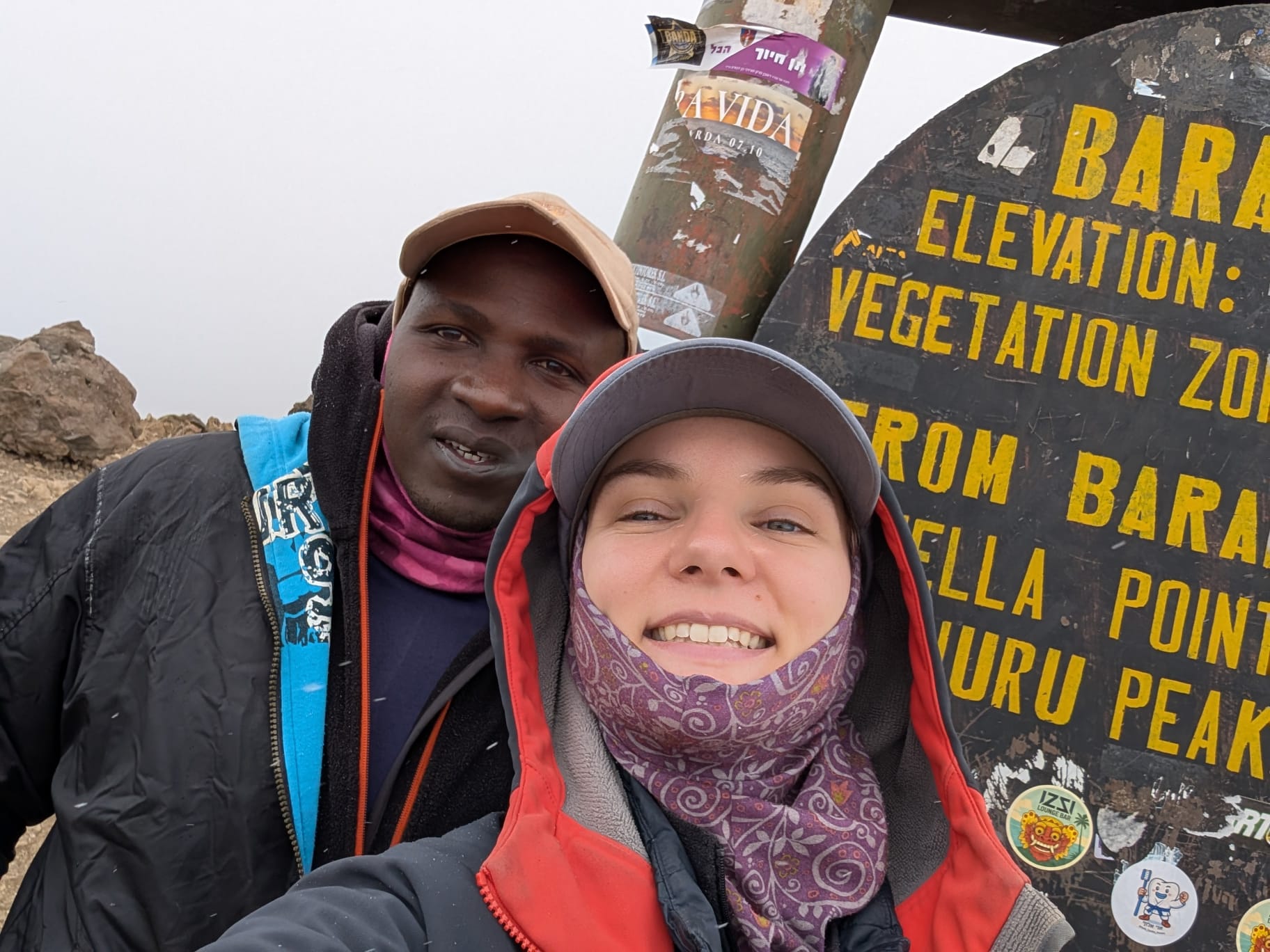
Ready for a Quote on Your Specific Dates?
We run Kilimanjaro departures weekly from our base in Moshi, Kilimanjaro Region, Tanzania, with pickups from Kilimanjaro International Airport (JRO).
Tell us: your travel dates, number in your group, and available days. We return a full itemised quote within 12 hours — KINAPA fees by day, complete inclusion and exclusion list, no costs discovered at the gate.
Decision Matrix — Which Duration Fits Your Profile?
| Climber Profile | Recommended Days | Suggested Route | Reason |
|---|---|---|---|
| First-time climber, no altitude experience | 8 days | Lemosho | Two acclimatisation cycles; 93% success rate in Kilimania data |
| Fit climber, prior altitude experience above 4,500m | 7–8 days | Machame or Lemosho | 7 viable; 8 preferred — one extra cycle is worth the cost |
| Previous AMS history at altitude | 8–9 days | Lemosho or Northern Circuit | AMS history indicates altitude sensitivity; more time is not optional |
| Experienced trekker, prior summits above 5,000m | 7 days | Machame | Documented acclimatisation capacity makes 7 days viable |
| Limited to 6 days by schedule — full disclosure required | 6 days | Machame or Marangu | Acknowledge the 33% failure rate before booking |
| Climber over 50, or pre-existing medical condition | 8–9 days | Lemosho or Northern Circuit | More acclimatisation time consistently improves outcomes across age groups |
| Maximum success probability — no compromises | 9 days | Northern Circuit | Three acclimatisation cycles; 96% success rate in Kilimania data; lowest crowd density |
Your ideal duration also intersects with season. Check your chosen days against Kilimanjaro Weather By Month 2026 before finalising dates. If you have any pre-existing cardiac, respiratory, or other condition, discuss your itinerary with a physician before booking — see the CDC and WHO pre-travel resources listed in the Sources section below.
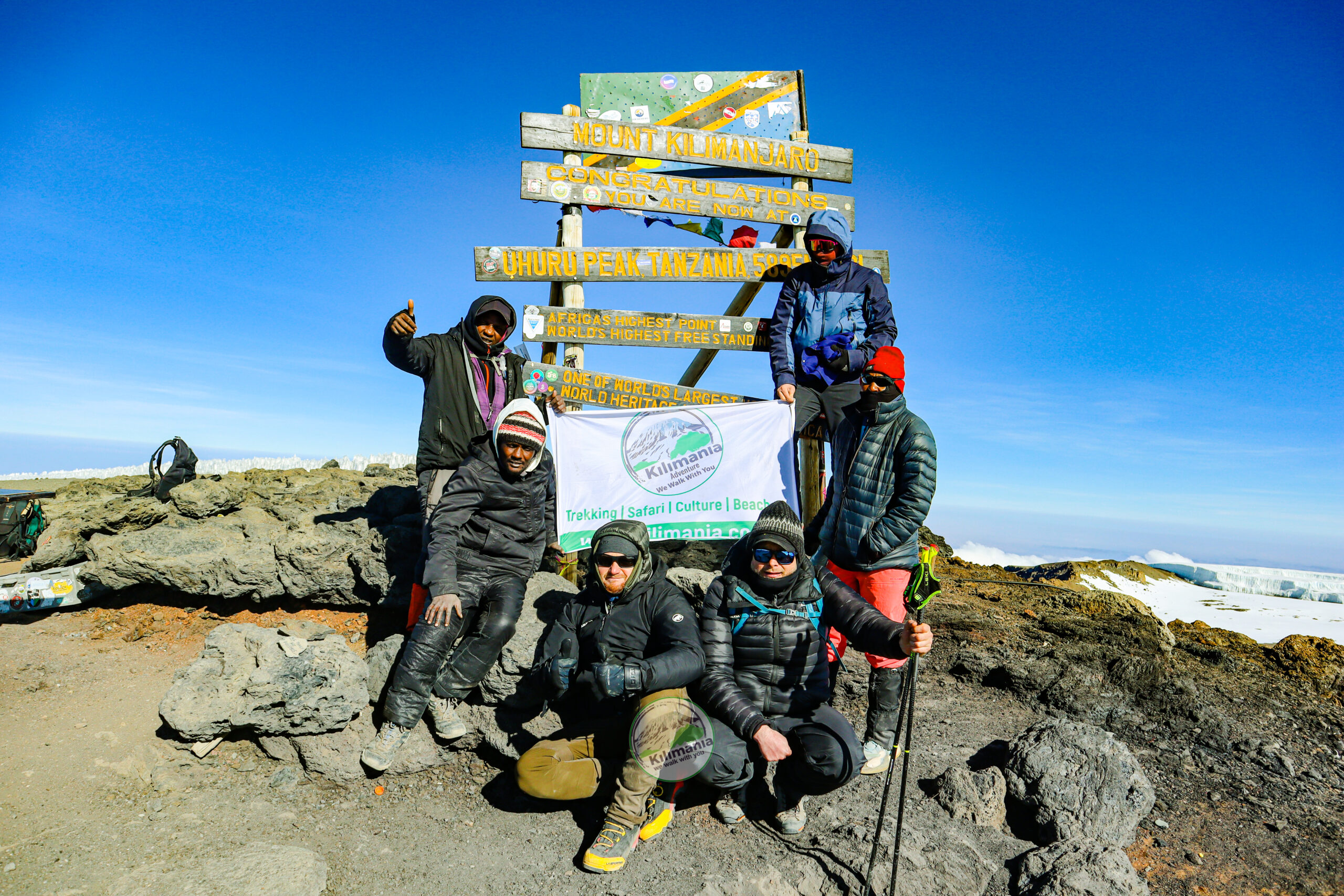
📥 Free Download: Kilimanjaro 12-Week Training Calendar
Download the same week-by-week training plan built from patterns observed across 1,247+ guided climbs.
Includes:
- 12-week hiking and endurance plan
- Pack weight progression schedule
- Back-to-back training days
- Peak and taper strategy
- Route recommendations based on fitness level
Download the Free PDF
Prepared by Sabinus Msimba, Senior Kilimanjaro Guide and Co-founder of Kilimania Adventure.
For the complete Northern Circuit analysis — including why its full circumnavigation of Kilimanjaro’s summit massif produces the highest success rates in our dataset — see the 9-Day Northern Circuit route page. For a direct route comparison including the Shira Route, see our Mount Kilimanjaro Climbing overview.
Why Trust Kilimania Adventure for This Information
- Physical base: Moshi, Kilimanjaro Region, Tanzania — a physical office, not an online booking intermediary
- TATO registration: Registered member of the Tanzania Association of Tour Operators (TATO) — verify independently
- Experience: Sabinus Msimba has guided 300+ successful summit climbs over 22 years
- Climb database: 1,247+ guided ascents tracked 2019–2025, success rates correlated by route, day count, and climber profile — internal data, presented alongside independent published research (see Sources)
- KINAPA licensed: All guides hold current KINAPA mountain guide certification — view Sabinus’s licence PDF at kilimania.co.tz/sabinus-msimba/
- Porter welfare: Independently verifiable through the Kilimanjaro Porters Assistance Project (KPAP)
- Transparency: We publish honest failure rates for 6-day itineraries because climbers who understand real odds make better decisions — for themselves and for the guides who walk with them
Read verified client reviews on TripAdvisor and Google Reviews.
Frequently Asked Questions — How Many Days to Climb Kilimanjaro
How many days does it take to climb Kilimanjaro for a first-time climber?
Eight days is the recommended duration for first-time high-altitude climbers.
Kilimania’s climb database shows an 8-day Lemosho itinerary produces a 93% summit success rate, compared to 67% on 6 days and 82% on 7 days, across 1,247+ guided ascents (2019–2025). The additional days allow two full acclimatisation cycles — the physiological difference between reaching Uhuru Peak at 5,895m and turning back at Stella Point (5,756m) after days of effort.
Is 6 days enough to climb Kilimanjaro?
Six days is physically possible but carries a one-in-three failure rate in Kilimania’s data.
Kilimania’s records show a 67% success rate on 6-day Lemosho — meaning roughly one in three climbers does not summit. Six days is recommended only for climbers with documented altitude experience above 4,500m and no history of AMS. For the 6-day Machame option with full risk disclosure, see our 6-day Machame route guide.
Is 5 days enough to climb Kilimanjaro?
No. Five days is not recommended for any climber on Mount Kilimanjaro.
The ascent rate at 5 days would be dangerously fast for almost all climbers, pushing summit success well below 50% and dramatically increasing the risk of severe altitude illness including HACE and HAPE. No reputable TATO-registered operator offers a standard 5-day Lemosho or Machame itinerary. The only 5-day option sometimes offered is the Umbwe Route, which is not recommended for standard trekkers.
Can a beginner climb Kilimanjaro in 7 days?
Yes, but 8 days is the safer choice for beginners.
A fit beginner with no altitude experience can succeed on a 7-day Lemosho itinerary, which shows an 82% success rate in Kilimania’s data. However, beginners see measurably better outcomes on the 8-day itinerary (93%). If you have never slept above 3,000 metres, the 11-percentage-point improvement provided by the extra day is worth the additional cost of approximately $220–$270.
Does adding a day actually make a difference to summit success?
Yes — measurably and significantly.
Moving from 6 to 7 days on Lemosho improves success probability by 15 percentage points in Kilimania’s internal data. Moving from 7 to 8 days adds another 11 points. The reason is physiological: each additional day above 3,000m triggers red blood cell production and blood chemistry adaptation cycles that cannot be accelerated by fitness or medication alone. This mechanism is described in the clinical literature (Hackett & Roach, 2001, PubMed 11450659) and corroborated by Kilimanjaro-specific trekker research (Jackson et al., 2010, PubMed 20919888).
What is the ideal number of days for Kilimanjaro?
Eight days on Lemosho is the ideal choice for most climbers.
It provides two deliberate “climb high, sleep low” acclimatisation cycles and a 93% summit success rate in Kilimania’s operational data. For maximum success probability — particularly for climbers over 50, those with previous AMS, or those who simply want the strongest possible odds — the 9-day Northern Circuit produces a 96% success rate in our database.
How much does it cost to climb Kilimanjaro for 8 days?
Approximately $2,500–$3,200 per person for an 8-day Lemosho climb with a reputable TATO-registered operator.
This includes KINAPA park fees ($70/day), camping fees ($50/night), guide and porter wages, meals on the mountain, and airport transfers. It does not include international flights, travel insurance (required), visa fees, or personal gear. See Kilimania’s pricing page for current rates by group size.
Is Kilimanjaro safe for first-time trekkers?
Yes — Kilimanjaro is a non-technical trek that is safe for fit adults with the right itinerary length and a licensed operator.
No ropes, climbing gear, or mountaineering experience is required. The primary risk is altitude illness (AMS), which is directly mitigated by choosing an 8-day itinerary, staying well-hydrated, and trekking with a KINAPA-licensed guide who monitors oxygen saturation (SpO₂) and vital signs daily throughout the climb.
Is the Shira route a good option for extra acclimatisation days?
Yes — the Shira Route shares its upper section with Lemosho and delivers comparable acclimatisation quality on a 7-day itinerary.
The Shira Route suits climbers who want Lemosho’s scenic western approach with a slightly different start point. It joins the Southern Circuit above the Shira Plateau and follows the same trails from that point onward.
Can I extend my itinerary once I am already on the mountain?
Yes, with conditions — but it is far better to plan the right duration before you leave home.
KINAPA permits allow rest days at designated camps, and the daily conservation fee ($70 per person) applies for each additional day. Extensions require the lead guide’s judgment based on your physical condition and current camp availability. Discuss this option before departure — not at Barranco Wall with a headache at 3,950m.
What is the Kilimanjaro daily park fee for 2026?
Kilimanjaro National Park entry fees are $70 per adult per day, managed by KINAPA.
Camping fees are $50 per person per night. Rescue fees of $20 per person per trip are also charged by TANAPA at the gate. These fees are included in Kilimania’s quoted climb prices. Always verify current rates at tanzaniaparks.go.tz before booking, as fees are subject to change. See our dedicated Kilimanjaro Park Fees 2026 page for the complete breakdown.
Do I need travel insurance for Kilimanjaro?
Yes — and standard travel insurance often excludes high-altitude trekking above 4,000m.
Verify that your policy explicitly covers helicopter evacuation (costs $5,000–$15,000) and altitude illness treatment at 5,895m. Providers with proven high-altitude coverage include World Nomads, Allianz Travel, IMG Global, Travel Guard, and Seven Corners. Kilimania requires proof of adequate coverage before departure.
What is the most common turnaround point on Kilimanjaro?
Stella Point (5,756m) is the most common turnaround point for climbers who do not reach Uhuru Peak.
Stella Point sits on the crater rim and is sometimes mistaken for the summit. Uhuru Peak — the true summit and highest point in Africa at 5,895m — is a further 1–1.5 hours walk along the crater rim from Stella Point. In Kilimania’s records, the majority of non-summit turnarounds occur between Barafu Camp (4,640m) and Stella Point, primarily due to AMS symptoms. Longer itineraries reduce this risk by giving the body more time to adapt before the summit push.
Should I take Diamox (acetazolamide) for Kilimanjaro?
Diamox is a prescription medication that can help prevent AMS — but it is not a substitute for an adequate acclimatisation itinerary.
Diamox (acetazolamide) stimulates faster breathing, which increases blood oxygen levels. It is widely used prophylactically on Kilimanjaro. However, it does not replicate the physiological adaptation that comes from spending more time at altitude. A climber on Diamox doing a 6-day itinerary is not equivalent to a climber on an 8-day itinerary without Diamox. Discuss Diamox use with a physician before your trip — it has side effects and contraindications. See the CDC Tanzania travel health page for clinical guidance.
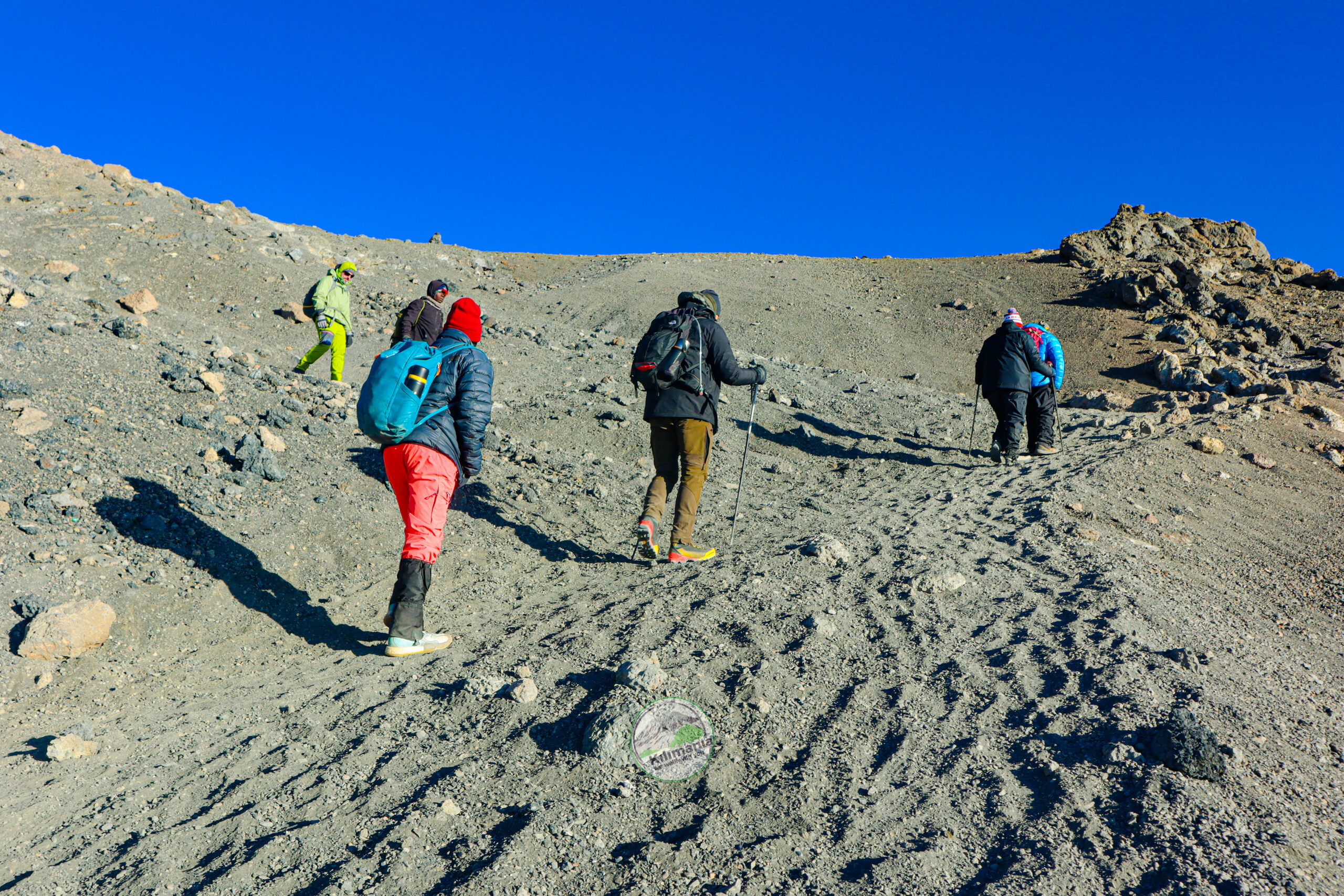
Final Recommendation
Eight days is the right choice for the overwhelming majority of people reading this article — based on 1,247+ guided climbs, not marketing. The 26-percentage-point gap between a 6-day and 8-day itinerary on the same route is not a marginal difference. It is the difference between reaching Uhuru Peak (5,895m) and turning back at Stella Point (5,756m) after five days of travel, preparation, and physical effort.
If you have 9 days and want the absolute strongest odds, the Northern Circuit at 96% success is the choice. If you are genuinely constrained to 7 days and have trekked at altitude before, the 7-day Lemosho at 82% is viable. If you have only 6 days, book with a full understanding of what 33% failure means in practice — one in three climbers who make the journey will not reach the top.
For the Umbwe route comparison — the shortest and steepest option for experienced mountaineers — and all other Kilimanjaro routes, see the Mount Kilimanjaro Climbing overview. For the complete planning picture — costs, training, gear, weather, permits, and health — start with the pillar guide: Climbing Kilimanjaro Guide 2026.
Decide on your days before you decide on your route. We Walk With You.
Plan Your Kilimanjaro Climb — Get a Fast Quote
Tell us: travel dates, number of climbers, and preferred day count. We return a full itemised quote within 12 hours — KINAPA fees broken down by day, complete inclusions and exclusions, no surprises at the gate.
Explore Tanzania Safaris and a Zanzibar Beach recovery add-on for after your climb. Questions first? Contact the Kilimania team.
For International Travellers to Tanzania
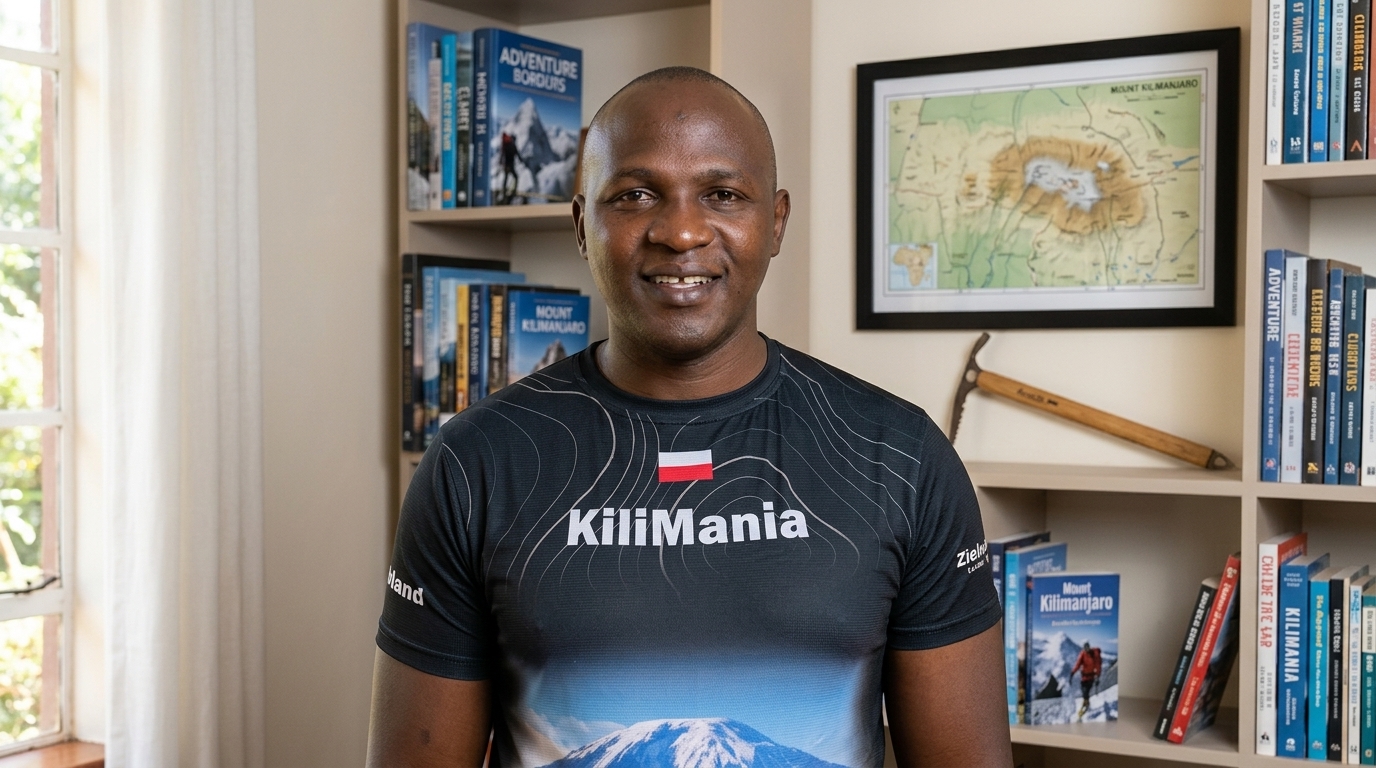
- Kilimania Adventure climb database, 1,247+ guided ascents 2019–2025 (internal operator records — not independently peer-reviewed; presented alongside independent research)
- Hackett PH, Roach RC. “High-Altitude Illness.” New England Journal of Medicine, 2001;345(2):107–114. PubMed PMID 11450659
- Jackson SJ, Varley J, Sellers C, et al. “Incidence and Predictors of Acute Mountain Sickness Among Trekkers on Mount Kilimanjaro.” High Altitude Medicine & Biology, 2010;11(3):217–222. PubMed PMID 20919888
- Karinen H, Peltonen J, Tikkanen H. “Prevalence of Acute Mountain Sickness Among Finnish Trekkers on Mount Kilimanjaro, Tanzania.” High Altitude Medicine & Biology, 2008;9(4):301–306.
- CDC — Travelers’ Health, Tanzania destination page: wwwnc.cdc.gov/travel/destinations/traveler/none/tanzania
- CDC Yellow Book — High-Altitude Travel and Altitude Illness: cdc.gov/yellow-book — altitude illness chapter
- World Health Organization — International Travel and Health: who.int/publications/i/item/9789241580472
- Kilimanjaro National Park Authority (KINAPA): kilimanjaranationalpark.go.tz
- Tanzania National Parks Authority (TANAPA) — park fees: tanzaniaparks.go.tz
- UNESCO World Heritage Centre — Kilimanjaro National Park listing: whc.unesco.org
- Kilimanjaro Porters Assistance Project (KPAP) — porter welfare: kiliporters.org
- Tanzania Association of Tour Operators (TATO): tatotz.org
- Tanzania e-Visa portal: evisa.go.tz
- Kilimanjaro International Airport: kilimanjaroairport.go.tz