7 Days Lemosho Route — Kilimanjaro Climb
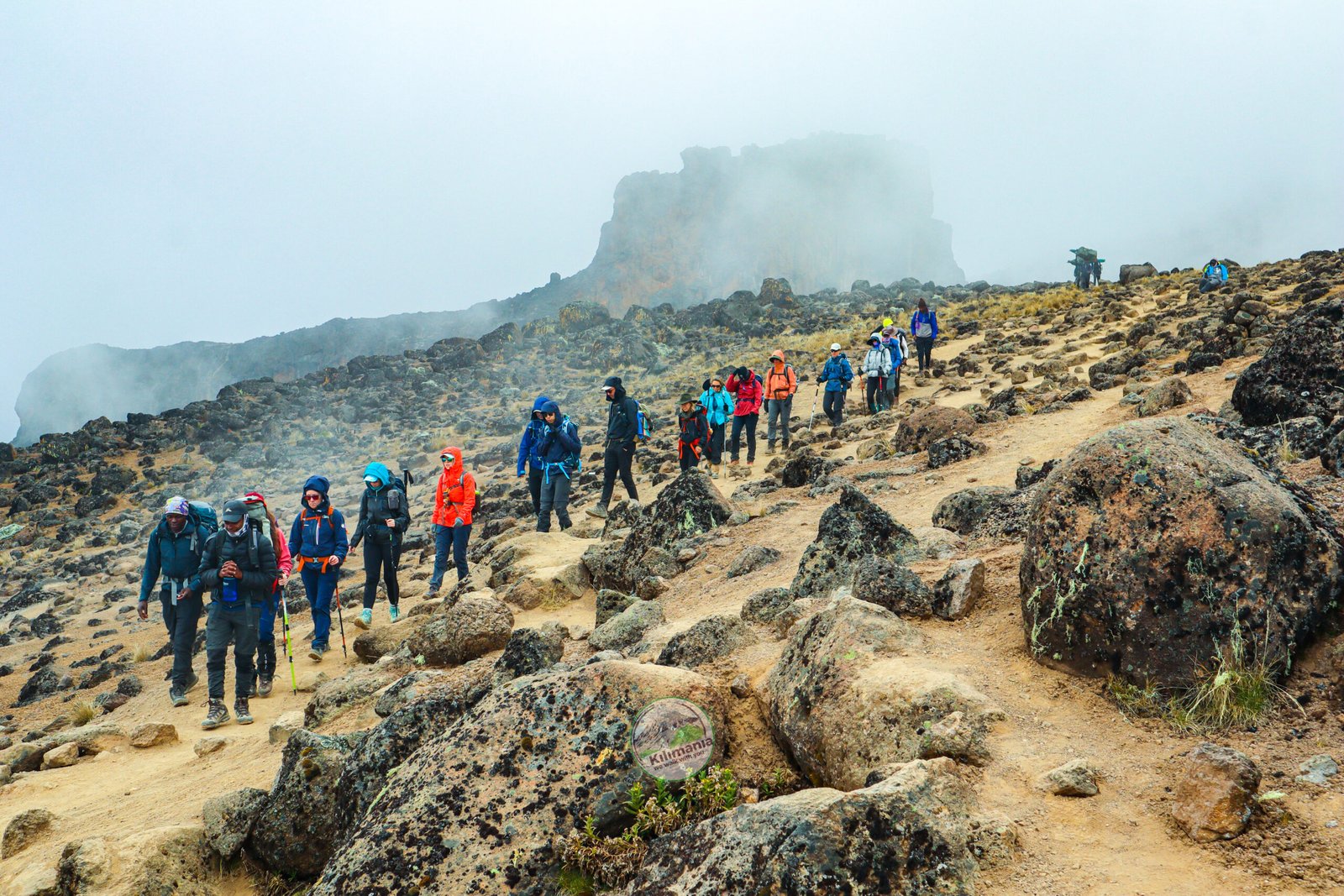
A quieter start through the Londorossi rainforest, a full crossing of the Shira Plateau, and the same climb-high-sleep-low structure as the 8-day version — compressed into one fewer day on the mountain.
Data sources cited in this article: Kilimania Adventure’s canonical route pricing table (verified 2026-08-29), Kilimania’s 2019–2026 operational climbing records, and standard TANAPA/KINAPA route elevations.
The 7-day Lemosho Route climbs Kilimanjaro from Londorossi Gate on the western side, crossing the Shira Plateau before joining the southern circuit toward Uhuru Peak (5,895m). It includes the Lava Tower acclimatization detour and a Karanga Valley overnight. It follows the same route logic as the 8-day Lemosho, but with one fewer acclimatization night — which is why we usually recommend the 8-day version to first-time high-altitude climbers.
Elevations: standard TANAPA/KINAPA route data. Pricing: Kilimania’s canonical table, verified 2026-08-29.
Seven days or eight days on Lemosho?
Both versions follow the same western approach and the same climb-high-sleep-low logic through Lava Tower. The difference is one acclimatization night: the 8-day itinerary spreads the Shira Plateau crossing over two camps (Shira 1 and Shira 2) instead of combining it into a single longer walking day. That extra night below 4,000m before the push to Lava Tower is a meaningful acclimatization buffer.
← scroll to compare →
| Factor | 7-Day Lemosho | 8-Day Lemosho |
|---|---|---|
| Duration | 7 days / 6 nights | 8 days / 7 nights |
| Shira Plateau crossing | Combined into one longer day | Split across Shira 1 Camp (~3,610m) and Shira 2 Camp (3,850m) |
| Nights below 4,000m before Lava Tower | 2 nights | 3 nights |
| Acclimatization profile | Solid | Stronger — Kilimania’s internal estimate is 82%* |
| Kilimania recommendation | Good for fit, time-limited climbers | Our default recommendation for first-timers |
| Price from (6 people) | $1,600pp | $1,750pp |
*Internal estimate from Kilimania’s 2026 operational records, not yet published as a full dataset. Kilimania does not currently hold a published success-rate figure for the 7-day Lemosho itinerary specifically — see our Kilimanjaro success rate by route page for what we can verify.
If you have 8 days available, that’s what we usually suggest for a first Kilimanjaro climb — see the 8-Day Lemosho Route. If 7 days is what your schedule allows, the itinerary below is built for exactly that.
Why Choose the 7-Day Lemosho Route
The 7-day Lemosho Route is a strong option within Kilimania’s Kilimanjaro climbing programme for travelers who want the quieter, forested western approach through Londorossi Gate and a full crossing of the Shira Plateau, but who cannot take an eighth day on the mountain. It shares the same underlying acclimatization logic as the 8-day version — the same Lava Tower detour, the same Barranco Wall scramble, the same Karanga Valley overnight — condensed into a shorter schedule by combining two of the plateau days into one longer walking day. For the complete route overview, including how the western approach compares to the southern routes, see the Lemosho Route Kilimanjaro guide.
This route suits fit, prepared hikers who are comfortable with 6–8 hour walking days on consecutive days, who have some altitude or high-endurance hiking experience, and who need to complete the climb in exactly 7 days. It is not the itinerary we lead with for a first-time high-altitude trekker who has any flexibility on dates — for that traveler, the extra night on the plateau in the 8-day version buys a real margin.
From our guide team’s perspective: the day that changes most between the two versions is Day 2 on the 7-day itinerary, where climbers cover ground that the 8-day schedule spreads across two calmer days. Guides pace this day deliberately slower — shorter rest breaks, more frequent water stops — specifically because it is the day where the compressed schedule is felt most.
Who This Route Suits — And Who Should Reconsider
Choose the 7-day Lemosho if:
You have exactly 7 days available, you’re comfortable walking 6–8 hours on consecutive days with a loaded daypack, and you have some prior high-altitude or long-distance hiking experience. You want the western approach’s quieter trails and rainforest start rather than the busier southern routes.
Consider the 8-day Lemosho or a different route if:
This is your first time above 3,500m, you have any flexibility on your travel dates, or you’d prefer the extra acclimatization margin. First-time high-altitude climbers should read our honest beginner’s guide to Kilimanjaro and our page on how hard Kilimanjaro actually is before deciding between the two.
Fitness will not fix altitude. Being fit keeps you walking. It does not determine how well your body handles reduced oxygen at altitude — the amount of oxygen available with each breath drops as atmospheric pressure falls with elevation. Acute Mountain Sickness (AMS) affects experienced athletes and first-timers alike; individual physiological response to reduced oxygen isn’t predictable from fitness level alone, which is the main reason we’re upfront that the 8-day version gives most first-timers a better margin than the 7-day.
Complete Day-by-Day Itinerary
Every day below shows the distance, walking time, elevation change, terrain, and overnight camp our guide team plans for. Elevations are standard TANAPA/KINAPA route figures; walking times assume a steady, guide-led pace, not a race. Lemosho itineraries vary between operators — the schedule below reflects the route and camp sequence Kilimania Adventure currently operates.
Londorossi Gate → Mti Mkubwa (Big Tree Camp)
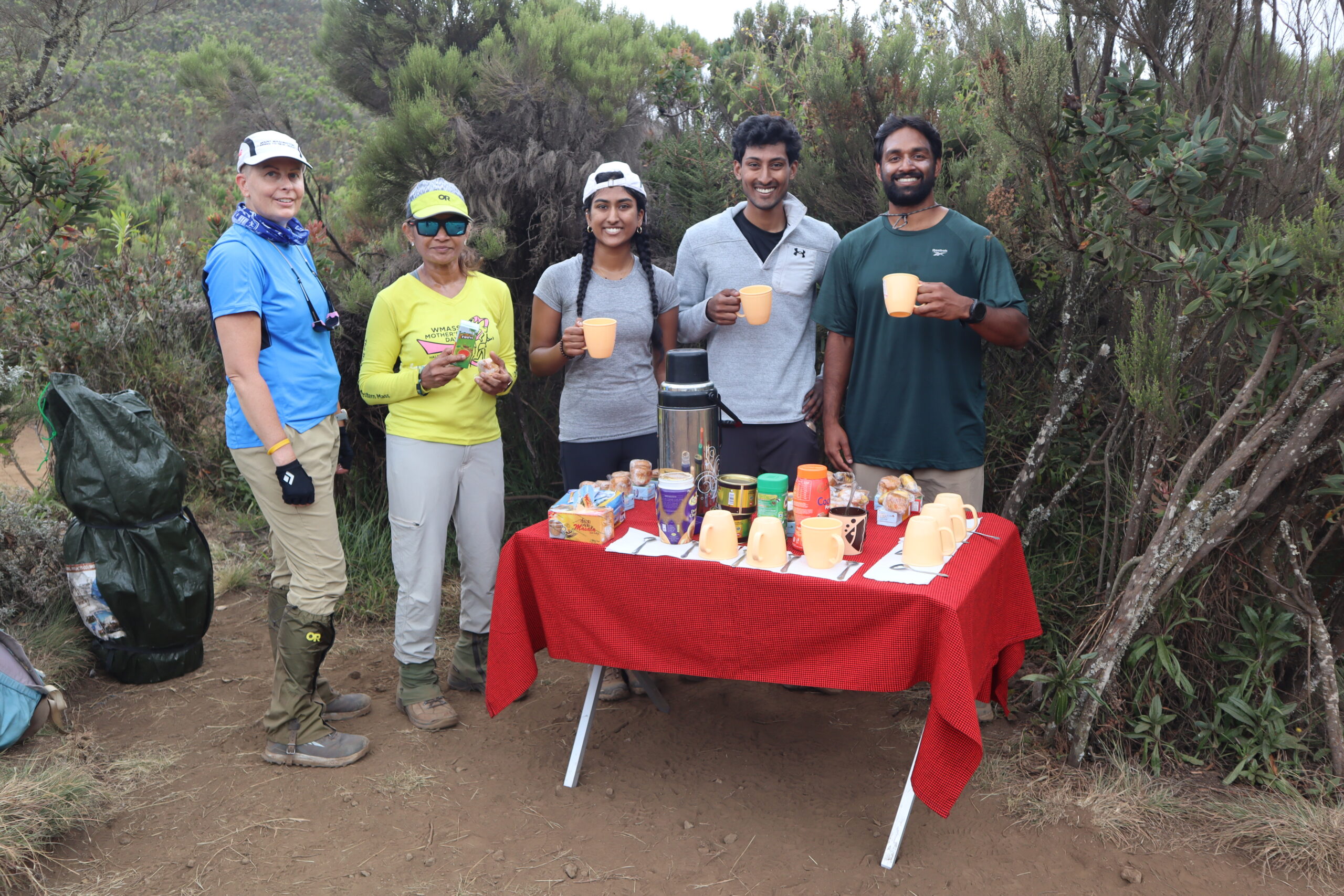
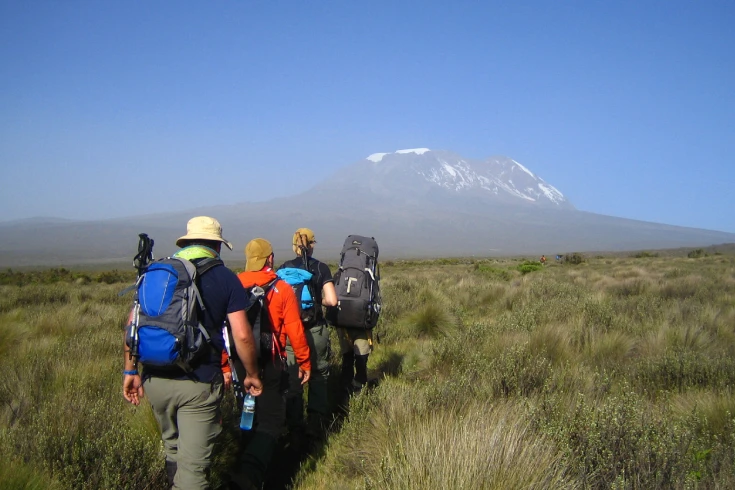
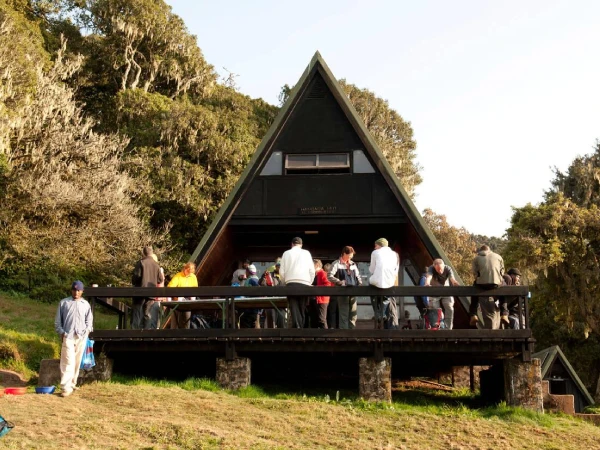
The transfer from Moshi to Londorossi Gate takes roughly two hours, and the registration process here is noticeably quieter than at Machame Gate. The trail starts immediately in dense montane rainforest — thick ferns, hanging moss, colobus monkeys if you’re lucky and quiet. This first day is intentionally gentle: 3–4 hours to Mti Mkubwa, named for the enormous fig tree that still stands at the campsite. Our guides use this day to check pace and pack-fit rather than push distance — small corrections here save energy later.
Mti Mkubwa → Shira 2 Camp (Shira Plateau Crossing)
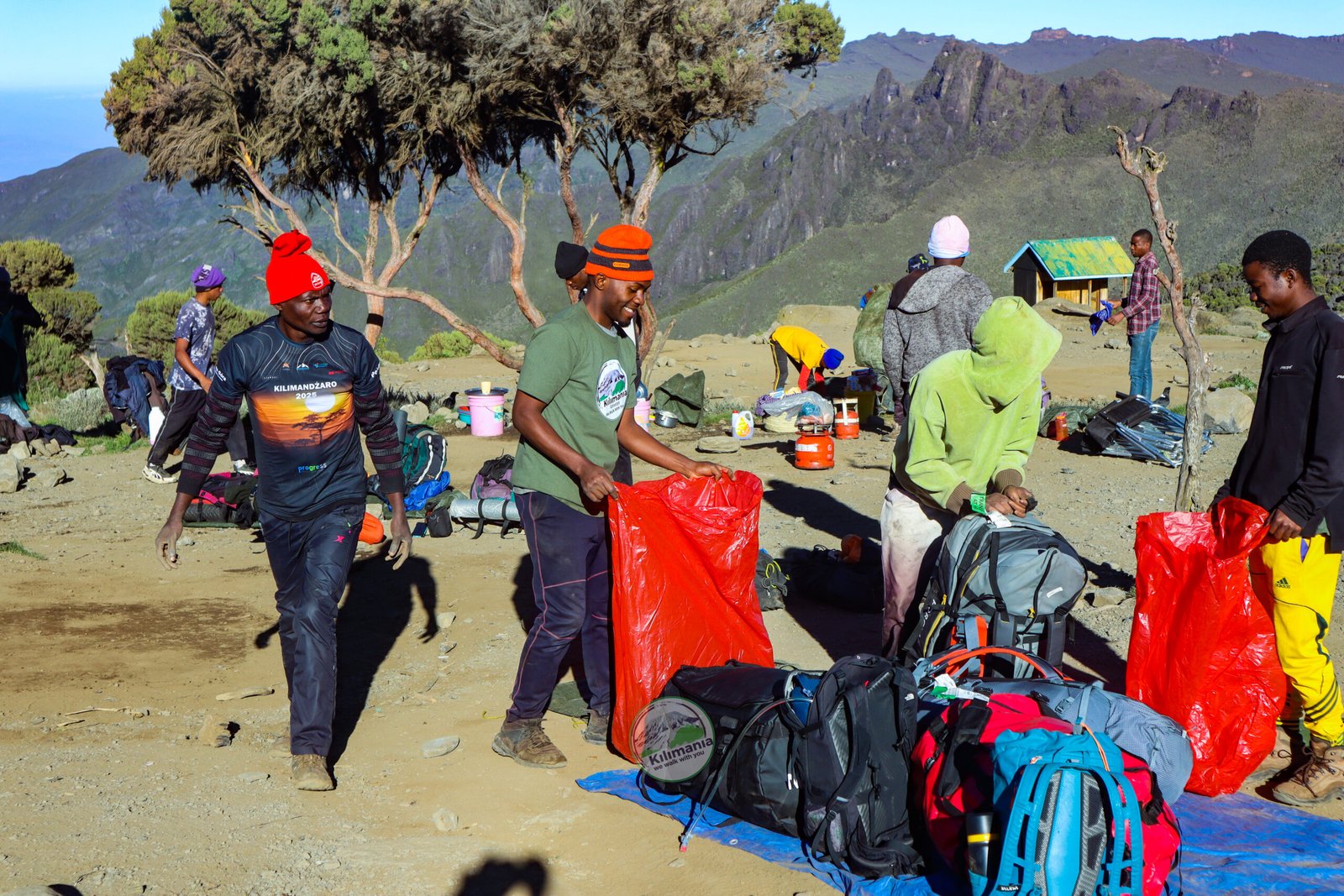
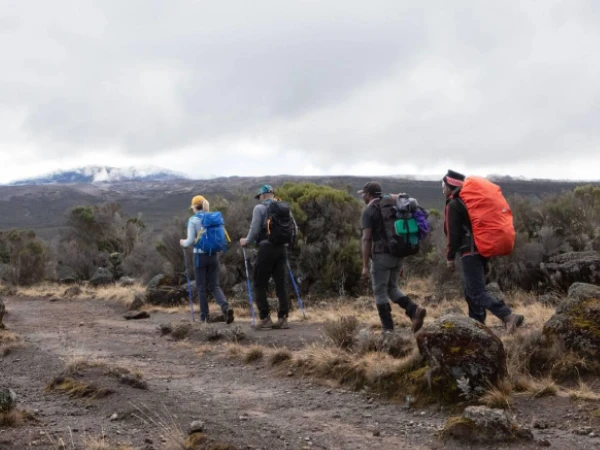
This is the day the 7-day schedule compresses. Where the 8-day version splits this into two calmer stages via Shira 1, the 7-day itinerary combines it into one long push across the Shira Plateau — an ancient volcanic caldera, now high moorland giving way to alpine desert. It’s a genuine climb of exactly 1,200 meters in one day, and climbers usually feel the altitude for the first time here. This is also the first day guides start regular pulse-oximeter checks at camp. Expect a noticeably longer day than Day 1 — pace yourself early rather than pushing the first few kilometers.
Shira 2 Camp → Lava Tower (4,630m) → Barranco Camp
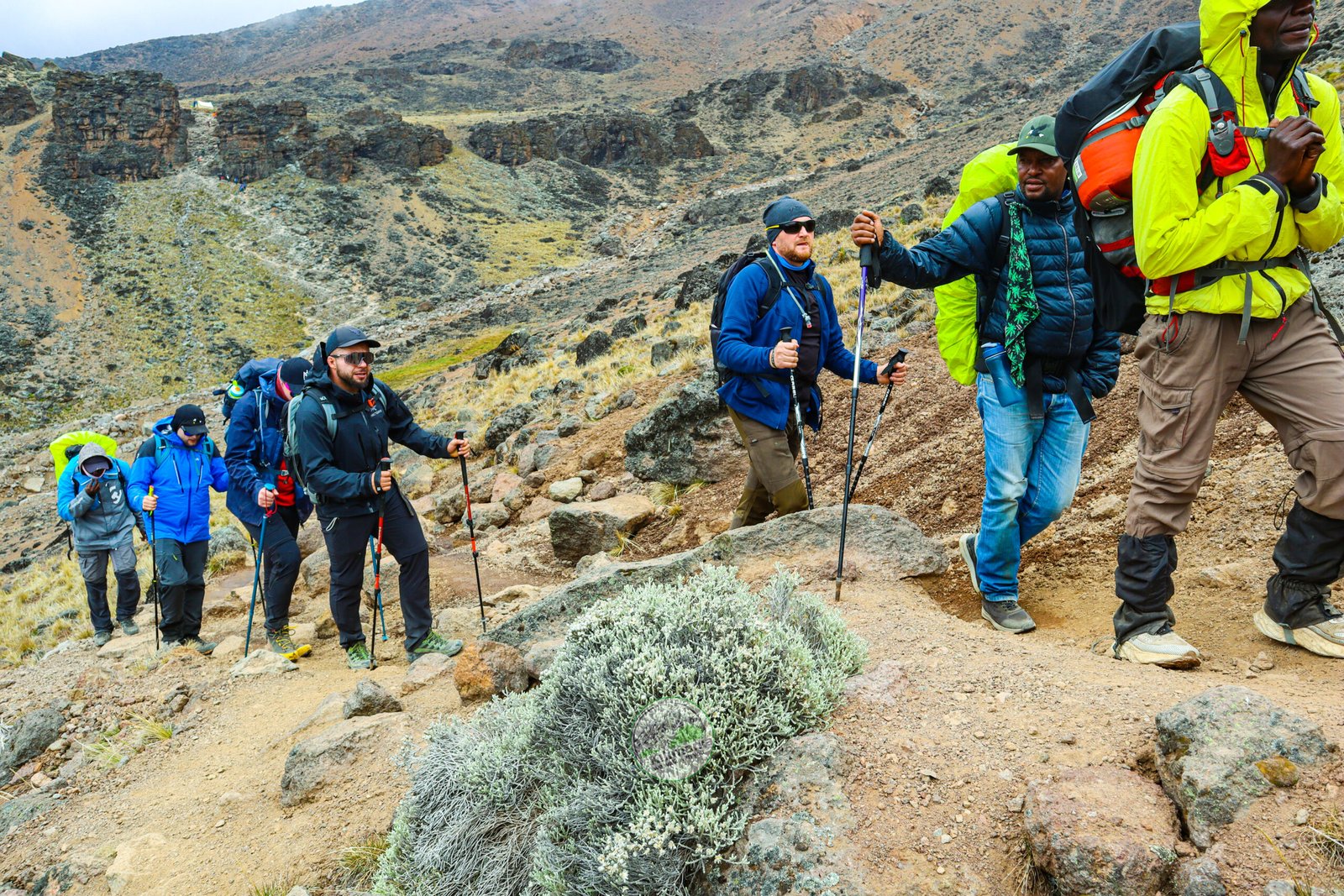
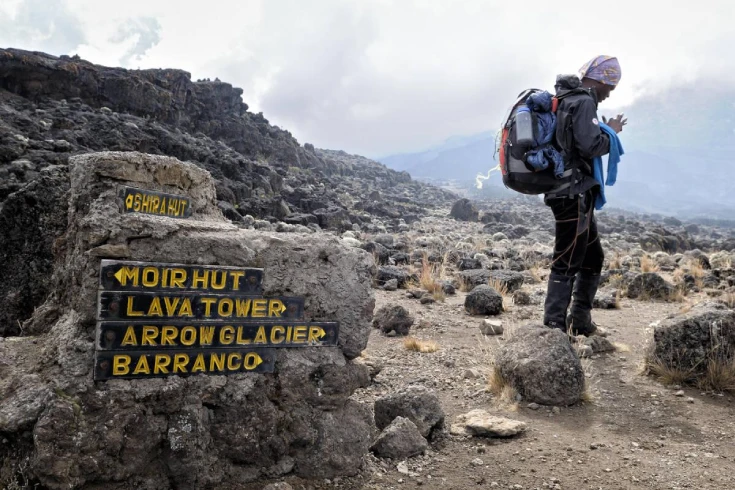
This is the single most important day for acclimatization, on either version of the route. You climb to Lava Tower — a striking volcanic rock plug at roughly 4,630m — for a lunch stop, then descend to sleep at Barranco Camp (3,960m). That’s the “climb high, sleep low” principle: expose your body to reduced oxygen at altitude, then recover at a lower sleeping elevation. Headaches, reduced appetite, and mild fatigue are common and expected here — guides watch for anything beyond that. The descent to Barranco reveals the Barranco Wall rising directly above camp, which you’ll climb tomorrow morning.
Barranco Camp → Barranco Wall → Karanga Camp
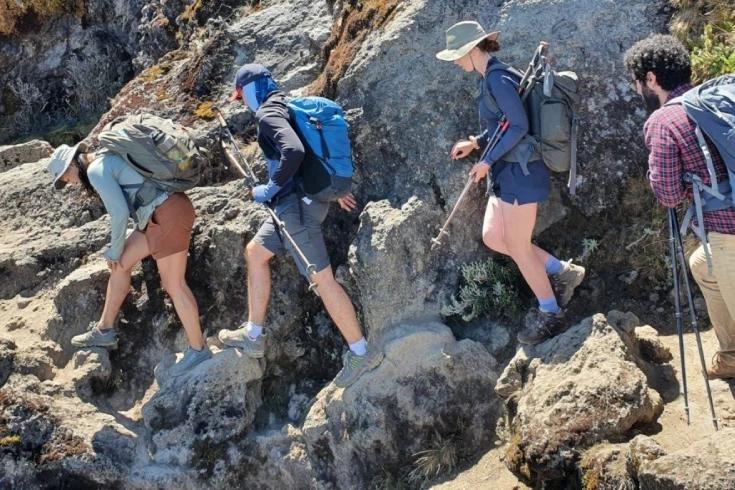
A shorter day, but it opens with the Barranco Wall — a roughly 60–90 minute scramble that’s non-technical but does require using your hands for balance on a few sections. No ropes are used — it’s a scramble, not a technical climbing section, though some terrain is exposed and is taken slowly under your guide’s direction. After the wall, the trail traverses the Karanga Valley to Karanga Camp — the overnight the 6-day routes skip and that the 7-day and 8-day Lemosho both include. Read more about this specific section on our Barranco Wall guide.
Karanga Camp → Barafu Camp (Summit Base)
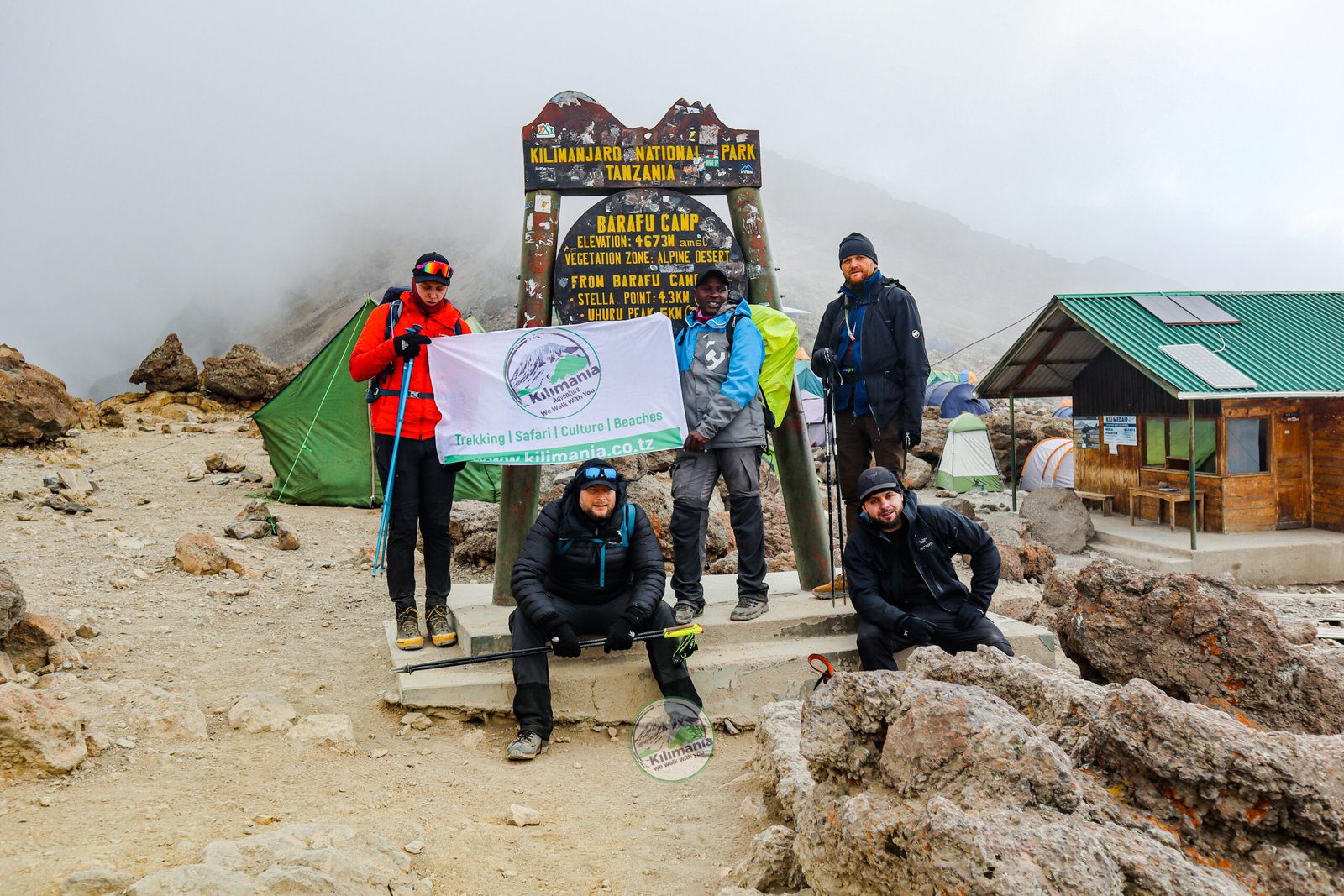
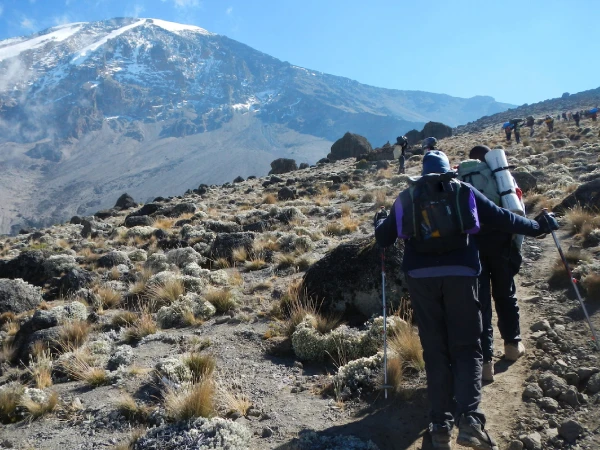
A steady, moderate climb to Barafu Camp, the summit base for both the southern circuit routes. The landscape here is stark alpine desert — exposed rock, thin air, and usually a stiff wind. You’ll have an early dinner and a short rest before a summit-night briefing from your guide: timing, layering, pace, and what to expect. This is the point where preparation meets the mountain.
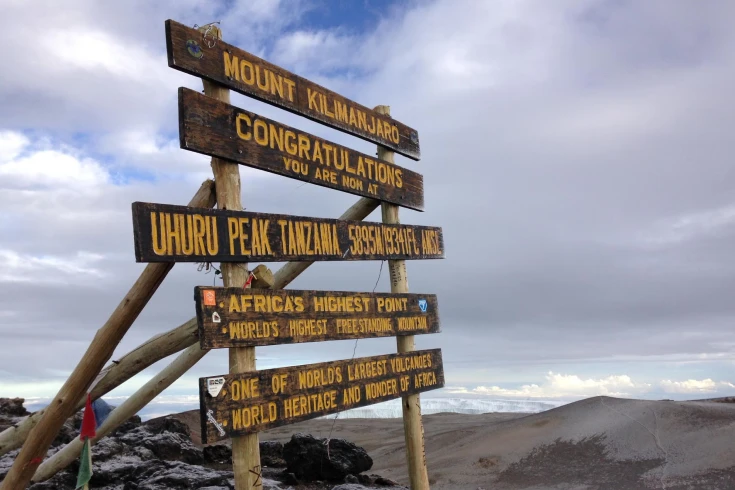
Barafu Camp → Uhuru Peak (5,895m) → Mweka Camp
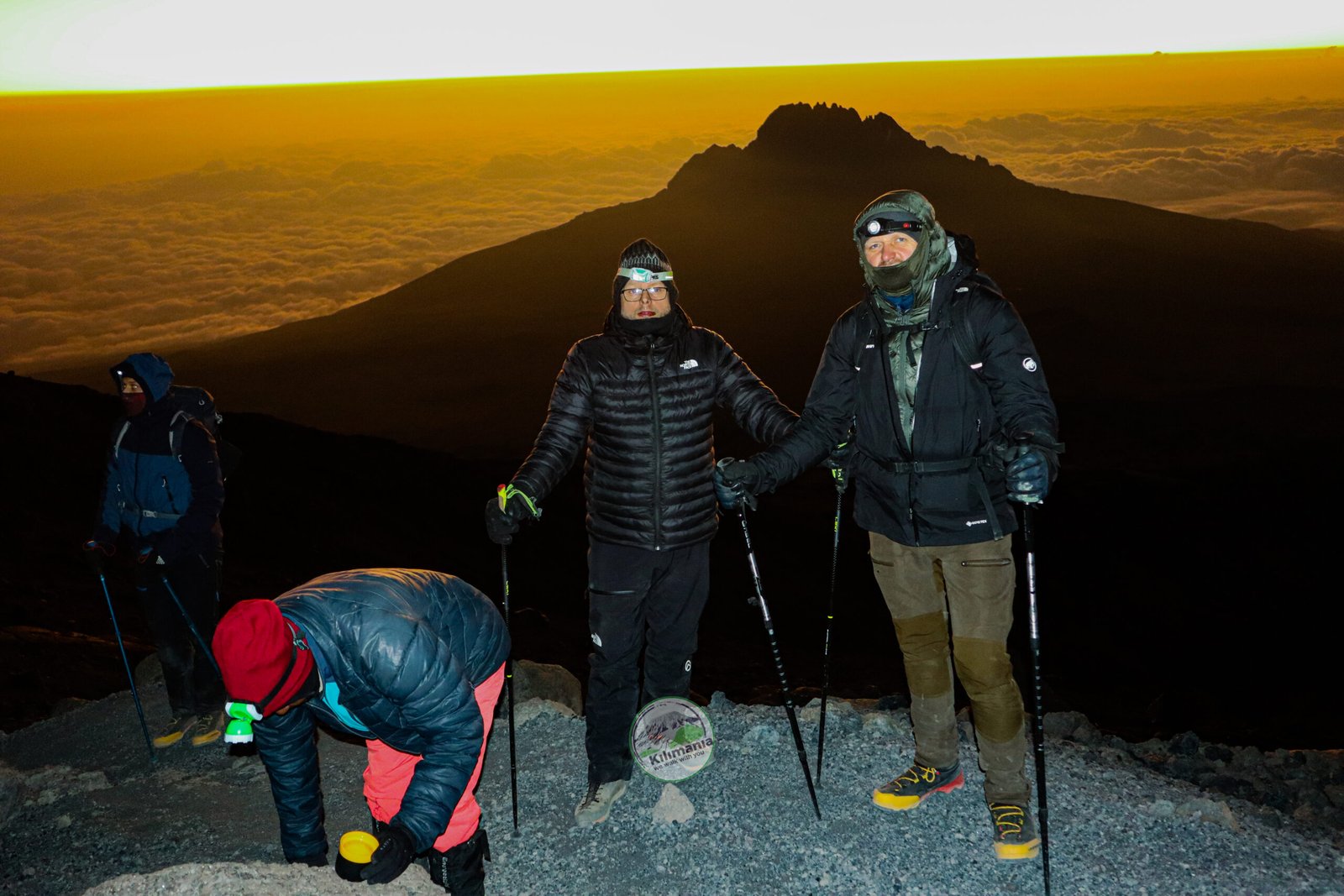
Wake-up is typically around 11pm–midnight. Temperatures at Barafu and en route are commonly well below freezing, and wind can make it feel considerably colder — exact conditions vary with season and weather. The first 5–6 hours are steep, dark, and slow — steady switchbacks on loose scree. Reaching Stella Point (5,756m) on the crater rim is a genuine milestone; from there it’s another 45–60 minutes along the rim to Uhuru Peak. Most climbers spend 10–15 minutes at the summit before beginning the long descent — back to Barafu, then a further 4–5 hours down to Mweka Camp. This is, honestly, the hardest single day of the climb by a wide margin, on any route or duration.
Mweka Camp → Mweka Gate → Moshi
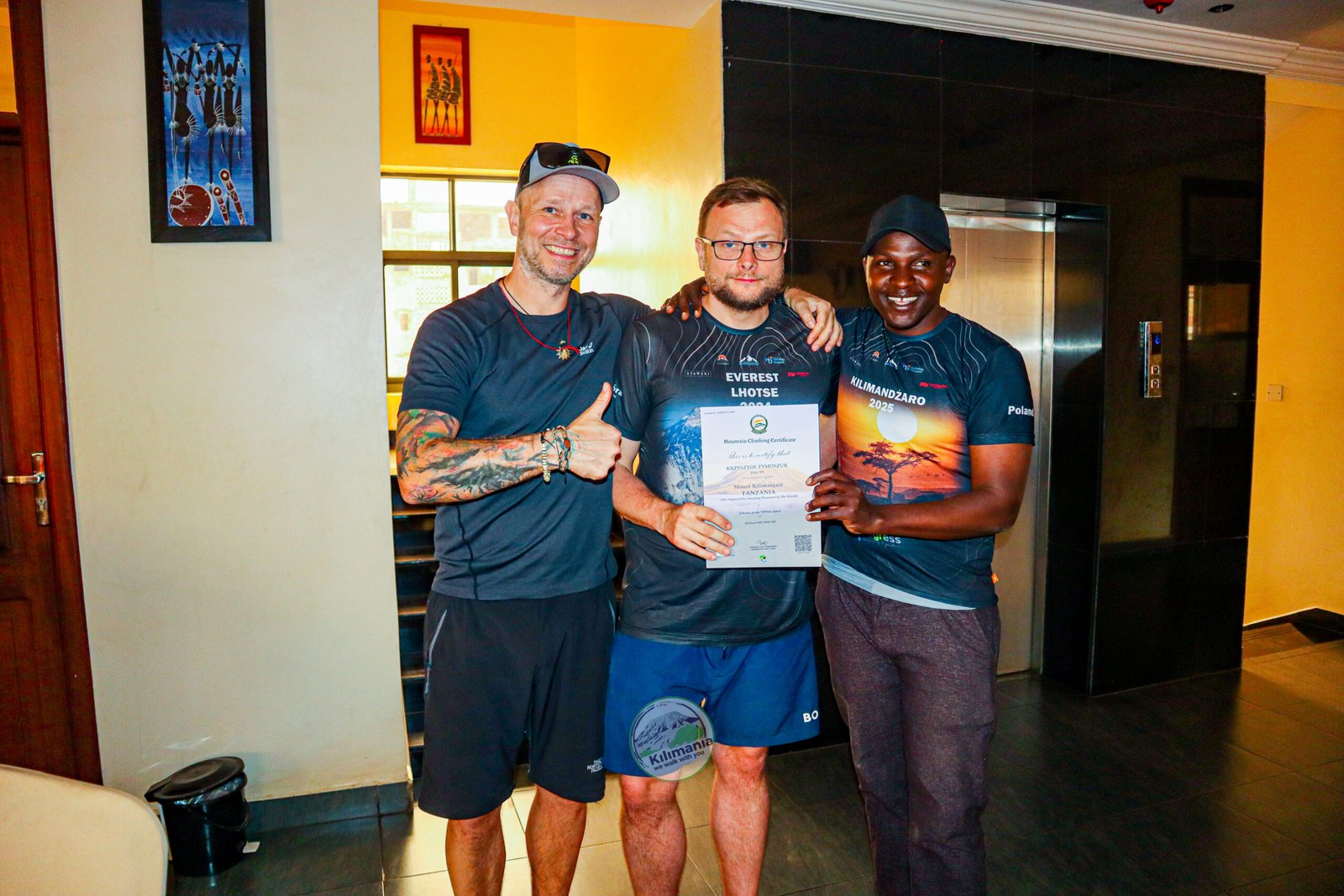
A gentle final descent back through rainforest to Mweka Gate. You’ll sign the park register and receive your summit certificate — gold for Uhuru Peak, green for Stella Point — before a vehicle transfer back to your hotel in Moshi for a shower, a real meal, and a well-earned rest.
Planning a 7-Day Lemosho Climb?
Send us your dates and group size — we’ll confirm availability and current pricing, usually within 12 hours.
Acclimatization Strategy
The 7-day Lemosho follows the same acclimatization principle as its longer sibling: gain altitude during the day, then sleep lower than the day’s high point. The key moment is Day 3, where you touch 4,630m at Lava Tower before dropping back to sleep at 3,960m in Barranco — a genuine 670-meter “sleep low” buffer built into the schedule.
The trade-off in the 7-day version sits on Day 2: because the Shira Plateau crossing is combined into one day instead of being split across Shira 1 Camp (~3,610m) and Shira 2 Camp (3,850m) as it is on the 8-day itinerary, you spend fewer total nights below 4,000m before that first big altitude exposure at Lava Tower. Our guides adjust for this with a deliberately slower pace on Day 2 specifically, more frequent water and rest stops, and pulse-oximeter checks starting a day earlier than on the 8-day itinerary. Pulse-oximeter readings are one observation among several our guides use — alongside visible symptoms and how a climber is walking and eating — not a standalone diagnostic test. For a full explanation of Acute Mountain Sickness (AMS) and how our guide team monitors for early symptoms at every camp, see our altitude sickness guide.
Honest Difficulty Assessment
Overall rating: Moderate–Hard. It’s more demanding than the 6-day Machame route because the elevation gain is packed into fewer days, and it’s harder than the 8-day Lemosho for exactly the same reason.
The hardest part is unambiguously summit night: 5–7 hours climbing in the dark, in temperatures well below freezing, at an elevation where atmospheric pressure is roughly half that of sea level — meaning each breath delivers noticeably less oxygen. Nothing else on the route compares to it.
Fitness benchmark: you should be able to comfortably walk 6–8 hours on consecutive days, carrying a 5–7kg daypack, without it feeling like a struggle. If that’s not where you are yet, our Kilimanjaro fitness assessment explains what to work on and how much time to give yourself.
What fitness doesn’t protect you from is altitude itself. Some of the fittest climbers we’ve guided have turned back due to how their body responded to reduced oxygen, regardless of training. Fitness keeps your legs moving — it does not determine your acclimatization response.
Compared to other routes: harder than 6-day Machame or 6-day Marangu, similar difficulty to 7-day Machame, and a step up from the 8-day Lemosho specifically because of the compressed Shira Plateau day.
What’s Included & What’s Not
Included in your climb
- 2 hotel nights (before and after the climb)
- All TANAPA national park fees
- KINAPA rescue fee
- KINAPA-licensed lead guide
- Ethical porters, guided by KPAP standards
- Professional mountain cook
- High-altitude tents and sleeping mats
- All meals on the mountain
- Unlimited drinking water
- Emergency oxygen cylinder
- Pulse-oximeter monitoring at every camp
- First aid kit and pre-climb briefing
- Transfers: Moshi ↔ Londorossi Gate / Mweka Gate
- Summit certificate
Not included
- International flights to Tanzania
- Tanzania entry visa
- Travel insurance (required — must cover high-altitude evacuation)
- Personal trekking gear
- Guide and porter tips
- Diamox or personal medication
- Personal porter (available as an add-on)
- Extra accommodation beyond the 2 included nights
See our full Kilimanjaro packing list and current TANAPA park fee breakdown for what to budget beyond this package.
Pricing — 7-Day Lemosho Route
Pricing is per person and drops as your group size grows. The 3-person rate is Kilimania’s standard joining rate if you’re traveling solo or as a pair and want to join an existing group.
← scroll to see all group sizes →
| Group size | Price per person |
|---|---|
| 1 person (private) | $1,900 |
| 2 people | $1,800 |
| 3 people (joining rate) | $1,750 |
| 4 people | $1,700 |
| 5 people | $1,650 |
| 6 people | $1,600 |
A $100 per-person deposit secures your dates. Balance is due before arrival — full booking details are confirmed once you send us your preferred dates and group size. For a full breakdown of park fees, gear costs, and what operators don’t always disclose upfront, see our Kilimanjaro cost guide and our joining calendar for confirmed group departure dates.
A quick reminder on the number above: the price gap between the 7-day and 8-day Lemosho isn’t just a schedule difference — it buys an extra acclimatization night. Kilimania does not currently publish a verified success-rate figure specifically for the 7-day itinerary (see our success rate by route page for what we can confirm), which is part of why we’re upfront that most first-timers are better served paying the difference for the 8-day version.
Book or Ask About the 7-Day Lemosho Route
Request a quote, ask about joining an existing group, or just ask Sabinus a question about the route.
Your Guide Team
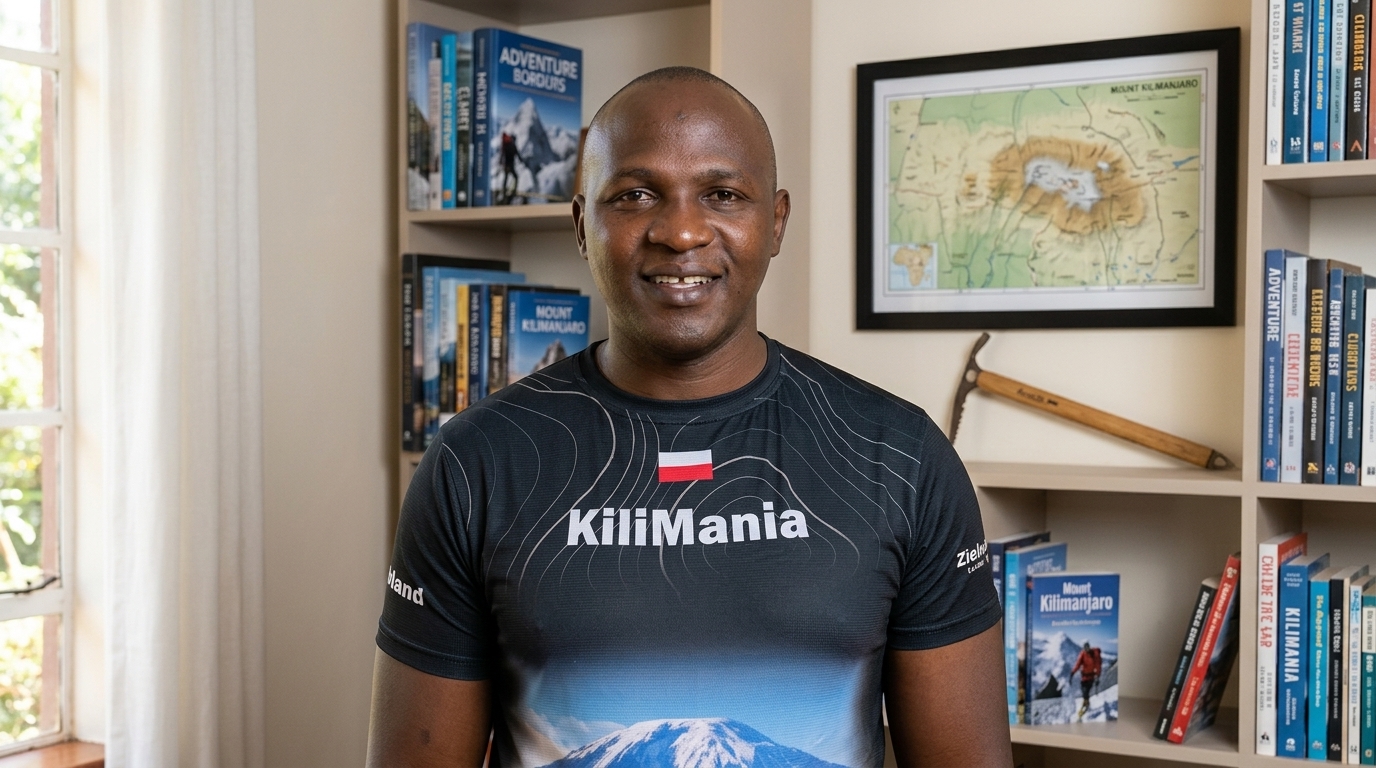
Sabinus Msimba
Senior Mountain Guide & Co-founder, Kilimania Adventure
Sabinus began his mountain career in 2001 as a porter on the Marangu Route and has guided the western Lemosho approach on both its 7-day and 8-day schedules for over two decades. Kilimania’s route observations on this page — including the guidance around Day 2’s pacing — come directly from his and the wider guide team’s operational experience.
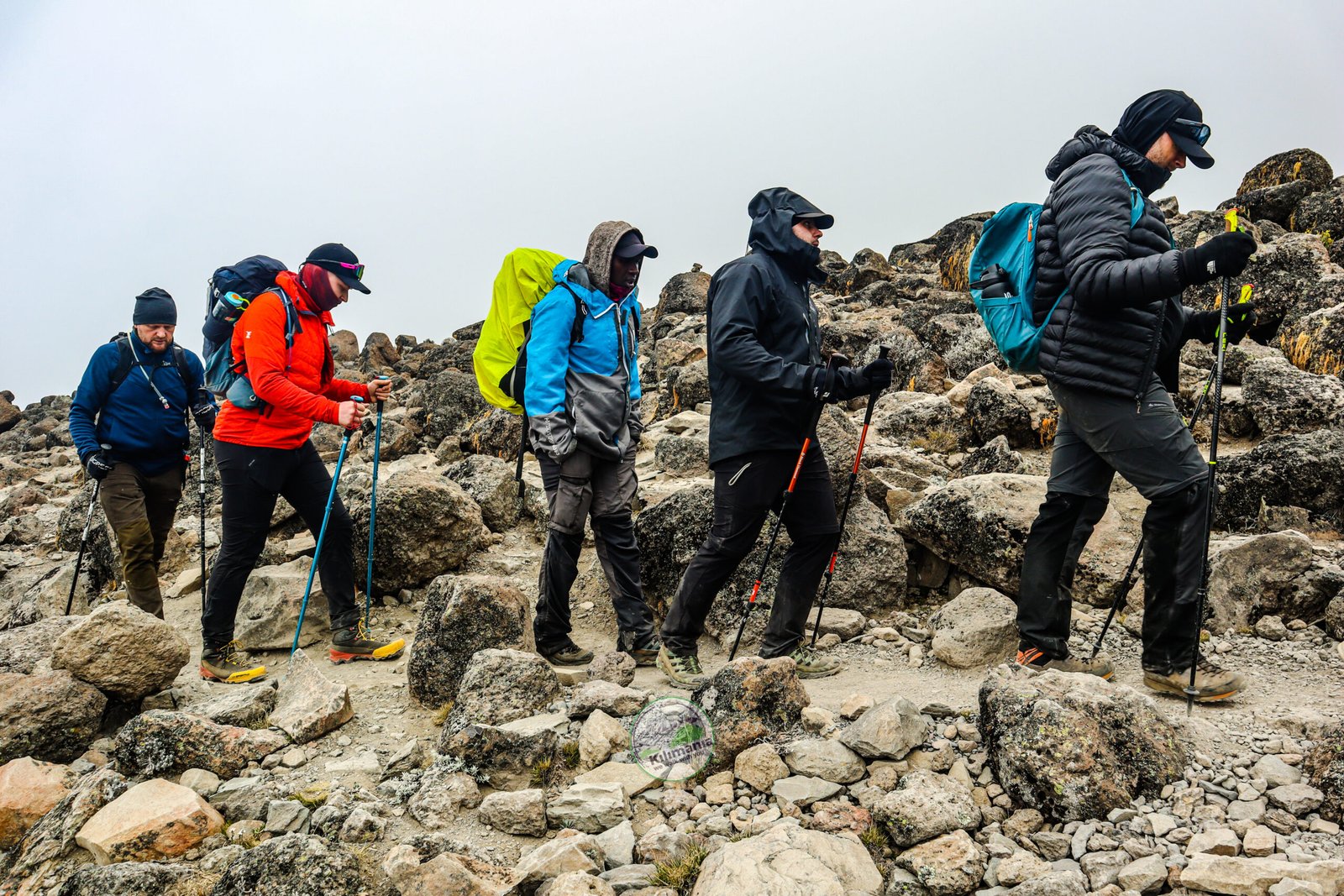
The Kilimania Difference
Every group on this route carries a pulse oximeter, checked at every camp — not just on summit night. Our porter loads and pay follow KPAP-aligned standards, which we can discuss specifically if you ask. Pricing above is exactly what you pay; there are no hidden park-fee surcharges added after booking. And when the 7-day schedule genuinely isn’t the right fit for a climber’s timeline or experience, we say so directly rather than selling the shorter, cheaper option regardless.
How the 7-Day Lemosho Compares to Other Routes
← scroll to compare routes →
| Route | Duration | Difficulty | Accommodation | Price from (6p) |
|---|---|---|---|---|
| Lemosho | 7 days | Moderate–Hard | Camping | $1,600 |
| Lemosho | 8 days | Moderate | Camping | $1,750 |
| Machame | 7 days | Moderate–Hard | Camping | $1,600 |
| Machame | 6 days | Hard | Camping | $1,450 |
| Marangu | 6 days | Moderate | Huts | $1,450 |
| Northern Circuit | 9 days | Moderate | Camping | $2,050 |
See the full breakdown on our Kilimanjaro routes comparison page, or read our direct Machame vs Lemosho comparison if you’re weighing those two specifically.
Both routes reach Uhuru Peak via Barranco Camp and Barafu Camp. The difference is the approach: Lemosho starts from the quieter Londorossi Gate on the western side, crossing the Shira Plateau over two or three days depending on duration; Machame starts from the busier southern Machame Gate and reaches the plateau more directly. Lemosho generally gives more time below 4,000m before the Lava Tower acclimatization day, which is why Kilimania tends to recommend it as the starting point for first-time high-altitude climbers who have 7 or 8 days available. See the full Machame vs Lemosho comparison.
Frequently Asked Questions
Yes, slightly. Both versions cover the same terrain and the same total elevation gain, but the 7-day itinerary combines the Shira Plateau crossing into one longer walking day instead of splitting it across two. That means less time to acclimatize below 4,000m before the Lava Tower push on Day 3.
From $1,600 per person for a group of 6, up to $1,900 per person for a private climb. The joining rate for solo or paired travelers is $1,750 per person. A $100 per-person deposit secures your dates. See the full pricing table above.
It can work for a fit first-timer, but we typically recommend the 8-day Lemosho for anyone climbing above 3,500m for the first time. The extra acclimatization night gives a real margin that the 7-day schedule doesn’t have. If your dates are fixed at 7 days, we’ll still guide you well — just go in with realistic expectations about Day 2’s pace.
Lava Tower is a volcanic rock formation at roughly 4,630m that both Lemosho durations detour to on Day 3. Climbers stop there for lunch, then descend to sleep at the lower Barranco Camp (3,960m) — the “climb high, sleep low” principle that’s central to acclimatizing safely before summit night.
You leave Barafu Camp around 11pm–midnight for a 5–7 hour climb in the dark to Stella Point (5,756m), then a further 45–60 minutes to Uhuru Peak (5,895m). Summit-night temperatures are commonly well below freezing and can feel colder still with wind chill — exact conditions vary with season and weather. After summiting, the descent continues all the way to Mweka Camp — a genuinely long, tiring day.
Yes. Solo and paired travelers are welcome to join an existing group at the 3-person joining rate of $1,750 per person. Check our joining calendar for confirmed departure dates, or contact us and we’ll match you to the nearest available group.
A $100 deposit per person secures your dates. The remaining balance is confirmed and due before you arrive in Moshi, once your itinerary and group details are finalized.
Your guide’s assessment on summit night is the final word, based on your condition, not the schedule. If you reach Stella Point but not Uhuru Peak, you receive a green certificate. If you need to descend earlier, your guide will make that call for your safety — it happens, and it’s never treated as a failure on our team’s part.
Photo Gallery
Reviews & Recognition
We don’t publish invented star ratings or made-up review counts on this page. Below are real, attributed reviews from TripAdvisor and Google, plus links to read the rest for yourself.


“Navigating Overseas Booking with Total Confidence and Ease”
“I will admit that I was extremely nervous about coordinating a significant expedition like a Kilimanjaro climb from my home overseas, trusting a local company with so many details. However, Kilimania Adventure made that anxiety completely unnecessary. From our very first inquiry, their responsiveness was impressive. Replies were nearly instant, their advice regarding routes and timing was transparent and based on deep local expertise, and they made the entire administrative side of the planning process feel incredibly easy and secure. Once we landed in Tanzania, that high level of professional organization continued seamlessly, allowing us to focus entirely on the experience without any stress.”
“Just completed our Kilimanjaro summit with Kilimania Adventure and I’m still speechless!”
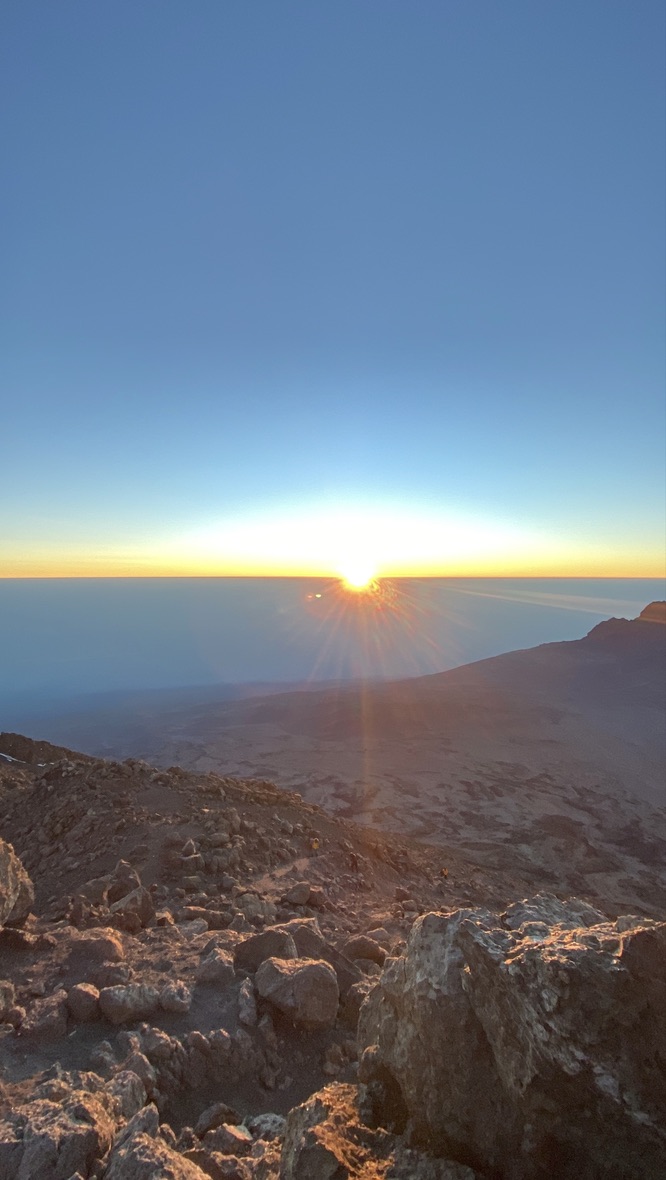
“After researching dozens of operators in Moshi, we chose them for their 20+ years experience and it paid off massively. Our guide was phenomenal — patient, knowledgeable, and genuinely cared about our safety and success. The equipment was top-notch, meals on the mountain were surprisingly delicious, and the entire crew went above and beyond. We summited Uhuru Peak at sunrise and it was life-changing. Already planning our Tanzania safari with them next year.”
“Seamless Logistics from Booking to Summit”
“From the first email inquiry to the airport pickup, everything with Kilimania was smooth and transparent. Their pricing was fair with no hidden fees. They provided a detailed packing list, training tips, and even a WhatsApp group for quick communication. The hotel in Moshi (Wildebeest) was lovely, and the pre-climb briefing was thorough. On the mountain, the camp setup was always ready when we arrived. You can tell this company has years of experience.”
Related Kilimanjaro Routes
The 7-day Lemosho schedule works well for prepared climbers with fixed dates — but the right route and duration is always a personal decision based on your schedule, fitness, and previous altitude experience. Our Kilimanjaro climbing guide covers everything from route selection to summit-night preparation, and our guide team is available on WhatsApp to answer specific questions before you commit to anything.
Book Your 7-Day Lemosho Climb
Send your dates and group size — we confirm availability and pricing, usually within 12 hours.
Quote Request Received
Thank you — Kilimania will reply to your enquiry within 12 hours. For a faster response, message us directly on WhatsApp.
Sabinus Msimba
Senior Mountain Guide & Co-founder, Kilimania Adventure · 22+ years guiding · 300+ personal Uhuru Peak summits · KINAPA-licensed since 2003
All route observations, elevations, and pricing on this page reflect Kilimania’s operational records, verified 2026-08-29, and standard TANAPA/KINAPA route data.
Kilimania Adventure is a commercial Kilimanjaro climbing operator based in Moshi, Tanzania. This page describes a paid guided climb we offer. Pricing, itinerary, and inclusions above were verified 2026-08-29 and may change — always confirm current details before booking. Kilimanjaro is a high-altitude mountain; no operator can guarantee summit success or freedom from altitude illness. If you have a pre-existing medical condition, consult a doctor before high-altitude travel. This is a sensitive topic in the sense that altitude illness can be serious — if you have specific medical concerns, please raise them with us directly and with your physician.