Is Kilimanjaro Worth It? An Honest Answer From 22 Years on the Mountain
There’s no honest single percentage we can hand you for “how many climbers say Kilimanjaro was worth it” — and we’d rather tell you that than invent one. What we can offer is 22 years of watching what actually predicts satisfaction and regret on this mountain, an honest account of both, and links to our real, independently hosted reviews on TripAdvisor and Google so you can read climbers’ own words for yourself.
Key Takeaways
- Reaching the summit makes the experience more worth it for most people, but it isn’t what makes it worth it
- Climbers who don’t reach Uhuru Peak routinely tell us the guide relationship, the climate-zone journey, and what they learned about themselves still made it worthwhile
- In our experience, choosing the wrong operator causes more regret than anything about the mountain itself
- Treating the summit as the only measure of success going in is the clearest predictor of disappointment if you turn back
- Read verified reviews yourself — see the links below — rather than taking any operator’s word for it, including ours
What “Worth It” Actually Means — And Why It Differs by Person
The question is genuinely complex. “Worth it” means different things to a climber who trained for months and summited in clear conditions versus someone who turned back at Stella Point because their oxygen saturation dropped and their guide made the call to descend. Both can say yes. Both can say no. The deciding factor is almost never the altitude they reached.
For the Summiter
People who reach Uhuru Peak describe a specific combination of things:
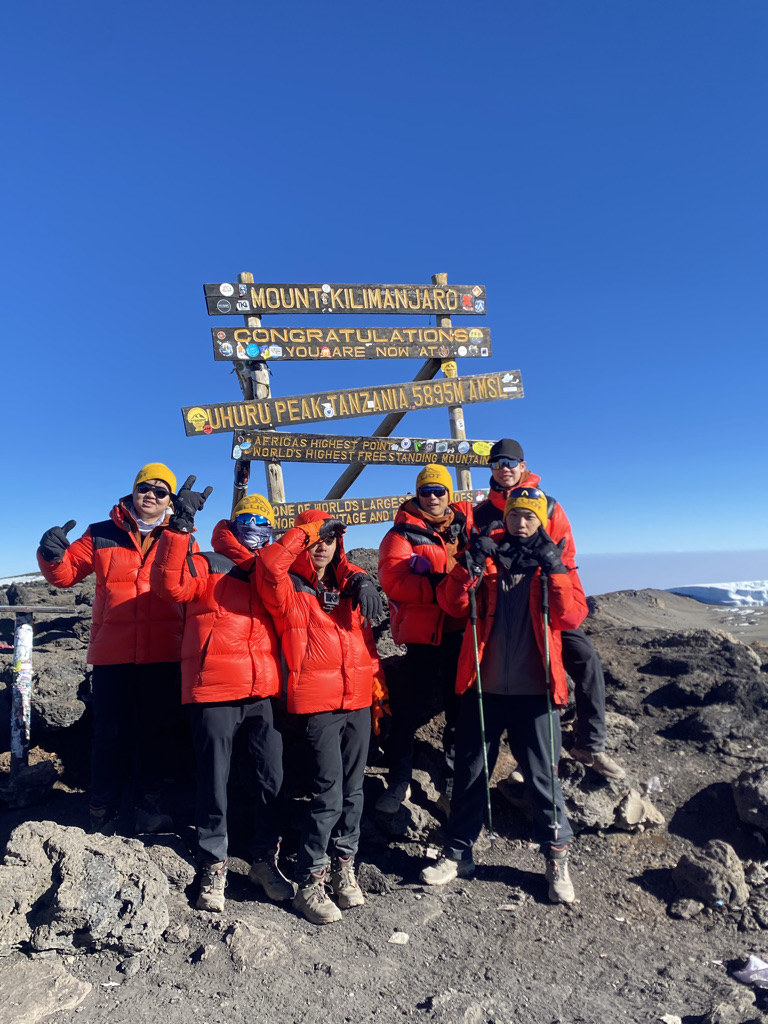
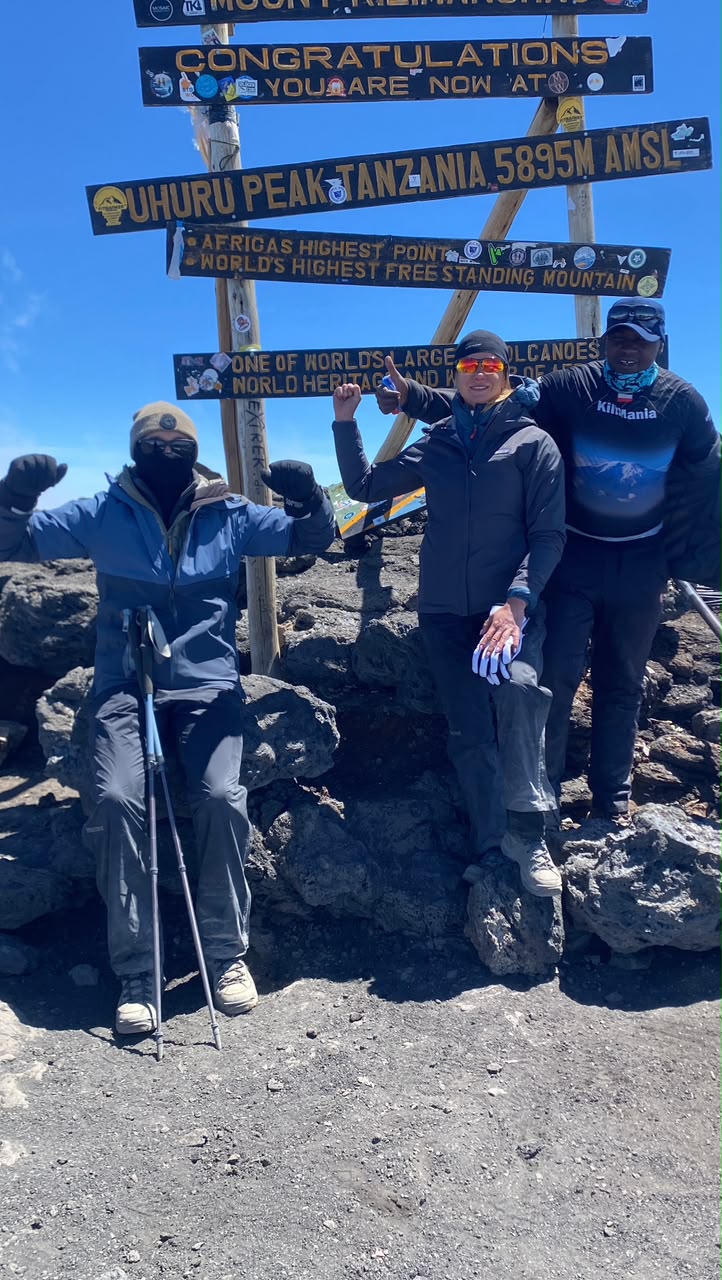
- The physical proof: roughly 8–9 hours of walking through darkness on loose scree, on gradients commonly cited around 35–45 degrees, between 5,000–5,895m — arriving somewhere that felt impossible a few hours before.
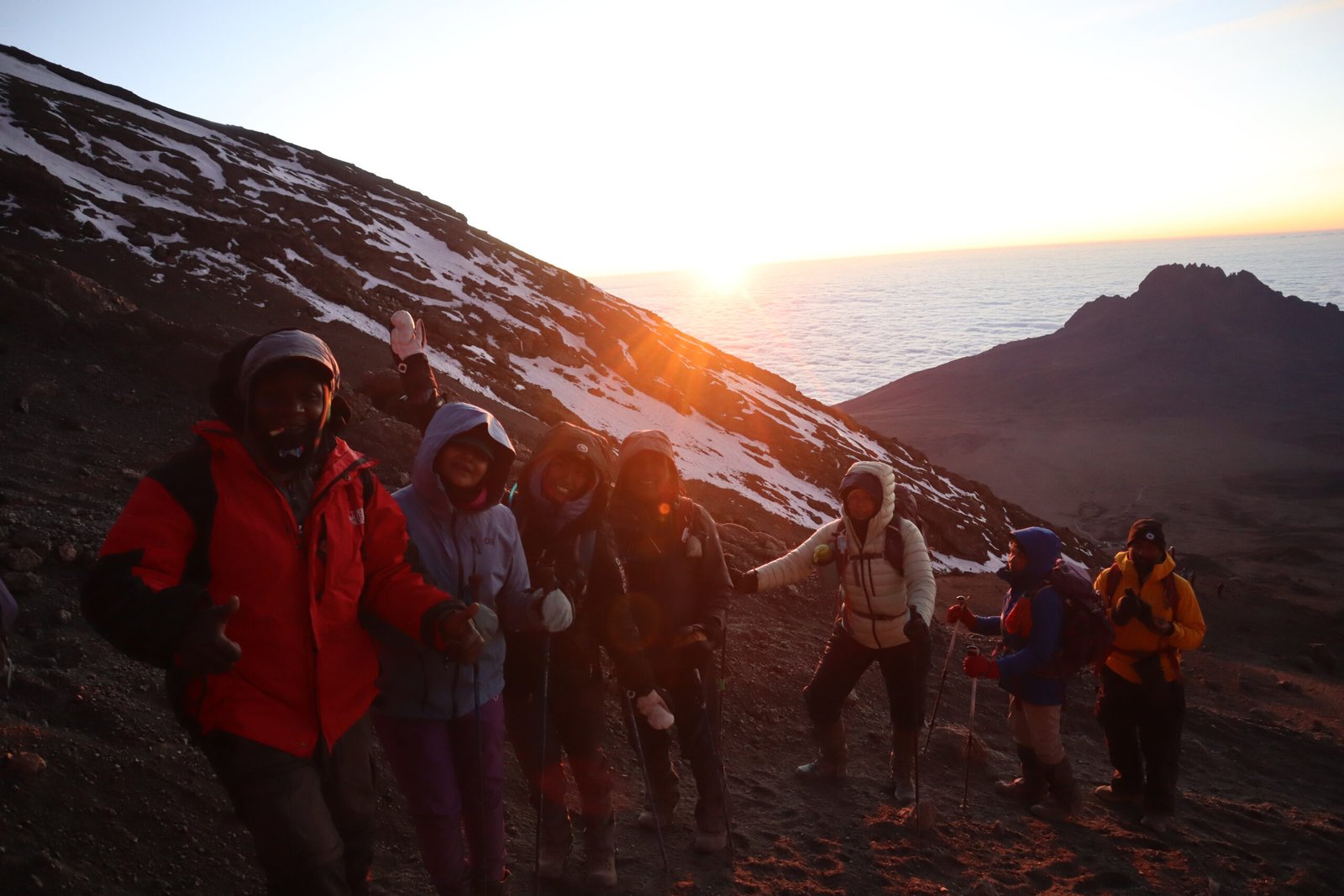
- What you can see: the glaciers of the Southern Icefield above you, the cloud layer thousands of metres beneath your feet — qualitatively different from any viewpoint most people have experienced.
- The private discovery: almost every summiter we’ve guided describes learning something concrete about what they can sustain physically and mentally.
For the Non-Summiter — The Most Important Group
This is the group that matters most to answer honestly, because it’s the group most likely reading this with real anxiety. You’re asking: if I spend real money, train for months, take two weeks off work, and don’t reach the summit — will I regret it?
In our experience, most who don’t reach Uhuru Peak still say the attempt was worth it. But understanding why requires looking at what they actually tell us, not a made-up statistic:
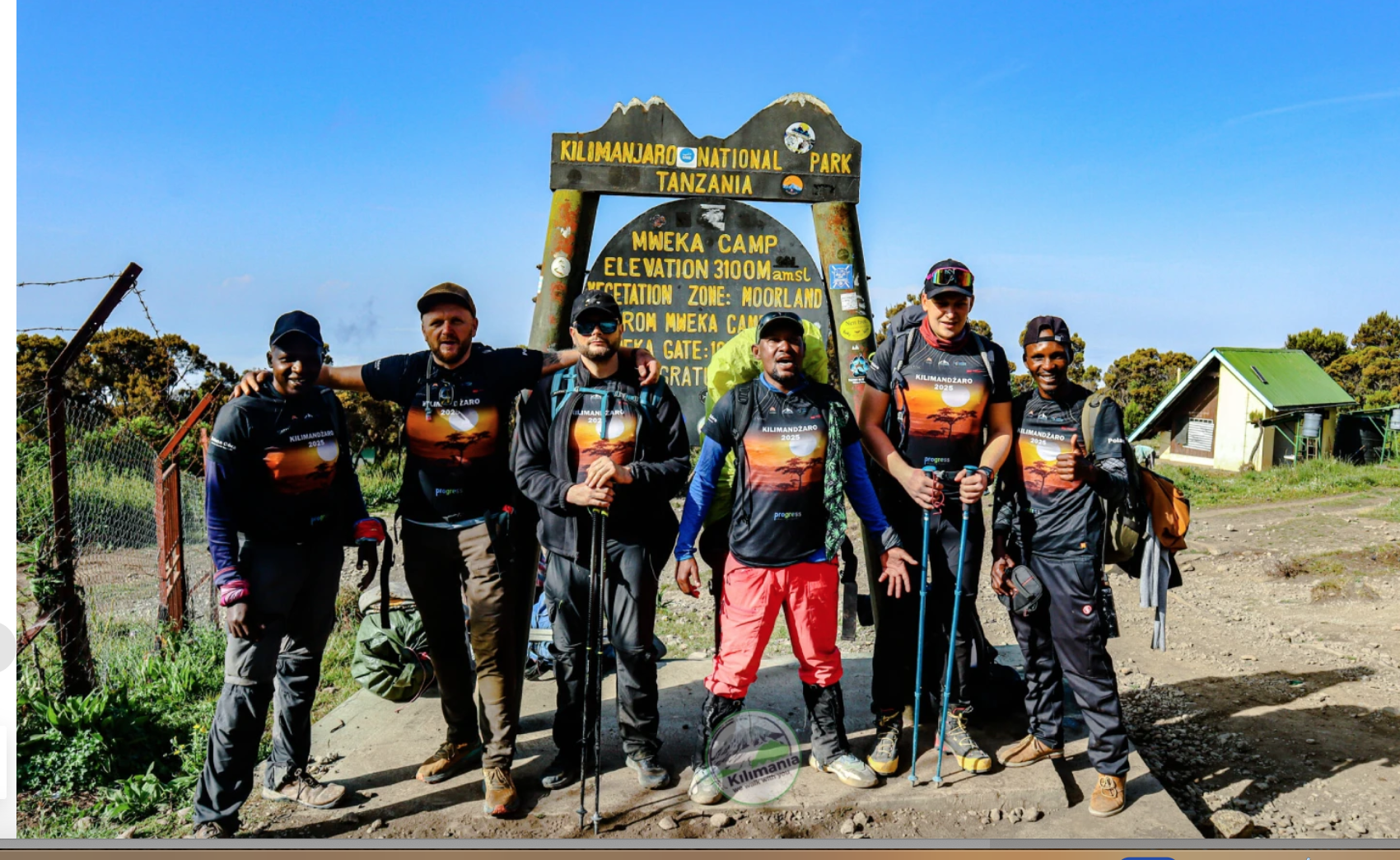
- The journey through the climate zones — from equatorial rainforest at 1,800m to moorland at 3,000m to alpine desert at 4,000m to arctic summit zone at 5,000m, across five to eight days regardless of whether you reach the top.
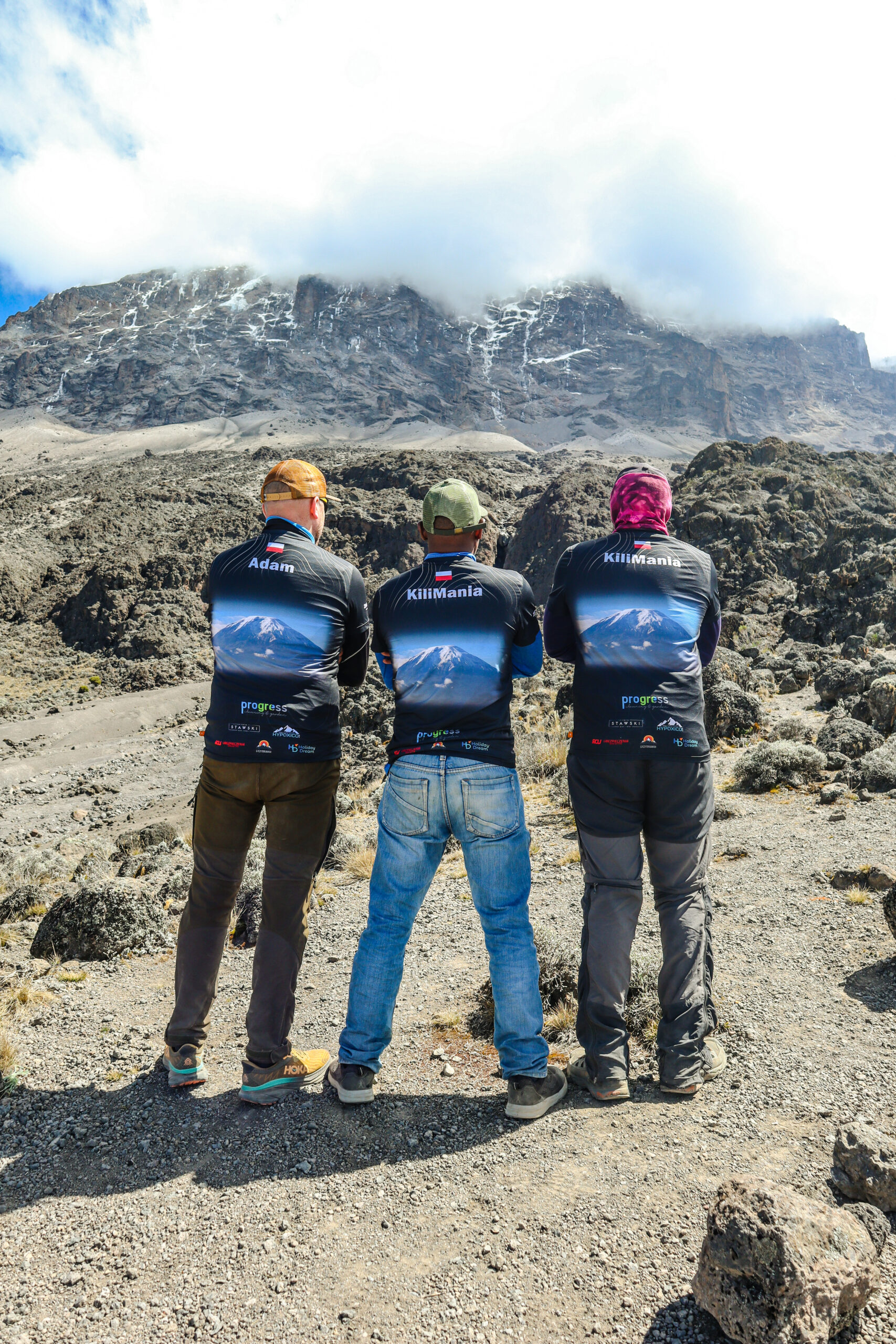
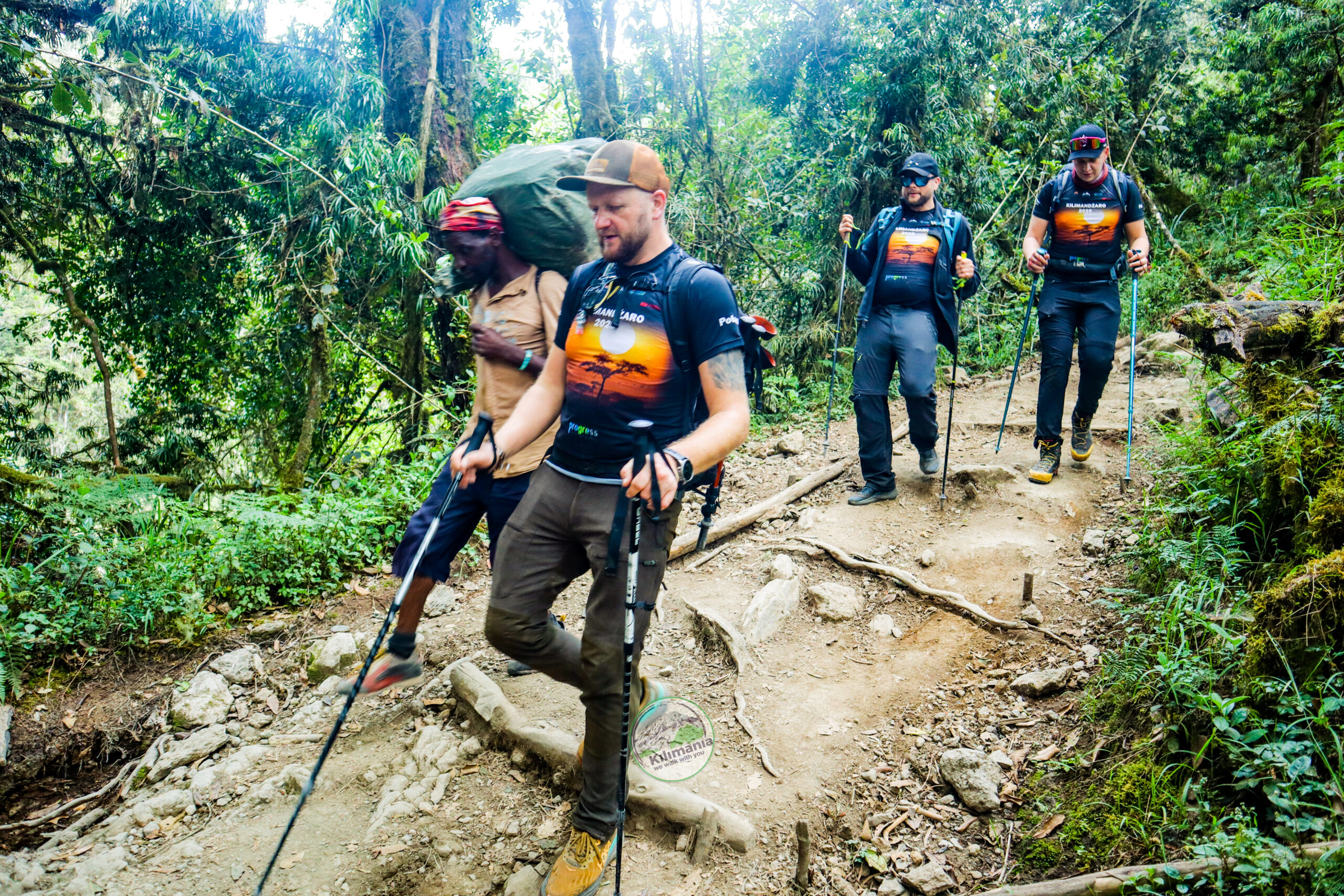
- The relationship with the guide team — spending six to eight days in close physical dependence with people genuinely invested in your safety and progress.
- What they learned about themselves — their actual threshold, their fear response, their capacity for discomfort — often the most lasting outcome regardless of elevation reached.
The clients who don’t reach the summit and come away disappointed almost all share one thing: they went in with the position that the summit was the only acceptable outcome, so when they turned back, they had nothing else to hold onto.
Curious how conditions differ by route and season? Read our Kilimanjaro Routes 2026 guide to see how acclimatization time affects the climb.
See the RoutesThe Honest Reasons It Might Not Be Worth It For You
Sitting on the fence doesn’t help you. These are the situations where we’ve genuinely seen clients regret the attempt, based on what they tell us afterwards.
When Kilimanjaro Is Not Worth It
The Reasons It Consistently Is Worth It
These factors show up across routes, ages, and summit outcomes in the climbers we’ve guided. They’re not universal, but they’re consistent enough that we treat them as the real drivers of a positive experience — not a summit certificate.
1. The Relationship With Your Guide Team
By day three, your guide knows your pace, your symptom pattern, and what motivates you. It’s a working relationship in a high-stakes environment, not a tourist transaction. Sabinus Msimba, our senior guide with 22 years on Kilimanjaro, treats this as the core of guiding — not route knowledge, but sustained human attention through difficult conditions.
2. The Climate Zone Transitions
From the gate at 1,800m you walk through several distinct ecological zones — commonly grouped into five — across five to eight days. The shift from montane rainforest to Afro-alpine moorland to alpine desert isn’t gradual — each zone feels like a different world. You don’t need to reach Uhuru Peak to experience most of them.
3. Summit Night and the Crater Rim at Sunrise
For those who reach Stella Point (5,756m) or above: leaving Barafu Camp at midnight, walking through darkness for five to six hours in temperatures that can drop to around -10°C to -15°C, then watching the sky lighten over the plains far below — most climbers describe it as unlike anything else they’ve experienced.
4. The Discovery of Personal Capacity
Summit night is genuinely difficult — hours on loose scree at 5,000m+ in pre-dawn cold. Most climbers arrive not knowing whether they can do it. Learning that they can — or learning how they respond when they can’t — is reported as one of the most concrete personal insights of the trip, for summiters and non-summiters alike.
5. The Tanzania Experience Beyond the Mountain
Almost every Kilimania climb starts and ends in Moshi. For clients who add a safari or a few days on Zanzibar, the mountain becomes one extraordinary element within a wider Tanzania trip. Read about combining a safari with a Kilimanjaro climb.
Don’t Take Our Word For It
We could put quotes here and ask you to trust they’re real. We’d rather you read the reviews directly, on platforms we don’t control, from reviewers whose posting history you can check yourself.
Read Verified Climber Reviews
Every review below is hosted independently — not written or selected by us. Reviewer profiles and posting history are visible on both platforms.
Practical Application: Is Kilimanjaro Worth It For You Specifically?
Here’s how to apply the above to your specific situation, rather than the aggregate picture.
| Your Profile | Honest Assessment | What to Do First |
|---|---|---|
| You want the summit and nothing else | Higher risk of regret if you turn back. Reframe your goal before you start. | Read what happens if you don’t summit. |
| First-time trekker, moderate fitness | Generally a good fit. Choose a 7–8 day route for better acclimatization. | Read can a beginner climb Kilimanjaro. |
| Over 55, healthy | Very achievable. Age is not the barrier most assume — pacing is the variable. | Read climbing Kilimanjaro over 50. |
| Pre-existing medical condition | Depends entirely on the condition. Some are manageable; some are contraindications. | Read climbing with medical conditions and consult your physician. |
| Budget is the main constraint | A cheap operator makes regret meaningfully more likely — don’t compromise on guiding quality. | Read cheap Kilimanjaro climb — is it worth it? |
| Considering it as a family | Achievable for the right family. Minimum age is 10 on most routes. | Read our family Kilimanjaro climbing guide. |
Plan Your Climb: Routes Available With Kilimania Adventure
Is Kilimanjaro Worth the Money?
Underneath “is Kilimanjaro worth it,” many people are really asking whether it’s worth the cost. That’s a fair question, and it deserves a straight answer rather than a dollar figure buried in a blog post that goes stale the moment park fees change.
What a properly run climb actually pays for: KINAPA park and camping fees set by the government, a full crew (guide, cook, porters) paid and equipped to KPAP standards, food and water treatment for the full trek, tents and camp equipment, and the safety margin that comes from a guide team trained to recognize and respond to altitude illness. A price that looks unusually low almost always means one or more of those is being cut — most often crew pay and safety margin, which is exactly what shows up in the operator-related regret we described above.
For current, itemized rates rather than a number that will be outdated by the time you read it, see our Kilimanjaro Cost 2026 breakdown and current TANAPA park fee schedule.
Frequently Asked Questions
In our experience guiding on the mountain since 2001, most climbers who don’t reach Uhuru Peak still say the attempt was worth it. The reasons cited most often are the guide relationship, the climb through several distinct climate zones, and what the attempt taught them about themselves. Read verified client reviews on TripAdvisor and Google to see this in climbers’ own words.
The situations we’ve seen lead to genuine regret: choosing a low-cost operator with poor logistics and weak guide support, a medical emergency that was badly or slowly managed, being significantly underprepared physically so suffering dominates the experience, and treating the summit as the only acceptable outcome before you’ve taken a single step.
Kilimanjaro is physically demanding but technically non-technical — no ropes, no ice axes, no prior climbing experience required. The primary challenge is altitude, not terrain. Summit night typically involves five to seven hours of walking on loose scree, on gradients commonly cited around 35–45 degrees, in temperatures that can drop to around -15°C at Crater Rim depending on the night and season. Most healthy adults who train adequately and choose a longer route reach the summit.
Read verified, independently hosted reviews rather than quotes on an operator’s own site. Kilimania Adventure’s reviews are public on TripAdvisor and Google — both let you see the reviewer’s profile and posting history, which is the best way to judge whether feedback is genuine.
The Direct Answer You Came For
Reaching the summit makes Kilimanjaro more worth it for most people — but it isn’t the thing that makes it worth it. What makes it worth it is the combination of physical challenge, guide relationships, ecological transition across five climate zones, and the concentrated version of self-knowledge that most climbers only get in genuinely demanding conditions. None of that depends on reaching 5,895m.
What makes it not worth it: the wrong operator, arriving underprepared, and treating Uhuru Peak as the only measure of success before you’ve walked a single step of the approach.
If you’re trying to decide tonight, the question isn’t “is Kilimanjaro worth it in the abstract.” It’s whether the specific conditions are right for you — your fitness, your timeline, your risk tolerance, your ability to frame the trip as more than a summit attempt. Answer those honestly, read the reviews for yourself, and the rest becomes clearer.
Ready to Find Out for Yourself?
From our base in Moshi, Tanzania, we run guided climbs on all seven Kilimanjaro routes — with KINAPA-licensed guides, KPAP-compliant porter welfare, and 22 years of experience behind every decision we make on the mountain.

Free: Kilimanjaro Altitude Symptom Checklist
Used by Sabinus Msimba and the Kilimania guide team on every expedition. Covers AMS warning signs, HACE and HAPE emergency symptoms, and daily SpO₂ monitoring.
⬇ Download Free PDF ChecklistEducational purposes only. Consult a physician before high-altitude travel. On the mountain, descent and treatment decisions are made by your guide and the support team based on your full condition — not a single reading.
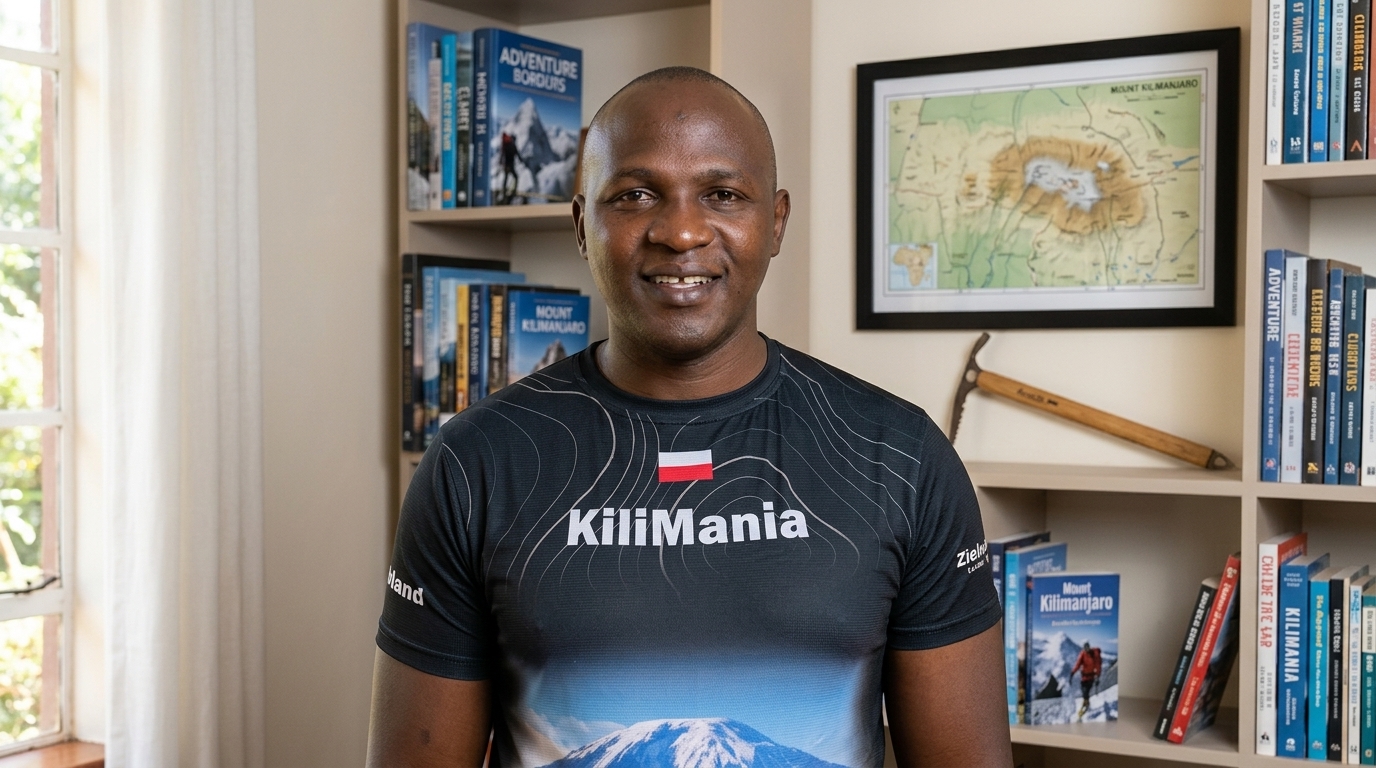
Kilimania Adventure — Moshi, Tanzania
WhatsApp: +255 756 449 990 · info@kilimania.co.tz · Contact Form