Last updated: August 2026 · Written by Sabinus Msimba
Data sources cited in this article: Kilimania Adventure operational and booking records (2019–2026), KPAP tipping guidance, TANAPA/KINAPA park regulations.
Kilimanjaro Regrets & Mistakes: 10 Lessons From Guided Climbers
The most common Kilimanjaro regret is choosing too few days. The most common mistake is going too fast on Day 1. Here are the 10 most frequent regrets and mistakes among Kilimania’s guided climbers — drawn from patterns across 1,247+ guided climbs since 2019 — and how to avoid every one.
Source: Kilimania Adventure’s internal booking and outcome records, 2019–2026.
Table of Contents
The 10 Most Common Kilimanjaro Regrets
These are not invented scenarios. They are patterns Sabinus Msimba and the Kilimania team have logged across more than two decades of guiding on Kilimanjaro, confirmed by post-climb conversations with climbers at the gate, at the hotel, and by message months later. Every one of these mistakes is avoidable. Every one of them still happens regularly.
Chose a 6-day itinerary
This is the single most common regret we hear. Six-day routes — particularly 6-Day Marangu and 6-Day Machame — compress acclimatization to the point where many climbers simply run out of altitude tolerance before they reach Uhuru Peak at 5,895m.
Climbers on 8-day Lemosho Route have two additional nights of passive acclimatization before summit night. Those two nights matter more than most people expect at sea level.
In our own operational records, climbers who turn around before Stella Point disproportionately come from 6-day itineraries, and the reason they most often give afterward — in our post-climb conversations — is that they wish they had booked more days.
Read the full data breakdown: How Many Days to Climb Kilimanjaro? 6 vs 7 vs 8 Days.
✓ FIX: Choose 8 days minimum. Choose 8-Day Lemosho or 9-Day Northern Circuit.Did not prepare long enough
Four weeks of preparation is not the same as twelve weeks. On Days 1–4 of the climb, this difference is invisible. By Day 6 — when you are hiking 6–7 hours on loose volcanic scree at 4,600m with a 6kg daypack — the difference is everything.
Climbers who trained seriously for 12 weeks report that their legs still feel capable on the descent from Uhuru Peak. Climbers who trained for four weeks are often done by the time they reach Barafu Camp at 4,673m, before summit night even begins.
We guide people who’ve done almost no training. Some reach the top. Many do not. Preparation measurably changes your odds — and your experience throughout every day of the climb, not just on summit night.
✓ FIX: Use the 12-week Kilimanjaro training plan — start at week 1, not week 8.Bought wrong gear
Three gear mistakes dominate, in order of damage caused:
- Sleeping bag rated to 0°C or -5°C. Genuine overnight lows at Barafu Camp reach -12°C to -15°C in July and August. A bag comfortable at -5°C leaves you shivering for five hours and starting summit night already exhausted.
- Trail runners or light hikers instead of waterproof ankle-support boots. The descent on loose scree from Stella Point destroys under-supported feet. Wet approach shoes in the rainforest on Day 1 means seven more days in wet shoes.
- No trekking poles. Poles reduce knee impact on descent by roughly 25%. On a six-hour descent from 5,895m, that difference is felt in every step after 5,200m.
These are not small inconveniences — wrong gear can be the reason a climber cannot physically continue.
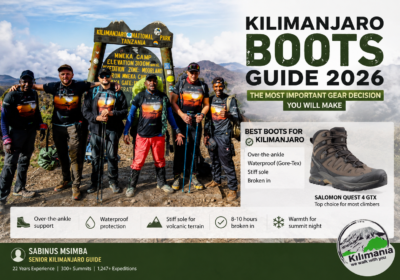
Full gear breakdown: Kilimanjaro Packing List 2026 | Kilimanjaro Boots Guide | Trekking Poles: Do You Need Them?
✓ FIX: Sleeping bag rated to -20°C comfort. Waterproof ankle boots. Two adjustable poles.Did not disclose medical history to the operator
This one has consequences beyond a missed summit. Climbers who do not disclose conditions — cardiac history, diabetes, hypertension, asthma, prior altitude illness — prevent their guide from making informed safety decisions at altitude.
At 4,700m in the dark, a guide who knows a climber’s baseline health monitors that climber differently than a guide who does not. That baseline should reach the operator during pre-climb planning, not on Day 1 at the gate.
Read: Climbing Kilimanjaro With Medical Conditions and Kilimanjaro Safety: Deaths, Rescue & Safety Record.
✓ FIX: Disclose everything at booking. Your guide can only help with information they have.Booked the cheapest operator
The price difference between a budget operator and a responsible operator on Kilimanjaro typically comes down to three things: crew ratios, gear quality at camp, and guide experience. On a fine weather day with no altitude complications, those differences are invisible. When something goes wrong — and something always has a chance of going wrong at 5,000m — they are not.
Budget operators frequently under-staff guide ratios. Guides with fewer than five years of experience cannot read altitude deterioration reliably in the dark. Tents with compromised zips at -12°C are not a minor inconvenience.
Compare carefully: Cheap Kilimanjaro Climb: Is It Worth It? and Kilimanjaro Cost 2026: Complete Breakdown.
✓ FIX: Check TATO registration, KPAP compliance, and guide experience before booking.Went too fast on summit night
This is the one where we tell the climber. They acknowledge it. And then they do it anyway.
Summit night on Kilimanjaro begins around midnight from Barafu Camp at 4,673m. The first two hours feel manageable. Many climbers, feeling the adrenaline of summit night and wanting to stay warm, push their pace beyond what their guide has set. By 5,200m, that mistake has compounded. By 5,500m — the zone where most AMS symptoms spike — those climbers are exhausted, nauseated, and running out of options.
The guide says “pole pole” — slow, slow — for a physiological reason. At altitude, muscles produce lactic acid faster than at sea level, and the cardiovascular system cannot clear it at the same rate. Push hard at 4,800m and you will feel it at 5,400m, not at 4,800m.
Read the hour-by-hour account: Kilimanjaro Summit Night: What Actually Happens. Also: Pole Pole: What It Means and Why It Matters.
✓ FIX: Match your guide’s pace exactly from the first step. If you feel strong, use that energy to breathe more deeply, not walk faster.Did not bring enough snacks
Altitude suppresses appetite. Most climbers know this intellectually before the climb. Most are still surprised by how completely they don’t want to eat at 4,000m — even after walking for seven hours with a body that badly needs calories.
Camp meals on Kilimanjaro are nutritious and substantial. The problem is that many climbers cannot finish them. The gap between calories burned and calories consumed widens across Days 3–5 in a way that becomes noticeable on summit night, when caloric reserves genuinely matter.
High-calorie snacks that work at altitude (dense, low-volume, easy to access in gloves): energy gels, trail mix with a high nut-to-raisin ratio, chocolate, peanut butter sachets, dried mango, electrolyte chews. Avoid high-fiber items that cause bloating at altitude.
Related: What Do You Eat on Kilimanjaro? | How Much Water on Kilimanjaro?
✓ FIX: Pack 1.5–2kg of personal snacks beyond what the operator provides. Prioritize caloric density over volume.Did not tip the crew properly
The tipping ceremony at the gate after descent is public. The crew lines up. Each climber gives their envelope, and other climbers and crew members can observe. When a climber under-tips — not through malice but through not researching the appropriate amount — that moment carries a specific, uncomfortable weight.
Kilimanjaro porters carry roughly 20kg loads at altitude. They set up your tent, cook your food, and carry your duffel bag on their heads. For most crew members, tips represent a significant portion of total income from the climb. Under-tipping does real economic damage, not symbolic damage.
KPAP (Kilimanjaro Porters Assistance Project) recommends: USD $20/day per porter, $25/day per assistant guide, $30/day per lead guide. For a 7-day climb, budget USD $300–$350 per climber in total crew tips.
Full breakdown: Kilimanjaro Tipping Guide 2026: Exact Amounts.
✓ FIX: Budget for tips before you book, not after. Bring USD cash from home — ATMs in Moshi sometimes run out.Did not download offline content
There is no WiFi on Kilimanjaro above the gate. Mobile signal is intermittent above 3,000m and largely absent above 4,500m. At camp, after dinner, before summit night, there are often two to three hours of downtime with no signal, no entertainment, and nothing to do except think about altitude and sleep poorly.
This sounds trivial. At 2am on the night before summit, in the dark, cold, anxious, staring at tent canvas — it is not trivial. Climbers who have downloaded podcasts, audiobooks, films, or offline music report better mental states at camp.
Practical addition: a portable power bank with at least 20,000mAh capacity. Related: Is There WiFi on Kilimanjaro? | Can You Charge Your Phone on Kilimanjaro?
✓ FIX: Download 15–20 hours of audio content before departure. Charge devices fully at your Moshi hotel the night before the climb.Did not add extra days in Tanzania beyond the climb
A notable share of our climbers fly home the day after descent. Almost all of them, when they make contact again, say the same thing: they wish they had stayed.
The Serengeti is roughly three hours from Moshi. Ngorongoro Crater is about four hours. Zanzibar is an hour by flight or an overnight ferry. Kilimanjaro National Park itself looks completely different when viewed from a vehicle at the base than it does from the inside.
Climbers who fly home immediately after summiting often report a specific flatness — the climb is done, the adrenaline is gone, and they are in an airport 36 hours later with no recovery time and no marker of the accomplishment.
Post-climb options: Tanzania Safari + Kilimanjaro | Zanzibar Beach | Tanzania Safaris.
✓ FIX: Book at least 3 days post-climb in Tanzania. Your body needs recovery time. Use it somewhere worth being.From the Mountain: Real Moments
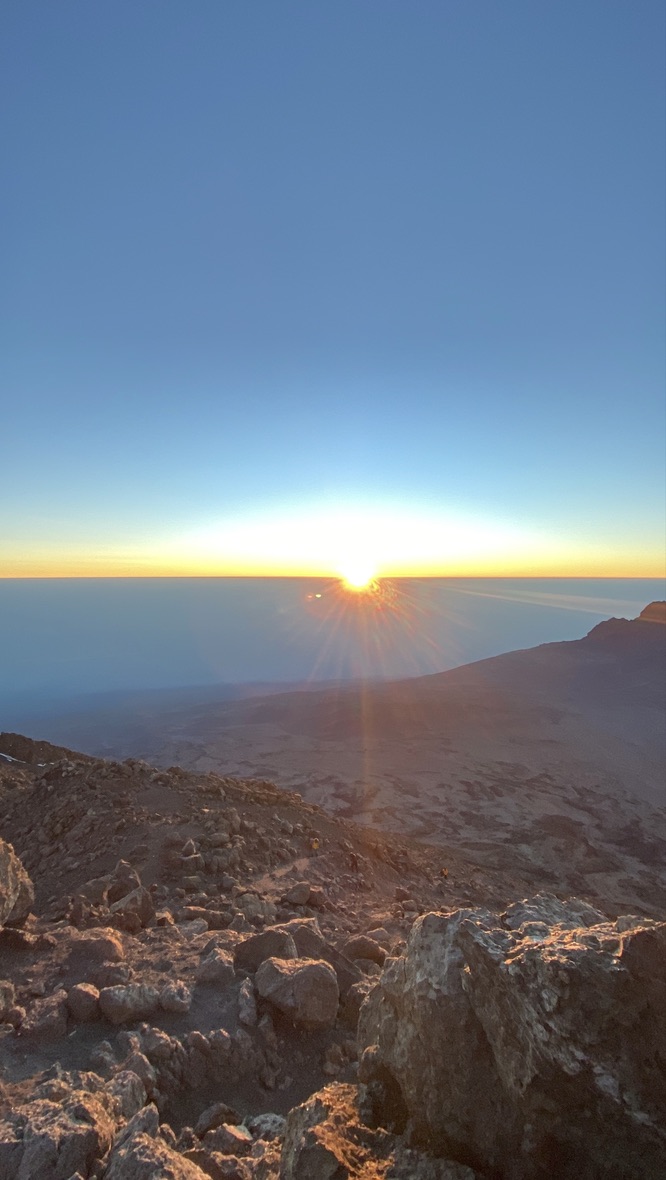
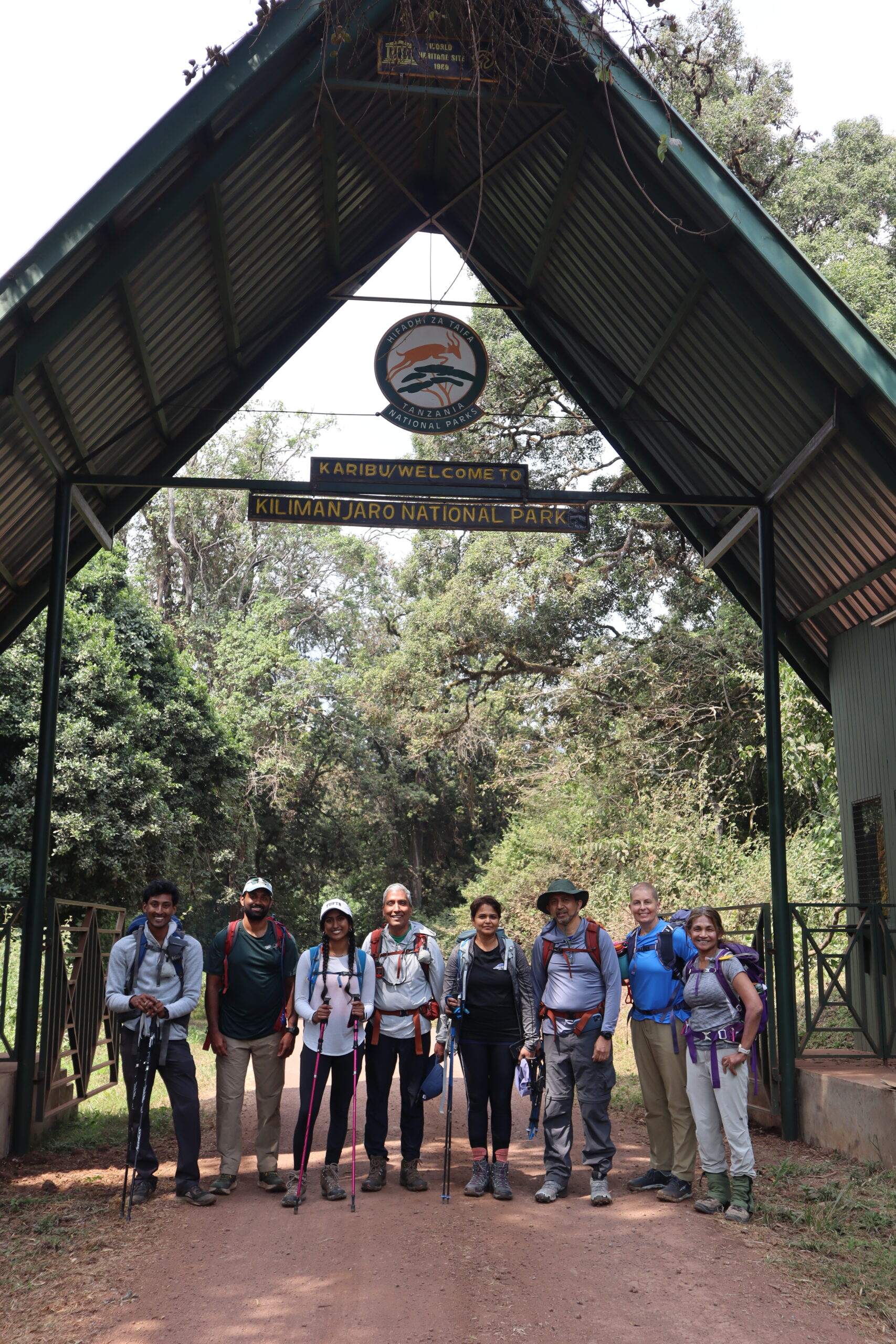
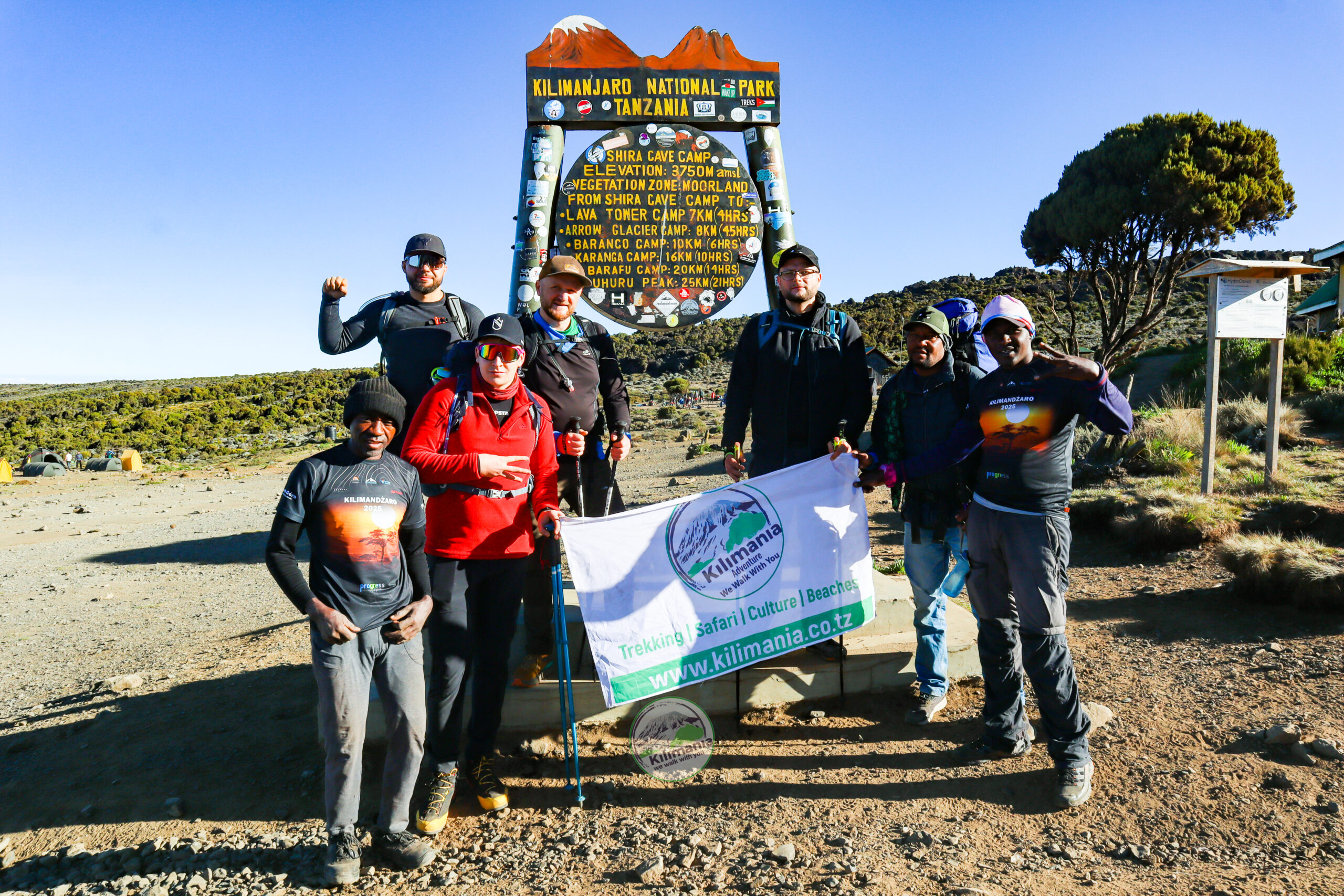
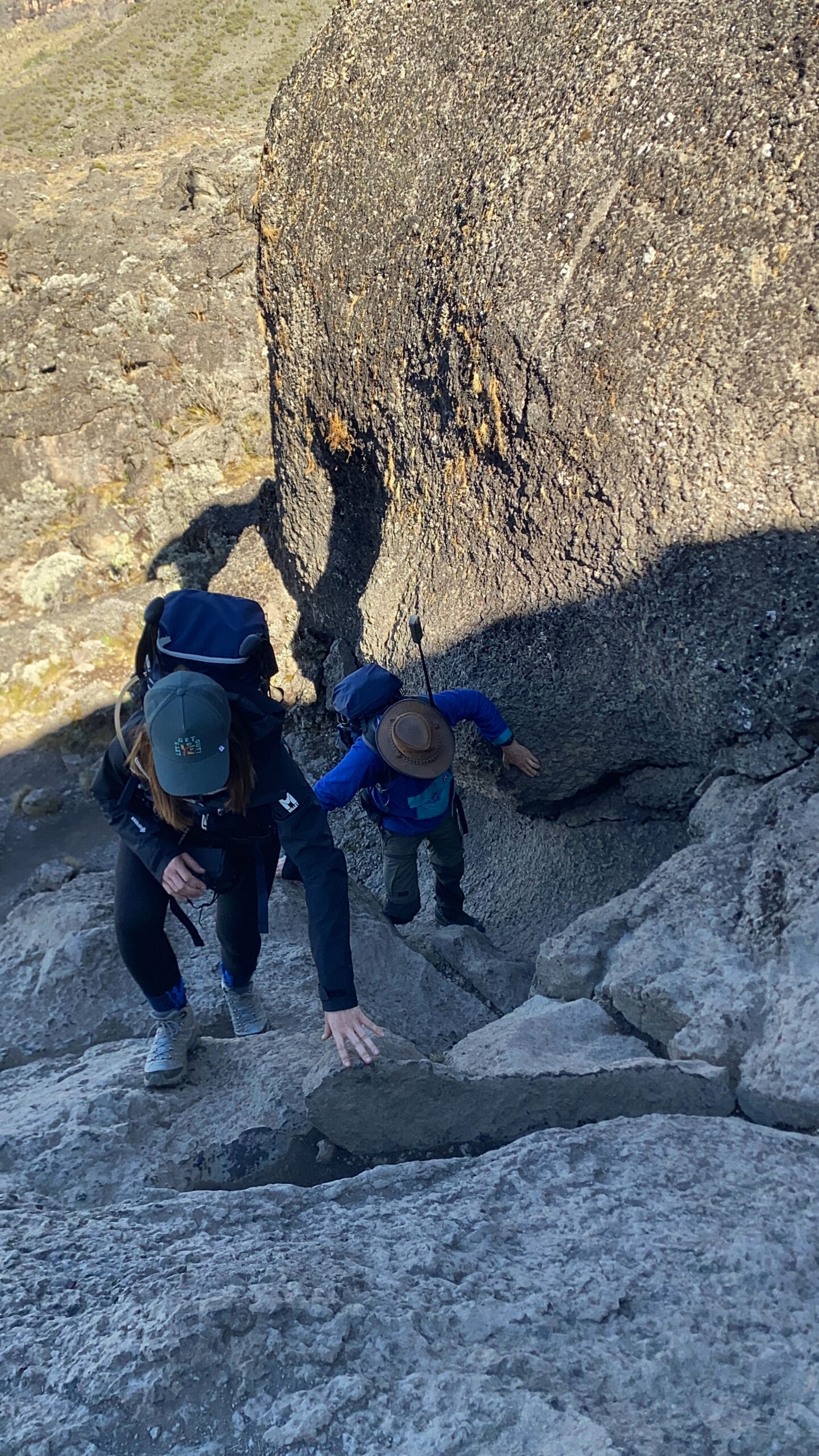
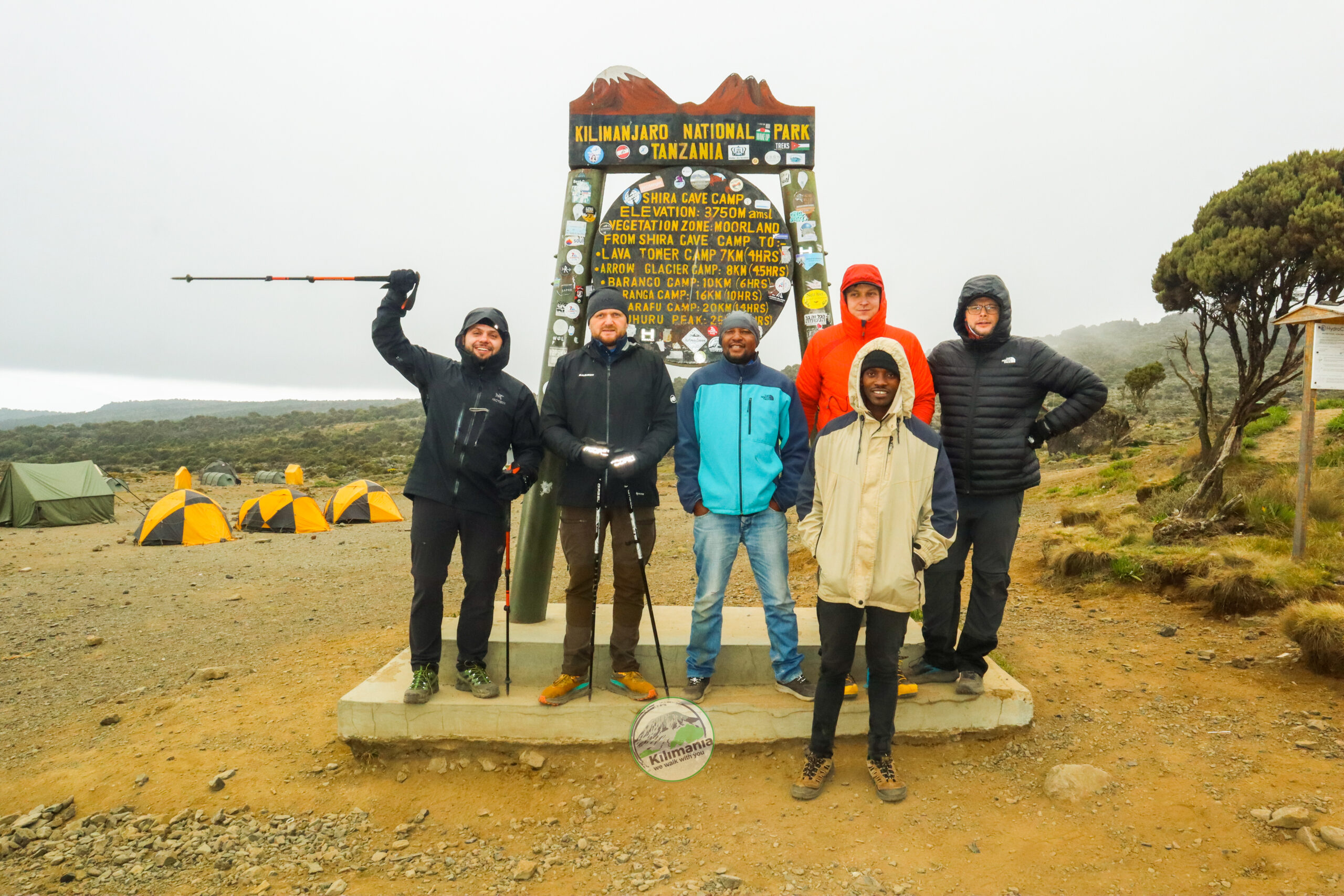
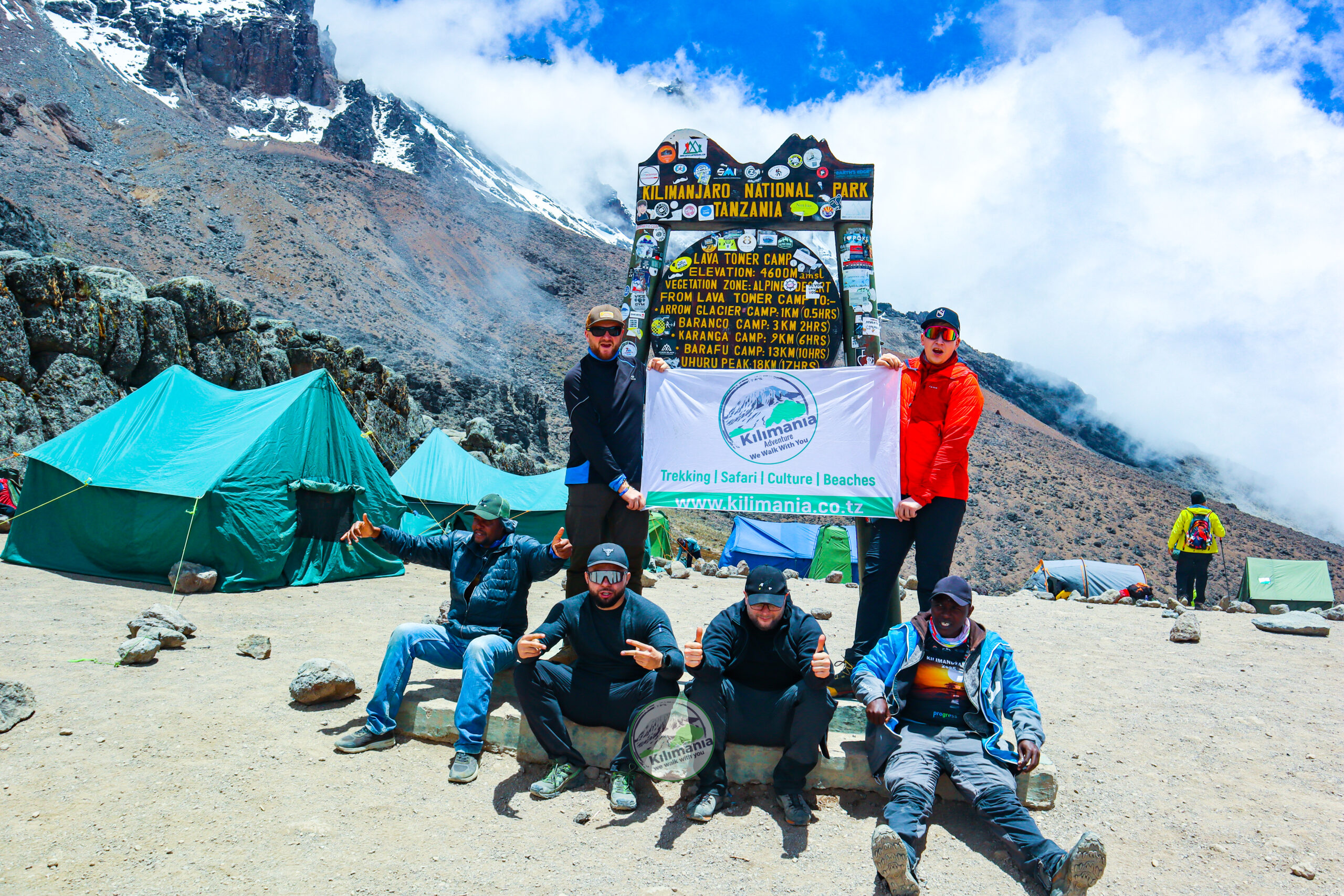
These images are from actual Kilimania expeditions — the gates, camps, walls, and summits where these mistakes either happen or get avoided.
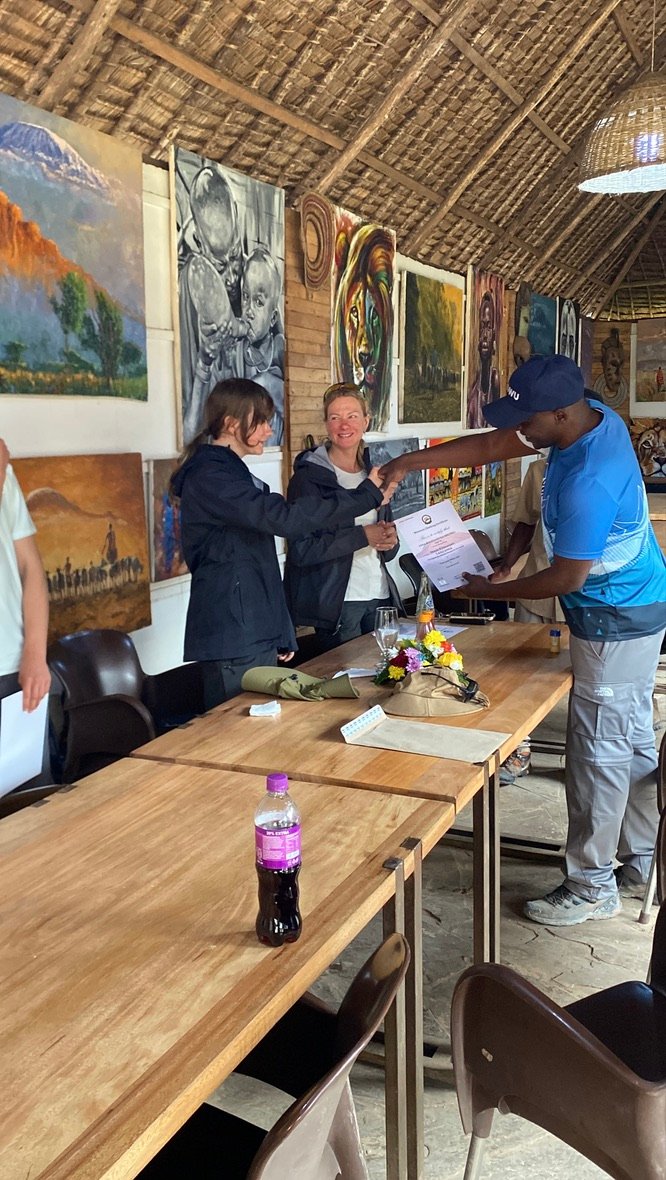
The Most Common Mistake at Each Phase of the Climb
Different mistakes dominate at different points on the mountain. This table consolidates the most frequent error at each stage — from the trailhead to the gate after descent — so you can anticipate each one before it happens.
| Climb Phase | Timing | Most Common Mistake | Why It Matters | Fix |
|---|---|---|---|---|
| At the Trailhead | Day 1, morning | Overpacking the daypack | Carrying 12kg when 6kg is sufficient fatigues legs on the first full day of the climb. | Daypack max 8kg. Porters carry everything else. |
| Days 1–2 | Rainforest & moorland | Going too fast | Low altitude makes speed feel fine. The oxygen debt accumulates invisibly and appears above 4,000m. | Maintain conversational pace. If you can’t speak in full sentences, slow down immediately. |
| Days 3–4 | Alpine desert & Lava Tower | Not eating enough at meals | Appetite suppression at 3,800m–4,600m creates caloric deficit. Summit night requires fuel reserves. | Eat what is served at camp. Force yourself to eat even without hunger. Supplement with snacks. |
| Days 5–6 | Barafu Camp approach | Not sleeping — worrying about summit | Anxiety about summit night prevents the 4–6 hours of sleep needed before the midnight departure. Sleep deprivation compounds altitude fatigue. | Ear plugs, eye mask, familiar sleep audio. Accept that sleep at 4,673m will be light — that is normal and manageable. |
| Summit Night | Midnight – 8am | Inadequate layering | Temperatures between -12°C and -20°C at the crater rim in July–August. Single fleece layers without a hardshell and insulated mid-layer are dangerous. | Full summit layer system: base layer + fleece mid + down jacket + hardshell. See full packing list. |
| Descent | 8am – 2pm | No trekking poles | Descent on loose scree from 5,895m to 3,000m in 4–5 hours without poles is far harder on the knees. Poles reduce impact by roughly 25%. | Rent poles in Moshi if you have not brought your own. Do not descend without them. |
| Gate | End of climb | Forgetting to protect the summit certificate | TANAPA issues paper certificates at the gate. Rain, sweat, and pack compression damage them easily. | Carry an A4 zip-lock bag or lightweight document sleeve in your daypack specifically for the certificate. |
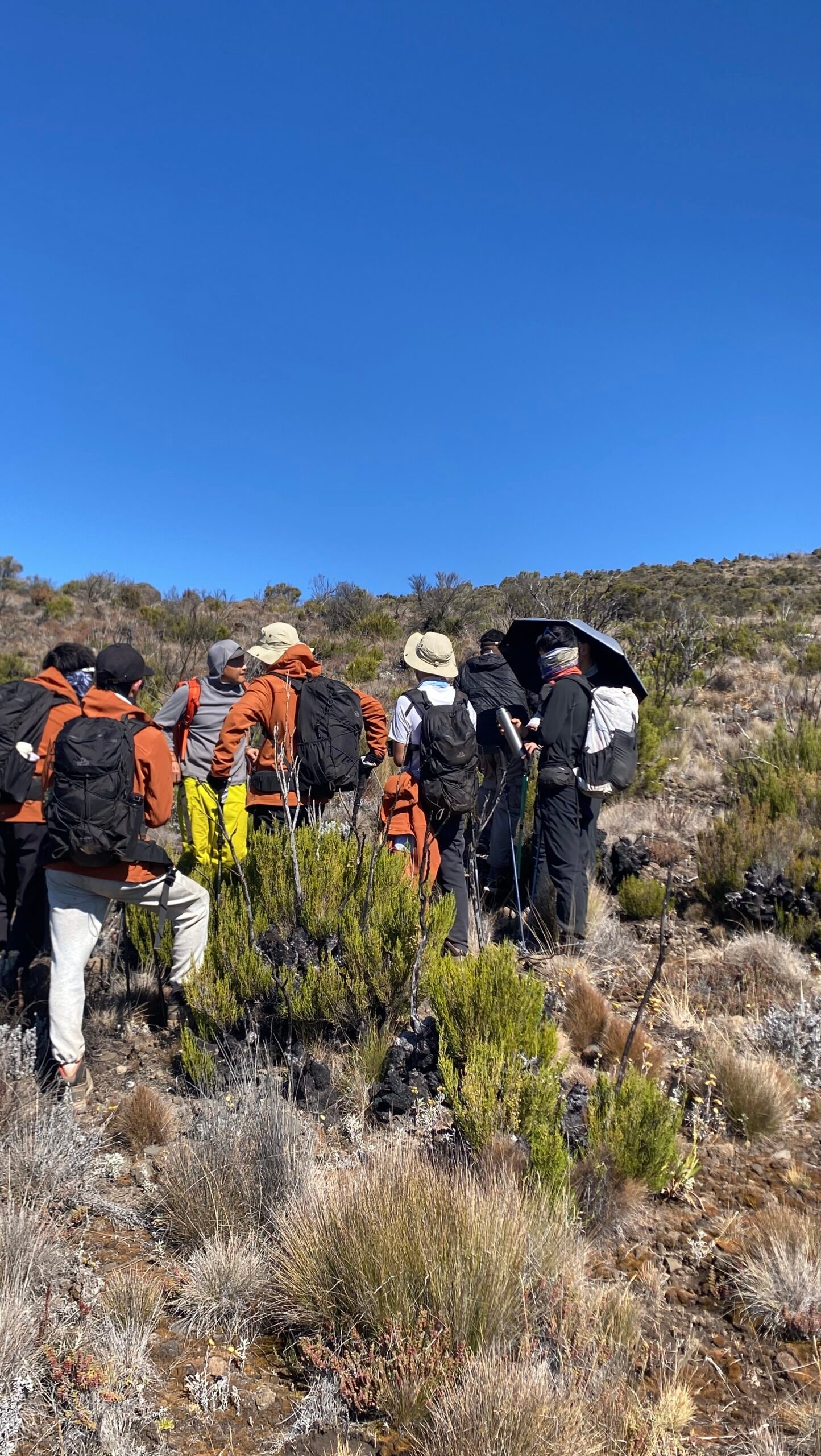
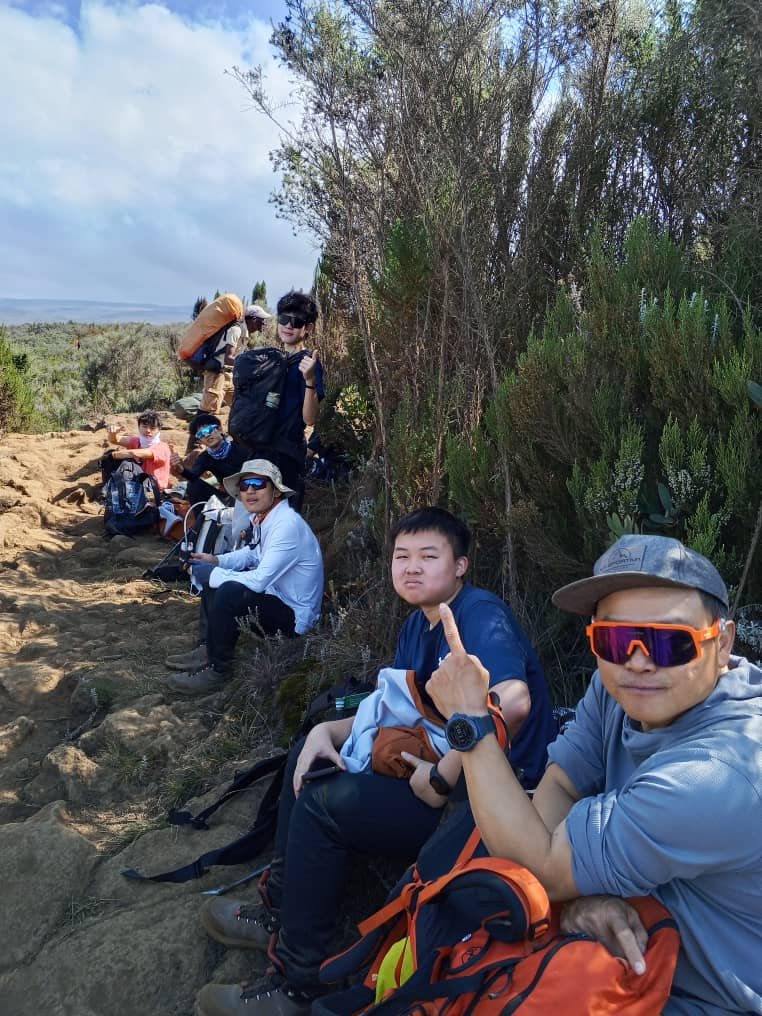
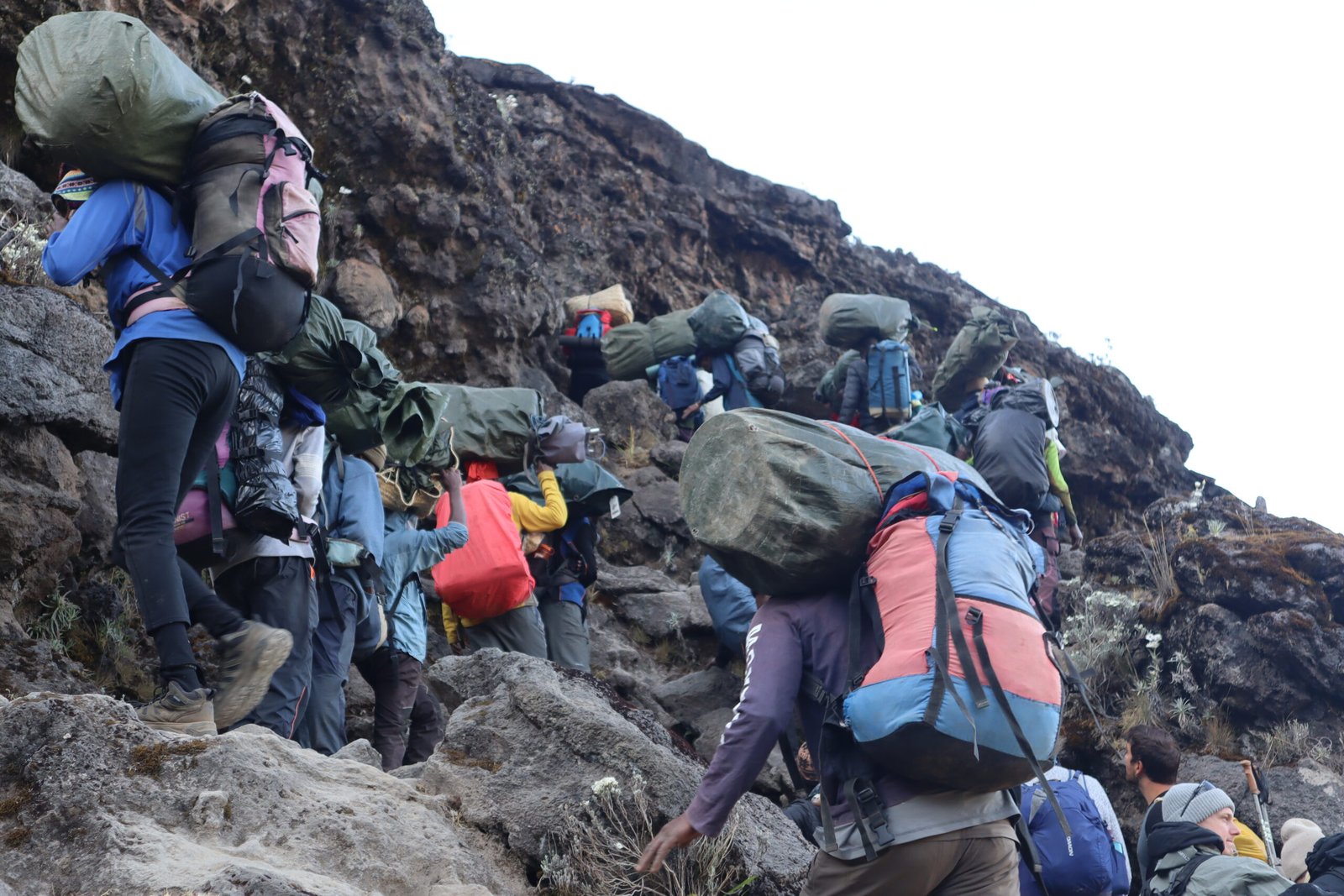
Climbs Designed Around These Lessons
Every Kilimania itinerary is built around the failure patterns above: longer acclimatization, experienced guides, and KPAP-compliant crew. Here are four routes worth considering. See the full lineup on the Mount Kilimanjaro Climbing page or the Kilimanjaro Routes 2026 comparison.
Planning your climb? Avoid every mistake before you book.
Read the Climbing Kilimanjaro Guide 2026 or talk directly with Senior Guide Sabinus Msimba before your expedition starts.
📥 Free Download: Kilimanjaro Altitude Symptom & AMS Checklist
Altitude illness is the leading reason climbers turn around on Mount Kilimanjaro. This practical checklist is used by Senior Guide Sabinus Msimba and the Kilimania Adventure team to monitor climbers throughout every expedition.
- Normal acclimatization symptoms above 3,000m
- Acute Mountain Sickness (AMS) warning signs
- HACE and HAPE emergency symptoms
- Daily health monitoring form (SpO₂, pulse, hydration)
- Guide reporting and self-assessment checklist
Prepared by: Sabinus Msimba, Senior Mountain Guide, Kilimania Adventure, Moshi, Tanzania.
This checklist is for educational purposes only and does not replace professional medical advice. Climbers with pre-existing medical conditions should consult a physician before high-altitude travel.
Frequently Asked Questions
Have a question not answered below? WhatsApp the team at +255 756 449 990 or email info@kilimania.co.tz.
The most common Kilimanjaro mistake is choosing a 6-day itinerary and going too fast on Day 1. Short itineraries reduce acclimatization time significantly, and rushing on the lower slopes — where altitude gain feels easy — creates an oxygen debt that catches up painfully on summit night. Both mistakes compound each other and are entirely avoidable with correct planning.
Yes. Among climbers who attempt Kilimanjaro on 6-day itineraries and do not reach Uhuru Peak, the most consistently expressed regret is choosing too few days. Climbers on 8-day Lemosho or 9-day Northern Circuit routes report significantly higher summit satisfaction and fewer physical complaints on Days 6 and 7. See the full comparison: How Many Days to Climb Kilimanjaro?
KPAP recommends a minimum of USD $20 per porter per day, USD $25 per assistant guide per day, and USD $30 per lead guide per day. For a 7-day climb, budget approximately USD $300–$350 per climber in total crew tips. Full guide: Kilimanjaro Tipping Guide 2026.
Going too fast on summit night — typically pushing beyond your guide’s pace in the first two hours — causes rapid lactic acid buildup at altitude, accelerates dehydration, and increases the risk of AMS symptoms spiking between 5,000m and 5,500m. Most turnarounds on summit night happen to climbers who ignored their guide’s pace early. Read the full account: Kilimanjaro Summit Night: What Actually Happens.
The three most damaging gear mistakes: a sleeping bag rated insufficiently for -15°C (genuine overnight low at Barafu in July–August), trail runners instead of waterproof ankle-support boots, and no trekking poles. All three are fixable before departure. Full details: Kilimanjaro Packing List 2026 | Kilimanjaro Boots Guide | Trekking Poles Guide.
Start your climb on the right side of this list.
Every mistake in this article is avoidable. The difference is almost always a decision made before departure — about days, about preparation, about who guides you. Talk to the team before you book anything.

Disclosure: Kilimania Adventure is a KINAPA-licensed, TATO-registered Kilimanjaro operator based in Moshi, Tanzania. This article discusses our own guided-climb experience and links to our route and booking pages.