Tanzania Safari and Kilimanjaro Climb Guide 2026
Data sources cited in this article: Kilimania Adventure’s internal booking and ascent records (2019–2026); KINAPA and TANAPA public guidance; UNESCO World Heritage documentation for the Ngorongoro Conservation Area.
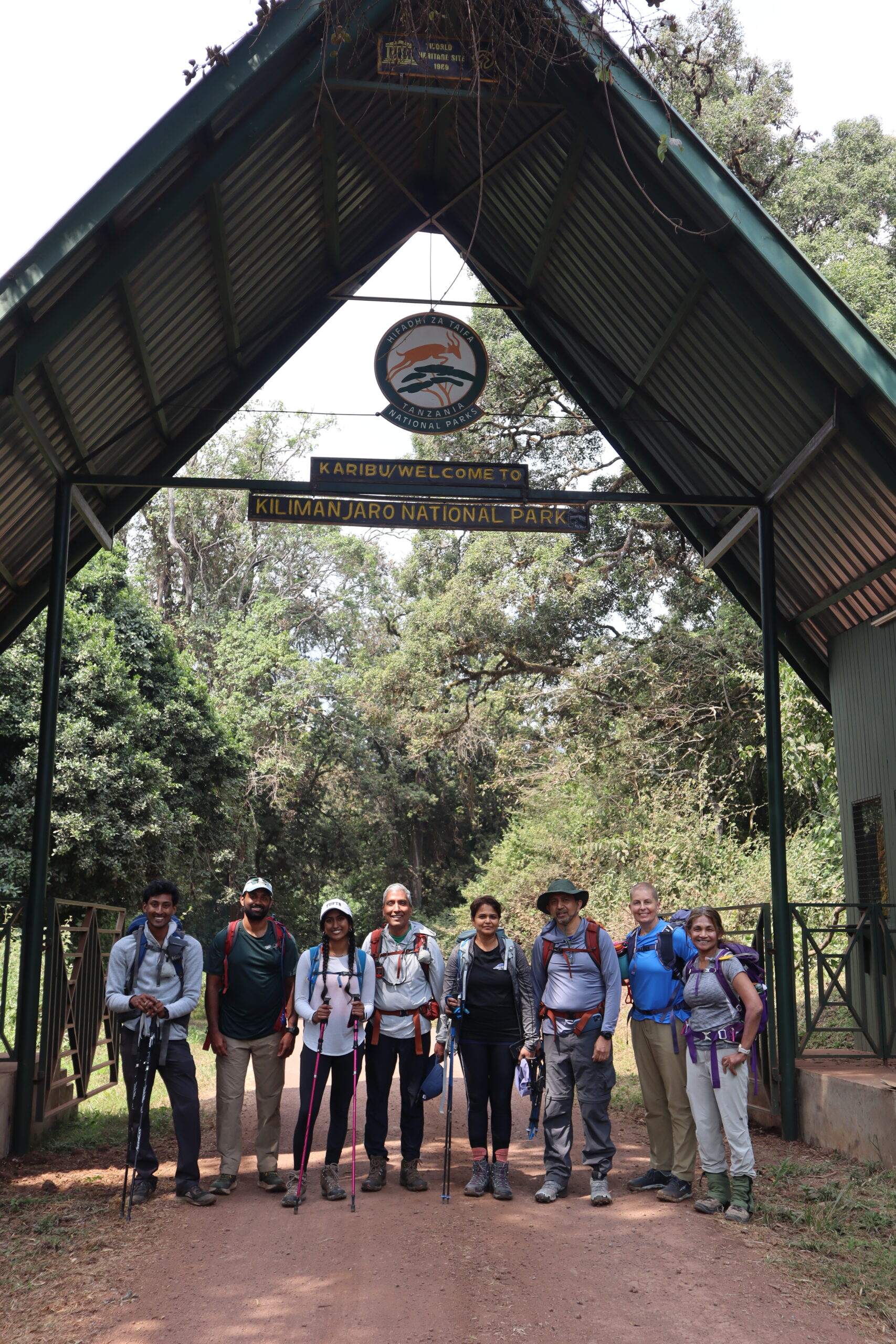
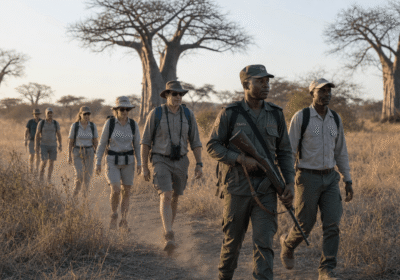
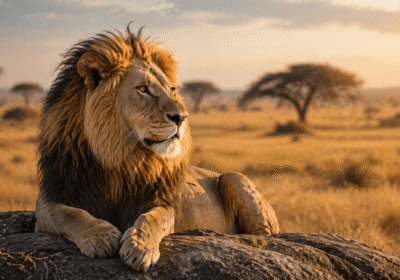
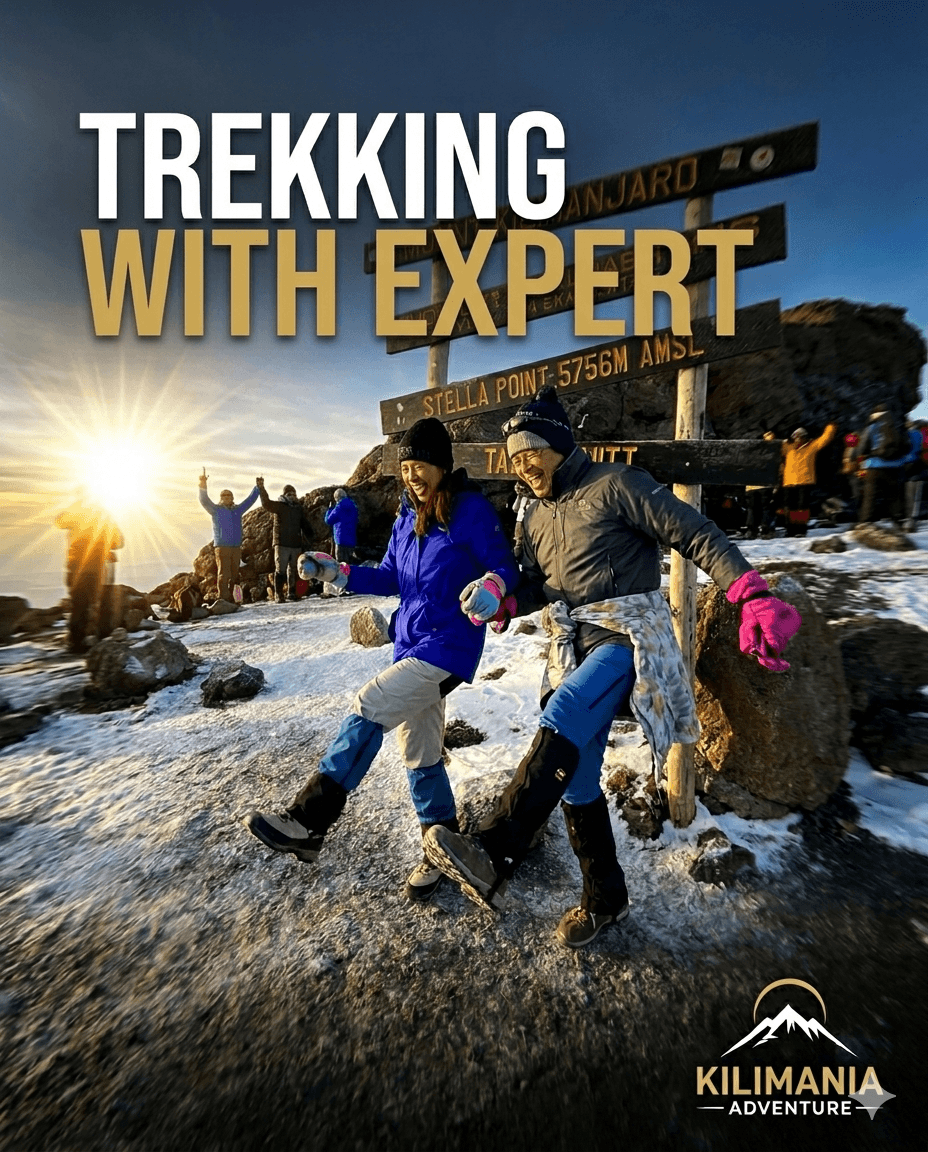
A Tanzania safari and Kilimanjaro climb combines two very different experiences into one trip: several days walking above 3,000 meters toward the 5,895m summit of Uhuru Peak, followed by vehicle-based game viewing in Serengeti National Park or Ngorongoro Crater. From our base in Moshi, Kilimanjaro Region, Kilimania Adventure runs both parts of this trip and coordinates the transfer between them.
- Routes we run: Lemosho, Machame, Marangu, Rongai, Northern Circuit
- Safari parks: Serengeti National Park, Ngorongoro Crater, Tarangire National Park, Lake Manyara National Park
- Typical combined trip length: 10-14 days
- Summit elevation: Uhuru Peak, 5,895m
- Drier climbing/viewing months: January-March, June-October
- Response time: within 12 hours, 7 days a week (EAT, UTC+3)
- 22+ years guiding on Mount Kilimanjaro — Sabinus Msimba
- KINAPA-licensed mountain guide since 2003
- 300+ personal Uhuru Peak summits
- Safari planning led by Kanti Kessy, 17 years of experience
- 1,247+ guided ascents recorded in Kilimania’s operational database (source: Kilimania Adventure internal booking records, 2019–2025)
Why Book a Tanzania Safari and Kilimanjaro Climb in Moshi?
Moshi sits at the base of Kilimanjaro’s southern gates, which is why most climbing itineraries start and end here rather than in Arusha. From our base in Moshi, Kilimanjaro Region, Kilimania Adventure runs Kilimanjaro climbs and daily safaris to Serengeti National Park, Ngorongoro Crater, Tarangire National Park, and Lake Manyara, with pickups from Kilimanjaro International Airport (JRO) and Arusha Airport (ARK).
Booking locally means you deal directly with the guides and crew running your trip, not a reseller working off a template. Our team can adjust an itinerary — add a rest day, swap a route, shift a safari day — based on how your climb actually goes, not how it was planned three months earlier.
See our full Tanzania safari packages for park-by-park detail, or start with Mount Kilimanjaro climbing if the mountain is your priority.
Which Kilimanjaro Route Works Well with a Safari?
The route you choose affects how many days you have left for safari, and how tired you’ll be starting it. Lemosho and Machame both descend through Mweka Gate, close to Moshi, which keeps transfer logistics simple. Marangu is shorter and uses huts instead of tents, useful if your safari dates are fixed.
Machame Route
Six to seven days, camping throughout, varied scenery from rainforest to alpine desert. A solid acclimatization profile for a route this length. See the 7-Day Machame Route itinerary.
Lemosho Route
Seven to eight days, the longest approach through Londorossi Gate, more time at altitude before summit night. We generally recommend this route to first-time climbers who can spare the extra day. See the 8-Day Lemosho Route itinerary.
Marangu Route
Five to six days, the only route with hut accommodation instead of tents. Shorter does not mean easier — the compressed acclimatization schedule is part of why it has a lower success rate than longer routes. It suits climbers who want a fixed schedule and don’t want to camp. See the 6-Day Marangu Route itinerary.
Northern Circuit Route
Nine days, the longest standard route on the mountain, circling the northern slopes with the most gradual acclimatization profile available. Best suited to climbers who have the time and want the highest possible acclimatization margin. See the 9-Day Northern Circuit Route itinerary.
| Route | Days | Scenery | Crowds | Acclimatization | Ideal For |
|---|---|---|---|---|---|
| Lemosho Route | 7-8 | High | Moderate | Good | First-timers with an extra day to spare |
| Machame Route | 6-7 | High | High | Good | Fit climbers wanting scenery on a tighter schedule |
| Marangu Route | 5-6 | Moderate | Moderate | Compressed | Climbers on a fixed safari date, no camping |
| Rongai Route | 5-6 | Moderate | Low | Compressed | Climbers wanting a quieter northern approach |
| Northern Circuit | 9 | High | Low | Excellent | Climbers prioritizing the highest acclimatization margin |
How Many Days Do You Need for a Safari and Kilimanjaro Climb?
Ten days is a workable minimum for a combined trip: six to seven days on Machame, one rest day in Moshi, and three days covering Tarangire and Ngorongoro Crater. Add the Serengeti and you’re looking at thirteen to fourteen days.
- 10 days: Machame Route (7 days) + Moshi rest day + Tarangire/Ngorongoro safari (2 days)
- 12 days: Lemosho Route (8 days) + rest day + Ngorongoro/Serengeti safari (3 days)
- 14 days: Lemosho or Northern Circuit (8-9 days) + rest day + full northern circuit safari (3-4 days) + short Zanzibar add-on
Exact costs for each combination depend on route, safari vehicle type, and season — see our Kilimanjaro cost 2026 breakdown and Tanzania safari cost 2026 guide for current figures rather than an estimate here.
What Does a Northern Tanzania Safari Include?
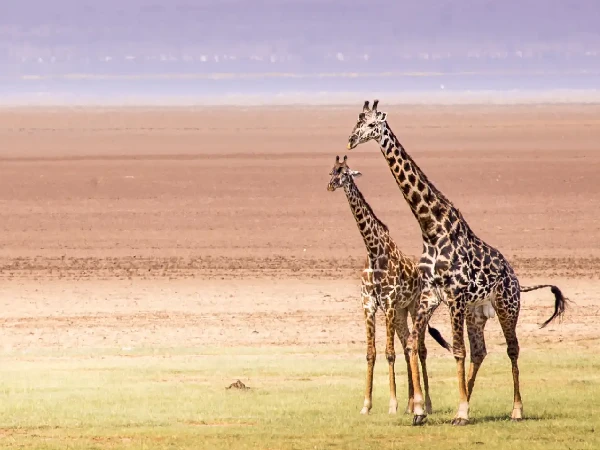
Tarangire National Park
Known for large elephant herds and baobab-heavy scenery, Tarangire is a strong dry-season option when animals concentrate around the Tarangire River. It’s also the shortest drive from Arusha, which makes it practical for tighter itineraries.
Ngorongoro Conservation Area
The crater floor holds a dense, resident wildlife population year-round, including one of Tanzania’s few remaining black rhino populations. Sightings of rhino are possible but not guaranteed on any single visit. Ngorongoro is a UNESCO World Heritage Site.
Serengeti National Park
Open plains, resident predator populations, and — depending on the month — the Great Migration. Migration positioning shifts through the year, so which part of Serengeti you visit matters more than simply “going to Serengeti.”
Lake Manyara National Park
A smaller, shorter safari stop often used as a half-day addition on the way to or from Ngorongoro, known for its groundwater forest and flamingo populations when water levels are right.
Day Trips and Zanzibar Extensions
If you have a spare day around your climb or safari, Materuni Waterfall and coffee tour, Chemka Hot Springs, and local cultural tours near Moshi are all half-day options that don’t require a full itinerary change.
After the climb and safari, a number of our clients add a Zanzibar beach extension — three to four nights on the coast, with time in Stone Town, before flying home from either Zanzibar or Kilimanjaro International Airport.
How Do You Prepare for Altitude on Kilimanjaro?
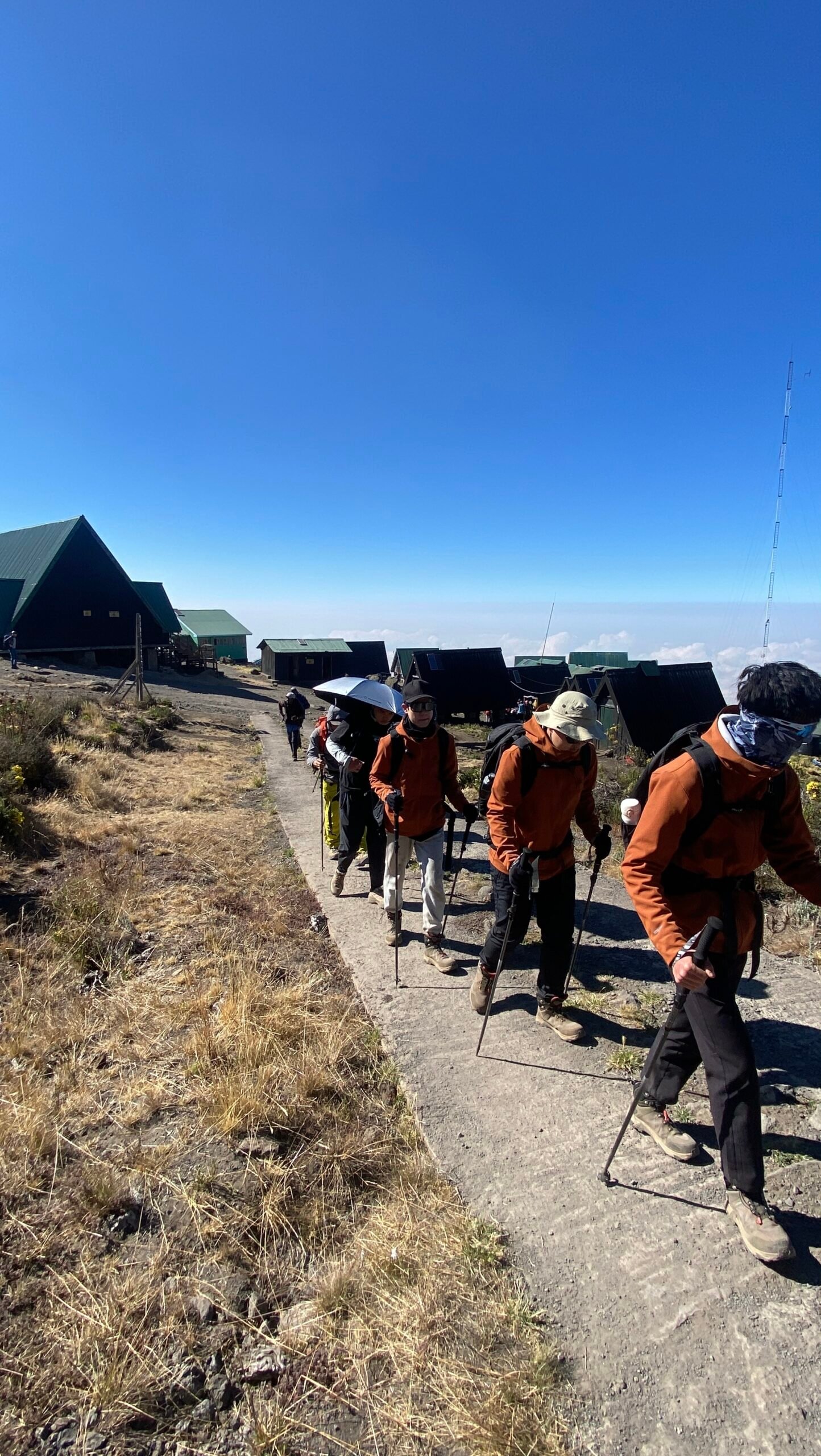
Altitude, not fitness, is the main reason climbers turn back before Uhuru Peak. We pace every group pole pole — slowly — because ascent speed affects acclimatization more than raw endurance does. Our guides watch for headache, nausea, and loss of appetite above 3,000m, which are normal in mild form but need monitoring if they worsen.
On summit night, wake-up at Barafu Camp comes at 11:00 PM, with light food offered at 11:30 PM before the group departs for Uhuru Peak at midnight. Guide Isack Mlala uses that half hour for a final headlamp and gear check — a small step, but one that catches a failing headlamp or missing glove while there’s still time to fix it, not once the group is already on the trail. In Kilimania’s logged 2019–2025 data, the 8-day Machame itinerary reached a 94.8% summit success rate. See our success rate by route breakdown for other itineraries.
For route-specific summit success patterns, see our Kilimanjaro success rate by route data.
Why Choose Kilimania Adventure for Your 2026 Trip?
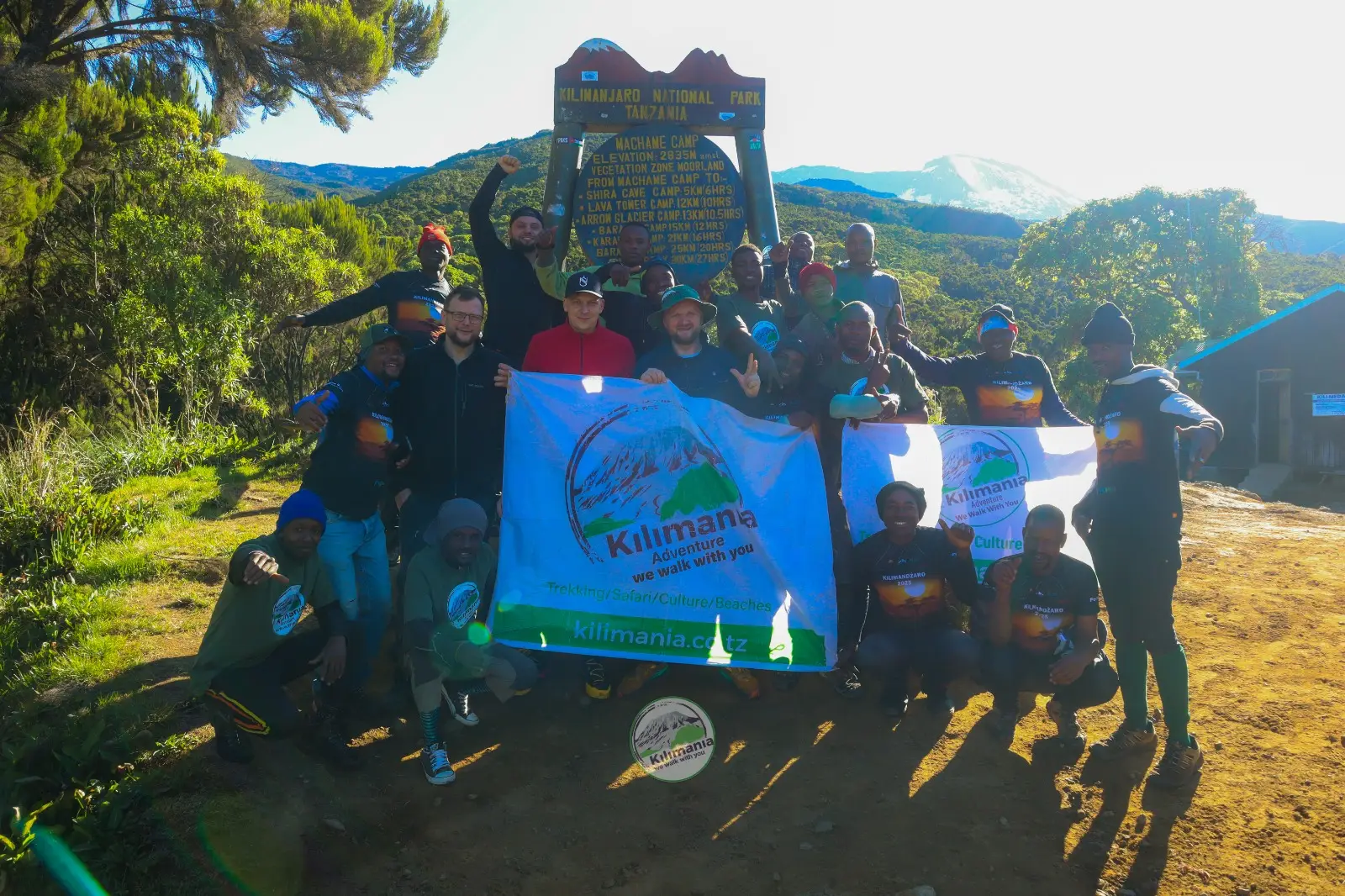
I’ve been guiding on this mountain since 2001, starting as a porter on Marangu before becoming a KINAPA-licensed guide in 2003 — 22+ years now, with 300+ personal summits of Uhuru Peak. Our safari planning is led by Kanti Kessy, who has 17 years of experience running Tanzania safaris. Between us, we handle both halves of this trip directly, not through a subcontractor.
Read more about my background on the Senior Kilimanjaro Guide Sabinus Msimba page, including licensing documentation.
Ethical porter treatment matters to us — weight limits, proper gear, fair pay — in line with standards set by the Kilimanjaro Porters Assistance Project (KPAP). We’re also registered with the Tanzania Association of Tour Operators (TATO), and our climbing operations fall under Kilimanjaro National Park (KINAPA) licensing, while our safari parks are governed separately by the Tanzania National Parks Authority (TANAPA).
Ready to plan your Tanzania safari and Kilimanjaro climb? Send us your travel dates, group size, and preferred route. We reply within 12 hours, seven days a week.
WhatsApp: +255 756 449 990KINAPA-licensed mountain guides since 2003.
Frequently Asked Questions
Can I combine a Kilimanjaro climb with a Tanzania safari?
Yes. Most Kilimania Adventure clients climb first, rest one day in Moshi, then transfer to a 3- to 5-day safari covering Tarangire, Ngorongoro Crater, or Serengeti. A combined trip typically runs 10-14 days total.
Which Kilimanjaro route works well before a safari?
The Lemosho Route (7-8 days) and Machame Route (6-7 days) both give good acclimatization and finish near Mweka Gate, close to Moshi. The Marangu Route (5-6 days) is shorter and hut-based, useful for a tighter schedule.
How many days do I need for Kilimanjaro and safari together?
A realistic minimum is 10 days: 6-7 days on Machame, 1 rest day in Moshi, and 2-3 days on a Tarangire/Ngorongoro safari. Adding Serengeti pushes the total to 13-14 days.
Is Moshi or Arusha better for starting this trip?
Moshi is closer to Kilimanjaro’s southern gates and is where Kilimania Adventure is based. Arusha is the main hub for safari vehicles heading to Serengeti and Ngorongoro. We coordinate transfers between both.
What is the best time of year for Kilimanjaro and a Tanzania safari?
January-March and June-October tend to be drier, which helps both trail conditions on the mountain and wildlife visibility in Serengeti and Ngorongoro. November and April-May bring more rain.
Do I need to be an experienced hiker to do both?
No technical climbing skill is required on standard Kilimanjaro routes. Reasonable fitness and slow, steady pacing (pole pole) matter more than prior hiking experience. Safari days are vehicle-based and far less physically demanding.
Can I add Zanzibar after Kilimanjaro and safari?
Yes. Many travelers fly from Arusha or Kilimanjaro International Airport (JRO) to Zanzibar for 3-4 nights after their safari, using it as recovery time before flying home.
Who leads Kilimania Adventure’s climbs and safaris?
Sabinus Msimba, KINAPA-licensed mountain guide since 2003, leads Kilimanjaro operations. Kanti Kessy, with 17 years of experience, leads safari planning. Both work from our Moshi office.
Planning both a climb and a safari means juggling two very different sets of logistics — route selection, acclimatization time, safari vehicle routing, and seasonal timing. Our Climbing Kilimanjaro Guide 2026 covers the mountain side in more depth if you’re still deciding on a route. From our base in Moshi, we’ll work the rest out with you directly. We Walk With You.
Talk to us about combining your Kilimanjaro climb with a Tanzania safari. Tell us your dates and group size — we respond within 12 hours.
WhatsApp: +255 756 449 990KPAP-compliant porter support.
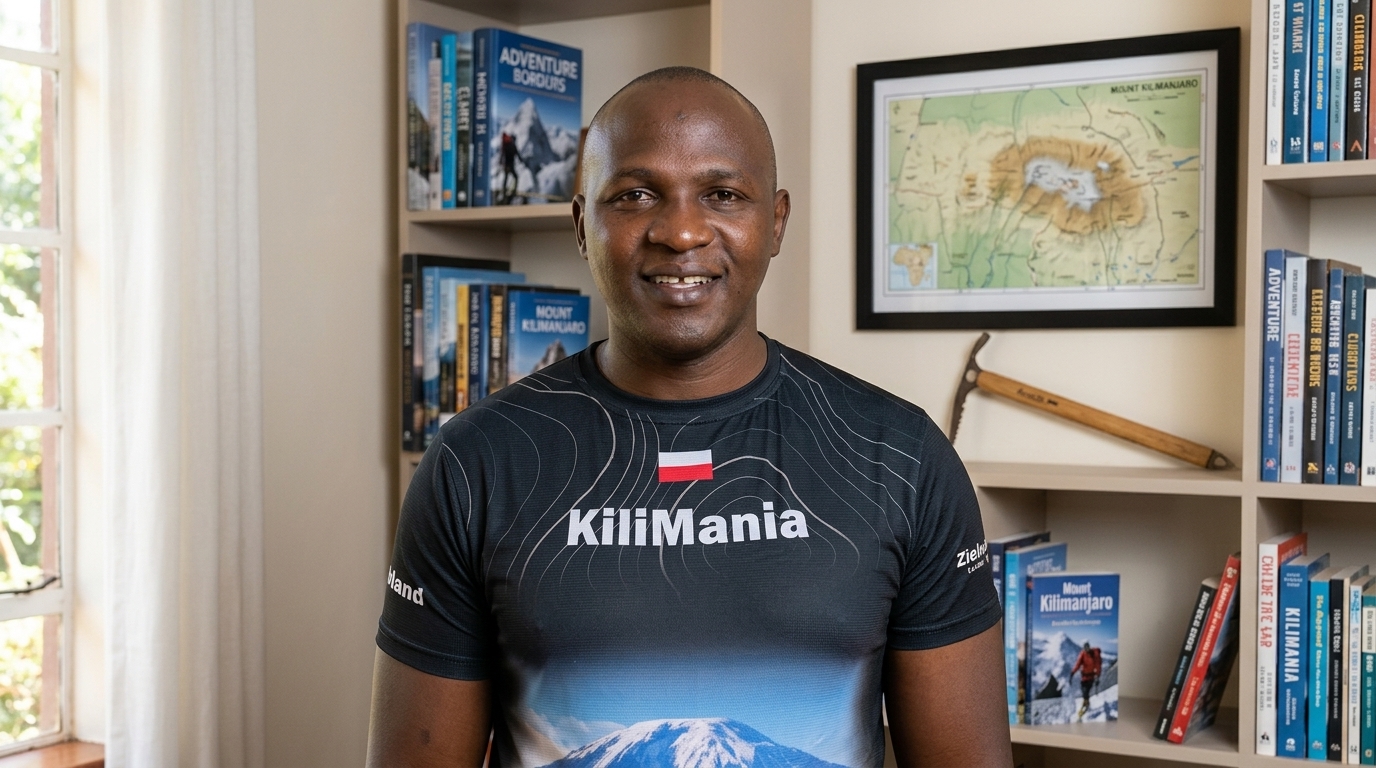
Written by Sabinus Msimba
Senior Mountain Guide & Co-founder, Kilimania Adventure. KINAPA-licensed since 2003. 22+ years on Mount Kilimanjaro. 300+ personal Uhuru Peak summits. Career began in 2001 as a porter on the Marangu Route.
Kilimania Adventure is a commercial tour operator based in Moshi, Tanzania, and may receive bookings from this page. We are TATO-registered and follow KPAP porter welfare guidelines.
Read recent climber reviews on TripAdvisor or see our Google reviews.
Last verified: August 2026. Next scheduled review: February 2027.