Cheap Kilimanjaro Climb: Is It Worth It? What the Price Difference Means (2026)
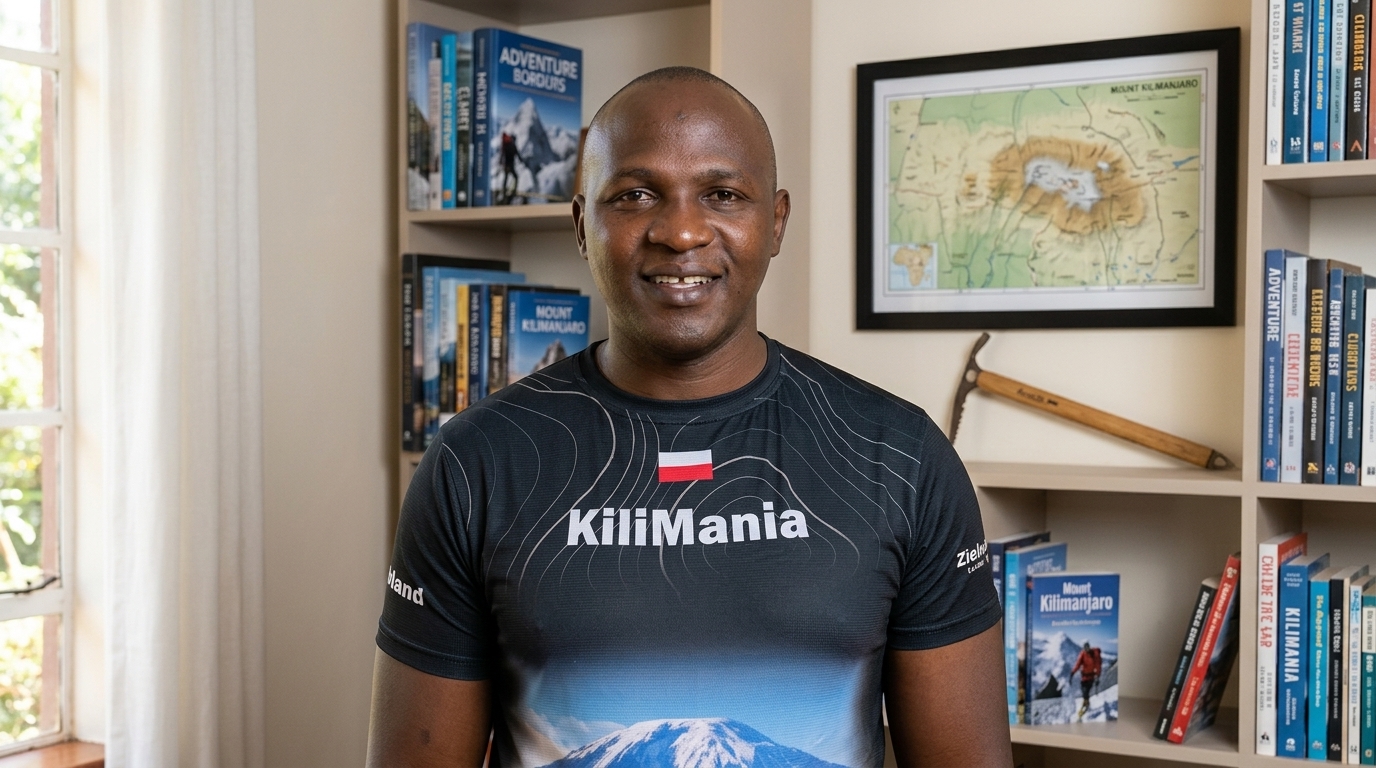
Written by: Sabinus Msimba, Senior Mountain Guide, KINAPA-licensed, 22+ years on Kilimanjaro. Last reviewed: August 2026.
Data sources cited in this article: TANAPA published fee schedule (2026), KPAP porter-wage guidance, and Kilimania Adventure operator booking-pattern data 2019–2025.
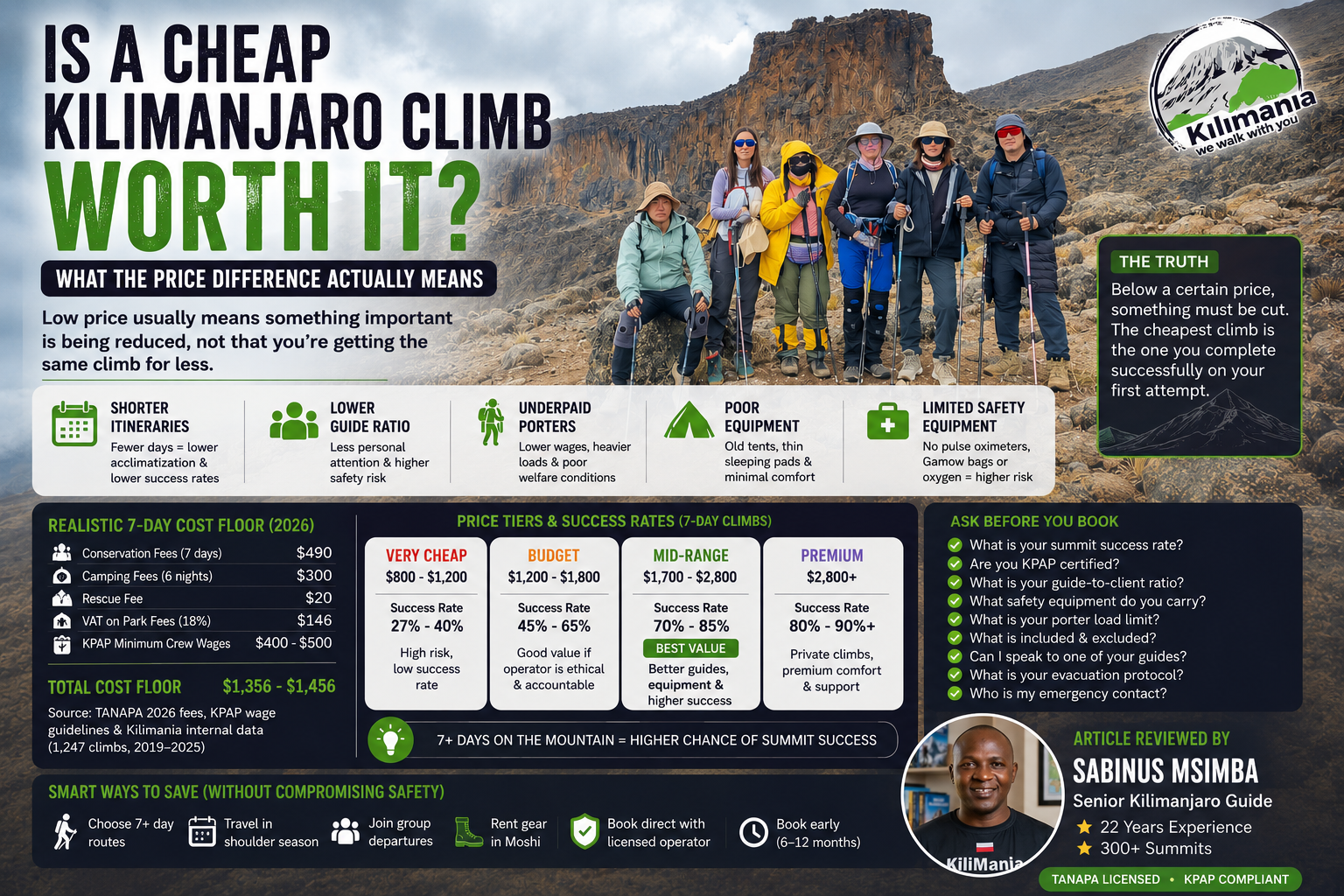
A budget Kilimanjaro climb is worth it when the operator is licensed, KPAP-certified, and transparent about what the price includes. Prices below roughly $1,300 for a 7-day group climb usually mean cuts to acclimatization days, guide ratios, porter wages, or safety equipment. The mandatory TANAPA fee and KPAP wage floor total $1,356–$1,456 per climber on a 7-day route before an operator earns a single dollar. Any quote well below that deserves a written explanation of what’s missing — not a celebration of the deal.
- $1,356–$1,456 — mandatory cost floor per climber before any operator profit
- ~27% — typical summit success, 5-day Marangu
- ~78% — typical summit success, 7-day Machame
- 20kg — KPAP maximum porter load, including personal gear
- $70 — cost of one extra acclimatization day in park fees
- You’ve seen Kilimanjaro quotes below $1,000 and want to understand what they represent
- You want the safest climb within a real budget constraint
- You’re comparing operators and need to know what each price tier actually delivers
- You’ve never climbed at altitude and don’t know what to verify before paying a deposit
📋 Table of Contents
What Is the Real Mandatory Cost Floor on a 7-Day Kilimanjaro Climb?
The Kilimanjaro operator market runs from under $900 to over $4,500 for what looks, on paper, like the same product — a guided climb of Mount Kilimanjaro, a UNESCO World Heritage Site. It isn’t the same product. A large share of every package price is fixed before any operator makes a commercial decision.
| Cost Component | Amount Per Climber |
|---|---|
| KINAPA conservation fee (7 days × $70) | $490 |
| Camping fee (6 nights × $50) | $300 |
| Rescue fee | $20 |
| VAT on park fees (estimated — see note below) | ~$146 |
| KPAP minimum crew wages (4 crew, 7 days) | $400–$500 |
| Total mandatory floor | $1,356–$1,456 |
Source: TANAPA published fee schedules (2026), KPAP minimum wage guidance. VAT treatment on park fees varies by category — ask your operator to state it in writing before paying a deposit.
When a 7-day Machame quote arrives at $800, the real question isn’t “what a deal” — it’s what’s missing. Somewhere in that $500+ gap, mandatory costs haven’t been paid: usually the porter wages, the safety-equipment budget, or the park fees themselves. Karibu — welcome — to the part of this industry that doesn’t make it into the brochure.
What Does a 7-Day Kilimanjaro Climb Typically Cost in 2026?
Ranges reflect properly licensed Moshi-based operators including park fees, KINAPA-licensed guides, KPAP-aligned porter wages, and safety equipment. Excludes flights, personal gear, tips, and travel insurance. Ask any operator for a full itemized, dated quote rather than relying on published ranges.
How Does Summit Success Rate Change With Route Duration?
Lowest upfront cost. Fewest acclimatization days. Roughly a one-in-four summit probability.
Better acclimatization than 5-day. Still below average.
Better route profile, decent acclimatization. A reasonable balance of cost and probability.
The most common group departure length. Strong value for the success rate.
Gradual acclimatization profile and strong success rate.
Highest success rate of the standard routes. Full circuit of the mountain.
Figures reflect industry-observed patterns, not a single operator’s per-route sample, and are not a universal guarantee — individual outcomes depend on fitness, acclimatization, weather, and altitude response.
What Actually Gets Cut When a Kilimanjaro Price Is Too Low?
“People assume all Kilimanjaro climbs are the same because the mountain is the same. Guide quality, acclimatization time, and crew support determine most successful summits — not the route name.”
— Sabinus Msimba, Senior Mountain Guide
Cut 1 — Day Count Reduced
Cutting one day removes about $70 in TANAPA conservation fees from the package price, which is part of why a 5-day itinerary looks $280–$380 cheaper than an 8-day one — that part is real. What also disappears are the acclimatization days that drive summit success from roughly 27% to 85%. Fitness can’t replace altitude adaptation time; the mountain’s physiology isn’t negotiable. See our 6 vs 7 vs 8-day comparison for a day-by-day breakdown of what each extra night actually buys you.
Cut 2 — Guide-to-Client Ratio
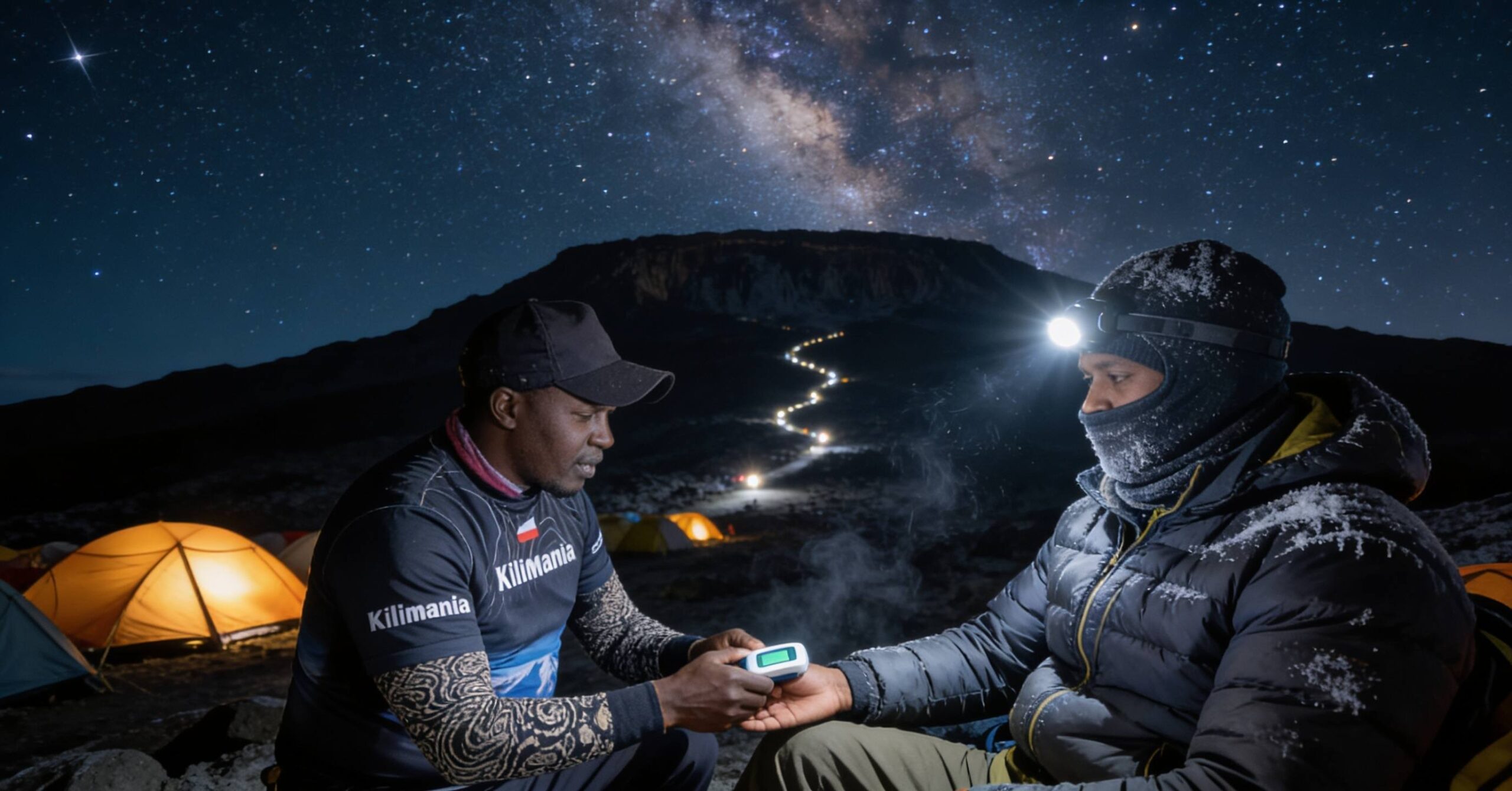
TANAPA requires a licensed guide per group but sets no upper ratio limit. A responsible operator runs 1:1 to 1:2 on the mountain; budget operators often run 1:4 to 1:6. Relaxed, don’t-worry-about-it pacing works fine at the gate on day one. It doesn’t work at -12°C on summit night, when a guide managing four clients can’t maintain the continuous pulse-oximetry monitoring that early altitude-emergency detection requires. See our hour-by-hour summit night guide for what this monitoring actually looks like in practice. That’s a medical monitoring issue, not a comfort one.
Cut 3 — Porter Wages Below KPAP Standard
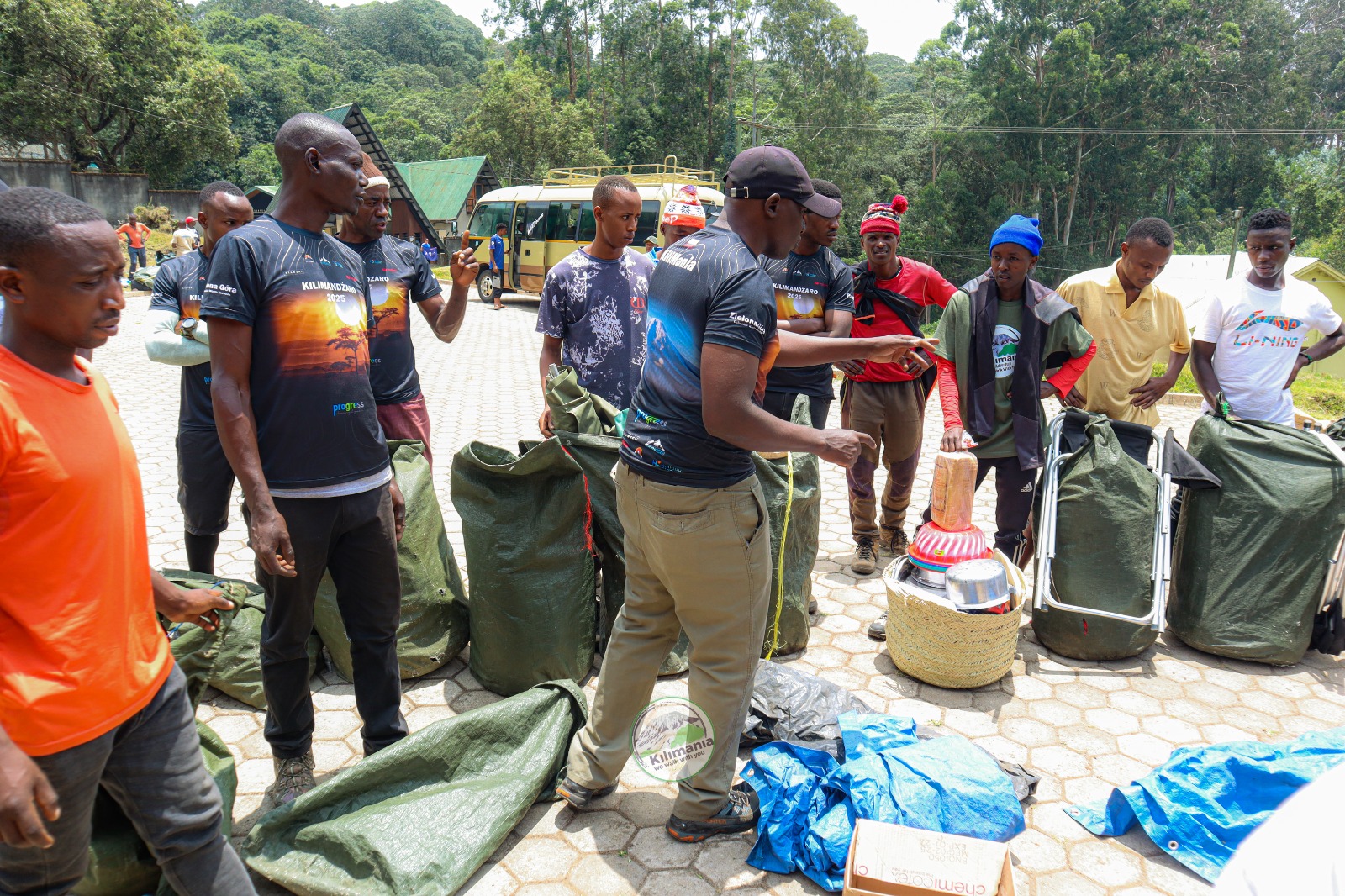
A 7-day climb typically requires four porters per climber. Paying $3–$5 below the KPAP minimum per porter per day saves $84–$140 per client across the climb — a saving that shows up in the headline price and nowhere in the package description. On the mountain, it looks like inadequate footwear at 4,600m, overloaded packs above the 20kg maximum, and late camp setup on summit night when hot food is supposed to be waiting.
Cut 4 — Equipment Quality
At 4,600m on the Shira Plateau, tent quality is a recovery variable, not a comfort variable. The difference between a warm, dry night and a cold, damp one is the difference between adequate rest and arriving at Barafu Camp already depleted.
Cut 5 — Safety Equipment
A pulse oximeter per guide, a Gamow bag per group, and Wilderness First Responder (WFR) certification for senior guides all add real cost. Below the cost floor, these are routinely absent. Ask any operator to name specifically what safety equipment each guide carries on the mountain — not what the company owns back at the office. A Gamow bag alone costs $2,000–$3,000 and requires trained operation; many budget operators don’t carry one.
Does a Budget Kilimanjaro Climb Actually Save You Money?
$1,200 + 60% chance of another $1,200
$1,800 + 22% chance of another $1,800
The expected-cost gap is roughly $276 — far narrower than the $600 sticker-price difference. That simple calculation also leaves out repeat flights (commonly $800–$1,400 return, sometimes more if you’re booking last-minute), lost annual leave that most climbers can’t easily recover, months of sunk training and gear costs that don’t carry over to a second attempt, and the plain disappointment of an avoidable failed summit.
Want an Itemized Quote to Compare Against What You’ve Seen?
Park fees by day, guide ratio, and porter-wage compliance stated in writing — no surprises at the gate.
What Does the Real Cost Difference Look Like in Practice?
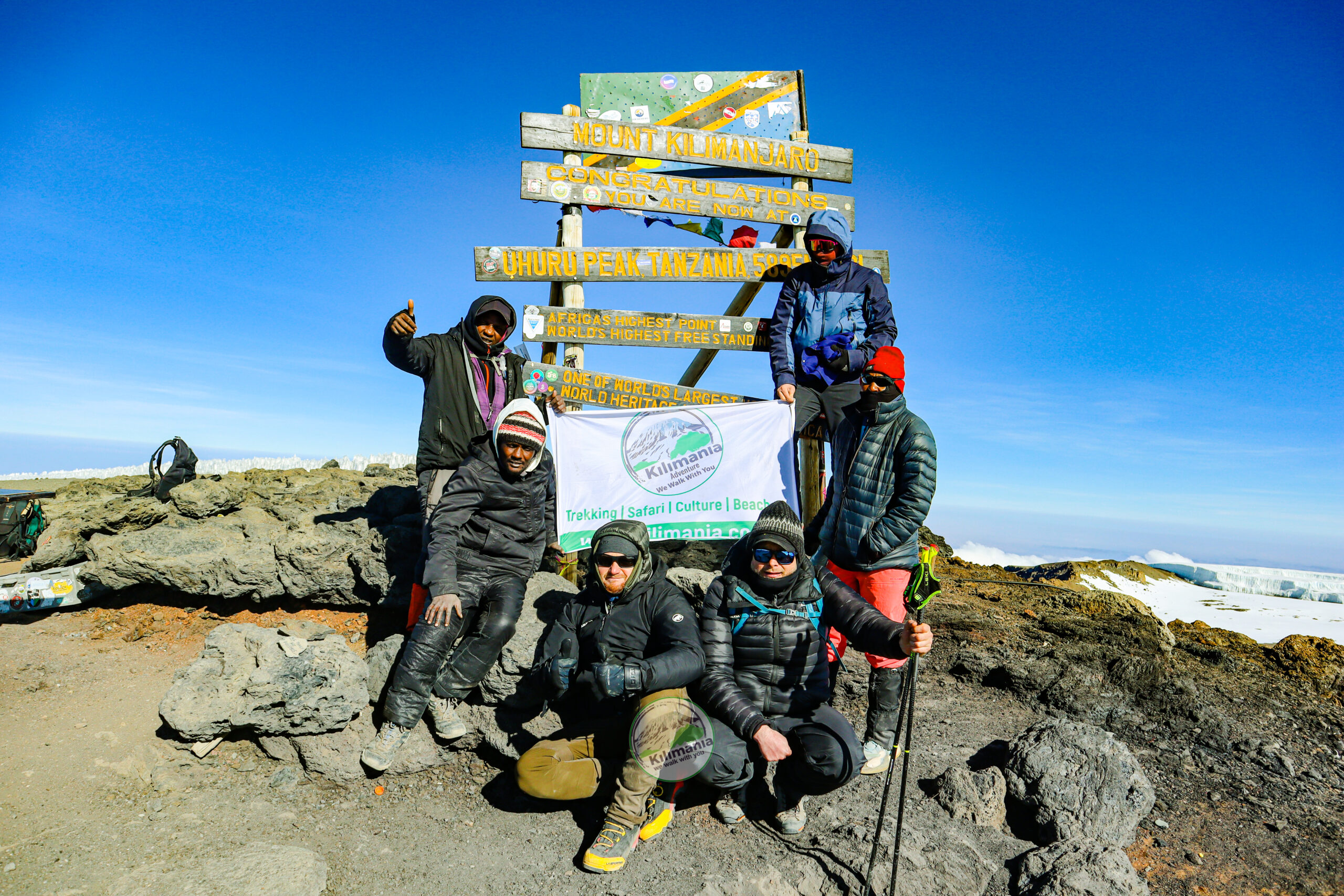
A worked example (illustrative, not a specific client record): Picture two quotes for the same 7-day Machame climb, same group size. Quote A: $1,050 per person, no KPAP certification available, guide ratio unstated, park fees “to be confirmed at the gate.” Quote B: $1,700 per person, park fees itemized by day, KPAP certification on file, guide ratio confirmed in writing. The gap is $650 per person up front. But factor in what a failed first attempt on Quote A typically costs — repeat flights, extra hotel nights, another week of leave, commonly $1,200–$1,500 — and the true cost gap narrows sharply, especially once Quote A’s lower success rate is priced in.
This is a worked example to show how the math plays out, not a specific client testimonial. If you have a verified, sourced client story you’d like used here instead, send it over and we’ll swap it in.
What Should You Ask Any Budget Operator Before Paying a Deposit?
6 Legitimate Ways to Reduce Kilimanjaro Costs Without Cutting Safety
- Travel shoulder season. January–March and June typically carry reduced group rates without changing operational standards. Fewer climbers at camp, faster gate processing.
- Join a group departure instead of booking private. Group departures commonly cost $200–$300 less per person for a broadly identical mountain experience.
- Rent gear locally rather than buy at home. A full kit purchased new costs $600–$1,200. Quality rental gear in Moshi runs $80–$150.
- Choose 7-day Machame over 8-day Lemosho if fitness supports it. The success-rate gap between these two is manageable for climbers with a strong aerobic base. Dropping from 7 to 5 days is a different trade-off entirely — that gap can’t be offset by fitness.
- Book direct with a Moshi-based operator. International booking platforms typically add 20–30% margin to Kilimanjaro packages. Booking directly removes that markup.
- Book 6–12 months in advance. Early-booking group rates typically save 10–15% without removing a single day, guide, or porter.
One cost that shouldn’t be reduced: crew tips. Budget $200–$300 separately for a 7-day climb — this goes directly to the guides, cooks, and porters who make the climb possible.
📥 Free Kilimanjaro Hidden Costs Checklist (2026)
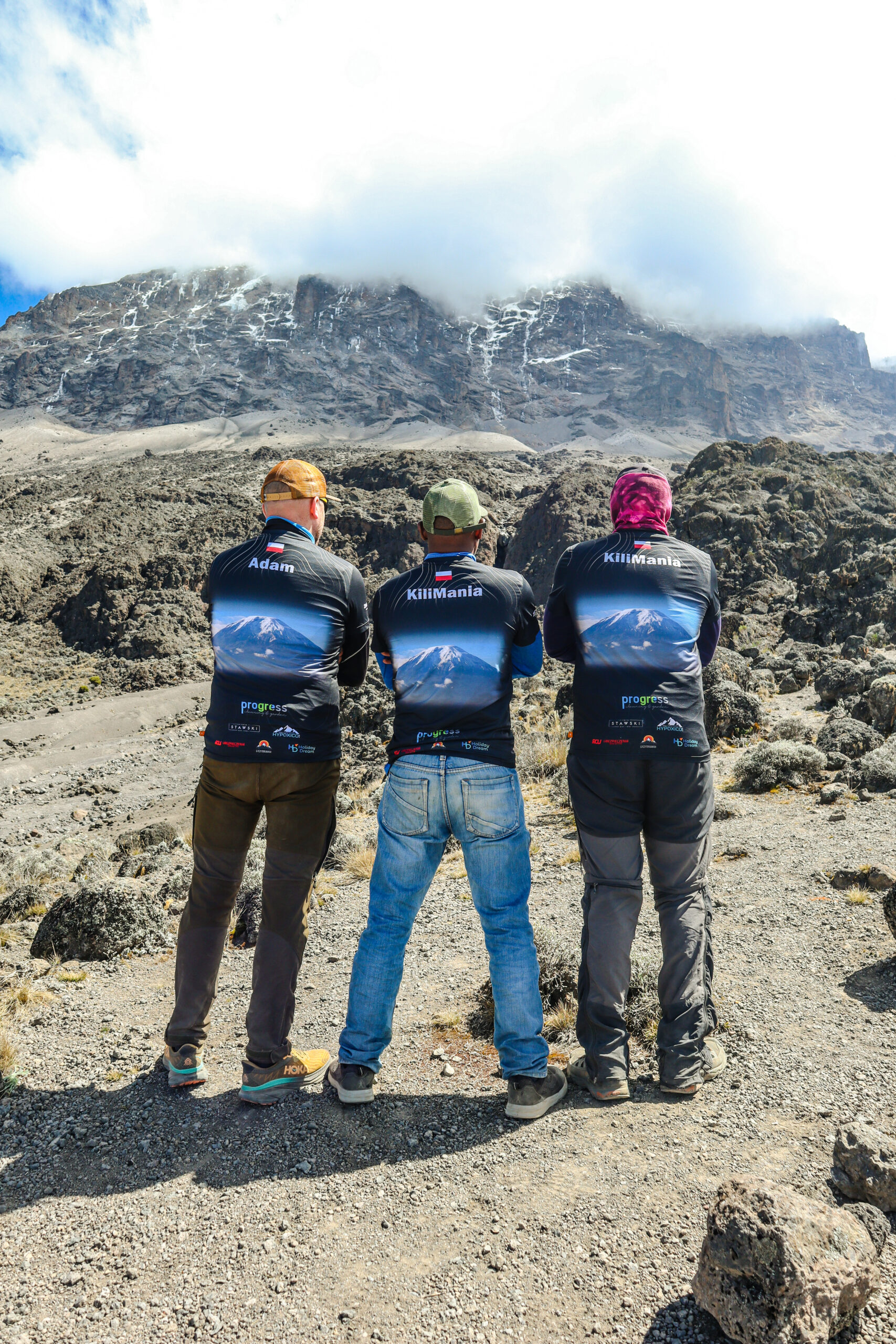
Planning your Kilimanjaro budget? Package price is only part of the total. This free checklist, put together by Sabinus Msimba, covers the costs many climbers forget until they’re already in Moshi. For the full line-by-line expense breakdown — flights, visas, gear, insurance, and tipping explained in detail — see our companion guide, Hidden Costs of Climbing Kilimanjaro. This checklist is the printable, take-with-you version of that guide.
Inside the checklist
- ✅ Complete Kilimanjaro budget planner
- ✅ Hidden expenses many operators don’t explain upfront
- ✅ Flights, visas, travel insurance, and medical costs
- ✅ Gear buying vs. gear rental comparison
- ✅ Crew tipping guide and budgeting worksheet
- ✅ Credit card fees, ATM charges, and other overlooked costs
- ✅ Printable pre-departure checklist
Works whether you’re climbing Lemosho, Machame, Northern Circuit, Marangu, Rongai, Shira, or Umbwe — the hidden-cost categories are the same across every route.
🎒 Get the Checklist
Download it instantly below. Want future Kilimanjaro price updates too? Email info@kilimania.co.tz and we’ll add you.
📄 Download the Free Checklist (PDF)“The biggest budgeting mistake climbers make is focusing only on the tour price. A complete Kilimanjaro budget also includes gear, travel, insurance, and crew tips. This checklist helps you plan for all of it before you arrive in Tanzania.”
— Sabinus Msimba, Senior Mountain Guide & Co-founder, Kilimania Adventure
Is a Very Low Kilimanjaro Price Always a Scam?
- Deposit theft — operator takes a 30–50% deposit and doesn’t appear on departure day
- Park fee exclusion — quote excludes fees; cash demanded on arrival at the gate
- Bait and switch — quote confirmed, then a “fuel surcharge” appears once you’re in Tanzania
- Crew underpayment — porters paid below the KPAP minimum, invisible from the quote alone
- Unlicensed operation — a real vehicle and a real departure, but no TANAPA or KINAPA license
How Do Budget, Mid-Range, and Luxury Kilimanjaro Climbs Compare?
| Feature | Budget (Group) | Mid-Range | Luxury / Private |
|---|---|---|---|
| Price per person, 7-day | $1,600–$1,900 | $2,300–$3,000 | $3,500+ |
| Group size | Up to 8 | 2–6 | Private (1–4) |
| Guide-to-client ratio | 1:2 | 1:2 | 1:1 |
| Tents | 4-season, quality | 4-season, premium | Standing tents |
| Meals | Standard 3 meals | Premium 3 meals | Custom menu |
| Typical summit success | ~78% on 7-day Machame | 82–85% | 85–90%+ |
All tiers assume KPAP-aligned porter wages, KINAPA-licensed guides, and full safety equipment. The real difference between tiers is comfort and group size — not safety. All prices USD.
FAQ: Cheap Kilimanjaro Climb 2026
Is a cheap Kilimanjaro climb worth it?
A budget climb is worth it when the operator is licensed, KPAP-certified, and transparent about inclusions. Prices below roughly $1,300 for a 7-day group climb usually mean cuts to acclimatization days, guide ratios, porter wages, or safety equipment. The climb that costs least overall is the one completed on the first attempt.
What is the realistic minimum budget for a legitimate Kilimanjaro climb in 2026?
The mandatory TANAPA fee and KPAP wage floor alone total roughly $1,356–$1,456 per climber on a 7-day route before an operator earns anything. Any quote well below $1,300 for 7 days deserves a specific, written explanation of what has been removed.
What gets cut when Kilimanjaro prices are too low?
Operators below the cost floor typically cut one or more of five things: days on the mountain, guide-to-client ratio, porter wages below the KPAP 20kg maximum load and minimum wage standard, equipment quality, or safety equipment.
Does a cheaper Kilimanjaro package mean worse safety?
Not automatically, but the correlation is strong below roughly $1,300 for 7 days. Pulse oximeters, Gamow bags, and Wilderness First Responder certification cost money. Ask any operator to name the specific safety equipment each guide carries, not just the category.
How many days do I need to climb Kilimanjaro on a budget?
Seven days is the practical minimum. Industry-observed summit success rates rise sharply between 5-day and 7-day itineraries, largely because of added acclimatization time, not fitness.
What is KPAP and why does it matter?
The Kilimanjaro Porters Assistance Project certifies operators on porter welfare — minimum wages, 20kg maximum loads, meals, clothing, and medical provision — through ongoing field monitoring. Verify any certificate directly at kiliporters.org.
Can I save money on Kilimanjaro by arranging logistics independently?
No. TANAPA and KINAPA regulations require every climber to use a licensed operator. Legitimate savings come from shoulder-season travel, group departures, local gear rental, and booking well ahead.
Can I reduce costs by booking through a platform like GetYourGuide or Viator?
Booking platforms typically add 20–30% commission to Kilimanjaro packages. The operator receives less and often adjusts somewhere to compensate, commonly crew wages or the equipment budget. Booking directly with a TATO-registered Moshi operator removes that markup.
What travel insurance do I need for a budget Kilimanjaro climb?
Cover for high-altitude trekking to 5,895m and emergency helicopter evacuation is a practical requirement. Uninsured evacuation can cost $5,000–$15,000. Altitude-specific policies typically run $80–$150 for the trip.
What’s a simple test for any budget operator?
Ask one direct question: what specific safety equipment does each guide carry on the mountain? A legitimate operator answers immediately with specifics — pulse oximeter per guide, Gamow bag per group, WFR certification for senior guides. A non-legitimate operator deflects or says all standard equipment is provided.
The Bottom Line on Budget
Budget is a real constraint and a legitimate reason to shop carefully. Nobody picks a lower-priced climb because they care less about reaching Uhuru Peak — Kilimanjaro is expensive, and that money has to come from somewhere real. The honest floor for a 7-day climb sits around $1,356–$1,456 per climber before profit; anything meaningfully below that has cut days, guide ratios, porter wages, equipment, or safety gear. Spend enough to give yourself a genuine shot on the first attempt — that’s usually the cheapest climb in the end. Still weighing whether to climb at all this year? Our honest look at 10 reasons you should not climb Kilimanjaro (and 5 why you should) is worth reading before you book anything.
About the Author
Next Steps
Planning a Climb? Get a Fast, Itemized Quote
Tell us your travel dates, group size, and budget tier — we’ll return a full itemized quote within 12 hours, with park fees by day and a complete inclusion/exclusion list.
📲 WhatsApp: +255 756 449 990 | 📧 info@kilimania.co.tz
Moshi, Tanzania. East Africa Time (EAT, UTC+3). Response within 12 hours, 7 days a week.
✅ Verified Independent Reviews
★★★★★ 5.0 / 5 based on 32 reviews on TripAdvisor.
Read Next
- Hidden Costs of Climbing Kilimanjaro: Complete Budget 2026
- How Many Days to Climb Kilimanjaro? 6 vs 7 vs 8 Days
- Kilimanjaro Summit Night, Hour by Hour
- How Hard Is Kilimanjaro? Success Rates & Altitude Reality
- Kilimanjaro Tipping Guide 2026
- Can a Beginner Climb Kilimanjaro?
- 10 Reasons You Should NOT Climb Kilimanjaro (And 5 Why You Should)
- Family Kilimanjaro Climbing: Complete Guide 2026