Climbing Kilimanjaro With Medical Conditions: What Altitude Does to Your Body
Last verified: June 2026 · Next scheduled review: November 2026
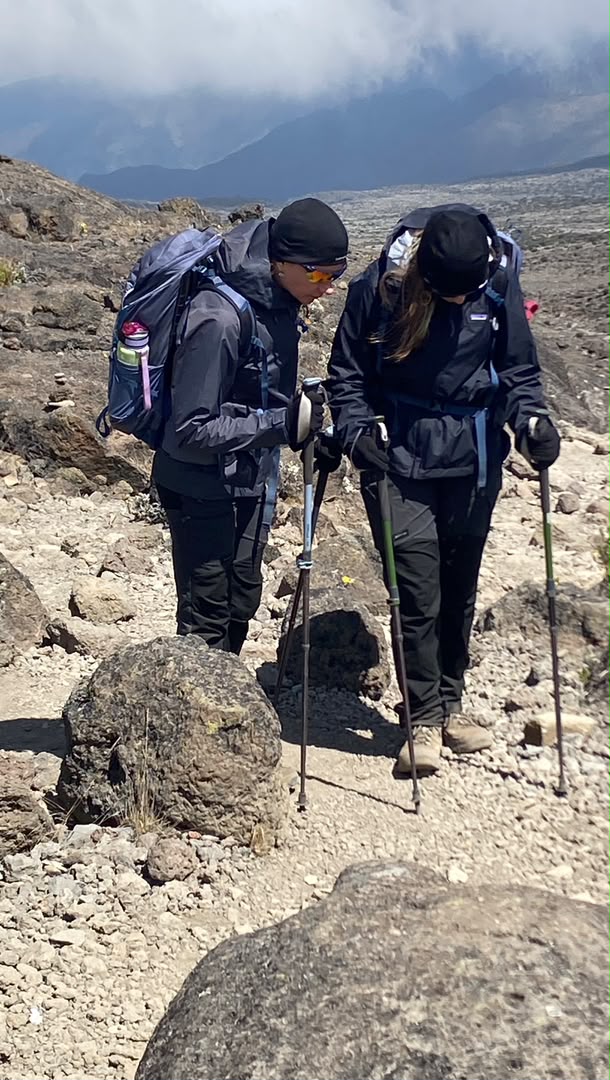
Every season, climbers with asthma, Type 1 diabetes, managed heart disease, replaced knees, and active anxiety disorders stand at Uhuru Peak — 5,895m above sea level — and look out over the cloud layer below them.
Every season, climbers with those same conditions do not reach the summit. Some are evacuated. A small number are in genuine danger.
The difference between those two groups is rarely the diagnosis itself.
The difference is: medical stability, specialist altitude clearance, guide disclosure, preparation, and route selection that gives the body time to adapt.
At 5,895m, atmospheric pressure is approximately 50% of sea level. Every breath delivers roughly half the oxygen it does at the coast. A healthy acclimatized body can compensate. A body already managing a chronic condition faces a second physiological system under simultaneous stress — and the two systems interact in ways that sea-level management protocols were never designed for.
This article documents what our guides have observed over 22 years on Mount Kilimanjaro. It explains what altitude actually does to the most common conditions we encounter, what preparation consistently produces better outcomes, and when the honest answer from our team is: this is not the right time for you to be on this mountain. If your training baseline is still uncertain, start with our Kilimanjaro fitness assessment guide before you review the condition-specific sections below.
Important Medical Notice
This article is based on Kilimania Adventure’s experience guiding climbers on Mount Kilimanjaro and is intended for educational purposes only. It does not replace professional medical advice, diagnosis, or treatment.
If you have a heart condition, asthma, diabetes, high blood pressure, a recent surgery, or any other significant medical concern, consult your doctor or specialist before attempting a high-altitude trek. Medical clearance may be necessary depending on your condition, medications, and overall fitness.
Decisions about whether to climb Kilimanjaro should always be made in consultation with a qualified healthcare professional.
📑 Table of Contents
- Who Should Not Attempt Kilimanjaro Right Now?
- Why Does Altitude Change Everything?
- Can You Climb With Asthma?
- Can Diabetics Climb Kilimanjaro?
- Is Kilimanjaro Safe With a Heart Condition?
- Does High Blood Pressure Affect Climbing?
- Bad Knees, Joints, or Arthritis?
- Mental Health Conditions?
- Other Medical Conditions
- Emergency Protocols
- Route Comparison
- FAQ
Who Should Not Attempt Kilimanjaro Right Now?
These are not permanent exclusions — they are timing indicators based on what our guides have seen go wrong on the mountain. The mountain will be there when your body is ready. If you are unsure where your fitness or medical stability currently sits, our Kilimanjaro fitness assessment guide is a useful starting point alongside your doctor’s input.
- Recent heart attack within the last 12 months — cardiac tissue is still recovering, and altitude adds workload the heart cannot safely absorb this soon.
- Uncontrolled severe asthma — frequent rescue-inhaler use or recent emergency treatment means cold, dry air above 4,000m is likely to trigger a serious episode.
- Recent hospitalization for cardiac or respiratory disease — organ function needs time to stabilize before it can handle 50% oxygen delivery.
- Uncontrolled hypertension above 160/100 mmHg — altitude reliably raises blood pressure further, increasing stroke and HACE risk.
- Active autoimmune flare — lupus, rheumatoid arthritis, or inflammatory bowel disease in flare can worsen unpredictably under physical stress and cold.
- Acute mental health crisis — a summit attempt made from crisis or impulse, rather than planned recovery, removes the judgment needed to make safe decisions at altitude.
- Recent surgery without specialist clearance — multi-day trekking places load on healing tissue that a routine post-op check does not evaluate.
Why Does Altitude Change Everything for Medical Conditions?
At Kilimanjaro’s summit, every breath delivers 50% of the oxygen it does at sea level. A body already managing a chronic condition faces simultaneous physiological stress from hypoxia and from the condition itself. The two systems interact in ways that sea-level management was not designed for. The CDC’s Travelers’ Health guidance makes the same point for travelers with chronic conditions heading to altitude generally, not just on Kilimanjaro specifically.
At 5,895m, the air contains the same percentage of oxygen as at sea level — 21%. What changes is atmospheric pressure. Lower pressure means fewer oxygen molecules per breath. Your body’s response: faster breathing, elevated heart rate, vasoconstriction, and increased red blood cell production over days.
The practical implications at each critical elevation on Kilimanjaro:
- 3,000–3,500m — Forest and moorland camps: Oxygen delivery at roughly 70% of sea level. Acclimatization begins. Most conditions remain stable. This is where guides conduct baseline monitoring.
- 4,000–4,600m — Shira Plateau, Barranco, Karanga: Oxygen at 60% of sea level. Heart rate elevated at rest for most climbers. Blood pressure rises. Blood glucose regulation becomes less predictable. Asthmatic airways face cold, dry air from here upward.
- 4,600–5,895m — Barafu to Uhuru Peak: Oxygen below 50% at the summit. Temperatures drop to -15°C on summit night. Every existing condition is amplified. Sleep quality at Barafu is significantly degraded — oxygen saturation commonly drops below 75% during sleep.
This is why “well-managed at home” does not automatically mean “safe on Kilimanjaro.” Management protocols designed for sea level were not calibrated for 50% oxygen delivery, -15°C cold, and 12–15 hours of sustained exertion at altitude. Your guide needs to know your condition before the trailhead — not at camp when symptoms appear. Building general altitude tolerance before you arrive also matters — see our Kilimanjaro fitness assessment guide for how to structure that preparation.
What We Have Observed on Kilimanjaro: Real Client Case Comparisons
The examples below summarize documented cases from Kilimania Adventure climbs. These observations are provided for educational purposes only and should not be interpreted as medical advice or a guarantee of summit success.
| Medical Condition | Observed Outcome on Kilimanjaro | Key Success Factor |
|---|---|---|
| Asthma | Episode occurred at Lava Tower (4,642m). Symptoms resolved using rescue inhaler and 20% pace reduction. Summited Day 7. | Rescue inhaler carried inside clothing to prevent cold-related malfunction below -12°C. |
| Type 1 Diabetes | CGM recorded 3.2 mmol/L at ~4,800m during summit night. Glucose gel and 12-minute break stabilized blood sugar. Reached Uhuru Peak. | Insulin stored close to body, endocrinologist-approved altitude protocol, backup glucose monitoring. |
| Cardiac Arrhythmia | Resting heart rate 91 bpm at Karanga Camp (4,035m), within cardiologist’s limits. Summit ascent paced ~60% slower than standard. | Specialist cardiology assessment including hypoxic stress testing before the climb. |
| Knee Replacement | Completed descent from Uhuru Peak to Mweka Gate without complications 26 months post-surgery. | Orthopedic surgeon clearance, consistent trekking pole use, controlled descent pace. |
| Anxiety Disorder | Paused at ~4,900m during summit push, resumed after 22 minutes of guided support, reached Uhuru Peak. | Advance route briefing and guide awareness of specific anxiety triggers. |
Important: Each example represents a single documented Kilimania Adventure climb and should not be considered predictive for other climbers with similar medical conditions. Across all successful cases, three factors were consistently present: specialist medical clearance specific to high altitude, full disclosure of the condition to guides before departure, and selection of an itinerary with adequate acclimatization.
Can You Climb Kilimanjaro With Asthma?
Climbers with mild to moderate, well-controlled asthma summit every season. The question is not whether asthmatic climbers can reach Uhuru Peak — they do — but whether your specific asthma, at its current level of control, is appropriate for the conditions above 4,000m.
Above 4,000m, Kilimanjaro’s air is exceptionally cold and dry. At Barafu Camp at 2am, temperatures fall below -12°C. You are breathing this air at a higher volume per minute than you do at rest — and doing so for 12–15 continuous hours during the summit push. Cold, dry air is among the most well-documented bronchospasm triggers, according to Wilderness Medical Society altitude guidance. This is not theoretical. Our guides have assisted asthmatic climbers during episodes at 5,200m. The outcomes were positive because those climbers were prepared, disclosed their condition, and carried their rescue inhaler correctly.
What works based on our guide experience
- Carry your rescue inhaler on your body — inside your jacket, against your skin, at all times above 3,000m. A frozen inhaler at 5,200m delivers no medication. Cold destroys propellant pressure faster than most people expect.
- Follow a doctor-prescribed pre-climb bronchodilator protocol designed specifically for altitude cold-air exposure — not your standard daily management plan. Consult a pulmonologist familiar with altitude environments.
- Learn to distinguish altitude breathlessness from asthma. Above 4,500m, every climber is breathless. Altitude breathlessness improves with rest and pace reduction. Asthma produces chest tightness, wheeze, and a pattern you recognize. Tell your guide immediately when you notice yours — before it escalates.
When asthma makes Kilimanjaro inadvisable
Severe persistent asthma, any acute episode requiring emergency treatment in the 12 months before the climb, and recent hospitalization for asthma are strong indicators that this is not the right attempt at this time. This is your specialist’s call — but we will ask, and we need honest answers.
Guide Experience Example — Asthma
Climber: Female, 34, UK. Mild intermittent asthma. 8-Day Lemosho Route, October 2024.
She disclosed her asthma at booking. Her GP provided a written altitude protocol. She carried a salbutamol inhaler against her body inside her jacket from Day 3 onward. At Lava Tower (4,642m) on Day 4, she reported chest tightness during the lunch break. Our guide administered two puffs of her rescue inhaler and reduced her walking pace by approximately 20% for the remainder of that afternoon. She acclimatized at Barranco Camp overnight. No further episodes. She reached Uhuru Peak on Day 7 at 6:52am. The preparation she did — not the diagnosis — determined that outcome.
This case reflects our operational experience. It does not guarantee identical outcomes for other climbers with asthma.
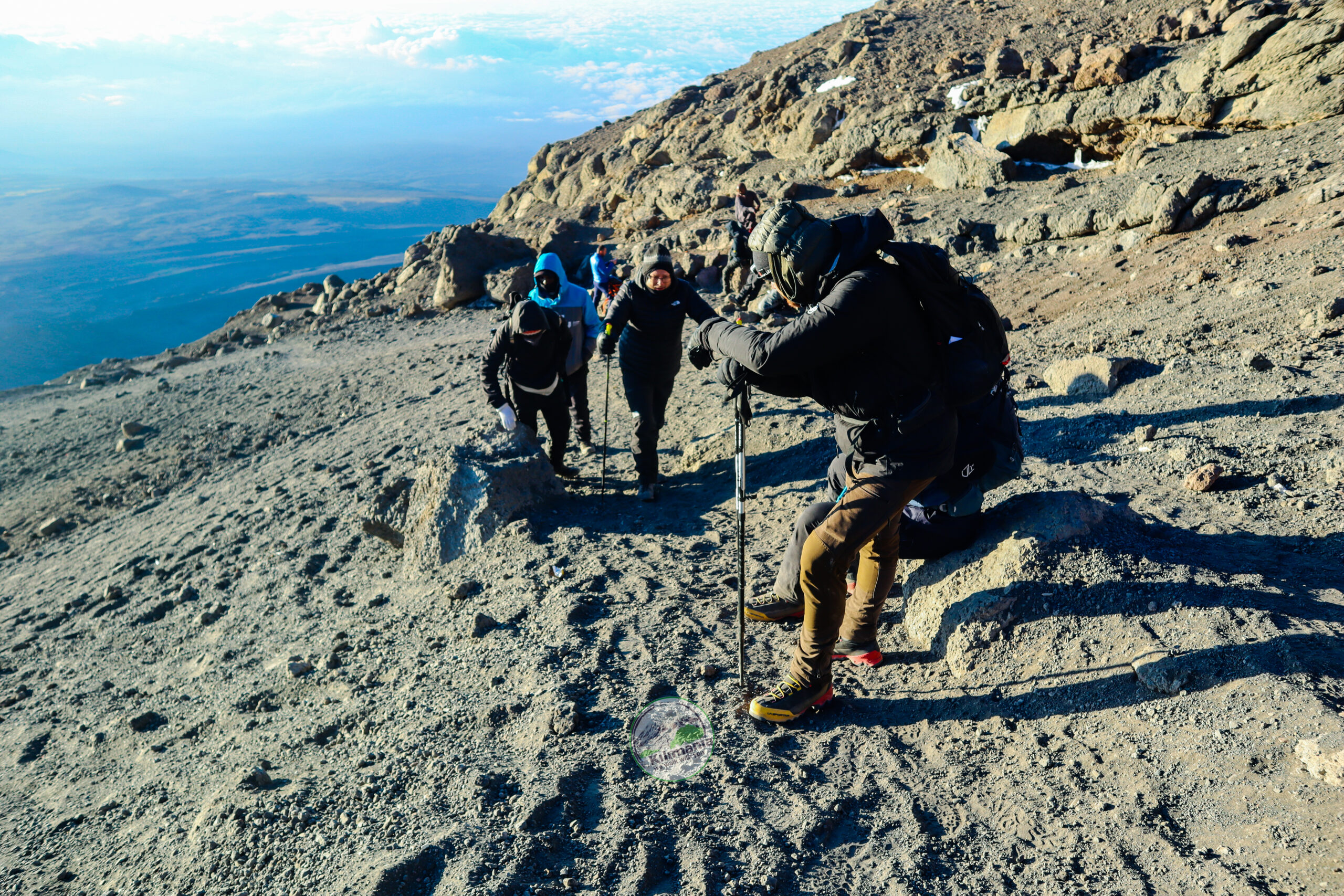
Guide Observation
Over the past decade we have noticed that many climbers worry most about summit night. In reality, most medical challenges begin earlier due to poor hydration, missed medications, inadequate sleep, or rapid ascent.
Can Diabetics Climb Kilimanjaro?
Both Type 1 and Type 2 diabetics have summited Kilimanjaro with Kilimania guides. Altitude makes blood glucose less predictable. Cold temperatures below 2°C destroy insulin potency. A diabetes-specific altitude medication protocol from your endocrinologist, twice-hourly glucose monitoring during the summit push, and a full guide briefing are mandatory — not optional. The CDC’s high-elevation travel guidance covers similar altitude-and-chronic-condition interactions for travelers generally.
How altitude affects diabetes management
Altitude makes blood sugar less predictable through three simultaneous mechanisms. First, stress hormones — cortisol and adrenaline — released in response to hypoxia push blood glucose upward. Second, sustained exertion over 6–8 hours burns through glycogen faster than sea-level training. These two forces can move glucose in opposite directions at altitude. Third: cold. Insulin freezes below 2°C. At Barafu on summit night, temperatures regularly fall to -12°C or below. Insulin left in a pack’s external pocket can freeze solid by morning, and frozen insulin has zero potency.
Type 1 and Type 2 present different risks
- Type 1 diabetics face the most complex management challenge. Insulin absorption changes with skin temperature, hydration, and circulatory volume. Blood glucose meters stop functioning reliably below 10°C — many produce error readings at temperatures our guides measure regularly above 4,500m.
- Type 2 diabetics on oral medication face lower hypoglycemia risk but still experience altered glucose metabolism. Some oral medications, particularly metformin, require specific review for high-altitude and dehydration contexts by your prescribing doctor.
What diabetic climbers must plan for
- Check blood glucose before each trekking day, at lunch, at camp arrival, before bed, and every two hours during the summit push without exception.
- Carry insulin in an insulated pouch kept against your body at all times above 3,000m — body heat prevents freezing.
- Bring double the insulin, test strips, and batteries you think you need. Weather delays of 24–48 hours occur on Kilimanjaro.
- Get an altitude-specific protocol from your endocrinologist that accounts for sustained exertion in cold and unpredictable glucose response to hypoxia.
Guide Experience Example — Type 1 Diabetes
Climber: Male, 41, Germany. Type 1 diabetes diagnosed 18 years. 8-Day Lemosho Route, July 2023.
He arrived with a written altitude protocol from his endocrinologist, a continuous glucose monitor (CGM) with a spare reader, and four times his normal insulin supply. He had arranged with his guide — Isack Mlala — to check his CGM reading at every rest stop. At 4,800m during the summit push, his CGM showed a reading of 3.2 mmol/L. He consumed glucose gel immediately, sat for 12 minutes, and reached 4.8 mmol/L before continuing. He reached Stella Point at 5,756m and Uhuru Peak at 5,895m. His preparation — not his diagnosis — made the difference.
This case reflects our operational experience. It does not guarantee identical outcomes for other diabetic climbers.
Is Kilimanjaro Safe With a Heart Condition?
This is the highest-risk section of this guide. Cardiac events are a leading cause of altitude-related death globally. Evacuation from Barafu Camp takes 6–10 hours by stretcher. We require written cardiologist clearance — not GP clearance — for any client with a cardiac history before we accept a booking. This requirement is non-negotiable.
What altitude does to the heart
Altitude places direct, measurable stress on the cardiovascular system. Heart rate increases — a climber with a resting heart rate of 65 at sea level may sit at 85–90 at Barafu at rest. Blood pressure rises. Hypoxic pulmonary vasoconstriction — the narrowing of lung blood vessels in response to low oxygen — increases the workload on the right side of the heart. In a compromised heart — one that has experienced infarction, carries arrhythmia, or operates under cardiomyopathy — altitude adds physiological demand to an already-stressed system.
Why a GP’s clearance is insufficient
A GP may clear you for “moderate physical activity” based on a resting examination and ECG. This is not clearance for 15 hours of sustained exertion at 50% oxygen with temperatures at -15°C, disrupted sleep, and dehydration — the actual conditions of Kilimanjaro summit night. A cardiologist can perform a hypoxic stress test that simulates the reduced oxygen environment of altitude, which provides the most relevant data. The International Society for Mountain Medicine recommends that individuals with any significant cardiac history consult a physician experienced in altitude medicine — not just a cardiologist evaluating sea-level performance.
Cardiac evacuation reality on Kilimanjaro
Stretcher evacuation from Barafu Camp (4,673m) takes 6–10 hours to reach the park gate, and 2–3 more hours to KCMC hospital in Moshi — the nearest facility with altitude medicine experience. Helicopter evacuation is weather and daylight-dependent; no flights occur at night. A cardiac event at summit-night departure (approximately 11pm–midnight) means no helicopter possibility for a minimum of 7–8 hours.
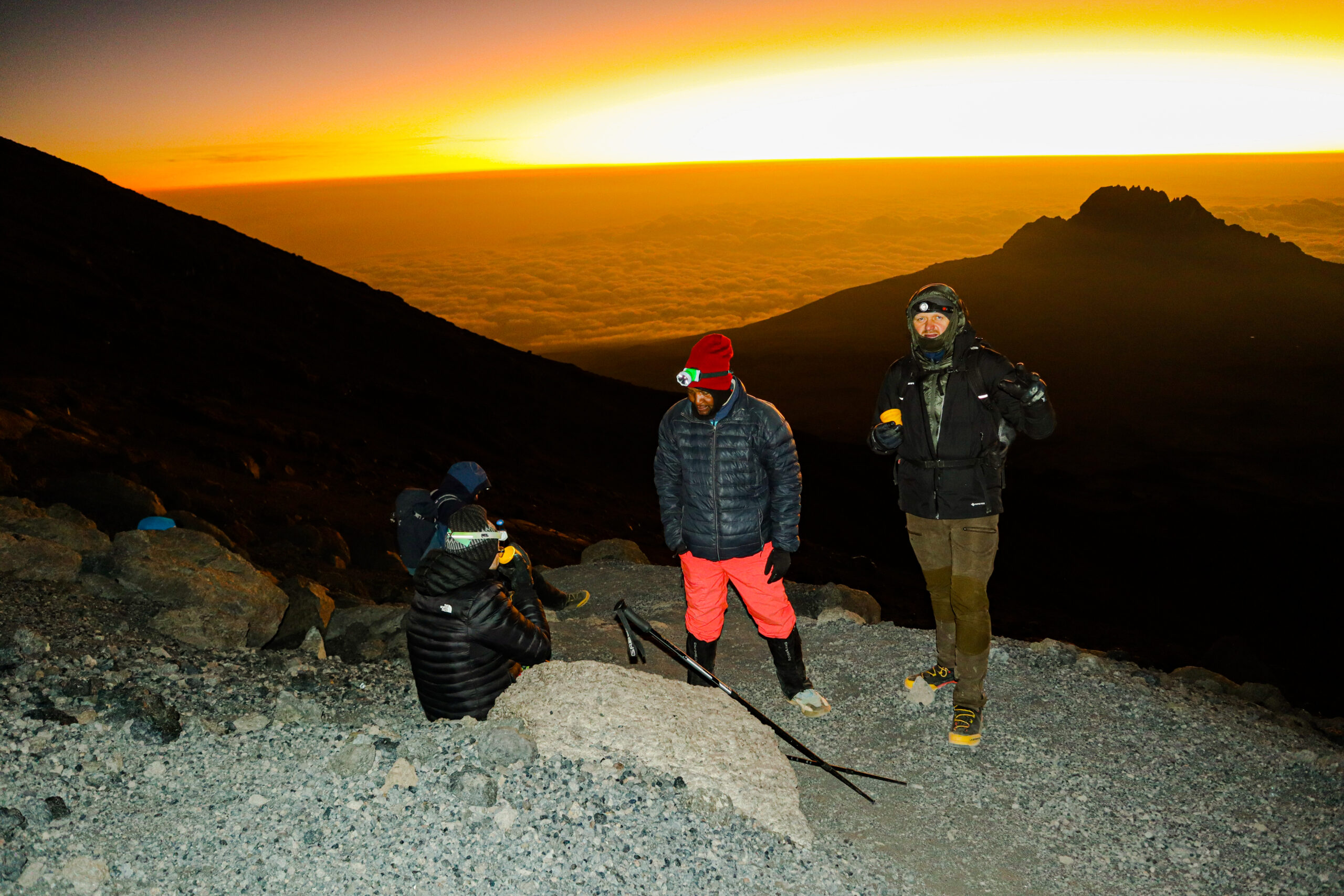
Guide Experience Example — Heart Condition
Climber: Male, 58, USA. History of atrial fibrillation, rate-controlled with bisoprolol. Clearance from cardiologist with hypoxic stress test result. 8-Day Lemosho Route, April 2024.
His cardiologist’s letter confirmed stable rate control under exertion, with specific guidance that altitude was appropriate under continuous pulse monitoring. At Karanga Camp (4,035m), his resting heart rate read 91bpm — within the cardiologist’s acceptable range. Our guide checked pulse rhythm manually at each camp. The summit push was paced at 60% slower than standard to reduce cardiac load. He reached Uhuru Peak. The hypoxic stress test data — not a routine GP clearance — was the document that made a safe attempt possible.
This case reflects our operational experience. It does not guarantee identical outcomes for other climbers with arrhythmia.
Guide Observation
With cardiac clients specifically, the summit-night pulse check matters more than the daytime readings — resting heart rate at Barafu tells us more about reserve capacity than anything measured lower on the mountain.
Does High Blood Pressure Affect Kilimanjaro Climbing?
Short answer: Altitude raises systolic blood pressure 10–15 mmHg in healthy adults above 3,500m. For climbers with existing hypertension, this stacks on an already-elevated baseline. Some blood pressure medications — particularly diuretics and beta-blockers — interact adversely with altitude physiology. Your doctor must review your specific medication for altitude compatibility before the climb.
Blood pressure at altitude
Even clinically healthy adults with normal blood pressure experience elevation at altitude. A climber with a resting blood pressure of 120/80 at sea level may measure 130–135/88–92 at Barafu. Add exertion, sleep disruption, dehydration, and cold — all standard conditions on Kilimanjaro — and readings can increase further. Severely elevated blood pressure at altitude increases the risk of HACE, HAPE, and cerebrovascular events in individuals with underlying vascular compromise, a pattern documented in International Society for Mountain Medicine altitude illness guidance.
Medication interaction points your doctor must assess
- Diuretics accelerate fluid loss. Dehydration is already a risk on Kilimanjaro, and a diuretic that works appropriately at sea level can push a climber into dehydration above 4,000m — which concentrates blood, raises pressure further, and increases clot risk.
- Beta-blockers reduce heart rate. The heart rate increase at altitude is a compensatory response — the body’s way of delivering more oxygen-carrying blood per minute. Beta-blockers that blunt this response can impair acclimatization.
When hypertension makes Kilimanjaro inadvisable: consistently above 160/100 on medication, hypertension with end-organ damage (kidney, eye, or cardiac), and recent hypertensive crisis.
Can You Climb Kilimanjaro With Bad Knees, Joint Conditions, or Arthritis?
The ascent is rarely the problem on Kilimanjaro. The descent — 4,000 vertical metres over 8–10 hours on loose scree and rocky trail — is where joint conditions produce their consequences. Trekking poles, specific route selection, and trained descent pacing reduce impact significantly. Surgeon clearance is required after joint replacement.
The descent is the problem — not the ascent
Going uphill on Kilimanjaro is steady, gradual, and forgiving on joints on most routes. The pace is deliberately slow. Our guide Isack Mlala, with 15 years on the mountain, describes the ascent as “a long walk that tests your lungs before your knees.” The descent from Uhuru Peak to Mweka Gate happens after a climber has already been awake for 18–20 hours. Each downhill step generates 3–5 times body weight as load through the knee joint, and thousands of repetitions in that fatigued state accumulate into real stress.
What works for joint conditions
- Trekking poles are mandatory for any climber with joint concerns. Two poles, properly adjusted for downhill use, reduce impact load through each knee by 20–30% per step.
- Knee braces or supports — if you use them at home during hiking, bring them and test them on long training hikes first.
- Route selection matters. The 8-Day Lemosho Route distributes the descent more gradually than a compressed 6-day itinerary.
- Descent pace is actively managed by guides for disclosed joint conditions — shorter steps, more frequent micro-breaks, and a reduced pace.
Guide Experience Example — Joint Replacement
Climber: Female, 62, Netherlands. Right knee total replacement 26 months before the climb. Clearance from the orthopedic surgeon. 8-Day Lemosho Route, September 2024.
She brought a written letter from her surgeon confirming the replacement was structurally sound for sustained trekking. She had trained specifically on long descents — 900m vertical descent sessions — for three months before departure. She used two adjustable trekking poles for every step of the descent from Uhuru Peak. Our guide, John Akaro, paced the descent at approximately 70% of standard speed with 5-minute breaks every 45 minutes. She completed the descent to Mweka Gate without incident.
This case reflects our operational experience. It does not guarantee identical outcomes for other climbers with joint replacement.
Can You Climb Kilimanjaro With a Mental Health Condition?
Kilimanjaro is increasingly chosen by people managing depression, anxiety, PTSD, and addiction recovery as a purposeful challenge. The mountain can be genuinely meaningful. It can also be destabilizing. Altitude-induced sleep deprivation amplifies depression, anxiety, and emotional volatility. Guide disclosure — done confidentially — is the single most important protective factor.
What the mountain actually does to mental health
Many climbers describe their summit as a turning point in their recovery. The structure, purposefulness, and physical exhaustion of mountain life have genuine documented psychological value. But the mountain also places specific stresses on mental health systems.
- Sleep deprivation at altitude is significant. Oxygen saturation drops during sleep above 4,000m. Poor sleep amplifies depression, anxiety, and PTSD reactivity.
- The summit push requires 12–15 hours of sustained effort in darkness and extreme cold — a physiological state that reliably produces irritability and impaired judgment in anyone.
- Altitude produces “summit fever” — a cognitive distortion that overrides rational decision-making. This is amplified in climbers for whom the summit carries intense personal meaning.
What your guide needs to know
You do not need to provide your full clinical history. Your guide needs to know: whether you take medication that affects mood, cognition, or sleep; what situations could trigger a specific response; what that response looks like from the outside; and what helps when it occurs.
Guide Experience Example — Anxiety Disorder
Climber: Female, 29, Canada. Generalized anxiety disorder, managed with an SSRI. 8-Day Lemosho Route, March 2025.
She disclosed her anxiety at booking and again at the pre-climb briefing, describing her pattern: anxiety spikes when she feels physically out of control or cannot see the path ahead. Our guide, Daniel Mbise, narrated each section of the route in advance. At 4,900m during the summit push, she stopped and said she could not continue. Our guide sat with her for 22 minutes without pressure. She restarted and reached Uhuru Peak. The narrated route description and unhurried rest time worked entirely because the information had been disclosed beforehand.
This case reflects our operational experience. It does not guarantee identical outcomes for other climbers with anxiety.
What Other Medical Conditions Do We Get Asked About?
Sleep apnea and Kilimanjaro
Sleep apnea causes repeated drops in blood oxygen during sleep at sea level. Altitude compounds this — reduced atmospheric oxygen plus apnea episodes can produce nighttime saturation readings below 60% at Barafu Camp, compared to 75–80% in a non-apnea climber at the same elevation. CPAP therapy is generally impractical above 4,000m due to cold and battery limitations. Discuss with a sleep medicine specialist before booking.
Epilepsy and Kilimanjaro
Altitude and sleep deprivation are both potential seizure triggers. A climber who has been seizure-free for 12+ months on a stable regimen presents a different risk profile than someone with recent breakthrough episodes. This requires neurologist clearance, not GP clearance.
Previous cancer treatment and Kilimanjaro
Chemotherapy and radiation can affect cardiac function, lung capacity, and nerve sensitivity — all of which interact with altitude physiology. An oncologist familiar with your treatment history is the appropriate clearance source. Cancer survivors have climbed Kilimanjaro; the assessment must be individualized.
Autoimmune conditions and Kilimanjaro
Lupus, rheumatoid arthritis in active flare, and inflammatory bowel disease during active episodes all present altitude-specific considerations. Many immunosuppressant medications also affect infection risk and cold tolerance. This requires clearance from your rheumatologist or treating specialist.
Obesity, high BMI, and Kilimanjaro
BMI is not a disqualifying factor. Cardiovascular fitness and joint load tolerance matter more than BMI as predictors of summit outcome. Pre-climb assessment with a GP or cardiologist is advisable for climbers with BMI above 35 who also carry hypertension, diabetes, or sleep apnea. See our Kilimanjaro fitness assessment guide for a realistic readiness check.
What Are the Emergency Protocols on Kilimanjaro?
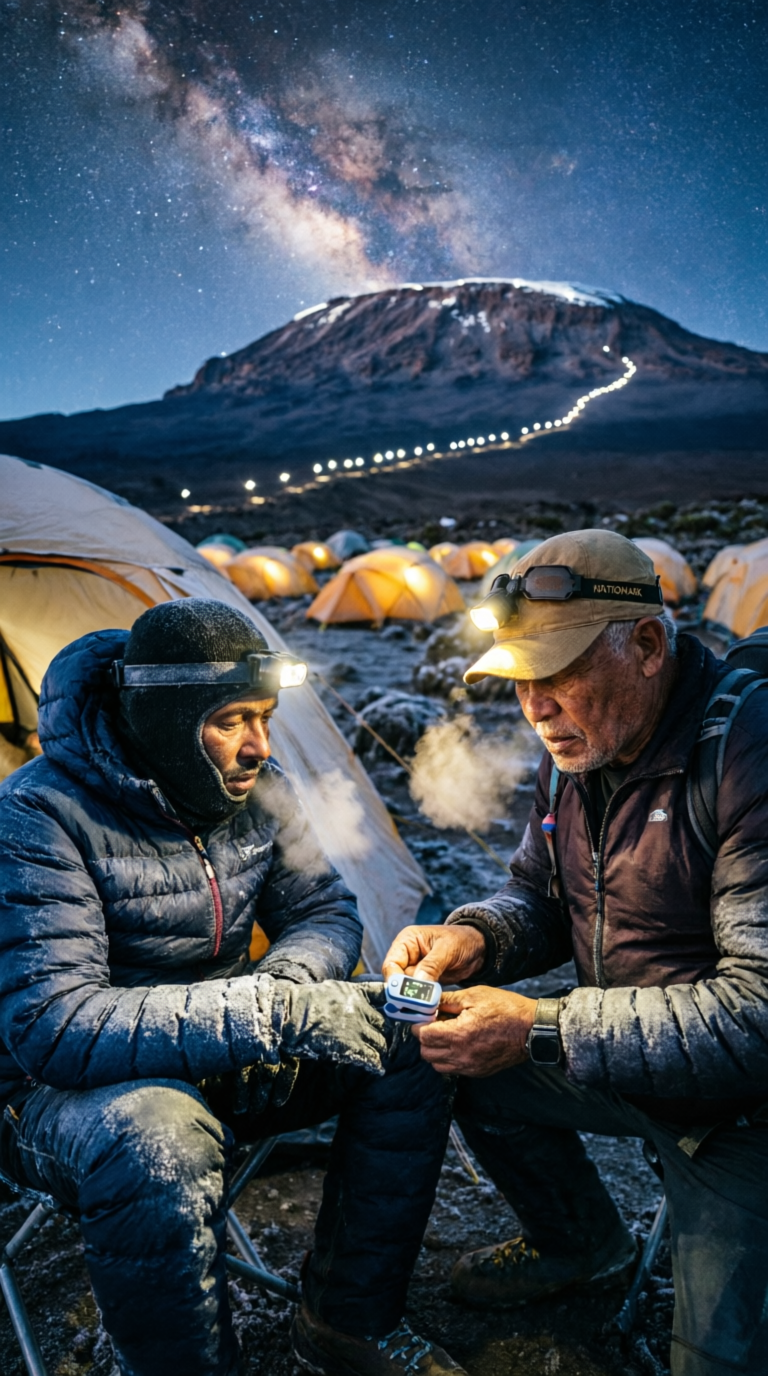
Kilimania guides carry pulse oximeters, altitude-specific first aid supplies, emergency supplemental oxygen, and satellite communication on all routes. Stretcher evacuation from Barafu Camp takes 6–10 hours. Helicopter evacuation is weather and daylight-dependent — no flights at night. The nearest altitude medicine facility is KCMC in Moshi, 2–3 hours from the park gates.
Decision framework when symptoms appear
- Monitor and continue — mild symptoms appropriate for the altitude, improving with rest and pace reduction.
- Descend to the lower camp — symptoms not resolving or worsening. One guide descends with the client; the rest of the team continues under a second guide if group size allows.
- Emergency evacuation — serious or life-threatening condition. Supplemental oxygen administered immediately, descent initiated, park rescue coordination contacted, stretcher prepared, helicopter requested.
The reality of Kilimanjaro evacuation
Stretcher evacuation from high camps takes 6–10 hours to the park gate, plus 2–3 hours to KCMC in Moshi — a total response-to-hospital time of 8–13 hours from high altitude. A summit-night medical event beginning around 11pm means no helicopter before approximately 6–7am at the earliest, and only if weather permits. This timeline is the reason we insist on specialist clearance for cardiac history and require travel insurance with evacuation coverage for all clients.
What Information Must You Give Your Guide Before the Trailhead?
Your guide cannot monitor what they do not know about. Every piece of medical information is treated confidentially — shared only with the lead and assistant guide responsible for your safety.
- Current medications — exact name, dosage, and purpose, plus where each is stored, since cold affects many medications above 3,000m.
- Relevant recent history — hospitalizations, surgeries, or significant condition changes in the 12 months before the climb.
- Your doctor’s altitude-specific guidance — modified medication schedules, symptoms to monitor, and conditions for descent, in writing where possible.
- Emergency protocols — for anaphylaxis, severe asthma, Type 1 diabetes, cardiac history, or seizure disorder: where the medication is, what the guide does, and what the timeline looks like.
- Insurance details — helicopter evacuation from Kilimanjaro is typically cited between $2,000 and $5,000 USD; confirm the exact current figure with your insurer, since rates change. Stretcher evacuation is lower cost but takes 6–10 hours. Your guide needs to know evacuation is covered so cost never delays a life-saving decision.
Kilimanjaro Route Comparison for Climbers With Medical Conditions
| Route | Duration | Acclimatization | Descent | Recommended For |
|---|---|---|---|---|
| Lemosho | 8 Days | Excellent (“climb high, sleep low”) | Moderate, gradual via Mweka | Cardiac conditions, Type 1 diabetes, joint replacements, anxiety disorders |
| Northern Circuit | 9 Days | Excellent — longest acclimatization period | Gradual | Most chronic medical conditions |
| Machame | 7 Days | Good | Steep Mweka descent after summit | Controlled asthma, hypertension, strong mobility |
| Marangu | 6 Days | Poor — fastest altitude gain | Gradual hut descent | Generally not recommended for chronic conditions |
For a full breakdown of gradient, distance, and daily walking hours by route, see our Kilimanjaro fitness assessment guide and our note on 10 reasons you should not climb Kilimanjaro (and 5 why).
What Do Client Testimonials Tell Us?
“I was worried that my asthma would end my climb above 4,000 meters. Our guide monitored my pace carefully, and when I experienced mild symptoms near Lava Tower, we slowed down and followed my action plan. Seven days later, I stood on Uhuru Peak.”
“After knee replacement surgery, I wasn’t sure Kilimanjaro was still possible. Kilimania recommended the 8-day Lemosho Route, and using trekking poles made a huge difference on the descent. The extra acclimatization days gave me confidence, and I reached the summit safely.”
Why Trust Kilimania Adventure for This Information
- Base: Moshi, Kilimanjaro Region, Tanzania — a physical office, not an online booking platform.
- TATO registration: Registered member of the Tanzania Association of Tour Operators — verify our listing directly.
- Kilimanjaro experience: Sabinus Msimba — 22 years, 300+ guided summits, KINAPA-licensed.
- Operational medical experience: Kilimania guides have assisted climbers with disclosed asthma, Type 1 diabetes, cardiac arrhythmia, knee replacement, and anxiety disorders.
- Transparency commitment: we publish the evacuation timeline and the honest cases where a condition makes the climb inadvisable.
📥 Free Download: Kilimanjaro Altitude Symptom & AMS Checklist
Altitude illness is the leading reason climbers turn around on Mount Kilimanjaro. This checklist is used by Senior Guide Sabinus Msimba and the Kilimania Adventure team to monitor climbers throughout every expedition.
- Normal acclimatization symptoms above 3,000m
- Acute Mountain Sickness (AMS) warning signs
- HACE and HAPE emergency symptoms
- Daily health monitoring form (SpO₂, pulse, hydration)
- Guide reporting and self-assessment checklist
This checklist is for educational purposes only and does not replace professional medical advice. Climbers with pre-existing medical conditions should consult a physician before high-altitude travel.
Safety and Financial Accuracy Notice (YMYL)
Safety information: This article discusses altitude-related risks, including HACE, HAPE, and cardiac events at altitude. Where specific risks are mentioned, the source is stated (Wilderness Medical Society guidance, International Society for Mountain Medicine guidelines, CDC Travelers’ Health, or Kilimania operational experience). No risk is minimized. Readers are directed to specialist consultation for all condition-specific guidance.
Financial accuracy: Evacuation cost estimates are typical industry figures as of June 2026 and are provided for planning purposes only. Confirm current rates directly with your travel insurance provider and with TANAPA before booking, as these fluctuate with fuel prices and provider.
FAQ: Climbing Kilimanjaro With Medical Conditions
Can you climb Kilimanjaro with asthma?
Climbers with mild to moderate, well-controlled asthma summit Kilimanjaro regularly. Cold dry air above 4,000m is the primary trigger. Your rescue inhaler must be stored against your body to prevent freezing at -12°C. Follow a doctor-prescribed altitude protocol. Disclose your condition and trigger pattern to your guide. Severe or uncontrolled asthma requires specialist review before any attempt.
Can diabetics climb Kilimanjaro?
Both Type 1 and Type 2 diabetics have completed Kilimanjaro with Kilimania guides. Altitude makes blood glucose less predictable through stress hormones and sustained exertion. Insulin freezes at 2°C below — store it against your body. A CGM with a backup reader is strongly advisable. You need an altitude-specific protocol from your endocrinologist, not just your standard management plan.
Is Kilimanjaro safe for someone with a heart condition?
It depends entirely on the specific condition and specialist assessment. We require written cardiologist clearance — not GP clearance — before accepting any booking with a cardiac history. A cardiac exercise or hypoxic stress test provides the most relevant altitude-specific data. Evacuation from Barafu takes 6–10 hours by stretcher. This context must inform your decision.
Can cancer survivors climb Kilimanjaro?
Chemotherapy and radiation can affect cardiac function, lung capacity, and nerve sensitivity — all of which interact with altitude physiology. The specifics depend on which treatment, how recently, and whether organ function has returned to pre-treatment baseline. An oncologist familiar with your treatment history is the appropriate clearance source.
Can you climb Kilimanjaro after a knee replacement?
Yes, with orthopedic surgeon clearance, appropriate timing post-surgery (typically 18–24 months minimum), descent-specific training, two trekking poles, and a route with gradual descent. The ascent is not the challenge — the 4,000m descent to Mweka Gate on fatigued legs is.
Can you climb Kilimanjaro with a pacemaker?
Pacemakers have been approved for use in many patients. The key factors are the underlying cardiac condition, the pacemaker model and its altitude settings, and whether it compensates adequately for altitude’s heart rate demands. This requires cardiology review specific to altitude physiology, not a routine pacemaker check.
Does altitude affect blood pressure medication?
Yes, in some cases significantly. Diuretics increase dehydration risk. Beta-blockers can blunt the heart rate compensation your body uses at altitude. Your prescribing doctor must review every blood pressure medication for altitude compatibility before the climb.
Can you take Diamox with diabetes?
Diamox (acetazolamide) is a carbonic anhydrase inhibitor used for AMS prevention. It has diuretic effects that can affect blood glucose and fluid balance in diabetic climbers. Interaction with specific diabetes medications requires review by your endocrinologist before use.
Can obesity prevent you from climbing Kilimanjaro?
BMI is not a disqualifying factor. Cardiovascular fitness and joint load tolerance matter more than weight as predictors of summit outcome. For climbers with BMI above 35 who also carry hypertension, diabetes, or sleep apnea, a cardiovascular assessment before booking is advisable.
Can people with sleep apnea climb Kilimanjaro?
Sleep apnea causes repeated oxygen drops during sleep at sea level. Altitude compounds this significantly. Severely disrupted nights above 4,000m produce fatigue and impaired judgment that worsen the summit push. CPAP is generally impractical above 4,000m. A sleep medicine specialist should assess your specific severity.
Conclusion
The 300+ climbers Kilimania guides have brought to Uhuru Peak include people with asthma, diabetes, managed arrhythmia, knee replacements, and mental health conditions — because preparation and disclosure, not diagnosis, determine outcomes. The most common reason climbers with medical conditions do not summit safely is not the condition itself: it is the undisclosed, inadequately cleared, or poorly prepared management of that condition above 4,000m. Choose a route of at least 8 days — the 8-Day Lemosho Route or the Northern Circuit — and build your specialist clearance process before you book. Browse all Kilimania Kilimanjaro climbs and itineraries to find the right route for your medical profile.
We Walk With You.
Plan Your Kilimanjaro Climb — Get a Medical-Aware Quote
Send us your diagnosis, current medications, age, fitness baseline, planned route, and any specialist guidance already received. We return a full pre-climb assessment within 12 hours: a route recommendation based on your medical profile, what your specialist needs to provide in writing, what our guides will monitor, and a complete itemized quote. We are KINAPA-licensed and TATO-registered.
WhatsApp +255 756 449 990 | info@kilimania.co.tz
Response times: East Africa Time (EAT, UTC+3), Moshi, Tanzania. Messages after 6pm EAT receive replies the following morning.
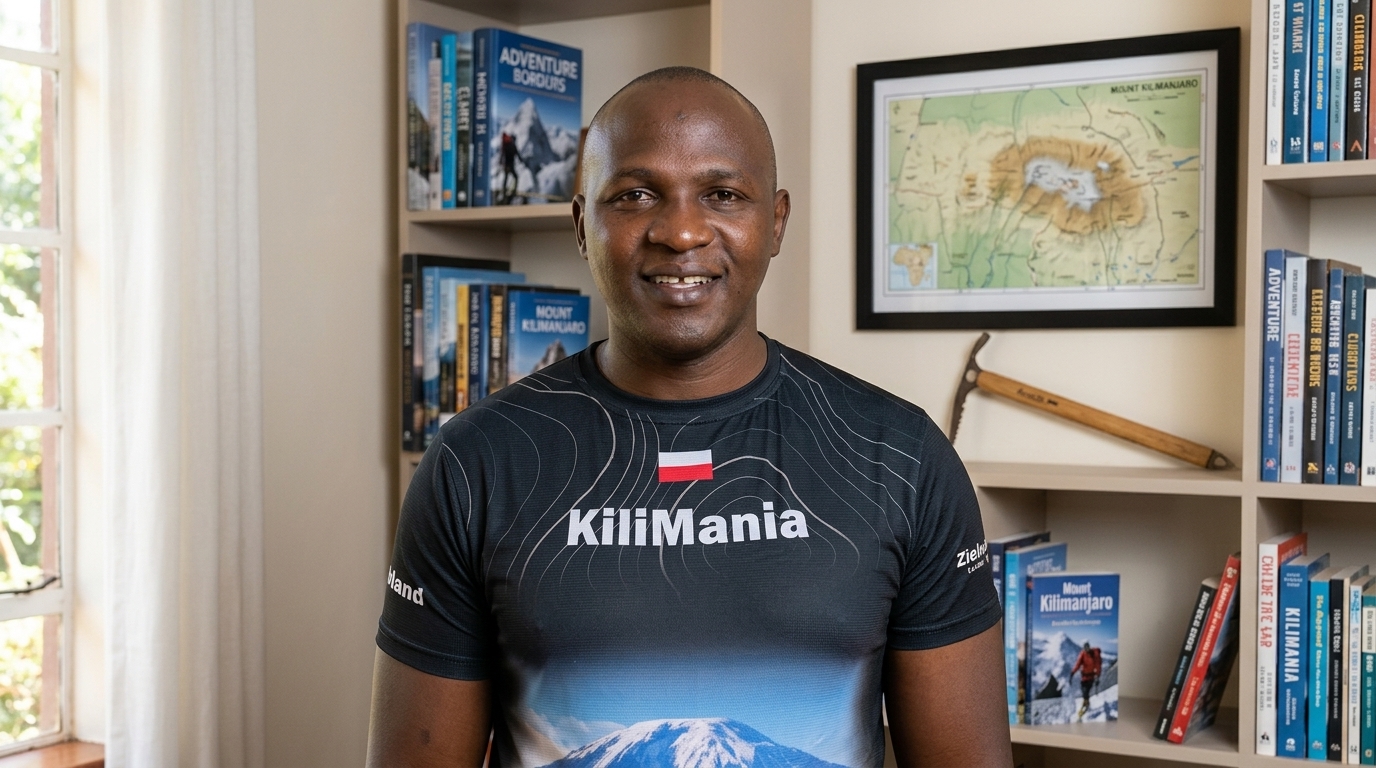
Sabinus Msimba
Senior Kilimanjaro Guide & Co-founder, Kilimania Adventure
22 years guiding on Mount Kilimanjaro. 300+ verified summit ascents. KINAPA-licensed mountain guide. Wilderness First Responder trained. Based in Moshi, Kilimanjaro Region, Tanzania.
Disclosure: This article is written by Kilimania Adventure, a TATO-registered safari and Kilimanjaro climbing operator based in Moshi, Tanzania. We have a direct commercial interest in Tanzania safari and Kilimanjaro bookings. All operational data reflects our own guided climbs. We encourage you to compare our information with at least two other TATO-registered operators before booking.
External reference sources consulted: Wilderness Medical Society, International Society for Mountain Medicine, CDC Travelers’ Health, KINAPA, TANAPA.
Last reviewed: June 2026. Next scheduled review: November 2026.