Shira Route — 7-Day Kilimanjaro Climb
Western plateau approach · high-altitude start · 7 days on the mountain · Uhuru Peak 5,895m
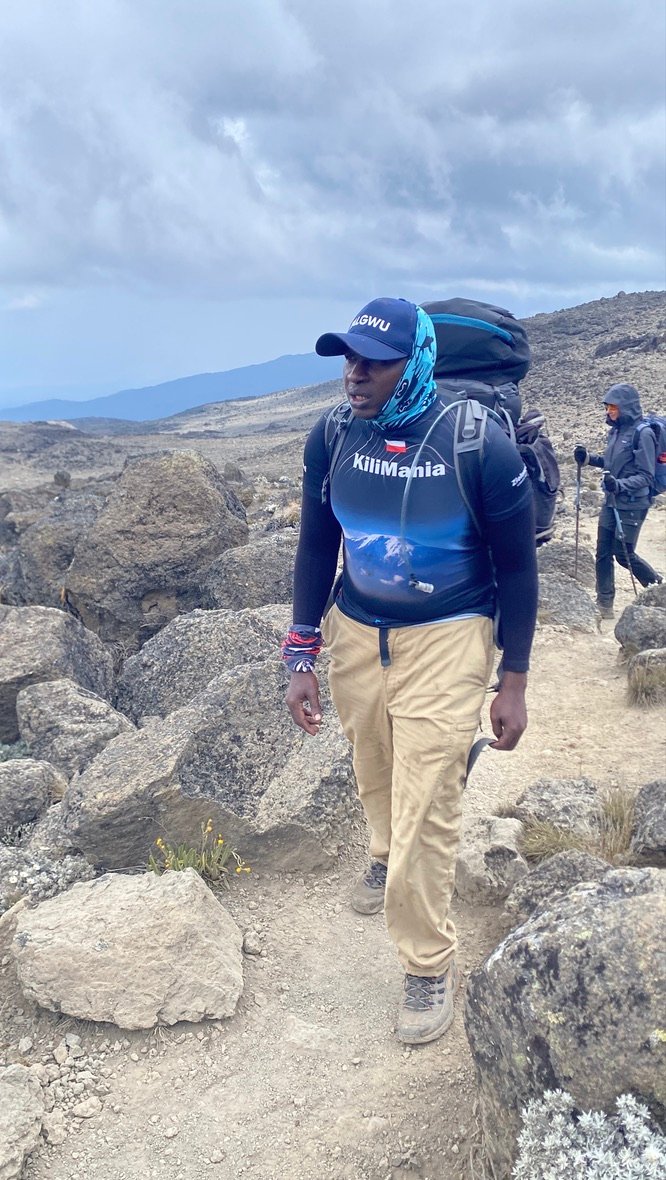
The 7-day Shira Route works well if you have already spent time at altitude above 3,000m in the week before your climb. It starts high — your vehicle drops you at Shira Gate (roughly 3,500m) on Day 1, with no forest acclimatization buffer. Climbers arriving from sea level who have not pre-acclimatized will find Day 1 noticeably harder than on Lemosho or Machame. If that describes you, the 8-day Lemosho Route is the better starting point.
What Makes the Shira Route Different
The Shira Route’s defining characteristic is its starting elevation. Most Kilimanjaro routes begin in dense rainforest at 1,800m–2,100m and spend the first day or two gaining altitude gradually through the vegetation zones. The Shira Route skips that entirely. You drive from Moshi directly to Shira Gate at approximately 3,500m — one of the highest road access points on the mountain — and start walking from there.
This is not simply a route quirk; it changes how your body responds. At 3,500m, atmospheric pressure is roughly 65% of sea level. If you flew into Kilimanjaro International Airport (JRO) at 896m within the last day or two and begin climbing the next morning, your body has had very little time to start adjusting. The first two days on Shira ask more of your physiology than the equivalent days on Lemosho or Machame.
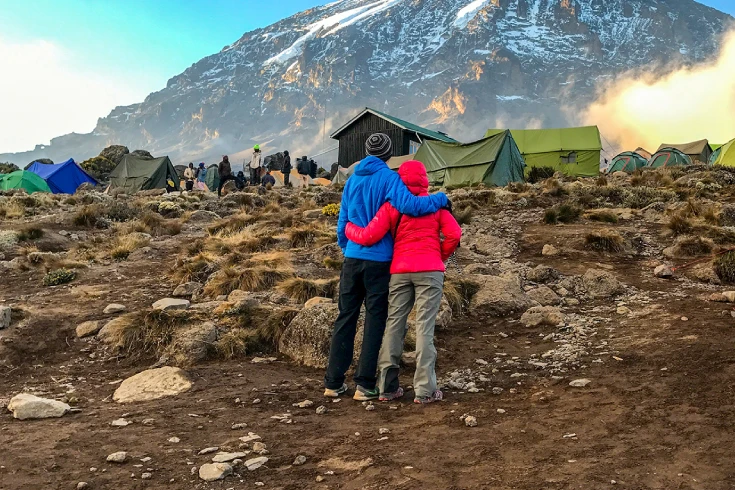
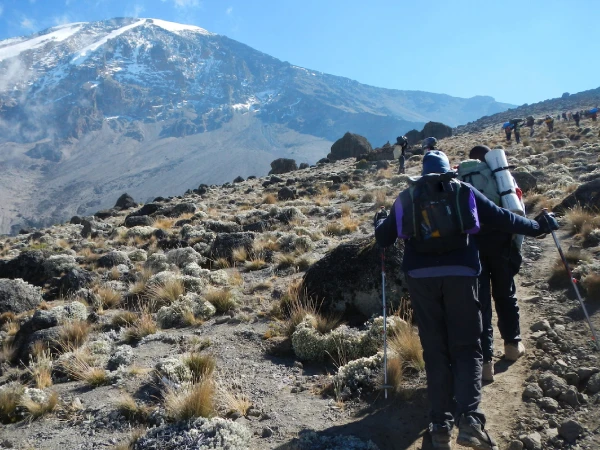
From Shira 2 Camp (around 3,840m) onward, the Shira Route joins the Lemosho Route and the two share identical terrain all the way to Uhuru Peak and the Mweka Gate descent. The Shira Plateau — a vast, open ancient caldera at about 3,800m — is the visual centrepiece of the opening days. On a clear morning you can see Kibo’s ice fields to the east and the Shira Ridge to the north. Wind on the plateau can be sustained and cold; start early each day.
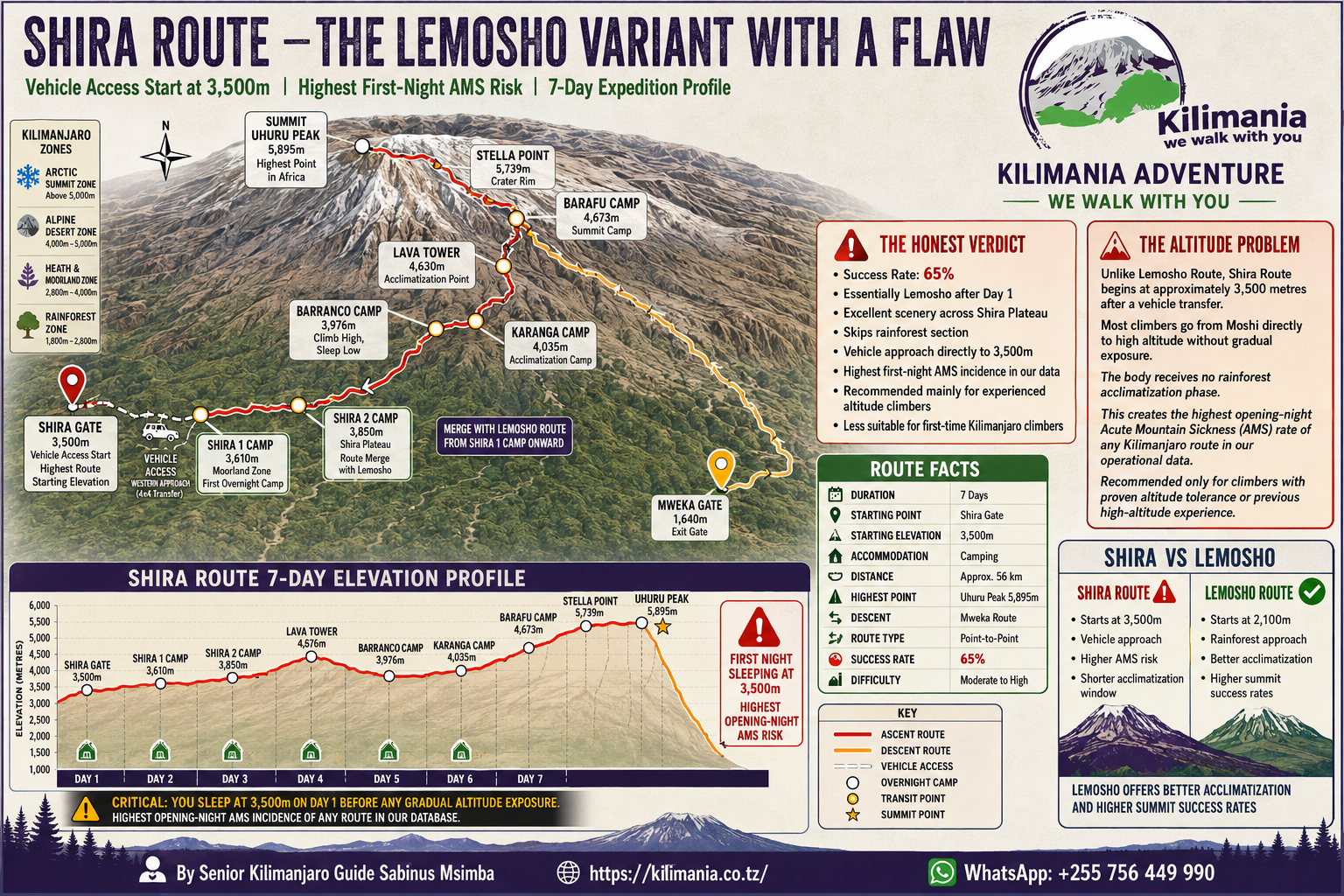
From Kilimania’s operational experience: the most common reason clients on the 7-day Shira Route do not reach Uhuru Peak is Acute Mountain Sickness that begins on Day 1 and does not settle by Day 3. Pre-acclimatization is not a suggestion on Shira — climbers who have spent recent nights above 2,500m before starting handle the opening days noticeably better than those arriving directly from sea level.
Who Should Choose the 7-Day Shira Route
✅ Good fit for Shira if you…
- Have spent 2+ nights above 3,000m in the 10 days before your climb
- Are a returning Kilimanjaro climber with a known good altitude response
- Need to complete the climb in 7 mountain days and cannot add an 8th
- Want maximum time on the open Shira Plateau with minimal forest walking
- Are joining a Kilimania group departure scheduled on this route
⚠️ Consider Lemosho instead if you…
- Have never trekked above 3,500m before
- Are flying to Tanzania directly from a sea-level location and starting within 2 days of arrival
- Have a history of AMS at moderate altitude
- Are in a mixed-fitness group with varied altitude backgrounds
- Have 8 days available — the extra forest day measurably improves acclimatization
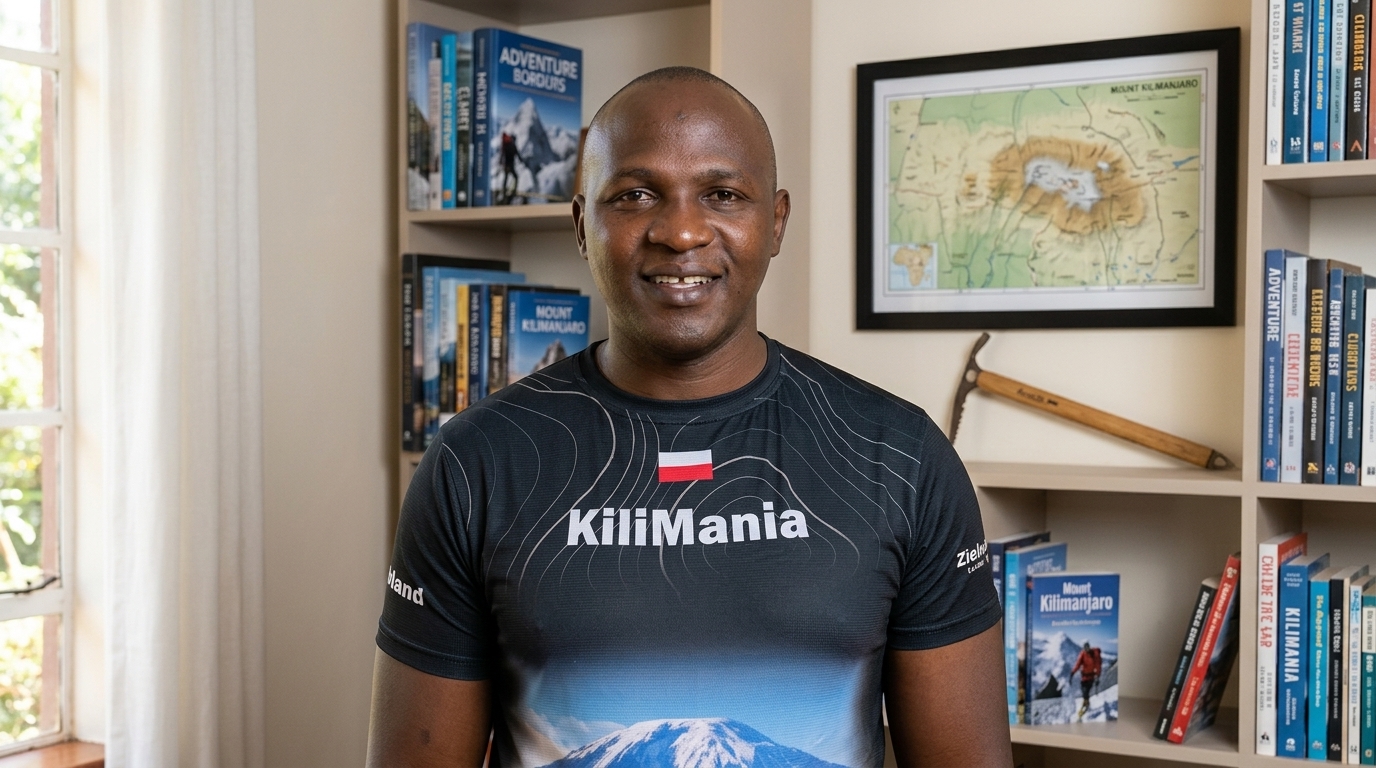
A note from Sabinus: “If a client tells me they’ve been trekking at altitude in the weeks before arriving, Shira works well. If the same client flew in yesterday from sea level, I’ll usually suggest Lemosho, or an extra acclimatization night in Moshi or Arusha first. A half-day stop is not lost time — it’s an investment.” — Sabinus Msimba, Kilimania Senior Guide.
Check 7-Day Shira Availability
Tell us your dates and altitude background and we will confirm whether Shira is the right fit — or recommend an alternative if it isn’t.
Complete 7-Day Shira Route Itinerary
The total Kilimania Shira package runs 8 total days including travel: Day 0 (arrival and briefing in Moshi) through Day 7 (descent and departure). On the mountain itself, you spend 7 days and 6 nights, sleeping at progressively higher camps before summit night and descending via Mweka Gate on the final mountain day.
Your Kilimania team collects you from Kilimanjaro International Airport (JRO) and transfers you to your hotel in Moshi. In the evening, the lead guide runs the full equipment check and route briefing, covering daily schedule, pace expectations, altitude symptom recognition, KINAPA regulations, and porter welfare in line with KPAP guidelines.
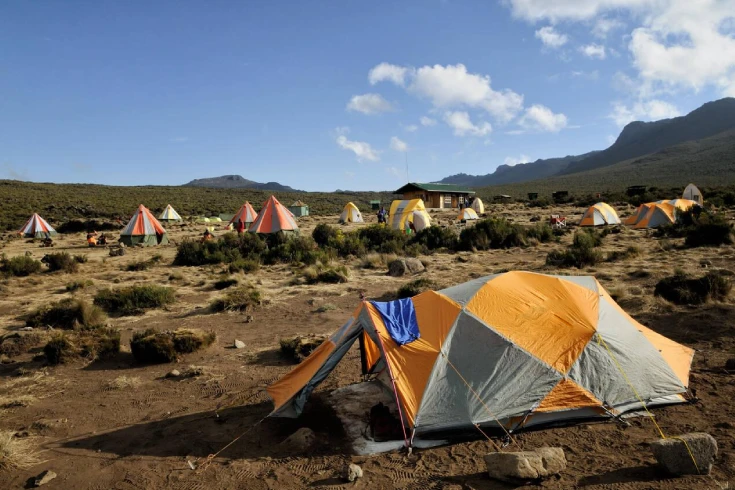
The drive from Moshi to Shira Gate takes roughly 3.5–4 hours. KINAPA rangers register permits and inspect equipment. You begin walking from about 3,500m — immediately at high altitude, in open heath terrain. The walk to Shira 1 Camp is short in distance but significant physiologically; the camp sits exposed with wide views across the plateau.
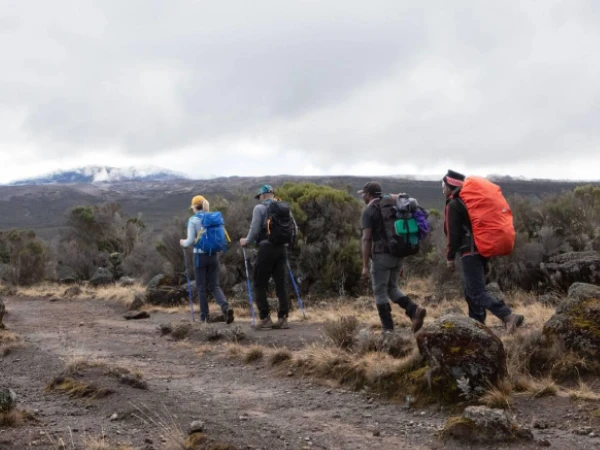
The second day crosses the heart of the Shira Plateau — open, gently undulating, carpeted with heather. Wind is typically strongest in the afternoon; aim to reach camp by early afternoon. From Shira 2, the route converges with Lemosho, and all subsequent days are identical on both.
The most important acclimatization day on the route. You climb to Lava Tower then descend to sleep at Barranco — applying the “climb high, sleep low” principle. The landscape shifts into the giant groundsel zone found nowhere else on Earth at this elevation.
Day 4 opens with the Barranco Wall — a steep scramble with no technical climbing required. After the wall, the path traverses the Southern Circuit toward Karanga Valley, a ridgeline walk with exposure on both sides.
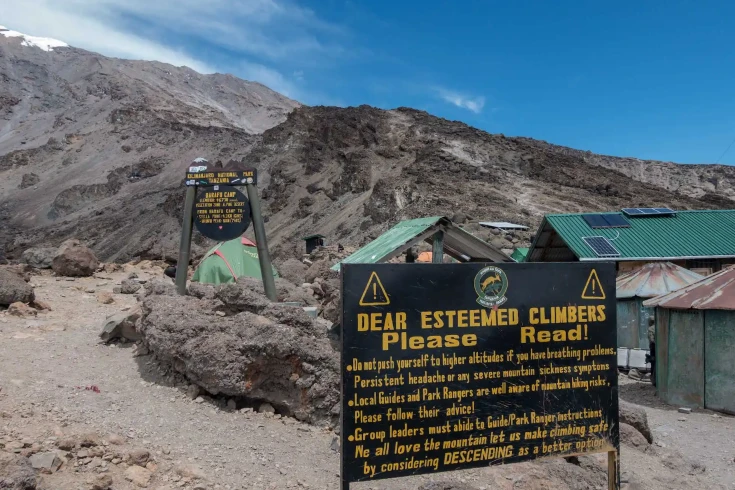
Short in distance, significant in elevation. Barafu sits on a narrow ridge with sweeping views. Arrive by midday, eat a full early dinner, and sleep by early evening — summit departure is typically around midnight.
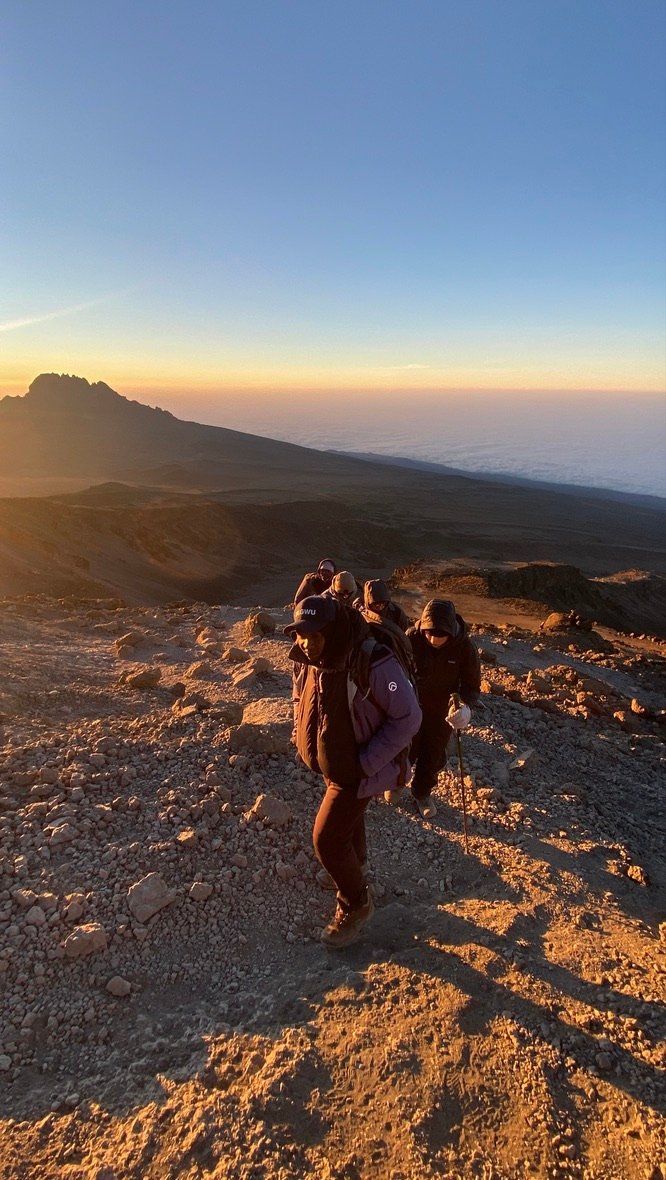
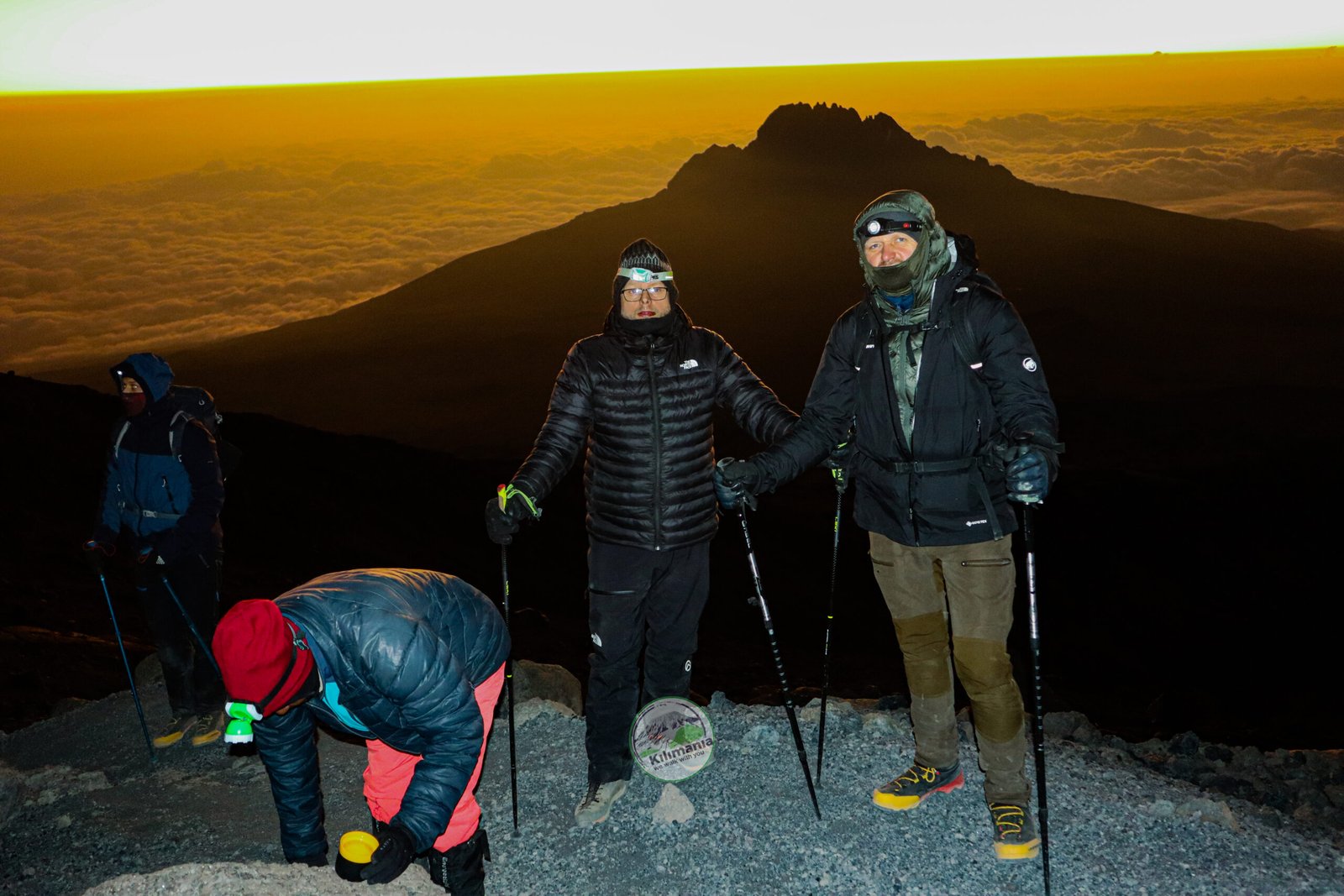
Summit night is the hardest day by a considerable margin. You leave Barafu around midnight in sub-zero temperatures, climbing to Stella Point then Uhuru Peak (5,895m) over 5–7 hours. Reaching the summit does not end the day — you then descend over 2,500m to Mweka Camp. No sunrise or summit success can be promised; every decision on summit night is made by an experienced KINAPA-licensed guide using SpO₂ data and visible symptoms.
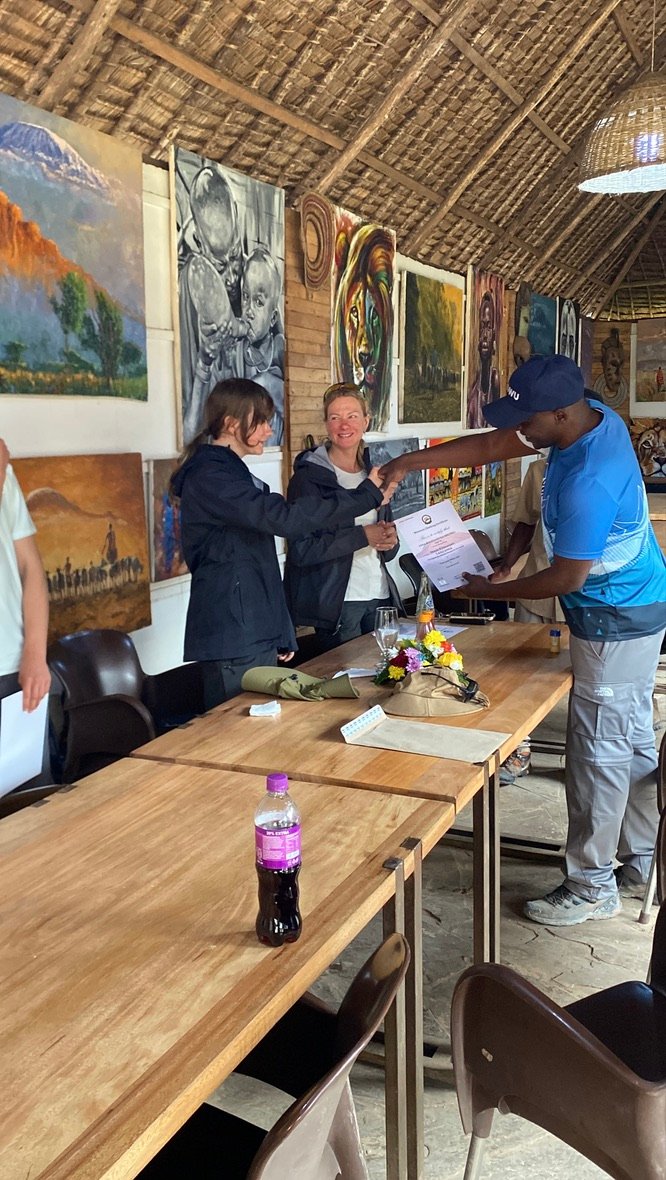
Final descent through montane forest to Mweka Gate. KINAPA rangers issue your summit certificate — green for Stella Point, gold for Uhuru Peak. Transfer to Moshi hotel, celebration dinner in the evening.
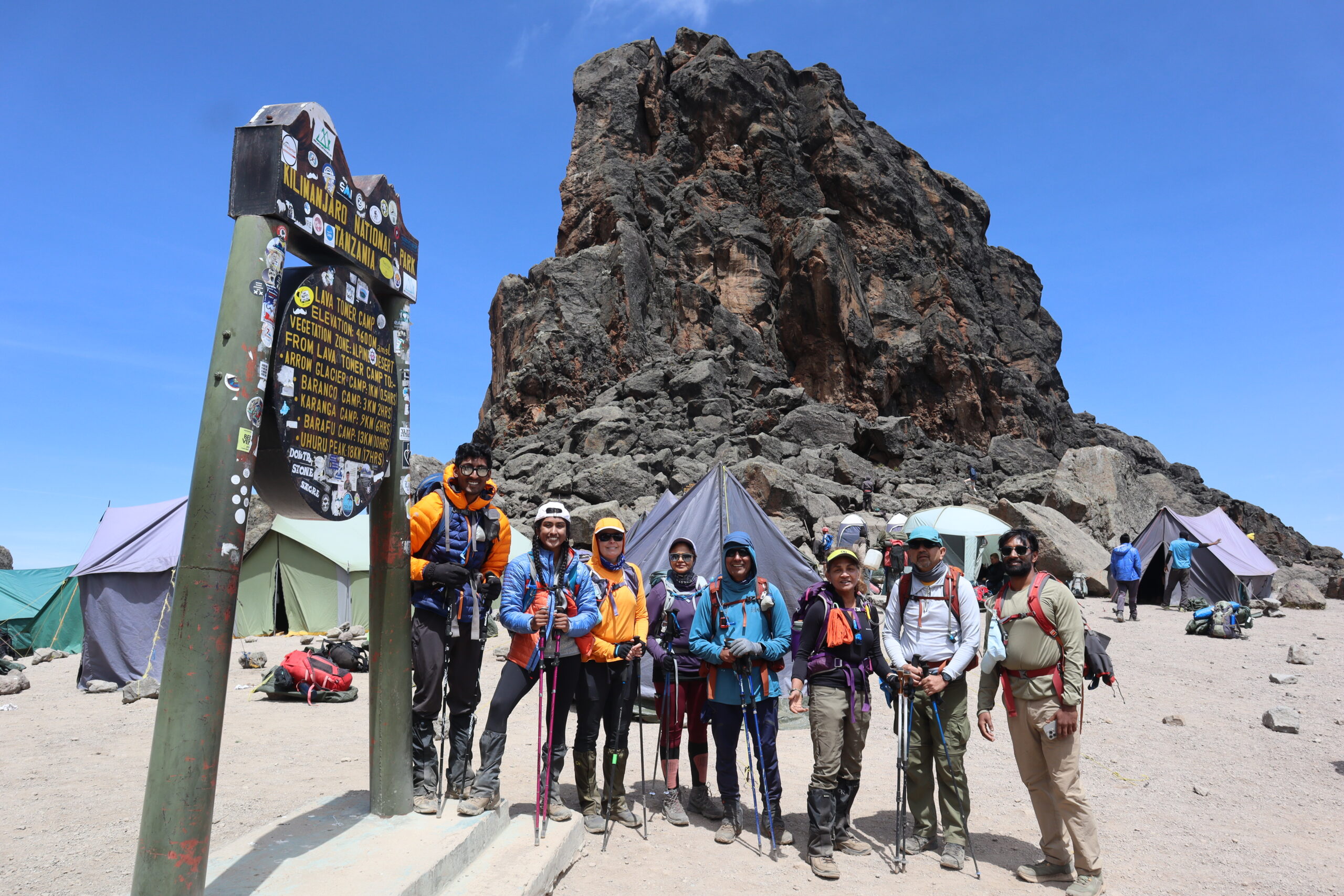
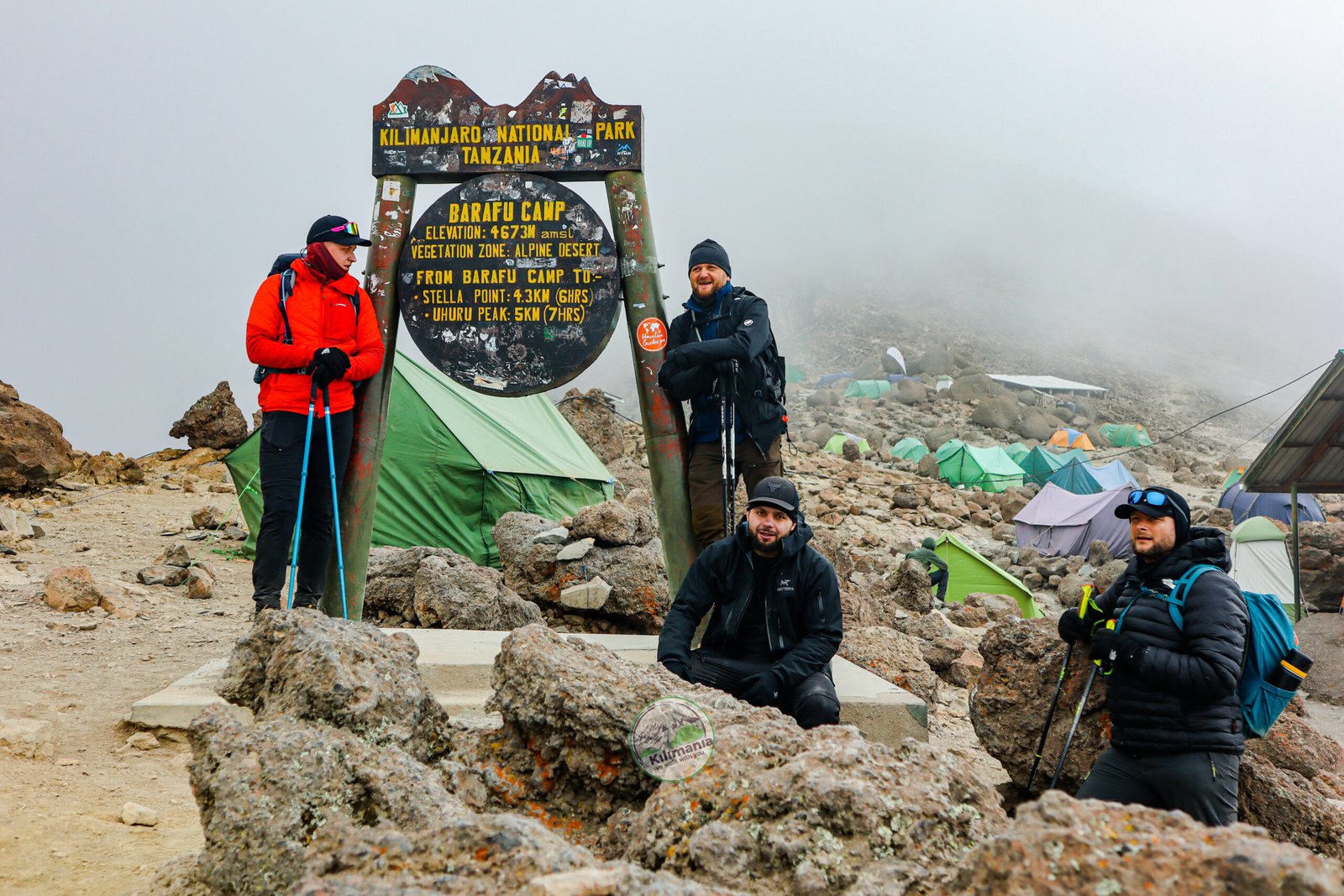
Elevation Profile — 7-Day Shira Route
| Location | Elevation | Day |
|---|---|---|
| Shira Gate / Day 1 start | ~3,500m | Day 1 |
| Shira 1 Camp | ~3,505m | Night 1 |
| Shira 2 Camp | ~3,840m | Night 2 |
| Lava Tower (day high point) | ~4,640m | Day 3 |
| Barranco Camp (sleep low) | ~3,975m | Night 3 |
| Karanga Camp | ~4,035m | Night 4 |
| Barafu High Camp | ~4,675m | Night 5 |
| Stella Point (crater rim) | 5,756m | Day 6 |
| Uhuru Peak ⭐ | 5,895m | Day 6 |
| Mweka Camp | ~3,105m | Night 6 |
| Mweka Gate | ~1,640m | Day 7 |
Elevations are approximate and vary slightly by source and GPS reading — figures reflect Kilimania’s operational data.
Difficulty Assessment
The 7-day Shira Route is rated moderate to challenging. There is no technical climbing — no ropes, harnesses, or climbing experience required. The challenge is physiological (altitude) and physical (terrain and distance on summit day).
Difficulty ratings reflect Kilimania guide assessments based on operational observation, not a formal statistical study specific to this route.
What fitness actually helps with — and what it does not
Good cardiovascular fitness helps you walk faster and recover between sections. It does not protect you from altitude sickness. Some of the fittest clients Sabinus has guided have turned back from altitude illness, while less athletic clients have summited by pacing carefully. See the Kilimania fitness assessment guide.
Shira Route vs Lemosho Route: The Honest Comparison
Both routes share identical terrain from Shira 2 Camp onward. The decision comes down almost entirely to the first two days — how you reach the plateau and how your body adapts to doing so.
| Factor | Shira — 7 Days | Lemosho — 8 Days |
|---|---|---|
| Entry point | Shira Gate, ~3,500m | Lemosho Gate, ~2,100m |
| Day 1 sleep elevation | ~3,505m High start | ~2,780m Gradual |
| Forest acclimatization day | No | Yes |
| Route overlap | Identical from Shira 2 Camp onward | |
| Total mountain days | 7 | 8 |
| Kilimania price (from) | USD 1,600 pp (group of 6) | See Lemosho page for current pricing |
| Recommended for | Pre-acclimatized, time-constrained climbers | First-timers above 3,500m; sea-level arrivals |
Sabinus’s recommendation: if you have 8 days and no prior experience above 3,500m, choose the 8-day Lemosho Route. The extra day costs one day of your trip but reduces the risk of an AMS-related turnaround in the opening days. If you are already acclimatized, the 7-day Shira is a sound, operationally proven option.
Shira Route vs Machame Route: Quick Comparison
| Factor | Shira — 7 Days | Machame — 6 or 7 Days |
|---|---|---|
| Approach | Western — Shira Gate | Southern — Machame Gate |
| Day 1 start elevation | ~3,500m High start | ~1,800m Forest start |
| Crowds | Low (western gate) | High — most popular route |
| Kilimania price (from) | USD 1,600 pp | See Machame route page |
Ask Sabinus Which Route Fits Your Situation
Share your dates, altitude history, and how many days you have — Sabinus will give you a direct recommendation.
7-Day Shira Route — Cost & Pricing
All Kilimania prices include KINAPA park fees, set by TANAPA and identical for every licensed operator.
| Group Size | Price Per Person | Notes |
|---|---|---|
| 1 (solo) | USD 1,900 | Private climb, dedicated guide team |
| 2 | USD 1,800 pp | |
| 3+ (joining group) | USD 1,750 pp | Joining price — see below |
| 4 | USD 1,700 pp | |
| 5 | USD 1,650 pp | |
| 6 | USD 1,600 pp | Best per-person value |
Prices last verified: 2026-08-29. Deposit: USD 100. Balance due 30 days before departure. Contact info@kilimania.co.tz for group quotes above 6 persons or joining calendar availability.
See also: Complete Kilimanjaro cost breakdown · Hidden costs to budget for · Guide and porter tipping amounts
Join a Group — Shared 7-Day Shira Route Departures
You don’t need a private group to climb the Shira Route. Kilimania runs scheduled group departures on this route throughout the year, and solo travelers, couples, and small groups can join an existing departure when space is available.
Joining price: USD 1,750 per person. This is the rate for travelers joining an existing shared Kilimania departure on the 7-day Shira Route — it is not a private booking, and it is charged per person regardless of how many other climbers are already confirmed on that departure. Joining is subject to availability of a confirmed group and departure date.
Available joining dates change throughout the year as groups fill up. Check current departures and reserve your place on the Kilimanjaro Joining Calendar — new group dates are added regularly.
Check Joining Group Dates
See which Shira Route departures currently have space, or ask us directly about your preferred month.
TANAPA park fees alone account for a substantial share of any Kilimanjaro climb’s cost. A quote well below Kilimania’s range is either inaccurate, uses unlicensed personnel, underpays porters below KPAP minimums, or cuts safety equipment. Ask any operator for their KINAPA licence number before paying a deposit. See how to choose a Kilimanjaro operator.
What Is Included
- KINAPA park fees and rescue fee
- KINAPA-licensed senior guide (plus assistant guide for groups of 4+)
- Mountain cook and full cooking team
- KPAP-aligned porters
- All mountain meals and purified drinking water
- 4-season tents, sleeping mats, dining and toilet tents
- Transfers: Moshi hotel ↔ Shira Gate ↔ Mweka Gate ↔ Moshi hotel
- Pre-climb equipment check and briefing
- Emergency supplemental oxygen and pulse oximeter monitoring above 3,500m
- First aid kit and KINAPA summit certificate
- Post-climb celebration dinner in Moshi
What Is Not Included
- International flights to/from JRO
- Tanzania e-visa
- Travel insurance with high-altitude evacuation cover — required. Providers used by our clients: World Nomads, IMG Global, Allianz Travel
- Personal sleeping bag (−20°C rated) — rental available in Moshi
- Personal hiking boots and trekking poles
- Personal medication (e.g. Diamox, if prescribed)
- Gratuities — see the tipping guide
- Extra hotel nights beyond the package
Safety, Altitude & Health on the Shira Route
The most significant health consideration is Acute Mountain Sickness. The high-altitude vehicle start means some climbers feel mild symptoms on the first night — this is a normal part of early acclimatization and not necessarily cause for alarm. Worsening symptoms are a different matter.
How Kilimania monitors altitude safety
- SpO₂ checked with a pulse oximeter at every camp above 3,500m
- Lead guides trained in Wilderness First Aid; Sabinus holds Wilderness First Responder certification
- Supplemental oxygen carried from Barafu Camp onward
- Emergency AMS medication in the guide medical kit
- Coordination with KINAPA rescue teams by radio
- The guide’s decision to descend is final
Read more: Diamox for Kilimanjaro · Kilimanjaro safety record
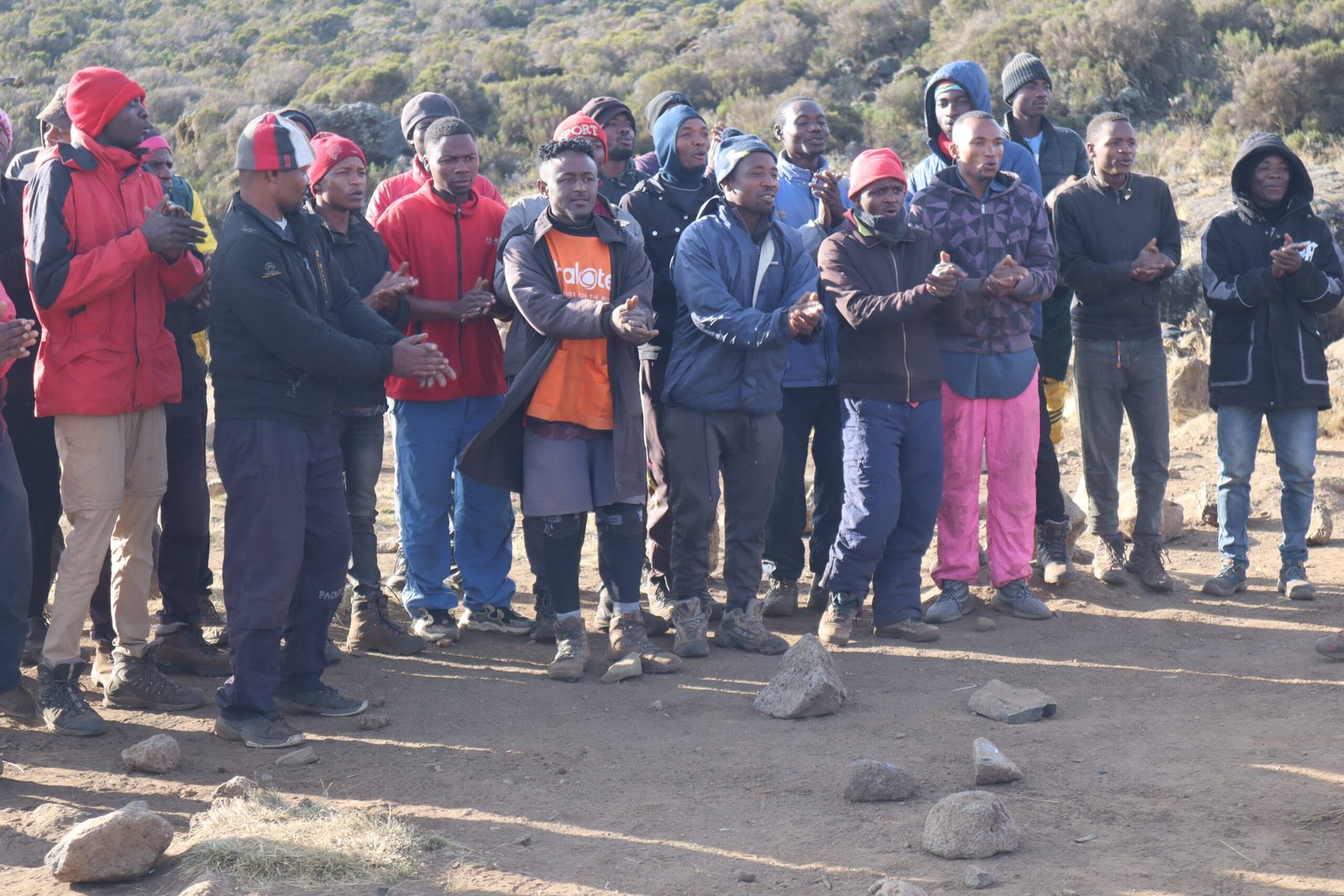
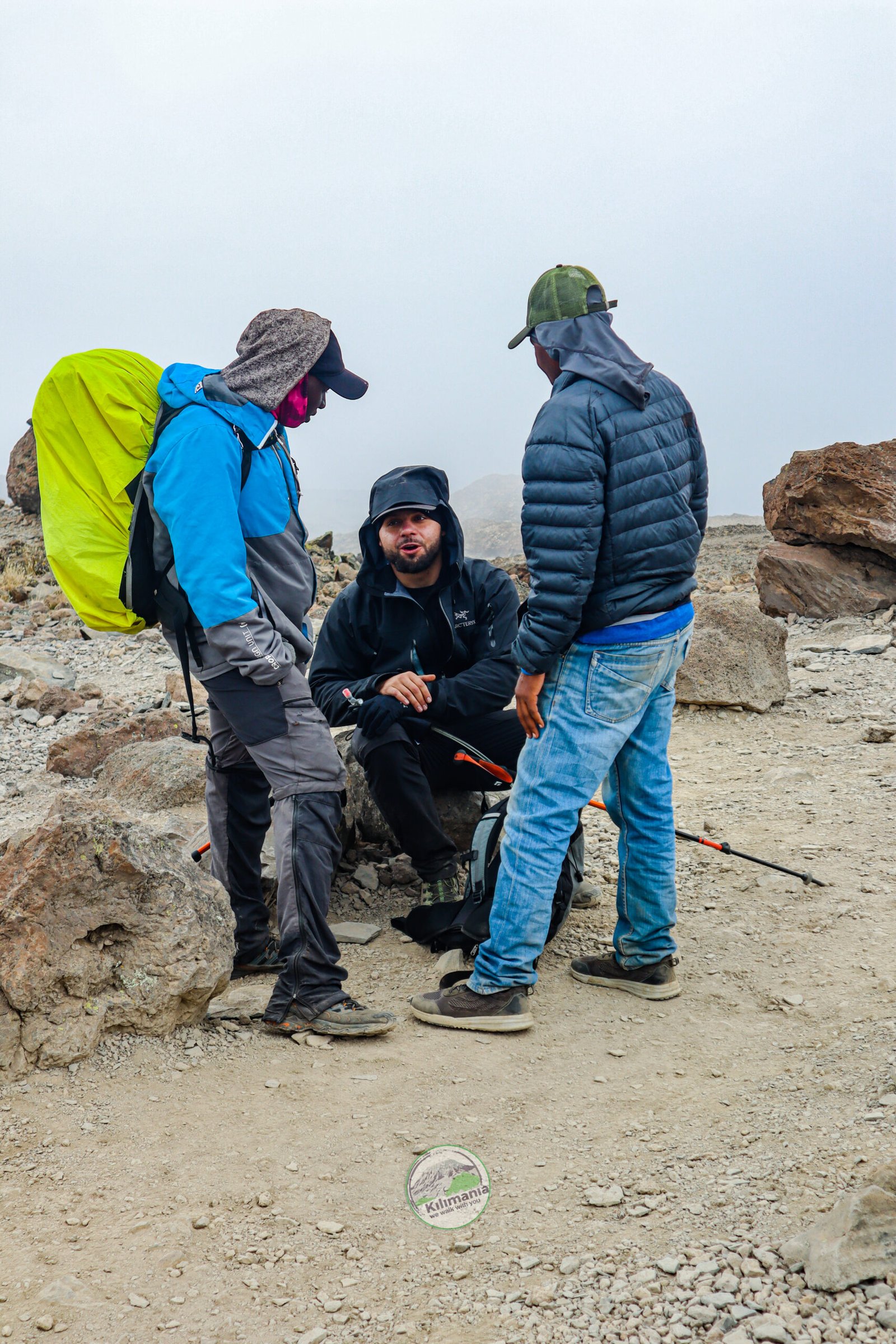
Your Kilimanjaro Guide Team

Frequently Asked Questions — 7-Day Shira Route
It is not the recommended first choice for climbers with no experience above 3,000m, because the route starts by vehicle at roughly 3,500m. Climbers who have previously trekked above 3,000m and arrive pre-acclimatized handle this opening elevation more comfortably. If this is your first high-altitude trek, the 8-day Lemosho Route is the better starting point.
Shira Gate sits at approximately 3,500m (11,483ft). You arrive by vehicle and begin walking from altitude immediately. By the end of Day 1 you sleep at Shira 1 Camp at roughly 3,505m.
Seven days refers to days on the mountain. The Kilimania package is 8 total days including Day 0 (arrival, briefing, hotel night in Moshi). You spend 6 nights on the mountain (Shira 1, Shira 2, Barranco, Karanga, Barafu, Mweka Camp) plus hotel nights before and after.
From USD 1,900 per person (solo) to USD 1,600 per person for a group of 6. Pricing includes KINAPA park fees, guides, porters, mountain meals, and camping equipment. Flights, insurance, and tips are not included. Email info@kilimania.co.tz for a group quote.
Both routes share identical terrain from Shira 2 Camp onward. The difference is the first two days: Shira starts at ~3,500m with no forest buffer, which is harder for most climbers not already acclimatized, while Lemosho starts at ~2,100m with a gradual forest approach.
Yes. The Barranco Wall falls on Day 4 of the Shira itinerary, the same day it appears on Lemosho and Machame. No ropes or technical equipment are required; guides assist at the one exposed section.
Guides monitor SpO₂ at every camp. If readings drop alongside symptoms like a severe headache, vomiting, or confusion, the guide halts the group and begins descent. Guides carry supplemental oxygen and emergency medication above 4,500m, and coordinate with KINAPA for rescue when required.
Yes. The joining price for the 7-day Shira Route is USD 1,750 per person, subject to space being available on a confirmed departure. Check current dates on the Kilimanjaro Joining Calendar or contact us directly for your preferred month.
Related Routes & Guides
Starts lower for better acclimatization on a similar western approach.
6 DaysThe most popular route on Kilimanjaro — southern approach, forest start.
9 DaysLongest route on the mountain, fewest crowds.
7 DaysSame duration as Shira but starts lower.
Useful reading before you decide
Book the 7-Day Shira Route
Tell us your situation — dates, group size, and altitude background — and we will confirm availability or suggest the right route if Shira isn’t the correct fit. We reply within 12 hours, 7 days a week, from Moshi.
Disclosure: Kilimania Adventure is a licensed Kilimanjaro tour operator; this page describes our own commercial climb package. Pricing was last verified 2026-08-29 and is subject to change. Route elevations and distances are approximate. No summit success or safety outcome can be guaranteed on any Kilimanjaro climb. If you are experiencing a personal mental health or altitude emergency, this page is not a substitute for professional medical advice.