Kilimanjaro Weather by Month: What to Actually Expect at Every Elevation
Data sources: Field temperature logs recorded on guided climbs, 2019–2026; KINAPA climate zone classifications; peer-reviewed glacier research in the Proceedings of the National Academy of Sciences; mountain-forecast.com summit-elevation data; internal booking and completion records. Figures drawn from internal field logs are directional observations, not an independently audited dataset.
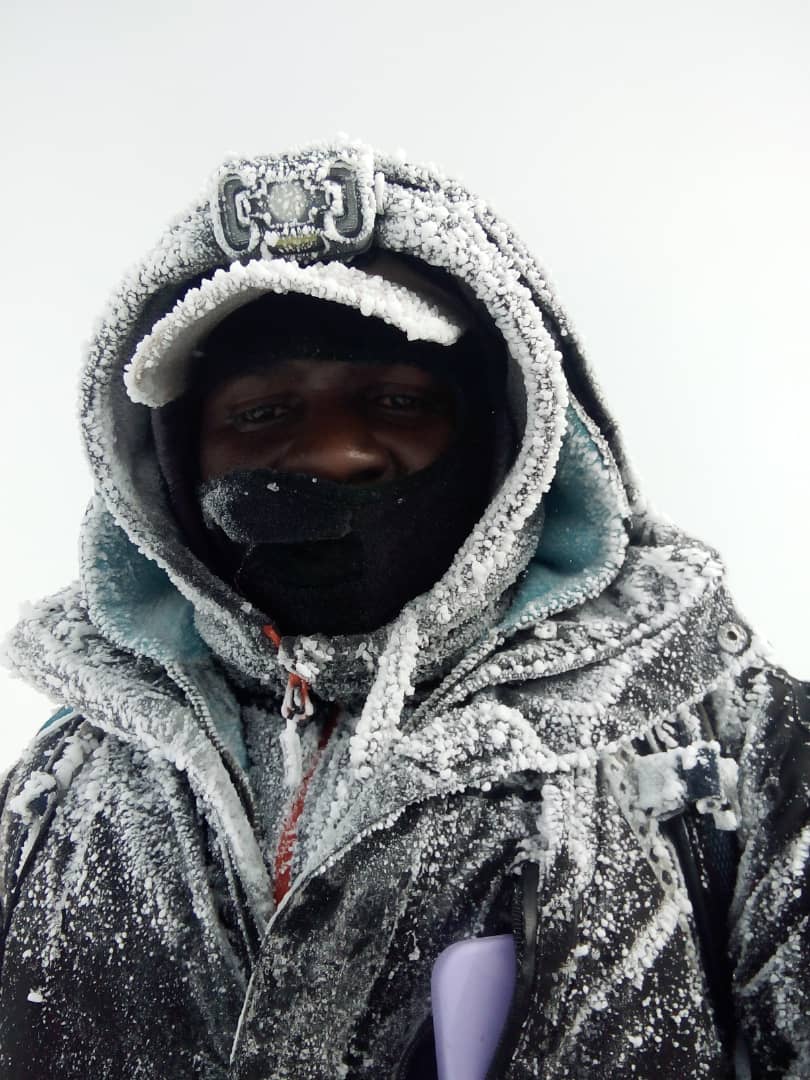
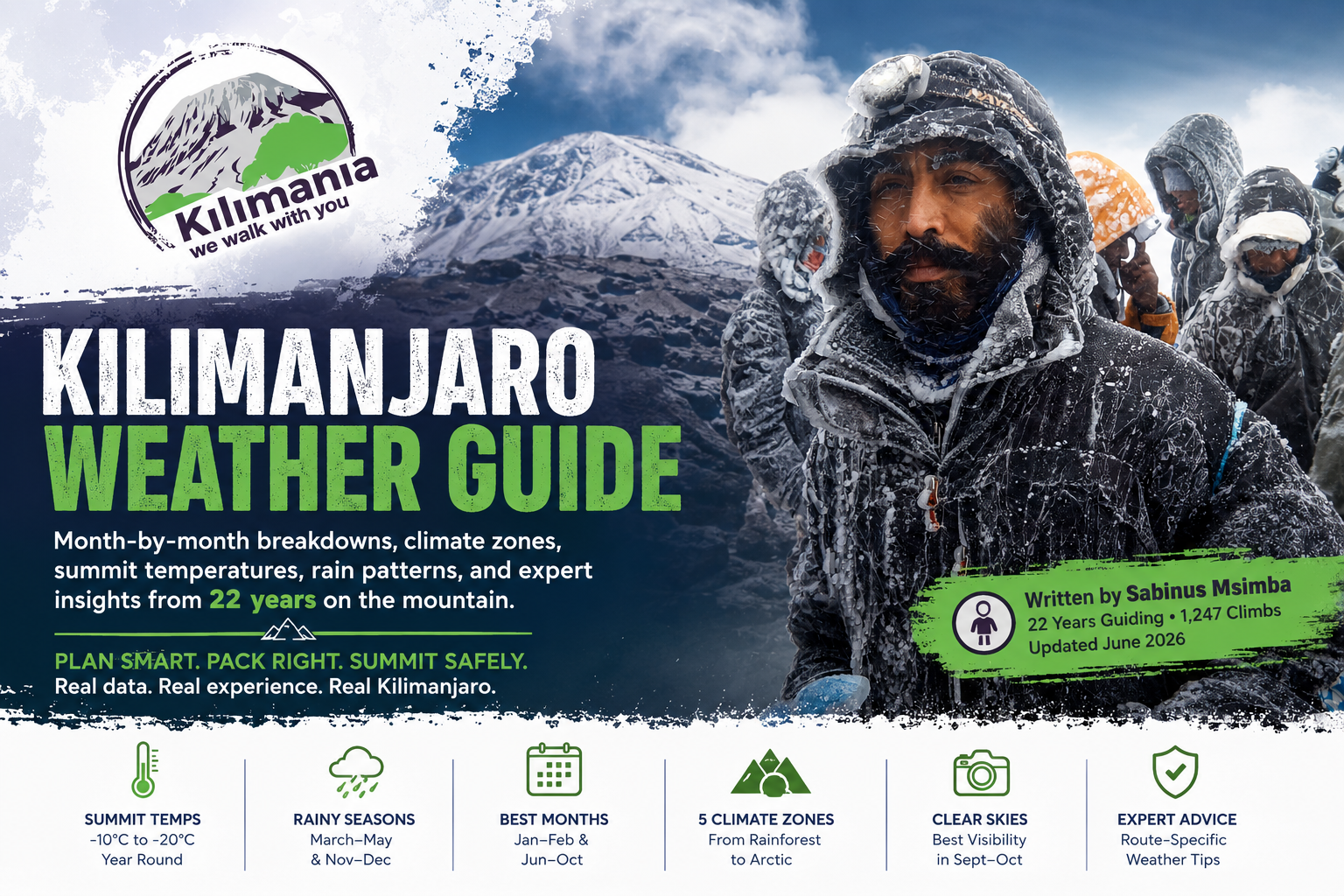
Kilimanjaro's weather is governed by altitude, not by the calendar. Nights at Barafu Camp (4,673m) commonly fall between -8°C and -12°C even in the "warm" months, and summit-night temperatures at Uhuru Peak (5,895m) typically run -15°C to -20°C before wind chill, year-round. This page is the scientific reference — climate zones, temperature by camp, rainfall, wind, and route-level weather differences. If you're deciding when to book rather than what to pack, see Best Time to Climb Kilimanjaro for the decision-focused comparison of crowds, pricing, and route recommendations.
Quick Answer
Kilimanjaro has five climate zones between the gate and the summit, and temperature swings of 30–40°C within a single trek are normal. Late June through September and January–February are the most climatically stable windows. Regardless of month, summit night is cold — typically -15°C to -20°C before wind chill.
Key Statistics
- 5 climate zones between roughly 800m and 5,895m
- Barafu Camp night temperature: approximately -8°C to -12°C in the dry season (field logs)
- Uhuru Peak summit night: approximately -15°C to -20°C before wind chill (field logs + mountain-forecast.com)
- Summit wind: roughly 30–50 km/h on exposed ridges, higher in gusts (field logs)
- Kilimanjaro's ice cover has shrunk approximately 85% since 1912, per peer-reviewed research in PNAS
- Driest window at altitude: late June through September, per internal field logs and KINAPA seasonal guidance
Bottom Line
Pack for four seasons no matter which month you climb — there is no month with a warm summit night. Choose your travel month around your tolerance for rain and crowds, and your route around rainfall exposure if that matters to you.
Expert Recommendation
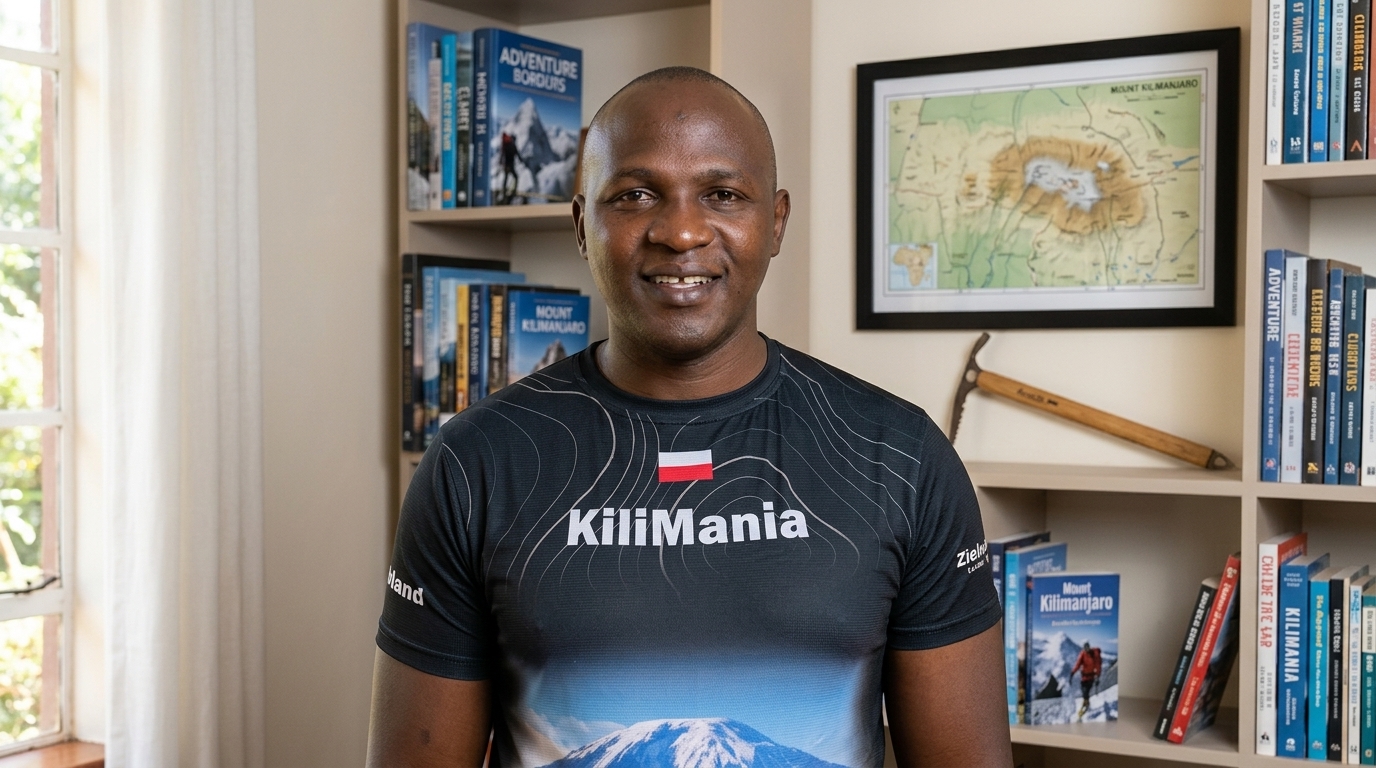
"After 22 years on this mountain, I recommend July and August to climbers who want the clearest photographs and don't mind the cold — but not to anyone who struggles with low temperatures. For people who run cold, January or February gives nearly the same reliability with milder nights." — Sabinus Msimba
The Five Climate Zones on Kilimanjaro
Mount Kilimanjaro rises from savanna at roughly 800m to an ice-capped summit at 5,895m. That vertical gain creates five distinct climate zones, each with its own temperature range, rainfall pattern, and gear demands.
Zone 1 — Cultivation Zone (800–1,800m)
Typical range: 20–30°C day / 15–20°C night, year-round. This is the farmland between Moshi and the gate. Light, breathable clothing is enough here.
Zone 2 — Rainforest Zone (1,800–2,800m)
Typical range: 15–25°C day / 7–15°C night. The wettest zone on the mountain in most months. Mist and light rain occur here even in July and August, and are heavier during March–May and November. Waterproof boots and a rain jacket you can reach in seconds matter more here than warmth.
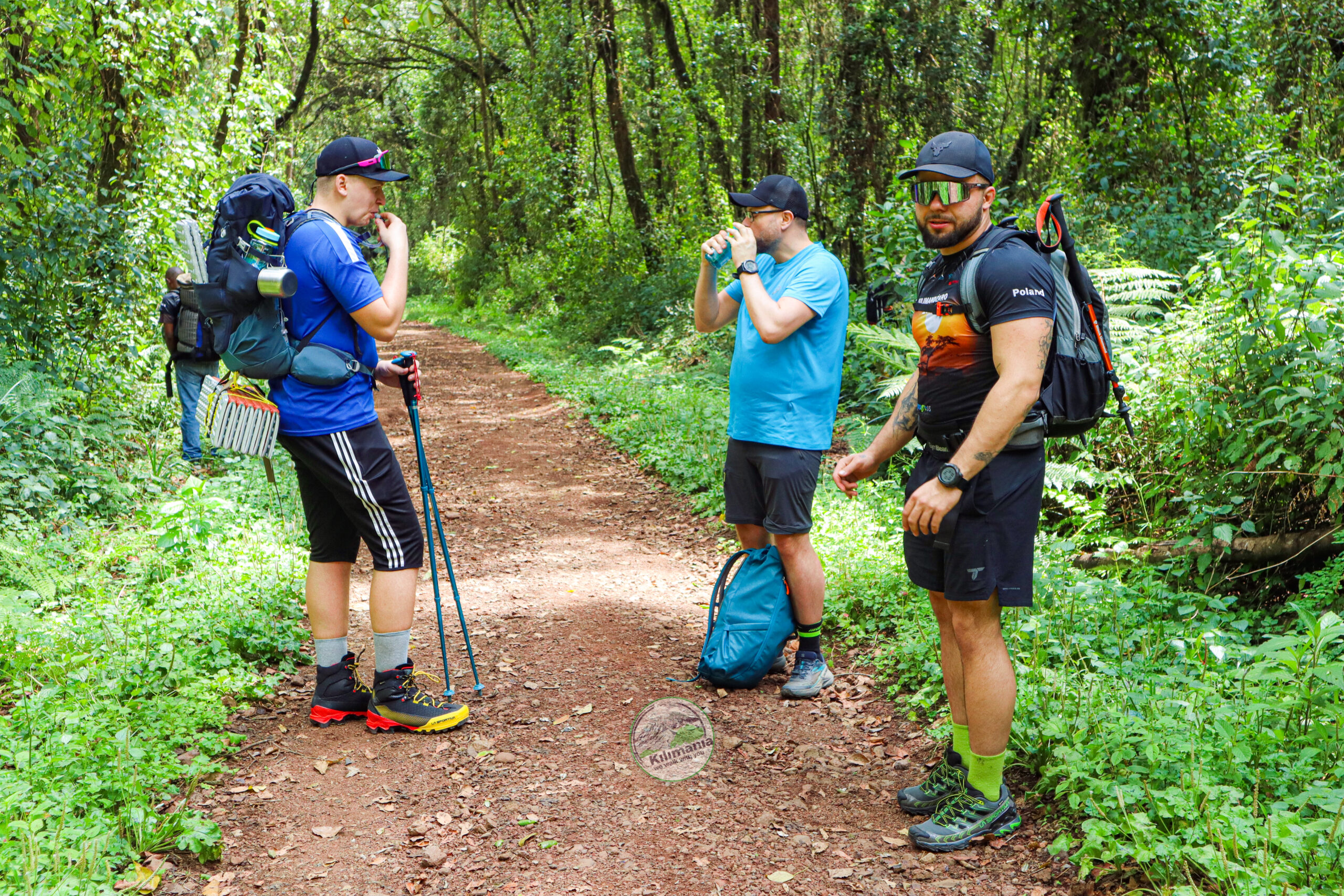
Zone 3 — Heather-Moorland Zone (2,800–4,000m)
Typical range: 10–18°C day / -2 to 6°C night. The forest thins into open moorland. Daytime hiking feels comfortable; once the sun drops, temperature falls quickly — frost forms on tents at Shira 1 Camp (3,500m) even in warmer months.
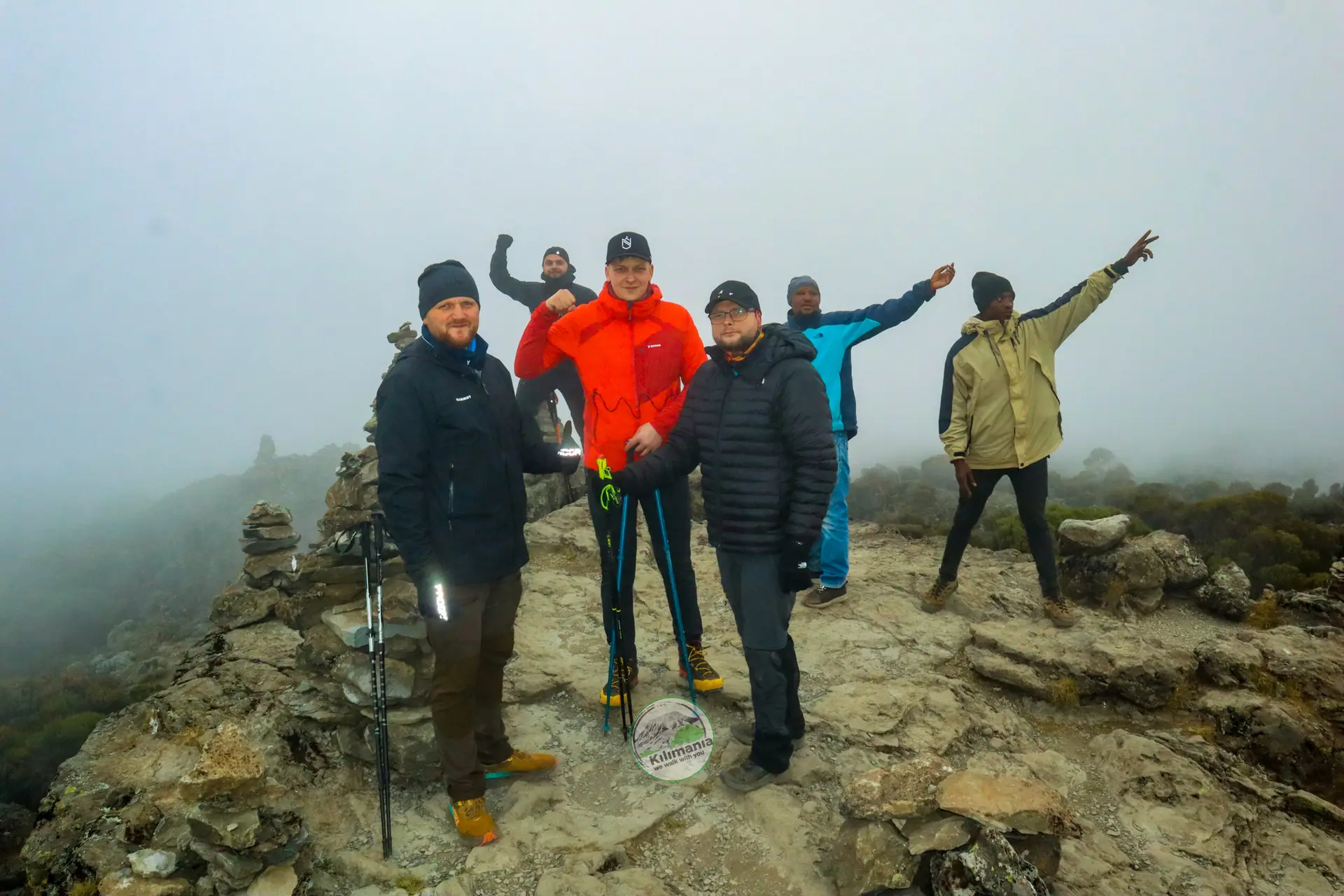
Zone 4 — Alpine Desert Zone (4,000–5,000m)
Typical range: 0–10°C day / -10 to -5°C night. Rainfall is minimal; UV exposure is intense. Barafu Camp (4,673m) sits here — daytime highs are often near 4°C, nights regularly below -8°C. Dry air raises dehydration risk since thirst cues weaken at altitude.
Zone 5 — Arctic Zone (5,000–5,895m)
Typical range: -8 to 0°C day / -15 to -20°C during the summit push. Wind roughly 30–50 km/h on exposed ridges. Kilimanjaro's remaining ice fields sit here — peer-reviewed research in PNAS found the mountain's ice cover shrank roughly 85% between 1912 and 2007, and the retreat has continued. Wind chill, not air temperature alone, is usually the dominant cold factor during the midnight summit push.
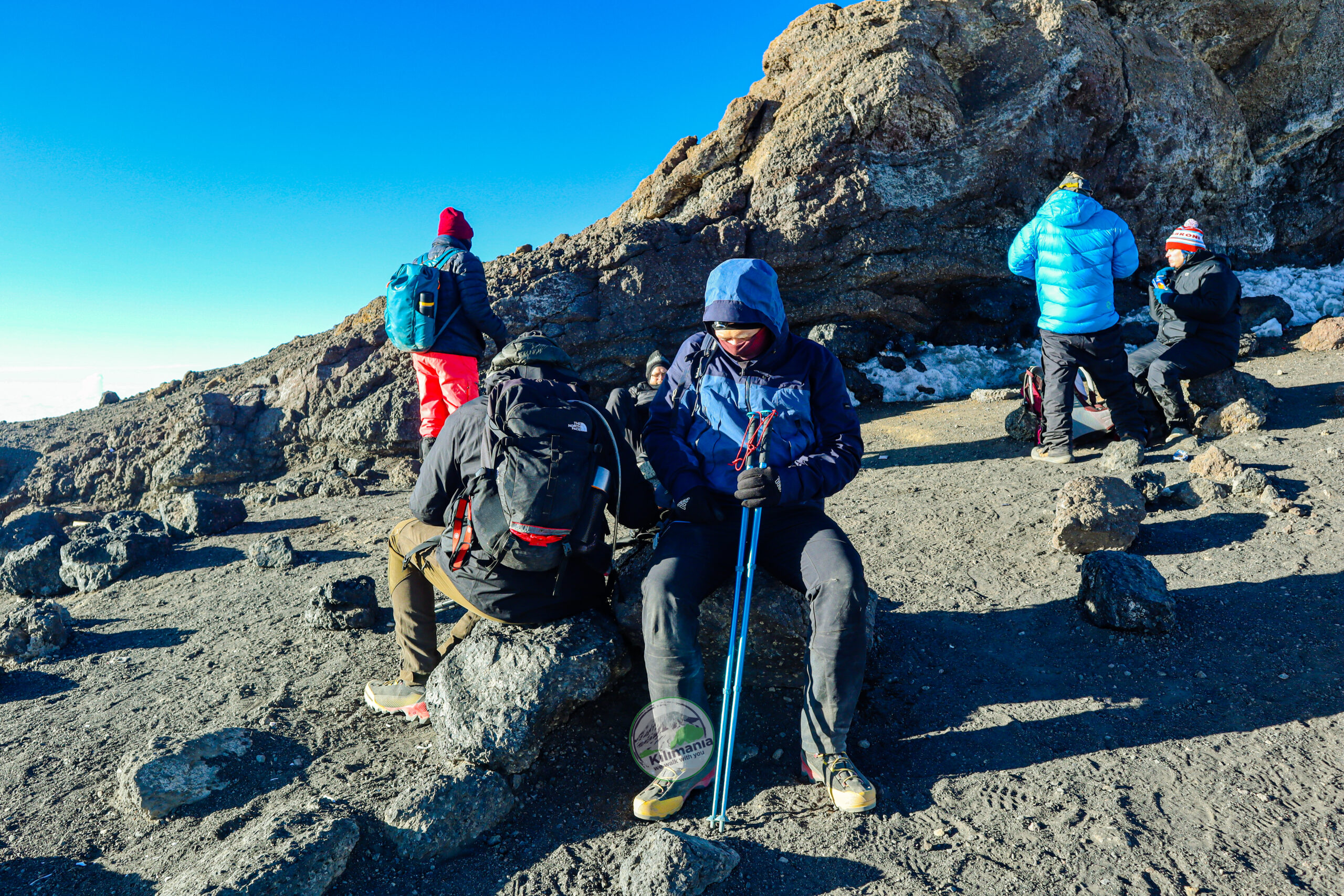
Temperature by Camp and Season
Base-level weather data is close to irrelevant once you're above 3,000m. The table below shows typical nighttime lows at key camps, drawn from field logs since 2019 and cross-checked against mountain-forecast.com summit-elevation data. Treat these as planning ranges, not a forecast — actual conditions on any given night can fall outside them.
| Camp / Location | Elevation | Jan–Feb | Jun–Aug | Oct–Nov |
|---|---|---|---|---|
| Londorossi Gate | 2,250m | 10–14°C | 6–10°C | 8–12°C |
| Shira 1 Camp | 3,500m | 2–8°C | -2–4°C | 0–6°C |
| Barranco Camp | 3,976m | -1–5°C | -5–2°C | -3–3°C |
| Barafu Camp | 4,673m | -8–-2°C | -12–-5°C | -10–-4°C |
| Uhuru Peak | 5,895m | -15–-7°C | -20–-10°C | -18–-8°C |
Source: Field logs, 2019–2026, cross-referenced with mountain-forecast.com summit-elevation data. Nighttime lows shown; daytime highs typically run 10–20°C warmer under direct sun. Wind chill not included — add roughly -5 to -15°C effective cold on exposed ridges above 4,500m.
The steepest jump is between Barranco (3,976m) and Barafu (4,673m) — a 700m gain that moves you from "cold but manageable" to "sub-zero most nights." This is why the packing list changes meaningfully at Barafu.
Month-by-Month Weather & Climbing Conditions
Kilimanjaro's proximity to the equator keeps seasonal temperature swings at any fixed altitude relatively small — usually a few degrees between the warmest and coldest months. Rainfall, cloud cover, and crowd levels are the bigger variables, and they're what actually shape the experience of climbing in a given month.
| Month | Rain Likelihood | Cloud Cover | Crowd Level | Trail / Summit Conditions | Recommended Route |
|---|---|---|---|---|---|
| January | Low | Light, afternoon build-up | Moderate | Dry, mild by summit-night standards | Lemosho |
| February | Low | Minimal | Moderate | Driest of the short-dry window, high UV | Northern Circuit |
| March | Rising through month | Increasing afternoons | Low | Reliable early month, unpredictable late month | Rongai |
| April | High | Persistent | Very low | Wettest month; muddy lower forest, reduced summit visibility | Rongai |
| May | Moderate-high, tapering | Decreasing late month | Very low | Wet early, improving by month's end | Rongai |
| June | Low, clearing | Clearing through month | Rising | Dry season begins, colder nights return | Machame |
| July | Very low | Minimal | High | Clearest skies, coldest nights of the year | Lemosho |
| August | Very low | Minimal | Very high | Coldest and driest; most crowded camps | Northern Circuit |
| September | Low | Minimal | Moderate | Excellent conditions, thinner crowds than August | Machame |
| October | Low-moderate | Building late month | Low-moderate | Good shoulder-season conditions, quieter trails | Lemosho |
| November | Moderate | Afternoon showers common | Moderate | Short rains, milder Barafu nights | Rongai |
| December | Moderate, tapering | Clearing mid-month | Rising (holidays) | Colder late month, higher chance of summit snow | Machame |
Source: Kilimania field observations and internal booking/completion records, 2019–2026. Rain, cloud, and crowd levels are qualitative tiers based on operational experience, not meteorological station data. For a decision-focused breakdown of pricing, crowds, and booking timing by month, see Best Time to Climb Kilimanjaro.
Ask About Your Travel Dates
Send your preferred month and route interest and we'll reply within 12 hours with camp-level temperature guidance and a route recommendation suited to that window.
📥 Free Download: Kilimanjaro 12-Week Training Calendar
A week-by-week training plan built from patterns observed across guided climbs since 2019 — useful context alongside the seasonal conditions above, since fitness and cold tolerance both affect how a given month feels on the mountain.
- 12-week hiking and endurance plan
- Pack weight progression
- Back-to-back training schedule
- Peak and taper strategy
Prepared by Sabinus Msimba, Senior Kilimanjaro Guide.
What Weather Means for Your Gear Choices
Your packing list should shift with the month you climb, not follow one generic template.
January–February: Warmer nights across the board, but no month has a warm summit night — full cold-weather gear is still required at Barafu and above. Sun protection matters more this window; equatorial UV combined with dry-season clarity raises burn risk even on cool days.
June–August: The driest and coldest window. A sleeping bag rated to at least -20°C is standard for Barafu Camp in July and August. Water bottles need to travel inside your jacket above 4,000m or they can freeze.
Shoulder or wetter months (March, October–November): Prioritize fully waterproof outer layers you can reach quickly, gaiters, and dry storage for electronics and your sleeping bag.
For the full item-by-item list with weight targets, see the Kilimanjaro packing list. Weather is also one factor in overall readiness — see how hard Kilimanjaro actually is and the worst part of climbing Kilimanjaro for what altitude and cold combine to feel like on summit night.
Field Note: Margin for Error at Stella Point
On an August 2024 summit night, Sabinus Msimba recorded roughly -18°C at Stella Point (5,756m) with sustained wind, pushing the felt temperature well below -25°C. Two climbers in that group had packed gloves rated to only -10°C, based on a generic online packing list describing August as "mild." Both began losing feeling in their fingers within the first hour above Barafu. The group paused, redistributed spare mittens carried by the porter team, and used hand warmers before continuing. All seven climbers reached the summit. Cold-weather gear checks apply to porters as well as clients — the Kilimanjaro Porters Assistance Project (KPAP) sets minimum standards for porter clothing, load limits, and shelter that responsible operators follow regardless of season.
This is one field observation, not a scientific measurement — but it's why gear gets checked in Moshi before departure day, not at the gate when it's too late to fix a gap. Cold and dehydration together are also a factor worth understanding before you climb — see climbing Kilimanjaro with medical conditions for related guidance.
📥 Free Download: Kilimanjaro Route Comparison Cheat Sheet
Still deciding which route fits your dates and weather tolerance? A printable comparison sheet covering difficulty, scenery, and crowd levels alongside the rainfall patterns below.
- ✓ Compare all Kilimanjaro routes
- ✓ Difficulty, scenery, and crowd levels
- ✓ Guidance for first-time climbers
- ✓ Updated for the 2026 climbing season
Does Weather Change by Route?
Rainfall on Kilimanjaro is not uniform around the mountain. The southern approaches — Machame, Umbwe, and the lower stretch of Lemosho — pass through the wetter side of the rainforest belt. The Rongai Route climbs from the north, which sits partly in a rain shadow and generally receives less rainfall, particularly at lower elevations. No route avoids the rainforest zone's dampness entirely, and every route converges into the same cold, dry alpine zone near the summit.
| Route | Approach Side | Lower-Slope Rainfall |
|---|---|---|
| Rongai | North | Typically driest — partial rain shadow |
| Marangu | Southeast | Comparatively drier than western approaches |
| Machame | South | Wetter — full exposure to southern rainforest belt |
| Lemosho | West/South | Wetter on lower forest sections |
| Umbwe | South | Wetter — steep, direct forest ascent |
| Northern Circuit | West, circling north | Mixed — wetter start, drier northern stretch |
For a full breakdown of success rates and itineraries by route, see the Kilimanjaro Routes guide. If budget is your main constraint alongside weather, Is a Cheap Kilimanjaro Climb Worth It? covers where costs get cut on lower-priced departures.
Frequently Asked Questions
Does Kilimanjaro have snow year round?
There is ice year-round above roughly 5,000m on the summit's permanent ice fields, but fresh snow on the trail is not constant. Light snow above 5,000m is most frequent November through March; June through September the summit area is usually bare rock and ice rather than fresh snow cover.
Can it rain during the dry season?
Yes. The rainforest zone (1,800–2,800m) can produce light showers even in July and August, the driest months overall. "Dry season" describes the general pattern at altitude, not a guarantee of zero rain anywhere on the mountain.
Which month has the clearest sunrise views?
Late June through September, and again in February, tend to offer the clearest summit-morning skies, based on Kilimania's field observations. Cloud buildup on the plains below the crater rim is least common during these windows.
Is July colder than January?
Yes, at every elevation. July and August are typically the coldest months at altitude — Barafu Camp nights commonly run several degrees colder than in January, based on Kilimania field logs, even though July has the driest, clearest skies of the year.
Which month has the highest summit success rate?
Based on Kilimania's internal booking and completion records, the dry-season months (late June through September, and January–February) show the strongest summit completion rates. April, during the peak long rains, shows the weakest. These are internal operational patterns, not an independently audited dataset.
Which month has the least mud on the trail?
July through September and January–February have the driest trail conditions, based on field observation. April and early May typically have the muddiest lower-forest sections.
Is Kilimanjaro colder than Everest Base Camp?
Uhuru Peak (5,895m) and Everest Base Camp (about 5,364m) sit at different elevations, but on a comparable night, Kilimanjaro's summit is typically colder than Everest Base Camp itself, since Base Camp is roughly 500m lower and not a true summit push. A closer comparison is Kilimanjaro's summit night versus a high Everest Base Camp trekking peak.
Does weather change depending on the route?
Yes. Southern routes sit in wetter terrain than the Rongai Route, which approaches from the north and sits partly in a rain shadow. All routes converge into the same cold, dry summit zone regardless of approach.
Does weather affect altitude sickness risk?
Indirectly. Cold and wind increase dehydration risk, and dehydration contributes to altitude symptoms. Poor weather can also disrupt sleep, which affects acclimatization. Weather itself doesn't cause altitude sickness — ascent rate and hydration are the primary factors.
Can lightning or storms stop a summit attempt?
Yes. Guides delay or reroute a summit push if lightning, high wind, or whiteout conditions develop, regardless of season — a real-time safety decision, not something a monthly average can predict.
Conclusion
Kilimanjaro's weather is five climates stacked vertically, and the numbers that matter are the ones at the altitude where you'll actually sleep. Summit night runs cold in every month — typically -15°C to -20°C before wind chill — so pack for the coldest plausible night, not the average one. Choose your travel month with rainfall and crowd tolerance in mind using the tables above, and pair this page with Best Time to Climb Kilimanjaro for the booking-focused side of that decision.
We Walk With You.
Want a Weather-Based Route Recommendation?
Tell us your travel window and we'll send back the route and gear guidance that fits it, along with current camp-level conditions.
Related Reading
- Best Time to Climb Kilimanjaro
- Kilimanjaro Routes 2026
- Lemosho Route
- Northern Circuit Route
- Rongai Route
- Kilimanjaro Packing List
- Climbing Kilimanjaro With Medical Conditions
- How Hard Is Kilimanjaro?
- Worst Part of Climbing Kilimanjaro
- Is a Cheap Kilimanjaro Climb Worth It?
Disclosure: Kilimania Adventure is KINAPA-licensed for Kilimanjaro climbing operations and TATO-registered. Temperatures and seasonal ratings attributed to Kilimania are internal field observations from guided climbs, 2019–2026, and are not an independently audited or peer-reviewed dataset — treat them as planning guidance, not a forecast. Glacier retreat figures are drawn from peer-reviewed research; see the linked study for methodology. Weather varies year to year regardless of historical pattern. Rating shown in this page's structured data (5.0/5.0, 32 reviews) is sourced directly from Kilimania Adventure's TripAdvisor listing, verified July 2026; review counts change over time and should be re-verified before each content refresh.
External references: KINAPA · UNESCO World Heritage · PNAS glacier retreat study · Kilimanjaro Porters Assistance Project (KPAP)