Data sources cited in this article: Kilimania Adventure internal climb records (2019–2026), TANAPA official fee schedule, KPAP porter welfare standards, KINAPA licensing records, Wilderness Medical Society guidance.
How to Choose a Kilimanjaro Operator: The 12 Questions That Expose the Weak Ones
Choosing a Kilimanjaro operator means placing your safety at 5,895m in someone else’s hands. How you make that decision — what you ask, what evidence you require, and what answers you accept — has a direct bearing on your summit outcome, your physical safety, and the welfare of the porters who carry your gear up the mountain.
The practical framework for choosing a Kilimanjaro operator comes down to eight areas: licensing and legitimacy, guide qualifications, safety and emergency procedures, porter welfare, route- and itinerary-specific summit data, verified reviews, price transparency, and documented experience specifically on Kilimanjaro. The 12 questions below are a direct way to test every one of those areas before paying a deposit.
Many operators advertise Kilimanjaro climbs. Regulation through TANAPA (Tanzania National Parks Authority) sets baseline park requirements, and mountain guides are individually licensed through KINAPA (Kilimanjaro National Park Authority) — but enforcement and quality still vary considerably between operators. Price is the most visible marketing variable. It is also one of the least useful for comparing operator quality on its own.
To choose a Kilimanjaro operator, ask 12 specific questions covering: verified summit success rates by route and day count; current KPAP porter-welfare certification; guide-to-client ratio; emergency equipment (supplemental oxygen and Gamow bag); a step-by-step evacuation protocol; early-descent costs; pre-booking guide access; guide certifications (KINAPA licence and Wilderness First Responder); porter pay and load limits; safety-specific reviews; Kilimanjaro-specific experience; and a complete written list of package exclusions. An operator who answers all 12 clearly, with supporting documentation, is worth further consideration. One who deflects or speaks only in generalities has told you something important.
Contents — 12 Questions + Framework
- Why This Decision Matters More Than You Think
- Operator Evaluation Framework
- Q1 — Summit Success Rate
- Q2 — KPAP Certification & Porter Welfare
- Q3 — Guide-to-Client Ratio
- Q4 — Supplemental Oxygen & Gamow Bag
- Q5 — Emergency Evacuation Protocol
- Q6 — Early Descent Costs
- Q7 — Pre-Booking Guide Access
- Q8 — Guide Certifications
- Q9 — Porter Pay & Load Limits
- Q10 — Safety Reviews
- Q11 — Kilimanjaro-Specific Experience
- Q12 — Package Exclusions
- Red Flags Worth Investigating
- Comparison — Side by Side
- How Kilimania Answers All 12
- How This Guide Was Researched
- Frequently Asked Questions
- What to Do Next
Why This Decision Matters More Than You Think
Three outcomes distinguish a strong Kilimanjaro operator from a weak one: your physical safety, the welfare of your porter team, and your likelihood of reaching Uhuru Peak.
The Kilimanjaro market has a structural pressure problem. Operators compete primarily on headline price, and the costs that tend to be cut first when margins compress are guide training, porter wages, and safety equipment — none of which are visible in a brochure comparison. Two quotes at very different price points can use identical language about “experienced guides” and “comprehensive support.”
What separates them tends to show at altitude. A guide managing several clients at once at 4,800m has a different safety profile than a Wilderness First Responder-certified guide at a 1:2 ratio. That difference matters if a climber’s condition deteriorates at 2am on summit night.
According to KPAP (Kilimanjaro Porters Assistance Project), a meaningful proportion of operators on the mountain continue to fall short of independent audit standards on porter wages and loads. That cost is borne by the porters — who are not visible when you are comparing operator websites.
For more on what shapes summit outcomes, see our Kilimanjaro success rate data by route and our Kilimanjaro safety record guide.
A Practical Framework for Comparing Operators
This is not an official industry standard — it is a practical way to compare operators consistently against the same criteria. Score any operator you are seriously considering, then compare totals.
| Evaluation Area | Max Points | What a Full Score Requires |
|---|---|---|
| Safety & Emergency Procedures | 20 | Supplemental oxygen + Gamow bag on every climb, written evacuation protocol, WFR-certified guide |
| Guide Qualifications | 18 | Current KINAPA licence, WFR certification, verifiable altitude medicine training |
| Porter Welfare | 15 | Current KPAP documentation, specific daily wage rate, maximum load policy in writing |
| Summit Success Evidence | 15 | Route- and itinerary-specific data from their own climb records with sample size |
| Price Transparency | 12 | Written exclusion list proactively provided before deposit, gratuity guidance included |
| Licensing & Legitimacy | 10 | TANAPA registration, physical Moshi address, KINAPA-licensed guide documents on request |
| Reviews & Reputation | 6 | Independent third-party reviews mentioning safety decisions, not only scenery and food |
| Kilimanjaro-Specific Experience | 4 | Documented years specifically on Kilimanjaro, multiple routes, current operational records |
| Total | 100 |
Rough guidance: 85–100 — a strong operator worth proceeding with; 70–84 — verify specific gaps before booking; below 70 — significant concerns, keep looking.
How to Choose a Kilimanjaro Operator The 12 Questions — Ask Every One of Them
Send these as a list. Ask them in a WhatsApp message. Ask them on a call. The format matters less than the responses. A strong operator will answer all 12 without hesitation. Deflection or vague generalities in response to any of them is itself a signal worth noting.
“What is your actual summit success rate — by route and by day count?”
“Are you KPAP certified and can I see your porter welfare policy in writing?”
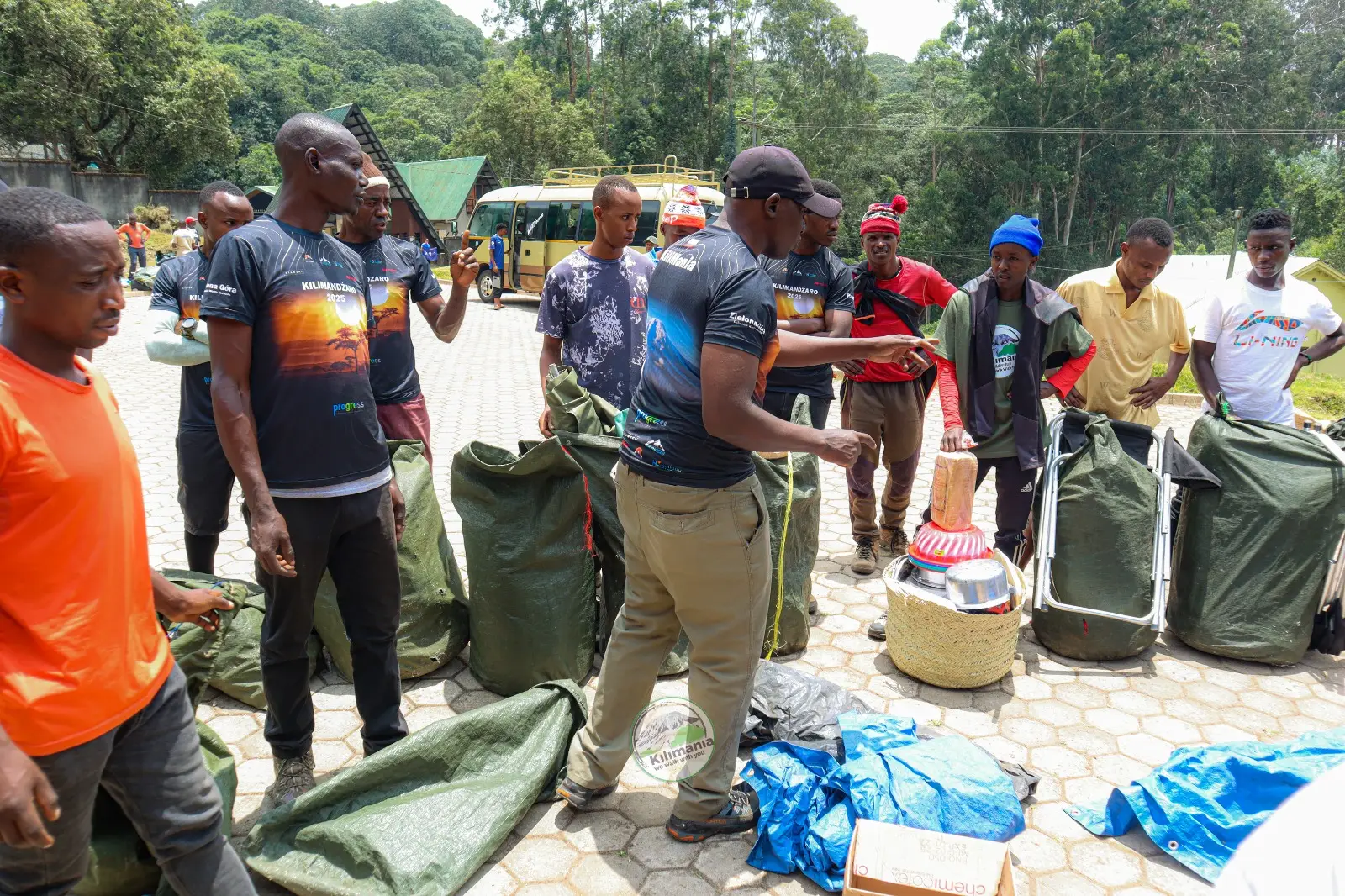
“What is your guide-to-client ratio on my specific itinerary?”
Ask us these questions directly
We answer all 12 — and any others — directly on WhatsApp. Sabinus or a senior team member responds same day. No contact forms. No automated replies.
“Do your guides carry supplemental oxygen and a portable altitude chamber on every climb?”
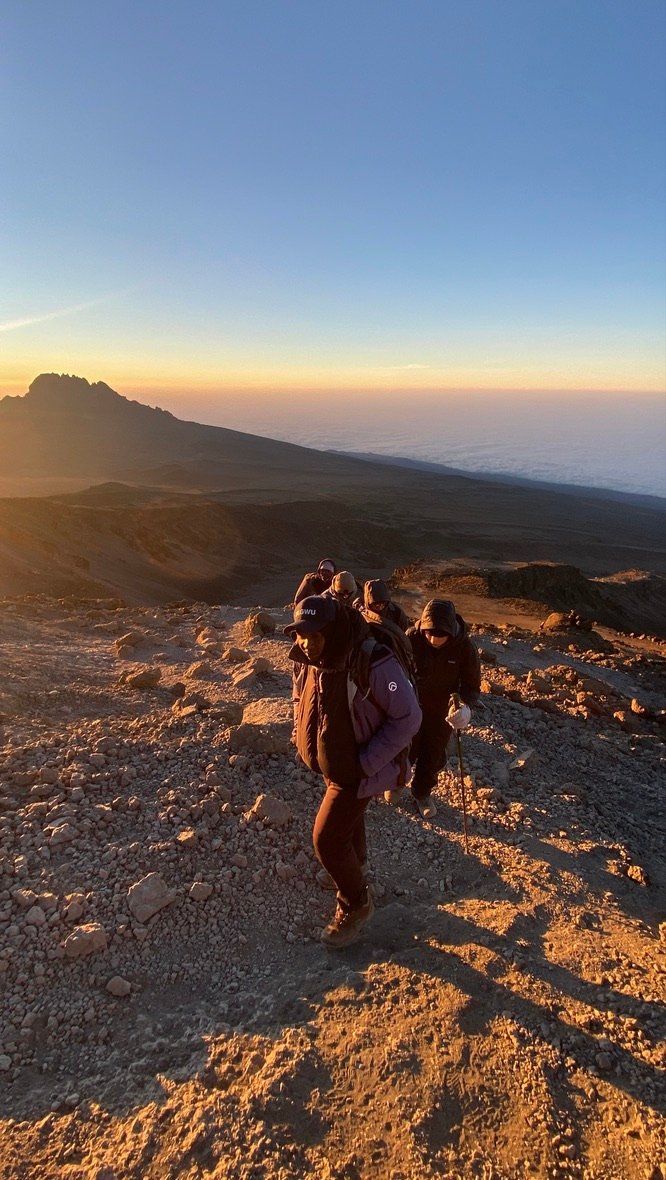
“What is your emergency evacuation protocol — step by step?”
“What do I pay if I need to descend early for medical reasons?”
“Can I speak directly to my assigned guide before I book?”
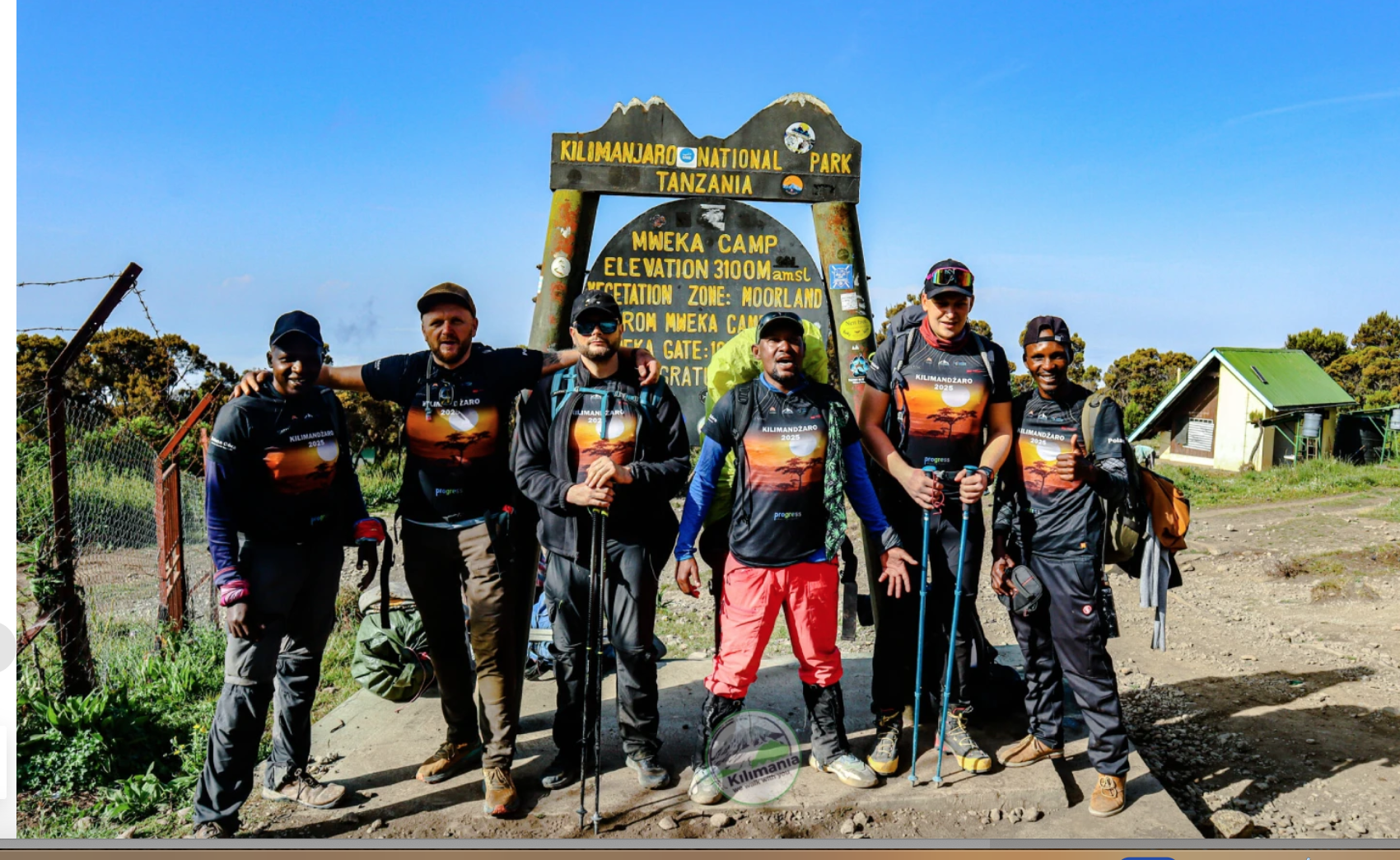
“What specific training and certifications do your senior guides hold?”
“How are your porters paid and what is their maximum load?”
“What do your reviews specifically say about safety — not just enjoyment?”
“How many years have you operated specifically on Kilimanjaro — and on which routes?”
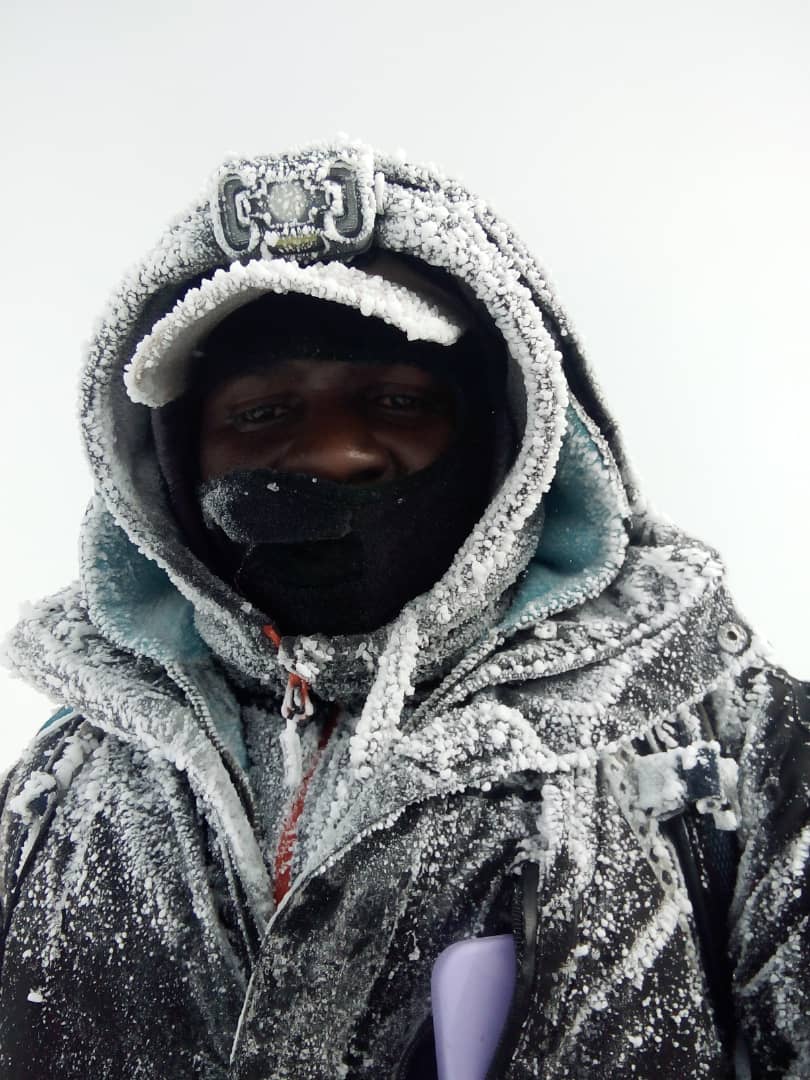
“What specifically is excluded from your package price — in writing?”
Red Flags That Should Prompt Further Investigation
These are not automatic disqualifiers — some may have valid explanations. Each one, though, is worth a direct question and a clear, documented answer before you commit.
- Price significantly below comparable packages — ask specifically which cost items are excluded or reduced. TANAPA park fees alone set a floor on any legitimate quote.
- No verifiable, current KPAP documentation — not a logo on a website, but a certificate with a current date you can cross-reference.
- No route-specific summit success data — operators who track outcomes generally have this information readily available.
- Evasive or vague responses to any of the 12 questions — the specificity of answers tends to reflect the transparency of the operation behind them.
- No named, photographed guides with verifiable licences — a KINAPA licence is a verifiable document. Ask for it.
- No physical Moshi address — operators with no identifiable local base are harder to hold accountable if problems arise.
- No emergency contact available outside office hours — ask who is reachable at 3am on summit night if something goes wrong.
- Reviews only on the operator’s own website — look for reviews on TripAdvisor, Google, or forums where the operator has no editorial control.
- Pressure to book immediately — genuine availability constraints exist, but pressure to pay a deposit before you finish due diligence is worth noting.
Comparison — Side by Side
| Area | Credible Operator | Worth Investigating Further |
|---|---|---|
| Summit success rates | ✔ Route-specific %, own records, sample size stated | ✘ “Industry average” or vague claims |
| KPAP certification | ✔ Current certificate shown on request | ✘ “We follow all regulations” — no document |
| Guide-to-client ratio | ✔ 1:2 or better, committed in writing | ✘ “We have plenty of guides” — no number |
| Emergency equipment | ✔ Supplemental O₂ + Gamow bag on every climb | ✘ “Available if needed” or not mentioned |
| Evacuation protocol | ✔ Written, step-by-step, practiced each season | ✘ “We call for help” — no protocol |
| Early descent cost | ✔ Zero — always included, stated in booking terms | ✘ “It depends” or additional fees possible |
| Pre-booking guide access | ✔ Direct WhatsApp or call with named guide | ✘ “Our booking team will follow up” |
| Guide certifications | ✔ KINAPA licence + WFR, documents on request | ✘ “Very experienced” — unverifiable |
| Porter wages | ✔ Specific daily rate above KPAP minimum, in writing | ✘ “Fair wages” — no figures |
| Safety-specific reviews | ✔ Third-party reviews mentioning altitude management | ✘ Reviews only mention food and scenery |
| Kilimanjaro experience | ✔ Specific years on Kilimanjaro, named routes | ✘ General East Africa or trekking experience cited |
| Price transparency | ✔ Written exclusion list proactively provided | ✘ Exclusions disclosed after commitment |
How Kilimania Answers All 12

We are not claiming to be the only operator worth considering. We are answering all 12 questions directly, with available supporting documentation, and inviting you to hold us to the same standard.
 TANAPA-Compliant
Kilimania’s answers — all 12
- Summit success rate: Route- and itinerary-specific rates available from our internal climb records on request, with sample size disclosed.
- KPAP certification: KPAP Gold Standard compliant. Written porter welfare policy available before booking.
- Guide-to-client ratio: 1:2 minimum (senior guide). Solo climbers: 1:1. Groups above four: second guide added.
- Emergency equipment: Supplemental oxygen and Gamow bag on every expedition. Guides trained in deployment via WFR certification.
- Evacuation protocol: Written, step-by-step procedure covering assessment, descent triggers, equipment sequence, KINAPA notification, and medical facility handover.
- Early descent cost: Zero. Always included. No exceptions.
- Pre-booking guide access: Direct WhatsApp or call with Sabinus Msimba at +255 756 449 990, before deposit.
- Guide certifications: KINAPA Senior Mountain Guide Licence (PDF), WFR certification, guiding on Kilimanjaro since 2001.
- Porter pay and loads: Above KPAP minimum daily wage, cash paid, 20kg maximum load, full equipment and meals provided.
- Safety reviews: TripAdvisor and Google reviews — ask us to point you to entries specifically mentioning altitude management.
- Kilimanjaro-specific experience: Sabinus Msimba has guided on Kilimanjaro since 2001. Kilimania Adventure is based in Moshi and operates exclusively on Kilimanjaro.
- Package exclusions: International flights, Tanzania visa, travel insurance, personal gear, and crew gratuity. Everything else is included, with a written breakdown before any deposit.
Choose Your Kilimanjaro Route
Once you have evaluated operators using these 12 questions, the next decision is your route and itinerary length. Four routes we currently operate, with the acclimatisation profile each represents:
Compare all routes: Kilimanjaro routes 2026 — full comparison · Main page: Mount Kilimanjaro Climbing
How This Guide Was Researched
This guide was written by Sabinus Msimba, Senior Kilimanjaro Mountain Guide and co-founder of Kilimania Adventure, based in Moshi, Tanzania.
First-party experience: Sabinus has guided on Kilimanjaro since 2001, beginning as a porter on the Marangu Route. The operational practices described here — guide ratios, emergency protocols, porter welfare standards, equipment deployment — reflect Kilimania Adventure’s current operational procedures.
First-party data: Summit success rates and internal climb statistics referenced in this guide come from Kilimania Adventure’s internal climb records (2019–2026). These figures are labelled as first-party operational data, not independently audited industry statistics.
External sources: Porter welfare standards referenced to KPAP. Park fee information referenced to TANAPA. Guide licensing referenced to KINAPA. High-altitude medicine guidance referenced to the Wilderness Medical Society.
Limitations: This guide reflects one operator’s perspective and operational experience. First-party figures have not been independently audited. Readers are encouraged to apply the same 12 questions to any operator, including Kilimania.
Last verified: August 2026. Park fees, KPAP standards, and KINAPA licensing requirements should be independently verified at the time of booking.
Frequently Asked Questions
How do I verify that a Kilimanjaro operator is legitimate and KINAPA-licensed?
Ask the operator for the KINAPA licence number of the senior guide assigned to your climb. A licensed guide will have this document and should provide it as a PDF within 24 hours of your request. TANAPA registration can be verified through tanzaniaparks.go.tz. Any operator who cannot produce these documents promptly warrants further scrutiny before you commit to a deposit.
Is a cheaper Kilimanjaro operator always worse?
Not automatically — but a price significantly below the market range for the same route and day count is a signal to investigate specifically what has been reduced or excluded. The fixed costs of a legitimate Kilimanjaro operation — TANAPA park fees, KINAPA-licensed guides, properly paid porters, emergency equipment, and food for 7+ days — have a floor. If a quote sits well below that floor, use the 12 questions in this guide to identify what is missing from the cost structure.
How important is it that my Kilimanjaro guide speaks clear English?
This is a safety requirement, not simply a preference. A guide who cannot clearly communicate pace instructions, symptom questions, and descent decisions at 5,000 metres at 2am is a risk to the climb. Before you book, request a voice or WhatsApp call with your assigned guide. Note their comprehension and clarity under normal conversation conditions.
What is the practical difference between a budget and mid-range Kilimanjaro operator?
Budget operators typically reduce costs in three primary areas: guide qualifications (no Wilderness First Responder training, lower experience levels), porter wages (below KPAP minimum standards), and safety equipment (no Gamow bag, no supplemental oxygen). Mid-range to premium operators invest in all three. The practical consequence is lower summit success rates and a reduced ability to manage high-altitude medical emergencies when they occur.
Should I book directly with a Kilimanjaro operator or through a travel agent?
Booking directly with the operator gives you direct accountability, direct contact with your guide team, and no additional commission markup. If you use an international travel agent, still ask all 12 questions in this guide and require direct answers from the actual operating company — not the agent on their behalf. The 12 questions apply regardless of how you access the operator.
What is the most important single question to ask a Kilimanjaro operator?
Ask for their actual summit success rate by route and by day count, from their own internal climb records, with the sample size. Any operator who cannot produce a specific percentage from their own data — not an industry average — either does not track outcomes systematically or is unwilling to disclose them. This is one of the most direct proxies for operational quality and honest communication.
📥 Free Download: Kilimanjaro Hidden Costs Checklist (2026)
Before you compare operator quotes, download the checklist showing the true cost of climbing Kilimanjaro — including items operators commonly omit from their headline price.
- Complete Kilimanjaro budget planner with line-item breakdown
- TANAPA park fees, crew gratuity, visa, travel insurance
- Gear rental vs gear purchase comparison for Moshi market rates
- Printable quote comparison worksheet
Prepared by Sabinus Msimba, Senior Mountain Guide, Kilimania Adventure, Moshi, Tanzania.
What to Do Next
Ask these 12 questions to every operator you are seriously considering. Send them as a list by email or WhatsApp. Watch how each operator responds — not just what they say, but the speed, specificity, and supporting documentation behind each answer.
An operator worth booking will typically answer all 12 clearly, with data and documents, without defensiveness. Operators who speak in generalities, deflect to industry averages, or pressure you to commit before you have completed due diligence have given you a meaningful signal about the practices behind their pricing.
If you have any of these 12 questions for us, message Sabinus directly on WhatsApp. That is how we operate — not a contact form, not a lengthy response window.
Ask us the 12 questions — directly
Message Sabinus Msimba on WhatsApp. We aim to respond the same day. No booking pressure — just straight answers.
Medical and health information: References to altitude-related conditions (AMS, HACE, HAPE), supplemental oxygen, and the Gamow bag in this article are general educational information based on the author’s first-hand operational experience and publicly available wilderness medicine guidance. They do not constitute medical advice. Individual responses to altitude vary based on health, fitness, acclimatisation history, and other factors. Travelers should consult a qualified physician before undertaking high-altitude trekking and carry appropriate travel insurance. For clinical guidance on altitude illness, see the Wilderness Medical Society Practice Guidelines.
Related Guides
Disclosure: Kilimania Adventure is a KINAPA-licensed, TATO-registered Kilimanjaro climbing operator based in Moshi, Tanzania. This article is published and maintained by Kilimania Adventure; the author, Sabinus Msimba, is a co-founder of the company. Kilimania-specific figures cited in this article (guide ratios, porter welfare standards, internal climb data) are first-party operational information and are labelled as such throughout. External facts — park fees, porter welfare minimums, licensing requirements, and altitude-medicine guidance — are attributed to TANAPA, KINAPA, KPAP, and the Wilderness Medical Society respectively, and should be independently verified at the time of booking, as rates and requirements change. This article does not constitute medical, legal, or financial advice. Last verified: August 2026.