Last updated: · Written by Sabinus Msimba, KINAPA-licensed Senior Mountain Guide
Medical evidence in this article is drawn from the Cochrane systematic review on acetazolamide, Wilderness Medical Society clinical practice guidelines, and the CDC Yellow Book. Field observations are drawn from Kilimania Adventure’s guiding records across 1,247+ guided climbs (2019–2025). Sources are listed at the end of this article.
You do not need Diamox (acetazolamide) to climb Kilimanjaro. Many climbers reach Uhuru Peak without it. For some climbers, taken correctly and under a doctor’s supervision, it can meaningfully reduce the frequency and severity of acute mountain sickness (AMS) symptoms. It is not a substitute for a well-paced itinerary, and it is not appropriate for everyone.
Diamox is not required to climb Kilimanjaro. Most climbers on 7–9 day itineraries summit without it. Where a doctor prescribes it, acetazolamide speeds up your body’s own acclimatization process — it does not add oxygen to the air. The strongest single factor in summit success is choosing a long enough route: our data from 1,247+ guided climbs shows 9-day itineraries reach 96.1% success vs. 67% on 6-day itineraries, with or without medication.
What Diamox Is and How It Works at Altitude
Diamox is the trade name for acetazolamide, a carbonic anhydrase inhibitor originally developed to treat glaucoma and epilepsy. At altitude it has a specific, well-documented effect on breathing — not on the oxygen content of the air itself.
As you ascend, your breathing rate naturally increases to compensate for lower oxygen partial pressure. But faster breathing also expels more carbon dioxide, and a drop in CO₂ normally signals the brain to slow breathing back down — the opposite of what helps at altitude. Acetazolamide causes the kidneys to excrete more bicarbonate, which mildly acidifies the blood. That mild acidification keeps the drive to breathe faster and deeper active, including during sleep.
The practical result is that your body reaches a better-adjusted breathing rhythm sooner than it would unassisted. On a mountain where climbers typically ascend from near sea level to 5,895m over five to nine days, that acceleration can matter. It is also specifically helpful for reducing Cheyne-Stokes breathing during sleep at altitude — the periodic breathing pattern that wakes many climbers between 3,500m and 4,700m.
What acetazolamide does not do
It does not add oxygen to the air or to your blood. It does not replace the acclimatization that comes from a longer route and built-in rest days. It is not established as protection against HACE or HAPE — the two life-threatening altitude conditions — in the way it helps with milder AMS. And it does not remove the need for a guide to check your condition every day.
A well-paced, longer route is the foundation of safe acclimatization. Diamox, when a doctor decides it is appropriate, supplements that foundation. It does not replace it. Our full guide to climbing Kilimanjaro covers how route choice and pacing affect your chances across the whole picture.
The Evidence for Acetazolamide at Altitude
Acetazolamide for AMS prevention has been studied across multiple randomized controlled trials, summarized in a Cochrane systematic review (PubMed Central), which found that prophylactic acetazolamide reduces both the incidence and severity of AMS compared with placebo in the populations studied.
The Wilderness Medical Society’s clinical practice guidelines discuss acetazolamide as an option particularly for travelers with a prior history of AMS or those ascending faster than the gradual pace generally recommended above 3,000m. The CDC Yellow Book reaches a broadly similar position for travelers ascending quickly to significant altitude.
None of this evidence suggests medication substitutes for time. A five-day itinerary with medication still involves a faster ascent profile than an eight- or nine-day itinerary without it. Route selection and pace remain the largest variable in how well a climber’s body adjusts.
Why Route Length Matters More Than Medication
Kilimanjaro’s standard routes differ substantially in how much time they give your body to adjust. The data below is drawn from Kilimania’s own guided-climb records across 1,247+ ascents between 2019 and 2025. These are real summit outcomes, not averages from third-party databases.
| Itinerary | Duration | Climbs recorded | Summit success rate |
|---|---|---|---|
| 6-day itineraries (all routes) | 6 days | Pooled sample | 67% |
| Machame Route | 7 days | 412 climbs | 92.3% |
| Machame Route | 8 days | 318 climbs | 94.8% |
| Northern Circuit | 9 days | 187 climbs | 96.1% |
The pattern is consistent: more days at altitude before the summit push correlates with a higher completion rate, independent of whether a climber is taking acetazolamide. If you are still choosing a route, our comparison of Machame vs Lemosho covers the acclimatization differences in detail. See also our full success rate data by route.
Comparing routes for your fitness level and timeline?
Route length is the single biggest factor in how your body handles altitude, with or without medication. Our senior guide team can talk through which itinerary suits your health profile.
View Climbing Itineraries WhatsApp a GuideDosage: What to Discuss With Your Doctor
This article does not give a specific dose. That decision belongs to a doctor who knows your kidney function, current medications, and body weight — not to a tour operator or a website.
What we can give you is the shape of the conversation to have at your appointment. Clinical guidelines commonly describe starting acetazolamide one to two days before significant altitude gain and continuing through the ascent, with dosing confirmed individually by a prescribing clinician.
- Bring your day-by-day elevation profile to the appointment
- List every other medication you currently take — some interact with acetazolamide
- Mention any history of sulfa antibiotic use and how you responded to it
- Ask about hydration needs, since acetazolamide increases urination
- Ask about trialling the medication at home before departure, if your doctor recommends it
Side Effects: What to Expect
The side effects of acetazolamide at prophylactic doses are generally predictable and manageable. They are not universal, and should not be dismissed as harmless in every case.
| Side effect | How common | What to know |
|---|---|---|
| Tingling in fingers, toes, or face (paraesthesia) | Commonly reported | A known pharmacological effect, not a warning sign. Resolves after stopping the medication. |
| Increased urination | Commonly reported | Expected diuretic effect. Increase fluid intake accordingly — particularly important at altitude. |
| Carbonated drinks taste flat or metallic | Commonly reported | No health impact. A recognized quirk of the medication. |
| Mild nausea | Less common | Often eases when taken with food. Mention to your doctor if persistent. |
| Increased sun sensitivity | Less common | Use strong sun protection at altitude regardless — UV intensity above 4,000m is significant. |
| Blurred vision | Uncommon | Report to your guide and discontinue. Seek medical advice. |
| Severe allergic reaction | Rare | Requires immediate medical attention and discontinuation of the medication. |
The tingling — known as paraesthesia — is the effect that surprises climbers most. It typically starts in the fingertips or around the mouth within hours of the first dose. It is a direct pharmacological effect, not a sign that something is wrong. Climbers who trial the medication at home know what to expect before they are on the mountain at 4,000m.
Who Should Talk to a Doctor Before Taking Diamox
⚠️ Discuss these with your doctor before use
- A history of allergy to sulfonamide (sulfa) drugs — acetazolamide shares a chemical structure with sulfa antibiotics, and any cross-reactivity risk should be assessed individually by your doctor
- Pregnancy or breastfeeding
- Kidney disease, kidney stones, or impaired kidney function
- Liver disease or adrenal gland insufficiency
- Low sodium or potassium levels (electrolyte imbalances)
- Other current medications, including high-dose aspirin or other diuretics
If any of these apply to you, the useful next step is a conversation with your doctor about alternatives — not avoiding the mountain. A longer itinerary with more built-in acclimatization time, such as the 9-day Northern Circuit, is one option many climbers in this position choose. Our guide to climbing Kilimanjaro with medical conditions covers this in more depth, including specific conditions and what guides can and cannot accommodate on the mountain.
Does Diamox Mask Altitude Sickness Symptoms?
This is the question climbers ask most often, and it deserves a direct answer.
The concern: if a medication suppresses symptoms, a climber might feel well enough to keep ascending when they should stop or descend.
What the evidence shows: acetazolamide works upstream of symptom development by accelerating the body’s own acclimatization response, rather than suppressing symptoms the way a painkiller masks pain. If genuine AMS develops despite the medication, symptoms such as headache, nausea, or poor coordination still present. This is why experienced guides do not rely only on how a climber says they feel.
The Wilderness Medical Society‘s position is that acetazolamide is appropriate for AMS prevention and treatment, without evidence in the clinical literature that it meaningfully masks symptoms. Ongoing monitoring during the climb remains standard practice regardless of medication use.
What Our Guides Observe in the Field
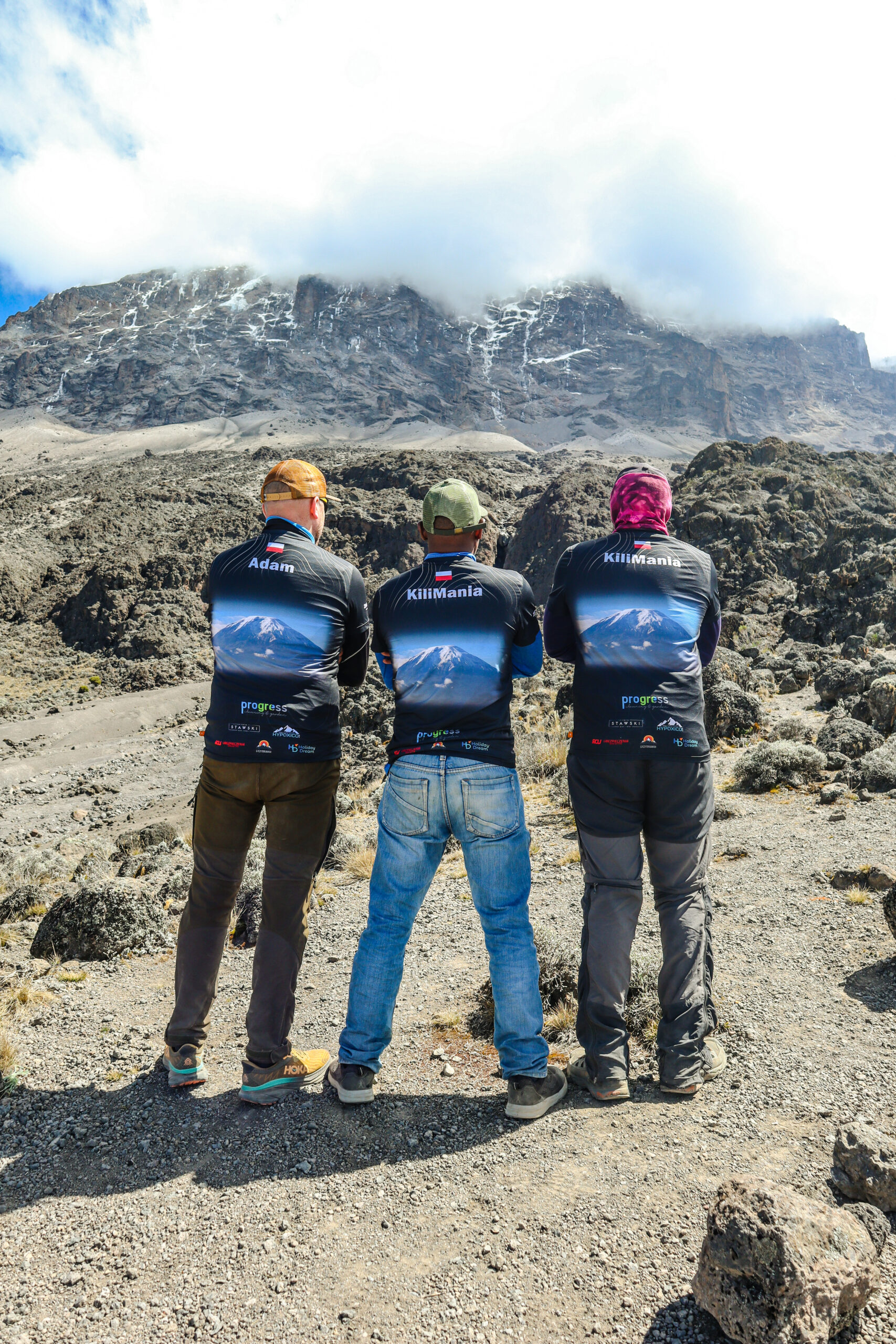
Our team guides climbers on Kilimanjaro throughout the year. Over more than two decades and 1,247+ recorded ascents, the guide team has watched thousands of climbers make this decision in both directions.
Field observations — not medical research
- Clients taking correctly prescribed acetazolamide often report fewer headaches in the 3,700–4,600m zone, where AMS most commonly develops
- Some clients report better sleep at high camps, which supports physical performance on summit night — particularly relevant given how Cheyne-Stokes breathing disrupts sleep at altitude
- Clients who develop AMS without having taken the medication sometimes ask to start it partway up. Starting after ascent has begun is generally understood in clinical literature to be less effective than starting beforehand
- Reactions in climbers with an undiagnosed sulfa sensitivity tend to appear within the first 24 hours — one reason trialling at home, if a doctor recommends it, is worth considering
- Medication status does not change our descent protocol: a climber showing signs of worsening AMS descends regardless of what they have or haven’t taken
We do not prescribe acetazolamide, recommend for or against it individually, or carry it to distribute on the trail. What we carry is monitoring equipment and the field experience to know when a descent is the right call. For the wider picture on altitude and this mountain, see our guides on how hard Kilimanjaro actually is and what summit night looks like hour by hour.
📥 Free download: Kilimanjaro altitude symptom checklist
This is the checklist our guide team uses to monitor climbers throughout every expedition, whether or not a climber is taking Diamox.
- Normal acclimatization symptoms above 3,000m
- AMS warning signs, by Lake Louise Score category
- HACE and HAPE emergency indicators
- Daily health monitoring form (SpO₂, pulse, hydration)
Prepared by Sabinus Msimba, Senior Mountain Guide, Kilimania Adventure. Educational use only — not a substitute for medical advice.
Before Your Trip: A Practical Checklist
The following steps apply whether you are prescribed Diamox or not. Going through them before departure — not the night before the climb — gives you time to respond to anything unexpected.
- Book a doctor’s appointment several weeks before departure Bring your full itinerary, including each day’s altitude gain. A travel medicine clinic is preferable to a general practitioner for this conversation — they see this specific scenario regularly.
- Trial the medication at home if prescribed Ask whether to try the medication for two to three days at home before departure. Finding out you have an uncomfortable reaction on a mountainside at 4,400m is avoidable.
- Choose an itinerary with realistic acclimatization time Medication supplements a well-paced route; it does not replace one. If you are concerned about AMS, choose 8 or 9 days over 6. The data above shows why that matters more than any tablet.
- Pack a copy of your prescription and inform your guide team Let us know what medications you are carrying before departure day. It affects how our guides interpret any symptoms during the climb.
- Learn the warning signs of AMS, HACE, and HAPE before you travel Read the signs before you need them, not on the mountain. Download the altitude checklist above. Know what a Lake Louise Score of 3 means and what your guide will do about it.
Diamox is available in some Moshi pharmacies, but starting a new prescription medication without medical supervision on the night before a climb is not something we recommend. Speaking with your own doctor at home, with time to trial if needed, is the approach that avoids preventable complications.
Should you consider asking your doctor about Diamox?
This is not a medical decision tool — it is a guide to the questions worth raising with your doctor.
Frequently Asked Questions
No. Diamox is not required by KINAPA or any operator, and climbers reach Uhuru Peak without it regularly. For some climbers, acetazolamide taken correctly and under medical supervision can reduce the frequency and severity of AMS. Whether it is right for you is a decision to make with a doctor, based on your health history and your chosen route.
It causes the kidneys to excrete more bicarbonate, mildly acidifying the blood and stimulating faster, deeper breathing — including during sleep. This accelerates the acclimatization process your body would eventually complete on its own. It does not add oxygen to the air or to your blood. It is particularly noted for reducing Cheyne-Stokes breathing that disrupts sleep at altitude.
Yes. Many climbers summit without it, particularly on longer itineraries such as the 8-day Lemosho route or the 9-day Northern Circuit, which allow more time for natural acclimatization. Our data from 1,247+ guided climbs consistently shows that route length and pace matter more than any single medication decision.
Commonly reported effects include tingling in the fingers, toes, or around the mouth (paraesthesia), increased urination, and flat-tasting carbonated drinks. These are generally mild and resolve after stopping the medication. Less common effects include nausea and increased sun sensitivity. Rare but serious reactions, including severe allergic responses, need immediate medical attention and discontinuation of the medication.
The clinical evidence does not support this concern. Acetazolamide accelerates the body’s own acclimatization process rather than suppressing symptoms directly — so genuine AMS still presents if it develops. This is why our guides continue daily symptom checks and pulse oximeter readings on every climber, regardless of what medication they are or aren’t taking.
Anyone with a history of sulfa drug allergy, kidney disease, liver disease, adrenal gland problems, or significant electrolyte imbalances should discuss acetazolamide carefully with a doctor before any use. It is also generally avoided during pregnancy and breastfeeding. A doctor who knows your full medical history is the only person who can weigh the risks and benefits correctly for your situation.
Clinical guidelines commonly describe starting one to two days before significant altitude gain and continuing through the ascent period. The exact timing, dose, and duration must be confirmed with the prescribing doctor based on your specific itinerary and health history — not decided from a website or forum post.
Related Guides
The Bottom Line on Diamox for Kilimanjaro
Kilimanjaro does not require Diamox. It requires time on the mountain, a guide team that monitors you daily, and the discipline to descend if your body calls for it. For climbers a doctor clears to take it, acetazolamide is a clinically supported option that genuinely helps many people acclimatize faster — a supplement to a well-paced route, not a shortcut around one.
Talk to your doctor. Consider trialling the medication at home if one is prescribed. Choose a route with enough days. Climb with a team that checks your oxygen levels every single day, whatever you have or haven’t taken. That combination gives you the strongest position at Uhuru Peak.
When you’re ready to plan, our team is available in Moshi: WhatsApp: +255 756 449 990 · info@kilimania.co.tz
Ready to plan your Kilimanjaro climb?
Compare itineraries, ask health questions, and get a route recommendation suited to your timeline and fitness.
View Kilimanjaro Itineraries Read the Full Climbing Guide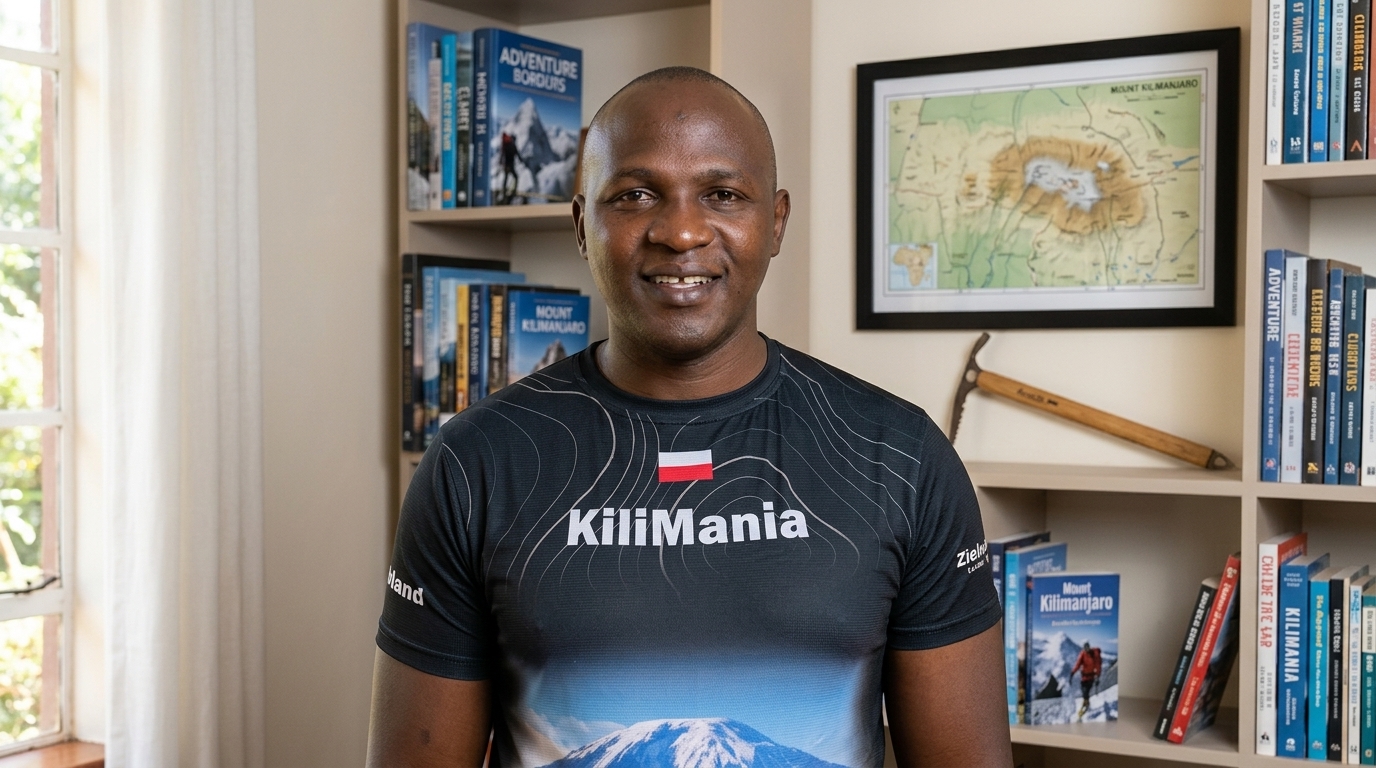
Sabinus has guided on Mount Kilimanjaro since 2001, beginning as a porter on the Marangu Route. Over 22 years and 300+ personal summits to Uhuru Peak, he has monitored thousands of climbers through altitude conditions, with and without Diamox. His field observations underpin Kilimania’s health monitoring protocol used on every expedition.