Worried about your knees on the way down
Pick an itinerary with more days so daily distances stay shorter, and bring poles. Trade-off: more days cost more and need more leave. Speak to your doctor first.

By Sabinus Msimba, Senior Kilimanjaro Guide · Published 2 March 2025 · Last reviewed 17 October 2026
Data sources cited in this article: Kilimania Adventures’ internal climbing records (rows dated individually in the scorecard below); KINAPA park regulations; CDC Yellow Book altitude guidance.
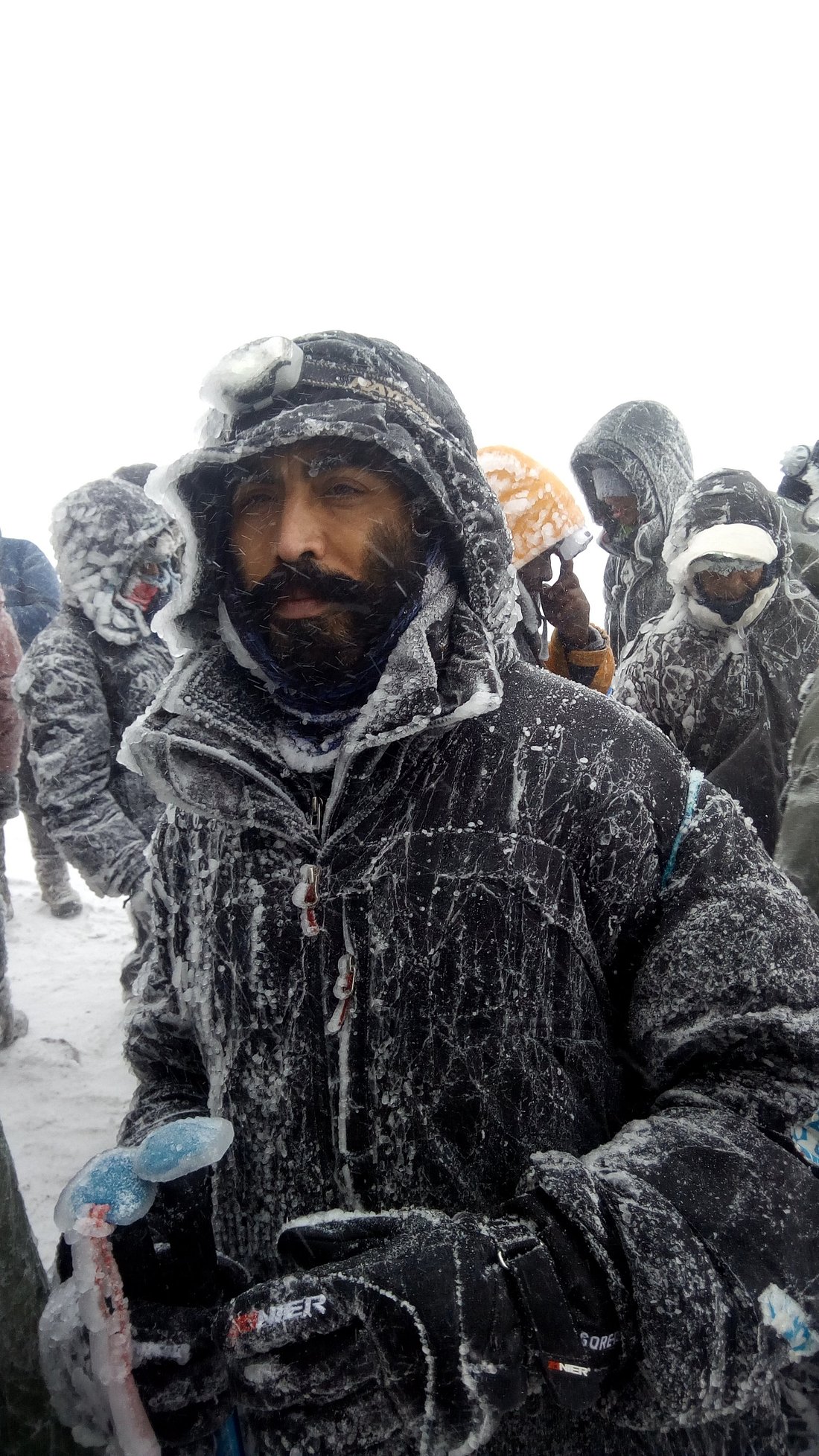
The easiest route to climb Kilimanjaro underfoot is usually Marangu: a steady trail and the only huts on the mountain, yet its 6-day itinerary has the lowest summit rate in Kilimania’s records: 67% of 256 climbers. The itineraries that got more climbers to Uhuru Peak were longer: the 9-day Northern Circuit at 96% (215 climbers) and the 7-day Machame at 92% (418). If “easy” means standing on the summit, choose acclimatization days before you choose a gentle trail. These are our own operational figures, not KINAPA or industry statistics.
Quick answer
Easiest underfoot: Marangu (huts, steady gradient) and Rongai (gradual northern approach). Easiest to finish in our records: the 9-day Northern Circuit (96%) and 7-day Machame (92%). No route removes altitude or summit night. Pick the kind of easy you need, then read its trade-off.
It’s 11 pm, you’ve typed “easy hike” into a search box, and you’re hoping someone will say Kilimanjaro is just a long walk. Partly true. No standard route needs ropes or technical climbing, and plenty of first-timers do well. But the gentlest trail and the likeliest summit are different things, and the mix-up is worth clearing before you book.
This guide separates the two. It leans on Kilimania’s own climbing records (with sample sizes) and on the experience of Sabinus Msimba, who has guided Kilimanjaro for 22 years and stood on Uhuru Peak more than 300 times. Pole pole, slowly slowly, applies to choosing a route as much as to climbing one.
On Kilimanjaro, “easy” has at least five meanings: gentle terrain, comfortable sleeping, a light daily walking load, good acclimatization, and fewer crowds. No route wins all five. Marangu leads on comfort and gradient, longer itineraries lead on acclimatization, and every route finishes with the same summit night at altitude.
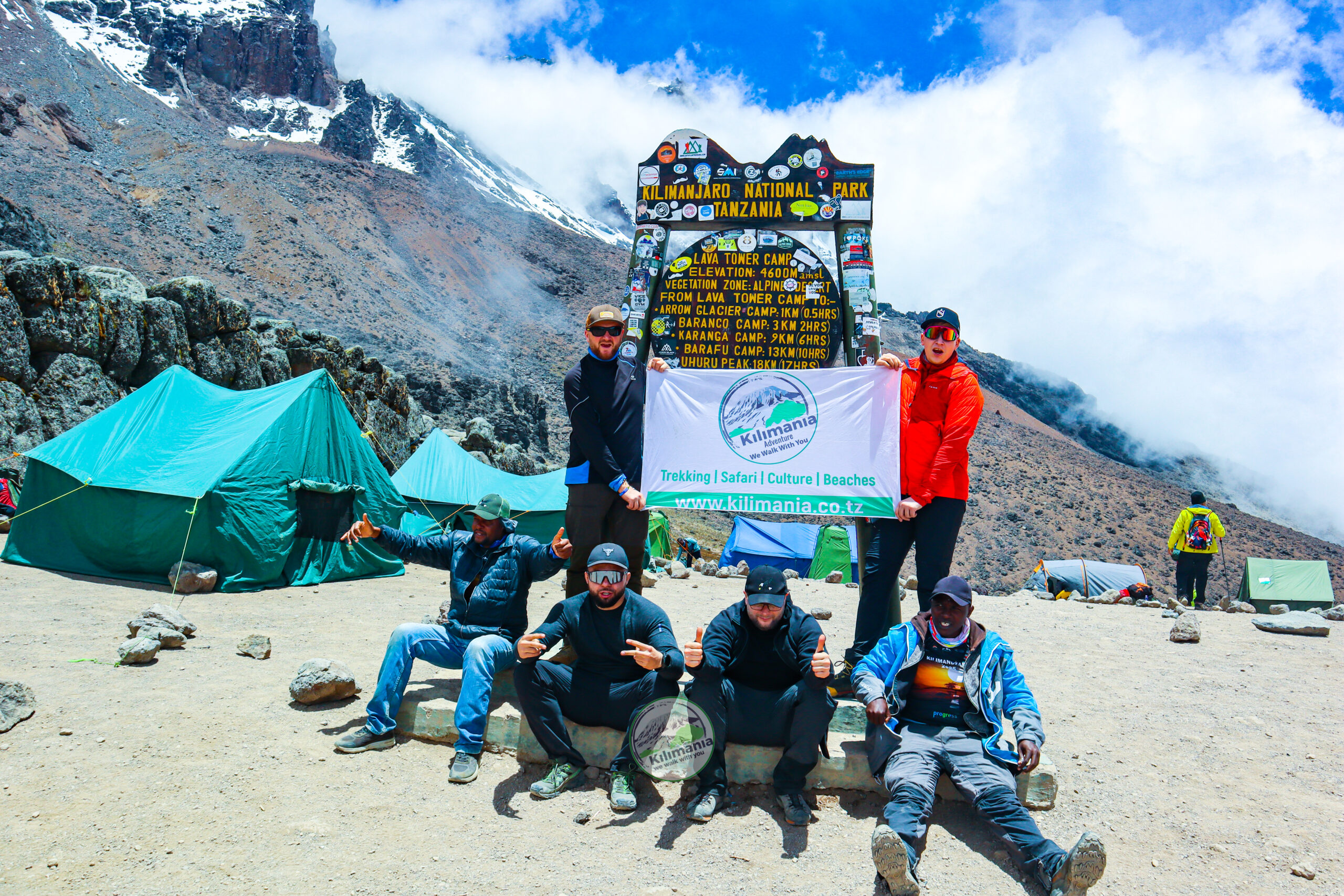
Altitude is the part fitness cannot fix. The CDC Yellow Book identifies rate of ascent as a key risk factor for altitude illness, which is why days on the mountain matter more than the gradient of any one afternoon. Our guide to how hard Kilimanjaro really is covers the wider picture.
Marangu and Rongai are the usual picks for gentle terrain. Marangu climbs and descends the same path and sleeps in huts; Rongai approaches gradually from the north. Neither passes the Barranco Wall, the hands-on scramble on Machame and Lemosho, and the Northern Circuit skips it too. Umbwe is the steep opposite.
Marangu Gate is also the closest trailhead to Moshi, about 40 minutes by road, which is one reason it’s popular with climbers short on time.
Rongai reached Uhuru Peak for 85% of 112 climbers on its 6-7-day itinerary (updated January 2026). Our Rongai route guide has the route detail. Umbwe sits at 79%, but that comes from only 14 climbers in 2019-2025, so treat it as an anecdote, not a rate. Our Umbwe guide explains who it suits.
Because acclimatization is a major factor in summit outcomes, and a gentle trail does not give you more time to adjust to altitude. In Kilimania’s records, the 6-day Marangu reached Uhuru Peak for 67% of 256 climbers (updated August 2026), against 96% of 215 on the 9-day Northern Circuit and 92% of 418 on the 7-day Machame (updated January 2026). Weather, health, pacing and individual response to altitude matter too, and these records show an association, not proof of cause.
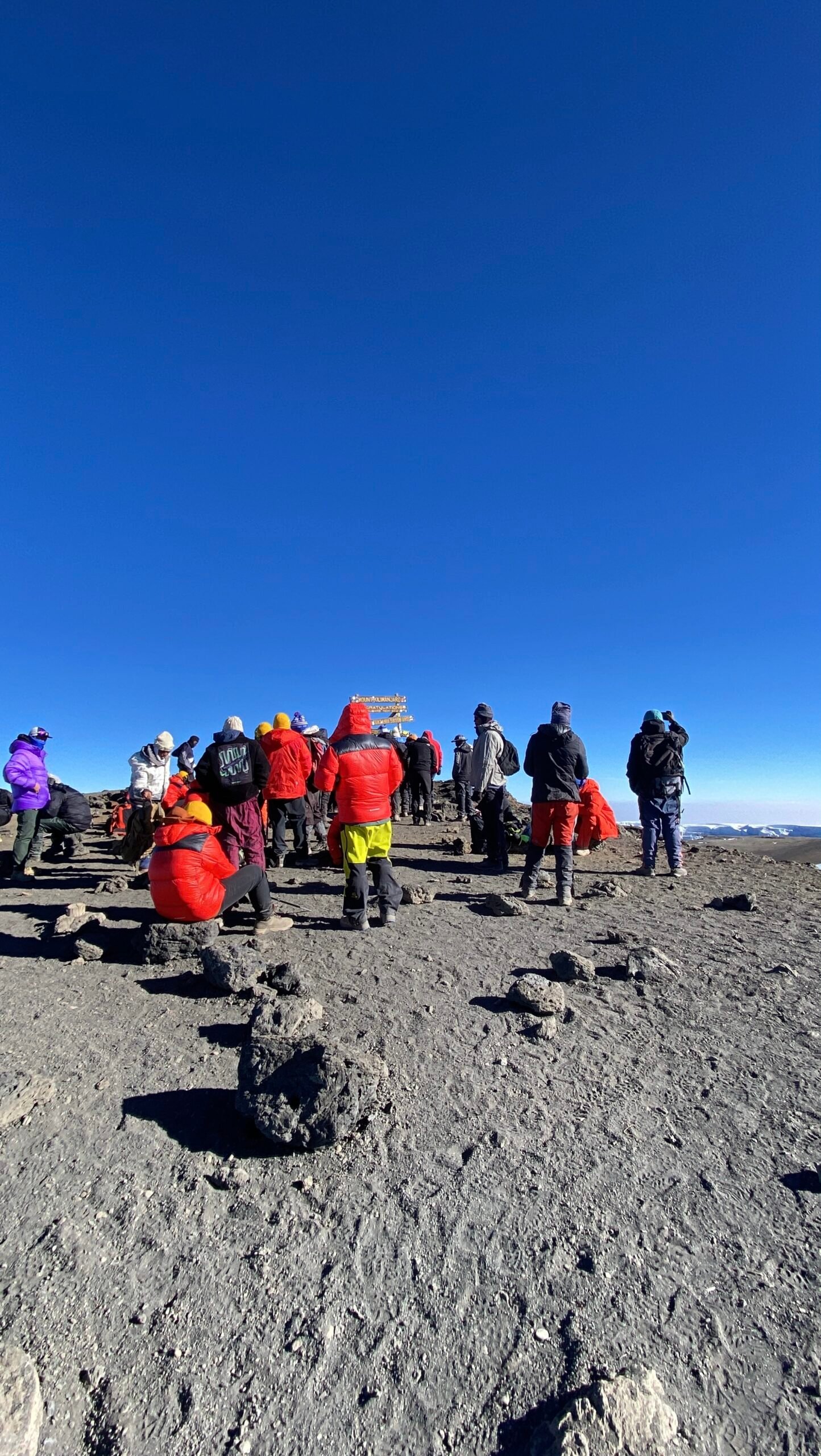
The 6-day Marangu does include one acclimatization day at Horombo Hut (3,720 m), usually with a walk toward Zebra Rock and back. After that, the plan climbs to Kibo Hut (4,703 m) and starts summit night from there. Lemosho and Machame build their climb-high-sleep-low day into the middle of the route at Lava Tower (around 4,600 m) before dropping to sleep lower. From Gilman’s Point (5,681 m) on the crater rim, it is still roughly 45-90 minutes to Uhuru Peak (5,895 m), per our 5-day Marangu itinerary. In our records the 6-day Marangu still has the lowest summit rate, and we can’t isolate a single cause.
To be fair to Marangu: a dry bed after a long day is a real comfort, and for some climbers it is worth the lower odds. Just choose it knowingly. Read our Marangu route guide for the full picture, and see the 5-day Marangu page if you are weighing a shorter plan.
The scorecard sets all nine itineraries from Kilimania’s records side by side: whether the Barranco Wall is on the route, whether you sleep in huts or tents, the summit rate, and the sample behind it. The two gentlest-terrain options are not the two likeliest to summit.
| Route and itinerary | Barranco Wall on route? | Sleeping | Kilimania summit rate | Climbers in dataset (n) | Data updated |
|---|---|---|---|---|---|
| Northern Circuit, 9 days | No | Tents | 96% | 215 | Aug 2026 |
| Machame, 7 days | Yes | Tents | 92% | 418 | Jan 2026 |
| Lemosho, 7 days | Yes | Tents | 88% | 156 | Jan 2026 |
| Rongai, 6-7 days | No | Tents | 85% | 112 | Jan 2026 |
| Lemosho, 8 days | Yes | Tents | 82% | 384 | Aug 2026 |
| Machame, 6 days | Yes | Tents | 82% | 97 | Jan 2026 |
| Shira, 7-8 days | Yes | Tents | 80% | 74 | Jan 2026 |
| Umbwe, 5-6 days | Yes | Tents | 79% | 14* | 2019-2025 |
| Marangu, 6 days | No | Huts | 67% | 256 | Aug 2026 |
*Umbwe is a small sample (14 climbers); read it with extra caution. These figures are Kilimania’s own operational records, not KINAPA or industry-wide statistics, and a historical rate is not a prediction for any individual climber.
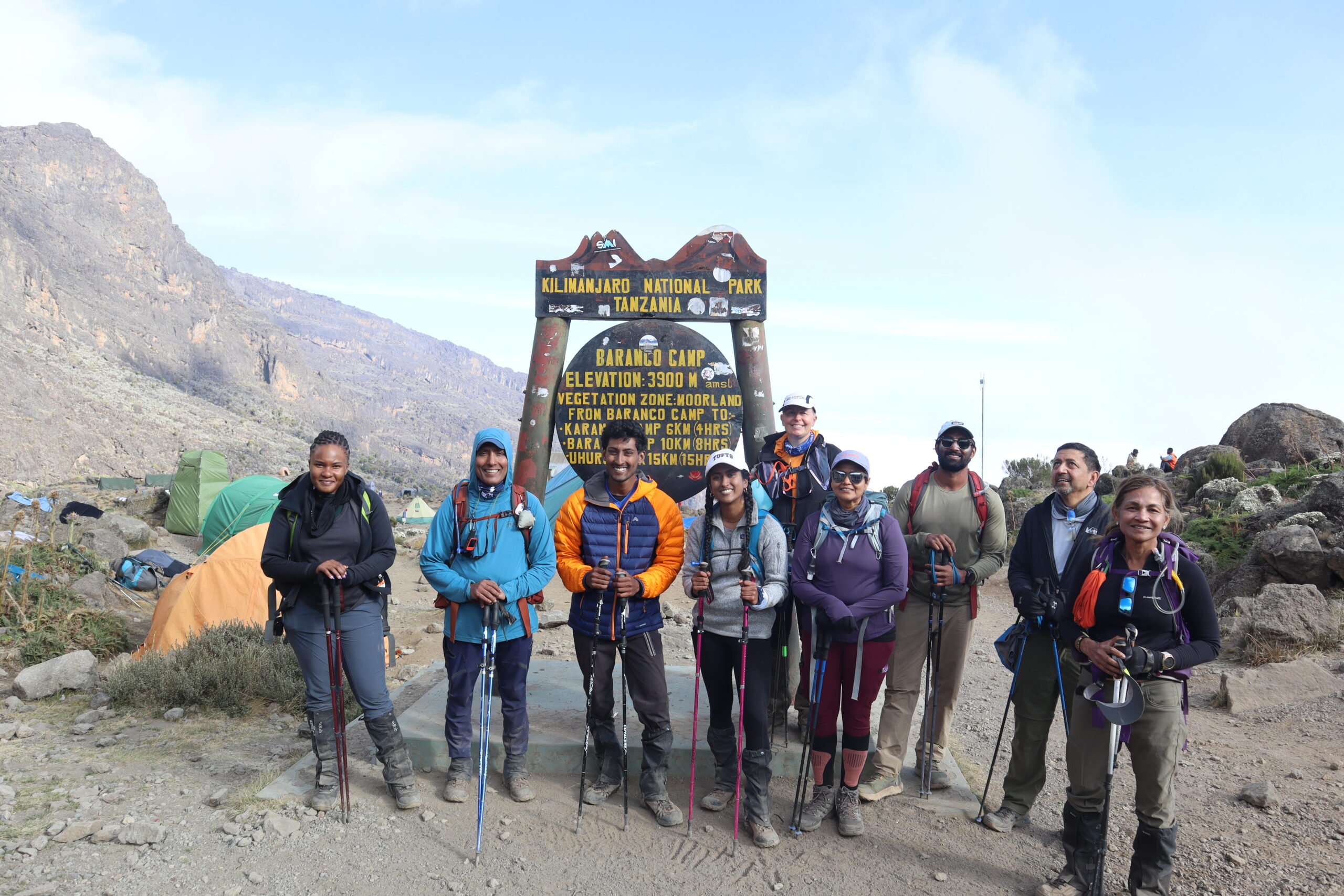
Two things stand out. First, the 8-day Lemosho (82% of 384) sits below the 7-day Lemosho (88% of 156). We will not invent a reason: group make-up, season and health vary between those climbs, and this is operational data, not a controlled comparison. Second, the 6-day Machame (82% of 97) trails the 7-day (92% of 418), which fits the pattern that more days help. For each route’s own page, see the 7-day Machame, 7-day Rongai and 9-day Northern Circuit itineraries; our success-rate page owns the full methodology.
Not sure which kind of easy you need? Send us your dates, the days you can spare and any knee or altitude worries, and Sabinus’s team will match you to an itinerary. No pressure; compare as many operators as you like.
WhatsApp: +255 756 449 990 | info@kilimania.co.tz | Group climb dates
We reply within 12 hours, 7 days a week (EAT, UTC+3).
Match the route to your constraint, then read the trade-off. Each card names one worry, one sensible option, the honest downside, and the page that owns the detail.
Pick an itinerary with more days so daily distances stay shorter, and bring poles. Trade-off: more days cost more and need more leave. Speak to your doctor first.
Rongai, Marangu and the Northern Circuit skip the Barranco Wall. Trade-off: summit night is identical, and Rongai’s northern approach is remote.
Marangu is the only route with hut accommodation. Trade-off: 67% of 256 climbers summited on the 6-day itinerary in our records (updated August 2026).
Rongai approaches from the usually drier north. Trade-off: 85% of 112 climbers (updated January 2026), and rain can still arrive.
Favour days over comfort: 7-day Machame (92% of 418) or 9-day Northern Circuit (96% of 215). Trade-off: cost and time away from work.
The 6-day Machame reached 82% of 97 climbers in our records; the 6-day Marangu 67% of 256. Trade-off: less acclimatization time than a 7- or 8-day plan.
Longer itineraries give more time to acclimatize, and a medical check before booking is sensible at any age. Trade-off: a longer trip costs more.
Look first at the 9-day Northern Circuit and the 7-day Machame. Trade-off: the Northern Circuit needs nine days, and Machame is a busier trail.
Free download
Kilimanjaro Route Comparison Cheat Sheet (PDF), prepared by Sabinus Msimba. A one-page summary to keep beside you while you decide.
Summit night, on every route. You start around midnight in the cold and dark, climb scree on little sleep, and reach the rim at dawn. A gentle trail and a hut bed do not change that, and neither does a high summit rate.
Here is how it runs in practice. On our Barafu-based itineraries (Machame and Lemosho, for example), the protocol from Barafu Camp (4,673 m) is plain on purpose: wake at 11:00 PM, light food at 11:30 PM, depart at midnight. Timing varies by route, conditions and your guide’s assessment; Marangu, for instance, starts from Kibo Hut. The 7-day Machame, which uses Barafu, reached Uhuru Peak for 92% of 418 climbers in our records (updated January 2026). Those who did not reach the summit were turned around by their guides; our success-rate page explains how turnaround reasons are logged.
Also expect scree underfoot, cold hands, and a slow shuffle that feels easier than it looks. For the full sequence, read our summit night guide and the honest take on the worst part of climbing Kilimanjaro. Pace matters; our piece on pole pole explains why.
Train for long days on your feet, not for speed; our training guide gives a plan, and what to expect walks through the days. KINAPA requires every climber to be accompanied by a licensed guide, so ask any operator for guide licence details. For costs, gear and altitude in one place, see the Climbing Kilimanjaro guide. Speak to your doctor about altitude before you book. If you would rather climb with a group, check the joining calendar for dates. (Fees are published by TANAPA; we do not restate them here.)
Kilimanjaro National Park is also a UNESCO World Heritage site, managed by KINAPA under TANAPA.
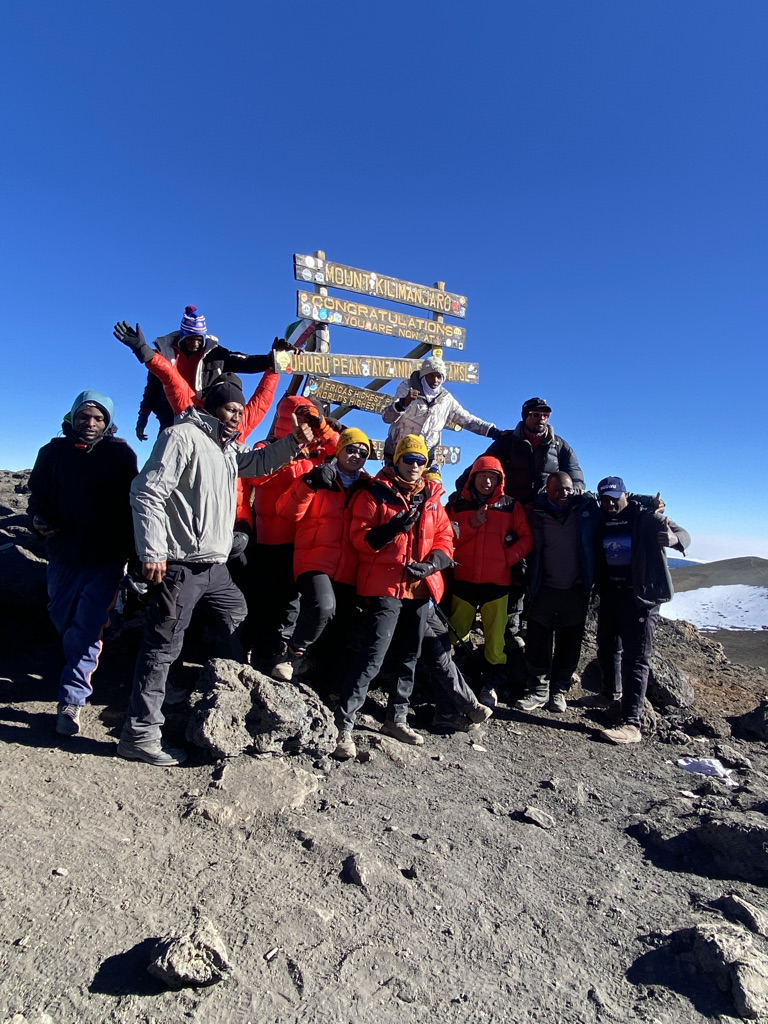
Marangu is usually considered the easiest underfoot and is the only route with huts, but easy to walk is not easy to finish. In Kilimania’s records, the 6-day Marangu reached Uhuru Peak for 67% of 256 climbers (updated August 2026), the lowest of the nine itineraries we track. Several longer itineraries got more climbers to the summit.
Marangu, Rongai and the Northern Circuit do not use the Barranco Wall, the hands-on scramble that Machame, Lemosho, Shira and Umbwe pass through. That removes one scramble, not summit night, which every route shares. See our Barranco Wall guide for detail.
For a first climb, choose more days over a gentler path. In Kilimania’s records the 7-day Machame reached Uhuru Peak for 92% of 418 climbers (updated January 2026) and the 9-day Northern Circuit for 96% of 215 (updated August 2026). Our beginner guide covers fitness and preparation.
Rongai skips the Barranco Wall and approaches gradually from the north, so it can feel gentler day to day. In our records the 6-7-day Rongai reached Uhuru Peak for 85% of 112 climbers, while the 7-day Machame reached 92% of 418 (both updated January 2026). Gentler terrain did not mean a higher summit rate.
Knee comfort depends on descent distance and pace more than on the route name, and we cannot give medical advice. Poles and a slow pace are standard guidance. If you have a known knee problem, speak to your doctor before booking, then read our guide to Kilimanjaro with bad knees.
Rongai is the usual suggestion for April-May and November because it approaches from the usually drier north. Conditions vary by year and date, and rain can still reach any route. Kilimania’s 6-7-day Rongai reached Uhuru Peak for 85% of 112 climbers (updated January 2026). Our rainy-season guide covers timing and what to pack.
You can, but a five-day plan leaves less time to acclimatize. In our records the 6-day Machame (82% of 97) trailed the 7-day Machame (92% of 418). Kilimania publishes a separate 5-day Marangu page; we have not restated its details here. Compare it with the longer itineraries in the scorecard above.
No. The standard routes need no ropes or technical skills, only the ability to walk for many hours at altitude. Altitude is the real test: the CDC Yellow Book identifies rate of ascent as a key risk factor, which is why more days on the mountain matter. Discuss health concerns with a doctor.
Pick the kind of easy you need, and be honest about which one that is. If comfort and the gentlest trail matter most, Marangu gives you both, with a 67% summit rate (256 climbers) you should know before booking. If the summit matters most, look first at itineraries with more days. Compare them in our full Kilimanjaro routes guide, then decide pole pole. That’s the promise: We Walk With You.
Ready to compare routes for your own dates? Our main climbing page lists the itineraries, or message us and we will talk it through.
Kilimanjaro climbing itineraries | WhatsApp: +255 756 449 990 | info@kilimania.co.tz
We reply within 12 hours, 7 days a week (EAT, UTC+3).
Reviews from climbers (as of October 2026)
Google: 4.9 from 36 reviews · read on Google
TripAdvisor: 5.0 from 33 reviews · read on TripAdvisor
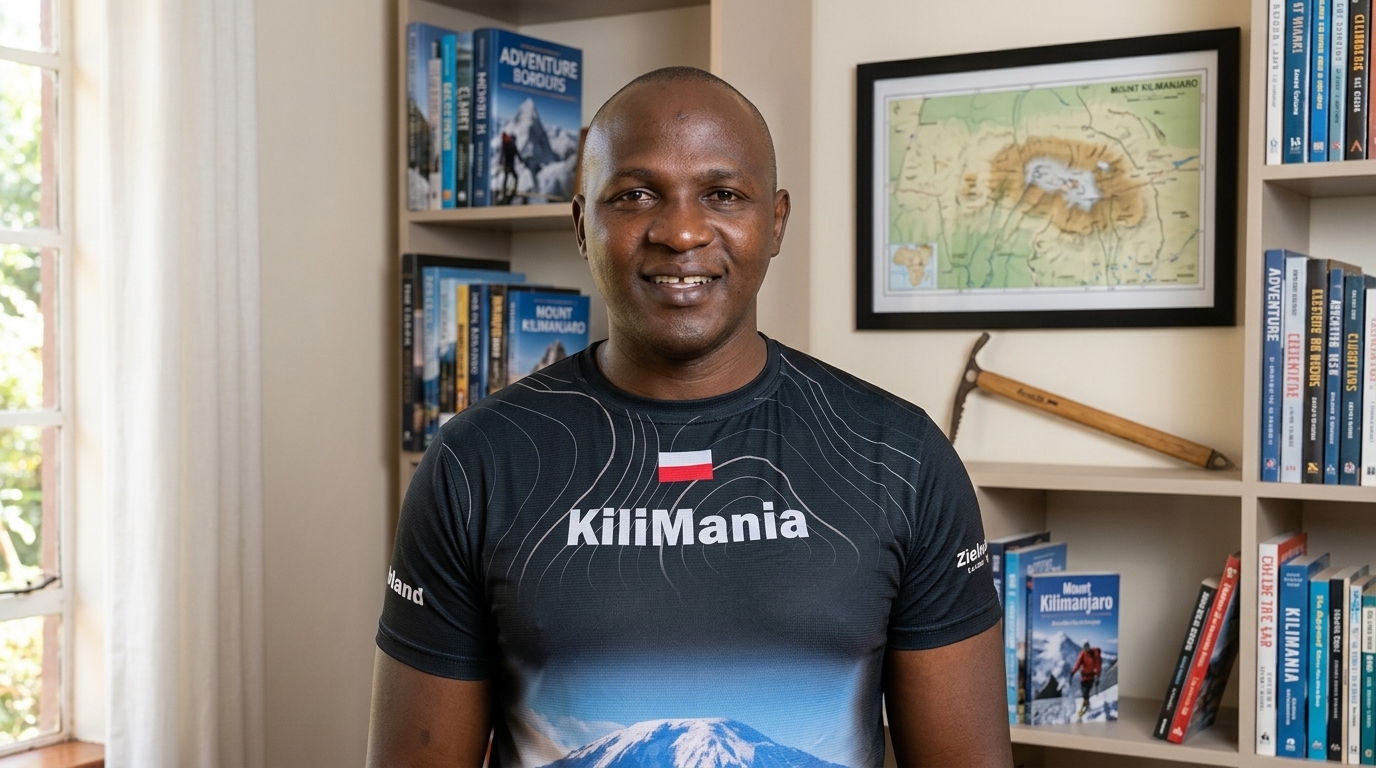
22 years guiding on Kilimanjaro · 300+ Uhuru Peak summits · KINAPA-licensed mountain guide (licence no. 044395, valid 1 Jan-31 Dec 2026).