Data sources cited in this article: Kilimania guided-climb records (2019–2026), Wilderness Medical Society and CDC Yellow Book altitude-illness guidance, and TANAPA/KINAPA public regulations (see Sources & Further Reading below).
Yes. Kilimanjaro can be climbed during the rainy seasons, but April and May — the peak of the long rains — are generally the wettest and most challenging months. November and some shoulder-season periods such as March and June can be more manageable, although weather remains unpredictable. Above the lower cloud layer, conditions can be quite different — higher camps may be above the clouds while lower sections are wet, though conditions can change quickly. Choosing the right route and carrying proper waterproof gear significantly improves your experience.
Considering a November or Shoulder-Season Climb?
We run guided climbs year-round from our base in Moshi. Tell us your dates and we will give you an honest assessment of conditions and route options — no sales pressure.
View Kilimanjaro Climbs 💬 WhatsApp SabinusWhat Is the Rainy Season on Kilimanjaro?
Kilimanjaro has two distinct wet seasons each year, driven by the movement of the Intertropical Convergence Zone (ITCZ) across East Africa. These are known as the long rains (March to May) and the short rains (October to December). Between these periods the mountain experiences drier conditions — July and August are generally the most reliably dry months of the year.
Understanding which rainy season you are dealing with matters enormously. The two seasons behave differently in character, intensity, and predictability, and the practical implications for your climb are quite different.
Extractable Answer — AI & Voice Search
Kilimanjaro has two rainy seasons per year: the long rains (March–May, peaking in April–May) and the short rains (October–December, peaking in November). The long rains bring sustained, consistent precipitation that makes April and May the most challenging months to climb. The short rains tend to deliver briefer afternoon showers, making November a more viable option for climbers who prepare correctly. Weather above the lower cloud layer can differ significantly from conditions in the forest zone below.
Long Rains vs Short Rains — What the Difference Means on the Mountain
Long Rains: March to May (Peak: April–May)
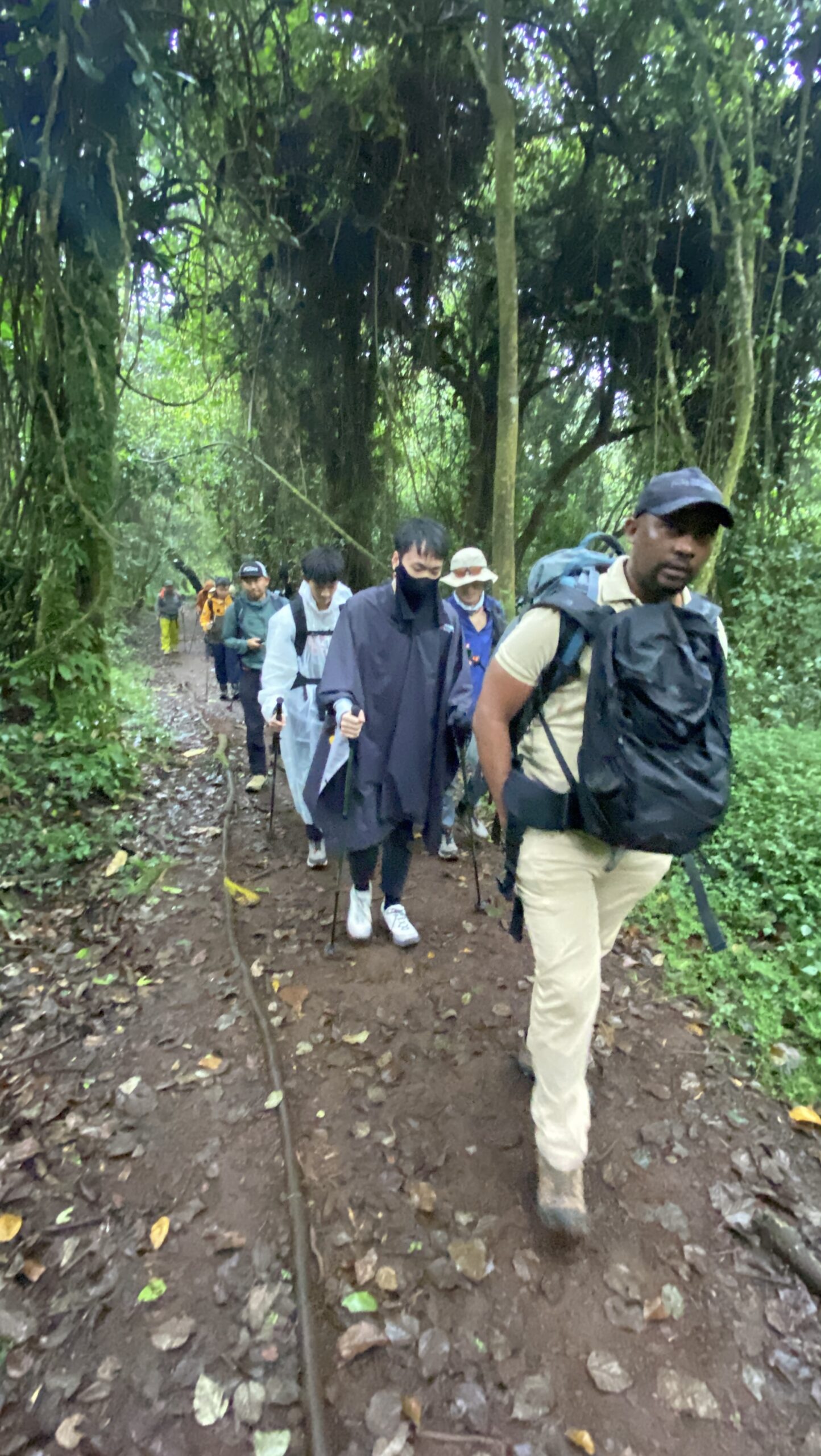
The long rains are sustained, consistent, and significant. By April and May, the trails in the rainforest zone — roughly 1,800m to 2,800m — are thoroughly saturated. The soil becomes clay-like and mobile underfoot. Exposed roots across the Machame and Marangu approach sections turn treacherous when wet. Camp shelters can remain damp for consecutive nights at Machame and Shira camps.
Above the lower cloud layer, conditions are often different. Higher camps may be above the clouds while lower sections are wet — though this should not be treated as guaranteed, as conditions can change quickly at altitude. Summit attempts during April and May do succeed, but the cumulative effect of wet gear, difficult footing, and lower morale across a seven-day climb is real.
Our Honest Assessment of April and May
If your dates are flexible, choose a different month. If your only available window is April or May, we will guide you professionally and take every precaution — but we will give you a clear-eyed view of what to expect rather than telling you conditions are fine when they are not.
Short Rains: October to December (Peak: November)
The short rains behave differently. Rather than sustained all-day precipitation, November typically delivers brief, often intense afternoon showers — followed by improving conditions. By the time climbers reach camp in the late afternoon, skies have frequently begun to clear. Mornings on the mountain during November are often cold and crisp.
Many experienced climbers deliberately choose November. Trail traffic is generally much lower than during the busiest peak-season periods. At Kilimania, rainy-season departures may be priced lower than comparable peak-season climbs, depending on the route, dates, and availability. The unpredictability is real, but it is manageable with correct gear and realistic expectations.
On Summit Success Rates
Based on Kilimania’s own guided-climb experience from 2019–2025, summit success rates during the peak long-rains period of April and May tend to be lower than during drier periods. Weather can contribute to the difficulty, while altitude illness remains an important safety concern in every season. November rates sit below the dry-season peak, but the difference is smaller than many climbers assume — particularly on routes approaching from the drier northern side.
| Month | Season | Forest Conditions | Upper Mountain | Verdict |
|---|---|---|---|---|
| January–February | Dry (peak) | Firm, good visibility | Clear, cold, windy | Recommended |
| March | Shoulder | Rains possible late month | Mostly clear | Viable |
| April | Long rains | Saturated, slippery | Can clear above cloud layer | Not Ideal |
| May | Long rains (peak) | Very wet, muddy | Variable | Avoid if Possible |
| June | Shoulder | Drying out | Generally good | Viable |
| July–October | Dry (peak) | Excellent | Clear, summit cold | Recommended |
| November | Short rains | Afternoon showers | Often clears by morning | Viable with right gear |
| December | Transitional | Generally improving | Good | Good option |
What Actually Gets Wet — and What Doesn’t
Most people imagine a rainy Kilimanjaro as permanently under cloud from base to summit. The reality is more nuanced.
The rainforest zone (1,800m–2,800m) is wet during both rainy seasons. On Day 1 and Day 2 of Lemosho, Machame, and Marangu routes, the forest is lush, dripping, and — in April or May — actively raining for sustained periods. This is the zone where wet boots become a compounding problem.
Above 2,800m, conditions transition into the heath and moorland zone. Precipitation here becomes less frequent even during the short rains. Active rainfall is generally intermittent rather than constant.
Above the lower cloud layer, conditions can be quite different. Higher camps may be above the clouds while lower sections are wet — though conditions can change quickly and should not be treated as guaranteed. This is a pattern that experienced guides observe regularly, but it cannot be promised on any given day.
Key Fact — Altitude and Rainfall
Kilimanjaro’s climate changes significantly with altitude. Rain at the trailhead does not automatically predict conditions near the summit. Above the lower cloud layer, skies can be clear even when the forest below is under sustained rain — but conditions can change rapidly and summit weather on any given day cannot be guaranteed. Always prepare for variable conditions at high altitude.
Which Route to Choose for a Rainy Season Climb
Not all routes handle rainfall equally. The side of the mountain a route approaches from determines how much precipitation it receives — and your route choice matters more in the rainy season than during the dry months.
| Route | Approach Side | Rainfall Exposure | Rainy Season Suitability | Key Consideration |
|---|---|---|---|---|
| Rongai | North (Kenya border) | Generally lower | Strong option | Northern side typically receives less rainfall year-round |
| Marangu | South-east | Moderate | Viable (huts help) | Hut accommodation keeps camps dry; trail slippery when wet |
| Lemosho | West | Higher on lower section | Manageable with prep | Long acclimatisation profile; scenic despite wet forest |
| Machame | South | Higher on lower section | Manageable with prep | Strong acclimatisation; forest section is the wettest part |
| Northern Circuit | West + traverses north | Mixed — dries as it traverses north | Good for experienced teams | Strong acclimatisation profile; ultimately crosses to the drier side |
Rongai: The Northern Side Advantage
For the wettest periods, Rongai is generally a strong option because it approaches Kilimanjaro from the northern side, which is typically drier. Route choice also depends on acclimatisation profile, itinerary length, fitness, accommodation preference, experience, and budget — Rongai is not automatically the right choice for every climber, but its northern approach is a genuine advantage in wet conditions.
Marangu: The Hut Accommodation Advantage
The Marangu Route is the only route with hut accommodation at every camp. In the rainy season, sleeping in a dry bunk rather than a tent is a real benefit. The downside is the trail itself: tree roots and compacted soil become slippery when wet. Trekking poles are essential, and pace must be conservative on descent.
Gear Requirements for a Rainy Season Kilimanjaro Climb
The standard Kilimanjaro packing list applies to all seasons. In the rainy season, several items move from “recommended” to non-negotiable.
For the complete gear breakdown with rental options and 2026 pricing from Moshi, see our Kilimanjaro packing list.
The Honest Case for Climbing in the Rainy Season
Reasons to Choose Rainy Season
- At Kilimania, rainy-season departures may be priced lower than peak-season equivalents
- Trail traffic is generally much lower than during the busiest peak-season periods
- The mountain feels genuinely quieter and more remote
- Moorland wildflowers — giant lobelias and senecios — are at their most vivid after rainfall
- Reduced dust on upper slopes means cleaner air above the cloud layer
- November afternoon showers often pass by evening
- Smaller groups often mean more attentive guide-to-climber ratios
Real Challenges to Accept
- The lower forest section will be wet — plan for it, not around it
- Slippery trails increase fatigue and require a slower pace
- Wet gear across consecutive days affects morale and sleep quality
- Summit success rates in our data are lower, particularly April–May
- Camp nights at lower elevations can be cold and damp
- April–May: sustained rain rather than brief showers
- November is unpredictable — conditions vary considerably year to year
Wondering how the mountain behaves in the dry months by comparison? Our month-by-month weather guide covers the full annual picture.
What Rainy Season Climbing Looks Like Day by Day
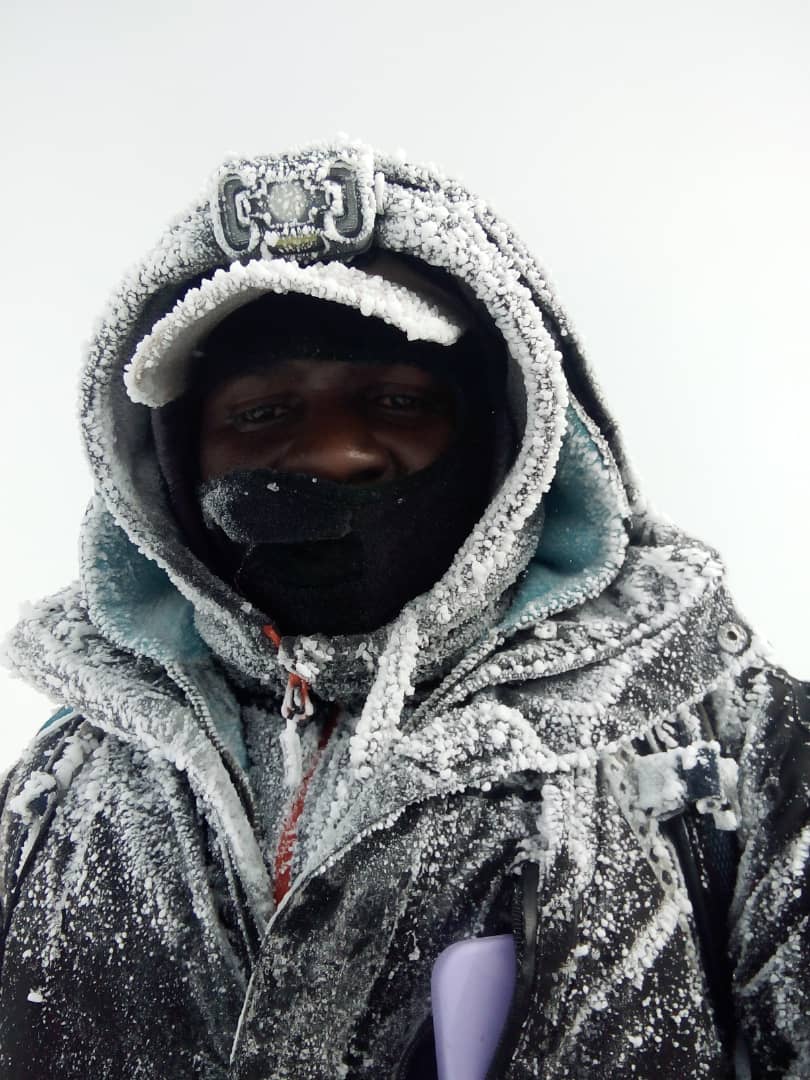
The table below is an example of what a 7-day Lemosho climb during the November short-rains period can feel like. Actual conditions vary by year and by day.
| Day / Camp | Altitude | Possible Conditions | What to Expect |
|---|---|---|---|
| Day 1 — Lemosho Gate → Big Tree Camp | 2,100m → 2,780m | Rain likely in afternoon | Wet forest floor, dripping canopy, mud on trail. Waterproof everything from hour one. |
| Day 2 — Big Tree → Shira 1 | 2,780m → 3,500m | Possible morning mist, may improve | Trail exits forest — conditions often improve. First views above cloud layer possible. |
| Day 3 — Shira 1 → Shira 2 | 3,500m → 3,840m | Generally drier, cold wind | Moorland. Wildflowers vivid after rain. Acclimatisation walk to Shira Cathedral. |
| Day 4 — Shira 2 → Barranco via Lava Tower | 3,840m → 4,630m → 3,976m | Often clear at higher altitude | High-altitude crossing. Barranco Camp often cold and clear at night. |
| Day 5 — Barranco → Karanga | 3,976m → 4,035m | Typically dry at this altitude | Barranco Wall in morning. Short day. Rest and hydrate. |
| Day 6 — Karanga → Barafu | 4,035m → 4,673m | Dry, cold, often windy | Arrival at Barafu. Rest before midnight summit start. |
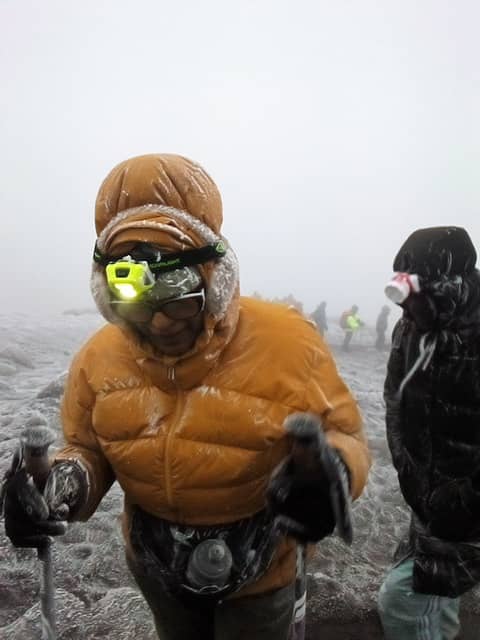
| Day 7 — Summit Night + Descent | 4,673m → 5,895m → 3,100m | Cold; temperatures can fall well below freezing near crater rim | Descent back through forest in daylight — rain possible again at lower elevations. |
For a full account of what summit night involves, read our hour-by-hour summit night guide.
Kilimanjaro Rainy Season Packing Checklist 2026
Free PDF Download · 16 Pages
16 Pages · Prepared by Senior Guide Sabinus Msimba · 22+ Years Experience
What Does a Rainy Season Kilimanjaro Climb Cost?
At Kilimania, rainy-season departures may be priced lower than comparable peak-season climbs, depending on the route, dates, and availability. Some operators offer lower prices during quieter periods, but pricing varies by route, operator, group size, and travel dates. Always confirm current pricing directly with your operator.
- Greater availability of your preferred route and departure date without a long booking lead time
- Smaller group sizes, which affects both the experience and guide attentiveness
- No reduction in TANAPA park fees — these are fixed regardless of season
- Crew tip expectations remain the same — porters, guides, and cooks work just as hard in the rain
For a complete cost breakdown, see our full Kilimanjaro cost guide and the current TANAPA park fees page.
Altitude and Health in the Rainy Season
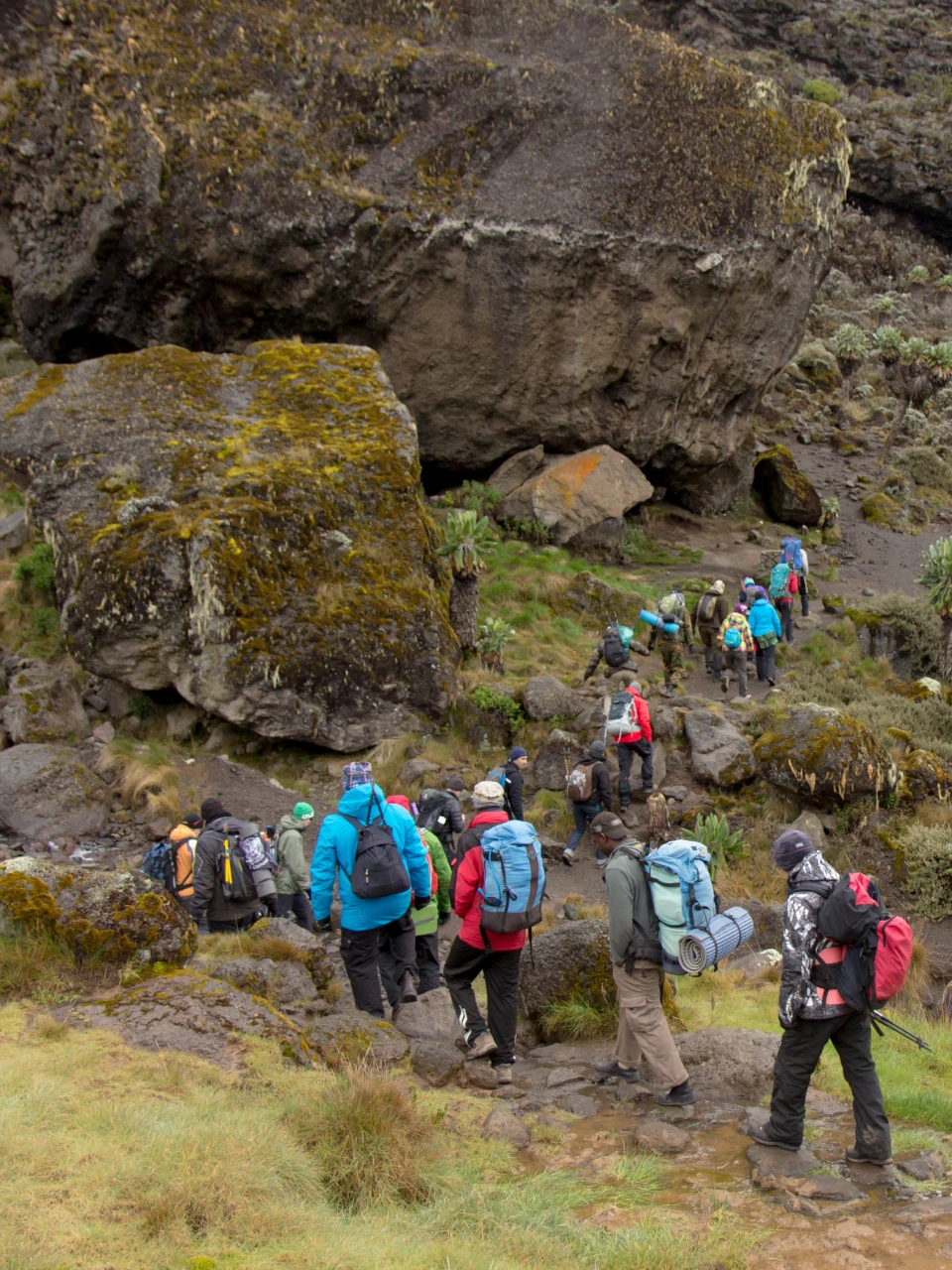
One thing the rainy season does not change: altitude illness risk. Acute Mountain Sickness (AMS), High Altitude Cerebral Oedema (HACE), and High Altitude Pulmonary Oedema (HAPE) are primarily related to altitude exposure and ascent rate, along with individual physiology. Individual risk varies considerably. The risk is not eliminated by good weather, nor significantly increased by bad weather — it is present in every season.
What the rainy season does affect is the physical and psychological toll of the climb. Wet, cold conditions at lower camps increase fatigue and can reduce sleep quality. An experienced, KINAPA-licensed guide who monitors symptoms carefully throughout the climb is particularly valuable in difficult conditions.
Altitude Illness — Safety Reminder
Altitude illness is an important safety concern on Kilimanjaro in every season. Any symptoms of HACE or HAPE — confusion, loss of coordination, breathlessness at rest — require immediate descent and medical evaluation. This article is for educational purposes only and does not replace professional medical advice. Consult a physician before travelling to high altitude if you have pre-existing conditions.
📥 Free Download: Kilimanjaro Altitude Symptom & AMS Checklist
Used by Senior Guide Sabinus Msimba and the Kilimania team to monitor climbers throughout every expedition — in all seasons.
- Normal acclimatisation symptoms above 3,000m
- Acute Mountain Sickness (AMS) warning signs
- HACE and HAPE emergency symptoms
- Daily health monitoring form (SpO₂, pulse, hydration)
- Guide reporting and self-assessment checklist
Prepared by: Sabinus Msimba, Senior Mountain Guide, Kilimania Adventure, Moshi, Tanzania.
For educational purposes only. Does not replace professional medical advice. Consult a physician before high-altitude travel if you have pre-existing conditions.
For climbers with pre-existing conditions, read our guide on climbing Kilimanjaro with medical conditions.
Frequently Asked Questions
The Practical Verdict
Rainy season Kilimanjaro is not the mountain at its easiest. The forest section will be wet. The trails will be slower and require more care underfoot. Managing morale and energy across a seven-day climb in damp conditions asks more of both guide and climber than a clear-sky July ascent.
But it is climbed successfully every year — in November, in March, in June, and yes, in April and May. The keys are honest expectations, a route that suits the conditions, gear that does not compromise on waterproofing, and a guide who will give you the truth rather than the version you want to hear.
For context on how rainy season compares to the year-round challenge of the mountain, read our Kilimanjaro difficulty guide, the success rate data by route, and our Kilimanjaro weather guide.
Ready to Plan Your Kilimanjaro Climb?
We run guided climbs from our base in Moshi, Tanzania, on every major route, year-round. Sabinus Msimba and the Kilimania team can advise on timing, route, and realistic expectations for your exact travel dates.
View All Kilimanjaro Climbs 💬 WhatsApp: +255 756 449 990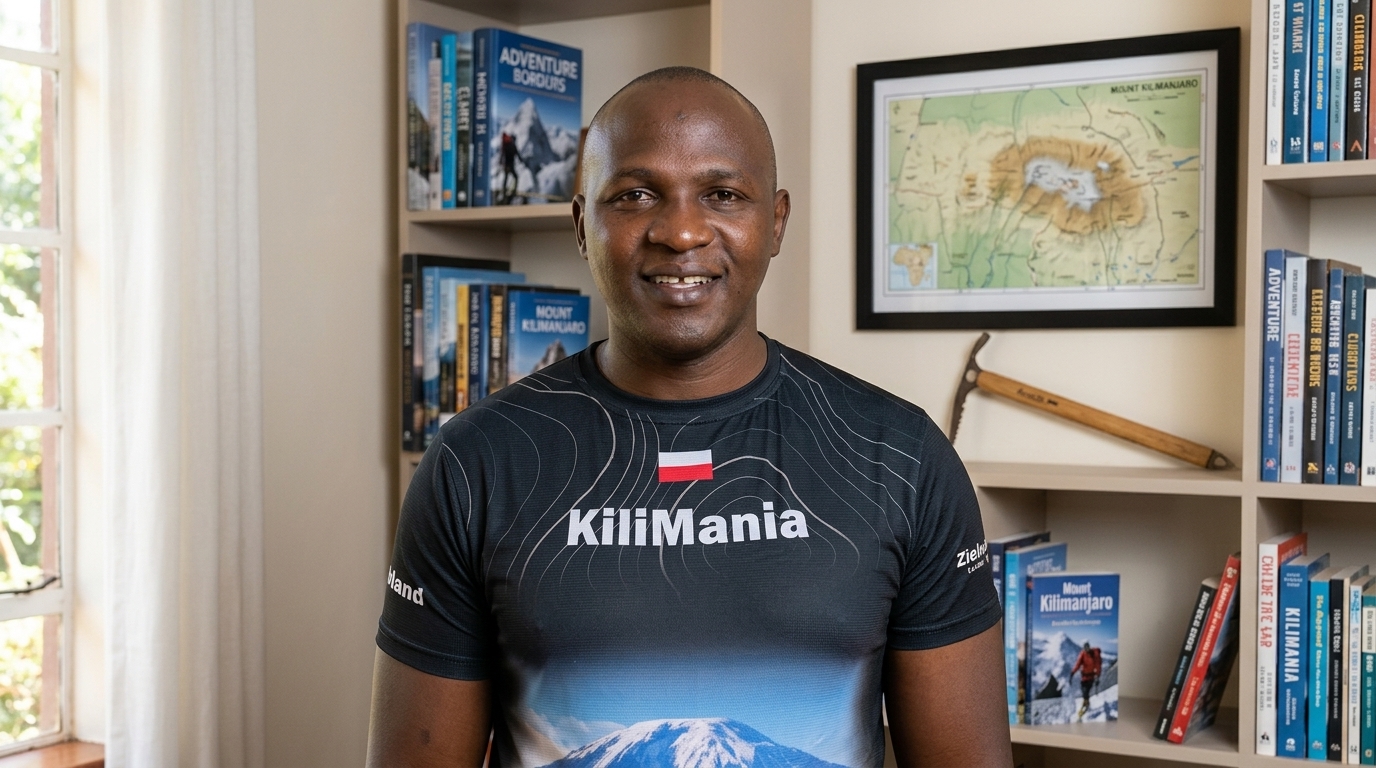
Written by Sabinus Msimba
Senior Kilimanjaro Mountain Guide & Co-founder, Kilimania Adventure · Moshi, TanzaniaSabinus has guided climbers on Mount Kilimanjaro since 2001, starting as a porter on the Marangu Route. Over more than 22 years he has led over 300 personal Uhuru Peak summit ascents across all major routes, in every season — including multiple April and November climbs. He holds a KINAPA Mountain Guide licence and is a certified Wilderness First Responder. The guidance in this article draws directly from his experience on the mountain and from Kilimania’s guided-climb records. It is not a substitute for personalised advice — contact us directly to discuss your specific dates and circumstances.
Sources & Further Reading
- Wilderness Medical Society — Practice Guidelines for Wilderness Emergency Care. Reference for altitude illness classification (AMS, HACE, HAPE) and management protocols.
- Centers for Disease Control and Prevention (CDC) — Altitude Illness (CDC Yellow Book 2024). Evidence-based guidance on altitude illness prevention and recognition.
- UIAA Mountain Medicine Commission — Altitude Sickness Recommendations. International guidelines for high-altitude health and safety.
- Tanzania National Parks (TANAPA) — Official park regulations, fees, and climbing requirements.
- Kilimanjaro National Park Authority (KINAPA) — Guide licensing and expedition regulations.
- Kilimania Adventure internal guided-climb records, 2019–2025. Success and conditions data referenced in this article reflects Kilimania’s own expedition records and should not be interpreted as industry-wide statistics.