
Kilimanjaro in January: Conditions, Temperatures & What to Expect
By Sabinus Msimba, Senior Mountain Guide · · 9 min read
Data sources cited in this article: Kilimania Adventure guide observations (2020–2026), TANAPA and KINAPA public park information.
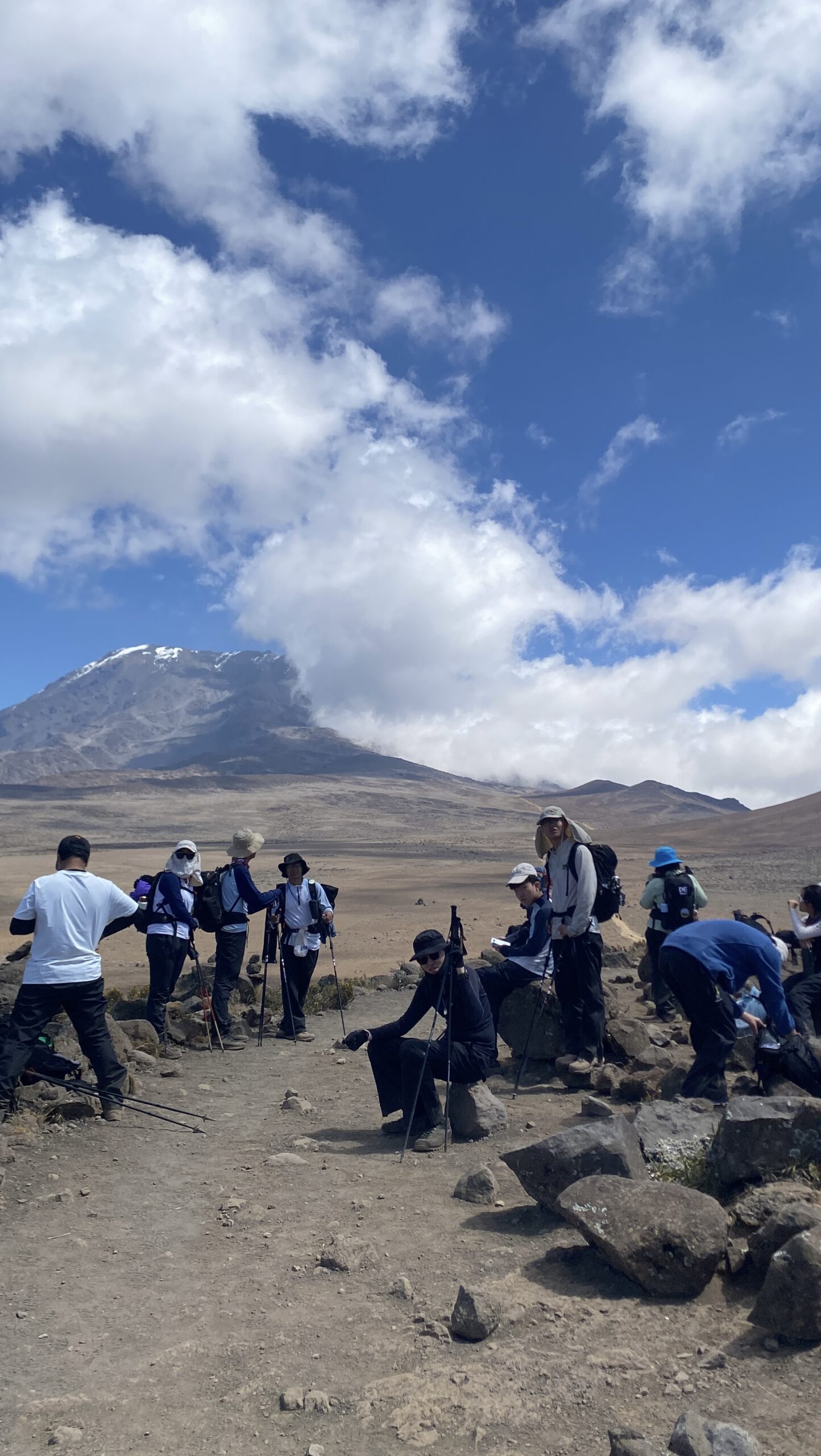
January is one of the more reliable months to climb Kilimanjaro. It falls in the short dry season between the short rains (November–December) and the long rains (March–May). Skies are generally clear, temperatures are moderate by Kilimanjaro standards, and crowd levels are noticeably lower than the July–October peak. Summit temperatures range from −10°C to −18°C, with variable winds. The forest zone may retain moisture from December rains, so waterproof gear remains essential throughout.
January sits in a seasonal window that Kilimanjaro guides have come to appreciate: it follows the December short rains, which clear the air and dust, and it precedes the heavy long rains that arrive in March. The result is a mountain that is green at lower elevations, dramatically clear at altitude, and considerably quieter than the summer months most international travelers target.
This guide covers exactly what conditions look like at each elevation zone, how January compares to peak season on every metric that matters to climbers, and what to watch for when planning a January departure. Data and observations come from Senior Guide Sabinus Msimba, who has summited Kilimanjaro more than 300 times across 22 years with Kilimania Adventure.
“January is a month I genuinely enjoy guiding. The post-rain clarity at altitude is something you remember — the horizon stretches past Meru and the Maasai Steppe below looks like a different world. Crowds are down, camps have space, and climbers who chose January often tell me they felt they had the mountain to themselves.”— Sabinus Msimba, Senior Mountain Guide, Kilimania Adventure. 22 years, 300+ summits. KINAPA licensed.
Where January Falls in Kilimanjaro’s Climate Calendar
Mount Kilimanjaro, a UNESCO World Heritage Site managed by the Kilimanjaro National Park Authority (KINAPA), experiences two distinct wet seasons and two distinct dry seasons each year. January sits squarely in the short dry season (January–February), which follows the “vuli” short rains of October–December.
| Season | Months | Conditions | Climbing Suitability |
|---|---|---|---|
| Short dry season | January – February | Clear skies, low humidity, some forest moisture | ✅ Excellent |
| Long rains | March – May | Heavy rainfall, cloud cover, slippery trails | ⚠️ Challenging — lowest success rates |
| Long dry season | June – October | Dry, cold at altitude, peak crowd season | ✅ Excellent — but very crowded |
| Short rains | November – December | Afternoon showers, warmer nights, muddy trails | ⚠️ Moderate — viable with right gear |
Understanding this calendar matters for summit success. Success rates across Kilimanjaro routes are meaningfully affected by seasonal weather. January’s position in the short dry season means climbers benefit from the cleansed atmosphere of December rains without facing the heavy precipitation that characterizes April.
January Conditions by Elevation Zone
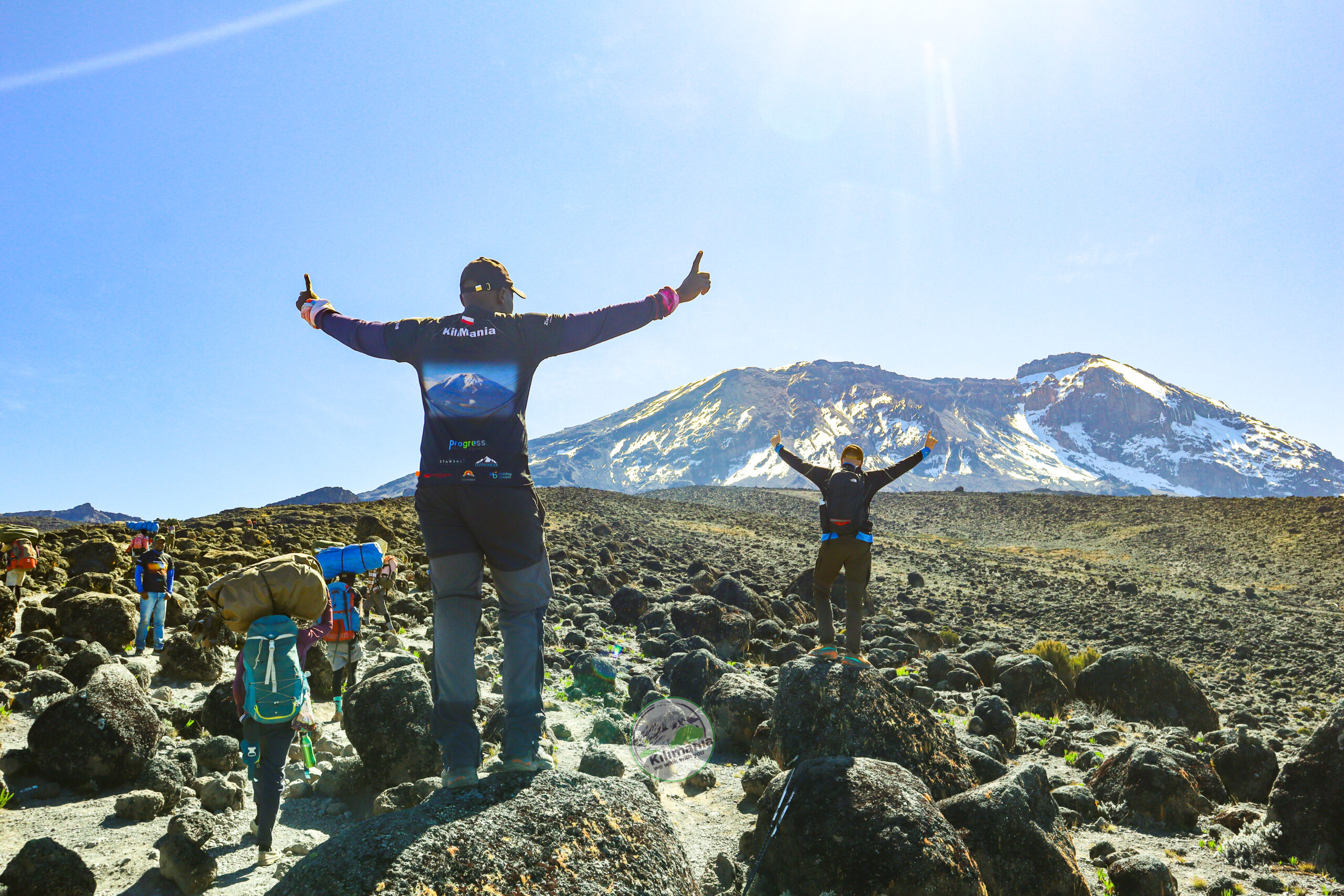
Kilimanjaro spans five distinct ecological zones from gate to summit, each with different temperature profiles and terrain characteristics. January conditions vary considerably between zones — the gate can feel warm and spring-like while the summit remains deeply cold. Here is what to expect at each level.
What Makes January a Strong Month for Climbing
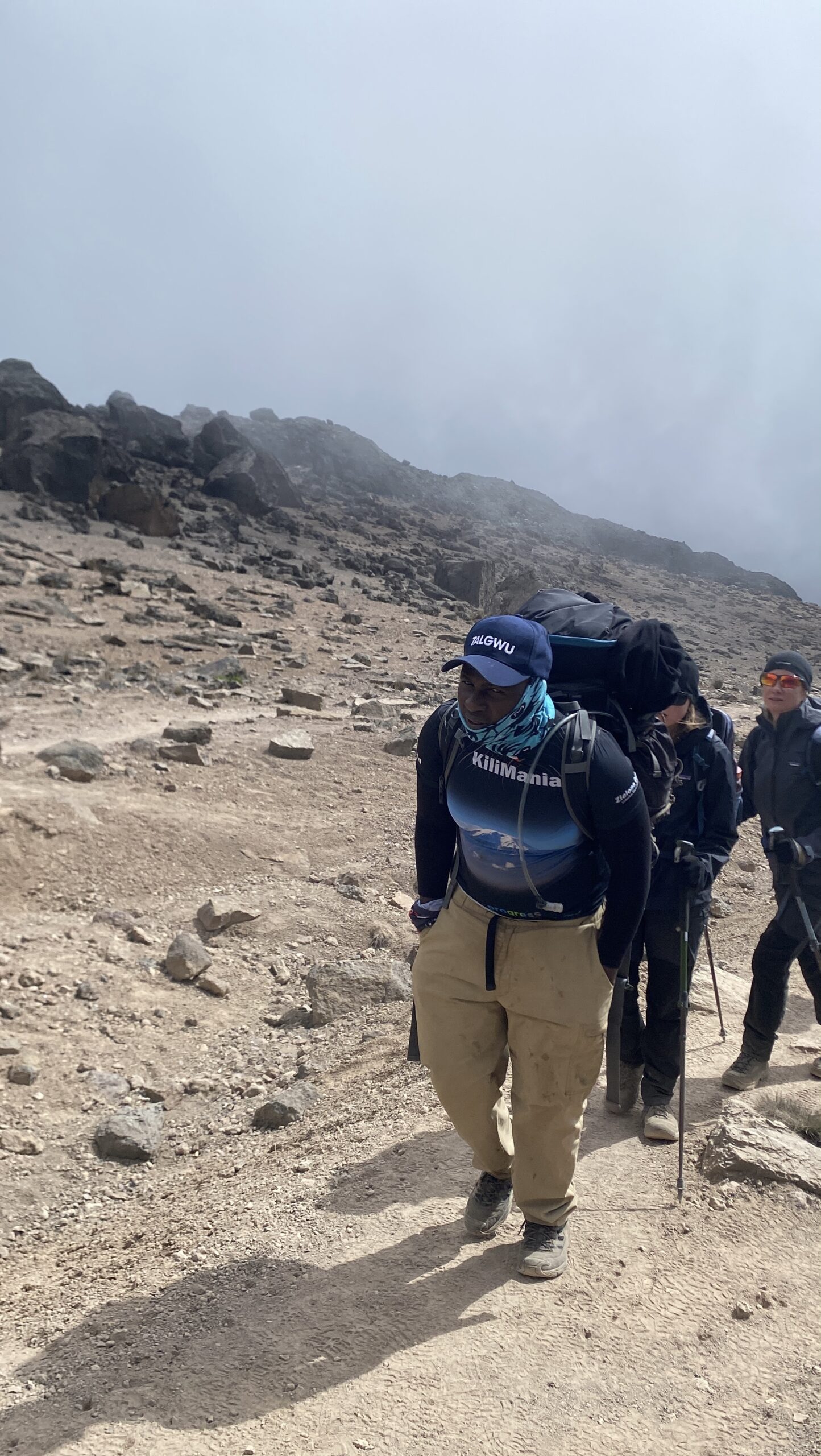
✅ January Advantages
- Clear skies on the majority of days above 3,000m
- Lower crowd levels than July–October
- No peak-season price surge
- Better camp site availability
- Wildflowers in heather zone at peak bloom
- Strong summit visibility for sunrise and mid-morning
- Post-rain clarity creates exceptional long-distance views
- Air quality is notably clean after December precipitation
⚠️ January Watch Points
- Afternoon cloud buildup on southern slopes (Machame, Lemosho)
- Forest sections still damp from December rains
- Summit winds can be more variable than August–September
- Cold nights at Barafu require a quality sleeping bag
- Temperature swings between zones are significant
📌 On wildflowers: The heather and moorland zone (2,800–4,000m) produces its most striking bloom in January and February, when residual soil moisture from the December rains supports flowering of giant heather (Erica arborea), everlastings (Helichrysum), and red-hot pokers (Kniphofia thomsonii). This botanical display is specific to the post-rain period and is absent in the drier July–September peak season.
January vs. July: A Data-Based Comparison
July sits in the centre of Kilimanjaro’s peak climbing season and is the most popular single month on the mountain, based on TANAPA visitor records. The comparison below uses data from Kilimania’s guided climbs and park statistics to give an honest read on how January stacks up.
| Variable | January | July | Advantage |
|---|---|---|---|
| Summit success rate | Strong | Strong | Tie — both seasons produce strong results in Kilimania’s guided climbs |
| Crowd level on trail | Low – Moderate | Very High | ✅ January — significantly fewer climbers |
| Operator pricing | Standard rate | Peak-season pricing | ✅ January — no surge premium |
| Camp site availability | Good | Crowded — book early | ✅ January — easier to secure preferred camps |
| Summit wind | Moderate, variable | Generally low | ✅ July — more stable wind conditions |
| Summit temperature | −10°C to −18°C | −15°C to −22°C | ✅ January — marginally warmer at summit |
| Forest zone condition | Damp, lush, green | Dry, dusty in places | Preference — January for beauty, July for dry boots |
| Wildflowers | Peak bloom | Minimal | ✅ January — unique botanical feature |
| Sky clarity at altitude | Excellent | Excellent | Tie |
| Photography conditions | Very good — clean air, vivid colour | Very good — crisp light | Personal preference |
Both months are viable and produce strong summit rates when climbers are well-prepared, properly equipped, and guided by experienced teams. January’s edge is crowd reduction and cost; July’s edge is wind stability and slightly colder but more predictable summit temperatures. For a deeper look at how these factors interact across routes, see our full guide to the best time to climb Kilimanjaro.
Temperature Profiles: Zone by Zone Visual
The following temperature indicators are based on observed ranges from January climbs. These are typical ranges, not guarantees — individual days can be warmer or colder depending on weather systems moving across East Africa.
📊 Daytime High Temperatures by Zone (January)
Source: Kilimania Adventure guide observations across January expeditions, 2020–2026 — practical field ranges, not official meteorological averages. Wind chill not included in temperature figures above.
The Heather Zone in January: Botanical Peak
One aspect of January climbing that is rarely discussed in standard route guides is the botanical display in the heather and moorland zone (roughly 2,800m to 4,000m). This elevation band, which covers the mid-section of nearly every Kilimanjaro route, transforms noticeably after December rains.
- Giant heather (Erica arborea): Tree-sized heather shrubs carry fresh growth and sparse flowering in January, creating a misty, atmospheric forest-edge environment.
- Everlastings (Helichrysum newii): White and yellow papery flowers dot the moorland in January — a feature absent in the July–September dry peak.
- Lobelia deckenii: Giant lobelias stand in the moorland like sentinel columns; January moisture supports them at their most vigorous.
- Red-hot pokers (Kniphofia thomsonii): Orange-red flowering spikes appear along the heather zone margins in January and February.
For climbers interested in natural history and photography, January offers botanical variety that the main peak season simply cannot match. The Tanzania National Parks Authority (TANAPA) maintains records on Kilimanjaro’s endemic and montane flora within the park’s boundaries.
Which Routes Work Well in January?
All Kilimanjaro routes are operable in January. The choice depends on your acclimatization preference, scenic interest, and tolerance for residual forest moisture. Here is how the main routes perform in January conditions.
| Route | January Suitability | Key January Note | Duration |
|---|---|---|---|
| Lemosho Route | Excellent | Best January scenery; wildflowers on Shira Plateau; longer acclimatization profile suits variable conditions | 7–8 days |
| Machame Route | Excellent | Damp forest on Day 1; clears above 3,000m. Strong acclimatization profile. Popular but less crowded than July | 6–7 days |
| Rongai Route | Very Good | Approaches from drier north; least forest moisture in January. Lower crowds throughout | 5–6 days |
| Northern Circuit | Very Good | Longest route; best acclimatization; north-facing aspects are driest in January. Fewest climbers of any route | 9 days |
| Marangu Route | Good | Hut accommodation stays drier than tent camping. Forest section wet underfoot in January. 5-day option lowers acclimatization buffer | 5–6 days |
| Shira Route | Good | High-altitude start (3,500m) reduces forest moisture exposure. January plateau views can be exceptional | 7 days |
For climbers making a first ascent, the Lemosho Route on an 8-day itinerary offers the most time for the body to adjust to altitude — a meaningful factor regardless of month, and especially so in January when the summit wind can be more variable than in the stable August period. Read our full Kilimanjaro routes comparison to understand how each route’s profile aligns with different fitness levels and group sizes.
Planning a January Kilimanjaro Climb?
Kilimania Adventure operates year-round departures with no surge pricing in January. Senior Guide Sabinus Msimba can discuss route options, day-by-day itineraries, and what to pack for January conditions.
💬 WhatsApp: +255 756 449 990 ✉ info@kilimania.co.tzRecommended Climbs for January Departures
The following routes and itineraries are available for January departures from Kilimania. All are guided by KINAPA-licensed mountain guides, KPAP-compliant crew, and include full equipment support.
January recommendation: Wildflowers + strong acclimatization profile
Classic Southern Circuit — clears nicely above the forest in January
Northern approach with more acclimatization time and generally quieter trail sections in January
North-side approach: minimal forest moisture, lower January crowds
What to Pack for a January Kilimanjaro Climb
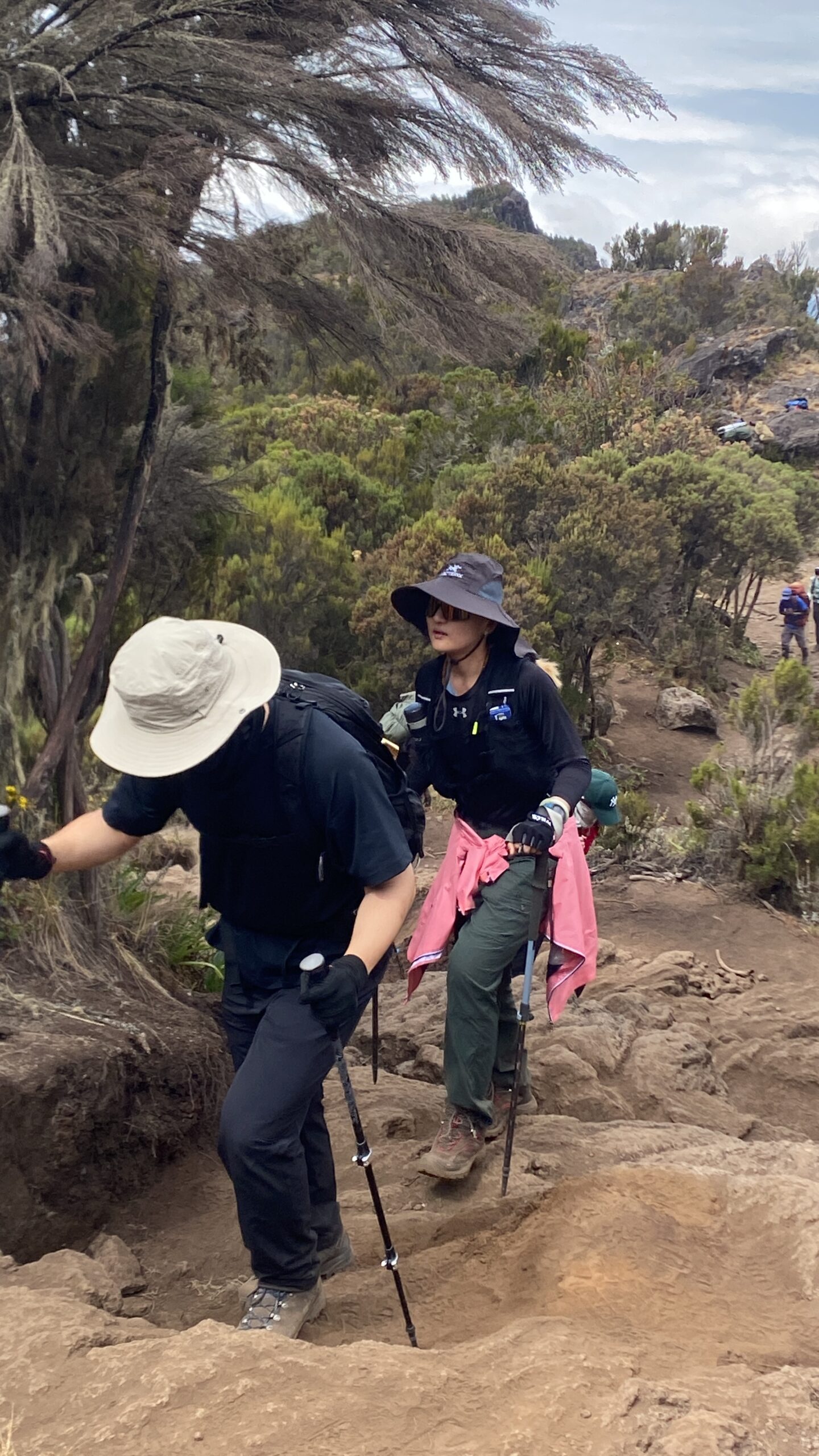
January packing follows the same layering principle as any other Kilimanjaro season, but with one specific adjustment: the forest zone is wetter in January than in July–September, meaning waterproof footwear and shell layers carry more importance from Day 1.
| Category | Item | January-Specific Note |
|---|---|---|
| Footwear | Waterproof hiking boots (ankle support) | Critical from gate — forest section wet from December rains |
| Shell Layer | Waterproof jacket + trousers | Needed at lower elevations for forest mist; essential above 4,000m for wind |
| Insulation | Down jacket (750-fill or above) | For Barafu Camp nights: −8 to −15°C in January |
| Sleeping | 4-season bag rated to −15°C | January nights at high camp are cold; underrating your bag is a common error |
| Hands | Liner gloves + insulated summit gloves | Wind chill at summit in January can drive perceived temp to −28°C+ |
| Head | Balaclava + insulated beanie | For summit night push; January wind makes heat retention critical |
| Poles | Collapsible trekking poles | Useful on damp descent through forest; critical on Barranco Wall |
| Gaiters | Waterproof gaiters | More useful in January than July — forest section and Barafu snowfield |
| Layers | Moisture-wicking base layers (2–3 sets) | Increased sweating in warm lower zones; damp forest can saturate clothing |
| Sun Protection | SPF 50+ sunscreen, lip balm, glacier glasses | UV exposure at altitude is severe; January clear skies amplify this |
For a complete packing reference, see the Kilimanjaro packing list 2026, which includes a zone-by-zone breakdown with rent vs. buy recommendations from Moshi gear rental shops. Selecting the right boots for Kilimanjaro is one of the most consequential pre-trip decisions, particularly for a January climb when the forest trail is wet.
Summit Night in January: What to Expect Hour by Hour
The summit push on most routes begins between midnight and 2am from high camp (Barafu or Kibo Hut). In January, the specific conditions that climbers encounter during this 6–8 hour ascent are worth understanding before arrival.
🌙 Typical January Summit Night Progression
- Midnight departure from Barafu (~4,673m): Temperature −10 to −15°C; wind variable. Stars are typically visible — January clear nights above the cloud line are among the most dramatic on the mountain. Headlamps create a ribbon of light up the scree slope ahead.
- 2am–4am (Scree slope, ~4,800–5,400m): Wind can intensify. January wind is the primary physical challenge at this elevation — not temperature alone. The pace is deliberately slow (“pole pole”). Oxygen saturation normally falls as altitude increases, but readings vary substantially between individuals; guides use SpO₂ as one part of an overall assessment alongside symptoms and clinical judgment.
- 4am–5am (Stella Point, 5,756m): Crater rim reached. Wind typically drops once you step over the rim. Temperature at its coldest: −14 to −18°C possible. First light appears on the eastern horizon.
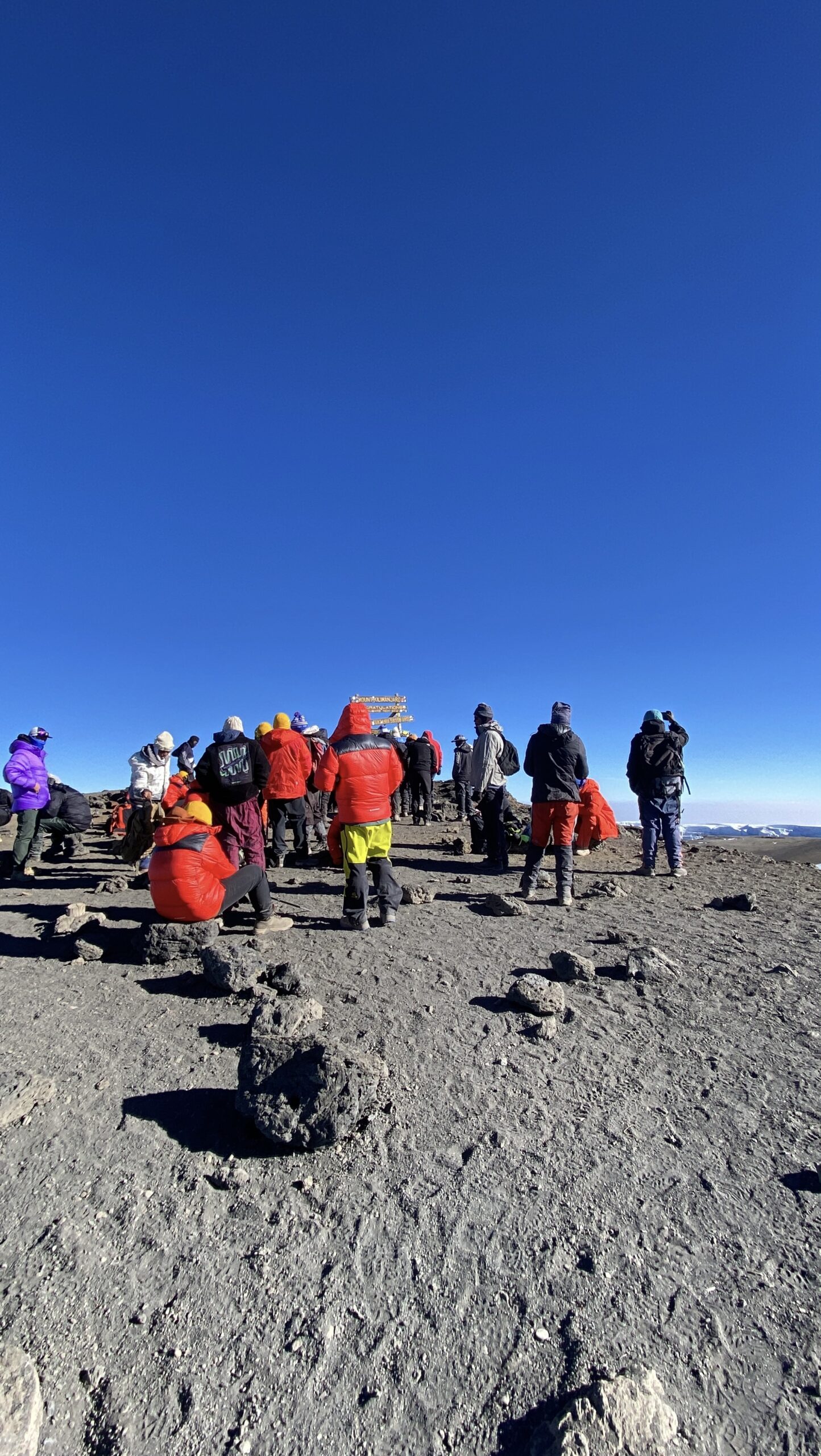
- 5am–6am (Uhuru Peak, 5,895m): In January, summit arrival often aligns with sunrise (approximately 6:30am in early January). The sky is frequently clear enough for views across the crater, the western breach, and toward Mount Kenya 320km north.
- Descent to Barafu: Temperature rises rapidly once the sun hits the upper mountain. Descent typically takes 2–3 hours. Forest zone reached by early afternoon.
For a detailed breakdown of what happens physically and psychologically during summit night, read our guide to Kilimanjaro summit night, hour by hour. Understanding altitude physiology and acclimatization — including when and how to use Diamox for Kilimanjaro — is relevant preparation regardless of month.
Altitude Safety in January
Acute Mountain Sickness (AMS), High Altitude Cerebral Oedema (HACE), and High Altitude Pulmonary Oedema (HAPE) are the primary medical risks on Kilimanjaro. These risks do not change significantly with season — they are primarily a function of ascent rate, individual physiology, and hydration. January conditions do not present elevated AMS risk compared to other seasons. This information is educational and does not replace professional medical advice; climbers with pre-existing conditions should consult a physician before high-altitude travel.
💧 Hydration in January: The dry conditions above 3,000m mean moisture loss through breathing and perspiration continues at altitude despite the cool temperatures. Climbers often underestimate fluid needs in cold weather. As a general operational guide, the Kilimania team encourages 3–4 litres of fluid per day per climber above 3,000m, though individual needs vary with exertion, body size, and temperature. See our Kilimanjaro hydration guide for full protocol.
📥 Free Download: Kilimanjaro Altitude Symptom & AMS Checklist
Altitude illness is a leading reason climbers turn around on Mount Kilimanjaro. This practical checklist is used by Senior Guide Sabinus Msimba and the Kilimania Adventure team to monitor climbers throughout every expedition. Early symptom recognition supports safety and preparedness.
- Normal acclimatization symptoms above 3,000m
- Acute Mountain Sickness (AMS) warning signs
- HACE and HAPE emergency symptoms
- Daily health monitoring form (SpO₂, pulse, hydration)
- Guide reporting and self-assessment checklist
Prepared by: Sabinus Msimba, Senior Mountain Guide, Kilimania Adventure, Moshi, Tanzania.
This checklist is for educational purposes only and does not replace professional medical advice. Climbers with pre-existing medical conditions should consult a physician before high-altitude travel.
Booking a January Kilimanjaro Climb: Practical Details
January is not a peak booking month in the way July and August are, which creates practical advantages for climbers flexible enough to choose it. Key booking points:
- No surge pricing: Kilimania Adventure applies standard rates across January — there is no premium over the base cost for this period.
- Better camp availability: Popular camps like Barafu, Karanga, and Shira 2 are under significantly less pressure in January than during July–October. This means your team has more flexibility if weather or pace adjustments are needed.
- Lead time: January departures can often be arranged with 4–6 weeks of lead time, compared to 3–6 months required for peak-season slots on popular routes.
- Park registration: All Kilimanjaro climbs must be registered with KINAPA before the start date. Kilimania handles all park fee registration as part of the package.
- Travel insurance: World Nomads and Allianz Global Assistance are among the providers used by Kilimania clients. Confirm that your policy covers altitude climbing and emergency helicopter evacuation to at least 6,000m.
- Getting to Kilimanjaro: International flights to Kilimanjaro International Airport (JRO) serve the Moshi/Arusha gateway. Kilimania arranges airport transfers.
📋 January Kilimanjaro Cost Summary
January pricing is at standard rates. Full cost breakdown — including park fees, crew costs, and what is included vs. what is extra — is covered in the Kilimanjaro cost guide 2026 and the Kilimanjaro park fees guide. For hidden expenses often missed in operator quotes, see our Kilimanjaro hidden costs breakdown.
After Kilimanjaro in January: Safari and Zanzibar
January is an excellent time to combine Kilimanjaro with a Tanzania safari. The short dry season that benefits Kilimanjaro also produces good wildlife viewing in the northern circuit parks. The Ngorongoro Crater and Serengeti National Park are within driving distance of Moshi and are at their most accessible in January and February.
Post-climb recovery in Zanzibar is another popular option: January falls in the island’s warm, low-wind season before the April rains, and sea temperatures are ideal. Kilimania can assist with coordination across all components of a Tanzania trip. See our Tanzania safari and Kilimanjaro climb guide for combined itinerary options.
Frequently Asked Questions: Kilimanjaro in January
Yes. January is one of the more reliable months to climb Kilimanjaro. It sits in the short dry season between the short rains (November–December) and the long rains (March–May). Skies are generally clear, crowds are noticeably lower than the July–October peak, and prices remain at standard rates. The forest zone carries residual moisture from December, so waterproof gear remains important from the first day.
During summit night in January, temperatures at Uhuru Peak (5,895m) typically range from −10°C to −18°C. Wind chill can push the perceived temperature significantly lower — to −25°C or colder on high-wind days. Layering with a quality down jacket, balaclava, and insulated summit gloves is essential. January can experience more variable wind than August–September.
Light snowfall is possible above 4,000m in January, particularly around Barafu Camp and the summit zone. However, January is a dry month and snowfall is far less likely than during the long rains (March–May). The summit glacier and crater rim carry permanent ice regardless of season, and the Furtwängler Glacier remains a visible feature year-round despite ongoing recession documented by scientific monitoring.
January sees moderate climber numbers — significantly lower than the July–October peak season. Camp sites have better availability, queues at registration gates are shorter, and the overall experience on trail is quieter. The mountain is not empty in January, but it is noticeably less congested than the summer peak months favoured by European and North American holiday schedules.
All routes are viable in January. The Lemosho Route on 8 days and the Northern Circuit on 9 days offer the most acclimatization time, which is particularly valuable when summit winds are less predictable. The Rongai Route approaches from the drier north and encounters the least forest moisture in January. Machame and Shira are also well-suited. See our full Kilimanjaro routes comparison for a detailed breakdown.
January packing mirrors standard Kilimanjaro gear with an emphasis on waterproofing at lower elevations: waterproof boots (critical for wet forest), waterproof jacket and trousers, a 4-season sleeping bag rated to −15°C, insulated down jacket, summit gloves, balaclava, trekking poles, and gaiters. UV protection at altitude is important regardless of season — SPF 50+ sunscreen and glacier glasses are essential. Download the free Kilimania packing checklist for a complete list.
Related Guides Worth Reading Before You Book
📖 Core Kilimanjaro Guides
These are the foundational references across the Kilimania knowledge base:
- Climbing Kilimanjaro Guide 2026: Costs, Routes, Altitude & Summit Success — the complete pillar guide covering every aspect of planning a Kilimanjaro expedition.
- Mount Kilimanjaro Climbing: — overview of all climb options, packages, and what Kilimania includes in each expedition.
- Kilimanjaro Routes 2026: Best Route & Success Rates — route-by-route comparison with data from guided climbs.
Ready to Book Your January Expedition?
Kilimania Adventure runs year-round departures with no price premiums in January. Contact Senior Guide Sabinus Msimba directly to discuss your dates, route, and group size.
💬 WhatsApp: +255 756 449 990 ✉ info@kilimania.co.tz




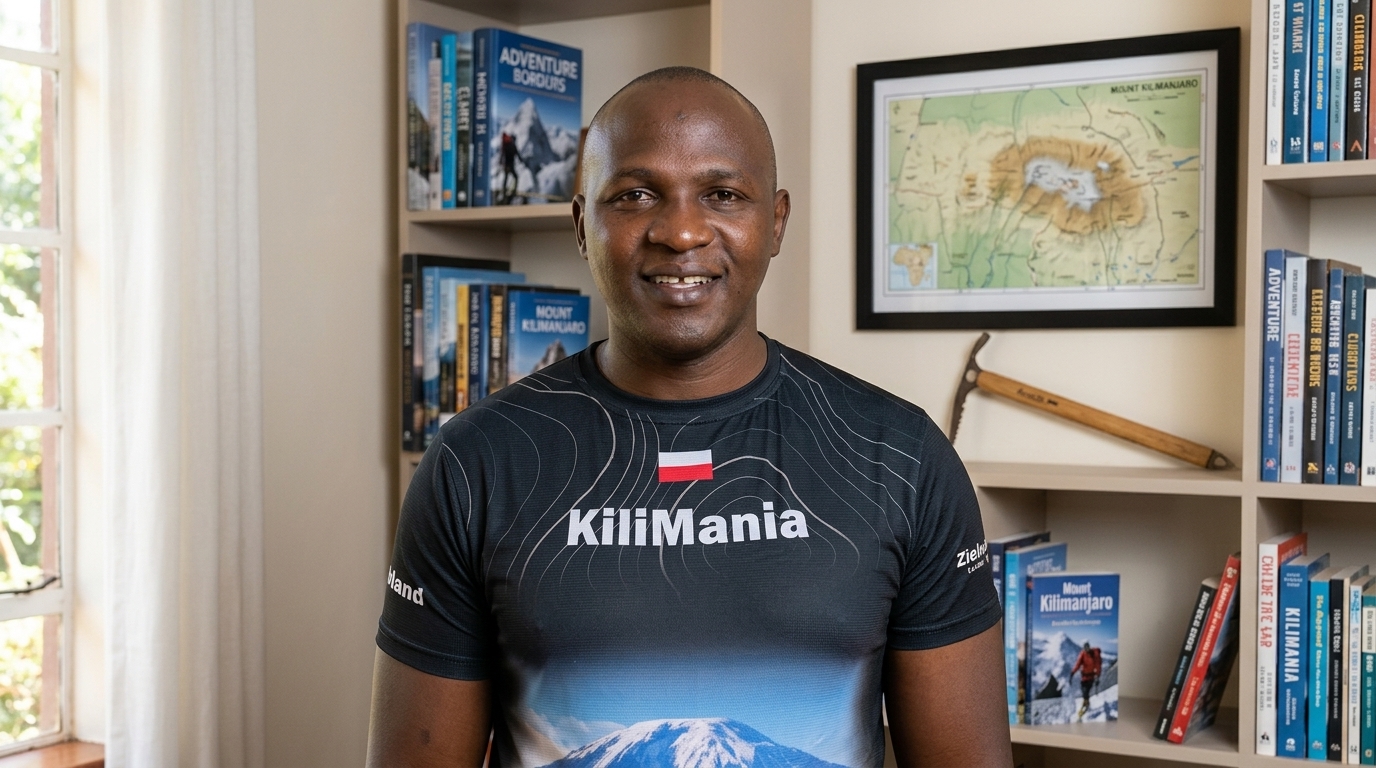
Sabinus Msimba
Sabinus Msimba has guided climbers to Uhuru Peak for 22 years and holds a KINAPA-issued mountain guide licence. He has summited Kilimanjaro more than 300 times across all major routes and all seasons, including multiple January expeditions. His first-hand observations on seasonal conditions form the factual basis of this guide.
Disclosure: Kilimania Adventure is a KINAPA-licensed, TATO-registered Kilimanjaro guiding company based in Moshi, Tanzania, and this article is written by our own guiding team; it includes links to our booking channels. Conditions and figures described as “guide observations” reflect Kilimania’s operational experience from 2020–2026 and are not official meteorological averages. Medical and altitude-safety information is educational and does not replace professional medical advice — climbers with pre-existing conditions should consult a physician before high-altitude travel. Legal, medical, and regulatory references (KINAPA, TANAPA, park registration) are checked against official sources at time of publication.