Marangu Route Huts: What Mandara, Horombo & Kibo Are Really Like
Sources cited in this article: Kilimanjaro National Park (KINAPA) hut and route regulations, Tanzania National Parks Authority (TANAPA) fee schedules, and Kilimania guiding records from the Marangu Route. Where this article refers to “our records” or “guiding experience,” it means first-hand operational observations from Kilimania Adventure’s guided climbs — not official government statistics.
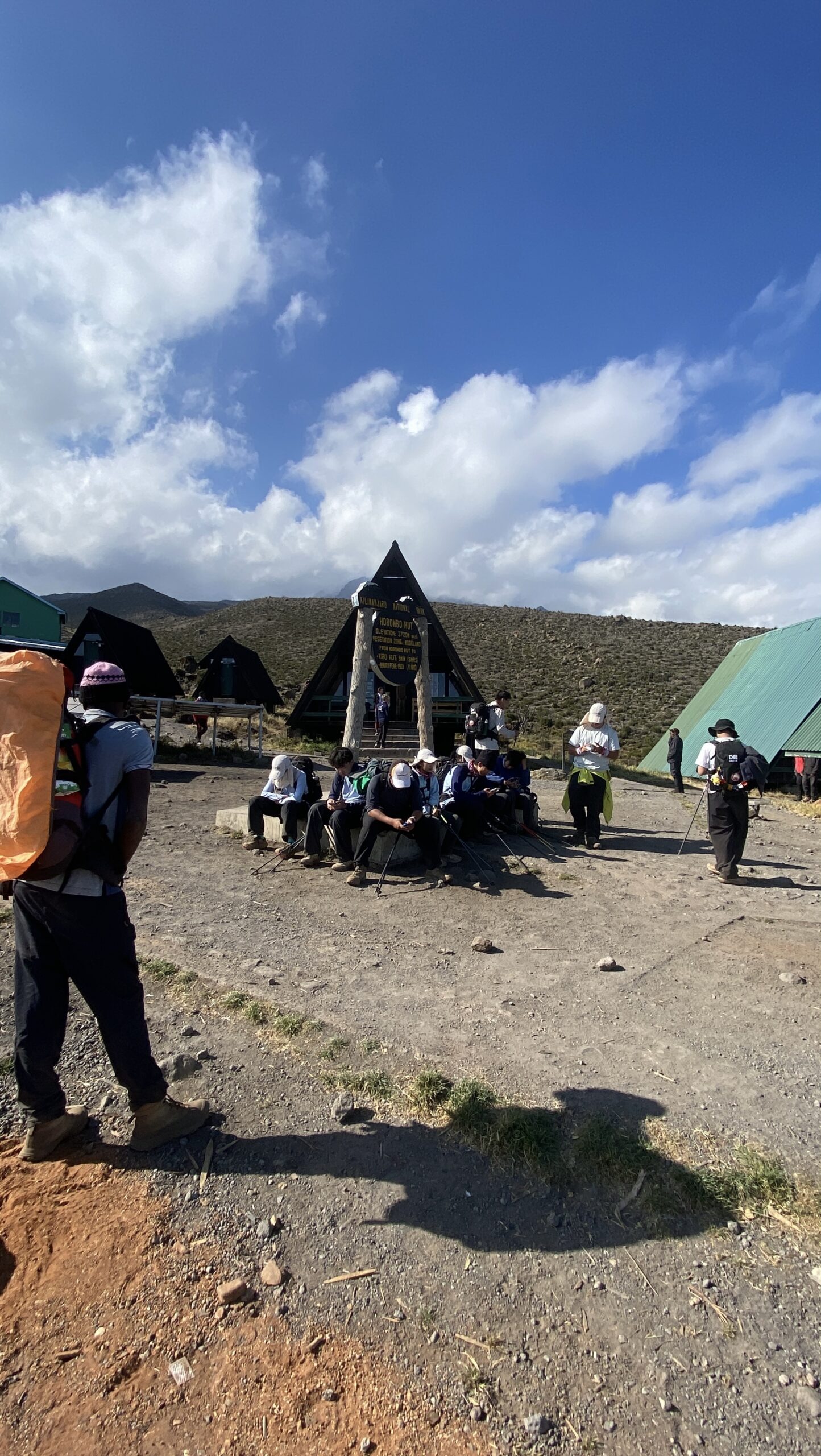
Marangu is Kilimanjaro’s only commonly used standard trekking route with hut accommodation throughout, rather than tent camping, using three camps under Kilimanjaro National Park (KINAPA) management: Mandara Hut at approximately 2,700m, Horombo Hut at approximately 3,720m, and Kibo Hut at approximately 4,700m. Conditions become colder and more basic as elevation increases — Mandara is genuinely comfortable, Kibo is not.
Marangu Route Huts at a Glance
- Route: Marangu Route (Kilimanjaro National Park)
- Hut camps: Mandara (~2,700 m), Horombo (~3,720 m), Kibo (~4,700 m)
- Summit: Uhuru Peak (5,895 m)
- Bedding provided: No — bunk and mattress only; bring a four-season sleeping bag
- Charging available: Limited/variable at Mandara & Horombo; do not rely on it at Kibo
- Water: Basic cold washing water at lower huts; very limited at Kibo
- Shared rooms: Yes — bunkrooms are shared with other groups at busy times
Quick answer: Mandara Hut is typically the most comfortable night on the route — mild forest air and a warm dining hall. Horombo, where 6-day climbers spend two nights, is the busiest camp with unreliable charging. Kibo Hut is basic and cold, built purely to stage the summit push. Pack a four-season sleeping bag regardless — see our full packing checklist for hut-based routes.
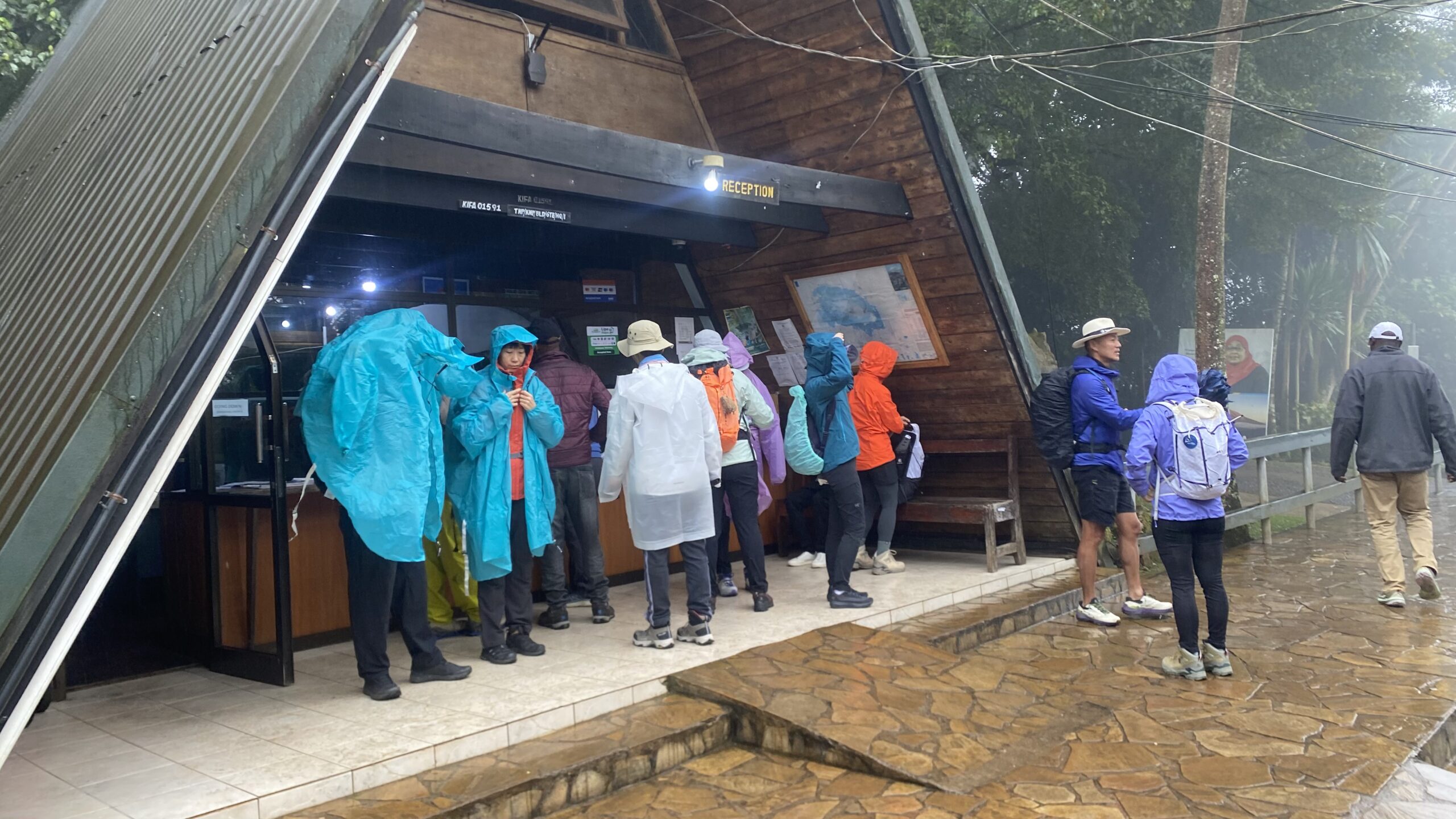
Mandara Hut: the easiest night
Short answer: Mandara Hut, at approximately 2,700m in Kilimanjaro’s rainforest zone, is typically the most comfortable night of the Marangu Route — A-frame wooden huts, a warm dining hall, and mild temperatures that most climbers find genuinely restful after Day 1.
Bunkrooms at Mandara typically hold six to eight climbers, and where possible our guides try to keep each group together in the same room. On a normal evening the dining hall is warm from the crowd and the cooking, with benches filling up as groups drift in from the trail. In our records, this is the night most first-time climbers describe as easier than they expected — full stomachs, dry beds, and legs that haven’t yet felt the altitude.
Because legs are fresh and the altitude is low, this is the night most first-time climbers describe as “not what I expected” — in a good way. Honestly, it’s the closest thing to normal camping comfort you’ll get on this route.
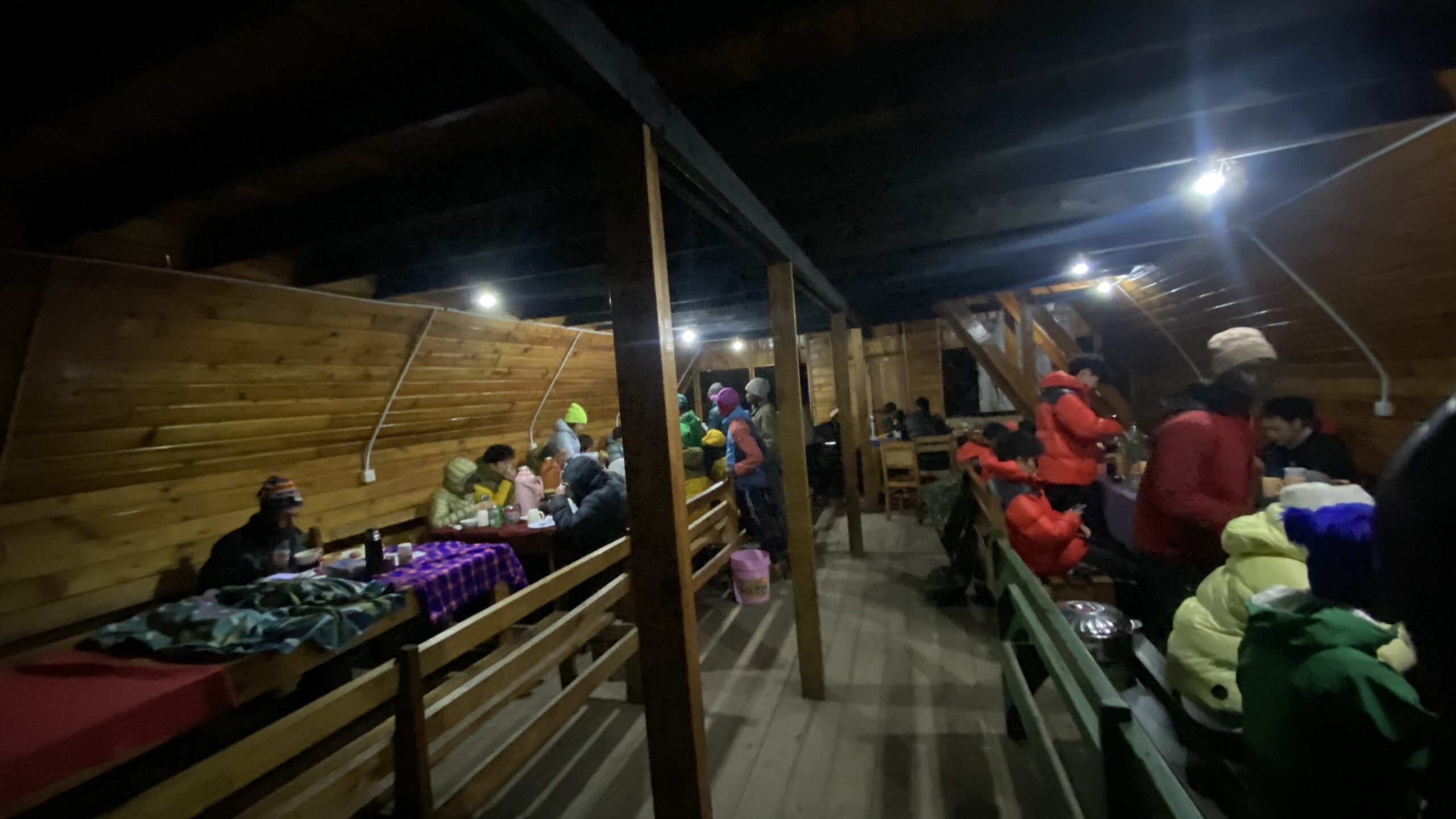
Horombo Hut: the biggest camp, and where 6-day climbers spend two nights
Short answer: Horombo Hut, at approximately 3,720m, is the largest camp on the Marangu Route. On the 5-day itinerary climbers pass through once; on the 6-day itinerary an extra acclimatization day is added here, so most climbers sleep at Horombo twice, with limited solar charging and basic cold water only.
On the acclimatization day, groups typically walk higher toward the Zebra Rock formations or Mawenzi-facing terrain before returning to Horombo to sleep at the same elevation — a “climb high, sleep low” pattern that helps the body adjust without adding overnight elevation risk. If you’re weighing whether that extra day is worth it, our 5-day vs 6-day Marangu comparison covers exactly how it affects summit outcomes.
On a busy night in peak season, the Horombo dining hall can fill within minutes of the dinner bell, with several operators’ groups queuing for the same benches. The solar charging point depends on daylight, so climbers who arrive late in the afternoon often find that whatever charging capacity existed earlier in the day is already spoken for. From recent climbs this season, our guides have noticed earplugs matter more here than at Mandara — and this is the part most people miss: it’s not the wind keeping you awake at Horombo, it’s the neighbors.
We should be direct about something here: we have a commercial interest in Marangu Route bookings. If you’re deciding between Marangu and a camping route, we’d encourage you to also read our Marangu vs Machame comparison — the hut system is a genuine advantage, but it isn’t the only factor that should decide your route.
Kibo Hut: basic, cold, and purely functional
Short answer: Kibo Hut, at approximately 4,700m in Kilimanjaro’s alpine desert zone, is the most basic of the three camps, with stone dormitory-style bunkrooms and very limited washing facilities. Climbers should not rely on charging facilities at Kibo.
The typical schedule at Kibo runs: arrival in the afternoon, an early dinner around 5 or 6pm, then an attempt at a few hours’ rest before the midnight or late-evening wake-up call. In practice, limited charging and running water mean exactly what they sound like — devices stay off, and washing is limited to wet wipes. The atmosphere in the stone bunkrooms the night before summit is usually quiet and tense; most climbers lie in the dark listening to the wind rather than sleeping much at all.
Based on our guiding experience, sleep rarely comes easily at this altitude — pole pole, slow and steady, is the mindset guides try to instill here, because rushing anything at 4,700m tends to backfire. On a recent ascent this season, our group reached Kibo Hut in the mid-afternoon, ate dinner before 6pm, and were woken shortly after 11:30pm for the summit push — a schedule consistent with what we see on most Marangu climbs at this stage.
📥 Free Download: Kilimanjaro Altitude Symptom & AMS Checklist
Kibo Hut sits at approximately 4,700m, the point where altitude symptoms become most noticeable. This checklist is used by Senior Guide Sabinus Msimba and the Kilimania team to monitor climbers through the final stages of the climb.
- Normal acclimatization symptoms above 3,000m
- Acute Mountain Sickness (AMS) warning signs
- HACE and HAPE emergency symptoms
- Daily health monitoring form (SpO₂, pulse, hydration)
This checklist reflects guide observations, not medical advice, and is not a substitute for professional medical care. Severe or worsening altitude illness requires immediate assessment and descent. Climbers with pre-existing conditions should consult a physician before high-altitude travel.
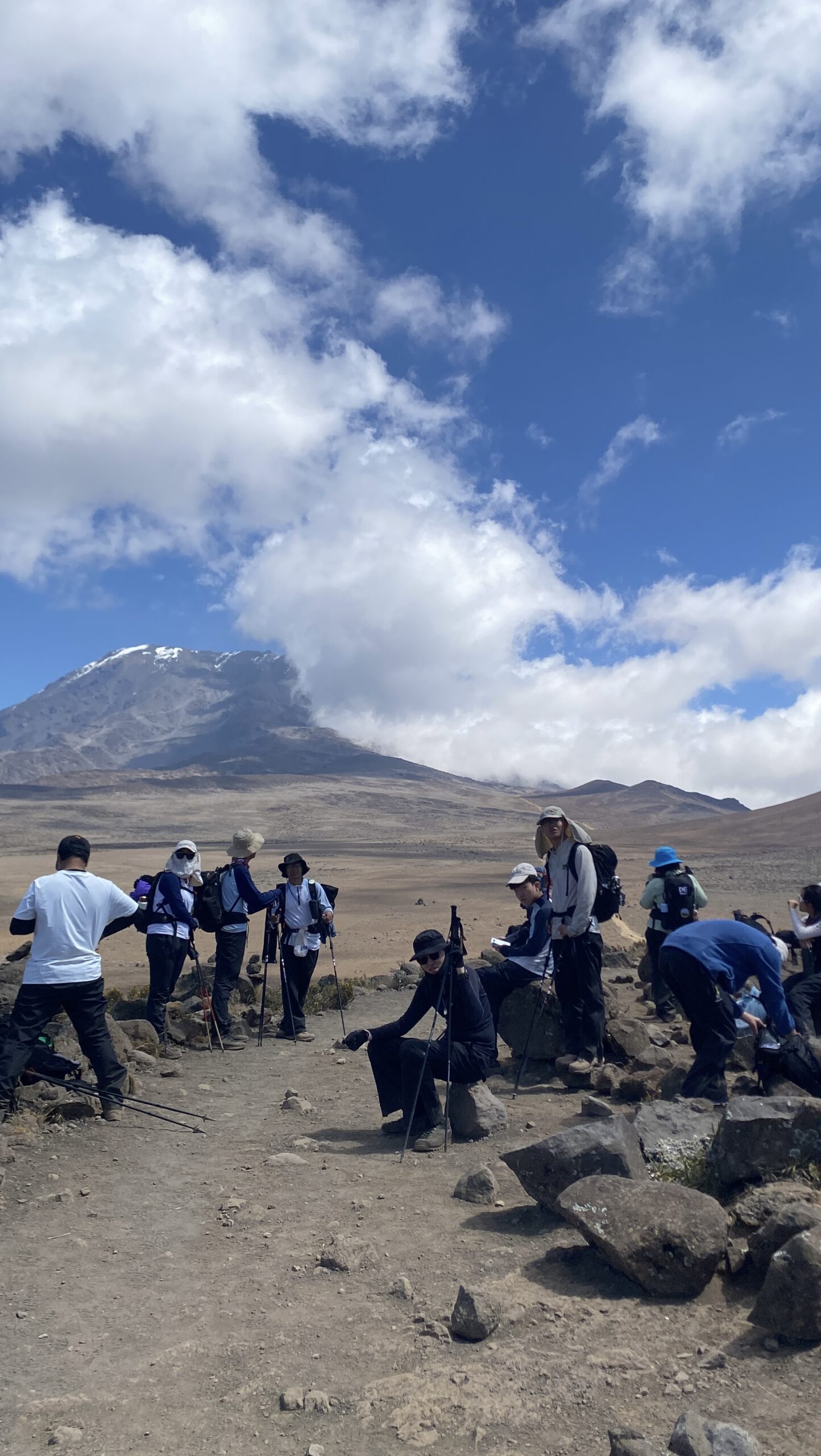
Marangu Route huts compared
Comfort typically drops as you climb — Mandara has the mildest conditions, Horombo has limited charging and basic water, and Kibo has no dependable charging or showers. The table below lines up what typically changes at each camp, based on KINAPA hut management and our own guiding records.
| Feature | Mandara Hut | Horombo Hut | Kibo Hut |
|---|---|---|---|
| Elevation | ~2,700m | ~3,720m | ~4,700m |
| Accommodation | A-frame mountain huts | A-frame mountain huts | Stone dormitory-style hut |
| Toilets | Shared/basic facilities | Shared/basic facilities | Basic shared facilities |
| Charging | Limited/variable | Limited/variable | Do not rely on charging |
| Washing | Basic; hot water not assured | Basic | Very limited |
| Heating | None known | None known | None known |
| Typical stay | 1 night | 1 night (5-day) or 2 nights (6-day) | 1 night before summit |
Camps managed under Kilimanjaro National Park (KINAPA) regulations. Facility availability can vary by season and hut management — do not rely on charging or hot water being available anywhere on the route. For monthly weather detail, see our Kilimanjaro weather by month guide.
What the Marangu huts don’t have (and why it matters)
No hot showers, no known heating, and no private rooms anywhere on the route. At Kibo Hut there is no dependable charging and no running water. At Mandara, warm water is not assured. Shared bunkrooms mean you may sleep alongside climbers from other operators.
Setting these expectations before you arrive is what separates a prepared climber from a disappointed one. None of this is a flaw in the huts — it’s simply what KINAPA-managed fixed structures at these altitudes can realistically offer. Seriously, if you’re picturing a mountain lodge, recalibrate now.
Marangu huts vs tent camping: the real difference
The advantage of Marangu’s huts over tent camping on other routes isn’t luxury — it’s dryness, wind protection, and morale at altitude, since a solid roof and four walls matter more at 4,700m than most people expect before they’re actually there.
Every other standard Kilimanjaro route — Machame, Lemosho, Rongai, Northern Circuit — uses tents at every camp. Compared with a hut, a tent generally offers less protection from wind and rain, though comfort also depends heavily on the quality of your gear and the weather on a given night. The trade-off is that tent routes generally offer better acclimatization profiles and more varied scenery — which is exactly why we don’t claim Marangu is superior overall, only that its huts are a genuine, specific advantage for climbers who prioritize shelter over scenery.
What to pack given hut conditions
Because bedding isn’t provided and charging can’t be relied on above Mandara, a four-season sleeping bag, a headlamp with spare batteries, and a fully charged power bank matter more on this route than most first-time climbers expect.
Our complete Kilimanjaro packing list covers this in detail. For a first-hand account of moving through all three huts across a real climb, see our 6-day Marangu Route trip report.
📥 Free Download: Kilimanjaro Route Comparison Cheat Sheet
Still deciding whether Marangu’s hut system is the right trade-off for you? This printable cheat sheet, prepared by Senior Mountain Guide Sabinus Msimba, compares all seven Kilimanjaro routes on difficulty, scenery, and crowd levels.
The bottom line
The Marangu huts are a genuine advantage over tent camping — warmer, drier, and simpler to manage — but they get more basic as you gain altitude, and none of them are hotel-standard. Pack accordingly, and expect Kibo Hut to be purely functional rather than comfortable. Ready to book? See the 6-day Marangu Route itinerary and booking details.
Frequently asked questions
Are the Marangu Route huts comfortable?
They are more comfortable than a tent at the same altitude — warmer, drier, and with basic communal facilities — but they are not hotel-standard. Expect simple bunk beds, shared toilets, and increasingly basic conditions at higher camps.
Is there electricity in the Marangu Route huts?
Charging arrangements at Mandara and Horombo are limited and can vary by season and hut management. Climbers should not rely on charging at Kibo Hut, approximately 4,700m. A fully charged power bank is strongly recommended for the whole route.
Do I need a sleeping bag if I’m staying in huts?
Yes. The huts provide a bunk and mattress but no bedding. A four-season sleeping bag rated for sub-zero temperatures is essential, particularly for the night at Kibo Hut before summit night.
Are the huts shared with other climbing groups?
Yes. Marangu huts are managed under Kilimanjaro National Park (KINAPA) rules and used by all licensed operators on the route, so expect to share dining space and, at busier times of year, bunkrooms with other groups.
Are the Marangu huts heated?
No. None of the three huts are known to have heating systems. Wood and stone construction blocks wind, but nighttime temperatures at Kibo Hut, approximately 4,700m, are typically well below freezing. A four-season sleeping bag is your main source of warmth.
Can I shower at the Marangu huts?
Hot showers are not available anywhere on the route, based on our guiding experience. Mandara and Horombo may offer basic cold washing water. At Kibo Hut water is very limited, so most climbers use wet wipes rather than washing before summit night.
What is the difference between the 5-day and 6-day Marangu itinerary at Horombo?
On the 5-day itinerary, climbers pass through Horombo Hut once on the way up. On the 6-day itinerary, an extra acclimatization day is added at Horombo, so climbers sleep there twice before continuing to Kibo Hut.
For park entry costs tied to any Marangu itinerary, see our Kilimanjaro park fees breakdown, sourced from current TANAPA schedules.
Facts at a Glance
- Marangu is managed under KINAPA regulations, current as of August 2026.
- Mandara Hut sits at approximately 2,700m in the rainforest zone, the mildest conditions on the route.
- Horombo Hut at approximately 3,720m is the only camp with a second overnight, on the 6-day itinerary’s acclimatization day.
- Kibo Hut at approximately 4,700m has no dependable charging, no known heating, and no showers.
- Bunkrooms at Mandara typically hold six to eight climbers, shared across operators.
- Charging at Horombo depends on daylight and hut management, based on our guiding records.
- Dinner at Kibo Hut is typically served in the early evening, ahead of the midnight or late-evening summit departure.
About our observations: statements attributed to “our records,” “guiding experience,” or “recent climbs this season” reflect Kilimania Adventure’s own operational notes from guided Marangu Route climbs. They are not official KINAPA or TANAPA data and may not apply to every group or every season.
The hut system is a real, specific advantage of this route — but a dry night at Kibo Hut still means an early dinner, a cold bunkroom, and a midnight wake-up call. If that trade-off works for you, our team can help you plan around it. We Walk With You.
Ready to plan your Marangu Route climb?
Send your dates and group size and our team in Moshi will reply within 12 hours, every day. See the 6-day Marangu Route itinerary for available dates.
WhatsApp +255 756 449 990 · info@kilimania.co.tz
KINAPA-licensed guides · TATO-registered operator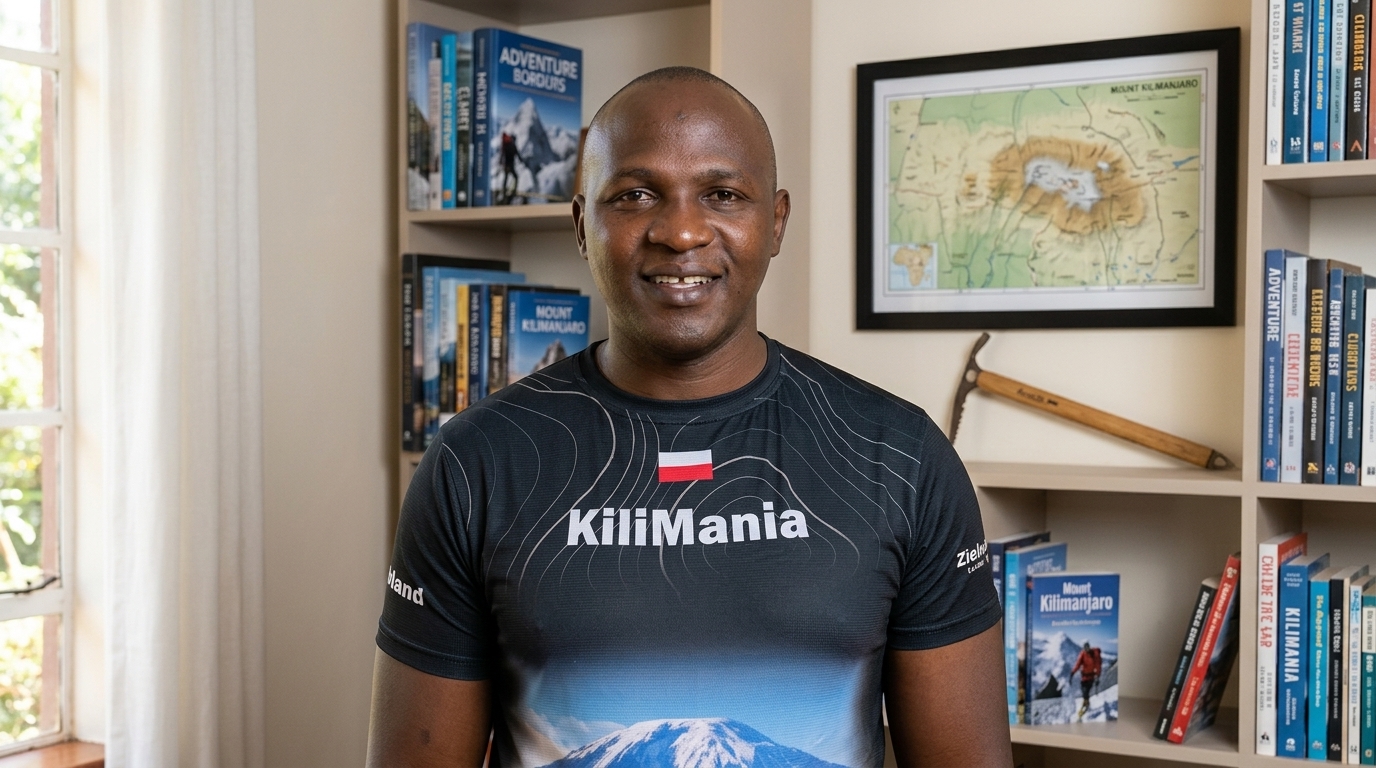
Sabinus Msimba
Senior Kilimanjaro Guide, Kilimania Adventure. 22+ years guiding on Mount Kilimanjaro, 300+ personal Uhuru Peak ascents, KINAPA-licensed since 2003. Full credentials and licence on his biography page.
Last verified: August 11, 2026 · Next scheduled review: February 2027
Kilimania Adventure is a TATO-registered tour operator based in Moshi, Tanzania. We support the Kilimanjaro Porters Assistance Project (KPAP) standards for fair porter wages and welfare. This article reflects our commercial interest in Kilimanjaro climbing bookings alongside factual guidance from our guiding experience. We encourage you to compare our quotes with at least two other TATO-registered operators before booking.