Lava Tower Kilimanjaro: The Acclimatisation Science Behind Day 4
Quick Answer
Lava Tower sits at 4,642 metres (15,230 feet) on Kilimanjaro’s western approach. On Day 4 of the Lemosho Route, climbers ascend to Lava Tower for lunch, then descend 666 metres to Barranco Camp at 3,976m to sleep. This “climb high, sleep low” profile is designed to trigger acclimatization responses while sleeping at a manageable altitude. Data source: Kilimania’s operational climb records, 2019–2025 (1,247+ guided ascents).
What Exactly Is Lava Tower?
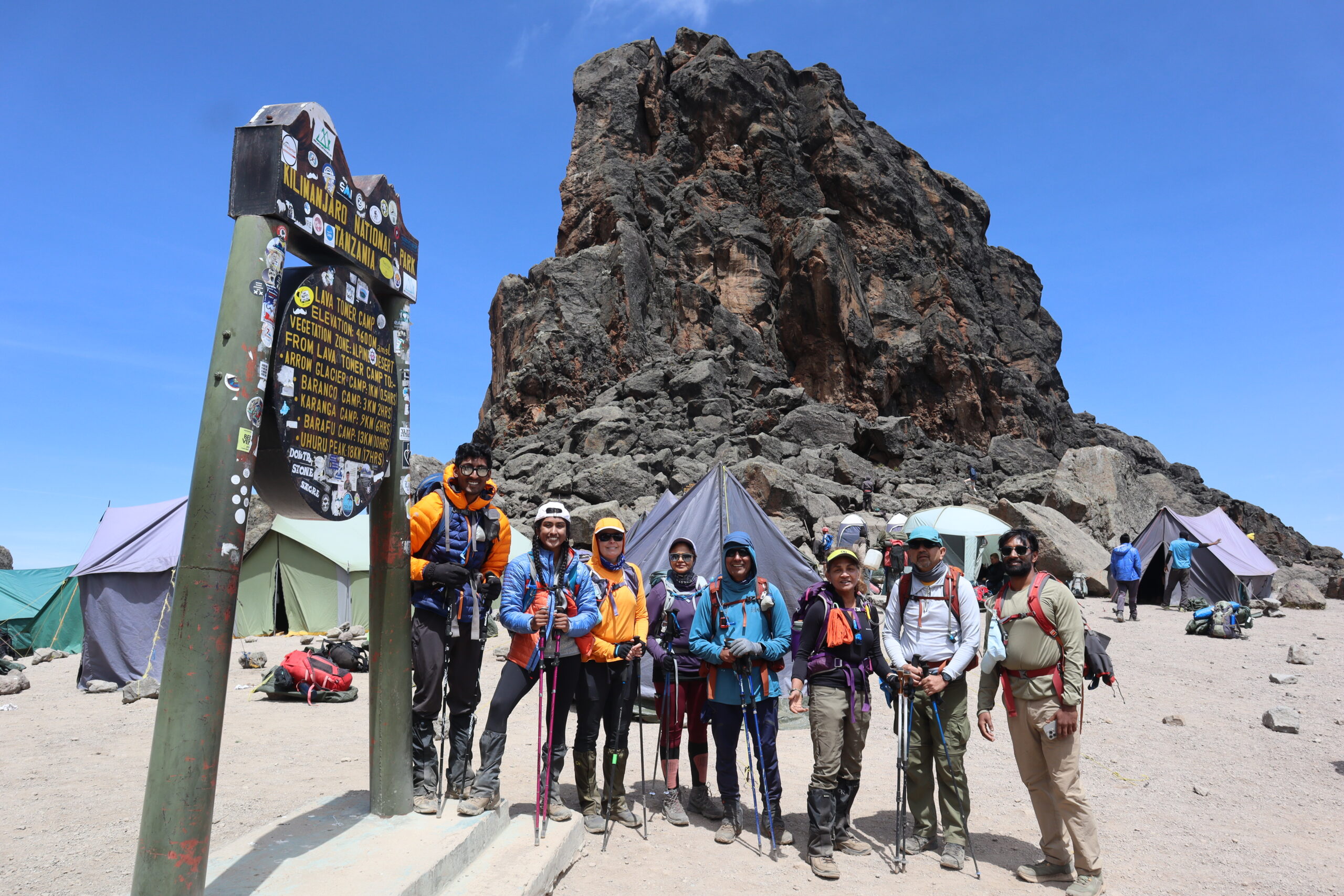
Lava Tower is a free-standing volcanic plug — a column of hardened magma exposed by erosion over thousands of years. It rises approximately 100 metres from the surrounding alpine desert floor, sitting at 4,642 metres (15,230 feet) on the western upper slopes of Kilimanjaro. For how it fits into the wider route network, see our Kilimanjaro Routes Guide.
The Tower itself is not the destination. The altitude is. Lava Tower’s significance is physiological: it is the highest point most Lemosho and Machame climbers reach before their scheduled summit night, and it is placed in the itinerary specifically to trigger acclimatization responses in a controlled, reversible way.
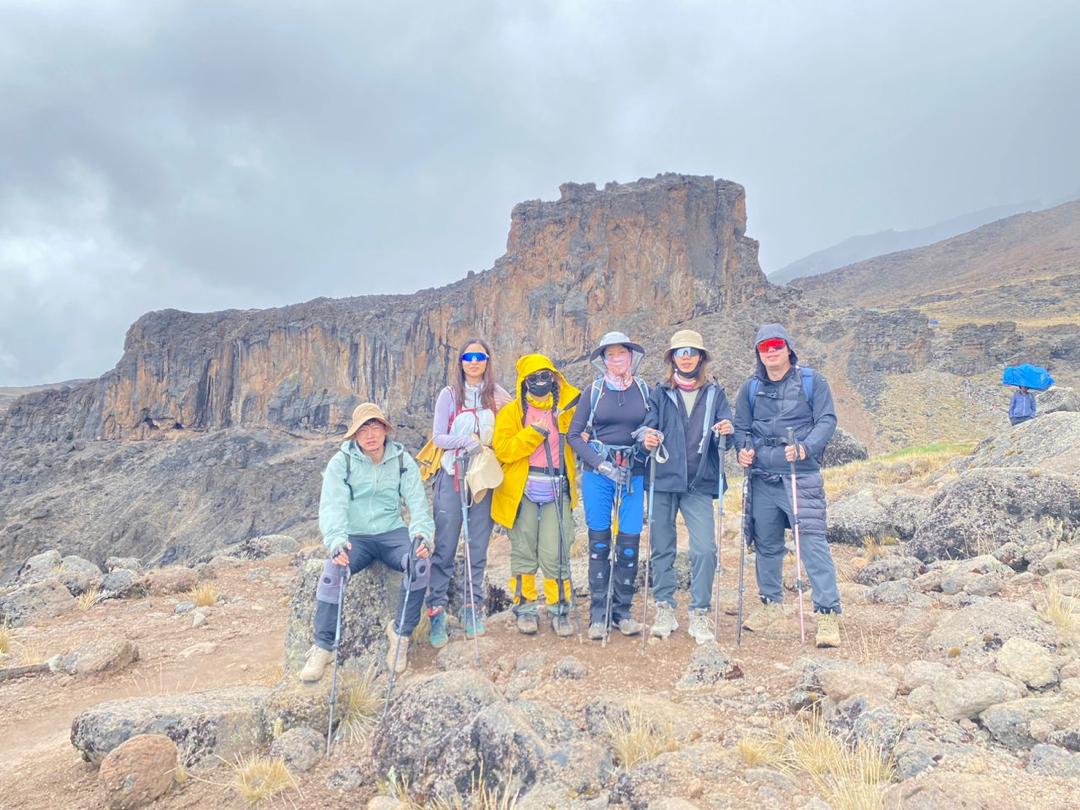
At sea level, the air contains 20.9% oxygen — the same percentage found at any altitude. What changes with altitude is atmospheric pressure. At 4,642m, atmospheric pressure is roughly 58% of sea-level pressure, meaning each breath delivers noticeably fewer oxygen molecules. You are not breathing thin air — you are breathing the same air with less force behind it.
Lava Tower sits within Kilimanjaro National Park, a UNESCO World Heritage Site, administered by KINAPA for mountain-guide licensing and TANAPA for the wider park. There is a designated campsite at the base of the Tower used primarily by Machame Route groups.
The Physiology: What Your Body Does at 4,642m
This is the part most guides skip. Here is the actual sequence of events inside your body during the hours you spend at Lava Tower.
The Hypoxic Cascade
When you arrive at 4,642m, arterial blood oxygen saturation (SpO2) — typically 98 to 99% at sea level — commonly drops into the high 70s to mid-80s percent range, depending on individual physiology, fitness, and rate of ascent. Kilimania guides measure this with a pulse oximeter at every camp and rest stop.
Hypoxic Ventilatory Response
Peripheral chemoreceptors detect reduced oxygen partial pressure and signal an increase in breathing rate. This begins within minutes of arrival at altitude.
Cardiovascular Compensation
Heart rate increases to help maintain oxygen delivery to tissues, which is why the heart feels like it’s working even at rest at Lava Tower.
EPO Production
Kidneys respond to hypoxia by increasing erythropoietin (EPO) secretion, which signals bone marrow toward greater red blood cell production over the following days.
Haematological Changes
A degree of plasma volume contraction concentrates existing red blood cells, providing a partial, faster improvement in oxygen-carrying capacity.
2,3-DPG Increase
Over 24 to 48 hours, red blood cells increase 2,3-DPG production, helping haemoglobin release oxygen more readily to tissues.
Bicarbonate Excretion
Faster breathing raises blood pH; the kidneys compensate by excreting more bicarbonate, which is part of why climbers urinate more at altitude.
“I have been checking SpO2 on climbers at Lava Tower for 22 years. What matters is not just the reading — it is how it changes over the 60 minutes we spend there. A climber who improves without intervention is acclimatizing well.”
— Sabinus Msimba, Senior Mountain Guide, Kilimania Adventure
Why Climb High Then Descend? The Science Explained
Climbing the Route That Passes Lava Tower?
The 8-day Lemosho Route is built around this acclimatization day. Sabinus Msimba has personally guided over 300 Uhuru Peak summits from our Moshi base.
View Kilimanjaro Climb PackagesSee 8-Day Lemosho Itinerary
The principle of “climb high, sleep low” is applied altitude physiology, not folklore. Compare how this plays out on other routes in our Machame vs Lemosho comparison.
Acclimatization adaptations are triggered by hypoxic exposure, not by hypoxic sleep. You need time at altitude for the hormonal cascade to begin. But sleeping at an altitude higher than your body has adapted to raises the risk of acute mountain sickness (AMS), because sleeping respiratory rate drops and blood oxygen can dip further overnight.
Day 4 Elevation Profile — Lemosho Route
Start
HIGH POINT
Sleep Here
Net gain: +136m vs start. Altitude stimulus: 4,642m. Sleep altitude: 3,976m.
By descending to 3,976m at Barranco Camp, climbers sleep at an altitude the body can manage while retaining the benefit of the earlier exposure at Lava Tower.
What Kilimania’s Climb Data Shows
Across Kilimania’s guided climbs (1,247+ ascents, 2019–2025), the 8-day Lemosho itinerary — which builds in the fullest version of this climb-high-sleep-low cycle — is associated with a stronger summit outcome than compressed itineraries without a dedicated Lava Tower day. Route-level summit percentages for this comparison are pending confirmation before publication; see our route success rate breakdown for the current published figures.
| Route | Lava Tower Day | Max Pre-Summit Alt | Sleep-Low Strategy | Typical Days |
|---|---|---|---|---|
| Lemosho | Day 4 | 4,642m (Lava Tower) | 4,642m up → 3,976m sleep | 8 days |
| Machame | Day 3 | 4,642m (Lava Tower) | 4,642m up → 3,976m sleep | 7 days |
| Northern Circuit | Passes Lava Tower | 4,642m (Lava Tower zone) | Extended northern acclimatization | 9 days |
| Marangu | Does not pass | 4,703m (Kibo Hut) | Hut to hut, less flexibility | 6 days |
| Rongai | Does not pass | 4,720m (School Hut) | North-east approach | 6–7 days |
| Shira | Passes Lava Tower | 4,642m (Lava Tower) | Same as Lemosho from Day 3 | 7 days |
Day 4 Hour by Hour: Shira Camp to Lava Tower to Barranco
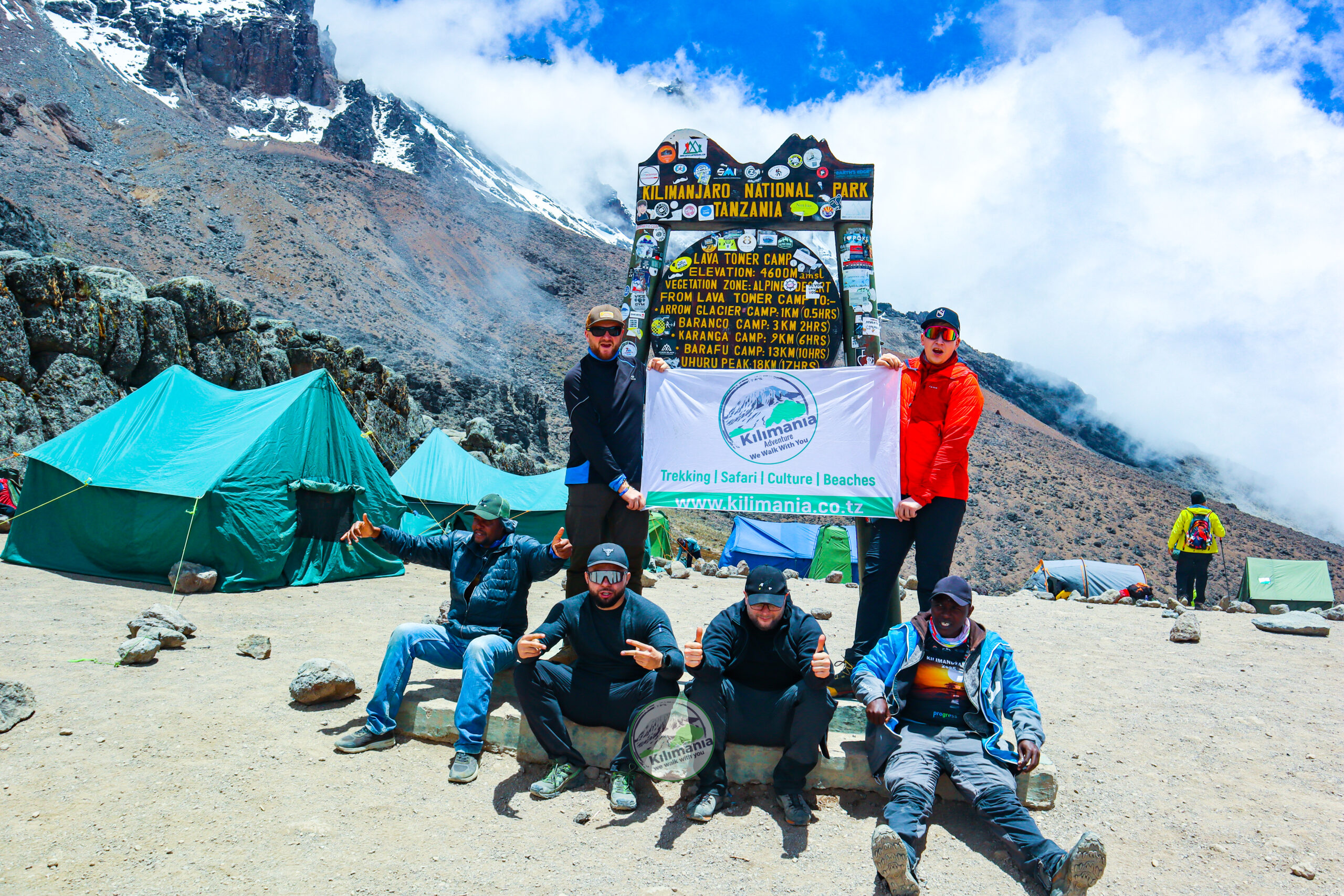
Here is what Day 4 looks like as the body experiences it, not as it reads on an itinerary sheet.
Climbers who feel strong at Lava Tower sometimes ask to push on or camp there overnight. This is a tactical error. Sleeping at 4,642m on Day 4 — before the body has had time to complete its adaptation response — increases AMS risk for Day 5 onward. Kilimania declines this request consistently; it is a matter of physiology, not caution for its own sake.
Normal vs Concerning Symptoms at Lava Tower
This is the question most climbers have but feel embarrassed to ask. For the full breakdown of altitude illness prevention and treatment, read our Altitude Sickness Guide. Here is an honest, plain-language summary specific to Lava Tower.
| Symptom | Normal / Expected | Action Required | Emergency Signal |
|---|---|---|---|
| Headache | Mild, improves with rest or ibuprofen | Moderate, persists after ibuprofen | Severe, unresponsive, with confusion |
| Breathlessness | During effort; eases with rest | At rest, persists | At rest with cough, possible HAPE signs |
| Fatigue | General tiredness, recovers with food/rest | Exhaustion at rest | Cannot walk unassisted |
| Appetite | Reduced but eating small portions | Nausea, no food since morning | Repeated vomiting |
| SpO2 Reading | Stable or improving with rest | Low and not improving | Very low and dropping despite rest |
| Urination | Frequent, pale (altitude diuresis) | Dark, low fluid intake | None for 8+ hours |
| Sleep quality | Lighter than normal, some waking | Waking gasping repeatedly | Cannot sleep, confused on waking |
High Altitude Cerebral Oedema (HACE) and High Altitude Pulmonary Oedema (HAPE) are medical emergencies. Symptoms of HACE include loss of coordination, confusion, and a severe unrelenting headache. HAPE symptoms include breathlessness at rest, pink frothy cough, and crackling breath sounds. Both require immediate descent. Kilimania guides are trained to prioritize descent over pushing on in either case.
How Kilimania Monitors Climbers at 4,642m
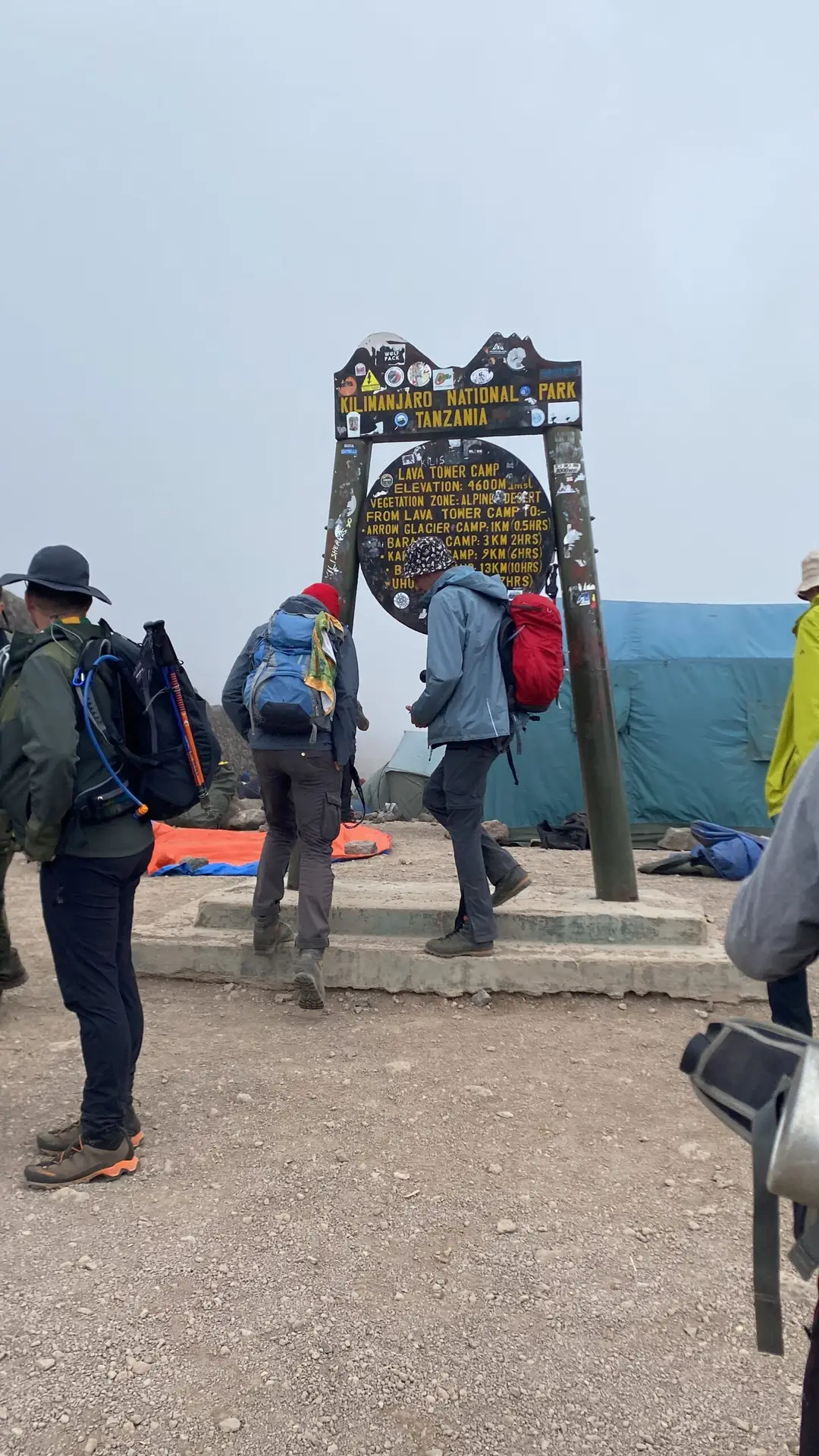
Standard SpO2 monitoring is the minimum. Kilimania’s protocol at Lava Tower goes further, because this is a key decision point for the rest of the climb.
The Lava Tower Protocol (Kilimania Standard)
- Individual SpO2 and pulse reading on arrival — recorded per climber
- 15-minute re-check — improvement, stability, or deterioration assessed
- 30-minute re-check — final pre-departure reading
- Lake Louise Score assessment — the standard clinical AMS scoring tool, applied verbally
- Ataxia test — a heel-to-toe walk check when any neurological concern arises
- Guide-to-climber ratio — Kilimania operates a minimum 1:2 guide ratio so individual monitoring is practical
Our Senior Guide Sabinus Msimba is a certified Wilderness First Responder, and Kilimania’s lead guides hold current first-aid certifications. The medical kit carried on every climb includes supplemental oxygen, a portable altitude chamber, and emergency AMS medications, used only in genuine emergencies rather than as a substitute for acclimatization protocol. For more on rescue procedures, see Kilimanjaro Safety: Deaths, Rescue & Safety Record.
Which Routes Use Lava Tower for Acclimatization?
Not every Kilimanjaro route passes Lava Tower. The routes that do share a stronger acclimatization architecture — not because of the Tower itself, but because of the altitude exposure and climb-high-sleep-low structure it creates.
For the full route overview across all seven options, see Kilimanjaro Routes 2026.
Frequently Asked Questions — Lava Tower Kilimanjaro
Lava Tower on Kilimanjaro sits at 4,642 metres (15,230 feet) above sea level. It is a distinctive volcanic plug on the Lemosho and Machame routes and serves as the highest point climbers reach on Day 4 before descending to Barranco Camp at 3,976 metres. This climb-high, sleep-low profile is the cornerstone of Kilimanjaro acclimatization strategy.
Climbers ascend to Lava Tower at 4,642m to trigger physiological acclimatization responses, then descend to Barranco Camp at 3,976m to sleep at a safer altitude. This climb-high, sleep-low method is intended to reduce AMS incidence on the approach to summit. Sleeping at 4,642m on Day 4 would exceed most climbers’ current adaptation and increases altitude sickness risk for Days 5 to 7.
Normal symptoms at Lava Tower (4,642m) include mild headache, slight shortness of breath at rest, reduced appetite, and fatigue. These are expected acclimatization responses. Concerning symptoms requiring a guide’s attention include confusion, loss of coordination, a dry cough that worsens, severe headache unresponsive to ibuprofen, and vomiting. Kilimania guides monitor SpO2 and pulse at every camp stop.
Yes, there is a designated campsite at Lava Tower (4,642m), but the standard Lemosho 8-day itinerary does not use it overnight. Climbers reach Lava Tower for lunch, rest for 60 to 90 minutes, then continue down to Barranco Camp at 3,976m. Camping at Lava Tower is not recommended for acclimatization purposes, since sleeping at 4,642m on Day 4 increases AMS risk.
The walk from Shira 2 Camp (3,840m) to Lava Tower (4,642m) takes approximately 3 to 4 hours covering 7.2 kilometres with 802 metres of altitude gain. The terrain is open moorland transitioning to alpine desert. Kilimania groups typically maintain a pole-pole pace of 2.0 to 2.5 km/h on this section.
Whether to take Diamox on Day 4 depends on your individual history and your physician’s advice. Kilimania guides do not prescribe medication. Read the full evidence-based discussion in our separate Diamox for Kilimanjaro guide.
The Bottom Line on Lava Tower Acclimatization
Lava Tower is not a scenic detour. It is a physiological instrument. The 802 metres climbed to reach it on Day 4 of Lemosho triggers a cascade of adaptations that influence whether the body can carry enough oxygen toward Uhuru Peak days later.
The 666 metres descended afterward are equally deliberate. By sleeping at 3,976m rather than 4,642m, climbers stay in the zone where acclimatization stimuli are active but the risks of altitude sickness are more manageable.
Climbers who understand what their bodies are doing at Lava Tower — rather than simply enduring the headache and the cold — tend to pace better, communicate symptoms more clearly, and trust the descent when it matters. For the complete Lemosho Route day-by-day breakdown, including the Barranco Wall that follows Day 4, read Lemosho Route Kilimanjaro 2026, and for the Barranco Wall in full detail, see Barranco Wall Kilimanjaro: Complete Guide.
Ready to Climb the Route That Includes Lava Tower?
The 8-day Lemosho Route is what we recommend for first-time Kilimanjaro climbers. Every day is built around the acclimatization science described above, and our Moshi-based team guides every climb personally.
View Kilimanjaro Climb OptionsWhatsApp: +255 756 449 990
Continue Reading



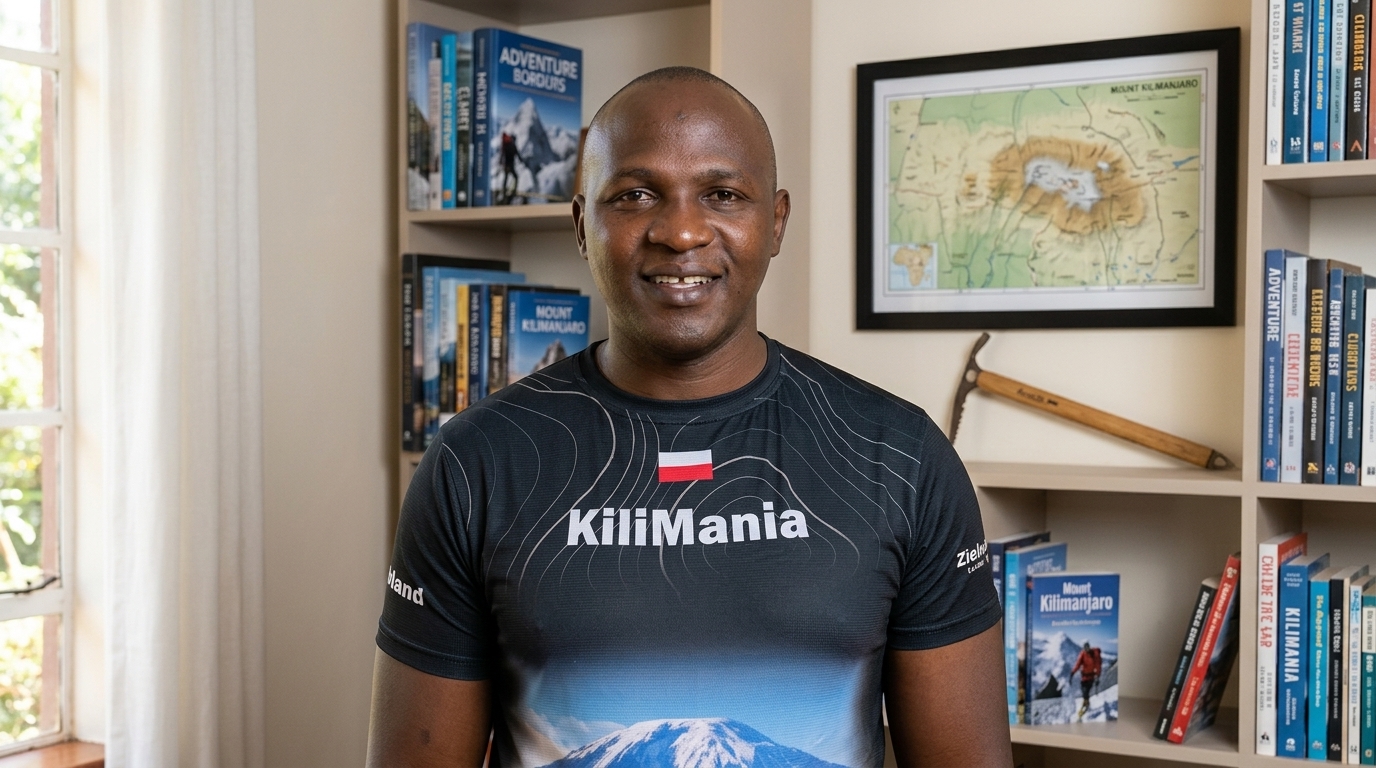
Sabinus has guided on Mount Kilimanjaro since 2001, beginning as a porter on the Marangu Route. Over 22 years he has led more than 300 personal summit ascents across all major routes and guided Kilimania’s team through over 1,247 documented climbs. This article reflects observations drawn from those years of direct physiological monitoring at altitude, alongside cited sources.
Full Biography ·
KINAPA Licence (PDF)
Disclosure: Kilimania Adventure is a TATO-registered tour operator based in Moshi, Tanzania, and this article promotes Kilimania’s own guided Kilimanjaro climbs alongside its educational content.
Author & data sources: Written by Senior Guide Sabinus Msimba, drawing on Kilimania’s operational climb records (1,247+ guided ascents, 2019–2025) and his 22+ years of first-hand SpO2 monitoring at altitude. Route-level summit percentages referenced in this article are pending confirmation and are not stated as exact figures. General altitude physiology described here reflects established mountain medicine principles; readers with pre-existing medical conditions should consult a physician before high-altitude travel.
Safety note: This article is educational and does not replace professional medical advice or an in-person safety briefing from a licensed guide.