Kilimanjaro Trekking: Routes, Cost, Days & What to Expect
Data sources cited in this article: Kilimania Adventure’s operational climb records (2019–2025), KINAPA park information, UNESCO World Heritage documentation.
Kilimanjaro trekking is the walk to Uhuru Peak, the 5,895-metre summit of Mount Kilimanjaro in Moshi, Tanzania. It is non-technical — no ropes or climbing gear are used on the standard routes — and takes between 5 and 9 days depending on the itinerary. The main obstacle is altitude, not terrain.
Quick answer: Kilimanjaro trekking means walking to Uhuru Peak on one of seven official routes, using a KINAPA-licensed guide and porter team, sleeping in huts (Marangu) or tents (every other route), over 5–9 days. No technical climbing skill is needed — pacing and acclimatization decide most outcomes.
- Summit elevation: 5,895m (Uhuru Peak)
- Official trekking routes: 7
- Typical duration: 5–9 days, route-dependent
- Climbing permits and guide licensing: managed by KINAPA
- Kilimania’s guided ascents on record: 1,247+ (2019–2025)
- Lead guide Sabinus Msimba: KINAPA-licensed since 2003, 22+ years on the mountain
What Is Kilimanjaro Trekking?
Kilimanjaro trekking is the act of walking to the summit of Mount Kilimanjaro, Africa’s highest peak, without technical climbing equipment. Uhuru Peak sits at 5,895m on the Kibo cone, inside Kilimanjaro National Park, a UNESCO World Heritage Site. Trekkers use marked trails, established campsites or huts, and a guide-and-porter system regulated by KINAPA. Ropes, crampons, and ice axes are not part of a standard trek — those tools only come into play on the Western Breach route, which most operators, including Kilimania, do not run for standard groups.
The word “trekking” and “climbing” are used interchangeably on Kilimanjaro. Both describe the same walk. Neither implies technical mountaineering. For one resource that ties routes, cost, altitude, and summit strategy together in more depth than this orientation page, see our complete Kilimanjaro climbing guide.
What Does a Kilimanjaro Trek Actually Involve?
A trek runs in a fixed sequence: arrival in Moshi or Arusha, a briefing and equipment check, a drive to the park gate, then days of walking between camps with a rest-and-acclimatize day built in on most itineraries, followed by a summit-night push and a two-day descent. Each day typically covers 4–8 hours of walking, depending on the stage of the route.
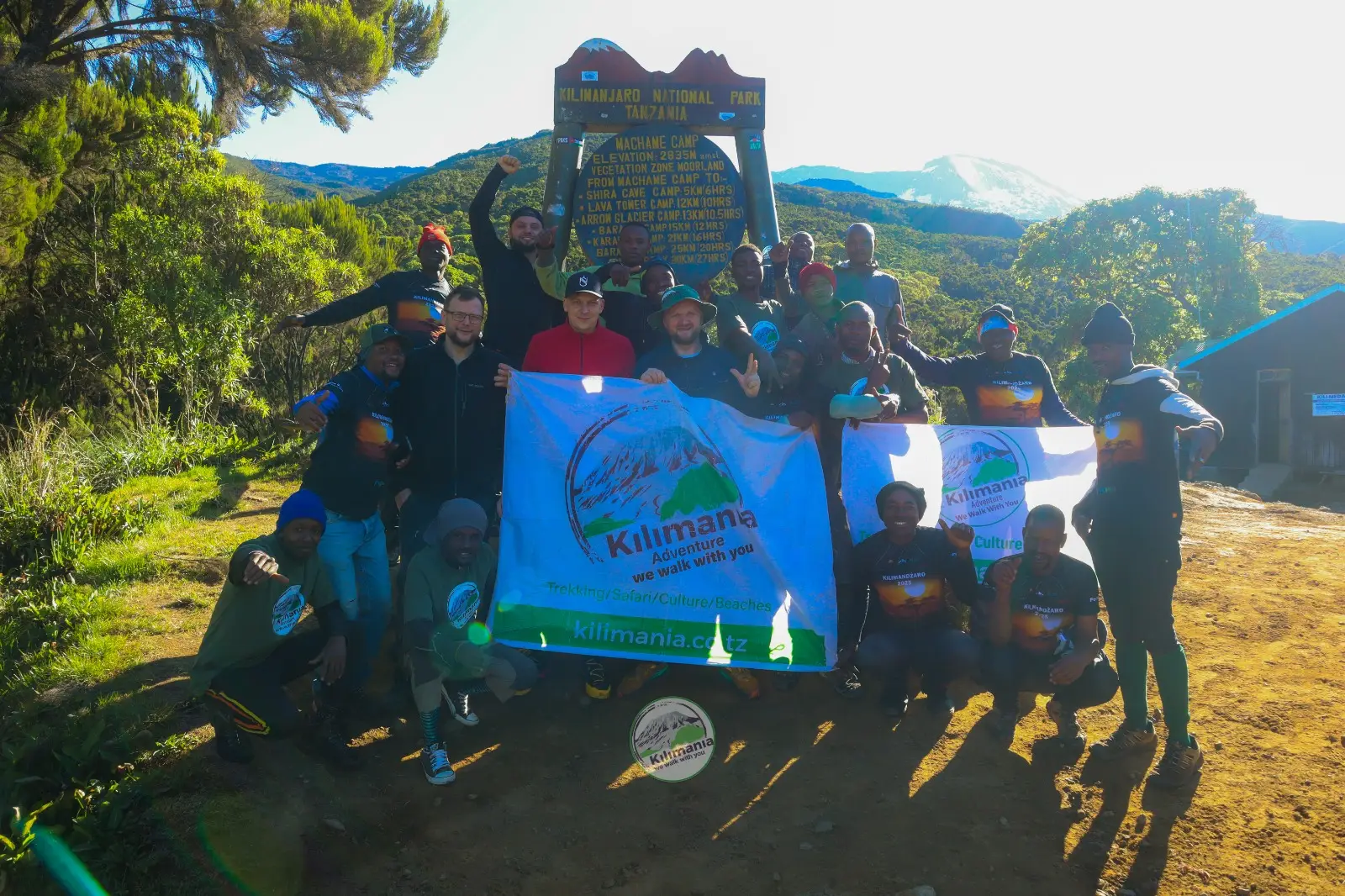
For the full day-by-day reality of what a trek feels like — cold mornings, dust, communal meals, summit-night fatigue — see our dedicated guide: What To Expect Climbing Kilimanjaro.
Kilimanjaro Routes at a Glance
Seven official routes reach Uhuru Peak, and they differ mainly in approach, accommodation, and typical duration — not in technical difficulty. This table is an orientation snapshot, not a full comparison.
| Route | Typical Duration | Accommodation | General Character |
|---|---|---|---|
| Marangu | 5–6 days | Huts | Direct eastern approach |
| Machame | 6–7 days | Tents | Southern, scenic |
| Lemosho | 7–8 days | Tents | Longer western approach |
| Rongai | 6–7 days | Tents | Northern, quieter |
| Shira | 7 days | Tents | High western start |
| Umbwe | 6–7 days | Tents | Steep, direct approach |
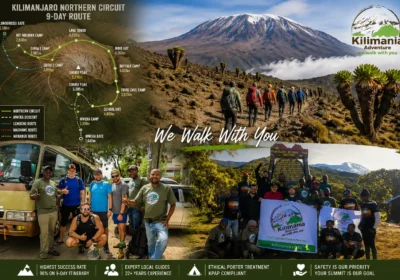
| Northern Circuit | 9 days | Tents | Longest established circuit |
Route-by-route summit outcomes from Kilimania’s own operational records — not industry-wide figures — are broken out in detail on our Kilimanjaro Routes guide, alongside terrain and acclimatization notes for each option.
How Many Days Do You Need for Kilimanjaro?
Duration matters more than route name. A longer itinerary on the same route gives your body more time to adjust to altitude, which meaningfully affects your chances of reaching the summit. The shortest itinerary on a route is not automatically the easier option — it usually means less acclimatization, not less walking. For a breakdown of 5-day versus 6-day versus 7-day and longer options, see How Many Days To Climb Kilimanjaro.
Is Kilimanjaro Trekking Difficult?
The walking itself is not technically hard — it’s steady uphill hiking on clear trails. What makes Kilimanjaro demanding is altitude. Above roughly 3,000m, the body has less oxygen to work with regardless of fitness level, and acute mountain sickness can affect trekkers who are otherwise in strong physical condition. Fitness helps with stamina on long walking days, but it does not eliminate altitude risk — pacing does. A detailed look at difficulty and what actually affects outcomes is here: How Hard Is Kilimanjaro?
How Much Does Kilimanjaro Trekking Cost?
Price is driven by route, duration, group size, and what the operator includes — park fees, crew wages and equipment, and camping or hut fees are the largest components. Prices are not uniform across operators because inclusions vary widely; the same route can be quoted very differently depending on crew ratios and equipment quality. A typical package generally covers park fees, guide and crew, camping or hut fees, and meals on the mountain — flights, personal gear, tips, and travel insurance are usually separate. For the complete cost breakdown, park fee structure, and what to check before paying a deposit, see Kilimanjaro Cost.
Where Do You Sleep on Kilimanjaro?
Accommodation depends entirely on route. Marangu is the only route with KINAPA-managed mountain huts — shared dormitory-style buildings with bunks. Every other route, including Machame, Lemosho, Rongai, Shira, Umbwe, and the Northern Circuit, uses tents at designated campsites. Meals are cooked by the crew and served in a mess tent (or dining hall on Marangu), regardless of route.
Do You Need a Guide and Porters on Kilimanjaro?
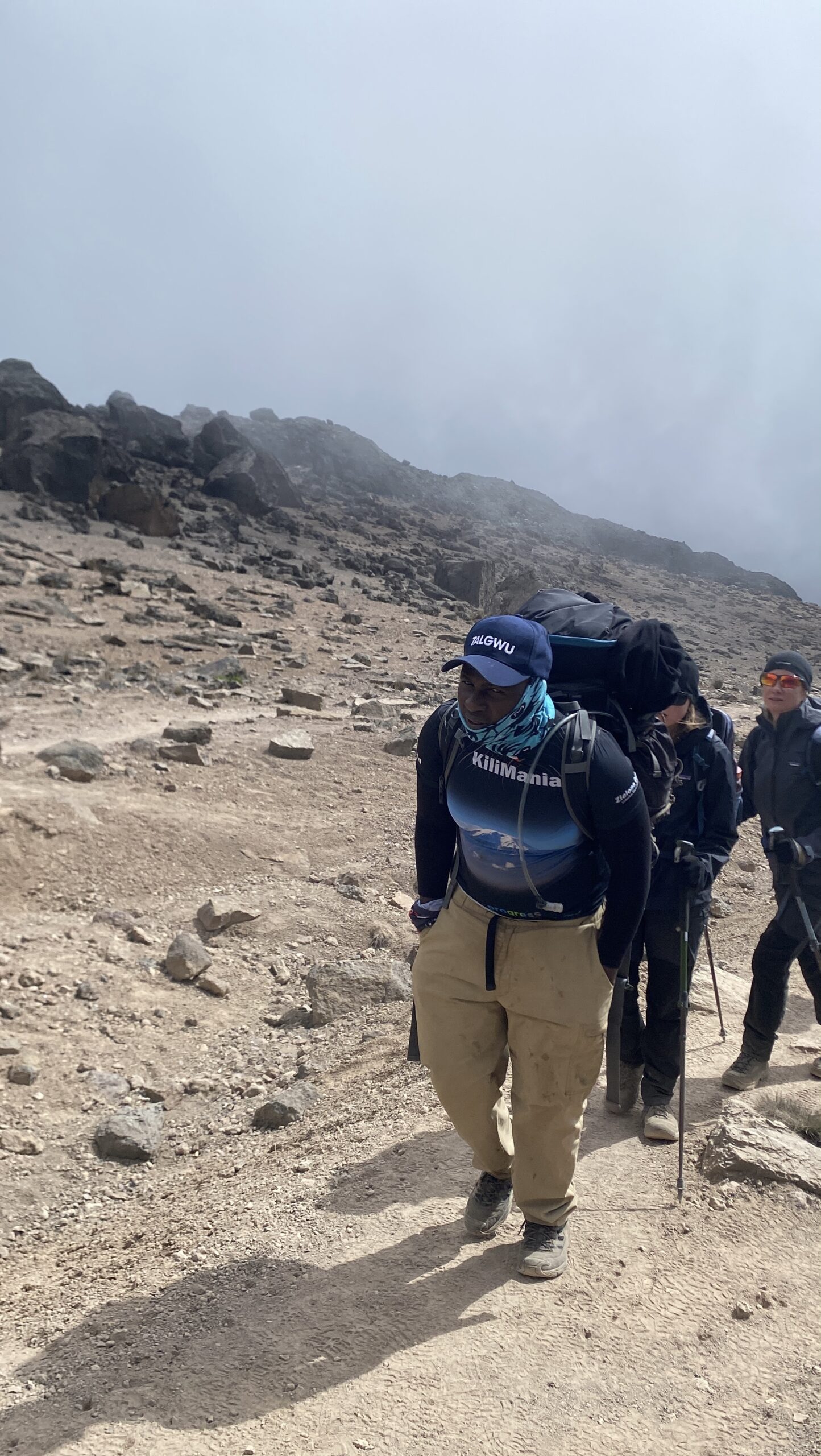
Yes — KINAPA requires every climber to be accompanied by a licensed guide, and a support crew of porters and cooks is standard practice on every route. The guide manages pacing, monitors for altitude symptoms, and makes the call on descent if needed. Porters carry camping equipment, food, and shared gear so that trekkers only carry a daypack.
Every mention of Sabinus on this site links to his guide profile: Sabinus Msimba, KINAPA-licensed since 2003, with 22+ years on the mountain and 300+ personal Uhuru Peak summits.
Who Can Trek Kilimanjaro?
Many climbers on Kilimanjaro are first-time trekkers, and technical mountaineering background is not required. Fitness preparation matters — steady cardiovascular conditioning in the months before departure — but age alone does not rule someone out; Kilimania has guided climbers across a wide age range. Anyone with a pre-existing medical condition should discuss the climb with a qualified doctor before booking, since individual risk varies by condition and altitude response.
How Should You Choose Your Kilimanjaro Route?
Start from what you actually want, not the route name:
- More acclimatization time: consider a longer itinerary — 8 days on Lemosho or 9 on the Northern Circuit.
- Hut accommodation: Marangu is the only option.
- A quieter, less-trafficked approach: Rongai, from the north.
- A shorter, well-established route: Machame, 6–7 days.
The right choice depends on your available days, budget, accommodation preference, and how much acclimatization buffer you want. For a full route-selection walkthrough, see How To Choose The Easiest Kilimanjaro Route.
At Barafu Camp, 4,673m, Kilimania’s standard summit-night protocol starts with a wake-up at 11:00 PM, light food at 11:30 PM, and departure from camp at midnight, timed for a slow, steady ascent toward Stella Point before sunrise. Guides adjust this timing on the night for weather, group pace, and route. Sabinus Msimba has overseen this protocol for more than 22 years and 300 personal summits.
Check Group Departure Dates
Kilimania runs fixed group climbs throughout the year from our base in Moshi. See open dates and group sizes before you commit to a route.
View Joining Calendar See All Kilimanjaro PackagesWhat Does Kilimanjaro Trekking Feel Like?
Early starts, slow deliberate walking — pole pole, as guides say here — and a landscape that changes dramatically as you climb: cultivated land gives way to rainforest, then moorland, then alpine desert, then the near-barren summit zone. Nights get cold fast once you’re above 3,000m. Summit night itself is the hardest few hours of the trip: dark, cold, and slow, followed by a sunrise at the crater rim that most climbers remember as the point it all clicked into place. For the full account of what each day is actually like, read What To Expect Climbing Kilimanjaro.
When Should You Trek Kilimanjaro?
Conditions vary by season more than by route. The two dry windows — January–February and June–October — generally offer the clearest skies and firmest trails, while the long rains (March–May) bring wetter, harder-going conditions on every route. Weather can still shift quickly at altitude regardless of season.
What Do You Need to Pack for Kilimanjaro?
A working layering system matters more than any single item: base layers, insulating mid layers, a waterproof outer shell, warm gloves and a hat for summit night, broken-in waterproof boots, trekking poles, a headlamp, and a hydration system rated for cold. A day pack is enough for personal items — porters carry the rest. The full checklist, including gear rental options, is here: Kilimanjaro Packing List. Altitude symptoms are worth understanding before you go, too — see Altitude Sickness On Kilimanjaro.
Frequently Asked Questions
What is Kilimanjaro trekking?
Kilimanjaro trekking is the non-technical walk to Uhuru Peak (5,895m), the summit of Mount Kilimanjaro in Tanzania. It does not require ropes, crampons, or climbing experience. The main challenge is altitude and pacing, not technical skill.
Is Kilimanjaro trekking technical climbing?
No. On the standard trekking routes, no ropes or climbing gear are used. Trekkers walk on established trails with a KINAPA-licensed guide. Technical mountaineering equipment is only relevant on the rarely used Western Breach route.
How many days do you need to trek Kilimanjaro?
Standard itineraries run 5 to 9 days depending on route. Longer itineraries build in more time to acclimatize, which many trekkers weigh heavily when comparing similarly priced options.
What is the difference between trekking and climbing Kilimanjaro?
On Kilimanjaro the two terms are used interchangeably. Both describe the same non-technical walk to Uhuru Peak. Neither implies rope work or technical mountaineering on the standard routes.
Where do you sleep during a Kilimanjaro trek?
On the Marangu route, trekkers sleep in KINAPA-managed mountain huts. On every other route, including Machame, Lemosho, Rongai, and the Northern Circuit, trekkers sleep in tents at designated campsites.
How do I choose a Kilimanjaro route?
Route choice depends on your available days, whether you prefer huts or tents, and how much acclimatization time you want built into the itinerary. Longer western routes such as Lemosho generally give more time to adjust to altitude than shorter routes.
Do I need previous trekking experience for Kilimanjaro?
No prior mountaineering experience is required. Cardiovascular fitness and a slow, steady pace matter more than technical hiking background. First-time trekkers summit regularly with proper preparation and pacing.
How much does a Kilimanjaro trek cost?
Cost depends on route, duration, group size, and what the operator includes. Park fees, crew wages, and equipment are the main cost drivers. A full cost breakdown is available on Kilimania’s dedicated cost page.
Getting Started
Most first-time trekkers narrow their decision to two questions: how many days can you commit, and do you want huts or tents. Answer those two, and the route usually picks itself. From there, the operator you choose matters as much as the route — crew ratios, guide experience, and equipment quality vary widely between companies quoting the same itinerary. Kilimania is based in Moshi, a short drive from the park gates, and every group is led by a KINAPA-licensed guide. We can also combine a trek with a Tanzania safari afterward — many climbers do, since Moshi sits within reach of the northern safari circuit; see Tanzania Safaris for that option.
Request a Trek Quote
Tell us your dates, group size, and route preference — we reply within 12 hours from our office in Moshi.
Prefer WhatsApp or email? +255 756 449 990 or info@kilimania.co.tz.
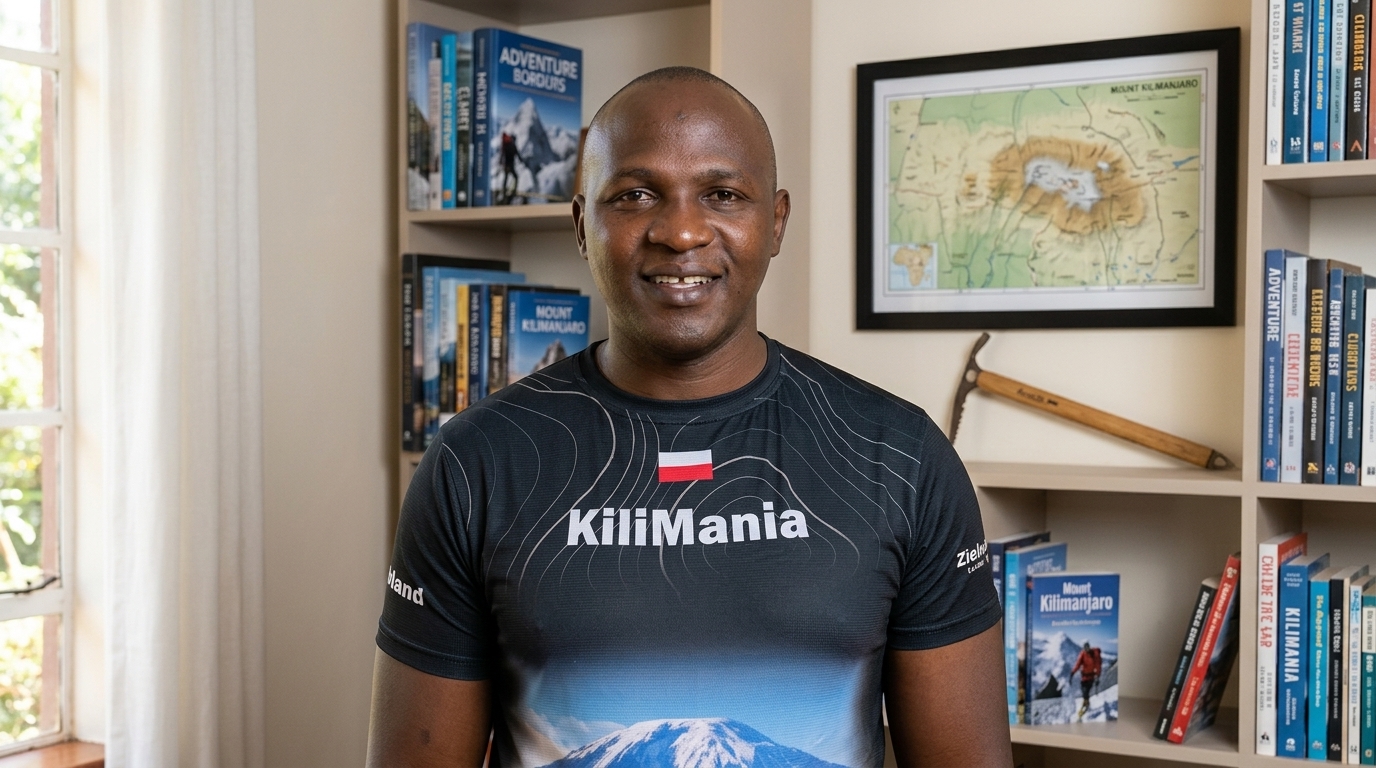
Sabinus Msimba
Senior Mountain Guide & Co-founder, Kilimania Adventure. KINAPA-licensed since 2003, 22+ years guiding on Kilimanjaro, 300+ personal Uhuru Peak summits. Full guide profile → | View KINAPA License (PDF) →
Kilimania Adventure is a TATO-registered tour operator based in Moshi, Tanzania. This article reflects our own operational experience and links to our own Kilimanjaro climbing services. Route-level summit outcomes referenced from our other pages reflect Kilimania’s internal operational records (2019–2025), not official TANAPA/KINAPA statistics or an industry-wide figure.