Climb Kilimanjaro in 2026 | Best Routes, Prices & Safari.

Climb Kilimanjaro in 2026 | Best Routes, Prices & Safari.

Climb Kilimanjaro in 2026

If you’re planning to climb Kilimanjaro in 2026, you probably want clear answers before you book. Which route gives you the best chance of reaching the summit? How much does climbing Kilimanjaro cost in 2026? What should you look for in a safe, ethical tour operator? And is it worth adding a safari after the climb?

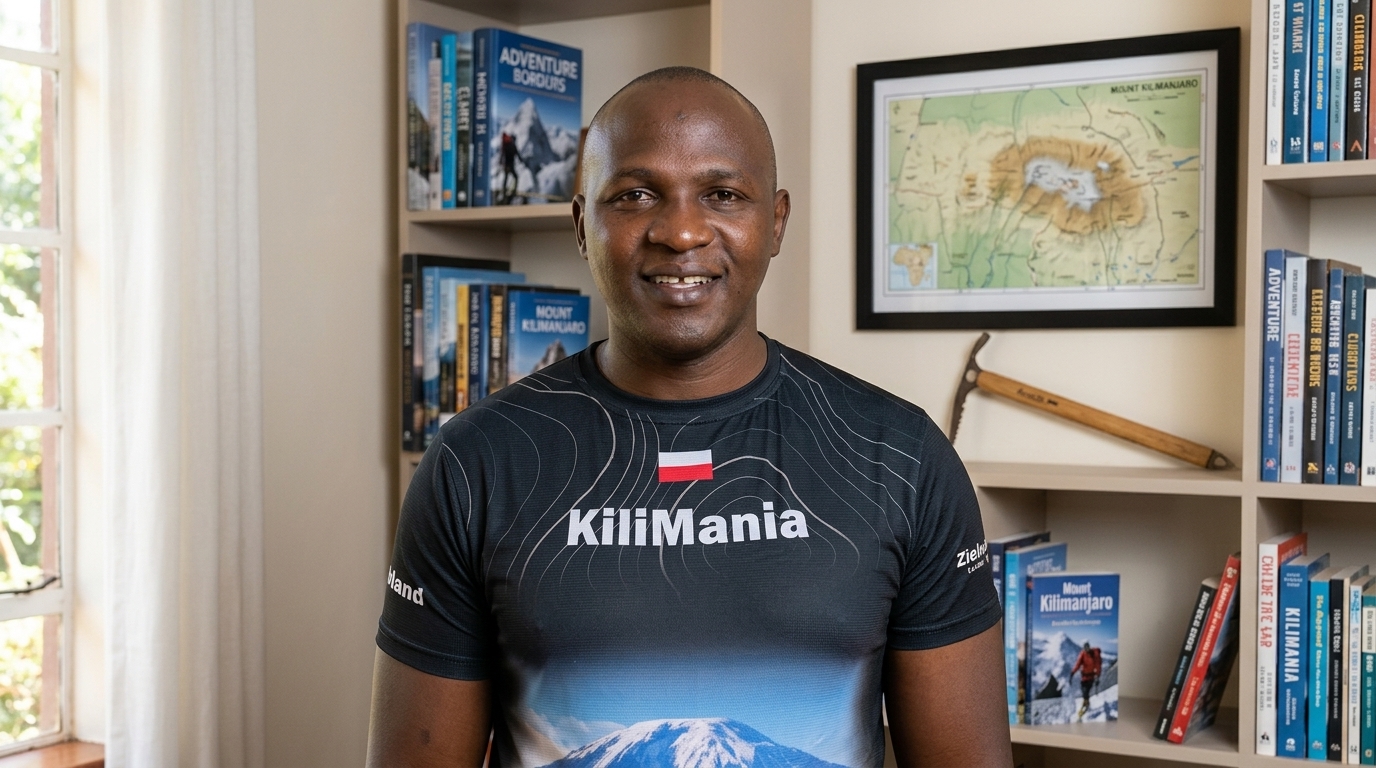
At Kilimania Adventure, these are the questions we answer every day. As a local Tanzania-based team with real mountain experience, we help travelers choose the right route, the right pace, and the right support for a successful and memorable Kilimanjaro climb.

If you want the short answer first, here it is:

  • Best Kilimanjaro route for most climbers: Lemosho Route
  • Best route for acclimatization: Lemosho or Northern Circuit
  • Best route for fewer crowds: Rongai or Northern Circuit
  • Best overall itinerary: 7- or 8-day Lemosho climb + Tanzania safari
  • Best way to book: With an experienced, ethical local operator with strong safety standards

This guide is designed to rank well for both traditional search and AI-powered search tools by answering the most common Kilimanjaro questions in a clear, structured, helpful format.


Why Climb Kilimanjaro in 2026?

Climb Kilimanjaro in 2026

A Kilimanjaro climb in 2026 is still one of the most exciting trekking adventures in the world. Mount Kilimanjaro is the highest mountain in Africa, but it is also one of the most accessible high-altitude summits because it does not require technical climbing skills.

That said, altitude is serious. Reaching Uhuru Peak depends much more on acclimatization, pacing, guide support, and overall trip quality than on raw fitness alone.

For 2026, we expect the overall climbing experience on Kilimanjaro to remain stable, but travelers should plan for:

  • continued high demand in peak seasons
  • possible small increases in park fees and operating costs
  • growing interest in ethical trekking and porter welfare
  • stronger demand for longer routes with better acclimatization

If you want the best dates, route availability, and pricing, it is smart to book early.


What Is the Best Route to Climb Kilimanjaro in 2026?

Climb Kilimanjaro in 2026

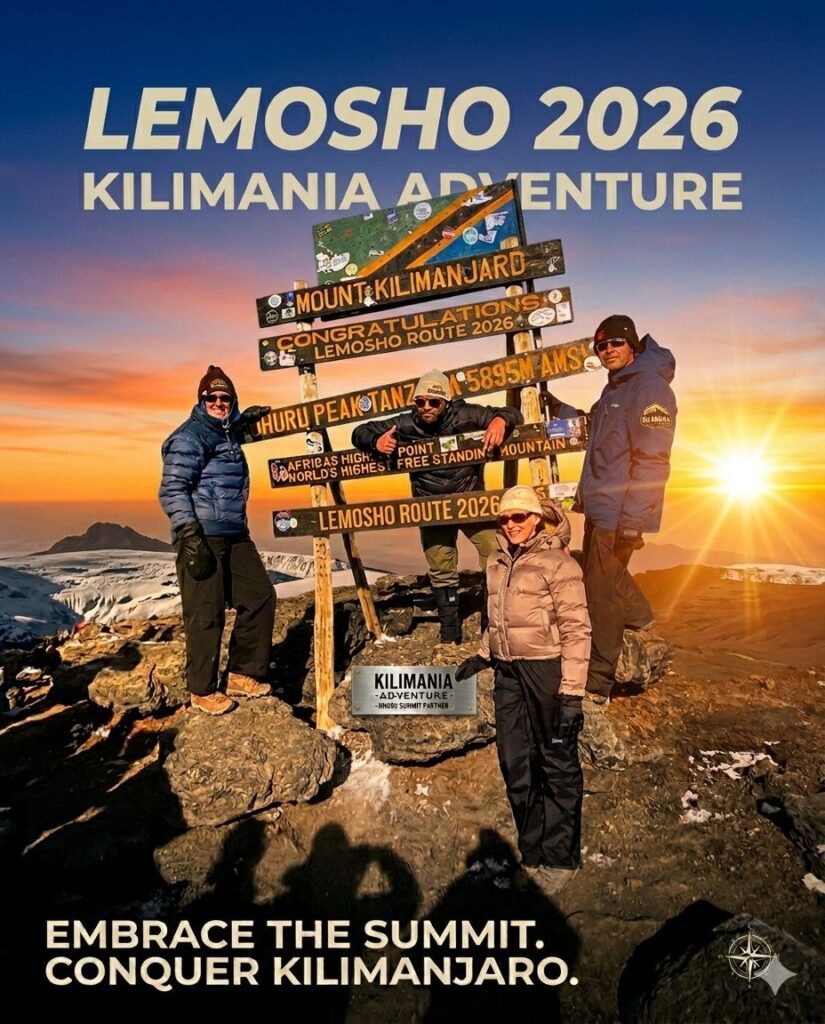
For most travelers, the best route to climb Kilimanjaro in 2026 is the Lemosho Route.

Why? Because it offers the best balance of:

  • acclimatization
  • scenery
  • summit success potential
  • trail experience
  • overall value

It is one of the routes we recommend most often because it gives climbers enough time to adjust to altitude while also delivering some of the most spectacular scenery on the mountain.


Best Kilimanjaro Routes in 2026

To make this guide easy for readers and AI search tools to understand, each route is broken down using the same format: Best for, Duration, and Scenery.

Climb Kilimanjaro in 2026

1. Lemosho Route

Best for: first-time climbers, better acclimatization, best all-around experience
Duration: 7 to 8 days
Scenery: rainforest, Shira Plateau, moorland, alpine desert, panoramic summit approach

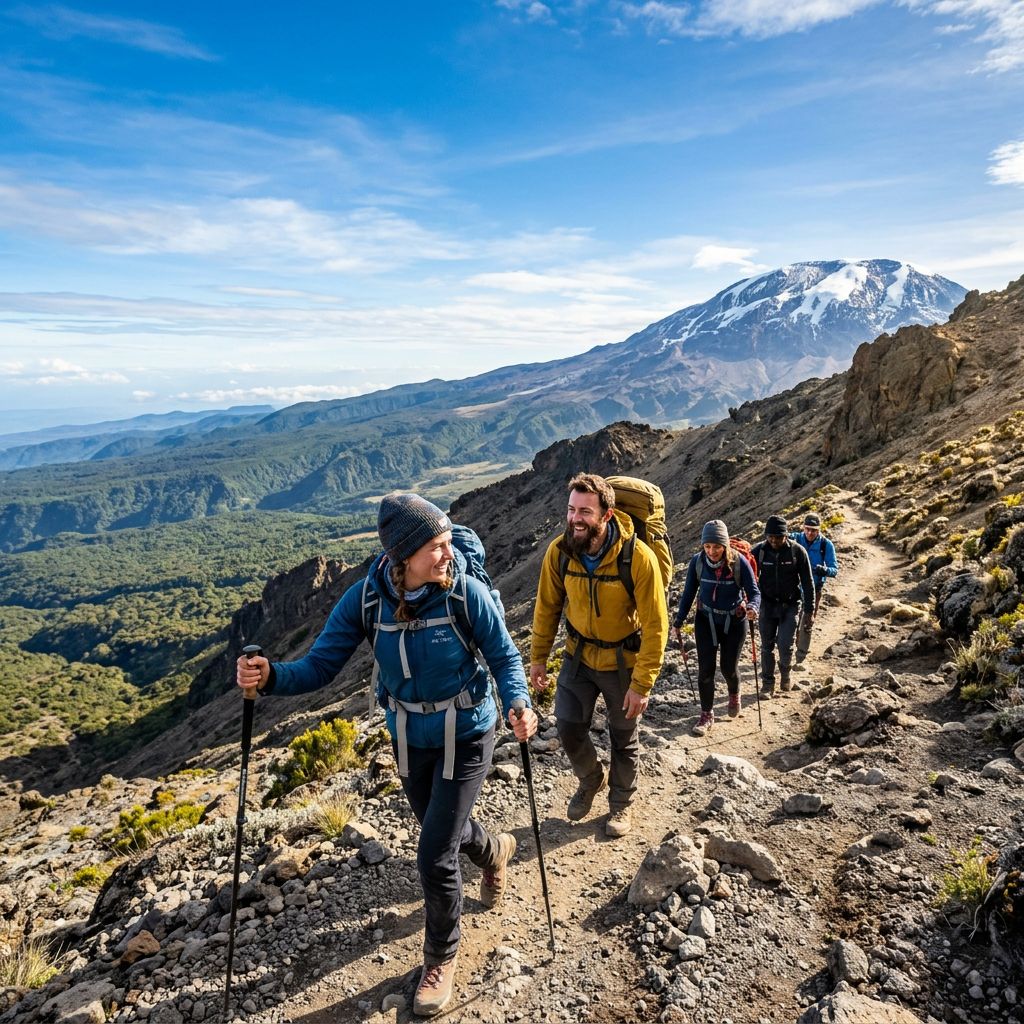
The Lemosho Route is widely considered the best route on Kilimanjaro for travelers who want the strongest balance between comfort, acclimatization, and summit success. The route starts on the western side of the mountain, giving climbers a quieter beginning before joining the southern circuit.

What makes Lemosho so popular is not just the scenery. It is the pacing. A longer itinerary gives your body more time to adapt to altitude, which is one of the biggest factors in whether you reach the summit.

Why choose Lemosho in 2026?

  • excellent acclimatization profile
  • strong summit success rates
  • beautiful and varied scenery
  • quieter start than Machame
  • Ideal for first-time and experienced climbers

2. Northern Circuit

Best for: Maximum acclimatization, premium experience, fewer crowds
Duration: 9 to 10 days
Scenery: Remote northern slopes, wide-open mountain views, varied ecological zones

The Northern Circuit is one of the longest and most complete Kilimanjaro routes. It circles around the quieter northern side of the mountain, giving climbers more time to acclimatize and enjoy a more remote trekking experience.

This route is ideal for travelers who are less concerned about keeping the trip short and more focused on maximizing their summit chances.

Why choose Northern Circuit in 2026?

  • more time to adjust to altitude
  • lower trail traffic
  • immersive wilderness feel
  • premium route for a slower, more comfortable pace

3. Machame Route

Best for: Scenic trekking, adventurous hikers, classic Kilimanjaro experience
Duration: 6 to 7 days
Scenery: rainforest, Barranco Wall, moorland, alpine desert, dramatic southern views

The Machame Route is one of the most famous ways to climb Kilimanjaro. It is scenic, active, and rewarding, making it a favorite for hikers who want a classic mountain adventure.

It is also one of the busiest routes, especially during peak season. For many climbers, that is not a deal breaker. But it is worth knowing if you prefer a quieter trail.

Why choose Machame in 2026?

  • very scenic and varied
  • strong acclimatization compared with shorter routes
  • popular with active trekkers
  • Great for climbers who enjoy a social trail atmosphere

4. Rongai Route

Best for: fewer crowds, gentler ascent, drier conditions
Duration: 6 to 7 days
Scenery: Northern wilderness, quieter camps, open mountain landscapes

The Rongai Route approaches Kilimanjaro from the north, near the Kenyan border. It tends to be less crowded than southern routes and can be a suitable option for travelers who want a quieter, steadier climb.

Its gradual ascent profile makes it attractive to climbers who prefer a slightly gentler rhythm.

Why choose Rongai in 2026?

  • quieter trail experience
  • gradual ascent
  • often drier than southern approaches
  • good option for travelers who value solitude

Best Climb Kilimanjaro Routes in 2026

RouteStandard DaysAcclimatization ProfileCrowd LevelBest For
Lemosho7–8 daysExcellentModerateFirst-time climbers, best all-around experience
Northern Circuit9–10 daysExcellentLowMaximum acclimatization, premium trekking
Machame6–7 daysGoodHighScenic and adventurous classic route
Rongai6–7 daysGoodLow to ModerateQuieter trail, gentler ascent
Marangu5–6 daysFairModerate to HighHut accommodation, shorter itinerary

What Is the Safest Way to Climb Kilimanjaro?

Climb Kilimanjaro in 2026

The safest way to climb Kilimanjaro is to choose a longer route, climb with trained guides, and book with a company that takes altitude safety seriously.

At Kilimania Adventure, safety starts with route planning and continues all the way through summit night. We believe the best Kilimanjaro experience is one that gives you the support, pacing, and monitoring needed to climb responsibly.

Key Kilimanjaro Safety Factors in 2026

A quality Kilimanjaro package should include:

  • experienced mountain guides
  • daily health monitoring
  • Pulse oximeter checks
  • emergency oxygen
  • first-aid kits
  • clear evacuation procedures
  • organized camps and support systems
  • proper food and hydration support

When comparing operators, do not focus only on price. Focus on how seriously they take altitude, medical readiness, and mountain logistics.

Before confirming your Kilimanjaro booking, make sure you have travel insurance that covers high-altitude trekking and emergency evacuation. Many climbers compare providers such as World Nomads before travel.


How Much Does It Cost to Climb Kilimanjaro in 2026?

The cost to climb Kilimanjaro in 2026 depends on your route, trip length, service level, and what is included.

Typical Kilimanjaro Price Ranges for 2026

  • Budget climbs: $1,800 to $2,400 per person
  • Mid-range climbs: $2,500 to $3,500 per person
  • Premium climbs: $3,500 to $4,500+ per person

Should You Book a Cheap Kilimanjaro Climb?

Usually, no.

Very cheap climbs often cut costs in areas that matter most, such as safety systems, food quality, crew support, equipment quality, or porter treatment. On a high-altitude mountain, these compromises can seriously affect your experience.

Porter Welfare and Ethical Climbing

A major difference between mid-range and budget climbs is porter welfare.

Ethical operators like Kilimania Adventure prioritize fair wages, proper food, reasonable load limits, and respectful treatment for the mountain crew. Choosing a responsible company is not just better for the team supporting your climb. It also usually means a better-run expedition overall.

Learn more about our treks and standards on the Kilimania Adventure website.


What Should You Look for in a Kilimanjaro Tour Company?

The best Kilimanjaro tour company is the one that gives you the highest confidence before and during the climb.

Look for These Features:

  • Experienced local guides
  • strong safety systems
  • transparent pricing
  • quality mountain gear
  • Clear pre-trip communication
  • ethical porter policies
  • Good guest reviews
  • Optional safari and Zanzibar extensions

A full-service operator can also simplify your trip by organizing your climb, hotels, transfers, and safari in one place.

At Kilimania Adventure, we help travelers book complete Tanzania adventures, not just mountain logistics.


Is It Worth Adding a Tanzania Safari After Kilimanjaro?

Yes. A Tanzania safari after Kilimanjaro is one of the best ways to complete your trip.

After the challenge of the mountain, many climbers want time to celebrate, recover, and experience Tanzania’s wildlife. A safari gives you a wholly different side of the country and turns a trekking holiday into a full East Africa adventure.


Best Safari Parks to Combine With Kilimanjaro

Serengeti National Park

Best known for: The Great Migration, classic safari landscapes, big-cat sightings

The Serengeti is one of Africa’s most iconic safari destinations. If you want the classic Tanzania wildlife experience after your Kilimanjaro trek, this is the park most travelers dream of.

Ngorongoro Crater

Best known for: dense wildlife, dramatic views, and excellent short safaris

Ngorongoro is perfect for travelers who want incredible wildlife viewing in a short time. It is one of the easiest and most rewarding add-ons after a Kilimanjaro climb.

Tarangire National Park

Best known for: elephant herds, baobab trees, and strong game viewing, walking safari park

Tarangire is ideal for shorter safari itineraries and is often paired with Ngorongoro for a 2- or 3-day trip.

Lake Manyara National Park

Best known for: birdlife, varied scenery, compact safari experience

Lake Manyara is a good choice for travelers who want a scenic and flexible safari stop without committing to a long itinerary.

Discover Tanzania safari, Ndutu Calving Season 2026, Insider Migration Calendar & Booking Guide


Best Kilimanjaro and Safari Combination in 2026

For most travelers, our recommended itinerary is:

7- or 8-Day Lemosho Route + 2- to 5-Day Tanzania Safari

This combination offers:

  • better acclimatization
  • a stronger summit strategy
  • world-class mountain scenery
  • a rewarding safari after the climb
  • Excellent value for travelers visiting Tanzania once and wanting the full experience

Complete Guide to Fees, Flights, Insurance, Tips, Gear, and Extra Costs

Planning to climb Kilimanjaro in 2026? Before you compare operators or choose a route, it helps to understand the full cost of a Kilimanjaro trip. Many travelers focus only on the advertised package price, but the real budget also includes government park fees, international flights, travel insurance, crew tips, personal trekking gear, and extra hotel nights or upgrades.

We believe informed travelers make better decisions. This guide is written in a clear, practical format to help you understand what you are paying for, what is usually included, and what extra expenses you should plan for when climbing Mount Kilimanjaro in 2026.

If you want the quick summary:

  • Kilimanjaro package prices usually include park fees, guides, porters, meals, tents, and transfers
  • Extra costs often include flights, visas, insurance, tips, gear, and extra hotel nights
  • Government fees are a major part of the total price
  • Travel insurance should include high-altitude trekking and evacuation cover
  • Booking with a transparent local operator helps you avoid hidden costs

What Is Usually Included in a Kilimanjaro Climb Package?

A professionally operated Kilimanjaro climb package normally includes the essential mountain services needed for a safe and organized trek.

Most Kilimanjaro packages include:

  • Kilimanjaro National Park entry and camping or hut fees
  • Guide services
  • porter support
  • Cook mountain meals
  • tents and shared camping equipment
  • emergency oxygen and basic safety equipment on quality climbs
  • Transfers between your hotel and the mountain gate
  • pre-climb briefing

At Kilimania Adventure, we always recommend looking at the total trip cost, not just the package headline price.


Quick Comparison Table: Included vs. Not Usually Included

Cost ItemUsually Included in Climb PackageUsually Paid SeparatelyNotes
Kilimanjaro park feesYesNoIncluded by most licensed operators
Guides, porters, cookYesNoCore operational cost
Mountain meals and tentsYesNoQuality varies by operator
International flightsNoYesBook separately
Travel insuranceNoYesMust cover high-altitude trekking
Tips for crewNoYesExpected on Kilimanjaro
Personal trekking gearNoYesIt can often be rented
Extra hotel nights or upgradesSometimesOftenDepends on package
VisaNoYesCheck current entry requirements

1. International Flights to Climb Kilimanjaro

International flights are usually not included in Kilimanjaro climbing packages. Most travelers arrive through one of the following gateways.

Main Flight Arrival Options

1. Kilimanjaro International Airport (JRO)

This is the most convenient airport for climbers heading to Moshi or Arusha.

2. Julius Nyerere International Airport (Dar es Salaam)

Some travelers fly into Dar es Salaam first and then take a domestic flight to Kilimanjaro or Arusha.

3. Nairobi, Kenya

Some climbers fly into Nairobi and then continue to Tanzania by regional flight or overland transfer.

Estimated International Flight Costs for 2026

Departure RegionEstimated Return Flight CostNotes
Europe$600 to $1,200+Often best booked early
North America$900 to $1,800+Seasonal variation can be large
Asia/Australia$1,000 to $2,000+Often longer routing

Helpful Tip

If you are climbing during the high season, especially January to March or June to October, book early to improve your chances of getting better airfare.


2. Kilimanjaro Fees and Government Charges

A major part of the cost of climbing Kilimanjaro comes from official government fees. These fees are mandatory and form a large percentage of every legitimate climbing package.

  • conservation fees
  • camping fees or hut fees
  • rescue fees
  • crew entry fees
  • VAT and tourism-related operational charges

For official tourism and park information, you can refer to:

Why This Matters

If a Kilimanjaro package seems much cheaper than market rates, it may mean important services are reduced or excluded. Government fees are fixed costs, so extremely low prices should always be examined carefully.


3. Travel Insurance for Kilimanjaro

Travel insurance is one of the most important extra costs to budget for when climbing Kilimanjaro.

Because Kilimanjaro involves high altitude, remote conditions, and possible evacuation, your insurance policy should clearly cover:

  • high-altitude trekking
  • emergency medical treatment
  • evacuation
  • trip interruption
  • Baggage or equipment loss

Here are three commonly considered options for adventure travel insurance:

Insurance ProviderBest ForLink
World NomadsBroad international adventure travel useWorld Nomads
SafetyWingFlexible travel medical coverage for long-term travelersSafetyWing
Global RescueEvacuation and field rescue-focused membershipGlobal Rescue

Important Insurance Note

Always read the policy wording carefully. Coverage depends on:

  • your country of residence
  • altitude limit
  • trip duration
  • whether trekking on Kilimanjaro is specifically included

A low-cost policy is not helpful if it excludes high-altitude trekking.


4. Tips for Guides, Porters, and Crew

Tips are usually not included in the advertised climb package price. On Kilimanjaro, tipping is a normal and expected part of the trip because the mountain crew works hard to support your climb.

A typical team may include:

  • lead guide
  • assistant guides
  • cook
  • several porters

Typical Tip Budget

While exact tipping depends on route length and group size, many climbers budget approximately:

  • $250 to $400+ per climber

Why Tips Matter

Tips directly support the crew members who carry equipment, prepare meals, set up camp, and help keep your climb running smoothly.

If you book with Kilimania Adventure, ask for the latest tipping guidance before arrival so you can plan accurately.


5. Personal Trekking Gear

Personal trekking gear is another cost that is often underestimated by first-time climbers.

Kilimanjaro is not a technical mountain, but it does require proper clothing and equipment for cold temperatures, wind, rain, and summit night conditions.

Common Gear You May Need

  • insulated jacket
  • waterproof jacket and pants
  • thermal base layers
  • hiking boots
  • warm gloves
  • wool or thermal hat
  • sleeping bag
  • trekking poles
  • headlamp
  • duffel bag or daypack

Estimated Gear Cost

Gear StrategyEstimated CostNotes
Mostly renting$150 to $400Good for first-time climbers
Buying selected items$400 to $800Common balanced approach
Buying a full-quality setup$800 to $1,500+Better for frequent trekkers

Smart Planning Tip

If you already own hiking basics, you may only need to rent or buy summit-specific cold-weather items.


6. Extra Hotel Nights or Upgrades

Most Kilimanjaro packages include a standard hotel stay before and after the trek, but extra hotel nights or upgraded rooms are often not included unless clearly stated.

You may need extra accommodation if:

  • You arrive early to recover from your flight
  • You want a rest day before the climb
  • Your return flight leaves later than the standard itinerary allows
  • You want a higher room category or more comfort

Estimated Accommodation Costs

Hotel TypeEstimated Cost Per NightNotes
Budget$40 to $80Basic but practical
Mid-range$80 to $150Most common upgrade choice
Luxury$150 to $400+Lodge or premium hotel level

Estimated Total Budget to Climb Kilimanjaro in 2026

To budget accurately, it helps to look at the climb as a full trip rather than a single package price.

Sample Total Budget Range

Cost CategoryEstimated Range
Mid-range climb package$2,500 to $3,500
International flights$600 to $1,800+
Travel insurance$80 to $300+
Tips$250 to $400+
Personal gear$150 to $1,500+
Extra hotel nights$40 to $400+

Realistic Total Trip Budget

For many travelers, the full cost to climb Kilimanjaro in 2026 may fall roughly between:

  • $3,500 and $6,500+ per person

The final number depends on where you fly from, what gear you already own, your travel style, and whether you add a safari.


How to Save Money Without Reducing Safety

If you want to keep your Kilimanjaro budget under control, the goal should be smart savings, not risky shortcuts.

Good Ways to Save

  • Book flights early
  • Travel in a group where possible
  • Rent gear you will not use again
  • Choose a transparent local operator
  • Compare package inclusions carefully
  • Combine your climb with a short Tanzania safari if it improves overall trip value

What Not to Cut

  • safety standards
  • guide quality
  • food quality
  • porter welfare
  • proper insurance

Why Transparent Pricing Matters

A trustworthy Kilimanjaro operator should explain clearly what is included and what is not. This helps travelers avoid confusion, compare options fairly, and budget properly.

At Kilimania Adventure, we believe transparency is part of good service. If you ask us for a quote, we want you to understand the full picture—not just the base climb price.


Final Thoughts

If you are planning to climb Kilimanjaro in 2026, understanding the full cost of the trip is one of the best ways to prepare well. Beyond the advertised package price, you should budget for:

  • International flights
  • government and park fees
  • travel insurance
  • tips
  • personal trekking gear
  • Extra hotel nights or upgrades

When you understand these costs in advance, it becomes much easier to compare operators, plan confidently, and avoid last-minute surprises.


Need Help Planning Your 2026 Kilimanjaro Budget?

If you want a clear quote, honest guidance, and a realistic cost breakdown for your trip, our team is here to help.

Contact Kilimania Adventure for a custom 2026 Kilimanjaro quote and personalized trip advice.


Frequently Asked Questions About Climbing Kilimanjaro in 2026

What is the best month to climb Kilimanjaro in 2026?

The most popular months are usually during the drier seasons, especially January to March and June to October.

How many days do you need to climb Kilimanjaro?

Most climbers should choose 7 to 8 days for better acclimatization and a higher chance of reaching the summit.

What is the easiest route on Kilimanjaro?

There is no truly easy route because altitude is the main challenge. However, Lemosho, Rongai, and the Northern Circuit are often better than shorter routes because they give your body more time to adapt.

What is the best route for beginners?

The Lemosho Route is usually the best route for beginners because of its pacing, scenery, and acclimatization profile.

Is Kilimanjaro difficult to climb?

Kilimanjaro is physically demanding because of the altitude, long trekking days, and summit night. It is not a technical climb, but it still requires preparation and the right support team.

Is a safari after Kilimanjaro worth it?

Yes. A Tanzania safari after Kilimanjaro is one of the most rewarding ways to complete the trip.


Why Climb With Kilimania Adventure?

At Kilimania Adventure, we combine local expertise, professional mountain support, ethical operations, and personalized service to help climbers summit with confidence.

When you travel with us, you get:

  • Experienced local Kilimanjaro guides
  • Carefully designed itineraries
  • Quality support before, during, and after the climb
  • ethical and responsible operations
  • flexible safari options
  • direct assistance from a Tanzania-based team

If you want a local company that understands both the mountain and the full traveler experience, we would love to help.


Leave a reply

Your email address will not be published. Required fields are marked *