Climb Kilimanjaro: Routes, Cost & Safari Guide
Written and reviewed by Sabinus Msimba, Senior Mountain Guide, Kilimania Adventure · Last reviewed: August 16, 2026
Data sources cited in this article: Kilimania Adventure’s internal climb records (2019–2025), and this site’s canonical route, cost, and success-rate pages, linked throughout.
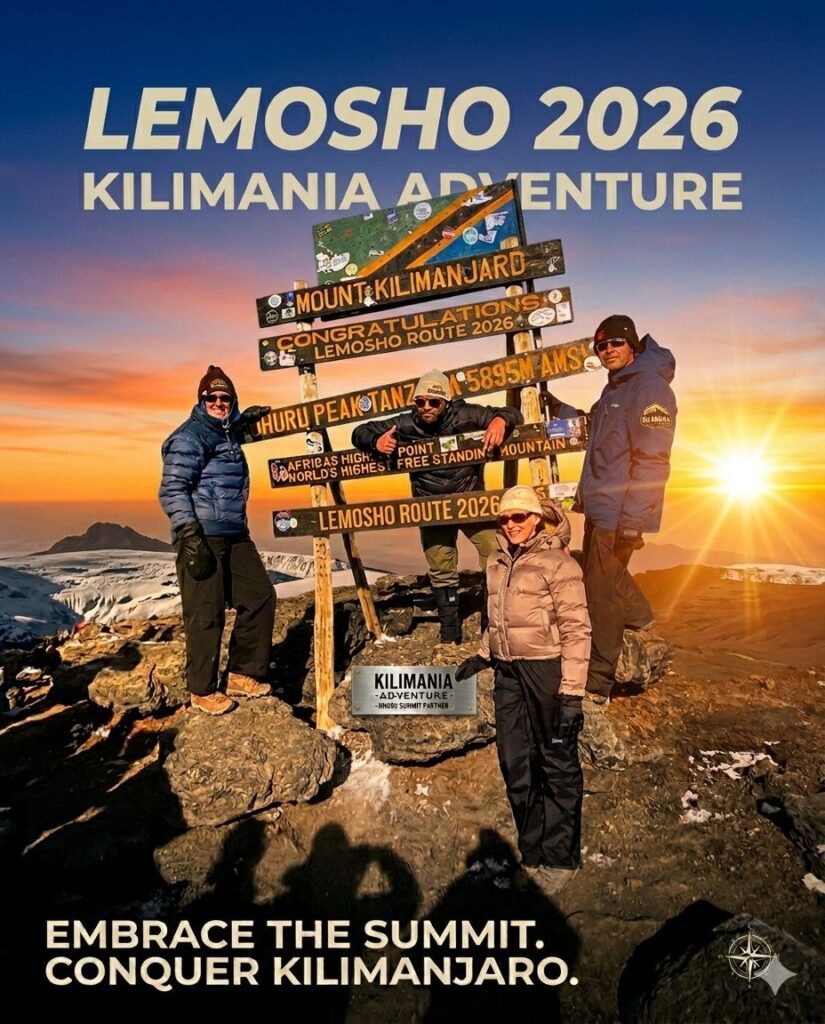
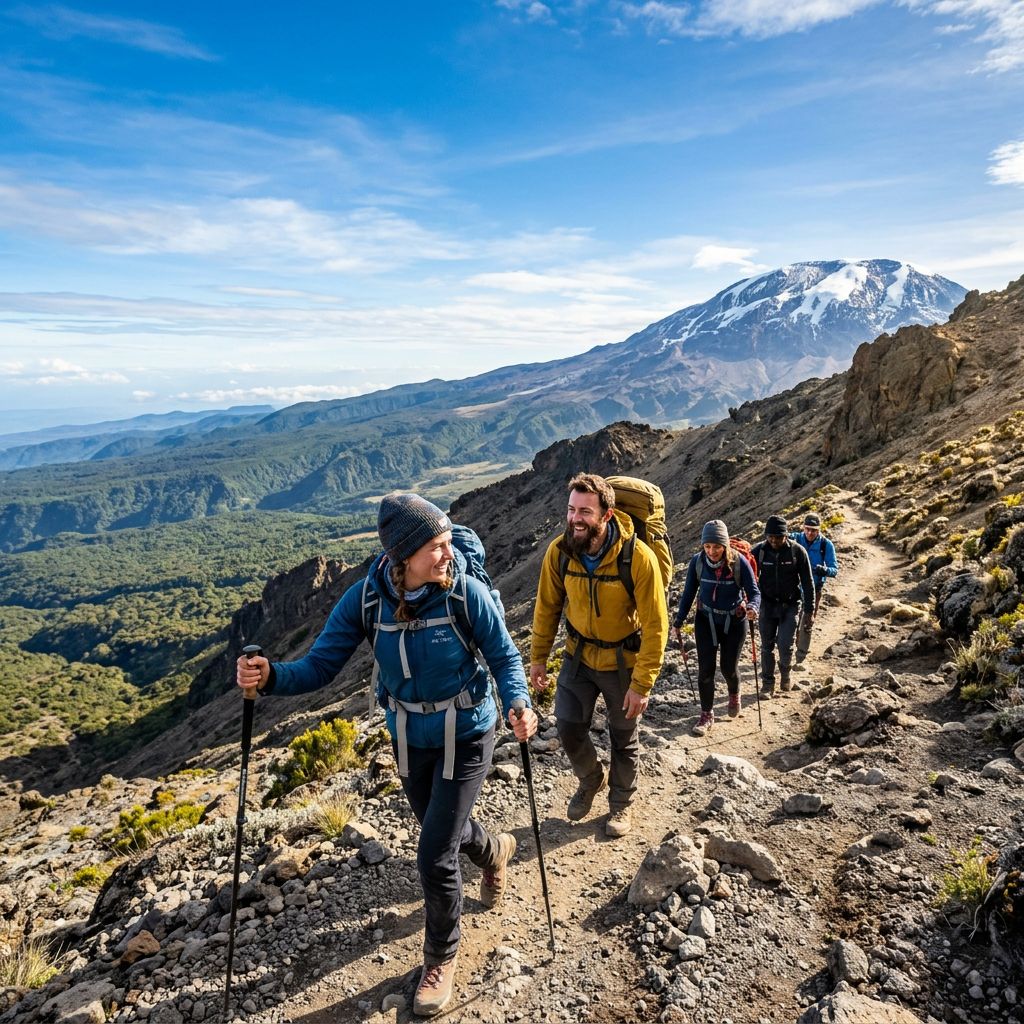
Mount Kilimanjaro is Africa’s highest mountain and one of the few peaks over 5,000 meters that a reasonably fit person can reach without technical climbing skills. It is not a casual walk, though — altitude, cold, long summit-night hours, and cumulative fatigue make it a serious physical undertaking. Route choice, trip length, and guide standards affect the outcome more than raw fitness. This guide, reviewed by our team in Moshi, compares routes, explains what genuinely drives cost, and covers combining the climb with a Tanzania safari. For a deeper, step-by-step planning walkthrough, see our complete Kilimanjaro climbing guide.
| Summit | Uhuru Peak — 5,895 m |
| Technical climbing required | No, on standard trekking routes |
| Standard route length | 5–10 days, depending on route |
| Climbing guide licensing body | KINAPA (safari parks fall under TANAPA instead) |
| Kilimania guided ascents logged | 1,247+ (2019–2025) |
Why Climb Kilimanjaro?
Kilimanjaro is a dormant stratovolcano and one of the Seven Summits, protected within Kilimanjaro National Park — a UNESCO World Heritage Site. The standard trekking routes pass through five climate zones on the way to the summit: rainforest, moorland, alpine desert, and finally the cold, thin air near Uhuru Peak. Because no ropes or climbing gear are required, the mountain draws first-time high-altitude trekkers alongside experienced mountaineers. That accessibility is also the risk: people underestimate how much altitude alone can end a climb, regardless of fitness.
Which Kilimanjaro Route Should You Choose?
There is no single route that suits every climber. The right choice depends on your available days, tolerance for crowds, and how much you want to prioritize acclimatization over pace. See our full route comparison hub for a deeper breakdown of each option.
| Route | Standard Days | Acclimatization | Crowd Level | Ideal For |
|---|---|---|---|---|
| Lemosho | 7–8 | Strong | Moderate | First-time climbers wanting an all-around route |
| Northern Circuit | 9–10 | Strongest | Low | Climbers prioritizing acclimatization time |
| Machame | 6–7 | Moderate | High | Active hikers who enjoy a busier trail |
| Rongai | 6–7 | Moderate | Low | Climbers who prefer a quieter, gradual approach |
| Marangu | 5–6 | Lower | Moderate | Climbers who prefer hut accommodation over tents |
| Umbwe | 6–7 | Lower (steep, fast) | Low | Experienced trekkers comfortable with a demanding profile |
For the actual completion figures behind each route and duration, see our Kilimanjaro success rate by route breakdown — we’ve kept this article focused on route selection rather than repeating those numbers here.
How Many Days Should You Spend on the Mountain?
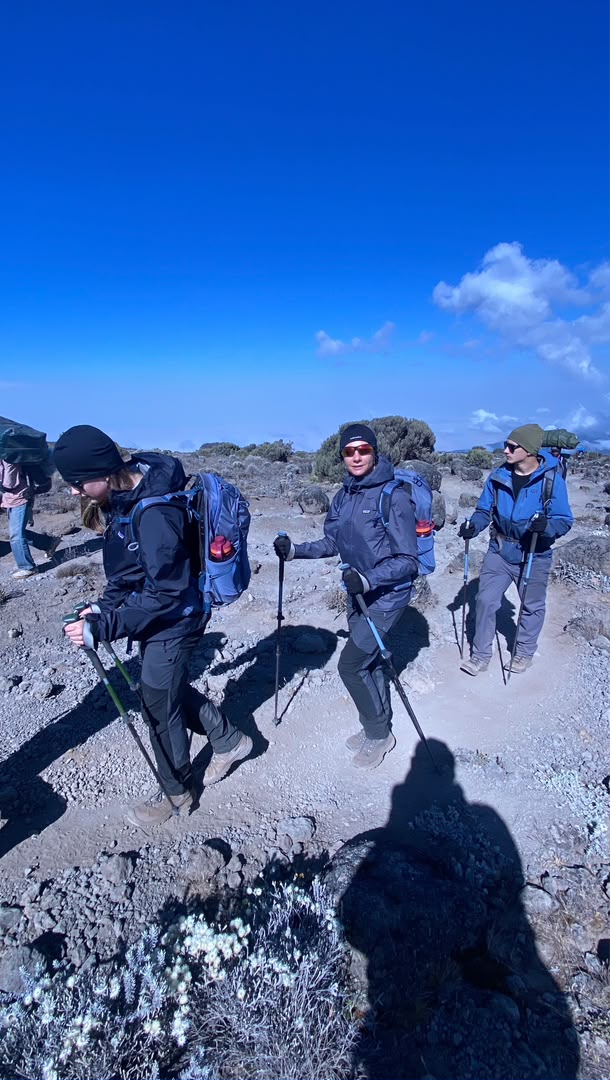
Most guides recommend a minimum of 7 days. Compressing a climb into 5 or 6 days saves money but reduces the body’s time to adjust to altitude, which is the most common reason climbers turn back before Uhuru Peak. Longer itineraries generally correlate with stronger outcomes — see the route-by-route data linked above for the specific relationship on each route.
How Difficult Is Kilimanjaro?
Kilimanjaro’s standard routes are not technical mountaineering — no ropes or climbing experience are required. What makes it demanding is the combination of thinning air, 6–8 hour trekking days, a cold overnight summit push, and cumulative fatigue across several consecutive days at altitude. For a longer, honest breakdown, read how hard Kilimanjaro really is, and check your own readiness with our fitness assessment.
Altitude and Acclimatization
Above roughly 3,000 meters, most climbers notice some mild symptoms — headache, shortness of breath, disturbed sleep — as the body adjusts. Acute Mountain Sickness is more serious and can include persistent headache, nausea, and loss of coordination. Gradual ascent, hydration, and following your guide’s pace reduce risk substantially. Guides trained in daily health monitoring, including pulse oximeter checks, are positioned to recognize warning signs early and recommend descent when needed.
This is general trekking information, not medical advice. Climbers with pre-existing conditions should consult a physician before high-altitude travel, and confirm that travel insurance explicitly covers high-altitude trekking and emergency evacuation.
What Does It Cost to Climb Kilimanjaro?
Package cost depends on route, trip length, group size, and how much an operator invests in guides, food, safety equipment, and crew welfare. Government park fees and camping or hut fees are fixed costs built into every legitimate climb, so a price well below the market range usually means something else — food, crew size, or safety redundancy — has been reduced. Because these figures move with policy and season, we keep them on one page rather than restating them everywhere:
- Full package pricing and what typically drives it: Kilimanjaro cost breakdown
- Government and park fees specifically: Kilimanjaro park fees guide
- What to budget for guides, porters, and cooks: Kilimanjaro tipping guide
- Flights, insurance, gear, and other costs beyond the package: hidden costs of climbing Kilimanjaro
If you’re weighing whether a lower-priced package is worth it, we’ve written honestly about that trade-off in is a cheap Kilimanjaro climb worth it.
What to Pack
A basic kit includes hiking boots, waterproof jacket and trousers, thermal base layers, an insulated jacket, warm gloves, a hat, headlamp, and a four-season sleeping bag. Most items can be rented in Moshi if you don’t want to buy gear for a single trip. Full details are in our Kilimanjaro packing list.
Choosing a Responsible Operator
Look for a locally registered operator with experienced, licensed guides, transparent pricing that itemizes what’s included, documented safety procedures, and fair crew treatment. Ask directly about porter wages, load limits, and cold-weather clothing — a responsible answer to that question tends to correlate with a well-organized expedition overall. Kilimania Adventure is TATO-registered.
Send us your travel dates, group size, and preferred route, and we’ll reply with a route recommendation and current pricing within 12 hours.
WhatsApp: +255 756 449 990 · info@kilimania.co.tz
KINAPA-licensed guides · TATO-registered operator
What Actually Happens on Summit Night
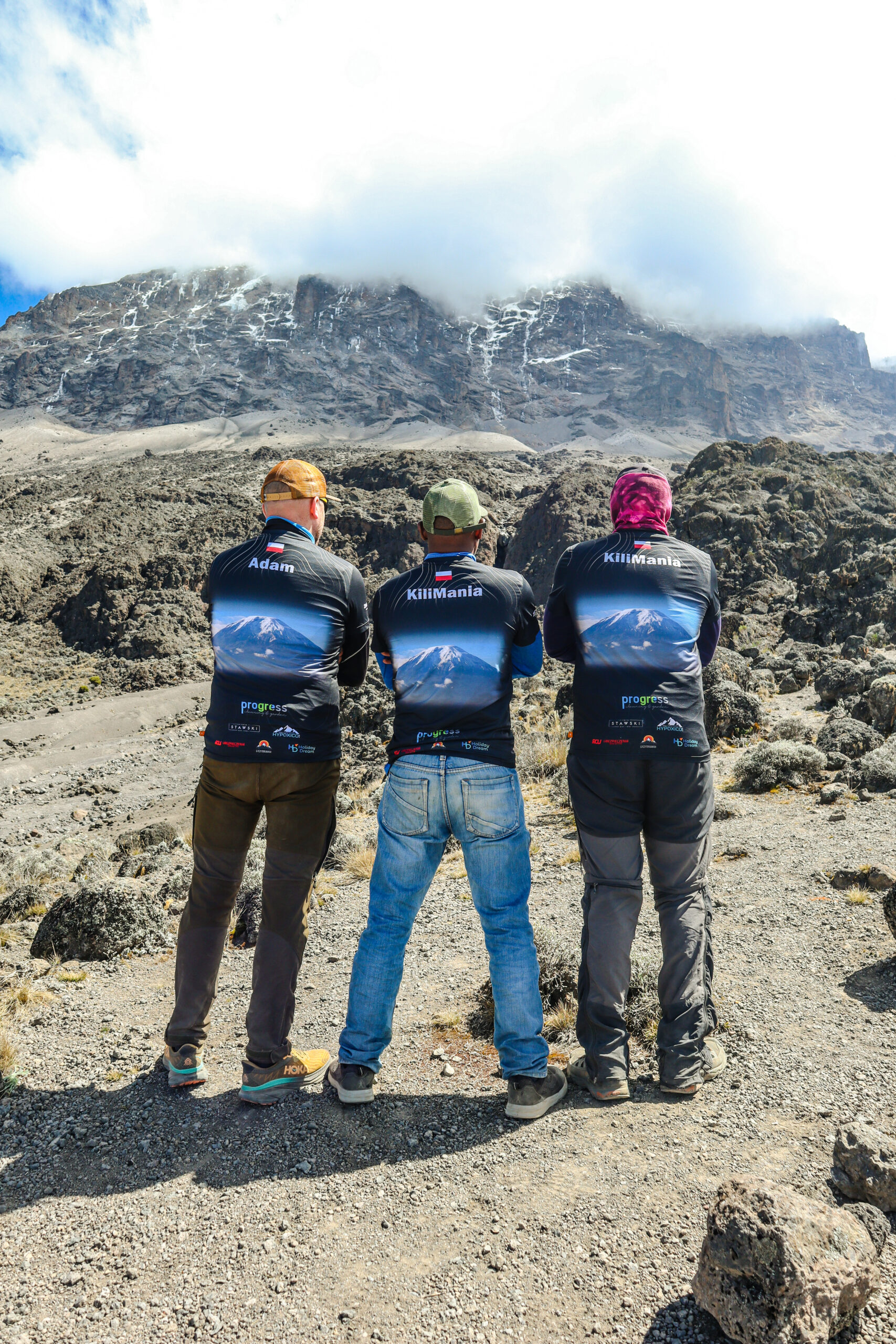
At Barafu Camp, our teams follow the same wake-up protocol on every climb: wake-up at 11:00 PM, light food at 11:30 PM, and departure for the summit push at midnight — not later. Senior Guide Sabinus Msimba has led this timing across the 1,247+ ascents logged in Kilimania’s guided-climb records since 2019, and it’s one of the small operational choices that separates a well-run expedition from a rushed one.
Is It Worth Adding a Tanzania Safari After Kilimanjaro?
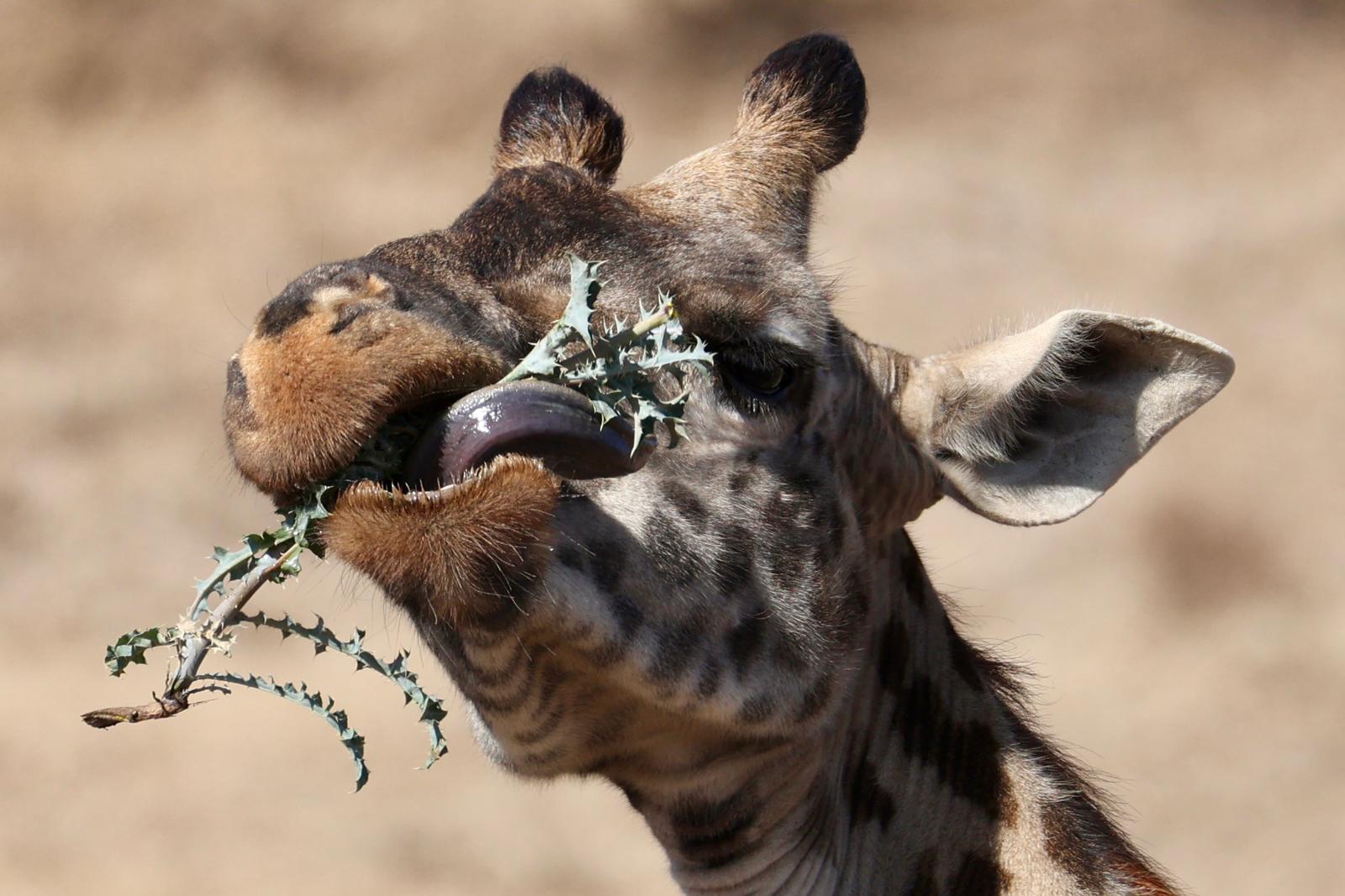
For most travelers, yes. After days of cold camps and physical effort, a few days of safari offers genuine recovery time along with a different side of Tanzania, and makes efficient use of a long-haul flight already taken. See our full Tanzania safari options for parks, timing, and how to sequence a climb-plus-safari trip.
Frequently Asked Questions
Can a beginner climb Kilimanjaro?
Yes. Standard routes don’t require technical climbing experience — fitness, pacing, and a properly acclimatized itinerary matter more.
How much does it cost to climb Kilimanjaro?
It depends on route, group size, and operator standards. See our cost breakdown for current ranges.
What is the best route to climb Kilimanjaro?
There isn’t one answer for everyone. Lemosho and the Northern Circuit are commonly chosen for acclimatization; see the comparison table above.
How many days should I climb?
A minimum of 7 days is commonly recommended; 8–10 days generally improves acclimatization further.
How difficult is Kilimanjaro?
Not technical, but demanding due to altitude, long trekking days, cold summit-night conditions, and cumulative fatigue.
Is Kilimanjaro dangerous?
Altitude illness is the primary risk. Trained guides, gradual ascent, and daily monitoring reduce risk but cannot eliminate it entirely.
Can I combine Kilimanjaro with a Tanzania safari?
Yes — commonly several days in northern Tanzania’s safari circuit immediately after the climb. See our safari options.
For the full step-by-step planning process, see our complete Kilimanjaro climbing guide.
WhatsApp or email us with your dates and fitness level, and we’ll help you match a route to what you’re actually looking for.
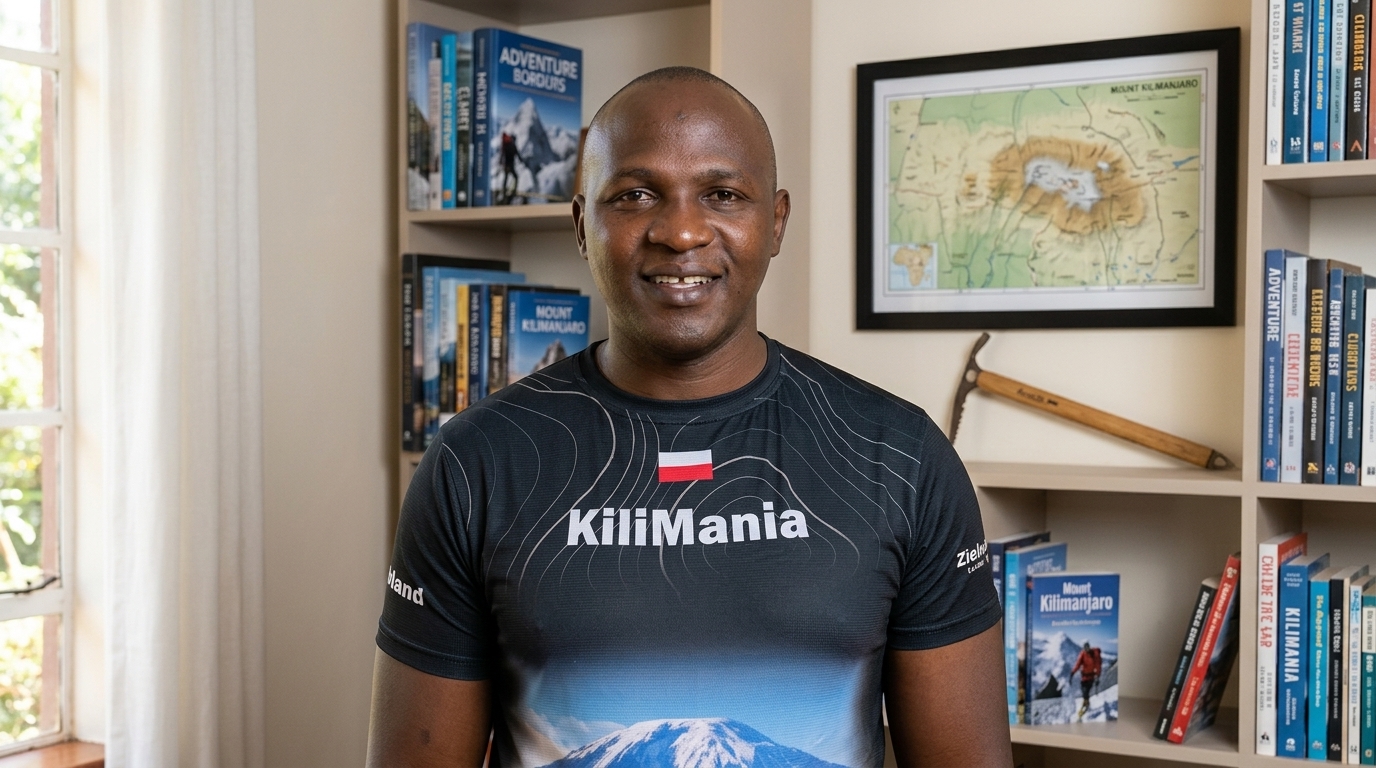
Reviewed by Sabinus Msimba
Senior Mountain Guide and co-founder of Kilimania Adventure, based in Moshi, Tanzania, with 22 years guiding on Mount Kilimanjaro and 300+ personal Uhuru Peak summits.
Full Biography · KINAPA Licence (PDF)Choosing when and how to climb Kilimanjaro comes down to matching your timeline, budget, and risk tolerance to a route long enough to acclimatize properly. Whether you’re weighing Lemosho against the Northern Circuit or wondering if a safari afterward is worth the extra days, the details above should give you a realistic starting point — for the full walkthrough, see our Kilimanjaro climbing guide. We Walk With You.
Medical disclaimer: This guide is for educational purposes only and does not replace professional medical advice. Climbers with pre-existing medical conditions should consult a physician before high-altitude travel. Kilimania guides monitor for altitude symptoms but do not provide clinical diagnosis.
Reviews: TripAdvisor · Google Reviews · Sources: KINAPA, TANAPA, TATO, UNESCO World Heritage