How to Book a Kilimanjaro Climb, From First Message to Mweka Gate
Plan your climb · Booking guide
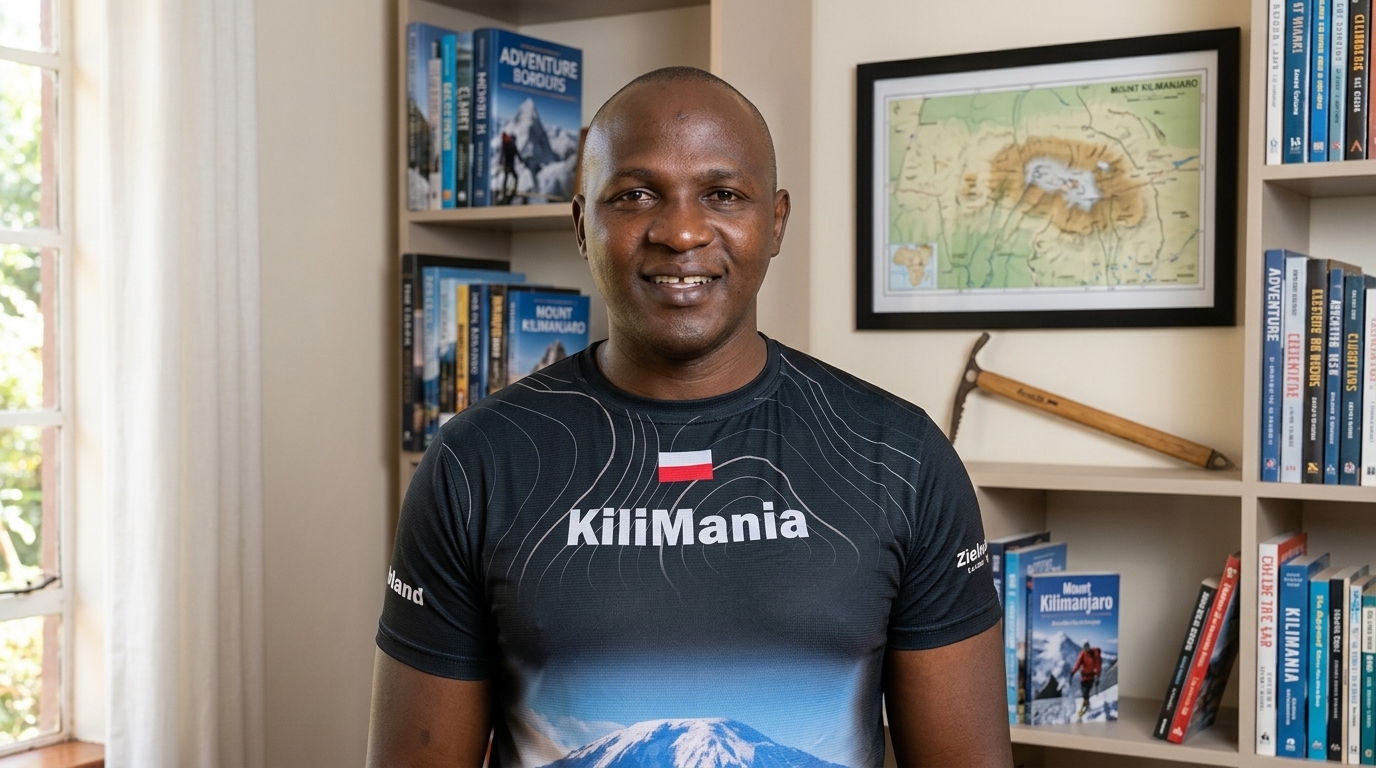 By Sabinus Msimba, Senior Mountain Guide & Co-founderLast reviewed:
Data sources cited in this article: Kilimania booking and departure records (October 2026); Kilimania internal summit records (updated January 2026); KINAPA crew and porter-load rules as applied at the park gate; Tanzania Immigration e-visa portal; CDC Yellow Book (altitude illness).
How to book a Kilimanjaro climb, in short: send your dates, get a written quote, pay a deposit, receive written confirmation, send your pre-trip documents, arrive in Moshi for a briefing, then climb. That’s seven stages, usually spread over a few weeks of light back-and-forth rather than one big transaction. Real timing depends on how ready you are and how full your chosen departure is. Below: what to send at each stage, what you should get back, and where warning signs tend to show up, whichever operator you choose.
Most people who write to us for the first time aren’t really asking about routes. They’re asking a quieter question: if I send money to a company in Tanzania I’ve never met, will anyone actually be at the airport? Fair question. Kilimanjaro bookings are mostly arranged by WhatsApp and email across several time zones, and the process isn’t standardised between operators.
This guide walks through each stage in order, from first message to exit gate. Most of it applies whichever company you book with, and the checklists work on anyone, including us. Take it pole pole (slowly, slowly), the same way you’ll climb.
How to book a Kilimanjaro climb: the seven stages at a glance
Every operator words it differently, but the sequence underneath is nearly always the same. Here it is in order, with who does what and what you should have in hand at the end of each step.
- 1EnquiryWho acts: You
Send your dates, route idea, group size and flight status. You should get a reply that answers your actual questions, not a generic brochure.
- 2Quote and departure checkWho acts: Operator
You receive a written quote: route, exact dates, private or joining, the price basis, inclusions and exclusions, and how many climbers are already confirmed.
- 3DepositWho acts: You
You pay a deposit only against an invoice, through a payment channel the operator gave you in writing, and you get a receipt afterwards.
- 4Written confirmationWho acts: Operator
You receive a booking confirmation naming the dates, route, departure type and balance due, plus a packing list and arrival instructions.
- 5Pre-trip documents and preparationWho acts: You
You send passport, visa, flight, insurance, dietary and medical details so the permit, pickups and food can be arranged.
- 6Arrival in Moshi and briefingWho acts: Both
Airport pickup if arranged, hotel check-in, a briefing and gear check the afternoon before Day 1, and the balance settled.
- 7Climb, descent and return transferWho acts: Guide team
Guide-led climbing with daily health checks, descent to the exit gate, a park certificate, and the transfer back.
Stages 2 to 4 are where money changes hands, so that’s where to slow down. After confirmation it’s mostly logistics.
Should you book direct with a Moshi operator or through an agency?
You’ll see two broad ways to book Kilimanjaro. Many overseas agencies and online booking platforms sell climbs that are run on the mountain by Tanzania-based crews. That’s a normal arrangement, not a warning sign. What matters is knowing who actually operates your climb: whose guides, whose tents, whose licence, and who answers the phone if your flight lands six hours late.
Booking direct with a local operator
- Who you talk to
- The team that runs the climb, often including the guides themselves.
- How you usually pay
- Bank transfer for the deposit; balance often in Moshi before the climb.
- If something goes wrong
- You rely on the operator’s written terms and your own checks.
- Watch for
- International bank charges (a USD 100 transfer sometimes arrives as about USD 90).
Booking through an agency or platform
- Who you talk to
- Agency or platform staff, who pass details on to the local operator.
- How you usually pay
- Card payment, often online, in your own currency.
- If something goes wrong
- The platform’s customer service and dispute process sits between you and the operator.
- Watch for
- Not knowing which local company and guides will be on the mountain with you.
Prices for climbs that look similar vary a lot from one listing to the next, so compare what’s included line by line rather than the headline figure. As a reference point, a 7-day Machame climb with Kilimania costs USD 1,600 per person in a group of six, rising to USD 1,900 for a single climber, as of October 2026; the USD 100 deposit is part of that total. Every route and group size is listed on the Mount Kilimanjaro climbing page, and the wider breakdown of where the money goes in our Kilimanjaro cost guide.
Booking direct with a Moshi operator means dealing with the team that runs your climb, usually paying the deposit by bank transfer. Booking through an agency or platform adds card payment and a dispute process, with another layer between you and the guides. Either way, ask which licensed Tanzanian company operates the climb on the mountain.
Stage 1: What should you put in your first enquiry?
A clear first message saves two or three rounds of questions. You don’t need every detail decided, but say what’s fixed and what isn’t, because that shapes which departures an operator can offer.
- Dates: fixed (flights booked) or flexible within a month or season.
- Route: your choice, or ask for a recommendation.
- Who’s climbing: solo, couple or group, and whether you’d join others.
- Flight status: booked or not, and your planned arrival date at JRO.
- Altitude history: the highest you’ve been.
- Fitness: what you actually do each week, not a rating out of ten.
- Diet: vegetarian, halal, allergies, or nothing to note.
- Health: anything relevant at altitude, shared privately.
- Extras: safari, airport transfer or extra hotel nights.
Here’s the kind of message that gets a useful answer on the first reply. It’s a composite based on real enquiries, with every personal detail changed.
Sample enquiry (composite, details changed)
“Hi, I’m travelling alone and my flights are already booked. I land at Kilimanjaro airport the day before your next 7-day Machame departure that week. First time at altitude, but I run three times a week. Vegetarian if possible. How many climbers are confirmed on that departure so far, what’s the final price per person, and what’s included and excluded?”
It works because the arrival date is clear, the traveller says they’ll join a group, and they ask for confirmed numbers rather than “is there a group?” The template below works with any operator.
Copy-and-paste enquiry template
Hello,

I'm [solo / a couple / a group of __] from [country], planning to climb Kilimanjaro.

Dates: [fixed: arrive DD Month, depart DD Month] or [flexible within: Month]
Flights: [booked / not booked yet] — arriving at JRO on [date]
Route: [route name] or [please recommend one]
Departure type: [private climb / happy to join a group]
Altitude history: [highest altitude so far, or "never above 3,000 m"]
Fitness: [what training you do]
Diet: [vegetarian, allergies, none]
Health: [anything relevant at altitude — I can share details privately]
Also interested in: [safari / airport transfer / extra hotel night]

Questions:
1. How many climbers are already confirmed (booked, not just enquiring) on that departure?
2. What is the final price per person, and what exactly is included and excluded?
3. What are the deposit, balance and cancellation terms in writing?
4. Which company and which guide will run the climb on the mountain?

Thank you.
Stage 2: What should a good operator’s reply contain?
Before any deposit, the reply should answer what you asked, in writing. Use this checklist on every company you contact; if items are missing, ask, and notice how that request is handled.
- A recommended route with a reason that fits your experience and dates.
- The exact departure date, days on the mountain, and whether it’s private or joining.
- How many climbers are already confirmed, kept separate from people who have only enquired.
- The price basis per person, or a link to the operator’s published price page.
- Inclusions and exclusions in writing: park fees, transfers, hotel nights, tents, meals, water, rental gear.
- A day-by-day itinerary with camp names and altitudes.
- Deposit, balance, cancellation and date-change terms, in writing.
- The name of the company that operates the climb and how guides are assigned.
- Insurance requirements and the safety equipment carried.
- How porters are treated: loads, pay and meals, and whether the operator follows the KPAP porter-treatment guidelines.
- An honest word on difficulty and altitude risk.
- A named contact and how quickly they reply.
For context on difficulty, Kilimania’s internal records show 92% of 418 climbers on the 7-day Machame reached Uhuru Peak, against 82% of 97 climbers on the 6-day version (records updated January 2026). Those are one operator’s outcomes, not a forecast for you. But if a company tells you everyone summits, that claim deserves a follow-up question.
How these figures are counted: a climber counts as successful only on reaching Uhuru Peak (5,895 m). Anyone who turned back earlier, for any reason including a guide’s safety call, counts as unsuccessful. Figures are grouped by the planned route and itinerary length. They are Kilimania’s operational records, not official KINAPA statistics.
A good Kilimanjaro quote is written, not verbal. It names the route, exact dates and duration, private or joining, how many climbers are confirmed rather than enquiring, the price basis, full inclusions and exclusions, deposit, balance and cancellation terms, and which licensed company and guides will run the climb.
Stage 3: Private climb or joining group, and holding your place
A private climb is your own departure on your chosen dates, with a crew for you and the people you bring. A joining climb puts you on a scheduled departure with other climbers, sharing the mess tent and the trail. On Kilimania joining departures the group is capped at eight, and solo climbers get their own four-season tent at no extra charge. The full rules, and the usual worries about climbing with strangers, are in our guide to joining a group climb on Kilimanjaro; current departures are on the Kilimanjaro joining calendar.
Once you’ve chosen, a deposit holds your place. With Kilimania that’s USD 100 per person, and it forms part of the total price rather than being an extra charge. Pay it only against an invoice. How to pay safely, what proof to keep and how cancellation works are covered in our guide to deposits, payment and booking confirmation.
Stage 4: What documents should you receive after paying?
Four pieces of paper, more or less in this order. An invoice before you pay, showing the company name, the climb and the amount due. A receipt after you pay, confirming the amount actually received. A written booking confirmation with your dates, route, departure type and the balance still owed. Then a packing list and preparation notes; ours is the Kilimanjaro packing list.
Payment details should only ever come through the operator’s known channels. For Kilimania that means info@kilimania.co.tz or WhatsApp +255 756 449 990. Our bank details don’t change by message, so treat any “new account” request as a reason to stop and check by phone.
Stage 5: What should you send before you fly to Tanzania?
After confirmation, the operator needs a few details to arrange your permit, pickups and food. Send them in one email if you can, keep a copy, and use only the contact channels given to you in writing.
| Item | Why it is needed | When to send it |
|---|---|---|
| Passport validity | Tanzania generally expects a passport valid for at least six months after arrival, with blank pages. Rules can change, so confirm for your nationality. | Check the day you book |
| Visa | Most visitors need one. Apply only through the official Tanzania Immigration e-visa portal, and see our Tanzania visa guide for climbers. | Apply well before flying; send a copy once issued |
| Travel insurance | It should cover trekking to at least 6,000 m and emergency evacuation; many standard policies stop lower. See our travel insurance guide. | Before arrival, once the policy is bought |
| Flight details, both ways | Airport pickups and the return transfer are timed to them. | As soon as booked; send any changes |
| Passport details for the park permit | The KINAPA climbing permit is issued in your name against your passport. | Before arrival, through the operator’s known email or WhatsApp only |
| Dietary needs | The cook buys food for the whole climb in advance. | With your booking, or soon after |
| Rental gear and sizes | Items are prepared in advance and fitted at the briefing. | At least a week before arrival |
| Medical conditions and altitude history | Your guide uses this alongside daily checks. Ask your own doctor about altitude illness and medication; the CDC Yellow Book on altitude illness is a sound starting point. This is general information, not medical advice. | Before arrival, shared privately |
Timings are practical guidance, not fixed rules. Entry and visa rules were checked against official sources in October 2026; confirm them again before you travel.
Stage 6: What happens when you arrive in Moshi?
If an airport pickup is part of your booking, a driver meets you in arrivals at Kilimanjaro International Airport (JRO) holding a printed sign with your name. The drive to Moshi usually takes about an hour, depending on traffic and where your hotel is. Karibu (welcome): most people spend that day resting and sorting kit.
The briefing and gear check normally happen the afternoon before Day 1: the route, the daily rhythm, and a kit check so anything missing can be rented and fitted that evening. The balance is settled then, according to your written terms, and on a joining departure it’s usually where you meet the group.
From our October 2026 departure records
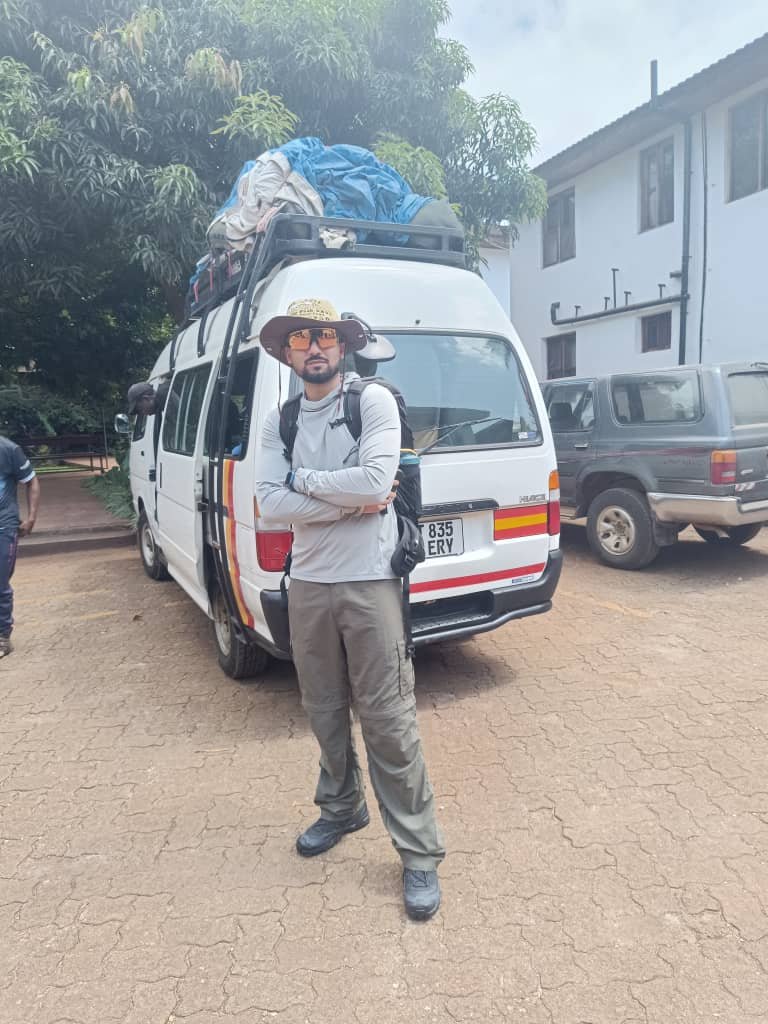
On one 7-day Machame joining departure led by guide Daudi Bayo, two solo climbers who had booked separately landed at JRO 5 hours 20 minutes apart, at 07:35 and 12:55. Rather than have the first climber wait at the airport, we ran two separate pickups, each with a printed name sign, and the two met for the first time at the briefing. That was one departure, not a promise for every booking; ask any operator how they handle staggered arrivals. The full camp-by-camp account is in the joining-group field report, and the day-by-day plan is on the 7-day Machame Route page.
Stage 7: What happens on the mountain and after the climb?
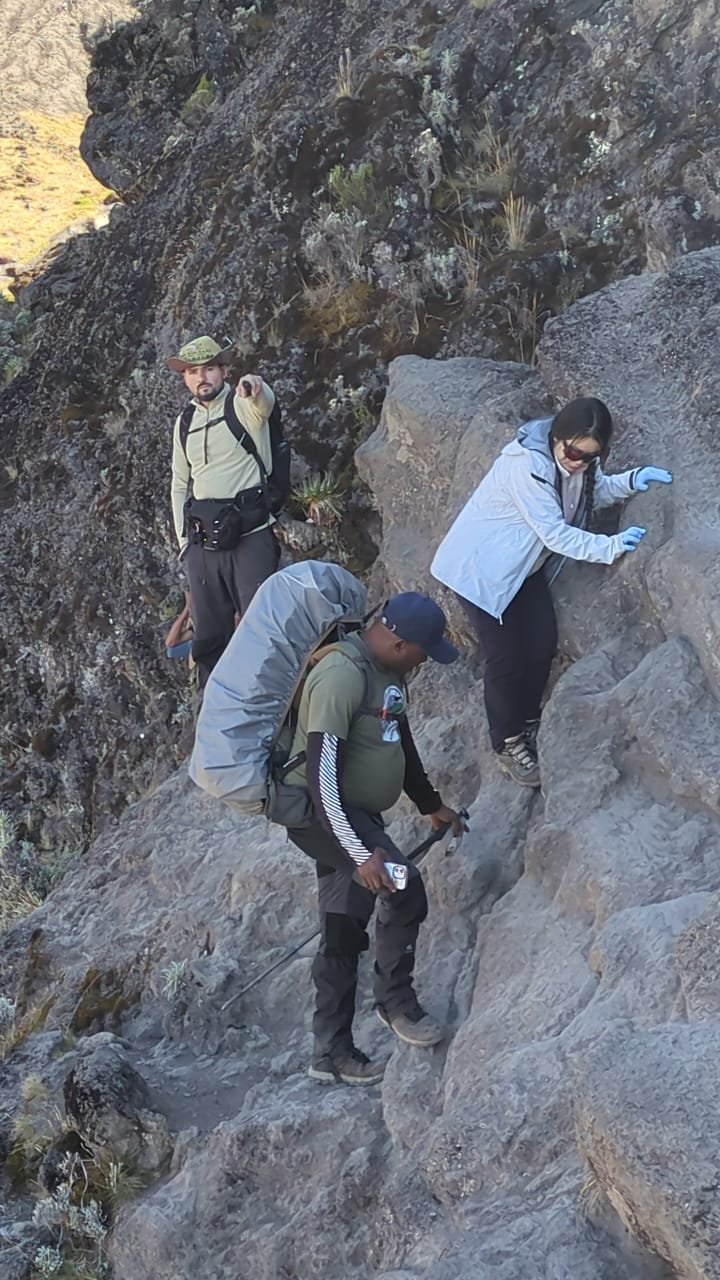
Before anyone enters the park, KINAPA checks the crew against its required numbers and weighs porter loads against the 20 kg limit. Then the walking starts, at the guide’s pace rather than yours. On Kilimania climbs, guides check your blood-oxygen saturation (SpO2) and pulse with a pulse oximeter every day, and emergency oxygen and a first-aid kit travel with every group. Kilimania follows the published KPAP porter-treatment guidelines for loads, pay and meals; it is not a KPAP member or partner.
None of that removes the risk. Altitude illness can affect fit people, and some climbers turn back before the summit on a guide’s safety call. Our Kilimanjaro safety guide explains the warning signs, and the summit night guide covers the longest, coldest part of the climb.
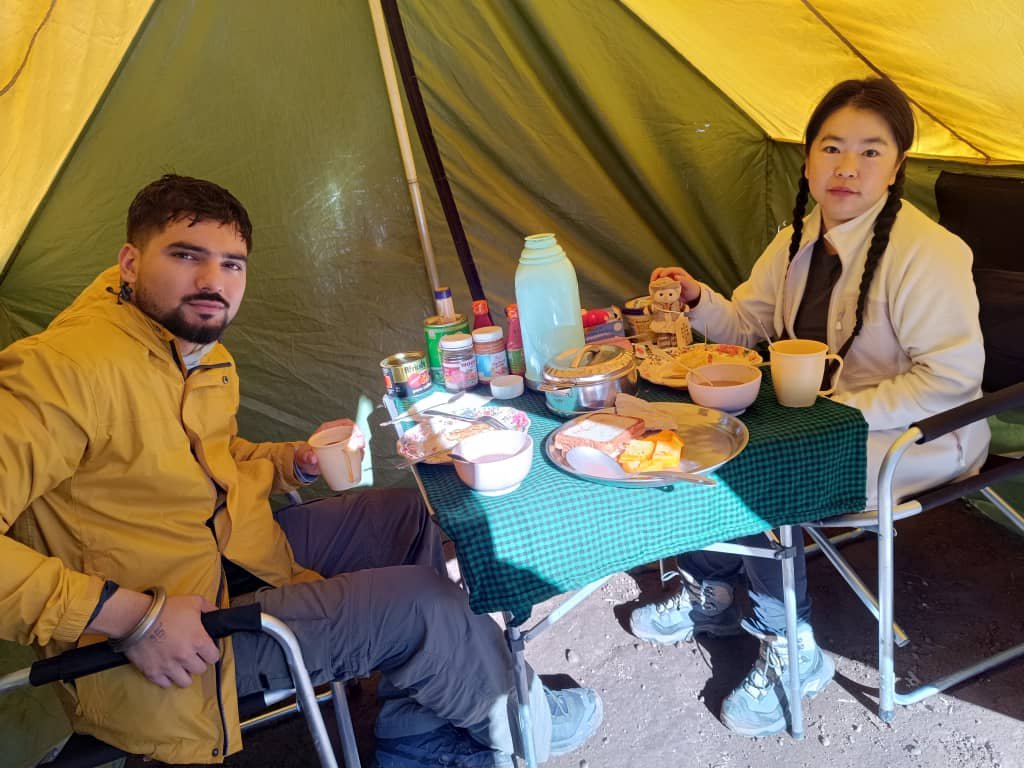
After the descent, routes such as Machame and Lemosho exit through Mweka Gate, where park certificates are handed out showing the point you reached. Then it’s the transfer back to your hotel or the airport. Crew tipping is voluntary; our suggested guideline is USD 250–300 per climber, pooled and shared across the whole crew, and the tipping guide explains how it’s usually done. Still choosing a route? Start with the Kilimanjaro routes overview or Machame vs Lemosho.
How far in advance should you book Kilimanjaro?
There is no single right lead time. Joining departures can sometimes be booked at short notice — one October 2026 joining climber received an invoice 13 days before departure — but peak months (January–February and June–October), private climbs on fixed dates, and climbs combined with a safari need more planning time.
That 13-day example is real, but it isn’t a recommended window: it worked because a suitable departure was already running and the climber’s visa and insurance were sorted.
| Planning situation | Suggested approach | Risk of leaving it late |
|---|---|---|
| Joining climb | Check the joining calendar first, then book flights to match a departure that already has climbers confirmed. | The departure you want may fill, or you may join a smaller group than expected. |
| Private climb | Agree dates with the operator before buying non-refundable flights, especially in peak months. | Your preferred guide, route or start date may not be available. |
| Climb combined with safari | Plan the climb and safari together, with a rest day in Moshi between them. | Safari lodges, vehicles and a sensible gap between climb and safari get harder to arrange. |
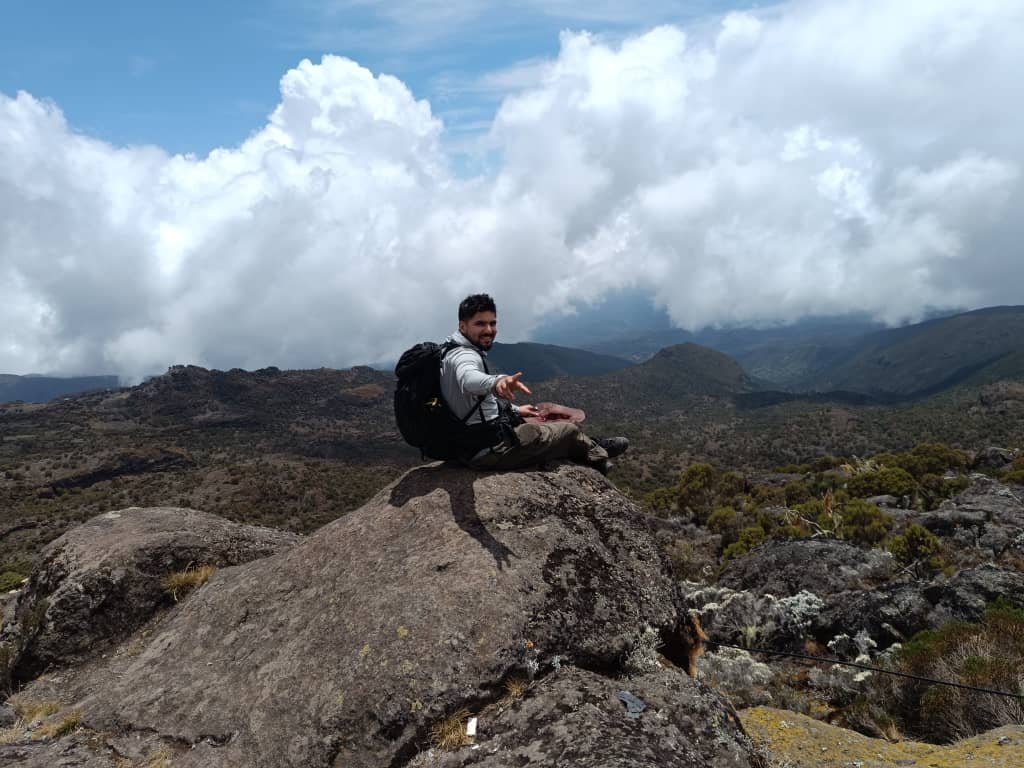
Adding a safari? Our Tanzania safaris page shows how the two usually fit together.
What are the red flags during the booking process?
Most booking problems show up as small gaps first. None of these signs proves anything on its own, but each deserves a direct question, and a straight answer should come back quickly.
| Stage | Red flag | What to ask or verify |
|---|---|---|
| Before paying | No invoice, or a request to pay before anything is written down. | Ask for an invoice showing the company name, the climb and the amount. Don’t pay without one. |
| After paying | No receipt, or silence after the money leaves your account. | Ask for a receipt confirming the amount received. Keep your bank confirmation either way. |
| Joining groups | Vague promises that “there will be a group” with no numbers. | Ask how many climbers are confirmed (booked, not enquiring) on that exact date. |
| Payment details | A message saying the bank account has changed. | Stop. Call the operator on the number you already had in writing and confirm before sending anything. |
| Company checks | Registration or licence claims you can’t verify. | Ask for the registered company name and licence details, and check them with the issuing authority. |
| Quote vs confirmation | Inclusions that change between the quote and the confirmation. | Compare the two documents line by line and ask about every difference before paying the balance. |
| Terms | No written cancellation or date-change terms. | Ask for them in writing before paying the deposit. |
| Who operates | No clear answer on which company runs the climb on the mountain. | Ask for the operating company’s name and how guides are assigned. |
| Crew welfare | No clear answer on porter loads, pay or meals. | Ask how loads are kept within the 20 kg limit KINAPA weighs at the gate, and whether the operator follows KPAP porter-welfare standards. |
For a fuller checklist on comparing companies, see our guide on how to choose a Kilimanjaro operator.
How to book a Kilimanjaro climb: frequently asked questions
How far in advance should I book Kilimanjaro?
There is no single right answer. Joining departures can sometimes be booked a couple of weeks out, but private climbs on fixed dates, peak months (January–February and June–October) and climbs combined with a safari need more lead time.
Can I book a Kilimanjaro climb at short notice?
Sometimes, especially by joining a departure that is already running. You still need a visa, suitable insurance and time for the park permit, so ask what is realistic before buying flights.
Do I have to use a tour operator?
In practice, yes. Climbers must go with a licensed guide and crew registered with the park, and those arrangements are made through a licensed Tanzanian company. Your choice is which company, and whether you book with it directly or through an agency.
Is it better to book directly or through an agency?
Neither is right for everyone: booking direct puts you in touch with the team running the climb, while an agency adds card payment and its own dispute process. Either way, find out which licensed company operates the climb.
What documents should I send after booking?
Usually your passport details for the park permit, visa status, flight times both ways, travel insurance that covers trekking to 6,000 m and evacuation, dietary needs, rental gear sizes and any relevant medical history. Send them only through the operator's known email or WhatsApp.
When is the balance paid?
That depends on the operator's written terms. With Kilimania, the balance is paid in Moshi the day before the climb, and cash in US dollars is preferred because bank charges on international transfers are high on both sides.
Can I change my dates after booking?
Often it is possible, but it depends on the operator's written terms, how close the departure is and whether another departure has space. Ask for any change, and its cost, to be confirmed in writing.
What happens when I arrive in Moshi?
If a pickup is arranged, a driver meets you at Kilimanjaro International Airport with a printed name sign and drives you to your hotel, usually about an hour away. The briefing and gear check normally happen the afternoon before Day 1.
Booking Kilimanjaro: the short version
Seven stages, and only three involve money: the quote, the deposit and the confirmation. Get each in writing, pay only against an invoice, keep every receipt, and ask how many climbers are actually confirmed before joining a group. When you’re ready to plan the climb itself, our complete guide to climbing Kilimanjaro is the next stop. Asante (thank you) for reading.
We Walk With You.