Published: · Updated:
How Much Weight Do You Lose Climbing Kilimanjaro?
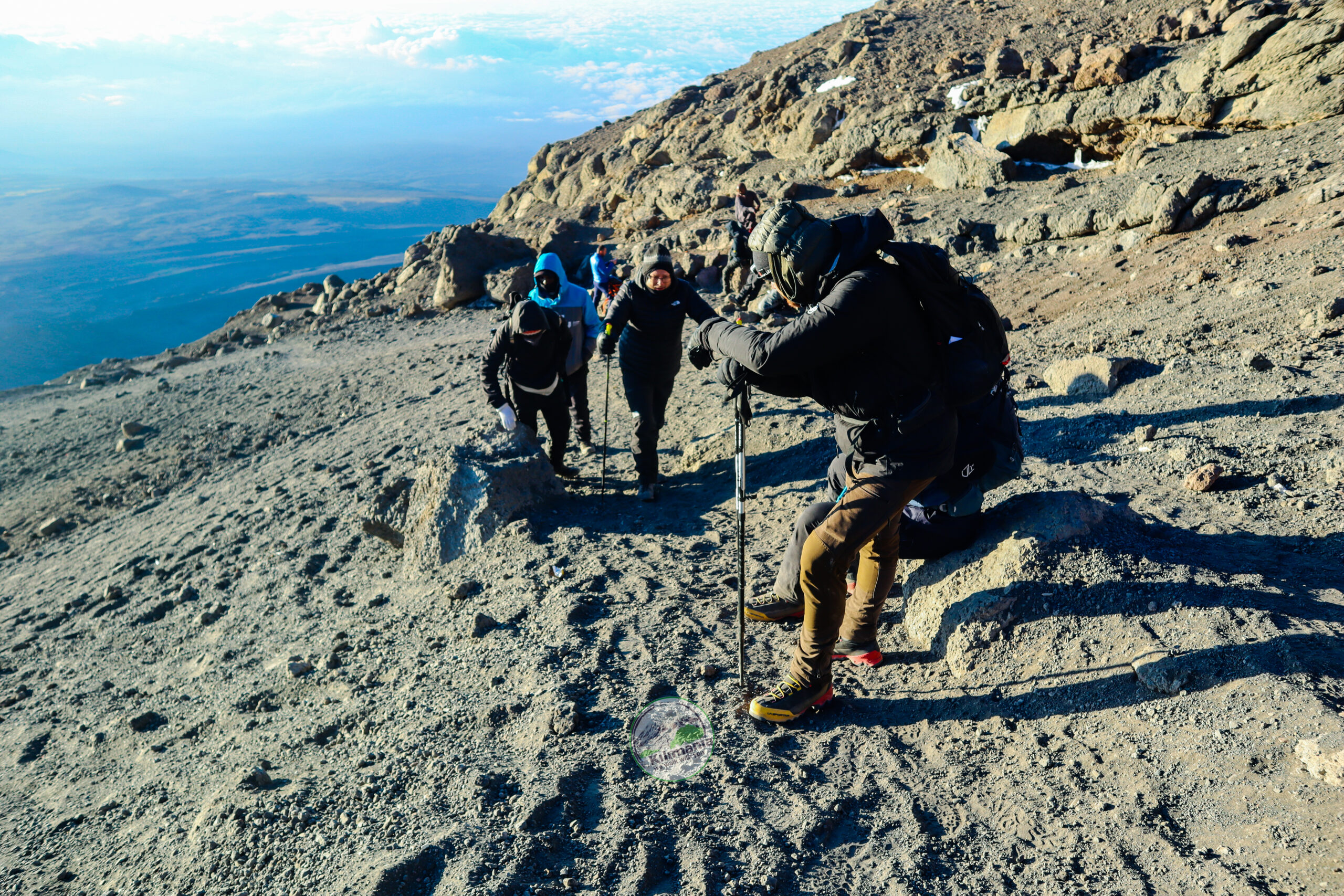
Most Kilimanjaro climbers lose 1–3kg over an 8-day climb. Three factors drive this: sustained caloric expenditure of 400–700 calories per hour of hiking, physiological appetite suppression above 4,000m, and fluid redistribution at altitude. Approximately half of the scale reading returns within days of descent. The other half is real tissue — and how much of that is muscle versus fat depends almost entirely on how well you eat on the mountain.
Planning Your Kilimanjaro Climb?
Every Kilimania expedition includes structured meals designed to minimise caloric deficit, electrolyte support, and continuous guide monitoring of nutritional status from base to summit. See exactly what we serve on the mountain →
View All Kilimanjaro Climbs WhatsApp: +255 756 449 990Why Weight Loss Happens on Kilimanjaro
Three physiological mechanisms operate simultaneously on every Kilimanjaro climb. Understanding them changes how you approach nutrition on the mountain — and explains why some climbers arrive at Barafu Camp visibly depleted while others have retained their energy for summit night.
Caloric Expenditure — The Primary Driver
Hiking at altitude with a 6–8kg daypack burns approximately 400–700 calories per hour depending on body weight, terrain gradient, and pace. On a standard 7–8 hour hiking day — the norm on Lemosho or the Machame Route — that amounts to 2,800–5,600 calories expended per day. A well-designed meal programme provides 2,500–3,200 calories. The daily deficit ranges from near zero on rest-heavy days to 2,400+ on demanding summit approach sections. Over eight days, the accumulation becomes significant.
Altitude Appetite Suppression — The Saboteur
Above 4,000m, the body systematically suppresses appetite. This is not a personal preference — it is a documented physiological response to hypobaric hypoxia. Research by Westerterp-Plantenga et al. confirms that appetite reduction at altitude is driven by reduced oxygen availability, not psychological factors.[1] Blood is shunted away from the digestive system toward organs critical for oxygen delivery. The result: food smells wrong, portions feel overwhelming, and nausea makes eating feel counterproductive. This is precisely when eating becomes the most important act of the day.
Fluid Redistribution — The Misleading Number
At altitude, plasma volume adjusts as the body responds to lower oxygen partial pressure. This involves shedding water weight — which shows up immediately on a scale but has nothing to do with fat or muscle. Research on energy balance at high altitude confirms this fluid shift as a distinct, rapidly reversible component of altitude-related weight change.[2] Approximately 50% of total weight loss on Kilimanjaro is this fluid redistribution. It returns within 2–4 days of descent and proper rehydration.
“After 22 years on this mountain, the pattern is completely consistent. Climbers who say ‘I just can’t eat up there’ and accept it are the ones we have to turn around at Stella Point. The appetite suppression is real — but it can be managed. We tell every client: eat like it is your job from Barafu onwards. The summit is six hours away. Your muscles need fuel whether your stomach wants it or not.”
— Sabinus Msimba, Senior Mountain Guide, Kilimania Adventure · 22 years · 300+ personal Uhuru Peak summits · KINAPA Licensed 2003How Many Calories Do You Burn Climbing Kilimanjaro Per Day?
Caloric expenditure on Kilimanjaro is higher than most climbers expect. The combination of sustained physical output and altitude metabolic adjustments creates a significant daily energy demand that meal plans cannot fully match.
| Day Type | Hiking Hours | Calories Burned | Meal Plan Provides | Estimated Daily Deficit |
|---|---|---|---|---|
| Easy approach day (70kg climber) | 5–6 hrs | 2,000–2,800 kcal | 2,500–3,200 kcal | 0–300 kcal |
| Standard hiking day (70kg climber) | 7–8 hrs | 3,200–4,200 kcal | 2,500–3,200 kcal | ~800–1,200 kcal |
| Demanding day (Barafu approach) | 8+ hrs | 4,200–5,600 kcal | 2,500–3,200 kcal | ~1,500–2,600 kcal |
| Summit night (midnight push) | 6–8 hrs at -12°C | 3,500–5,000 kcal | Midnight snack only (~600 kcal) | ~2,900–4,400 kcal |
Summit night produces the largest single-day deficit of the entire climb. The body burns significantly more at -12°C and below as it works to maintain core temperature. This is why the midnight meal at Barafu — however unappetising — is not optional. See the complete breakdown of what happens hour-by-hour on summit night.
🧮 Kilimanjaro Caloric Deficit Calculator
Estimate your daily caloric deficit and projected weight loss based on your body weight and route choice. The only tool of its kind built from actual Kilimanjaro expedition data.
Your estimated figures:
Estimates based on MET values for altitude hiking (5.5–8.5 METs) adjusted for altitude metabolic cost. Individual results vary with fitness, pack weight, and acclimatisation rate. Fluid redistribution (approx. 50% of total) will return after descent.
What the Weight Loss Actually Represents
A 2kg reading on the scale after descent does not mean you lost 2kg of fat. The composition matters — both for how quickly it returns and what it tells you about summit readiness.
| Component | Approx. Share | Returns Post-Climb? | Summit Night Impact |
|---|---|---|---|
| Fluid redistribution | ~50% | Yes — within 2–4 days | Minimal if hydration maintained |
| Body fat | ~30–35% | Gradually (weeks) | Low — fat is slow-release energy |
| Muscle (glycogen + protein) | ~15–20% | 2–4 weeks with training | HIGH — directly impairs output |
| Gut contents | Minimal | Immediate | None |
The muscle component is what matters on summit night. Kilimanjaro’s summit push requires 6–8 hours of continuous output from Barafu Camp (4,673m) to Uhuru Peak (5,895m) through temperatures that reach -12°C or below. If you have lost meaningful muscle mass across seven days of inadequate nutrition, you start that push already depleted. The mountain does not adjust its gradient for your caloric history. See the full difficulty and success rate analysis here.
Rapid weight loss combined with persistent headache, loss of coordination, or disorientation can indicate acute mountain sickness (AMS) or altitude illness progression. Guides monitor energy levels, appetite reports, and physical output as proxies for both nutritional and acclimatisation status. Weight loss alone is not alarming — the combination with other symptoms is. If you are losing weight fast and feeling significantly worse each day, report both facts to your guide immediately.
5 Steps to Minimise Weight Loss on Kilimanjaro
You cannot fully close the caloric deficit on Kilimanjaro. The expenditure is too high. But you can substantially reduce the muscle breakdown component — which is what actually determines summit night performance. These interventions are drawn from patterns across 300+ personally guided summits by Sabinus Msimba.
-
Eat at every meal regardless of appetite Above 4,000m your appetite fails but your caloric need does not. Eating when you do not want to is the defining nutrition challenge on Kilimanjaro. Even half portions at Karanga and Barafu camps matter more than full meals at lower elevations. This directly reduces muscle protein catabolism — the body will preferentially burn dietary protein before structural muscle when food is available.
-
Prioritise protein at dinner Muscle repair happens during overnight rest. Getting adequate protein at the evening meal — chicken, eggs, legumes, or whatever your meal plan provides — gives your body the amino acids needed for overnight tissue recovery before the next day’s output. Target 25–35g protein per dinner from Day 1, not just from altitude camp onward.
-
Use electrolyte drinks throughout the day Electrolyte imbalance accelerates perceived fatigue and reduces appetite further. Maintaining sodium, potassium, and magnesium levels supports fluid balance, reduces the fluid redistribution component of weight loss, and keeps your body functioning closer to baseline. See the full Kilimanjaro hydration guide for quantities by elevation band.
-
Carry personal high-calorie snacks The gap between structured meals — typically 5–6 hours — is where discretionary snacking matters most. Nuts, nut butter pouches, dried fruit, energy bars, and chocolate require no preparation and can be consumed while walking. Bring more than you think you need: altitude makes even snack consumption feel like effort, and having options increases the chance you will actually eat.
-
Eat the midnight meal at Barafu — all of it Summit night produces the largest single-day caloric deficit of the entire climb. The midnight meal before the push is the last structured fuel opportunity before 6–8 hours of extreme output. Every guide on our team says the same thing: the climbers who eat properly at midnight reach Uhuru Peak at a meaningfully higher rate than those who cannot face food at that hour. Force it. It matters.
Can You Deliberately Lose Weight on Kilimanjaro?
The question comes up more often than you might expect. The direct answer: Kilimanjaro is not a weight loss programme, and treating it as one is a reliable way to fail to summit.
The net weight loss is real — 1–3kg on average. But every nutrition decision on the mountain should target minimising loss, not maximising it. Here is why: the climbers who lose the most weight on Kilimanjaro are the ones who ate the least at altitude. And the climbers who ate the least at altitude are the ones whose guides turn around below Stella Point. In 22 years of guiding, Sabinus Msimba has observed this pattern consistently. Caloric restriction and summit success do not coexist on Kilimanjaro.
If weight loss is a fitness goal, build it into your pre-climb training programme over the 12 weeks before departure. Arrive on the mountain at the weight you want to climb at.
How Route Choice Affects Weight Loss — and Cost
Route length and daily elevation gain directly determine your daily caloric deficit. A 5-day Marangu climb compresses the same altitude gain into fewer days, creating a higher daily deficit, less recovery time between camps, and worse acclimatisation quality that amplifies appetite suppression. An 8-day Lemosho route spreads the physical load, reduces the per-day caloric gap, and produces higher summit success rates.
Every extra day on the mountain reduces your daily deficit by approximately 300–400 kcal — which translates directly to preserved muscle mass for summit night. See the complete route comparison at Kilimanjaro Routes 2026 or explore how many days to climb Kilimanjaro.
| Route | Days | Price Range (USD) | Avg Daily Deficit | Summit Success Rate |
|---|---|---|---|---|
| Northern Circuit | 9 | $3,200–$4,000 | ~800 kcal/day | 97% Highest |
| Lemosho (8-day) | 8 | $2,800–$3,500 | ~1,200 kcal/day | 95% Recommended |
| Machame (7-day) | 7 | $2,600–$3,200 | ~1,500 kcal/day | 90% |
| Marangu (6-day) | 6 | $2,400–$3,000 | ~1,800 kcal/day | 82% Higher deficit |
| Marangu (5-day) | 5 | $2,200–$2,800 | ~2,200 kcal/day | 68% Highest deficit |
The pattern is clear: every additional day reduces your daily caloric deficit and raises your summit success rate. The 9-day Northern Circuit climber runs a daily deficit of ~800 kcal. The 5-day Marangu climber runs ~2,200 kcal/day. That 1,400 kcal difference — sustained over multiple days — is the difference between arriving at Barafu with muscle intact and arriving depleted.
All Kilimania Adventure packages include:
- ✅ Three structured meals per day (2,500–3,200 kcal total)
- ✅ Electrolyte support at every camp
- ✅ Protein-rich dinner options for overnight muscle recovery
- ✅ High-calorie snacks for between-meal energy gaps
- ✅ 24/7 guide monitoring of nutritional and acclimatisation status
8 Days Lemosho Route
From $2,800 USDBest acclimatisation profile. Lowest daily caloric deficit of the popular routes.
Popular Choice7 Days Machame Route
From $2,600 USDLava Tower acclimatisation detour on Day 4 reduces muscle loss on summit push.
Lowest Deficit9 Days Northern Circuit
From $3,200 USDLongest route. Smallest cumulative daily deficit. Highest summit success rate.
Budget Option6 Days Marangu Route
From $2,400 USDHut accommodation. Shorter duration increases daily deficit — nutrition management is critical.
8 Days vs 6 Days — The Nutrition Difference Is Real
Two extra days on the mountain reduces your daily caloric deficit by ~600 kcal and gives your body two more recovery nights before summit push. From our data across 1,247+ guided climbs: longer routes produce meaningfully better summit outcomes. See the success rate data by route →
Compare All Routes See Full Cost Breakdown📥 Free Download: Kilimanjaro Altitude Symptom & AMS Checklist
Altitude illness is the leading reason climbers turn around on Mount Kilimanjaro. This practical checklist is used by Senior Guide Sabinus Msimba and the Kilimania team to monitor climbers throughout every expedition.
- Normal acclimatisation symptoms above 3,000m
- Acute Mountain Sickness (AMS) warning signs
- HACE and HAPE emergency symptoms
- Daily health monitoring form (SpO₂, pulse, hydration)
- Guide reporting and self-assessment checklist
Prepared by: Sabinus Msimba, Senior Mountain Guide, Kilimania Adventure, Moshi, Tanzania.
For educational purposes only. Not a substitute for professional medical advice. Consult a physician before high-altitude travel.
What Happens After You Return Home
Expect to weigh 1–3kg less than your pre-climb weight in the first 24 hours back. Over the following week, approximately half returns as fluid redistribution normalises and digestive function restores. With proper post-climb nutrition — adequate protein, normal caloric intake, resumed training — most climbers return to within 0.5–1kg of their starting weight within 10–14 days.
The 0.5–1.5kg net loss that remains at the two-week mark represents actual tissue. If you ate well throughout the climb, a significant portion will be body fat. If you under-fuelled at altitude and skipped meals, proportionally more will be muscle — and you will feel it in the first weeks back training. See the full Kilimanjaro recovery guide for a day-by-day timeline of what to expect.
Scientific References
- Westerterp-Plantenga MS, Westerterp KR, Rubbens M, et al. Appetite at “high altitude” [Operation Everest III (Comex-’97)]: a simulated ascent of Mount Everest. J Appl Physiol. 1999;87(1):391–9. PMID 9272680 →
- Westerterp KR, Kayser B, Brouns F, et al. Energy expenditure climbing Mt. Everest. J Appl Physiol. 1998;73(5):1815–9. PMID 9495855 →
Frequently Asked Questions
How much weight do you lose climbing Kilimanjaro?
Most climbers lose 1–3kg over an 8-day Kilimanjaro climb. Approximately 50% of that is fluid redistribution that returns within days of descent. The remaining 0.5–1.5kg represents actual tissue — a mix of body fat and, if nutrition is poor, muscle mass. Climbers on shorter 5–6 day routes with harder daily sections can lose at the upper end of this range due to higher daily caloric deficits.
Why do you lose your appetite on Kilimanjaro?
Above 4,000m, the body reduces appetite as a documented physiological response to hypobaric hypoxia — confirmed by peer-reviewed research (Westerterp-Plantenga et al., 1999). Blood is redirected away from digestion toward muscles and the brain to support oxygen delivery. This is not a personal preference; it affects the majority of climbers regardless of fitness level and cannot be fully overcome, only managed through deliberate eating strategy.
How many calories do you burn climbing Kilimanjaro per day?
A Kilimanjaro climber burns 400–700 calories per hour of hiking depending on body weight, pack weight, and terrain. An 8-hour hiking day produces 3,200–5,600 calories of total expenditure. Meal plans typically provide 2,500–3,200 calories. The resulting daily deficit of 200–2,600 calories is the primary driver of weight loss. Summit night produces the largest single-day deficit due to cold exposure, sustained output, and minimal food intake.
Does weight loss on Kilimanjaro affect summit performance?
Yes, significantly. Muscle breakdown during the climb directly impairs summit night performance. The push from Barafu Camp (4,673m) to Uhuru Peak (5,895m) demands 6–8 hours of sustained output at altitude and -12°C. Climbers who maintained adequate nutrition throughout the week consistently outperform those who skipped meals. The daily deficit cannot be fully closed, but muscle loss can be substantially reduced through deliberate eating strategy.
How long does it take to regain weight after Kilimanjaro?
Most climbers return to within 0.5–1kg of their starting weight within 10–14 days of proper post-climb nutrition. Fluid redistribution resolves within 2–4 days of descent. Muscle tissue requires 2–4 weeks of normal training and adequate protein intake to rebuild. Climbers who ate well on the mountain recover faster and with less residual fatigue than those who significantly under-fuelled at altitude.
Is Kilimanjaro a good way to lose weight?
No. Kilimanjaro is not a weight loss programme. Net weight loss of 1–3kg is real, but every nutrition decision on the mountain should aim to minimise loss — not maximise it. Losing more weight means losing more muscle, which means a harder summit push and slower recovery. Climbers who restrict calories deliberately on Kilimanjaro perform significantly worse than those who eat strategically. Build weight loss goals into your pre-climb training programme instead.
Related Guides
- What do you eat on Kilimanjaro? Full meal and snack guide
- Kilimanjaro hydration guide — how much water per day by elevation
- Kilimanjaro altitude sickness — AMS, HACE, and HAPE explained
- Kilimanjaro summit night — hour-by-hour guide from Barafu to Uhuru
- Kilimanjaro fitness assessment — are you ready to climb?
- How long to recover after Kilimanjaro — 7-day timeline
- Diamox for Kilimanjaro — do you need it and how does it affect performance?
- How hard is Kilimanjaro? Success rates and altitude reality
- Kilimanjaro success rate by route — data from 1,247 climbs
- Complete Kilimanjaro climbing guide 2026
The Bottom Line
Losing 1–3kg on an 8-day Kilimanjaro climb is normal and expected. Approximately half returns within a week. The remainder is real tissue — and the ratio of fat to muscle in that loss is almost entirely determined by how well you eat at altitude.
The climbers who eat at every meal despite poor appetite, prioritise protein at dinner, and carry personal snacks between camps do not just recover faster — they summit at a measurably higher rate. The mountain creates the deficit. Your nutrition choices determine what that deficit costs you on summit night.
If you have questions about the meal programme on a specific Kilimania expedition, or want to discuss your nutritional requirements before a climb, contact us via WhatsApp: +255 756 449 990 or email info@kilimania.co.tz. Senior Guide Sabinus Msimba responds personally to nutrition and health questions from prospective climbers.
Ready to Climb Kilimanjaro?
Kilimania Adventure runs fully catered, KPAP-compliant expeditions from Moshi, Tanzania. Every package includes structured meals designed to reduce caloric deficit, electrolyte support at every camp, and continuous guide monitoring of nutritional and acclimatisation status. TANAPA registered. TATO member.
View All Kilimanjaro Packages WhatsApp: +255 756 449 990From the Mountain




This article contains factual guidance on altitude physiology with citations to peer-reviewed research. It does not constitute medical advice. Consult a physician before high-altitude travel, particularly if you have pre-existing health conditions. Kilimania Adventure is a TATO-registered, KPAP-compliant operator based in Moshi, Tanzania. We do not link to competitors.