
Minimum Age to Climb Kilimanjaro: KINAPA’s Rules Explained
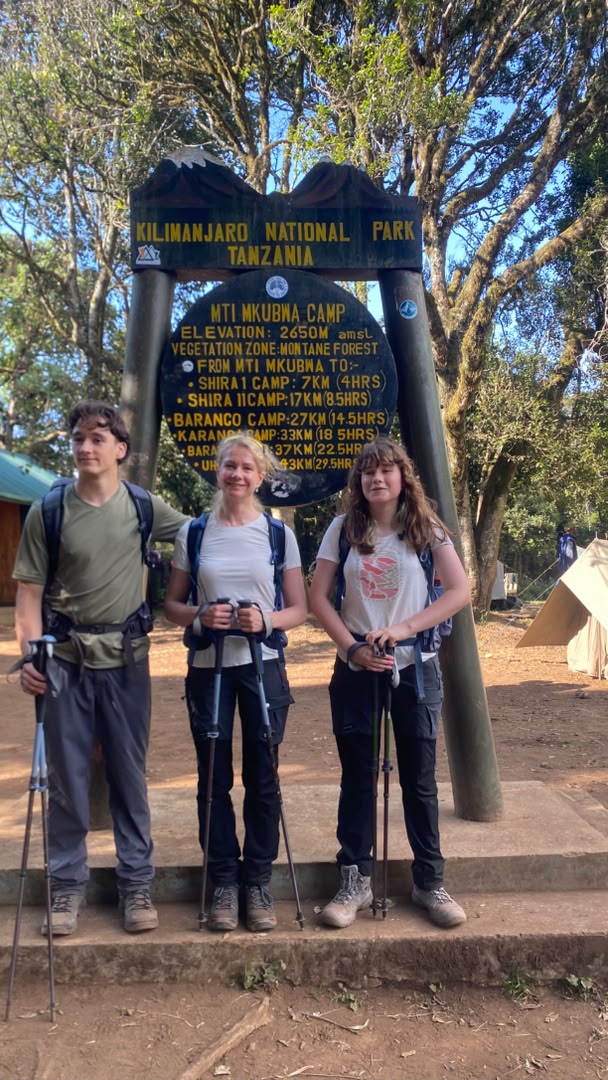
Quick Answer
KINAPA’s official minimum age to climb Kilimanjaro is 10 years old. Children under 10 face a hard elevation stop at roughly 3,100m (10,170ft — the elevation of Shira 1 Camp), which applies even in the rare cases where special permission has been sought from TANAPA. There is no official maximum age. Kilimania Adventure’s own policy allows climbers aged 10 and up, but we recommend 12 or older for a first attempt, and we require an 8-day minimum route plus a dedicated assistant guide for anyone under 16. We do not organize climbs for children under 10, regardless of permission status.
Key Takeaways
- KINAPA’s minimum age is 10 — a communication rule, not a fitness test.
- A 3,100m elevation cap applies to children under 10 even under rare special permission.
- Kilimania recommends 12+ for a first climb and mandates an 8-day route for anyone under 16.
- In our July 2026 family climb, the youngest member (13) outperformed both adults on summit night.
- Route length predicts a child’s success far better than age or fitness alone.
Why the Age Rule Exists
KINAPA’s minimum age reflects a specific, narrow concern: whether a climber can reliably describe altitude symptoms — headache, nausea, confusion — clearly enough for a guide to act on them before those symptoms become dangerous. It is not a fitness cutoff. A fit adult can still fail at altitude, and a well-prepared 10-year-old can succeed. The rule exists because guides make descent decisions based on what a climber tells them, and a five-year-old cannot reliably say “my head feels heavy and different from a normal headache” — a distinction that matters at 4,600m.
Special Permission for Children Under 10 — And Why We Don’t Offer It
Kilimania’s Own Policy vs. KINAPA’s Minimum
| Rule | KINAPA Requirement | Kilimania Adventure Requirement |
|---|---|---|
| Minimum age | 10 years old (3,100m cap below this age even with permission) | 10 years old (12+ recommended for first attempt) |
| Minimum route length | No minimum specified | 8 days for any climber under 16 |
| Guide ratio | No minimum specified | Dedicated assistant guide for any climber under 16 |
| Pre-climb health check | Not required | Written parental confirmation of no cardiac, respiratory, or sickle-cell conditions |
What It Actually Costs for Children
KINAPA charges a reduced conservation fee for children aged 5 to 15, separate from the adult rate. The figures below are illustrative — verify the live rate on our Kilimanjaro Park Fees page or directly with KINAPA before booking, as government fees change without notice.
| Fee Type | Adult (16+) | Child (5–15) |
|---|---|---|
| Conservation fee (per day) | Verify current rate | Reduced rate — verify current figure |
| Camping fee (per night) | Verify current rate | Reduced rate — verify current figure |
| Rescue fee | Flat rate, all climbers | Same flat rate applies |
Age-by-Age Breakdown: What Actually Works
| Age Group | Can They Climb? | Recommended Route | Supervision |
|---|---|---|---|
| Under 10 | Not permitted past 3,100m; special permission rarely granted and does not remove the elevation cap | — | — |
| 10–12 | Yes, with caution | 9-Day Northern Circuit preferred | Dedicated assistant guide required |
| 13–15 | Yes — our strongest-performing age band | 8-Day Lemosho | Dedicated assistant guide required |
| 16 and over | Yes, full adult fee applies | 6–8 days depending on fitness | Standard guide ratio |
Which Route Is Best for a Family Climb?
Not all routes suit children equally. The variables that matter most are acclimatization nights, daily walking hours, and how crowded the camps are — a factor that affects how much rest a tired child actually gets.
| Route | Days | Suited For | Crowd Level | Family Suitability |
|---|---|---|---|---|
| Lemosho | 8 | Ages 12+, first-time family climbers | Low on Days 1–3, moderate from Barranco | Strongly recommended |
| Northern Circuit | 9 | Ages 10–12, or any child with prior altitude sensitivity | Lowest of any route | Recommended for younger or cautious families |
| Machame | 7 | Ages 15+, fit teenagers only | High — busiest route on the mountain | Acceptable for older teens, not recommended under 15 |
| Marangu | 5–6 | Not recommended for children | Moderate | Avoid — insufficient acclimatization nights |
Crowd levels and suitability notes reflect Kilimania’s operational observations across the 2025–2026 season. See our route success rate data for the full adult and child breakdown by route.
Not Sure Which Route Fits Your Child’s Age?
We’ll map the route, the days, and the guide ratio to your specific child — not a generic age bracket.
See the 8-Day Lemosho RouteYoungest and Oldest Climbers on Record
Kilimanjaro’s age records are widely reported but not centrally verified by KINAPA, so treat specific names and ages as commonly cited rather than officially confirmed. Reported youngest summiteers have been children as young as 6–7 years old, climbing under special permission arrangements similar to the process described above — typically with extensive medical support and a private guide team. Reported oldest summiteers include climbers in their late 80s, showing that physical age alone does not determine whether someone reaches Uhuru Peak.
We mention this not to encourage very young attempts — our own policy is stricter than the legal minimum for good reason — but because it illustrates the same point this entire article makes: preparation, route choice, and guide judgment matter more than the number of candles on a birthday cake.
What a Real Family Climb Showed Us
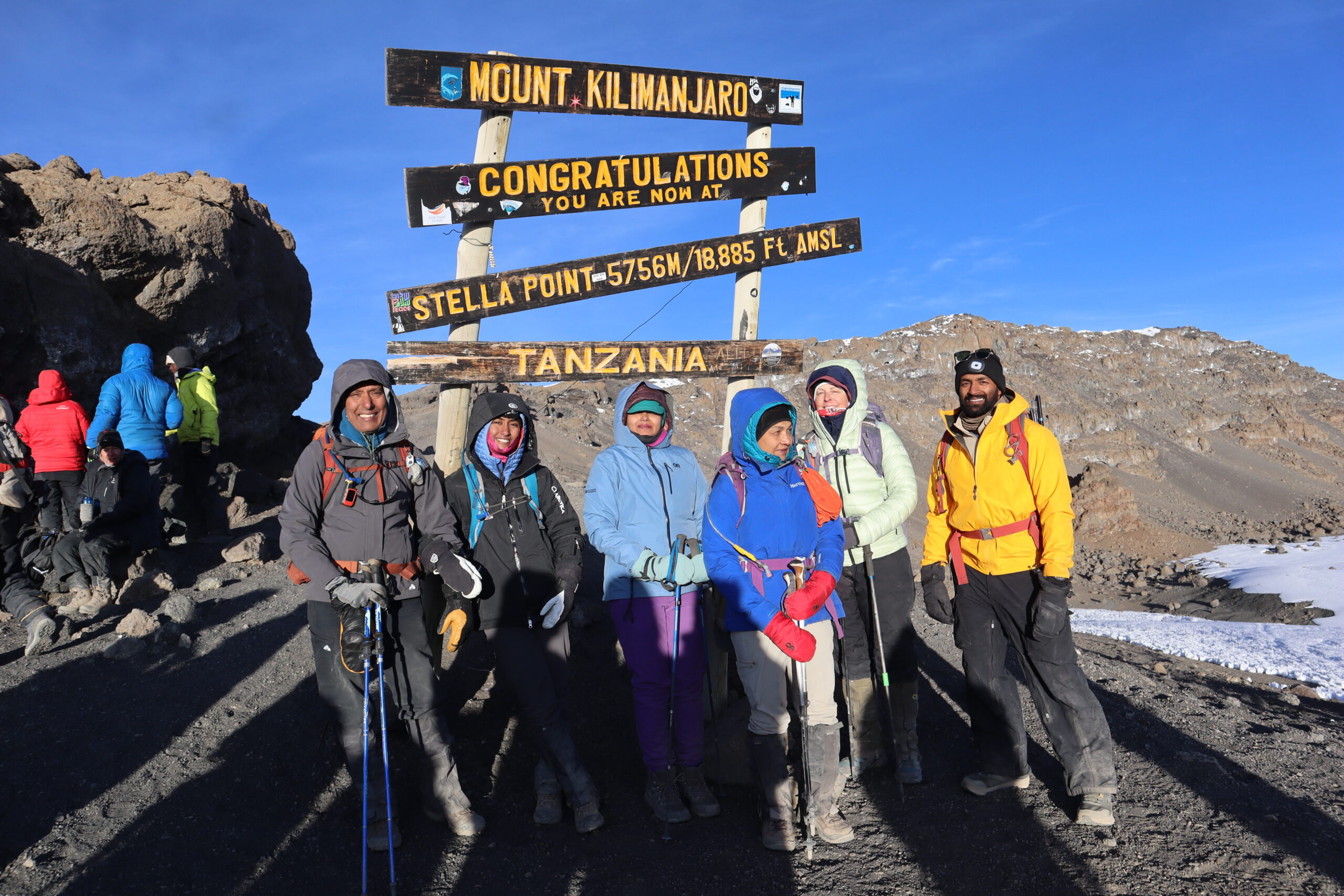
In July 2026, a mother climbed the 8-day Lemosho Route with her son (16) and daughter (13). All three reached Uhuru Peak. The daughter — the youngest of the three — was, by her assistant guide’s own account, the steadiest member of the group from Shira Camp onward.
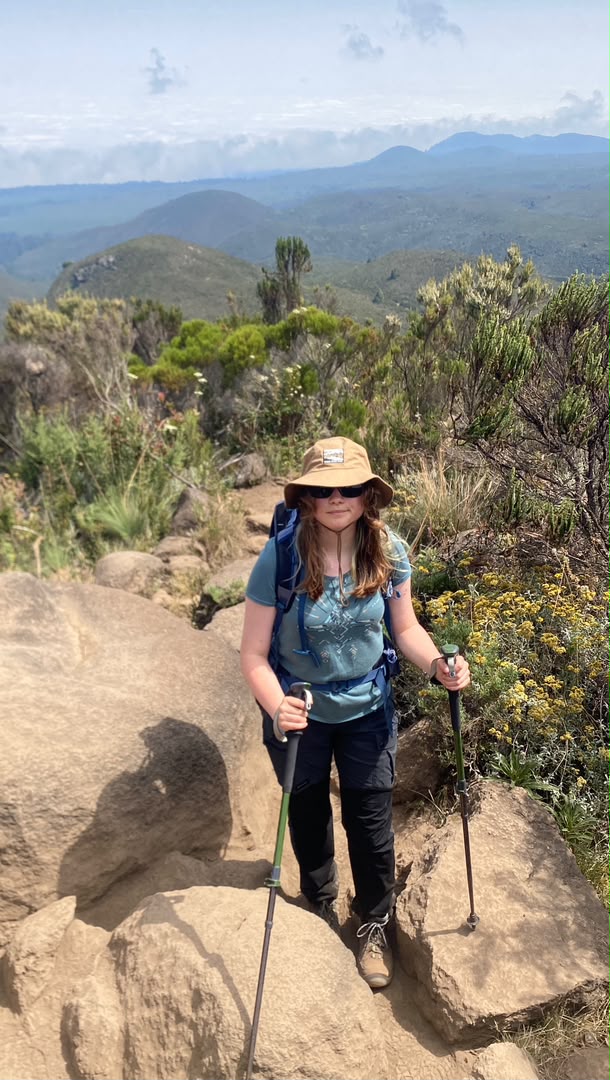
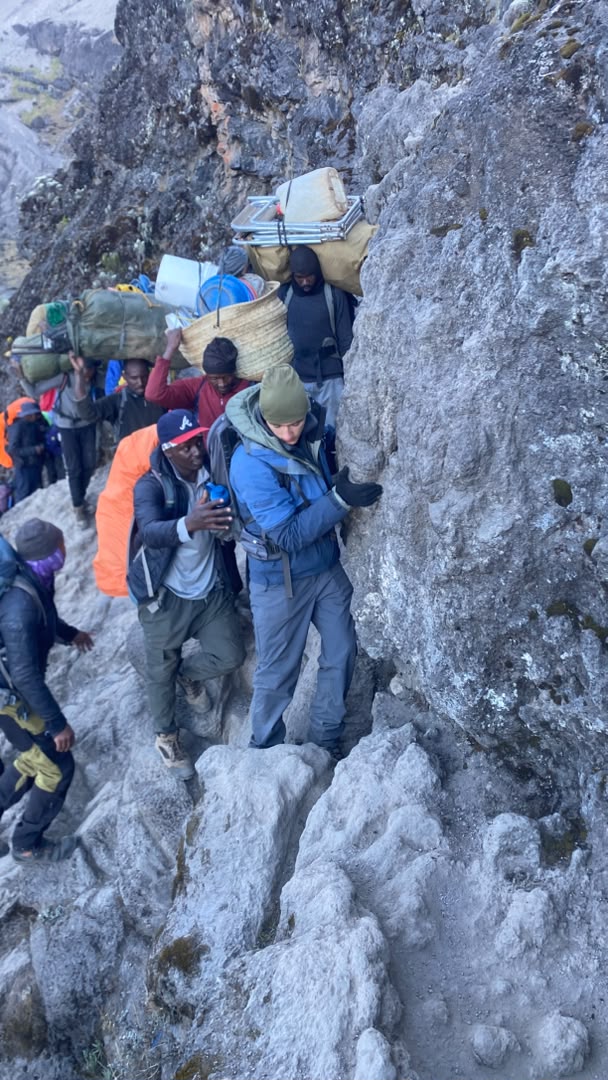
At Barranco Camp, the family faced the Barranco Wall — a 300-metre scramble that unsettles many adult climbers who’ve never used their hands on a route before.
By Lava Tower (4,630m), the pattern that would repeat on summit night was already visible: the 16-year-old, the fittest-looking member of the trio at sea level, was moving slower and eating less than his younger sister.
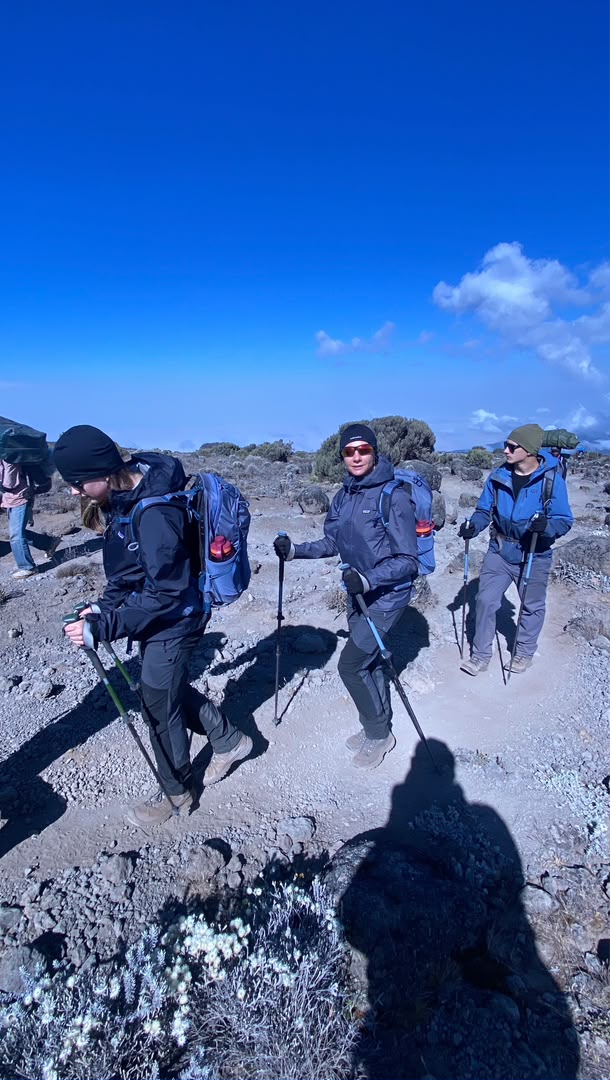
On summit night, all three reached Stella Point and continued to Uhuru Peak. Age alone did not predict who struggled — it was the group’s least experienced-looking member who paced most steadily, and the more outwardly confident climber who needed the most support. Read the full account: Climbing Kilimanjaro as a Family: An 8-Day Lemosho Route Story.
A Climb That Didn’t Go to Plan
Not every family climb ends this way, and pretending otherwise would be dishonest. In a separate 2025 climb, a 10-year-old on a 6-day route developed a persistent headache and nausea at Barafu Camp (4,673m) that did not resolve with rest or fluids. The assistant guide made the call to descend with the child immediately, at 2am, before summit night began.
Two things went wrong that had nothing to do with the child’s fitness. First, the 6-day route gave the child only one acclimatization night, compared to the three built into an 8-day Lemosho itinerary. Second, the family hadn’t discussed, before the trip, what would happen if the climb had to stop early. The child was completely recovered by the following morning at a lower camp. This is why we now require 8-day minimum routes for climbers under 16, not a 6-day option.
Is Kilimanjaro Safe for a Younger Climber?
With an 8+ day route, hourly monitoring above 4,500m, and a guide willing to descend without hesitation, yes — Kilimanjaro regularly hosts family groups safely. The Wilderness Medical Society’s guidance on pediatric high-altitude travel notes that children are not inherently more susceptible to Acute Mountain Sickness than adults, but they are less able to self-report early symptoms — which is precisely the gap our dedicated assistant guide protocol is built to close.
7 Mistakes Parents Make When Taking Children to Kilimanjaro
- Choosing a 5 or 6-day route to save money. This removes the acclimatization nights a child’s body needs more than an adult’s does.
- Assuming ground-level fitness transfers to altitude. The 16-year-old in our July climb was the fittest at sea level and the most fatigued at 4,600m.
- Skipping weighted-pack training. A child who has never carried 5kg for six hours will find their daypack far heavier than expected on Day 4.
- Never discussing altitude symptoms before the trip. A child who hasn’t practiced naming symptoms will struggle to report them clearly when it matters.
- Underestimating the boredom, not just the difficulty. Long, slow days between camps are mentally harder for many children than the physical climbing itself.
- Not planning for the non-climbing parent or sibling. Decide in advance who stays behind with a non-climbing child and what they’ll do.
- Not requesting a dedicated guide for the child. A guide split between monitoring adults and one child will, understandably, focus on the group’s overall pace.
How to Prepare Your Child for Kilimanjaro
- Start hiking 6 months out. Weekly hikes with a weighted daypack, building toward 5kg and 6 hours by month six.
- Teach symptom language early. Simple, consistent words for how altitude feels — “heavy head,” “weird tummy.”
- Practice a nightly symptom check during training. A simplified Lake Louise AMS score, run as routine, not an exam.
- Book 8 days or longer. Lemosho or Northern Circuit — not Marangu, not a 6-day itinerary.
- Request a dedicated assistant guide. Confirm this in writing when booking.
- Pack child-specific gear. Properly broken-in boots, a genuine 4-layer system, and snacks the child will actually eat at 4,000m.
- Brief summit night honestly. Cold, darkness, and possible nausea, described plainly, days before departure.
- Agree on a turn-back plan before you leave home. Decide, as a family, that descending early is a correct call.
For the full kit list, see our Kilimanjaro Packing List.
📥 Free Download: Family Kilimanjaro Preparation Checklist
The same checklist Sabinus Msimba uses with every family group before departure.
- Age-by-age training recommendations
- Child-friendly symptom communication guide
- Daily health monitoring form (SpO₂, pulse, hydration)
- What to pack, what to rent in Moshi, what to leave at home
Prepared by: Sabinus Msimba, Senior Mountain Guide, Kilimania Adventure. Educational only — does not replace professional medical advice.
What If My Child Gets Altitude Sickness?
Mild symptoms — a dull headache, slight nausea, reduced appetite — are common above 3,000m and not automatically a reason to descend. Warning signs that end a child’s climb immediately: a headache that worsens despite rest, repeated vomiting, confusion or unusual clumsiness, or an SpO₂ reading that keeps dropping rather than stabilizing.
Diamox (acetazolamide) use in children should only happen under a pediatrician’s explicit guidance before travel — we do not recommend or administer it as guides. See Climbing Kilimanjaro With Medical Conditions for broader altitude-illness context.
Travel Insurance for a Child Climbing Kilimanjaro
Confirm, in writing, that your policy covers high-altitude trekking to at least 6,000m and includes helicopter evacuation for minors specifically. Providers commonly used by trekkers for this kind of cover include World Nomads, Allianz Travel Insurance, IMG Global, Travel Guard, and Seven Corners. We don’t endorse a specific provider — check minor evacuation cover with whichever you choose before booking, since many standard family policies exclude high-altitude trekking by default.
If Your Child Decides Not to Climb
Some children decide at the gate that they don’t want to continue — a legitimate outcome, not a failure. Moshi and Arusha offer coffee tours, waterfall hikes, and cultural visits, and many families combine the climb with a few days on Tanzania Safaris or Zanzibar’s beaches afterward.
Frequently Asked Questions
What is the minimum age to climb Kilimanjaro?
KINAPA’s official minimum age is 10 years old. Children under 10 face a hard elevation stop at roughly 3,100m even in the rare cases where special permission is sought.
Can a child under 10 get special permission to climb Kilimanjaro?
In exceptional cases, TANAPA may consider special permission, but approval is rare, requires extensive documentation and medical clearance, and does not remove the 3,100m elevation cap. Kilimania Adventure does not facilitate under-10 climbs regardless of permission status.
Why does KINAPA set a minimum age of 10?
It reflects concern about a child’s ability to communicate altitude symptoms clearly and sustain multi-day trekking, not a fitness test alone.
Does Kilimania Adventure take children as young as 10?
Yes, but we recommend 12 or older for a first attempt, and we require an 8-day minimum route with a dedicated assistant guide for any climber under 16.
Is there a maximum age to climb Kilimanjaro?
No official maximum age exists. Climbers in their 70s and 80s have reached Uhuru Peak with appropriate preparation.
Do children pay the same park fees as adults?
No. KINAPA charges a reduced conservation fee for children aged 5–15.
What route is recommended for a child’s first climb?
The 8-day Lemosho route or the 9-day Northern Circuit, both of which add acclimatization nights a 5 or 6-day route skips.
Can a 13-year-old actually summit Kilimanjaro?
Yes. In July 2026 a 13-year-old on our 8-day Lemosho route reached Uhuru Peak and was steadier on summit night than either adult in her group.
What if my child turns 10 during the trip?
KINAPA applies the age a climber is on summit day, not on arrival. Bring your child’s passport as proof of date of birth and confirm eligibility with your operator before booking.
Should both parents climb, or should one stay with non-climbing children?
We recommend one parent stays in Moshi or joins a shorter activity with non-climbing children rather than leaving them with hotel staff. Many families split the trip this way.
What if my child gets altitude sickness on the mountain?
Our guides check oxygen saturation and symptoms hourly above 4,500m for climbers under 16. If symptoms worsen, the guide descends with the child immediately.
Does my child need a separate guide from the rest of the family?
We require it for any climber under 16 — a dedicated assistant guide focused only on that child’s pace and symptoms.
What travel insurance do I need for a child climbing Kilimanjaro?
A policy covering high-altitude trekking to at least 6,000m with helicopter evacuation for minors. World Nomads, Allianz, IMG Global, Travel Guard, and Seven Corners all offer relevant adventure-travel cover — confirm minor evacuation terms directly.
What happens if my child wants to stop climbing?
We descend with them. A guide accompanies any descending climber while the rest of the group continues if they choose to.
Still have a question about your specific child? Sabinus has personally guided family climbs for over a decade — WhatsApp +255 756 449 990 with their age and fitness level for a direct answer, not a sales pitch.
Conclusion
The number that matters most isn’t age — it’s route length, honest preparation, and a guide who paces to the group’s least acclimatized member. KINAPA sets the legal floor at 10, with a 3,100m ceiling below that age even under rare permission. Kilimania’s own experience across many family climbs tells us the real floor is closer to 12 for a first attempt, on an 8-day route, with a guide whose only job that week is watching your child.
We Walk With You.
Ready to Plan Your Family’s Climb?
Tell us the ages in your group and we’ll recommend the right route, the right guide ratio, and an honest read on readiness.
info@kilimania.co.tzAbout the Author
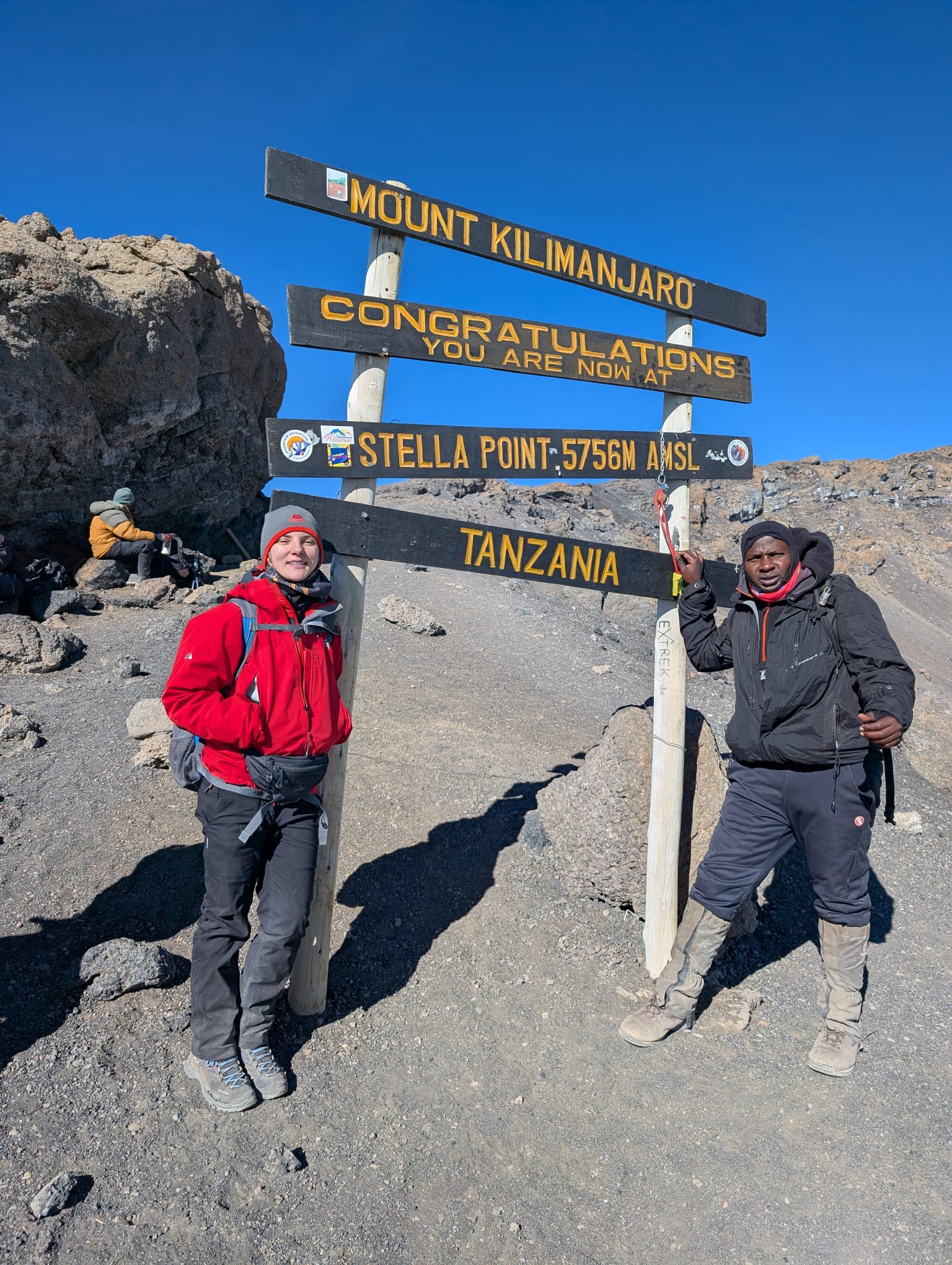
Sabinus Msimba
Senior Kilimanjaro Guide, Co-founder of Kilimania Adventure. 22+ years guiding, 300+ personal Uhuru Peak summits, KINAPA-licensed since 2003. Career began in 2001 as a porter on the Marangu Route. Family-climb experience figures are being finalized against our internal climb log — see Disclosure note below.
Continue Reading
- Climbing Kilimanjaro as a Family: An 8-Day Lemosho Route Story
- Mount Kilimanjaro Climbing
- Climbing Kilimanjaro Guide 2026
- Kilimanjaro Routes 2026: Success Rates
- 8-Day Lemosho Route
- 9-Day Northern Circuit Route
- Kilimanjaro Park Fees 2026
- Climbing Kilimanjaro With Medical Conditions
- Kilimanjaro Success Rate By Route
Disclosure: Age policy and fee information should be verified against KINAPA’s current published rates at kilimanjaronationalpark.go.tz, cross-checked at tanzaniaparks.go.tz (TANAPA). Kilimania Adventure is TATO-registered — verify here. Kilimanjaro is a UNESCO World Heritage Site — learn more. Medical guidance referenced from the Wilderness Medical Society. This article does not replace professional medical advice.
Data Verification Notice: the “100+ family climbs guided” figure used in earlier drafts of this article’s title tag, meta description, and social tags has been flagged as unsourced. It does not appear in Kilimania’s Fixed Operator Facts and has not been cross-checked against internal climb logs. Pending Sabinus’s confirmation of the correct figure (or removal), title/meta/OG/Twitter tags and badge copy should be treated as provisional.
Revision history: Published July 26, 2026. Updated July 27, 2026 — added special permission/3,100m elevation rule, family route comparison table, age-record context, and named insurance providers. Updated July 28, 2026 — reduced CTAs from 4 to 2 (L100 non-negotiable), corrected Person schema and author-bio links to canonical https://kilimania.co.tz/sabinus-msimba/, flagged unverified “100+ family climbs” statistic for confirmation.