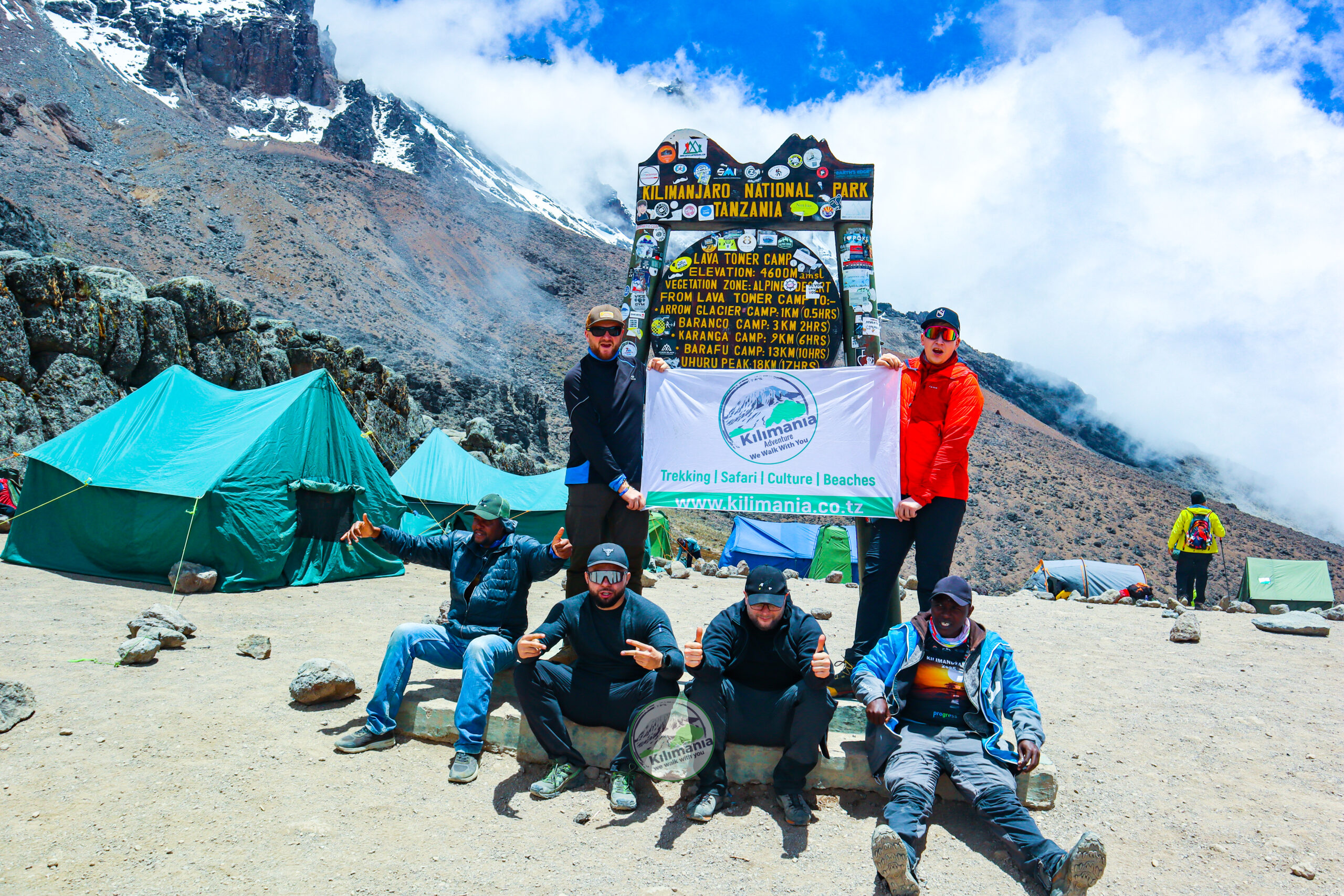
Can Children Climb Kilimanjaro?
By Sabinus Msimba, Senior Mountain Guide, KINAPA-licensed since 2003 · Last reviewed 18 August 2026
Data sources cited in this article: Kilimanjaro National Park (KINAPA) age policy as reported by licensed tour operators, CDC Yellow Book 2026, Wilderness Medical Society 2024 clinical practice guidelines, Kilimania’s own guiding and operational records (2019–2025).
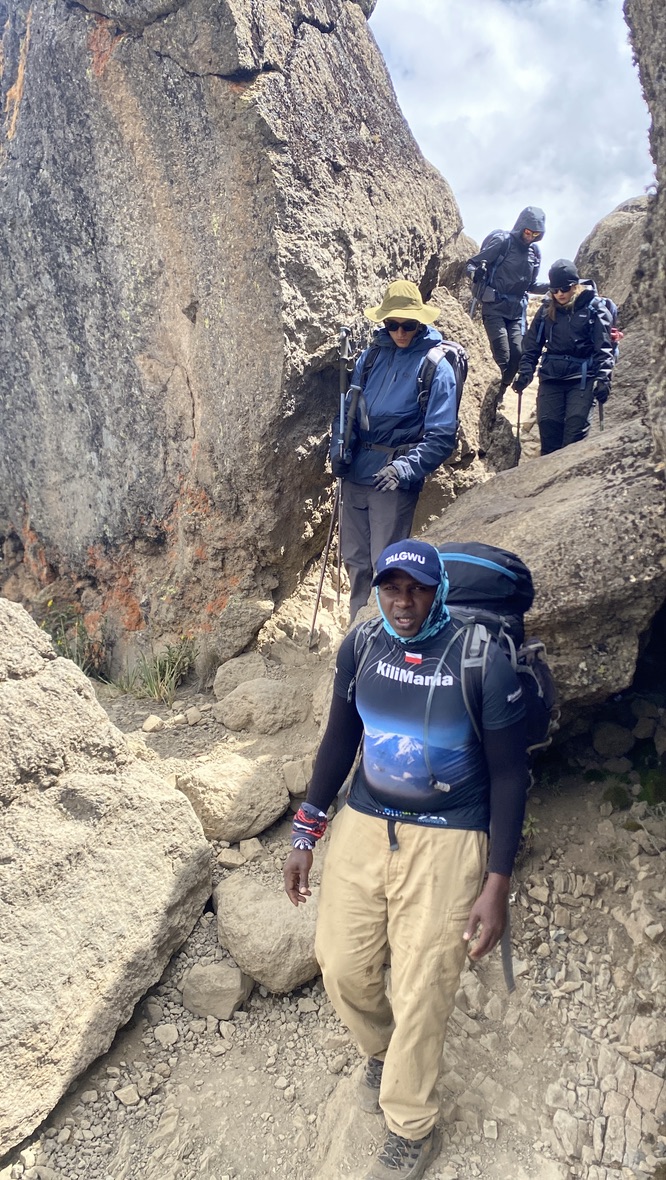
Direct answer: Kilimanjaro National Park (KINAPA) sets a minimum age of 10 years for a summit attempt, and children generally cannot ascend past roughly 3,100–3,700m below that age. There is no single, publicly documented rule on consent letters or medical clearance that applies uniformly across all operators — parents should confirm exact documentation directly with KINAPA and their operator before booking. Meeting the age rule is only the first test. Whether a specific 10, 11, or 12-year-old is ready for six to eight days of walking, cold nights, and thinning air is a separate, more important question.
Bottom line
Age eligibility and personal readiness are two different questions. The park sets the floor at 10 years old; everything above that floor is a judgment call that should involve a physician, an honest look at the child’s hiking history, and an operator willing to turn back if the mountain calls for it.
Planning a Kilimanjaro climb with your child?
Our family itineraries are built around longer routes with daily health checks for every climber under 18.
See Our Family Climbing GuideCan Children Climb Kilimanjaro Kilimanjaro National Park’s Age Rule: What Is Actually Confirmed
The age-10 rule comes from Kilimanjaro National Park (KINAPA), not from tour operators. It is consistently reported across licensed operators and industry sources as the minimum age for a summit attempt, with children under 10 generally restricted from ascending past roughly 3,100–3,700m. Some sources describe a special-permission process the park can grant for younger children in individual cases, but this is not guaranteed, is not something an operator can promise on your behalf, and should be confirmed directly with the park authority well ahead of travel.
For the fuller breakdown of age rules across routes, see our dedicated guide: Minimum Age to Climb Kilimanjaro: KINAPA’s Rules.
Can a 10-Year-Old Climb Kilimanjaro?
Yes, a 10-year-old meets KINAPA’s minimum age and can be considered for a summit attempt. Meeting the rule is the easy part. At 10, most children are at the very start of the age range we’d consider — we look for a child who has genuine hiking experience, can carry a light daypack for hours, and can clearly tell an adult when something feels wrong. A fit, well-prepared 10-year-old can be ready; an unprepared 10-year-old on a short itinerary is a different situation entirely, regardless of age.
Medical Considerations for Children at Altitude
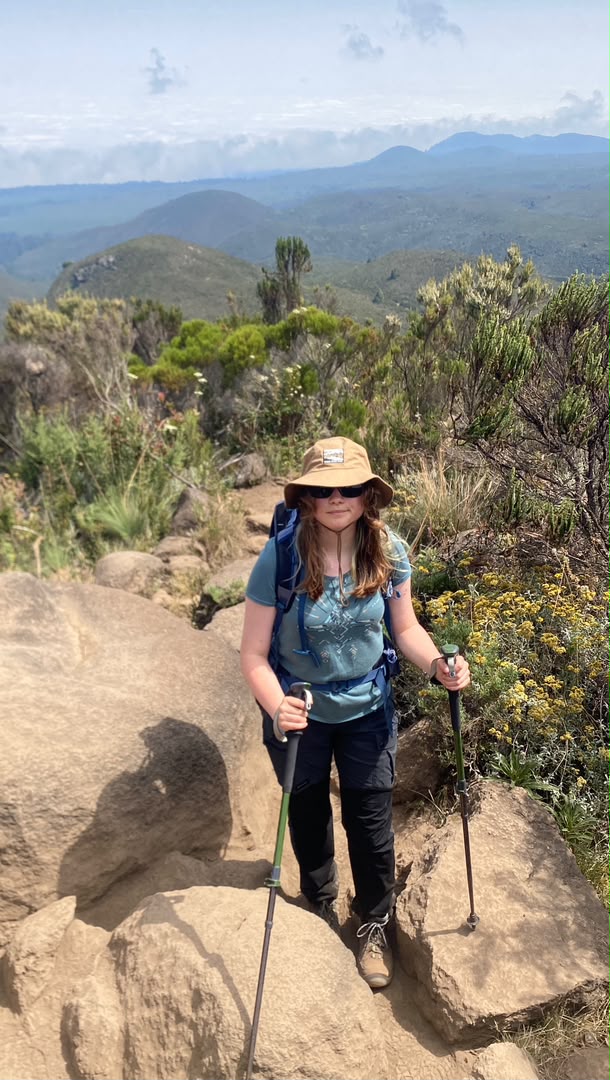
There is no strong evidence that children are more physiologically susceptible to acute mountain sickness (AMS) than adults. The practical problem is detection, not physiology. A tired adult will usually say “I have a headache.” A tired 11-year-old often just goes quiet, stops eating, or says their stomach hurts. Our guides are trained to watch behavior as well as ask directly: withdrawal from the group, refusing food, or unusual clumsiness are all flags we act on.
Kilimania’s own practice is to check pulse oximetry readings at camp arrival and departure for every climber, adult or child, and to track the trend across days rather than treat a single reading as conclusive. This is a description of our operational protocol, not a clinical diagnostic standard — a normal reading does not rule out altitude illness, and any professional monitoring should be paired with attentive observation of the child’s overall condition.
For evidence-based background on acute mountain sickness, high altitude cerebral edema (HACE), and high altitude pulmonary edema (HAPE), see the CDC Yellow Book’s high-altitude travel guidance and the Wilderness Medical Society’s 2024 clinical practice guidelines.
“A child who’s been taught to push through discomfort without saying anything is the one I watch most closely. On the mountain I need a child to tell me when something feels wrong, even if it feels small.” — Sabinus Msimba, Senior Mountain Guide, Kilimania Adventure
Which Routes Kilimania Recommends for Family Climbs
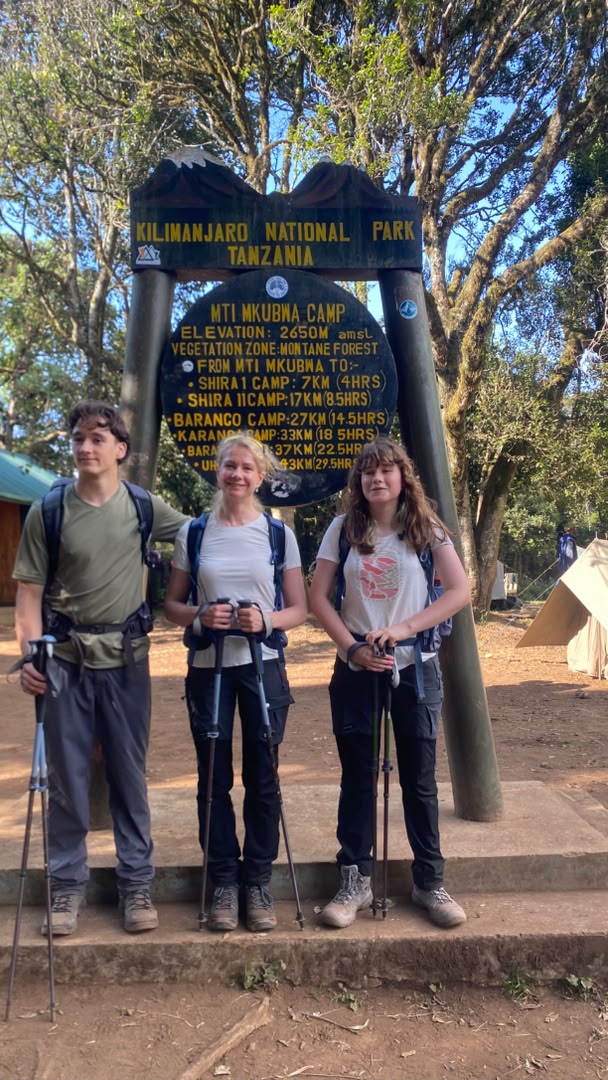
Kilimania generally recommends an 8-day itinerary such as the Lemosho Route for families with children aged 10–15. This is our professional recommendation based on the longer acclimatization window it allows, not a claim that any single route is medically proven best for every child. Route suitability also depends on the child’s fitness, hiking history, and psychological readiness.
| Route | Typical Days | Ascent Profile | Kilimania’s Family Assessment |
|---|---|---|---|
| Lemosho | 8 days | Gradual, extra acclimatization day at Shira | Our default recommendation for ages 10–15 |
| Machame | 6–7 days | Steeper, Barranco Wall scramble | Can suit confident, experienced children 13+ |
| Marangu | 5–6 days | Fastest ascent, hut accommodation | Not our first choice under 13 due to compressed acclimatization |
| Rongai | 6–7 days | Gentle, drier northern approach | A reasonable alternative to Lemosho |
For route-level detail, see: Marangu Route Difficulty and 5-Day vs 6-Day Marangu.
Is Your Child Actually Ready? A Practical Checklist
Legal eligibility and personal readiness are not the same thing. Before booking, work through these honestly:
- Has your child completed at least two multi-day hikes, including one overnight away from home?
- Can they carry a light daypack (2–3kg) comfortably for several hours?
- Have they experienced sustained cold and fatigue together, without the option to stop?
- Can they tell an adult “I need to stop” without fear of disappointing you?
- How do they respond when a goal doesn’t happen — a cancelled plan, a lost match?
A “no” to more than one of these should slow the decision down rather than stop it — it usually means more preparation time is needed, not that the climb is off the table.
What Happens If a Child Becomes Unwell
Our guides stop and assess at the first sign of concern, inform the lead guide, and do not pressure a child to continue. If symptoms don’t improve with rest, descent is the standard response for serious altitude illness — this is consistent with general wilderness medicine guidance, not a judgment call made under summit pressure. Turning back is treated as a successful safety decision, not a failed climb.
Insurance for Children on a High-Altitude Climb
Coverage varies significantly by policy. Confirm in writing with your insurer that the policy covers trekking above 4,000m for a minor, and that it includes emergency medical treatment and evacuation from the mountain. Many standard family travel policies exclude high-altitude activity by default, so check the exclusions directly rather than assuming coverage.
Frequently Asked Questions Can Children Climb Kilimanjaro
KINAPA sets the minimum age at 10 years old, and children below that age are generally restricted from ascending past roughly 3,100–3,700m. This applies across routes and operators. See Minimum Age to Climb Kilimanjaro for the full breakdown.
Not to the summit under the standard rule. A special-permission process exists in some cases but isn’t guaranteed — confirm directly with KINAPA and your operator. Lower-slope forest walks have no age restriction.
Not according to current evidence — but symptoms are harder to detect in children, who often can’t describe them clearly. That’s why monitoring relies on behavior as well as self-reporting.
It depends on the policy. Confirm in writing that it covers high-altitude trekking above 4,000m for a minor, including evacuation — many standard family policies exclude this by default.
Kilimania generally recommends an 8-day itinerary such as Lemosho for ages 10–15, for the extra acclimatization time it allows. The right route still depends on the individual child.
Requirements vary and can change, so confirm current documentation with KINAPA and your operator directly. Typically this includes proof of age and evidence of parental consent; some operators also request a medical note.
Sources & Further Reading
- CDC Yellow Book — High-Altitude Travel and Altitude Illness
- Wilderness Medical Society Clinical Practice Guidelines for Acute Altitude Illness (2024 Update)
- Kilimania: Minimum Age to Climb Kilimanjaro — KINAPA’s Rules
- Kilimania: Kilimanjaro Safety Record
Exact KINAPA gate documentation requirements are not consolidated in a single public official document; parents should confirm current requirements directly with KINAPA and their operator, as noted above.
The Honest Conclusion
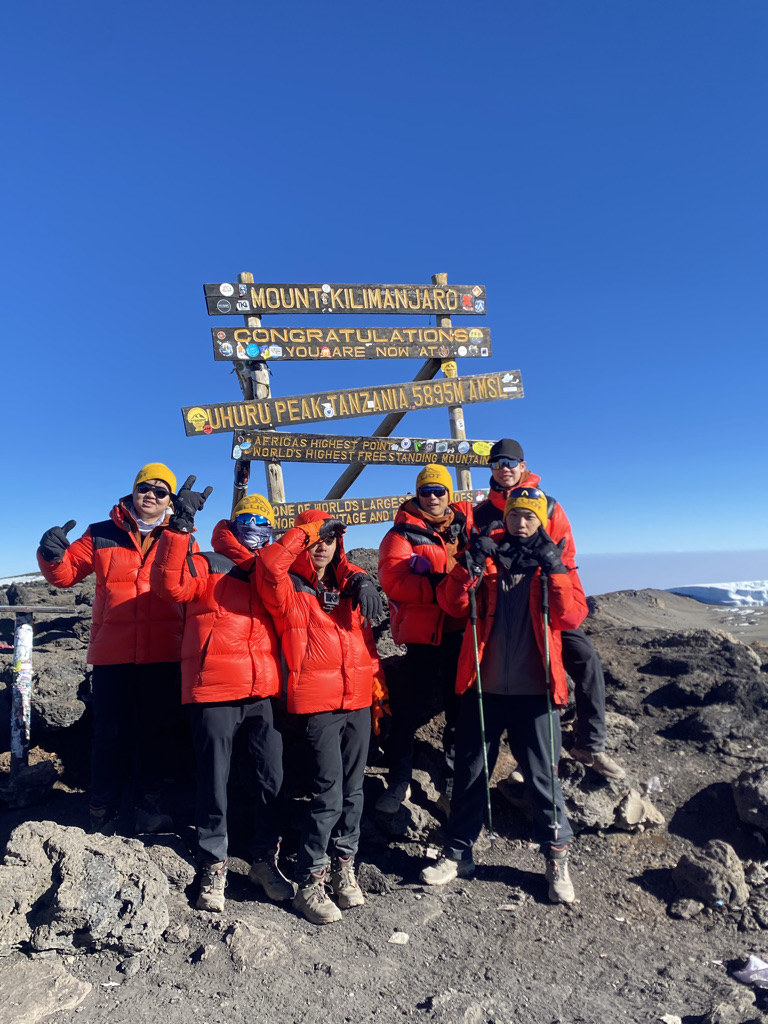
Children can climb Kilimanjaro from age 10, within KINAPA’s rules and with an itinerary — we recommend a minimum of 8 days — that gives their bodies time to adjust. The park’s age rule is the easier part to satisfy. The harder part is an honest read on one specific child: their hiking history, how they handle discomfort, and whether they’ll tell an adult when something feels wrong. For the fuller picture of what a family itinerary involves day by day, see our Family Kilimanjaro Climbing Guide.
Talk through your child’s climb with a guide
Send us your child’s age and hiking background — we’ll give you an honest read on timing and route before you book anything.
Message a Guide on WhatsApp
We Walk With You.
Kilimania Adventure | Moshi, Kilimanjaro Region, Tanzania | +255 756 449 990 | info@kilimania.co.tz