
One Day in Arusha City: Markets, History and Culture
Data sources in this article: Kilimania’s 2026 master day-trip pricing; the National Museum of Tanzania (Arusha Declaration Museum); Atlas Obscura (Clock Tower route tradition); guide field verification where marked.
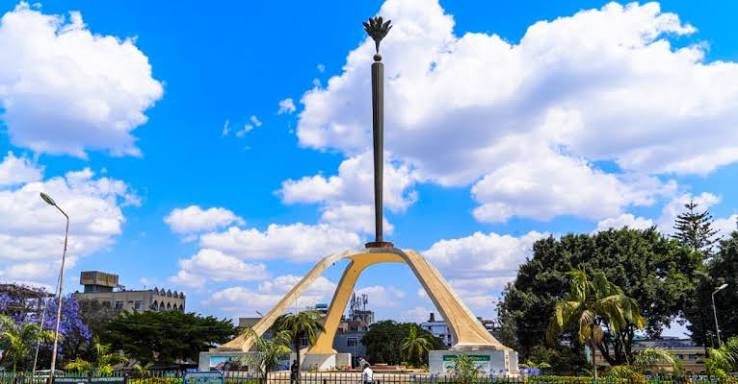
One day in Arusha city is enough to see the Clock Tower, the Central Maasai Market, the Cultural Heritage Centre, the Arusha Declaration Museum, the Natural History Museum and a local coffee stop — a half or full day of walking and short drives on mostly flat ground. This is the Arusha City and Cultural Day Trip, a city and cultural experience. It is not the Arusha National Park Safari, which is a separate wildlife day trip. It suits travellers with a free day before or after a safari or Kilimanjaro climb; pickup is at 8:30 AM from hotels in Arusha or Moshi.
Key Facts
- From Moshi
- 1.5–2 hours by road
- From Arusha
- Starts in the city — no transfer needed
- Duration
- Half or full day (full day if starting from Moshi)
- Difficulty
- Easy — mostly flat
- Solo price
- $120 pp
- Group of 5
- From $75 pp
- Suits
- City, culture, markets and history
- Swimming
- No
- Children
- Suitable
- Season
- Year-round. For regional planning, see the guide to day trips from Arusha.
- Departure
- 8:30 AM hotel pickup
This Is the City Tour — Not the National Park Safari
Two different products carry the word “Arusha,” and mixing them up is the most common booking mistake we see. The Arusha City and Cultural Day Trip stays in town: markets, museums, the Clock Tower, art and coffee. The Arusha National Park Safari is a wildlife day trip inside the park, priced from $215 pp, with its own vehicle, its own route and a completely different purpose.
Neither is a lighter version of the other. If you’re here for animals, skip ahead to the Arusha National Park safari day. If you want to understand the city most Northern Circuit safaris start from — read on.
What Arusha Actually Offers in One Day
Arusha is the capital of Arusha Region in northern Tanzania, sitting at the southern foot of Mount Meru (4,565 m) at approximately 1,400 m above sea level (Arusha City Council data gives a range of roughly 1,160–1,450 m across the city). It is also home to the headquarters of the East African Community, which explains the conference hotels and the steady flow of diplomats alongside safari vehicles. On clear mornings Meru’s summit shows above the rooftops. On cloudy ones it vanishes entirely — so don’t plan a photograph around it.
A realistic day covers six stops: the Clock Tower as an orientation point, the Central Maasai Market as the city’s working commercial heart, the Cultural Heritage Centre for art and craft, the Arusha Declaration Museum for the country’s post-independence story, the Natural History Museum, and a coffee stop at a local café. A half day means choosing two or three. A full day lets you see them all at an easy pace — pole pole, as guides here say. Slowly.
Pickup is at 8:30 AM from your hotel in Arusha or Moshi. The morning typically starts around the Clock Tower and the central market streets, before the Cultural Heritage Centre, which opens at 9:00 AM. Lunch at a local restaurant is included, and the museums and coffee stop fill the rest of the day. Traffic and market activity can shift the order. What doesn’t change is the ground: mostly flat, with short drives between the more spread-out stops, which is why the day works for children and for anyone who’d rather not hike.
Guided, the day runs from $75 pp for a group of five, based on Kilimania’s 2026 master day-trip pricing; the Arusha City and Cultural Day Trip page carries the full itinerary.
| Group size | Price per person | Group total |
|---|---|---|
| 1 person | $120 | $120 |
| 2 people | $100 | $200 |
| 3 people | $90 | $270 |
| 4 people | $80 | $320 |
| 5 people | $75 | $375 |
The more people travelling together, the lower the price per person. A couple, for example, pays $100 each — $200 for the day. For groups larger than five, contact Kilimania for a group quotation.
The Clock Tower — Cairo to Cape Town
The Clock Tower stands on a busy roundabout in central Arusha and is the city’s standard reference point: meeting places, shops and directions are still given relative to it. Its fame comes from a long-standing tradition that it marks the halfway point of the roughly 10,000 km overland Cape-to-Cairo route, a claim recorded by Atlas Obscura among others.
Worth knowing before you stand there: the midpoint is a route tradition, not a surveyed geographic fact. Measured as a straight line between the two cities, the halfway point falls well west of Tanzania. The tower marks where overland travellers along the old road network traditionally counted themselves halfway — which is why it matters to people who have driven or cycled the continent.
Practically, the tower itself takes minutes. Traffic moves fast around the roundabout and street sellers work the pavements, so keep to the footpath, take your photo, and give a firm but friendly “no, thank you” if you’re not buying. Its real value on a guided day is orientation: from here you can see how compact the old centre is before heading into the market streets.
The Maasai Market
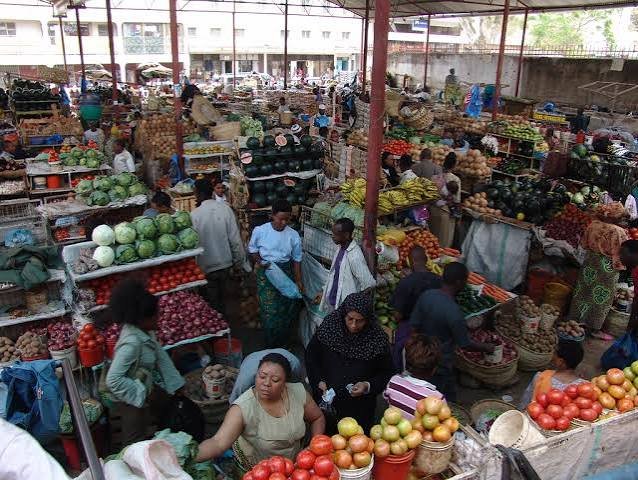
The Central Maasai Market is a working market, not a staged cultural display. Most people there are buying their household food, not browsing souvenirs — and that’s precisely what makes it useful to a visitor. You see how Arusha actually shops. Expect fresh produce and household goods alongside craft stalls; what is on sale shifts with the day and the season.
Behaving well in a working market
- Ask before photographing people. A stall is a workplace. Many traders are happy to be photographed when asked; some aren’t, and that answer deserves respect.
- Bargain only if you mean to buy. Negotiating over craft items is normal, but starting a haggle you don’t intend to finish wastes a trader’s time.
- Carry small notes. Change is easier for everyone and keeps transactions quick.
- Don’t assume who is Maasai. Arusha’s markets draw traders from many communities in the region; a guide can explain who you’re meeting rather than letting clothing do the guessing.
This is where a local guide earns their place: translating in Swahili, explaining what’s being sold and why, and turning a walk past stalls into a conversation. For a longer, homestead-level look at Maasai life outside the city, see what to expect from a Maasai boma visit.
The Cultural Heritage Centre and Museum

The Cultural Heritage Centre combines a large African art gallery with craft and curio sections, and its gallery building is recognisable from the road. Its value on a one-day visit is range: art and craft styles from across Tanzania and the wider region under one roof, which gives you a sense of quality and variety before buying anything in the street. The centre opens at 9:00 AM, which is why it follows the Clock Tower and market streets rather than opening the day. Entrance fees on the itinerary are included in the Kilimania price.
It is a commercial space as well as a cultural one. Browsing is fine; you won’t be expected to buy.
The Arusha Declaration Museum
The Arusha Declaration Museum, part of the National Museum of Tanzania, is housed in the building where the meeting that drew up the Arusha Declaration took place in January 1967. President Julius Nyerere proclaimed the declaration on 5 February 1967. It set out the policy of socialism and self-reliance — Ujamaa — that shaped Tanzania’s economy and institutions for the following decades.
The museum presents that history through documents and photographs, and you don’t need prior knowledge of East African politics to follow it. Historians continue to debate the policy’s economic results; the museum is a place to understand why it mattered, and a guide can add the local perspective the display cases leave out.
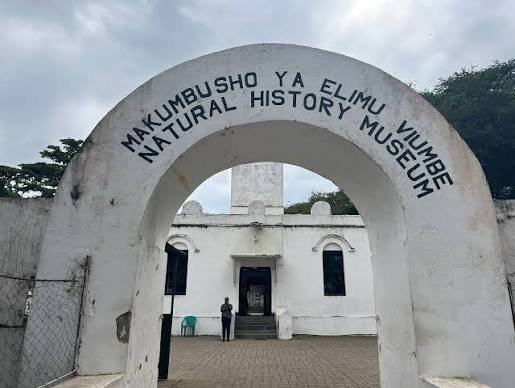
Arusha has more than one museum, which confuses visitors. The Natural History Museum pictured above is a separate site from the Arusha Declaration Museum. Both are part of the Kilimania city day: the Natural History Museum covers the region’s natural history, while the Declaration museum covers its political history.
Arusha Coffee Culture
Northern Tanzania grows arabica coffee on the volcanic slopes of Mount Meru and Kilimanjaro, so Arusha sits in the middle of coffee country. In the city you meet it as a finished cup — in cafés rather than on farms — and a coffee stop works as the day’s pause: a chance to sit down and ask your guide everything the morning raised.
On the guided day, coffee is a sit-down stop at a local café in town — a pause, not a farm tour. If you want the growing-and-roasting side instead, farm-based coffee visits are covered among the day trips from Moshi.
City Day or Park Day? Side by Side
Both trips can start in Arusha, which is where the confusion comes from. This table shows what each one is actually for.
| Feature | Arusha City & Cultural Day Trip | Arusha National Park Day Trip |
|---|---|---|
| Primary purpose | Culture, history, daily city life | Wildlife and park landscapes |
| Main environment | Streets, markets, museums, galleries | Inside a national park |
| Typical activities | Walking, market visit, museum, coffee | Game drive and park activities |
| Wildlife focus | None | Central — sightings vary and are never promised |
| Culture / history focus | Central | Limited |
| Getting around | Walking and short drives | Safari vehicle |
| Suits | Rest days, families, history-minded travellers | Travellers who want animals on a short schedule |
For the park itself, the Arusha National Park day trip guide covers what that day involves.
Who This Trip Is Best For
- Travellers with a free day before or after a safari. Many Northern Circuit safaris start and finish in Arusha. A city day turns a waiting day into context for everything you’ll see from the vehicle.
- Arrival-day travellers. After a long-haul flight, a gentle day on flat ground is easier than a 5am game drive.
- Kilimanjaro climbers with a spare day. It asks nothing of your legs before the climb. If you’re still choosing a departure, the Kilimanjaro joining calendar lists group dates.
- Families. Mostly flat ground, short drives and plenty of variety — market, gallery, museum — keep younger travellers engaged.
- History-minded travellers. The Arusha Declaration Museum and the Clock Tower’s route tradition give Tanzania’s story a physical place.
Who Should Choose Something Else
- You came for wildlife. There are no animals on this day. Book the Arusha National Park Day Trip for game viewing and park landscapes instead.
- You want deeper Maasai cultural contact. A market walk is a glimpse. A boma visit outside the city goes further into daily life.
- You want waterfalls, hiking or swimming. Look at the Moshi-based day trip options — the city day has none of these.
- You dislike crowds and traffic. Central Arusha is busy, noisy and full of street sellers. That’s part of its character, but not everyone’s idea of a rest day.
- You’re based in Moshi with only one free day. Travel time into Arusha eats into it; compare other day trips from Arusha and Moshi options before committing.
Devid’s Note from the Field
- Who
- Devid Kimario, Kilimania guide (11 years)
- Where
- Central Maasai Market, Arusha — the produce and household-goods section, not the craft stalls
- When
- Tuesday and Friday mornings, observed consistently across the 2024–2026 guiding seasons
- What he observed
- On Tuesday and Friday mornings the market works as a regional trade day. Families from the surrounding districts bring livestock, produce and household goods into Arusha to sell and restock, and traders are busy with local buyers rather than visitors. On weekends and public holidays the balance shifts toward craft sellers set up for tourists. The goods, the pace of trade and the noise level are noticeably different between the two kinds of day.
- Why it matters to you
- If your city day falls on a Tuesday or Friday morning, you see the market as it works for local people, with prices set for residents. On a weekend it is still worth the stop — your guide can point you to the sections that stay focused on local trade. If seeing daily life matters more to you than souvenir shopping, try to schedule the day around a Tuesday or Friday.
Frequently Asked Questions
It is a guided city and cultural day in Arusha — the Clock Tower, the Central Maasai Market, the Cultural Heritage Centre, the Arusha Declaration Museum, the Natural History Museum and a local coffee stop — done on foot with short drives, as a half or full day. It is not a wildlife safari.
Yes. Central Arusha has the Clock Tower, a working central market, the Cultural Heritage Centre gallery, the Arusha Declaration Museum (part of the National Museum of Tanzania), the Natural History Museum and cafés serving coffee grown on the surrounding mountain slopes. It is enough for a full, unhurried day.
The city day stays in Arusha town and is about markets, history, art and coffee. The Arusha National Park safari is a separate wildlife day trip inside the national park, priced from $215 pp. They are two different products with different purposes.
For travellers with a free day before or after a safari or climb, usually yes. It is a low-effort day on mostly flat ground that explains the history and daily life of the city most Northern Circuit trips pass straight through. If you only want wildlife, choose a park day instead.
A half day covers a few central stops; a full day lets you see all six stops — Clock Tower, market, Cultural Heritage Centre, Arusha Declaration Museum, Natural History Museum and coffee — without rushing. Pickup is at 8:30 AM; from Moshi, allow 1.5–2 hours each way and plan on a full day.
Yes. The route is mostly flat, walking is broken up by short drives, and there is no altitude or fitness demand. Busy streets around the Clock Tower mean younger children need holding by the hand.
Often, on clear mornings. Arusha sits at the southern foot of Mount Meru (4,565 m), but cloud can hide the mountain completely, so a view cannot be promised on any given day.
Yes. Many Northern Circuit safaris start from Arusha, so a city day fits naturally on an arrival or rest day. It is physically easy, which suits the day before a climb or a long safari drive.
Related Day Trips
Every option is collected in one place on the full Tanzania day trips list. Building a longer trip? See Tanzania safari planning or Kilimanjaro climbing routes.
The Short Version
One day in Arusha city gives you five stops — Clock Tower, Central Maasai Market, Cultural Heritage Centre, Arusha Declaration Museum and coffee — on mostly flat ground, and it explains the city most safaris only drive through. Just don’t book it expecting animals: that’s the park day, a different trip entirely. If you still have questions about which one fits your schedule, ask the team directly. We Walk With You.
Sources: National Museum of Tanzania (Arusha Declaration Museum) · Atlas Obscura — Arusha Clocktower · Arusha Declaration (proclamation date) · Pricing: Kilimania 2026 master day-trip table.
Disclosure: This guide is published by Kilimania Adventure, which operates the Arusha City and Cultural Day Trip referenced here. Prices are per person in USD, private trips, as of September 2026. Field observations are attributed to the named guide and verified before publication. Contact: info@kilimania.co.tz · +255 756 449 990.