
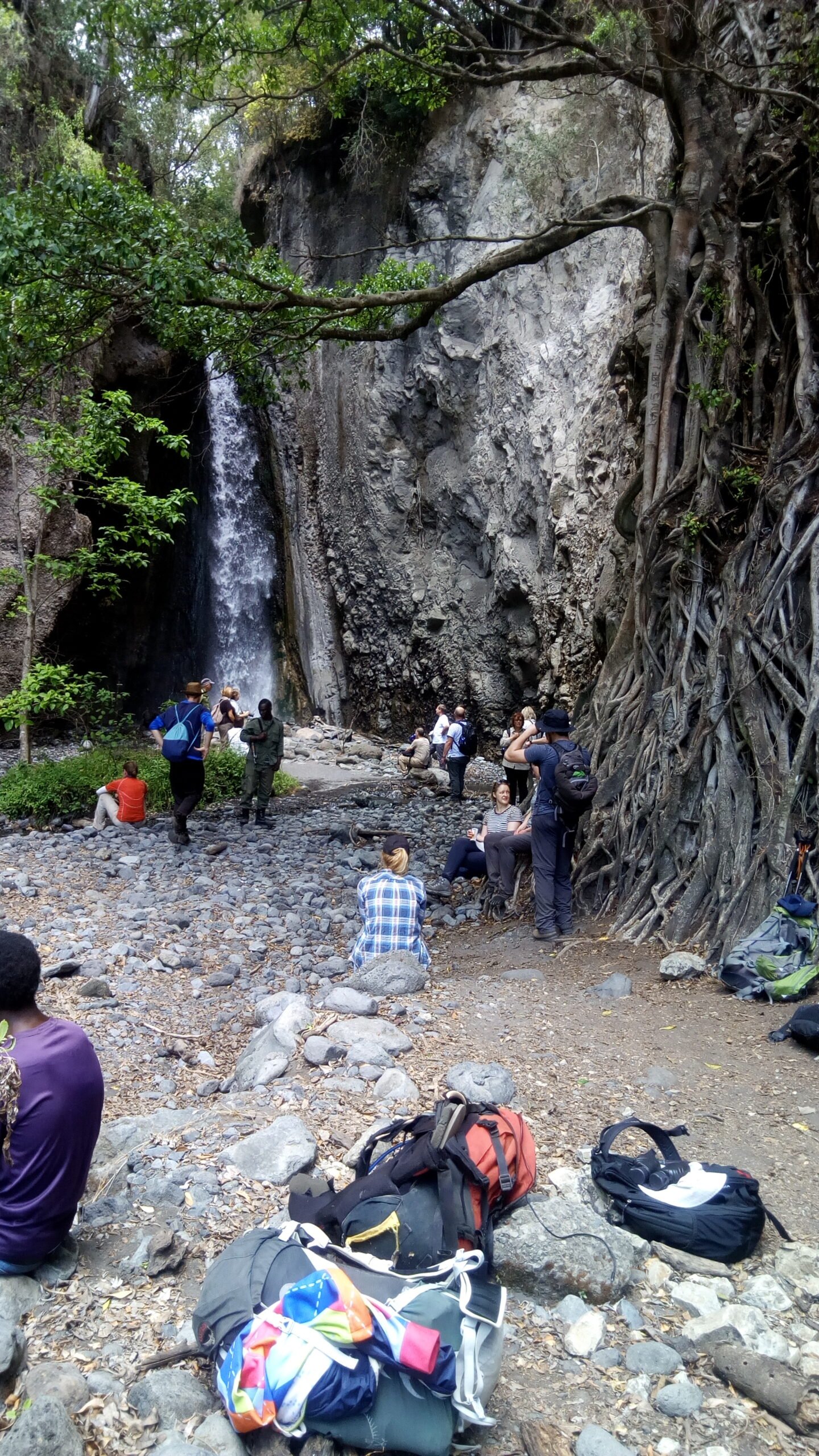
Walking safari trail, Arusha National Park. Photo: Kilimania Adventure.
Arusha National Park Day Trip: Momella Lakes, Canoeing and Wildlife
Data sources cited in this article: TANAPA (Tanzania National Parks Authority) park information, and Kilimania Adventure’s own operational records from trips run to Arusha National Park. This page is a planning guide; for itinerary, dates and booking, see the Arusha National Park Safari product page.
Arusha National Park sits 25–35 km from Arusha town (about 45–60 minutes by road) and roughly 75–80 km from Moshi (about 1.5–2 hours). A day trip here combines three formats that no other Northern Circuit day trip on Kilimania’s list offers on the same day: a guided walking safari with an armed TANAPA ranger, canoeing on the Momella Lakes, and a vehicle game drive. The park covers approximately 552 km². Arusha National Park has no resident lion population and no rhinos. Wildlife present includes giraffe, buffalo, zebra, warthog, black-and-white colobus monkeys, hippos and approximately 400 bird species.
An Arusha National Park day trip is a full day, typically 8–10 hours, combining a ranger-led walking safari, canoeing on the Momella Lakes, and a game drive past Ngurdoto Crater. It’s 45–60 minutes from Arusha or about 1.5–2 hours from Moshi. From $215 per person for a private group of five ($340 pp solo). There is no resident lion population and no rhinos in this park.
| From Moshi | 75–80 km, approximately 1.5–2 hours |
|---|---|
| From Arusha | 25–35 km, approximately 45–60 minutes |
| Park area | Approximately 552 km² |
| Duration | Full day, approximately 8–10 hours door-to-door |
| Difficulty | Easy to moderate |
| Activities | Walking safari + Momella Lakes canoeing + game drive |
| Swimming | No — canoeing only, in life jackets |
| Children | Suitable with supervision — confirm your child’s age with Kilimania before booking |
| Wildlife | Giraffe, buffalo, zebra, colobus, hippo, flamingo (seasonal) — no resident lion population, no rhinos |
| Best season | Year-round; June–October classic dry season; November–April stronger birding |
| Price | From $215 per person for a private group of five ($340 pp solo) |
| Managed by | TANAPA (Tanzania National Parks Authority) |
Where Is Arusha National Park?
Arusha National Park sits in the Arusha Region of northern Tanzania, on the eastern slopes of Mount Meru, roughly midway between the town of Arusha and the town of Moshi. It is the closest Northern Circuit park to Arusha town, which is why it is a common choice for travelers based there.
The park entrance is approximately 25–35 km from central Arusha — typical driving time is around 45–60 minutes, depending on traffic, road conditions and the pickup point. From Moshi, the entrance is approximately 75–80 km away, with a typical driving time of around 1.5–2 hours. In practical terms, this makes Arusha National Park the shortest-drive safari option on Kilimania’s Northern Circuit list for travelers starting from Arusha, and a realistic single-day option from Moshi without the longer road time that Tarangire or Lake Manyara involve.
Table of Contents
- Where Is Arusha National Park?
- The One Park Where You Leave the Vehicle
- The Walking Safari
- Canoeing on Momella Lakes
- The Game Drive — What Wildlife to Expect (and What Is Not There)
- Ngurdoto Crater — Little Ngorongoro
- Example Day-Trip Itinerary
- How It Compares to Other Northern Circuit Parks
- Who This Trip Is Best For
- Who Should Choose Something Else
- Kanti’s Note From the Field
- What to Bring
- What Is Included (and What Is Not)
- What Happens If It Rains?
- Best Time to Visit
- Frequently Asked Questions
- Related Day Trips
The One Park Where You Leave the Vehicle
Arusha National Park is the only park on Kilimania’s Northern Circuit day-trip list where guests leave the vehicle — twice. Guests walk a stretch of the park on foot with an armed TANAPA ranger, and separately paddle a canoe on the Momella Lakes. A conventional 4×4 game drive fills out the rest of the day. No other Northern Circuit day trip from Moshi or Arusha combines walking, paddling and driving in a single itinerary.
Leaving the vehicle here does not mean an open-ended bush walk. It is a supervised, ranger-led section of trail through defined zones of the park — forest edge and open grassland — where walking is permitted under TANAPA regulation. The armed ranger is a mandatory park requirement for any walking activity, not a Kilimania add-on, and their presence is what makes walking safaris possible here at all.
The result is a day with three distinct physical formats rather than one long game drive: on foot, on the water, and in the vehicle. This is the structural reason the park suits travelers who want an active day rather than a seated one.
The Walking Safari
TANAPA identifies walking safari and canoeing among the activities available in Arusha National Park, and the walking safari is conducted with an armed TANAPA ranger — a mandatory requirement under park regulations rather than an optional Kilimania upgrade. From our experience running this day trip, the pace is slow and observational, not a hike or a fitness challenge — the point is to move quietly through forest and grassland zones where buffalo, giraffe, warthog and colobus monkeys are present.
On foot you notice things a vehicle window filters out: bird calls, tracks in the mud, the specific rustle of colobus moving through the canopy. The ranger sets the route and the pace, and briefs the group beforehand on distance, behaviour and what to do if wildlife is encountered at close range — typically staying still and following the ranger’s instruction rather than moving independently.
Wear neutral-coloured clothing, closed walking shoes, and sun protection. Reasonably fit travelers of most ages can manage the walk; it is not physically demanding, but it does require the ability to stay alert and follow instructions calmly.
Canoeing on Momella Lakes
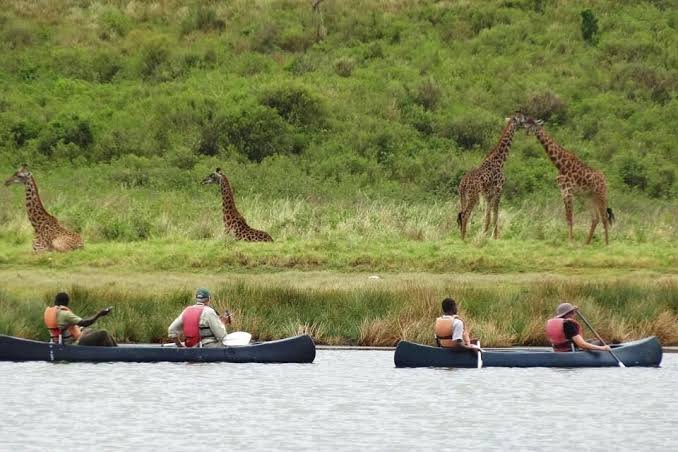
Momella Lakes is a system of shallow alkaline lakes on the eastern side of Arusha National Park, with Mount Meru visible to the west. Each lake in the system has a slightly different mineral composition, which shows up as subtle differences in water colour from one lake to the next.
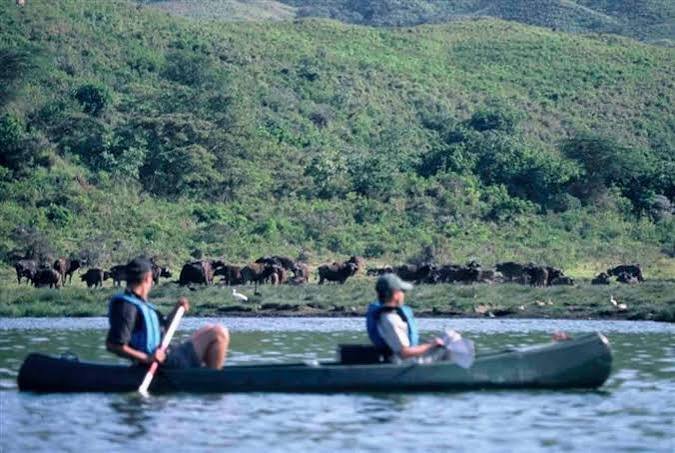
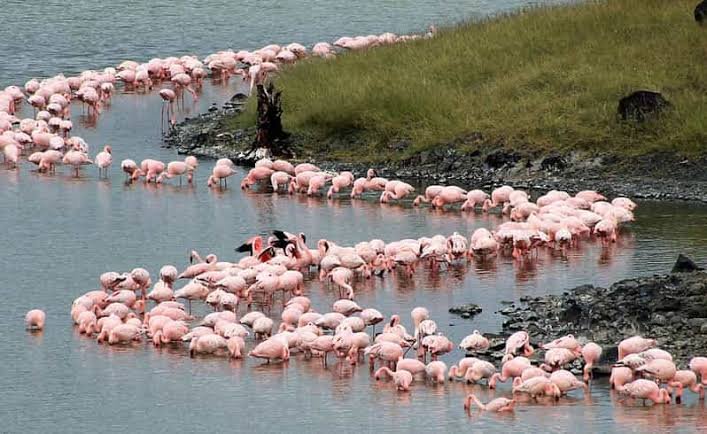
Canoeing here happens at water level, in life jackets, under guide supervision — a markedly different vantage point from a vehicle window. Based on Kilimania Adventure’s own operating experience, hippos are present in the lakes, and canoe routes are planned to keep a safe operational distance rather than approaching them closely; guides manage this actively rather than leaving it to chance. Waterbirds, and flamingos when conditions suit them, are commonly seen from the canoe, though flamingo presence is seasonal and not guaranteed on any given day.
No prior canoeing experience is required. It is seated, guided paddling, accessible to most travelers including reasonably fit older children. Bring a change of clothes or a dry bag for valuables, water shoes or sandals with straps, and reapply sunscreen — reflection off the water intensifies sun exposure.
The Game Drive — What Wildlife to Expect (and What Is Not There)
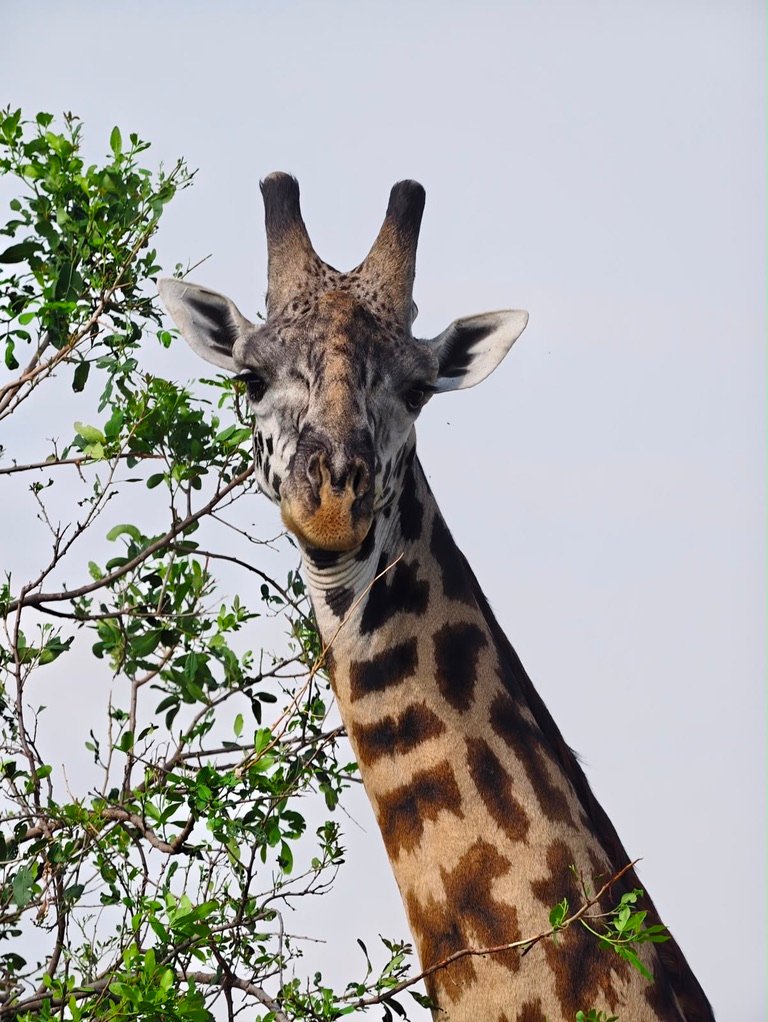
This is the section to read carefully before booking. From Kilimania’s own experience running this day trip, Arusha National Park is a strong park for giraffe, buffalo, primates and birds — it is not a Big Five park, and travelers should know that plainly before they arrive.
Wildlife You Can Expect to See
| Wildlife | Status | What to expect |
|---|---|---|
| Masai giraffe | Present | Frequently encountered on the open plateau |
| Cape buffalo | Present | Often in herds, near forest edges and lake margins |
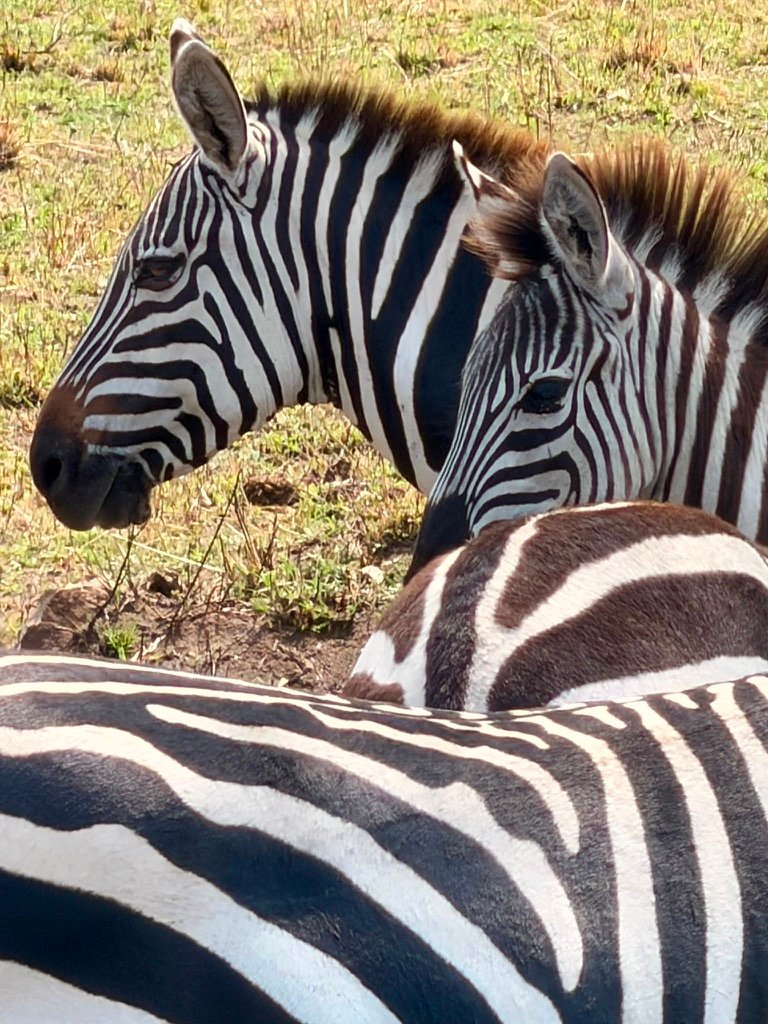
| Zebra | Present | Open grassland areas |
| Warthog | Present | Frequently encountered, often near vehicle tracks |
| Black-and-white colobus monkey | Present | Forest zone; especially visible on the walking safari |
| Blue monkey | Present | Forest zone |
| Hippopotamus | Present | Associated with the Momella Lakes |
| Flamingo | Seasonal | At the Momella Lakes, not guaranteed on any given day |
| Birds (~400 species) | Present | Year-round with seasonal variation (TANAPA) |
| Elephant | Occasional | Movements unpredictable; recorded but not typical |
| Leopard | Occasional | Nocturnal and elusive; a sighting would be unusual |
| Lion | Not present | No resident lion population in this park |
| Rhino | Not present | No rhinos in this park |
Wildlife That Is Occasionally Present
- Elephant — occasionally recorded moving through the park; sightings are possible but not typical.
- Leopard — present in the park but rarely seen.
Wildlife That Is Not Present in This Park
Ngurdoto Crater — Little Ngorongoro
Ngurdoto Crater is a collapsed volcanic caldera in the southeastern section of Arusha National Park, sometimes nicknamed “Little Ngorongoro” for its enclosed, bowl-shaped floor and rim. The comparison is visual only — the two are managed very differently.
Unlike Ngorongoro Crater, no vehicles or people descend into the Ngurdoto Crater floor. It is kept as an undisturbed, fully protected zone within the park, and is viewed only from rim viewpoints. Buffalo and other wildlife are often visible on the crater floor from these viewpoints, seen at a distance rather than up close.
Example Arusha National Park Day-Trip Itinerary
This is an example, flexible itinerary — not a guaranteed schedule. The exact order and timing can change depending on weather, ranger availability, wildlife activity on the day, and pickup logistics from Moshi or Arusha.
| Stage | What happens |
|---|---|
| 1. Pickup | From your hotel in Moshi or Arusha. |
| 2. Drive to the park | Entry formalities at the gate. |
| 3. Walking safari | With an armed TANAPA ranger through forest and grassland zones. |
| 4. Canoeing | On Momella Lakes, in life jackets, under guide supervision. |
| 5. Lunch or rest break | Confirm with Kilimania whether lunch is packed or provided on site. |
| 6. Game drive | Through the park’s plateau and forest-edge areas, including viewpoints over Ngurdoto Crater. |
| 7. Return drive | Back to Moshi or Arusha. |
How It Compares to Other Northern Circuit Parks
Arusha National Park, Tarangire, Lake Manyara and Ngorongoro Conservation Area each suit a different priority. This table is a quick reference — for a full comparison of Arusha National Park against Tarangire specifically, see the Arusha National Park vs Tarangire guide.
| Park | Walking safari | Canoeing | Lion | Wildlife signature | From price |
|---|---|---|---|---|---|
| Arusha National Park | Yes, with armed ranger | Yes, Momella Lakes | Not present | Giraffe, buffalo, colobus, hippo | From $215 pp — Arusha National Park pricing & booking |
| Tarangire National Park | No | No | Present | Elephant herds, baobabs | From $240 pp — Tarangire day trip guide |
| Lake Manyara National Park | No | No | Present, tree-climbing (rare, not guaranteed) | Forest, alkaline lake, flamingo | From $240 pp — Lake Manyara day trip guide |
| Ngorongoro Conservation Area | No | No | Present | Big Five odds, including rhino | Feasibility as a day trip varies — see the Ngorongoro day-trip feasibility guide |
Who This Trip Is Best For
- Travelers based in Arusha, since the park is only 25–35 km from town.
- Travelers in Moshi who want a full safari day without the longer Tarangire or Manyara drives.
- Birders — approximately 400 species are recorded, with November–April especially strong for migratory birds.
- Photographers, since the canoeing section offers water-level angles a vehicle cannot.
- Travelers who want an active day — walking, paddling and driving in one itinerary.
- Post-Kilimanjaro travelers wanting a relatively gentle safari day; the walking safari is accessible rather than strenuous.
- Families with older children who can follow ranger instructions calmly — confirm age suitability with Kilimania before booking.
Who Should Choose Something Else
There is no universal “best” Northern Circuit park — the right choice depends on what you actually want from the day. This is not a ranking; it’s a match between priority and destination.
| If your priority is… | Consider… |
|---|---|
| Walking safari + canoeing + game drive in one day | Arusha National Park |
| Lion sightings and a broader big-game focus | Tarangire |
| Large elephant herds | Tarangire |
| Canoeing at water level | Arusha National Park |
| A guided walking safari on foot | Arusha National Park |
| Shortest possible drive from Arusha town | Arusha National Park |
| Swimming rather than a safari day | Chemka Hot Springs (a different style of day trip) |
- Travelers whose priority is lion or leopard viewing should consider Tarangire or Lake Manyara instead.
- Travelers wanting the classic Big Five in one day should know that no single park reliably delivers all five in a day; Ngorongoro comes closest but involves significant driving time from Moshi — see the Ngorongoro feasibility guide before deciding.
- Travelers based in Moshi who want the shortest possible drive and a swimming-focused day may prefer Chemka Hot Springs, a different style of day trip entirely.
- Very young children may need closer supervision than is typical for the walking safari section — confirm age guidance with Kilimania.
- Travelers with significant mobility limitations may find the walking and canoeing sections difficult; a vehicle-only safari may suit better.
Want to confirm availability or ask about group pricing for your travel dates?
Kanti’s Note From the Field
“Most travelers arrive expecting a smaller version of Tarangire. What they remember afterward is the walking. Standing on foot near a herd of giraffe, with the ranger watching the treeline, is a different kind of safari from anything seen through a vehicle window. The canoeing on Momella Lakes is quiet in a way game drives never are — you often hear the hippos before you see them.”
Field input by Kanti Kessy, Safari Lead, Kilimania Adventure, Northern Circuit specialist
What to Bring
| Game drive | Walking safari | Canoeing |
|---|---|---|
| Binoculars | Neutral-coloured clothing | Change of clothes or dry bag |
| Camera with zoom | Closed walking shoes | Water shoes or strapped sandals |
| Sunglasses, hat | Insect repellent | Sunscreen (reapply on water) |
| Light jacket (mornings) | Sun protection | Small waterproof bag for electronics |
General: at least 2 litres of water, snacks or lunch (confirm with Kilimania whether lunch is included), and a valid passport or ID for park entry.
What Is Included (and What Is Not)
| Included | Not included |
|---|---|
| Park entry fees (TANAPA) | International flights |
| Armed ranger for the walking safari | Travel insurance |
| Canoeing with life jackets | Alcoholic drinks |
| 4×4 game drive vehicle with driver-guide | Tips for guide and ranger |
| Pickup and drop-off from Moshi or Arusha | Personal items (sunscreen, binoculars) |
| Drinking water | Optional extras |
Inclusions can vary by group size and itinerary. Kilimania confirms the exact inclusions for your dates when you book, including whether lunch is provided or packed.
What Happens If It Rains?
Arusha National Park sits in a forested, higher-rainfall zone than Tarangire or Lake Manyara, so rain is possible in the green season even on a day that starts clear. Guides assess conditions on the morning of the trip and adjust the itinerary where needed.
- Walking safari: Light rain does not automatically cancel the walk — the ranger assesses trail conditions and may shorten or reroute it. Heavy rain can make trails slippery and may mean the walking section is replaced with additional game driving.
- Canoeing: Weather-dependent. If lake conditions are judged unsafe, canoeing is cancelled and replaced with additional game viewing. This is confirmed on the day.
- Game drive: Continues in most weather, from an enclosed vehicle. Wildlife is often active during light rain.
Bring a light rain jacket year-round, and waterproof footwear for the walking section during the November–April green season.
Best Time to Visit
Arusha National Park is open year-round and wildlife is present throughout the year. June–October brings classic dry-season conditions and clearer views of Mount Meru and Kilimanjaro from within the park. November–April is the green season, with stronger birding from migratory species, though heavier rainfall can affect trail and road surfaces. For a full month-by-month breakdown of Northern Tanzania weather and conditions, see the best time to visit guide.
Frequently Asked Questions
No. Arusha National Park does not have a resident lion population, and there are no rhinos in the park either. Wildlife present includes giraffe, buffalo, zebra, warthog, colobus monkey, hippo and approximately 400 bird species. Travelers specifically looking for lion should consider a Tarangire day trip or see the Arusha National Park vs Tarangire comparison.
Yes. Arusha National Park is one of the few Northern Circuit parks where walking safaris are permitted, conducted with an armed TANAPA ranger as a mandatory park requirement. The terrain covered is accessible rather than strenuous, suitable for reasonably fit travelers of most ages.
The park entrance is approximately 25–35 km from central Arusha, typically a 45–60 minute drive depending on traffic and road conditions. From Moshi, the distance is approximately 75–80 km, with a drive of roughly 1.5–2 hours.
It depends on what you’re looking for. It’s a strong choice for birders, photographers, travelers who want an active day combining walking, canoeing and a game drive, and anyone based in Arusha who wants to minimize driving. If lion sightings are the priority, another park such as Tarangire or Ngorongoro is a better fit.
Arusha National Park is 25–35 km from Arusha (45–60 minutes), covers approximately 552 km² and is known for its walking safari, canoeing on Momella Lakes, giraffe, buffalo and colobus monkeys — there are no lions. Tarangire National Park is roughly 120 km from Arusha, a vehicle-only game drive known for large elephant herds, baobab trees and greater big-game diversity, including lion. See the full Arusha National Park vs Tarangire comparison.
Yes. Canoeing on Momella Lakes is seated, guide-led paddling in life jackets, and no prior experience is required. It’s accessible to most travelers, including reasonably fit older children.
Yes. Approximately 400 bird species have been recorded in the park (TANAPA). Birding is strong year-round, and particularly good November–April when migratory species are present.
Related Day Trips
 Mount Meru Day Trip
A guided hike inside the same national park, on different terrain and elevation.
Arusha National Park suits travelers who want an active, varied day — on foot, on water and in the vehicle — and who don’t need lion or rhino sightings to call the day worthwhile. Travelers whose main goal is the Big Five are better served by Tarangire, Lake Manyara or a Ngorongoro day trip. From $215 per person for a private group of five, see the full range of Tanzania day trips Kilimania runs from Moshi and Arusha. We Walk With You.
Confirm your Arusha National Park day trip:

Kilimania Adventure is a Tanzanian tour operator based in Moshi. This article was written by Kilimania staff and reviewed by Senior Guide Sabinus Msimba, with field input from Safari Lead Kanti Kessy. It contains links to Kilimania products and services. Park entry and activity fees are set by TANAPA and can be revised; Kilimania confirms the current applicable fee before your booking is finalized. Last updated: September 2026.