
Last updated:
Sources used in this guide: drive times and difficulty ratings from Kilimania’s 2025–2026 operational trip data; price figures from the Kilimania 2026 day-trip price list; route observations from Sabinus Msimba’s 22+ years guiding on Kilimanjaro.
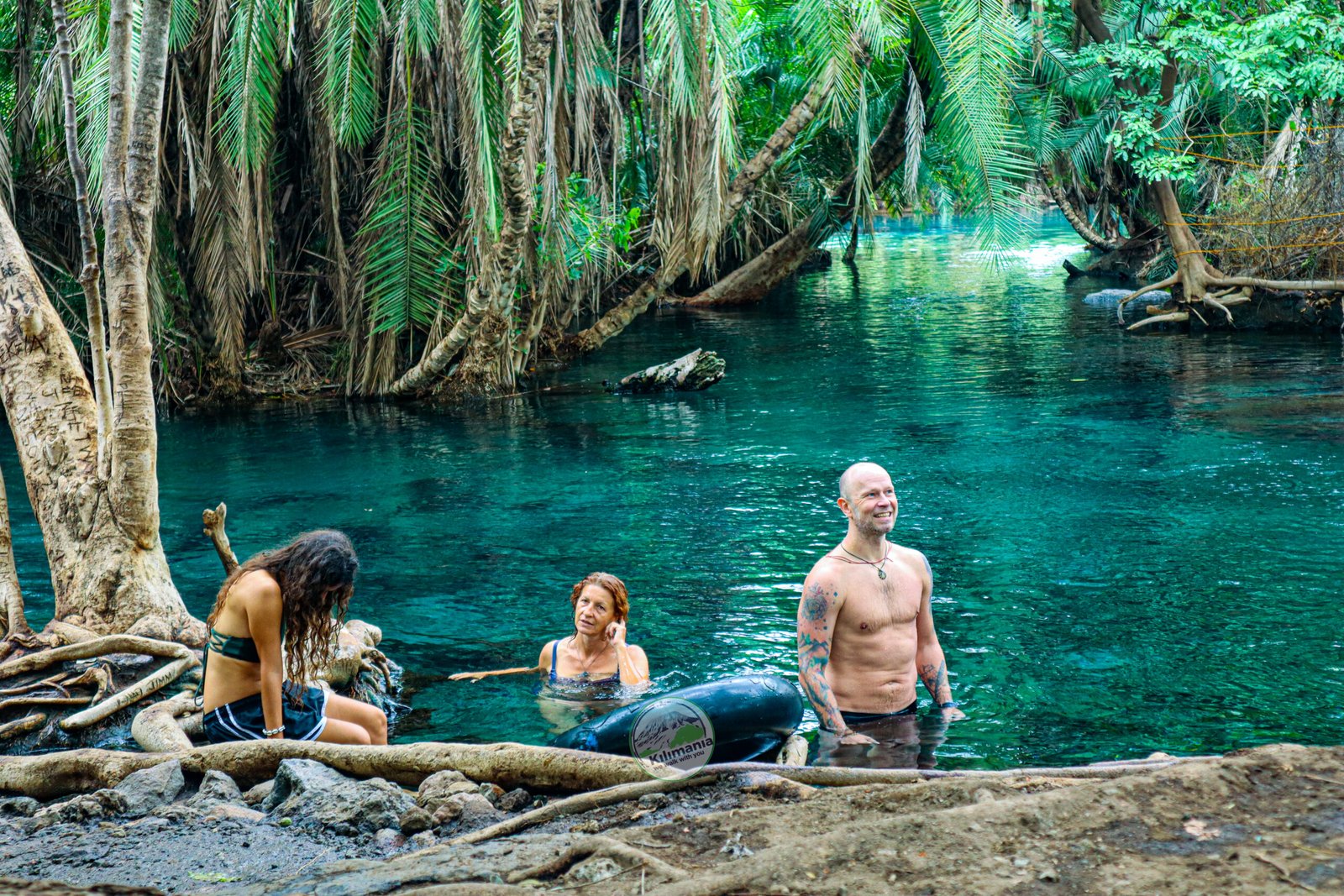
The right things to do before and after climbing Kilimanjaro depend on one question: is your body getting ready for the mountain, or recovering from it? Before the climb, choose a low-effort day — Chemka Hot Springs, a Maasai Boma visit, or plain rest — that protects your sleep and energy. After the descent, put recovery first and hold off on another demanding hike or a long safari day until your legs and your sleep have caught up. In short: avoid demanding hikes and long safari days right before the climb, and give yourself an easy day right after it.
Quick answer
Before the climb: protect your energy
Good fits: rest, Chemka Hot Springs, a Maasai Boma visit, a quiet day in Moshi town. Materuni Waterfalls works if you feel fresh and the climb is two or more days away.
Schedule carefully: the Kilimanjaro day hike to Mandara Hut, the Shira Plateau, and long safari days such as Tarangire.
After the climb: protect your recovery
Good fits: rest, Chemka Hot Springs, a gentle cultural visit, an easy day in town, a flexible schedule.
Hold off on: another mountain day, long walking itineraries, stacked activities, and a long safari day straight after descent if you’re exhausted.
Before the Climb: Arrive Rested, and Don’t Treat Day Trips as Acclimatisation
The day before a Kilimanjaro climb should not turn into an accidental second adventure. Most climbers arrive in Moshi after long-haul flights, fit in a gear check and a briefing, and then leave early for the park gate. Every hour of sleep you protect in that window is worth more on summit night than one more set of photos.
There’s also a common myth to clear up. A day trip will not “pre-acclimatise” you in any reliable way. Moshi sits at roughly 900 m, and your body adapts to Kilimanjaro’s altitude through gradual exposure on the mountain itself — which is exactly why longer Kilimanjaro climbing itineraries include extra days. A low-altitude outing keeps you moving and occupied. It doesn’t replace that process. The CDC Yellow Book chapter on altitude illness explains that altitude stress depends on how high you go, how fast, and for how long, and that day trips with a return to lower elevation are much less demanding on the body. That is also why a single day up high is no substitute for a gradual climbing itinerary.
Before you book anything in the days before your climb, run through these questions:
- How many nights are left before the climb starts? One night means rest; two or three leave room for a gentle outing.
- How much walking does the trip involve, and is the ground steep or slippery?
- Does it need an early start or a long drive that eats into sleep?
- Will it clash with your gear check, briefing or packing time?
- Does it take you to altitude? If so, it’s a mountain day, not a rest day.
- Are you still carrying jet lag from the flight in?
Lower-effort trips before the climb
Chemka Hot Springs
Chemka is the slowest day on this list. The drive from Moshi takes 45–75 minutes, and once you arrive the day is swimming, floating and sitting in the shade — no mountain walking. The water is around 27°C: warm, not hot. “Chemka” means “boiling” in Swahili and describes the way the water bubbles up from the ground, not its temperature. Some sections are deep, so follow your guide’s safety instructions if you swim. Treat Chemka as a relaxed day out, not a treatment. The Chemka Hot Springs visitor guide covers the site itself in more detail.
Maasai Boma visit
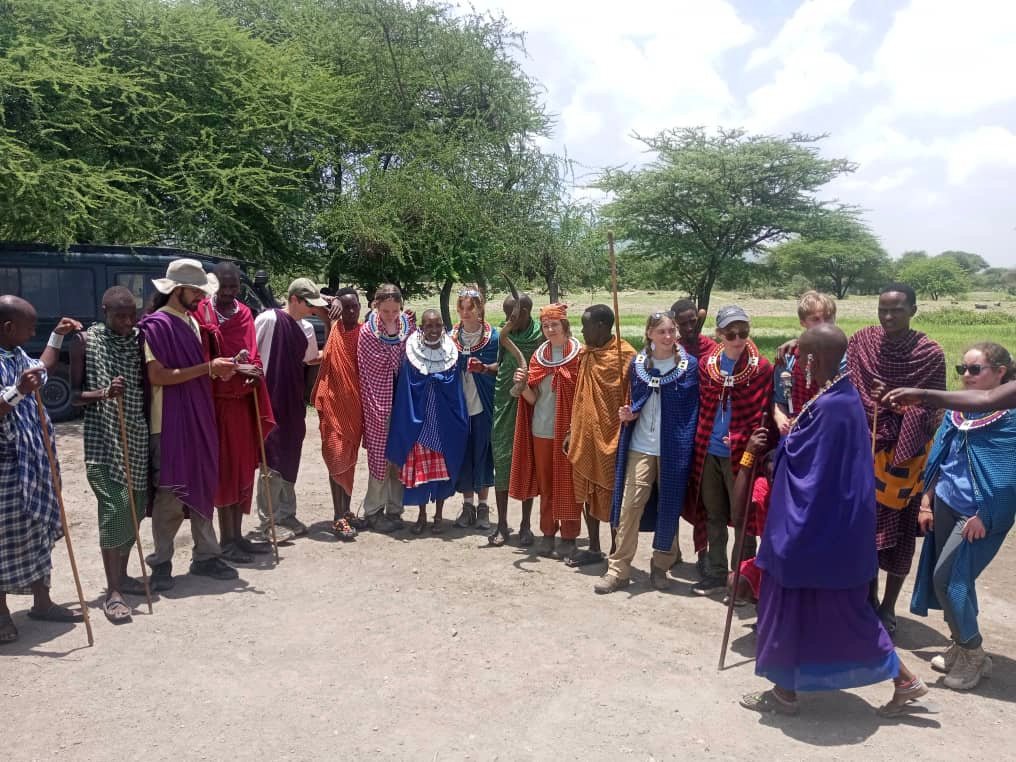
A boma visit is an easy, half-day cultural experience that’s paced by conversation, not distance. It works well when you want to see something of northern Tanzania but your body is still adjusting to the flight. If you’re wondering what the visit actually involves, read what happens on a Maasai Boma tour before you decide; logistics are on the Maasai Boma day trip page.
Materuni Waterfalls
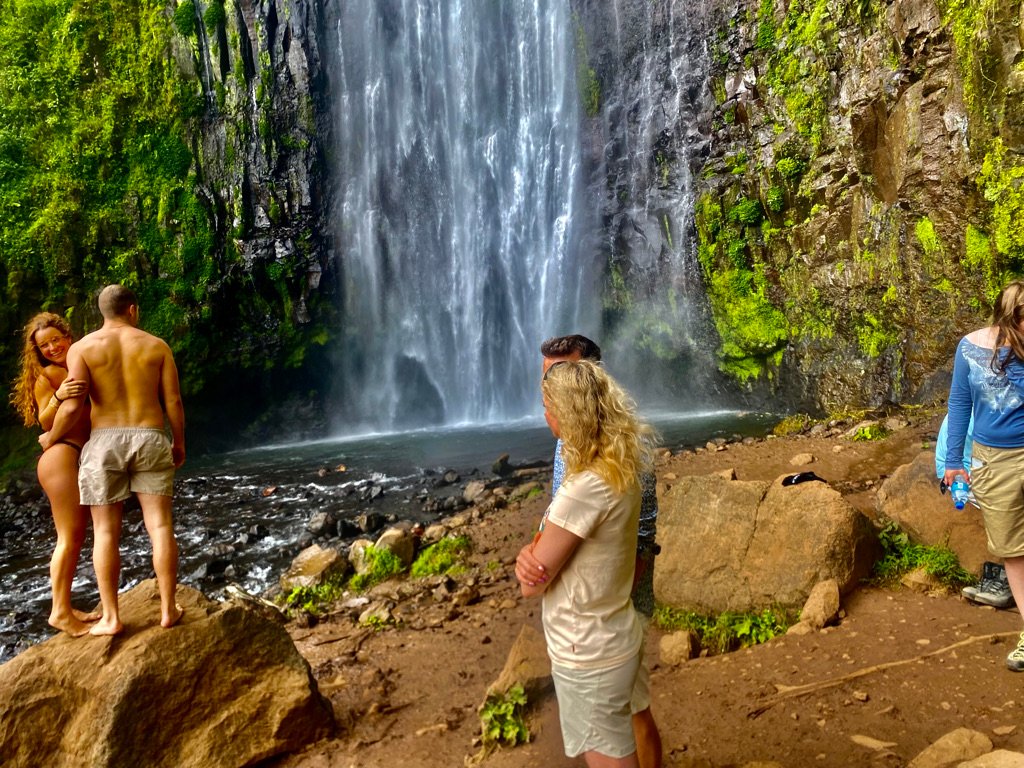
Materuni is not a rest day in the way Chemka is. The drive from Moshi is short (30–45 minutes), but the trip is rated moderate: you walk over uneven ground to reach the falls, and that ground can be slippery after rain. The water at the base pool is cold. Materuni suits travellers who feel fresh and whose climb is two or more days away. It’s a poor pick for the day before an early gate departure. For the full picture, see the Materuni waterfalls and Chagga coffee guide, compare it directly in Materuni vs Chemka, or check the Materuni day trip itinerary.
Trips to schedule carefully before the climb
None of these is a bad trip. They’re simply physical or long days, and they need space around them if a climb is coming.
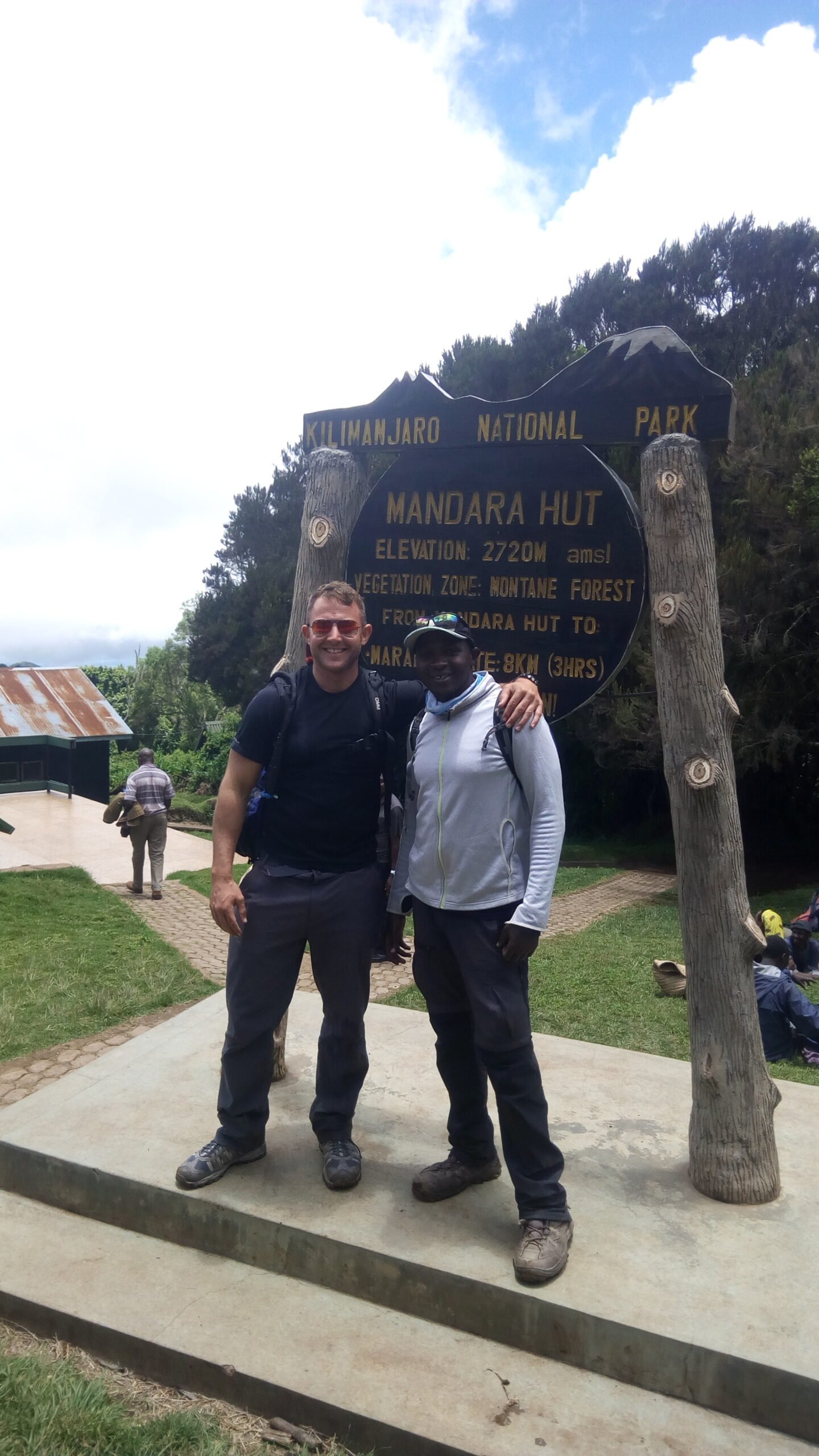
Kilimanjaro day hike to Mandara Hut
This is the Marangu Route day hike on Kilimanjaro itself — a different product from the Marangu Waterfalls cultural trip. It’s a moderate mountain walk of five to seven hours through rainforest to Mandara Hut at approximately 2,700 m, then back down the same day. It does take you higher than Moshi, but one day at that height isn’t a substitute for acclimatisation on your actual climb, and it will leave your legs tired. If you do it before the climb, leave recovery nights before your start date. The Mandara Hut day hike guide explains the trail honestly, and booking details sit on the Marangu Route day hike page.
Shira Plateau
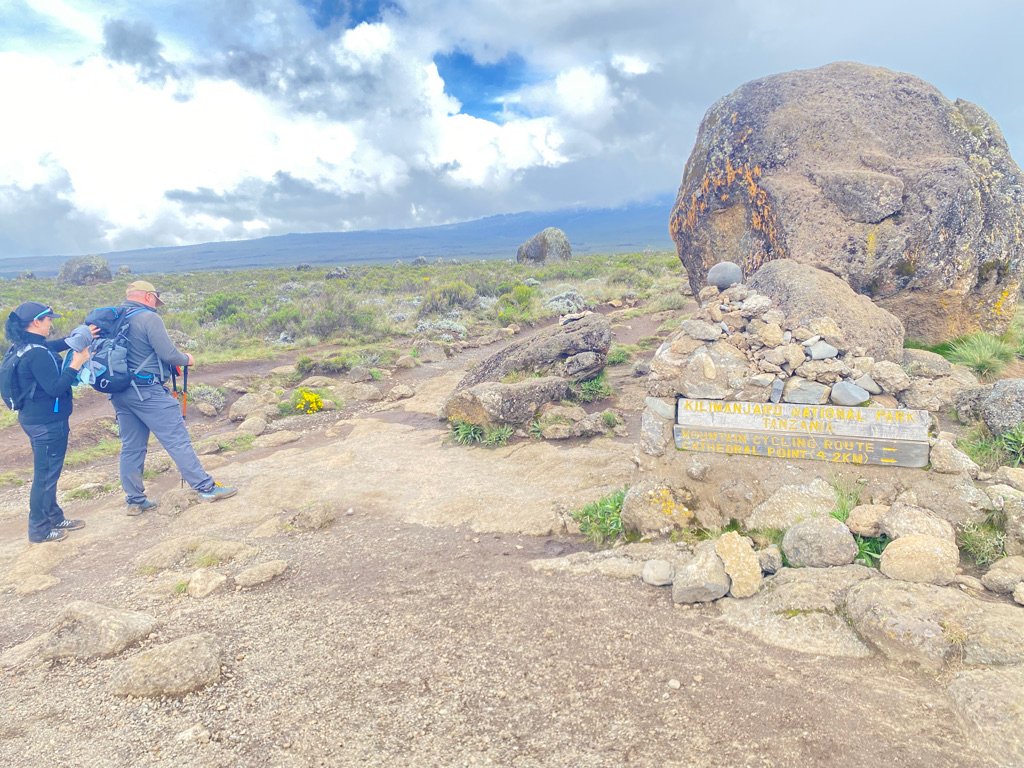
The Shira Plateau is a high-altitude environment, and it asks more of your body than any other day trip here. The 4×4 drops you at the Morum Barrier at approximately 3,400 m, and the walk across the plateau reaches roughly 3,500–3,800 m, with Shira Cathedral at about 3,720 m.
Altitude note: Guests sleep at Moshi level (approximately 900 m) but spend several hours at 3,400–3,800 m on the plateau. Mild altitude sickness symptoms are possible. Inform your guide immediately if you feel unwell.
That makes Shira a trip to plan on its own terms rather than squeeze in as a warm-up. If you’re weighing the two mountain day trips as standalone outings, this Marangu day hike vs Shira Plateau comparison sets them side by side. The Shira Plateau day hike guide and the Shira trip page cover the plateau itself.
Tarangire and other long safari days
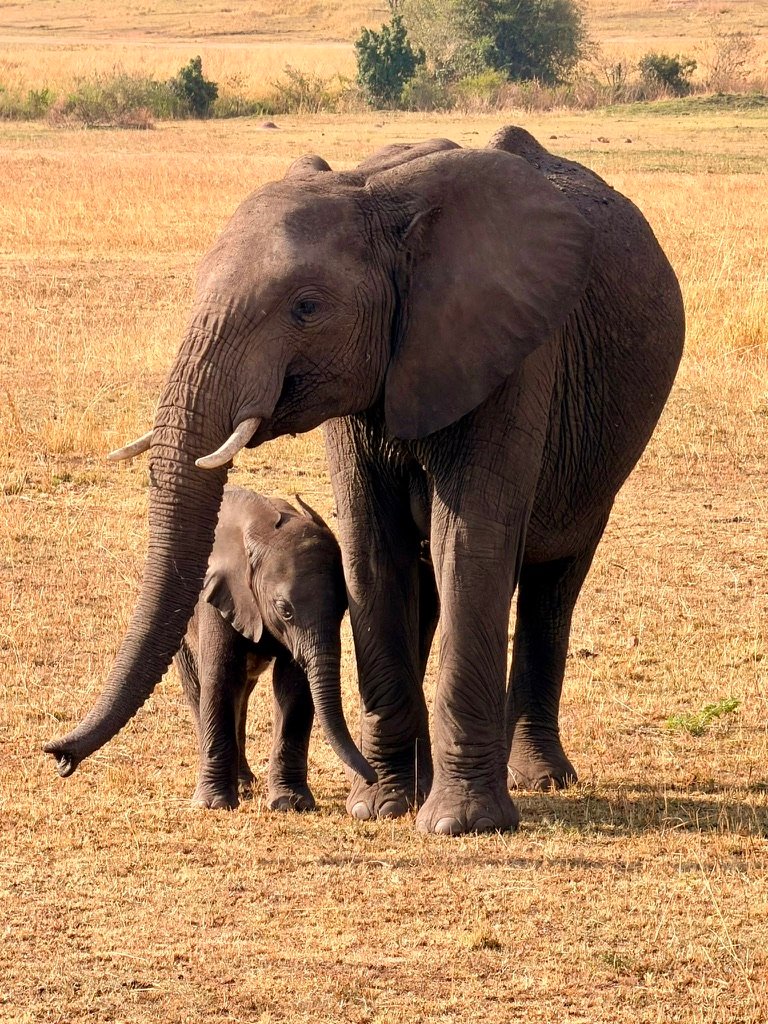
From Moshi, Tarangire is a long day: approximately 12–14 hours door to door, including around 7–9 hours of driving and roughly 4–5 hours in the park. It’s vehicle-based, so it isn’t a hiking effort — but the early start and the hours on the road can still leave you tired. Keep it at least two days away from your climb, never the day before. Details are on the Tarangire National Park day trip page.
Stacked days and late finishes
Two activity days in a row, or anything that gets you back late the night before a 6am wake-up, costs you sleep you can’t easily recover once you’re on the mountain.
After the Climb: Recovery Comes First
Reaching Uhuru Peak doesn’t mean your body is ready for another big day. Descent days are long, your knees and thighs take much of the load on the way down, sleep on the mountain is often broken, and appetite can drop at altitude. In our experience, some climbers feel fine at the gate and only notice how tired their legs are the next morning, on the hotel stairs.
Guides on Kilimanjaro repeat pole pole — slowly, slowly — all the way up. The same rule works for the days after. Before you book a post-climb outing, ask:
- How do your legs feel on stairs and slopes?
- How much sleep did you lose on the mountain, and have you made any of it back?
- Is the next day flexible, or does something fixed follow it?
- Does the trip involve long walking, steep descents or another high-altitude environment?
- Are you heading straight on to a safari or to the airport?
The day after Kilimanjaro: don’t overbook it
Keep the first full day after descent flexible. Sleep in, eat, drink water, and decide in the morning, not weeks ahead, whether you want an outing at all. If you feel well, one low-effort trip is plenty; if you don’t, rest is the right plan.
Book nothing fixed and demanding for that day. The Kilimanjaro recovery timeline covers the days that follow in detail; this guide only deals with choosing a day trip.
Chemka Hot Springs: the low-effort recovery day after Kilimanjaro
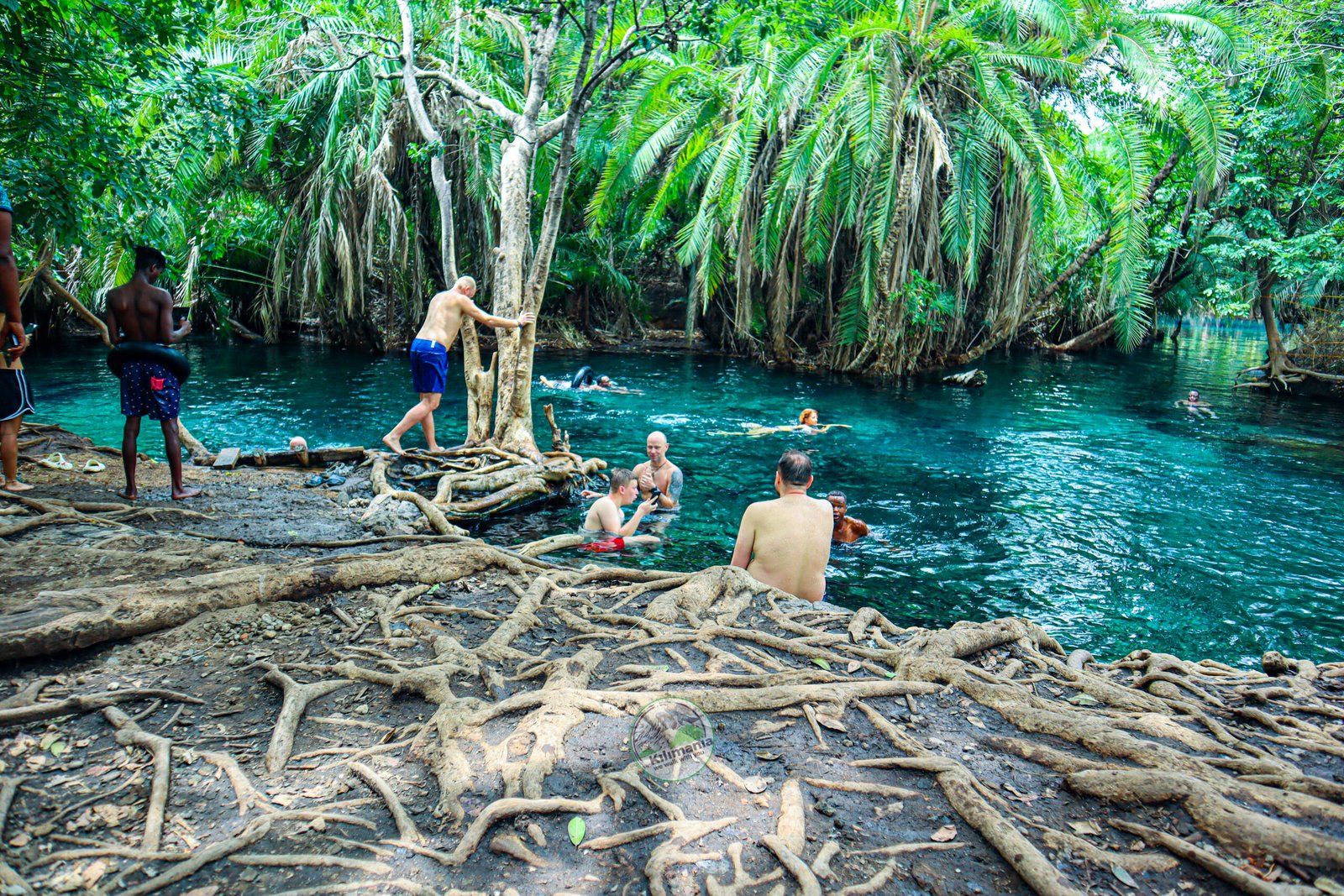
For most climbers who want an outing after descent, Chemka is the default choice. The walking is minimal, the water is warm (around 27°C), there’s shade under the fig trees and palms, and the change of scene after a week on the mountain is welcome. You set the pace: swim, float, or sit on the bank. It won’t medically speed your recovery — nothing on this list will — but it keeps the demand on your body low while you enjoy a day out. Trip details are on the Chemka Hot Springs day trip page.
If you’re comparing water-based trips, note that Lake Chala is not a swimming destination: crocodiles are present in the lake. The Lake Chala day trip is a crater-lake visit, not a swim. Chemka is the swimming day trip from Moshi.
Gentle cultural options
A Maasai Boma visit works just as well after the climb as before it: easy walking, a half-day format, and a pace you can shape around how you feel. If you’d rather stay close to your hotel, an easy day in Moshi town keeps the travel to almost nothing. Travellers moving on towards Arusha for a safari can spend a quiet afternoon there instead — see one day in Arusha city. And if you’re flying out soon after descent, the layover and airport transfer guide helps you work out what fits before a flight.
What to avoid in the first 48 hours after descent
This is practical trip-planning guidance rather than a medical rule. Everyone recovers differently. But in the first two days, many climbers are better off without:
- Another strenuous mountain day. The Mandara Hut day hike and the Shira Plateau can wait.
- Long walks with steep, slippery descents. Tired legs and wet ground are a poor combination, so Materuni is better later in your stay.
- Several activities stacked into one day. Pick one thing, then rest.
- Very early starts for long drives. If a safari follows your climb, keep its first day as flexible as you can.
- Non-refundable, demanding bookings made before you know how you’ll feel.
If you feel unwell: altitude-related symptoms often ease as you descend, but not always, and some altitude illnesses need urgent treatment. If your symptoms are getting worse, aren’t easing after descent, or you feel unusually unwell, don’t treat a day trip as the answer. Tell your guide or hotel straight away and seek medical care. Background: CDC guidance on altitude illness.
The Pre-Climb Day-Trip Decision Table
This table rates each trip by what it asks of your body before a climb. None of these trips acclimatises you; the question is how much energy each one costs.
| Trip | Physical demand | Pre-climb fit | Main reason | Planning note |
|---|---|---|---|---|
| Chemka Hot Springs | Low | Generally suitable | Relaxed water day with no mountain hike | Leave time for sleep and your briefing |
| Maasai Boma | Low | Generally suitable | Cultural visit with little walking | Good when you’re still jet-lagged |
| Materuni Waterfalls | Moderate | Depends on fitness and timing | Waterfall and coffee visit on foot | Keep it two or more days before the climb |
| Kilimanjaro day hike (Mandara Hut) | Moderate mountain walk, 5–7 hours | Schedule carefully | Real mountain walking and elevation | Treat it as another physical outing |
| Shira Plateau | High (altitude) | Cautious | Several hours at 3,400–3,800 m | Not a rest day; plan it on its own |
| Tarangire National Park | Low on foot, long day overall | Possible, but tiring | Safari by vehicle, not hiking | At least two days before the climb |
Match the day to your situation
| Your situation | Suitable direction |
|---|---|
| Climb starts tomorrow | Rest, or the lowest-effort option only |
| Climb starts in 2–3 days | A gentle or moderate cultural or waterfall trip, if you’re rested |
| Just descended | A recovery-first day: rest or Chemka |
| Legs still sore | Avoid hikes with long climbs or descents |
| Going straight on to safari | Keep the transition day flexible |
| Feeling unusually unwell | Medical advice first, not another excursion |
For month-by-month conditions, see the guide to timing day trips in Tanzania. If your climb dates aren’t fixed yet, the Kilimanjaro joining calendar shows scheduled group departures, so you can plan buffer days on either side.
What a Chemka Day Costs, and How to Plan Yours
Chemka is the trip most climbers end up choosing on either side of the mountain, so here is its full group-size pricing. From $70 pp for a group of five.
| Group size | 1 | 2 | 3 | 4 | 5 |
|---|---|---|---|---|---|
| Price per person | $110 | $90 | $80 | $75 | $70 |
Worked example: a group of four pays $75 per person, so $300 in total. For groups larger than five, send an enquiry for a quote. Inclusions and the day’s itinerary are on the full Chemka inclusions and itinerary; costs across other trips are explained in the Tanzania day trip cost guide.
Not sure which day fits? Send your climb dates and how you expect to feel, and a guide will suggest an option — or tell you to rest.
Who This Suits, and Who Should Plan Differently
Who this guide is for
Climbers with one or more spare days in Moshi before or after Kilimanjaro, people deciding how many buffer days to book around a climb, and anyone combining a climb with a safari who needs to know where the tiring days should fall.
Who should choose something else
- You arrive the day before your climb. Skip the day trip. Rest, eat, and get through your briefing.
- You’re a non-climbing companion. The physical-state logic here doesn’t apply to you; the wider guide to day trips from Moshi is a better starting point.
- You want a hard hiking day as the main event. Plan the mountain day trips as standalone outings, well away from a multi-day climb.
- You feel unwell after descent. Get medical advice before planning any excursion.
- You fly out within a day of descent. Keep that day for rest and packing, or look at the layover options above.
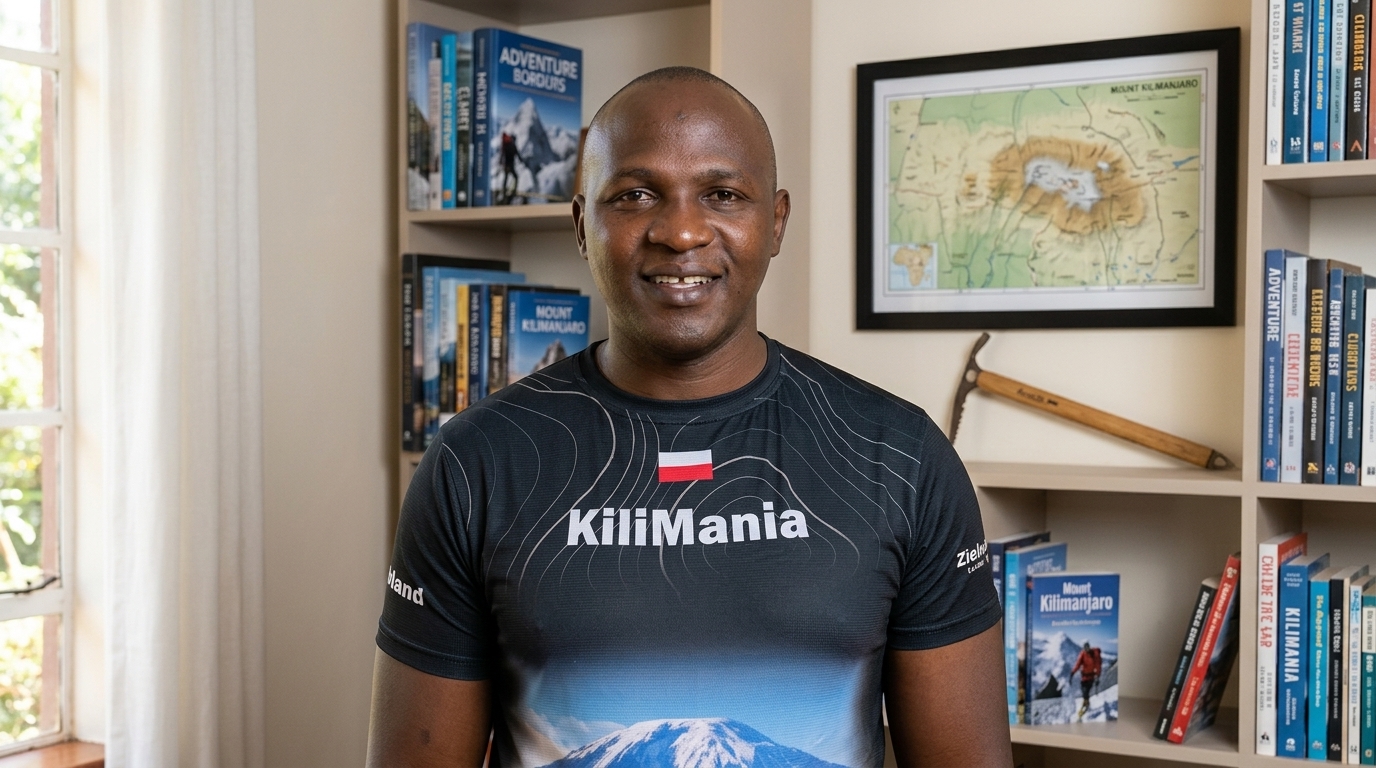
Sabinus’s Note from the Trail
“I have watched hundreds of clients try to do too much before their climb. They book a safari day trip the day before their ascent, drive to Tarangire and back, and start the mountain already tired. The mountain does not care about your itinerary. If you start the mountain already tired, that fatigue can follow you all the way to Barafu Camp. The pre-climb day trip worth taking is the one that leaves you fresher than you were before — not the one with the longest drive or the most photos.”
- Who
- Sabinus Msimba, senior guide, 22+ years on Kilimanjaro
- Where
- Pre-climb days in Moshi; summit-night camp at Barafu
- What he sees
- Climbers who spend their last free day on a long drive start the climb already tired
- Why it matters
- Plan the day before your climb around energy, not a checklist. Keep long drives away from the days just before the mountain.
Frequently Asked Questions
What should I do the day before climbing Kilimanjaro?
Keep it light. Rest, eat properly, drink water, repack your daypack and attend your gear check and briefing. If you want an outing, choose something low-effort such as a Maasai Boma visit or a short, unhurried look around Moshi town, and be back early. The day before a climb is the wrong moment for a long drive, a mountain hike or a late night.
Is Chemka Hot Springs a good trip before Kilimanjaro?
Usually, yes, as long as it leaves time for sleep and your briefing. Chemka involves very little walking and no mountain terrain, so it keeps the physical demand low. It will not acclimatise you to altitude, and it is still a day out with a drive each way, so it fits better two days before the climb than the evening before an early gate departure.
Can I visit Materuni Waterfalls before climbing Kilimanjaro?
You can, if you feel fresh and the climb is two or more days away. Materuni is rated moderate: the walk to the falls crosses uneven ground that can be slippery when wet. That makes it a pleasant active day for rested legs, but a poor choice if you are still jet-lagged or your climb starts the next morning.
Does a day hike help you acclimatise before Kilimanjaro?
Not in any reliable way. Acclimatisation comes from gradual exposure to altitude over several days, which is why longer climbing itineraries exist. A Kilimanjaro day hike to Mandara Hut does take you higher than Moshi, but it is also a full mountain walk of five to seven hours. Treat it as a physical outing that needs recovery time, not as a shortcut.
What should I do after climbing Kilimanjaro?
Recover first. Sleep, eat, drink water and let your legs settle. When you feel ready for an outing, pick something with little walking and a flexible pace, such as Chemka Hot Springs, a Maasai Boma visit or a day in Moshi town. Save demanding hikes and long drives until your energy has come back.
Should I take a rest day after climbing Kilimanjaro?
It is sensible planning, especially before a safari or a long-haul flight. Descent days are long, sleep on the mountain is often broken, and it is easy to underestimate how tired your legs are until the next morning. A flexible first day after the climb lets you rest or take a gentle trip, depending on how you actually feel.
Can I go on safari straight after Kilimanjaro?
Many climbers do, because safari is vehicle-based rather than a hiking effort. The catch is the schedule: early starts and long hours on the road add to fatigue you already carry. If you can, keep one flexible day between descent and the first long safari day, and tell your guide how you are feeling before you set off.
Are Chemka Hot Springs actually hot?
No. The water is warm, at around 27°C, rather than hot. “Chemka” means “boiling” in Swahili and describes the way the spring water bubbles up from the ground, not its temperature. That warmth makes it comfortable for a long, slow swim, which is part of why it works as a low-effort day before or after a climb.
Things to Do Before and After Climbing Kilimanjaro: The Short Version
Before Kilimanjaro, protect your energy: at Moshi’s roughly 900 m, no day trip will acclimatise you, so choose the one that costs you least — or rest. After Kilimanjaro, protect your recovery: one easy day, warm water or a gentle cultural visit, and nothing demanding until your legs and sleep come back. Choose the day trip by the state your body is in, not by how much you can fit in. The full range of options is on the Tanzania day trips hub. Karibu Moshi — we walk with you, before and after the summit.
About the author: Sabinus Msimba
Senior Kilimanjaro Guide and Co-founder of Kilimania Adventure, based in Moshi. Sabinus has guided on Mount Kilimanjaro for more than 22 years, has reached Uhuru Peak more than 300 times, and is licensed by the Kilimanjaro National Park Authority (KINAPA). Mount Kilimanjaro National Park is managed by Tanzania National Parks (TANAPA) and is a UNESCO World Heritage Site.
Last updated:
Disclosure: Kilimania Adventure operates the day trips and Kilimanjaro climbs described on this site. Recommendations in this guide are based on the physical demands and planning considerations described above. Prices are the 2026 published rates and are confirmed in your quote before booking. This guide is general trip-planning information, not medical advice.