
Timing guidance below comes from Sabinus Msimba’s field experience running these four trips from Moshi. Prices are Kilimania’s locked 2026 day-trip rates. Park information is referenced to Tanzania National Parks (TANAPA).
For photography day trips Tanzania travellers take from Moshi and Arusha, light does not behave the same way at every destination: the conditions that flatter a waterfall in a forested gorge are rarely the conditions that put a giraffe in front of a clear Mount Meru. Materuni, Chemka, Arusha National Park and Lake Manyara each reward a different part of the day, so the destination you pick should follow the subject you want to photograph. In short: Materuni wants even light across the whole fall, Chemka wants sun reaching the pool floor, Arusha National Park wants an early start before cloud builds on Meru, and Lake Manyara wants filtered forest light and a low sun over the shore.
This guide goes site by site: what the light does, which subject it suits, what spoils the shot, and how a private departure lets you plan around it.
Photography Day Trips Tanzania: Key Facts
- Destinations coveredMateruni, Chemka, Arusha National Park, Lake Manyara
- Starting pointsMoshi (all four) · Arusha for the two national parks
- SubjectsWaterfall, spring water, wildlife with mountain backdrop, forest and lakeshore birds
- Trip formatPrivate vehicle and guide; departure planned around your photography, within park opening hours
- Chemka waterAbout 27°C, warm, not hot
- PricesFrom $70 to $240 pp for a group of five, depending on destination
Table of Contents
Most travellers plan a day trip around the drive, the lunch stop and the return time. Photographers need one more variable: where the sun sits when you arrive. Northern Tanzania is close to the equator, so the sun climbs steeply after sunrise and the soft, angled light that photographers chase does not last long. Pole pole (slowly) is how we walk on the mountain. On a photography day it pays to be anything but slow in the morning.
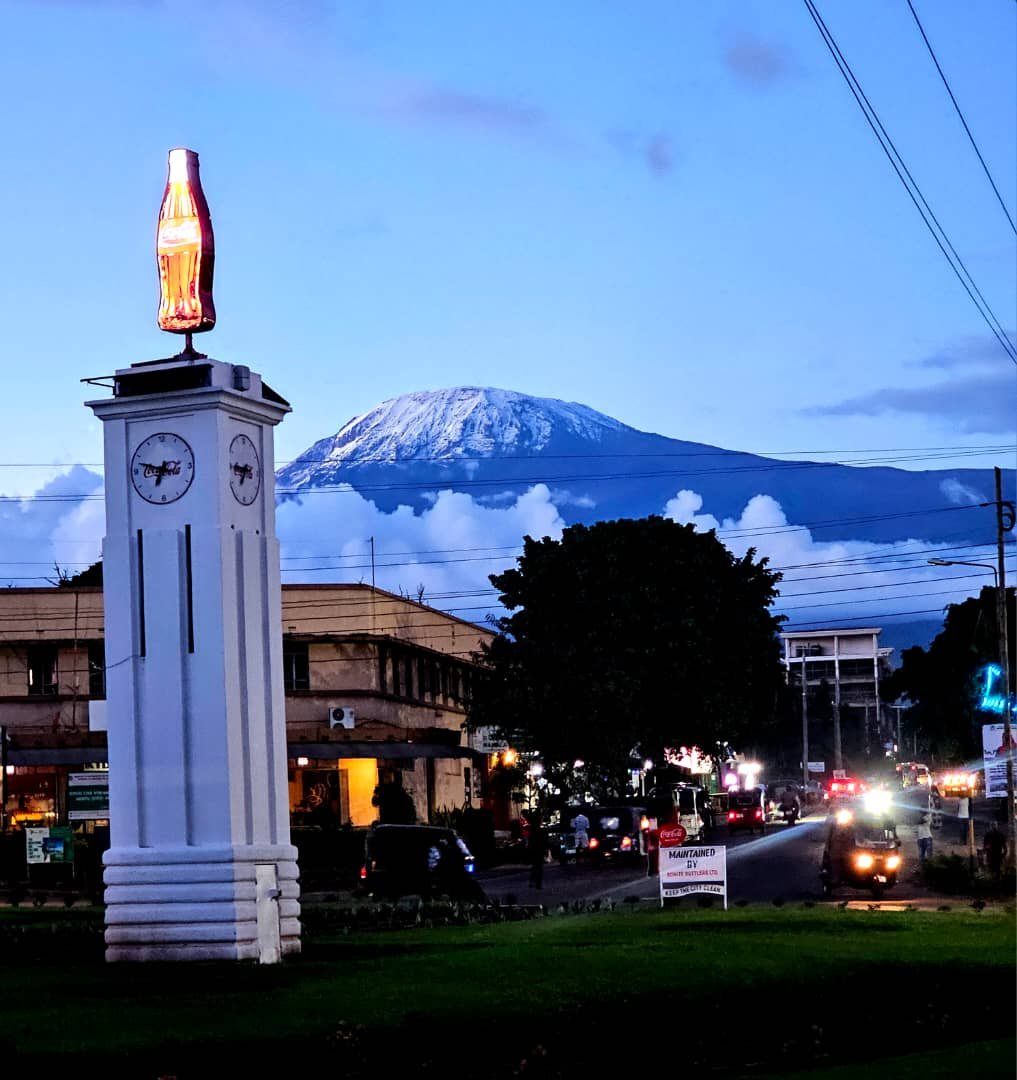
This article covers light and timing only. For the full list of trips, their logistics and what each day includes, start with the Tanzania day trips hub.
When the Light Is Best — By Destination
Each of the four sites has a subject that defines it and one condition that spoils it. Exact hours shift with season and weather, so the table focuses on the light condition to wait for rather than a fixed clock time.
| Destination | Main subject | Light that works | What spoils it | Timing note |
|---|---|---|---|---|
| Materuni | Waterfall, pool, forest | Even light across the whole fall: open shade or thin cloud | Sun striking part of the white water while the gorge stays dark | Shoot when the whole fall and pool sit in even light; guides reorder coffee and waterfall to reach the pool in that window |
| Chemka | Clear spring water, fig roots, swimmers | Sun high enough to reach the pool floor | Heavy canopy shade or surface glare | Colour is strongest when sun reaches the pale pool floor; walk the bank first and frame the lit patch |
| Arusha National Park | Giraffe with Mount Meru behind | Low, angled light with the summit clear | Cloud gathering on Meru as the day warms | Early start from Moshi or Arusha, before cloud builds on Meru; low light also shows coat texture |
| Lake Manyara | Forest light, lakeshore birds | Low sun for the shore; filtered light in the forest | Heat shimmer and glare over the open lake at midday | Forest in soft filtered light; shore earlier or later in the day to avoid midday heat shimmer |
Light windows shift with season and weather. Your guide adjusts the day to the conditions you actually get.
For month-by-month conditions, see the best time to visit guide.
Materuni — Waterfall Photography
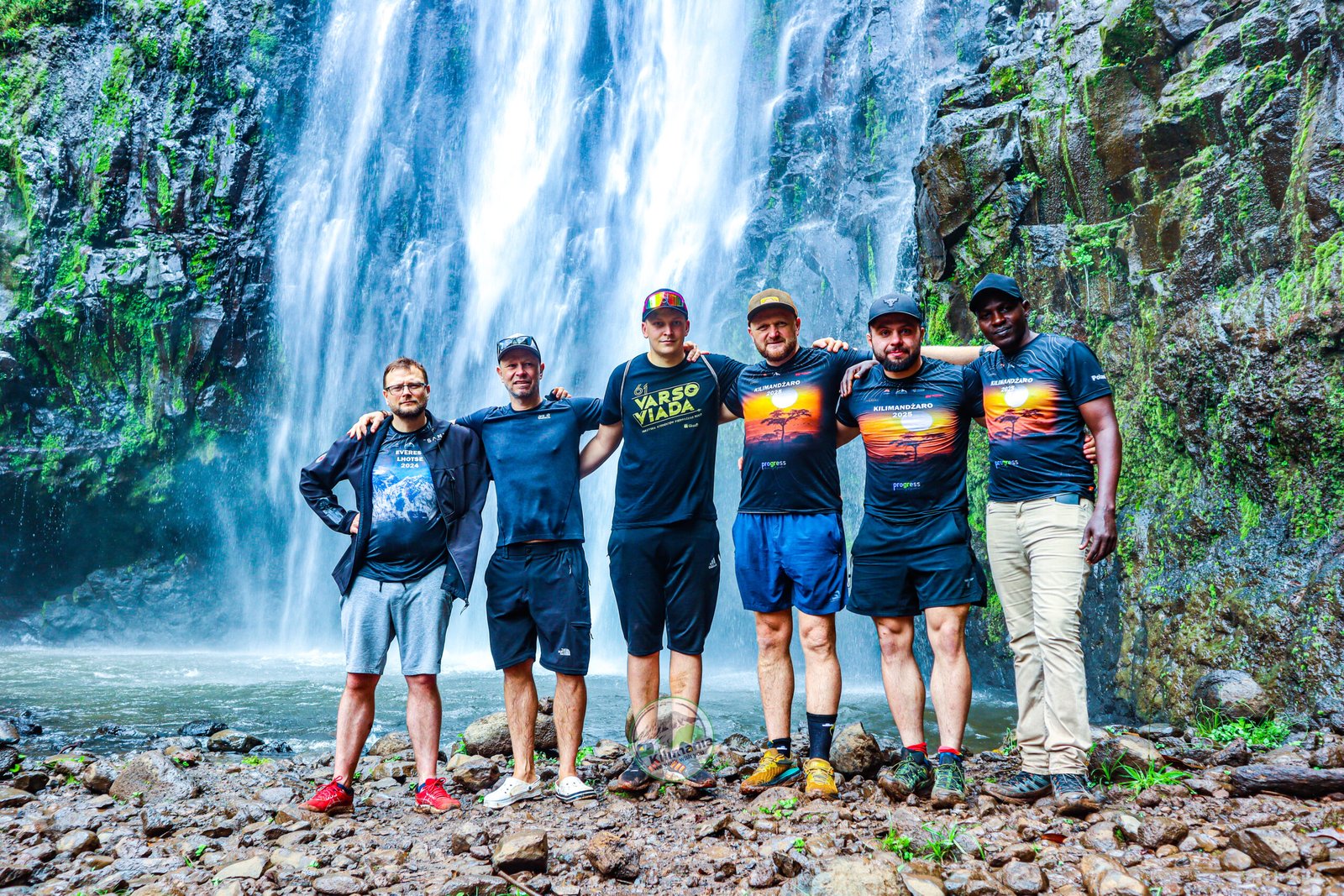
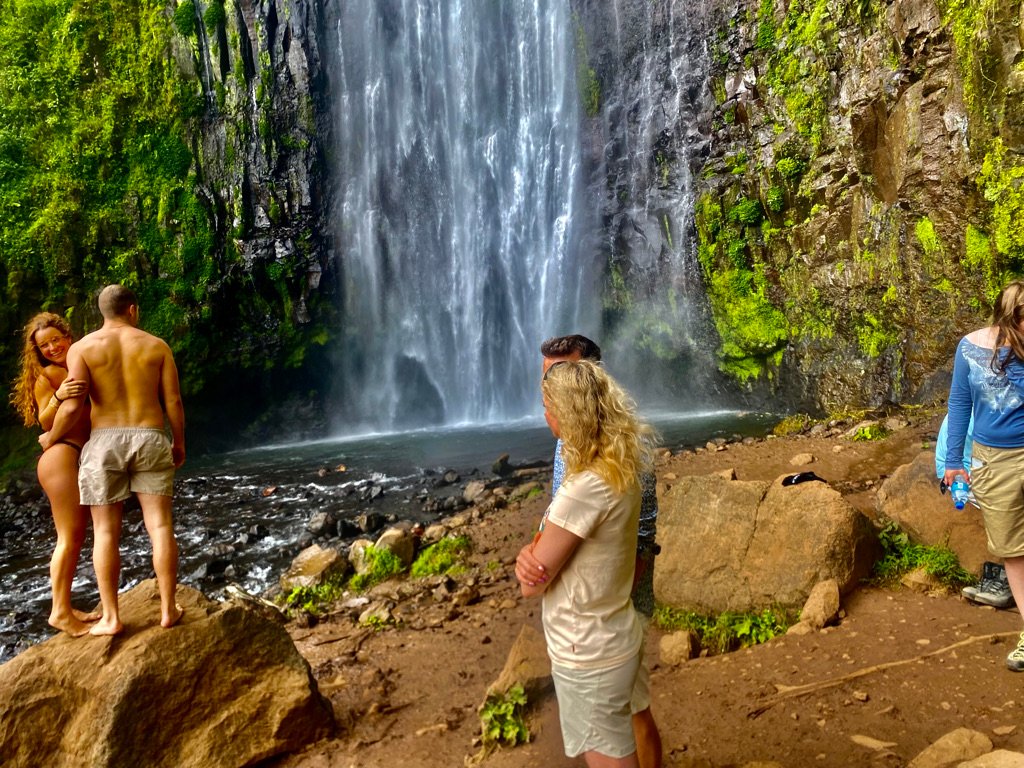
Materuni is a waterfall in a steep, forested valley on the lower slopes of Kilimanjaro, above the Chagga village of the same name. That setting shapes every photograph you take there. The rock walls and trees hold the pool in shade for much of the day, while the falling water is bright white. A camera struggles with that gap. When direct sun lands on one part of the fall and not the rest, you get clipped highlights on the water and near-black foliage beside it.
What works at the falls
- Even light. Shoot when the whole fall and pool share the same light: fully in shade, or under a thin veil of cloud. Overcast days that disappoint landscape photographers often suit Materuni.
- Vertical frames. A portrait-orientation frame from the pool edge takes in more of the drop than a wide horizontal one.
- Spray management. Spray drifts across the pool, so keep a cloth in your pocket and a rain cover on the bag. Lens changes are safer back on the trail.
- Slow shutter. For silky water, brace against a rock or bring a small tripod. The trail is narrow and busy at times, so be ready to fold it quickly.
The rest of the day offers subjects that are far less time-sensitive: hands roasting and grinding coffee, banana groves and village paths. That flexibility matters, because your guide can switch the order (coffee first, falls second, or the reverse) to put you at the pool when the light suits it. Guides routinely switch the order of the coffee stop and the waterfall walk so the pool is reached while the light is still even.
Materuni is village land below the boundary of Kilimanjaro National Park, a UNESCO World Heritage Site, so the mountain’s forest shapes the light here. The Materuni Waterfalls day trip starts from $85 pp for a group of five. The walk, coffee tour and logistics are covered in the Materuni and Chagga coffee guide.
Chemka — Water and Wildlife
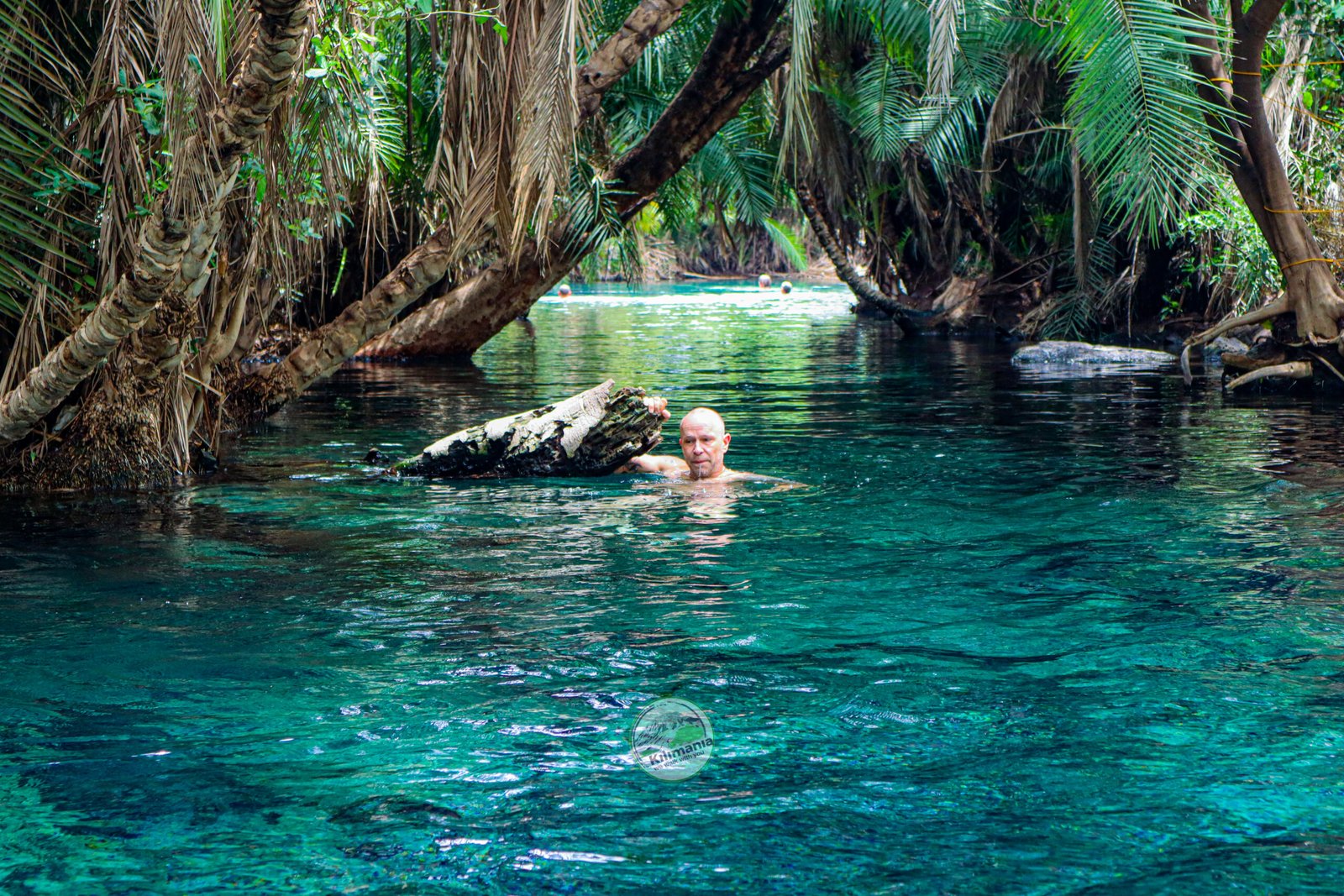
Chemka is the swimming day trip from Moshi, and the water is the photograph. One point to clear up first: the name means “boiling” in Swahili, but that describes the way water bubbles up from the ground, not its temperature. The water is about 27°C. Warm, comfortable, nowhere near hot.
Clear spring water shows its colour when sunlight passes through it and bounces back off the pale pool floor. So the colour you see in photos depends on how much direct light reaches the water. The fig trees and palms around Chemka complicate this. Their canopy throws patches of shade that move across the surface as the sun climbs, and a pool that looks grey-green in one corner can read clear turquoise a few metres away.
Composing at Chemka
- Find the lit patch first. Walk the bank before shooting and note where sun reaches the bottom. Build the frame around that area.
- Use a polariser. Rotating a polarising filter cuts surface glare and lets the colour of the water show through, on phones with a clip-on filter too.
- Roots as foreground. The fig roots that reach into the water make strong lead-in lines; keep them in shade and the lit water behind.
- People in the frame. A swimmer gives the pool scale. Ask before photographing other visitors, especially local families.
Wildlife here is secondary to the water. Birds move through the trees and monkeys are occasionally seen; treat any animal as a bonus rather than a reason to book.
The Chemka Hot Springs day trip starts from $70 pp for a group of five. Swimming, facilities and what to bring are in the Chemka visitor guide, and if you are choosing between the two Moshi water trips, the Materuni vs Chemka comparison covers that decision.
Arusha National Park — Giraffe Against Meru
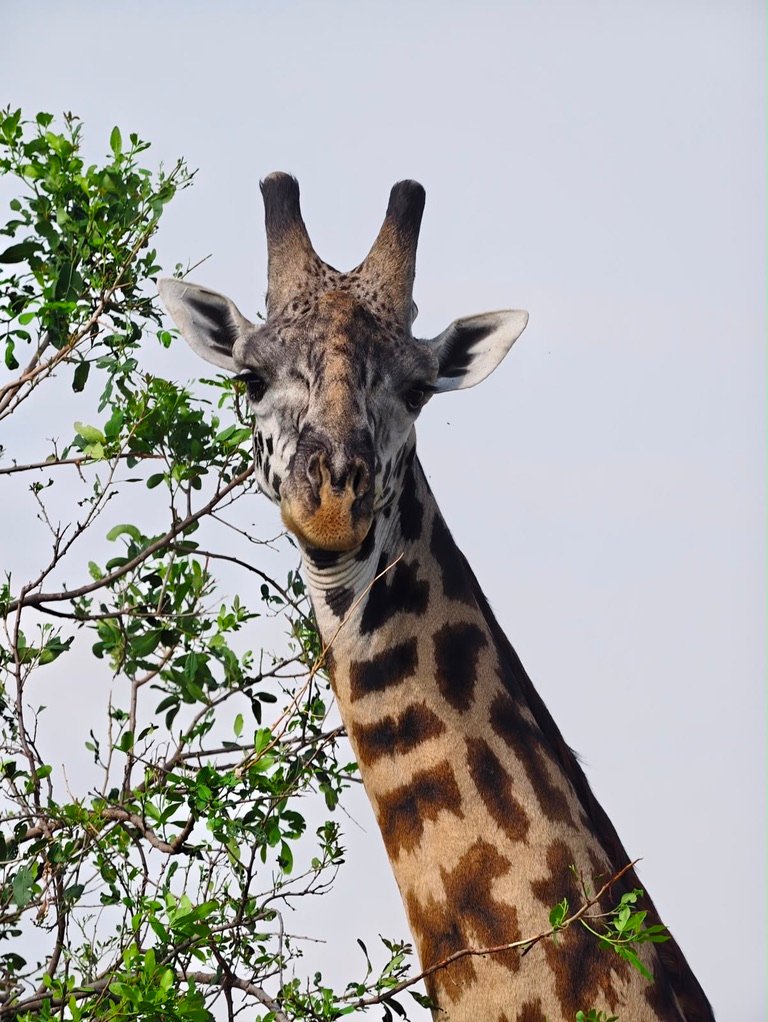
The frame most photographers come for is simple to describe and hard to catch: a giraffe in the open grassland with Mount Meru (4,565 m) rising behind it. Giraffe are commonly seen in the park, though any sighting depends on where the animals are that day. The mountain is the less reliable half of the picture. Like most high peaks, Meru tends to gather cloud as the ground warms through the day, and once cloud develops over the summit it may stay for the rest of the morning.
That is why this trip, more than the others, rewards an early start. Low morning light also brings out the texture of a giraffe’s coat, which flattens under a high sun. An early start from Moshi or Arusha gives the strongest chance of a clear Meru backdrop, and if that frame is your priority, tell your guide before you enter the park so the drive heads to the open grassland first.
Other subjects in the park
- Momella Lakes: waterbirds and, at some times of year, flamingos. Numbers vary; a longer lens helps from the track.
- Ngurdoto Crater: a forested crater viewed from the rim, suited to wide landscape frames while the light is still low.
- Montane forest: black-and-white colobus monkeys in the canopy. Expose for the monkey, not the bright sky behind it.
- Walking or canoeing: where these are part of your itinerary, they give a lower, closer perspective than the vehicle. Confirm what your day includes when booking.
Two cautions. Mount Meru visibility depends on the weather and cannot be promised on any day. And this is a park visit, not a climb: the peak you are photographing is a multi-day ascent. Park rules, including entry and conduct, are set by TANAPA.
The Arusha National Park safari starts from $215 pp for a group of five. Route, habitats and logistics are in the Arusha National Park day trip guide.
Lake Manyara — Forest Light and Flamingos
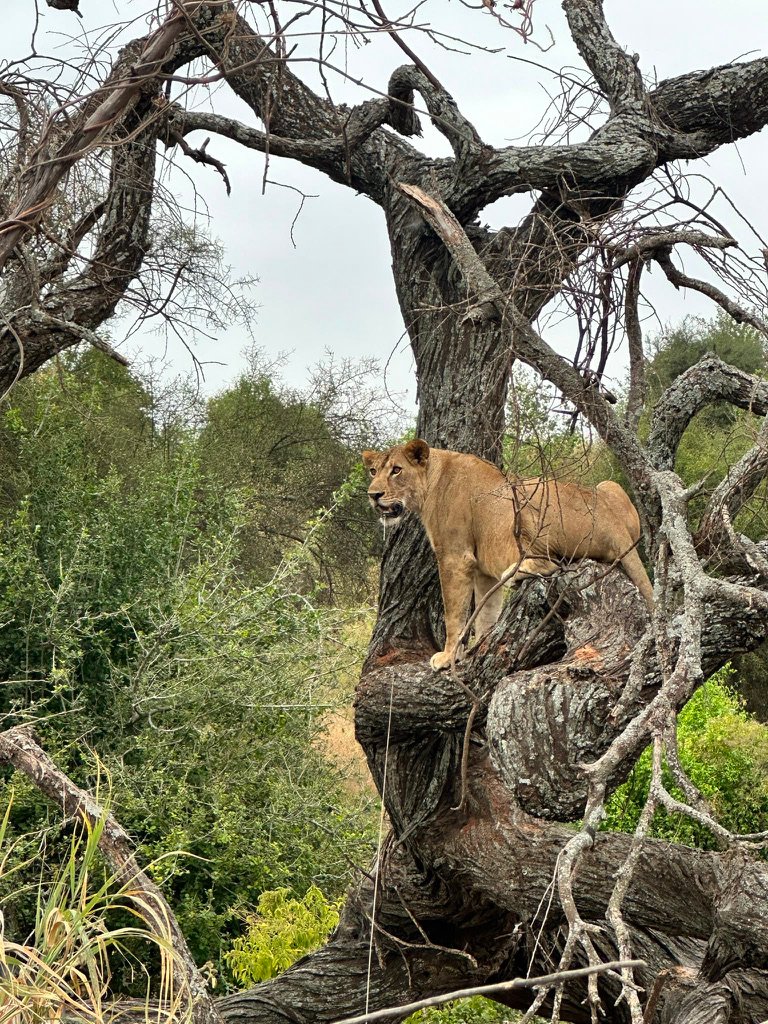
Lake Manyara gives a photographer two very different settings in one park, and each asks for a different approach.
The groundwater forest
Near the entrance, tall trees fed by groundwater form a shaded forest. Light here arrives filtered and broken. When the sun is low, it slants between trunks and lifts the scene; once the sun is high, it breaks into hard spots of brightness on a dark forest floor, which is difficult to expose for. Baboon troops and other forest animals are the usual subjects. Raise your ISO and accept it: a sharp, slightly noisy frame beats a blurred one.
The open lakeshore
The shore is the opposite: open sky, pale ground and a shallow soda lake that reflects light back at you. Around midday, heat rising off the flats blurs anything photographed at long range, and flamingos on the far water turn into pink smudges. Low sun, earlier or later in your visit, gives cleaner detail. Flamingo numbers depend on water levels and season, so they are possible on a visit, not certain. Many itineraries visit the groundwater forest first, then move to the lakeshore while the light is still low enough to avoid heat shimmer.
A word on tree-climbing lions
Lions resting in trees at Manyara are real, and the photo above was taken on one of our trips. They are also rare. Most visits do not include a sighting, and no operator can promise one. The usual explanation is thermoregulation: off the ground a lion catches more breeze and gets relief from heat and biting flies. If you see one, the shot usually needs a long lens and patience while the cat shifts position. The Lake Manyara day trip guide gives the honest detail on sighting odds.
The Lake Manyara National Park safari starts from $240 pp for a group of five.
Why Private Trips Matter for Photography Timing
Every point above depends on one thing: being in the right place when the light suits your subject. A shared departure gives you less control over the exact time you reach a particular viewpoint or subject. That matters if the Meru summit is clear at the hour a shared vehicle is still collecting passengers.
Kilimania’s standard day trips are private (your own vehicle and guide) unless a joining option is specifically published. That gives a photographer four practical advantages:
- You shape the departure. An earlier start for Arusha National Park, a later one for Chemka if that suits the water, within park opening hours and the day’s itinerary.
- You can stay. If a giraffe is walking into frame, nobody is waiting on you.
- You can reorder the day. At Materuni, coffee first or falls first depending on cloud.
- You brief the guide once. Tell your guide the subject you care about and the day is planned around it.
Private is not automatically the right choice for everyone. If you are travelling solo on a tight budget and photography is secondary, sharing may suit you, and the private vs joining day trips guide sets out both sides. Travellers who want to share a vehicle can send an enquiry, and the team checks whether others are booked for the same trip.
What these four trips cost
Prices are per person for a private trip from Moshi, and fall as your group grows. For groups larger than five, contact us for a quote.
| Trip | 1 person | 2 people | 3 people | 4 people | 5 people |
|---|---|---|---|---|---|
| Chemka Hot Springs | $110 | $90 | $80 | $75 | $70 |
| Materuni Waterfalls | $130 | $110 | $95 | $90 | $85 |
| Arusha National Park | $340 | $290 | $255 | $230 | $215 |
| Lake Manyara National Park | $410 | $335 | $290 | $260 | $240 |
Worked example: two friends shooting Chemka privately pay $90 each, $180 in total, and choose their own departure time. Add a third photographer and the rate drops to $80 each.
Plan a trip around your light
Tell us what you want to photograph and when you are in Moshi or Arusha. We reply within 12 hours, 7 days a week (EAT). Karibu.
Who These Photography Day Trips in Tanzania Suit
Good fit
- Serious amateurs with interchangeable-lens cameras who plan around light
- Wildlife shooters with a long lens (Arusha National Park, Lake Manyara)
- Landscape photographers after water and forest (Materuni, Chemka)
- Phone photographers who want better results by arriving at the right hour
- Content creators who need a specific frame, not just a day out
Who Should Choose Something Else
- Travellers who mainly want a relaxed swim: book Chemka as a simple swim day and ignore the timing
- Visitors after culture rather than images: the day trips from Moshi overview shows the cultural options
- Anyone wanting large herds and several days in the parks: a multi-day Tanzania safari fits better
- People who dislike early starts: the wildlife frames here depend on them
Staying in Arusha instead of Moshi? The day trips from Arusha guide covers what is closest to you. Travelling with children or with limited mobility, see day trips with kids and accessible day trips.
Sabinus’s Note From the Trail
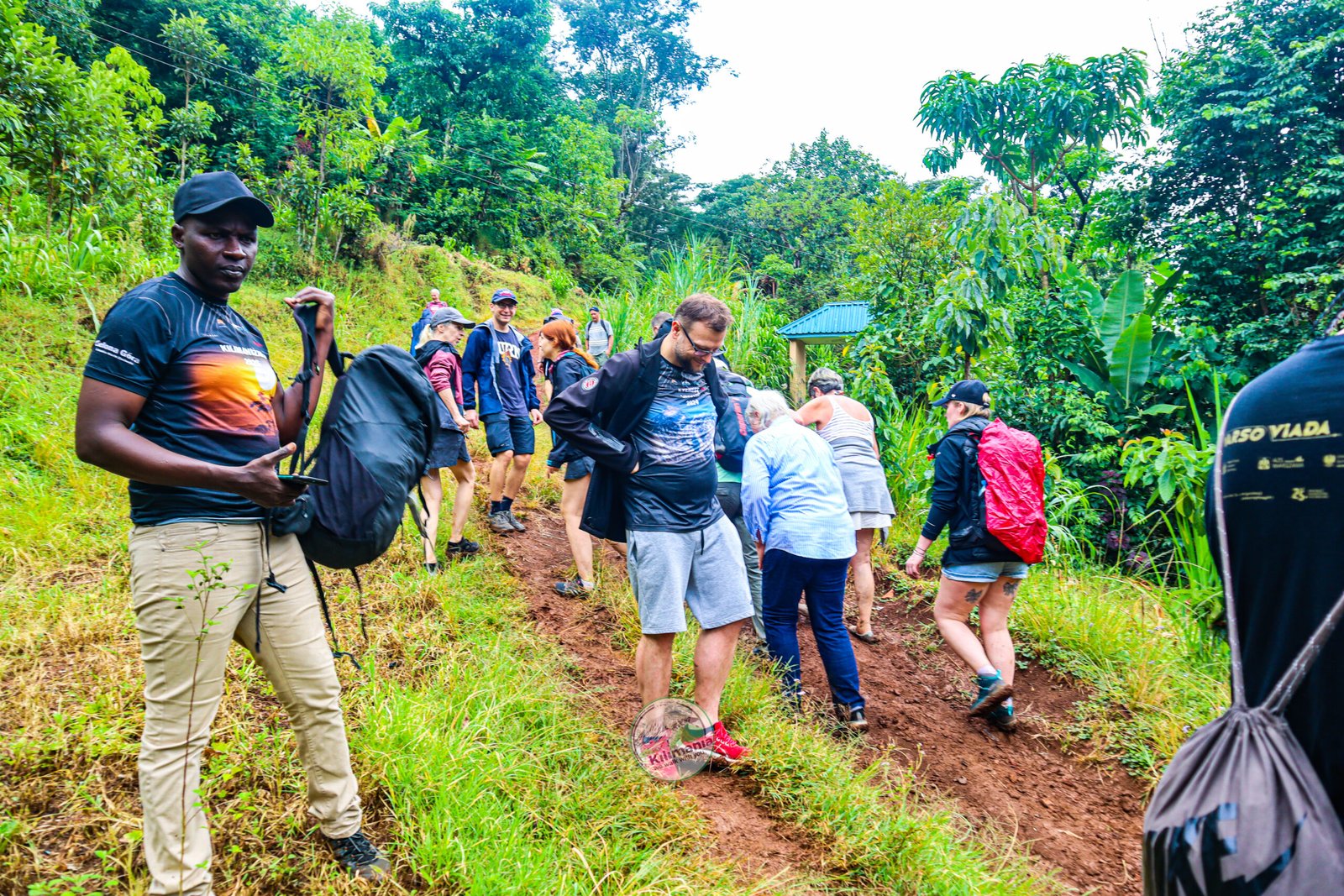
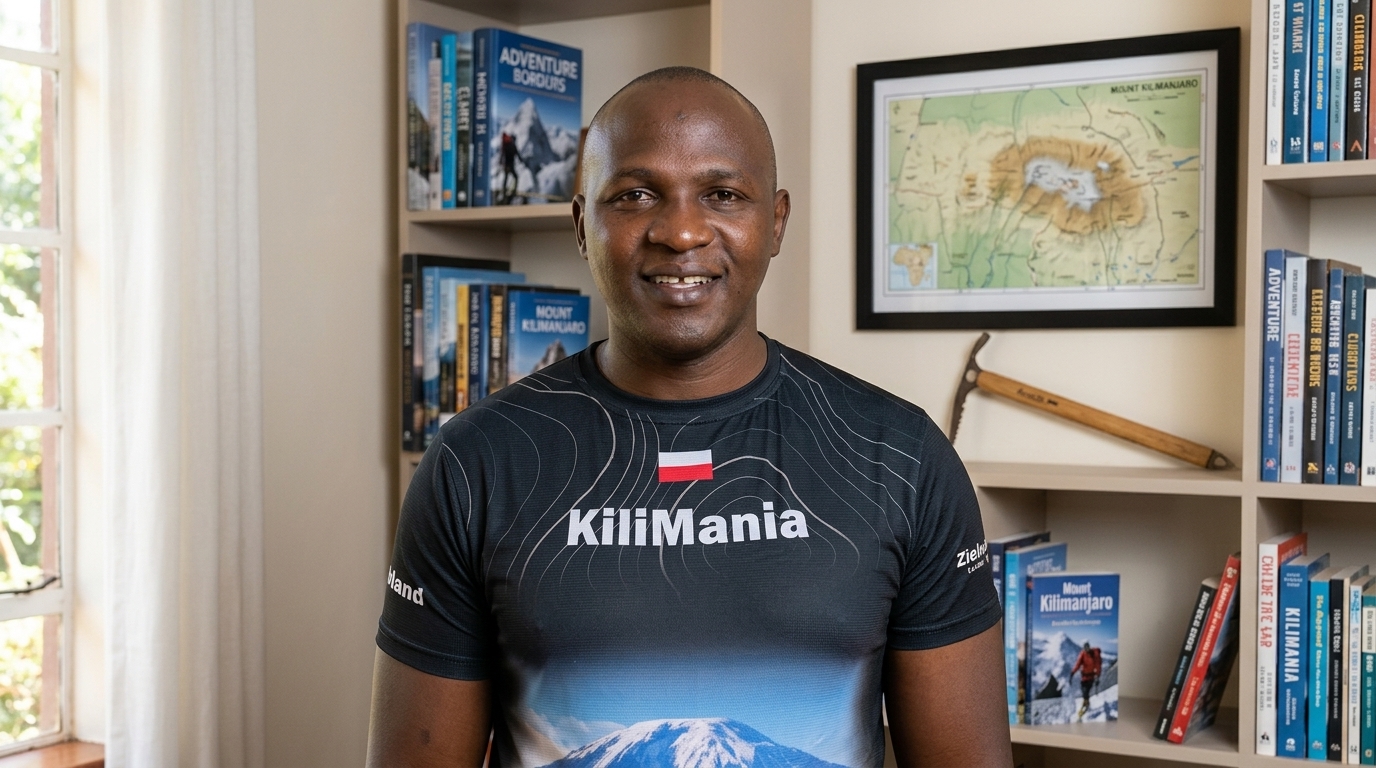
- Who
- Sabinus Msimba, guiding the trip
- Where and when
- Arusha National Park, early morning
- What was observed
- “Mount Meru is often clear at first light, but cloud builds on the summit as the ground warms. Once the peak is covered, it usually stays covered for the rest of our time on that side of the park.”
- Why it matters for your photos
- “We now leave Moshi earlier and head straight to the open grassland sightlines, so guests have the strongest chance of a giraffe-with-Meru frame before the cloud arrives.”
Frequently Asked Questions
What time of day is best for photographing Materuni Waterfalls?
Aim for the part of the day when the whole fall and pool sit in even light, either fully shaded or under thin cloud. When direct sun strikes part of the white water while the gorge stays dark, the contrast is too wide for most cameras. Your guide can order the day, walk first or coffee first, around that window.
Does Chemka Hot Springs look different in photos at different times of day?
Yes. Clear spring water shows its colour most strongly when sunlight reaches the pool floor, and the fig canopy around Chemka breaks that light into patches that shift as the sun moves. The water itself is about 27°C, warm rather than hot, so swimming and shooting fit easily into the same visit.
Can you see Mount Meru from Arusha National Park?
On clear days, yes. Mount Meru rises to 4,565 m above the park, but cloud often gathers on the summit as the day warms, and once it forms it may stay for the rest of the morning, so an early start gives you the strongest chance of a clear backdrop. Visibility depends on the weather and cannot be promised on any given day.
Is Lake Manyara good for bird photography?
Lake Manyara offers two settings for birds: the groundwater forest near the entrance and the open lakeshore. Flamingo numbers on the lake vary with water levels and season, so they are possible rather than certain. A telephoto lens helps on the shore, where birds often stand well out from the track.
Should photographers book a private day trip instead of joining a group?
If timing matters to your photographs, a private trip lets you set the departure, stay longer at one spot and change the order of stops when cloud or light shifts. Kilimania’s standard day trips are private unless a joining option is specifically published; if you would like to share a vehicle with other travellers, send an enquiry and the team will check availability.
Is a phone camera enough for a Tanzania day trip?
For Materuni and Chemka, where subjects are close, a recent phone handles the scenes well, provided you work in even light. For wildlife at Arusha National Park and Lake Manyara, animals are often too far for a phone, and a camera with a longer zoom lens makes a clear difference.
Can I fly a drone on a photography day trip in Tanzania?
Drone use in Tanzania is regulated, and national parks have their own restrictions. Kilimania’s day trips do not include drone flights. If you plan to bring a drone, check the current aviation and park rules before you travel and tell us in advance, and never launch one at a stop without written permission.
What camera gear should I pack for a photography day trip in Tanzania?
Pack a wide-to-standard zoom for waterfalls and pools, a longer zoom for wildlife, a polarising filter for water and sky, a rain cover or dry bag for waterfall spray, spare batteries and a microfibre cloth. The Tanzania day trip packing list covers clothing and general items.
Choose your trip, then choose your hour
Browse all four trips and their itineraries, or send us your shot list on WhatsApp and we will suggest the departure that suits it.
Four destinations, four different light problems. Materuni wants even light on the fall, Chemka wants sun on the pool floor, Arusha National Park wants an early start before Meru clouds over, and Lake Manyara splits between filtered forest light and a shore that turns hazy at midday. Pick the subject first, then the trip, then the hour. Prices start from $70 pp for a group of five at Chemka. Still deciding between the two Moshi water trips? The Materuni and Chemka side-by-side helps. We Walk With You.
Sabinus Msimba
Senior Kilimanjaro Guide & Co-founder, Kilimania Adventure
KINAPA-licensed guide with 22+ years of guiding and 300+ personal Uhuru Peak summits. He runs Kilimania’s day trips and climbs from Moshi.