
Tarangire National Park Day Trip From Arusha or Moshi: Drive Time, Elephants & Timing
Data sources: park facts and size from the Tanzania National Parks Authority (TANAPA); road distances are external route estimates, not TANAPA figures; the door-to-door timing ranges below are Kilimania’s own practical planning estimates from running this trip, not an official or universal measurement; pricing is Kilimania’s 2026 group pricing.
Yes, a Tarangire National Park day trip works from both Arusha and Moshi, but the road decides how the day feels. By Kilimania’s own planning estimates, the Moshi day runs approximately 12–14 hours door to door, of which 7–9 hours is driving, for approximately 4–5 hours in the park. From Arusha, Kilimania plans for approximately 8–11 hours door to door. Private trips run from $240 pp for a group of five.
Key Facts
| From Moshi | Approximately 7–9 hours of driving round trip (3.5–4.5 hours each way, subject to route and traffic) |
|---|---|
| From Arusha | Approximately 4–6 hours of driving round trip (2–3 hours each way, depending on timing and traffic) |
| Duration | 12–14 hours from Moshi (7–9 hours driving) / 8–11 hours from Arusha |
| Park time | Approximately 4–5 hours from Moshi |
| Park size | Over 2,850 km² (TANAPA) |
| Difficulty | Easy: a vehicle-based safari day |
| Price | From $240 pp for a group of five (current group pricing) |
| Suits | Travellers wanting a wildlife day trip with elephant viewing |
| Children | Possible, but the longer Moshi version may be tiring for younger children |
| Main dry-season wildlife window | June–October, with a shorter secondary dry spell in January–February |
| Departure | Early morning |
The Honest Drive-Time Maths — From Arusha and From Moshi
Tarangire National Park is in northern Tanzania. Arusha is approximately 118–120 km away by road. Moshi, in the Kilimanjaro Region, is approximately 194–240 km away, depending on the route through Arusha. These distances are external estimates, and the road time changes with traffic and conditions.
| Departure point | Approximate drive each way | Approximate total road time | Time available in the park | What the traveller should understand |
|---|---|---|---|---|
| Arusha | 2–3 hours | 4–6 hours | More of the day is available for game driving than on the Moshi version | Approximately 8–11 hours door to door. The road takes a smaller share of the day, so more of it goes to game driving. |
| Moshi | 3.5–4.5 hours (subject to route and traffic) | 7–9 hours | Approximately 4–5 hours | Approximately 12–14 hours door to door. The road takes more of the day than the park does. Accept that before you book. |
These ranges are Kilimania’s own practical planning estimates, based on how the trip is normally run — not an official or guaranteed travel time. Traffic, weather and road conditions on the day can change them.
From Moshi, Kilimania plans for the day to total approximately 12–14 hours door to door, of which 7–9 hours is driving, leaving approximately 4–5 hours in the park. That is a long day for a relatively short window of game viewing, and the trip is not the same from both starting points.
Arrival time at the gate matters because it sets how much of the day is left for the park. Exact departure and gate times depend on your hotel, the route and the traffic on the day, so confirm them with the operator when you book.
| Starting point | Road commitment | Park time | Practical implication |
|---|---|---|---|
| Arusha | Lower | More time available for game driving | More efficient for a Tarangire day trip. |
| Moshi | Higher | Approximately 4–5 hours | Possible, but the travel time should be accepted in advance. |
What Makes Tarangire Worth the Drive
Three things draw people to Tarangire: the dry-season elephants, the baobab trees and the Tarangire River that ties the two together. Each is real, and none of them can be promised on a given day.
Elephant concentrations in the dry season
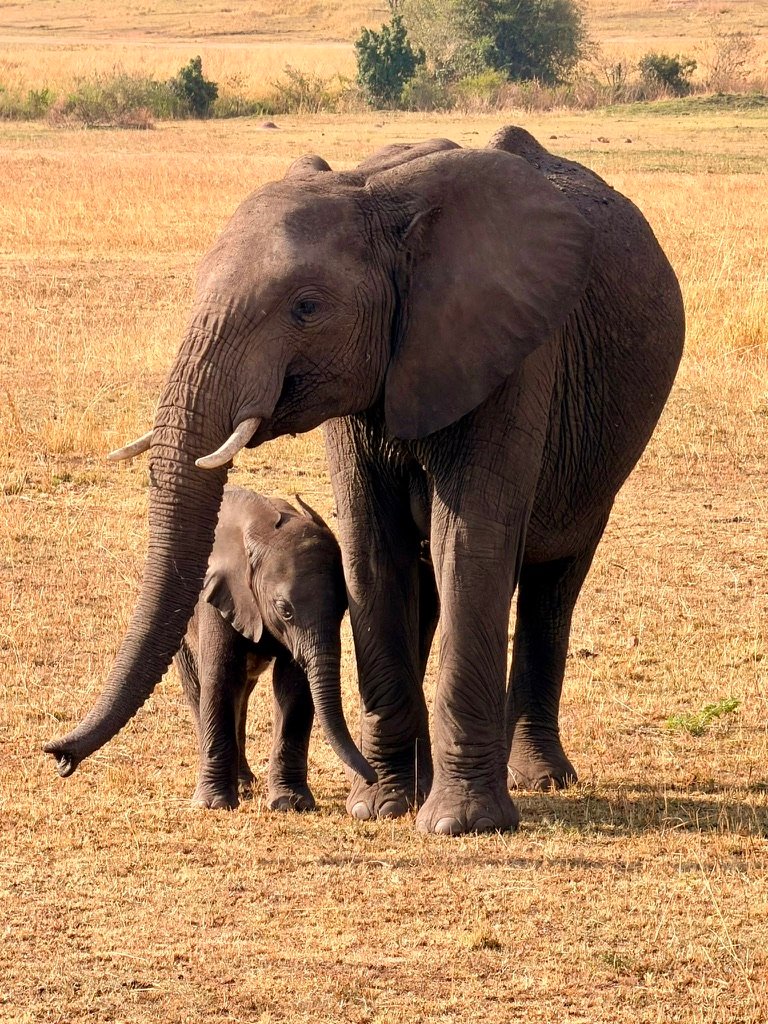
TANAPA and other verified sources associate Tarangire with high elephant concentrations in the Northern Circuit during the dry season, roughly June to October. The reason is water. When rain-fed sources elsewhere shrink, animals move toward water that remains, and the Tarangire River is the reference point of the park.
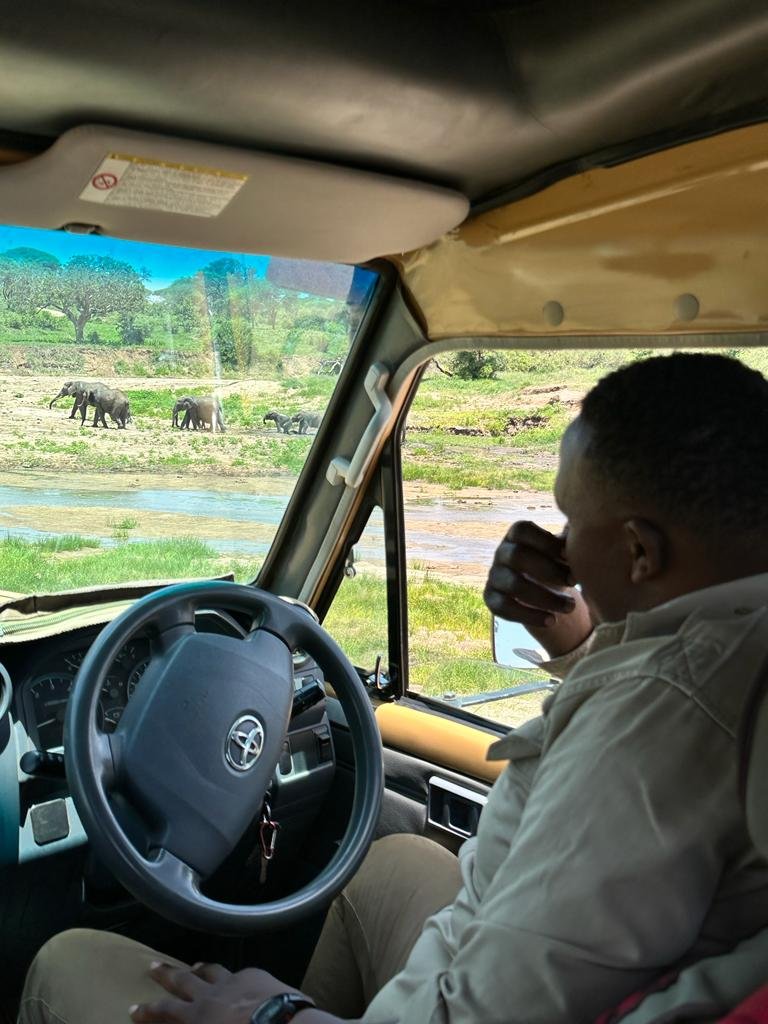
From a safari vehicle this usually means family groups near the riverbank and along the tracks that lead to it. Sightings are likely in peak season but cannot be promised, because wildlife moves and each day differs.
The baobabs
A baobab has a very thick, swollen trunk and a crown of short, blunt branches that can look like roots reaching into the sky. Tarangire is known for its giant baobabs. They stand alone or in small groups above the open savanna, so from the vehicle they read as landmarks rather than as a forest.
Baobabs shed their leaves in the dry season, which leaves the bare branches most visible during the same months that suit elephant viewing. A guide will know which trees are close to the track and worth a stop for photographs.
The Tarangire River
The river is the reason the dry-season concentration happens. In dry periods it is the main water source in the park, so the driving loop often follows it. Giraffe, zebra, wildebeest and buffalo also use the river, along with the predators that follow them. Exact numbers change by year and week, and we do not give sighting percentages.
Wildlife in Tarangire — What You Are Likely to See
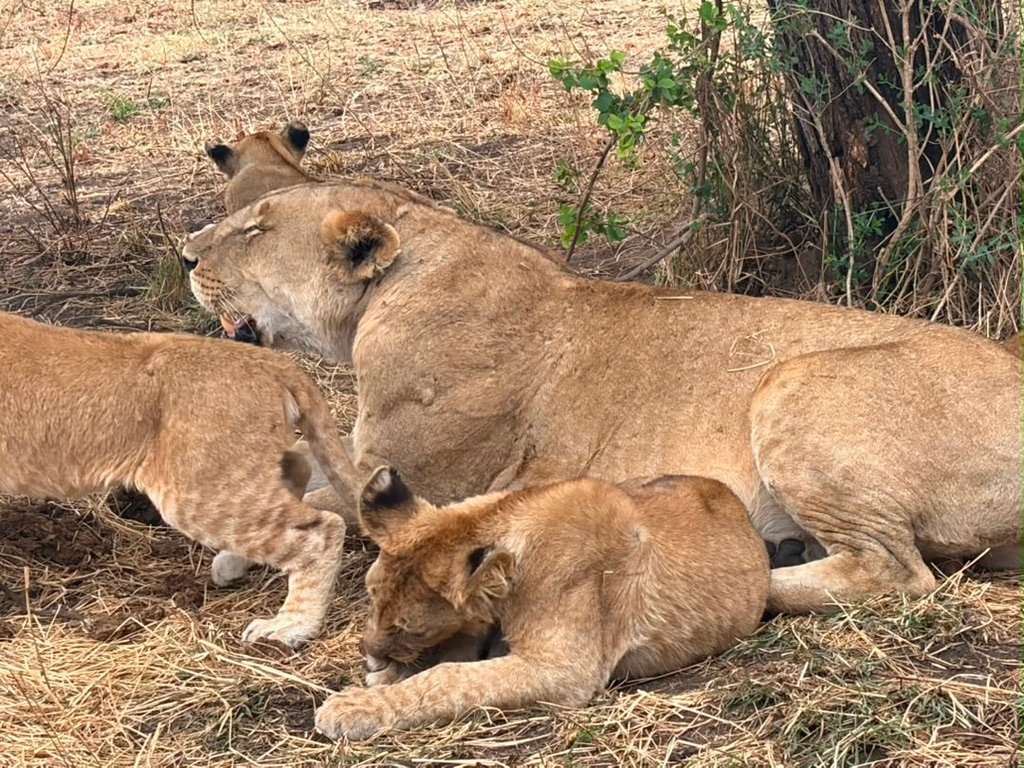
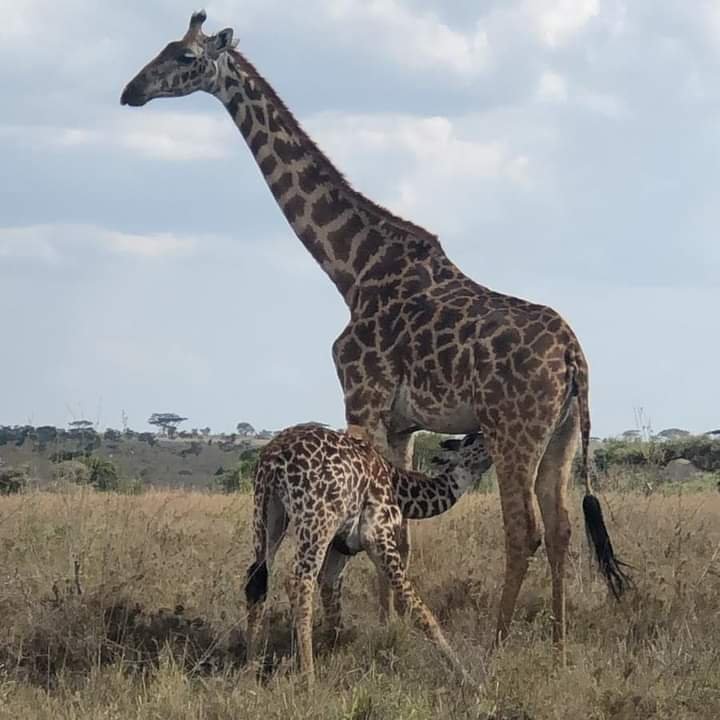
Wildlife commonly associated with the park includes elephant, giraffe, zebra, wildebeest, buffalo, lion, leopard and cheetah, plus more than 550 bird species (TANAPA). The table uses plain frequency words, not percentages, because no operator can promise a particular animal.
| Wildlife | What to expect | Notes |
|---|---|---|
| Elephant | Likely in the dry season | Associated with the river, June–October |
| Giraffe | You may see | Open savanna and woodland edges |
| Zebra and wildebeest | You may see | Grazing herds; numbers vary by season |
| Buffalo | You may see | Herds are possible |
| Lion | Possible | Not promised |
| Leopard | Possible but uncommon | Elusive |
| Cheetah | Possible; sightings are less predictable | Open areas |
| Birds | Over 550 species recorded | Present year-round |
Best Time to Visit Tarangire as a Day Trip
June to October is Tarangire’s main dry season and the peak window for elephants at the river. TANAPA’s calendar also recognises a shorter secondary dry spell in January and February, when wildlife can again concentrate near remaining water, though it is less pronounced than the June–October period. November and December bring the short rains, and March to May the long rains, when the park is greener and wildlife spreads out more widely. For month-by-month conditions across all of Kilimania’s day trips, see the best time to visit guide.
Who This Trip Is Best For
- Travellers based in Arusha. The shorter road leaves more of the day for the park.
- Travellers in Moshi who accept a longer road day. If elephants in the dry season are your priority, the trade can make sense.
- Families who prefer a single-day safari. It is a vehicle-based day with no walking, though the length suits some children better than others.
- Travellers with limited Tanzania time. It is a way to see northern Tanzania wildlife without booking several nights.
- Visitors focused on elephants. The dry-season river concentration is the main draw.
Who Should Choose Something Else
A different trip may suit you better in these cases:
- You dislike long road days. From Moshi, the drive is the largest part of the day, and 4–5 hours in the park is a short window. See the Arusha National Park day trip for a shorter journey, or compare the two in Arusha National Park against Tarangire.
- You want much more game-drive time. A multi-day safari spends less of each day travelling.
- You want the Serengeti or Ngorongoro Crater. These are different trips with their own logistics; see whether a Ngorongoro day is realistic.
- Your safari already includes Tarangire. Adding a day trip would duplicate the drive.
- You want a guaranteed list of animals. No day trip can offer that.
Sabinus’s Note from the Trail
I always tell guests that Tarangire is not only about seeing elephants. The timing of the day matters, especially for guests starting from Moshi. From Moshi, the journey to the park takes a meaningful part of the day, so I prefer to set expectations clearly before we leave. Once inside the park, we focus our game drive around the areas where wildlife is active rather than trying to cover the whole park.
Elephants are one of the animals guests commonly hope to see, but wildlife can never be promised. Depending on the day, you may also encounter giraffes, zebras, wildebeest, buffalo and other animals. The landscape around the Tarangire River and the large baobabs is also part of what makes the drive distinctive.
My advice is simple: if you have only one day available, plan it carefully and allow enough time for the actual game drive. Do not choose Tarangire only because of a list of animals on a website. The experience depends on the season, wildlife movements, road conditions and how your guide manages the time inside the park.
— Sabinus Msimba, Senior Kilimanjaro Guide & Co-founder, Kilimania Adventure
Frequently Asked Questions
Is Tarangire worth visiting as a day trip from Moshi?
It can be. From Moshi the day is approximately 12–14 hours door to door, including 7–9 hours of driving, for approximately 4–5 hours in the park. It suits travellers who accept the long road day for dry-season elephants. If you dislike long drives, a closer trip may suit you better.
How long is the drive from Arusha to Tarangire?
Approximately 2–3 hours each way, over about 118–120 km, depending on traffic and road conditions. Round-trip road time is therefore approximately 4–6 hours.
When is the best time to visit Tarangire?
June to October is the main dry-season peak, when wildlife concentrates along the Tarangire River. There is also a shorter secondary dry spell in January and February. November to May is greener, with the short rains in Nov–Dec and the long rains in Mar–May. For month-by-month detail, see the best time to visit guide.
What animals do you see in Tarangire?
Wildlife commonly associated with the park includes elephant, giraffe, zebra, wildebeest, buffalo, lion, leopard and cheetah, plus more than 550 bird species. Elephants are the main dry-season draw. No sighting can be promised.
Is Tarangire better than Lake Manyara for a day trip?
Neither is better in every case. They are different parks with different landscapes and wildlife, and Tarangire is known for dry-season elephants and baobabs. For a full comparison, read Tarangire vs Lake Manyara.
Ask About This Tarangire Day Trip
Send your travel dates and group size and the Kilimania team will confirm availability and current pricing by email.
Related Day Trips
Conclusion
A Tarangire day trip is a fair trade from Arusha and a deliberate one from Moshi, where approximately 12–14 hours door to door, including 7–9 hours of driving, buys approximately 4–5 hours in the park. Choose it for dry-season elephants and baobabs, not for promised sightings. If the road is the deciding factor, compare the day trips from Moshi first.
We Walk With You.

Sabinus Msimba
Senior Kilimanjaro Guide and Co-founder, Kilimania Adventure, Moshi, Kilimanjaro Region, Tanzania.