
Visiting a Maasai Boma: What Actually Happens
Sources: Kilimania Adventure’s 2026 price list, trip operations confirmed by Sabinus Msimba, a field observation from Kanti Kessy, and our own photographs from recent boma visits.
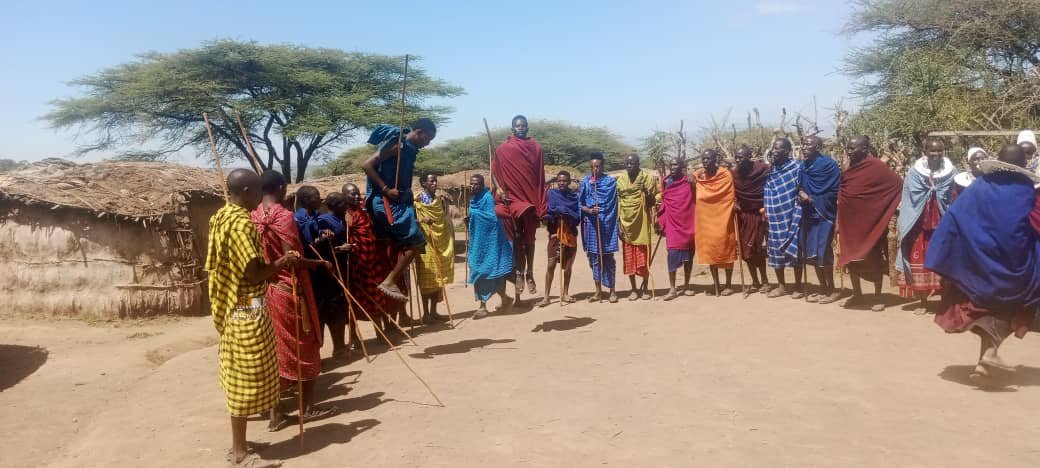
A Maasai boma tour is a structured, half-day visit to a Maasai homestead where community members welcome you, lead the jumping dance, show you how fire is made from two sticks, walk you through the homestead, and sell beadwork they make themselves. You spend approximately 2–4 hours on site.
It is not an unannounced look into private family life, and it does not pretend to be. What it offers is a real conversation with Maasai hosts who have chosen to receive visitors. Ask before you photograph anyone, and buy directly from the makers.
| Format | Private half-day cultural visit |
|---|---|
| Time on site | Approximately 2–4 hours |
| From Moshi | Approximately 45 minutes each way |
| From Arusha | Approximately 1 hour 30 minutes each way |
| Difficulty | Easy: flat ground, short walking distances |
| Solo price | $115 pp |
| Group of 5 | From $75 pp |
| Suits | Families, first-time visitors to East Africa, rest days before or after Kilimanjaro |
| Swimming | No |
| Children | Suitable |
| Mobility | Good: flat site |
| Season | Runs year-round (see the seasonal note) |
| Pickup | Moshi hotels 08:00–09:00; Arusha hotels 07:00–07:30 |
| Back at your hotel | Moshi around 13:00–14:00; Arusha around 14:30–15:30 |
| Lunch | Not included |
In this guide
People usually search for a Maasai boma tour with two worries. Will it feel like a show put on for tourists? And will I do something rude without realising it? This guide answers both. It covers what you will see, what you will be invited to do, how to handle a camera, and where your money goes. It also tells you exactly how the host community is paid.
What Is a Maasai Boma?
Boma is the Swahili word for an enclosed compound. For the Maasai it means the enkang: the family homestead. It is a ring of low houses built from timber poles, mud and cow dung, with the whole circle fenced by cut thorn branches. At night the cattle, goats and sheep are brought into the centre. The fence keeps predators out and the herd in. Several related households usually share one boma. Traditionally it is the women who build and maintain the houses; your hosts will explain how their own homestead is arranged.
Cattle are not a side detail. In Maasai life they are closely tied to livelihood and family, and at the boma you will see how the homestead is laid out around the livestock enclosure. Ask your hosts about it: it is one of the best conversations of the visit.
The Maasai are a Nilotic, semi-nomadic pastoralist people. They live across northern Tanzania and southern Kenya, including inside the Ngorongoro Conservation Area, a UNESCO World Heritage Site where people and livestock share the land with wildlife.
There are two quite different things a traveller can mean by “visiting a boma”:
- A community that hosts visitors. Families live there, but they have also organised themselves to receive guests on an agreed programme and are paid for their time. This is what a Maasai boma day trip is.
- A remote homestead that does not host visitors. Most Maasai families live this way. You cannot book a visit to one, and turning up uninvited would be as intrusive as a stranger walking into your garden.
Knowing which one you are booking sets your expectations before you arrive.
Which community Kilimania visits: our partner boma is a Maasai homestead in the foothills between Moshi and Arusha. The community has asked us not to publish its name online, to keep visitor numbers at a level the homestead can sustain. Your guide will introduce the community by name on the day.
What Happens on the Visit, Step by Step
The steps below follow what our own photographs from recent visits show. The exact order and timing can change with the hosts’ day.
-
Pickup and the drive out
Your Kilimania guide collects you from your hotel: between 08:00 and 09:00 in Moshi (about 45 minutes’ drive), or between 07:00 and 07:30 in Arusha (about 1 hour 30 minutes). On the way, your guide gives a short etiquette briefing: photography, the welcome, and what to expect. You arrive knowing how the visit works.
-
The welcome
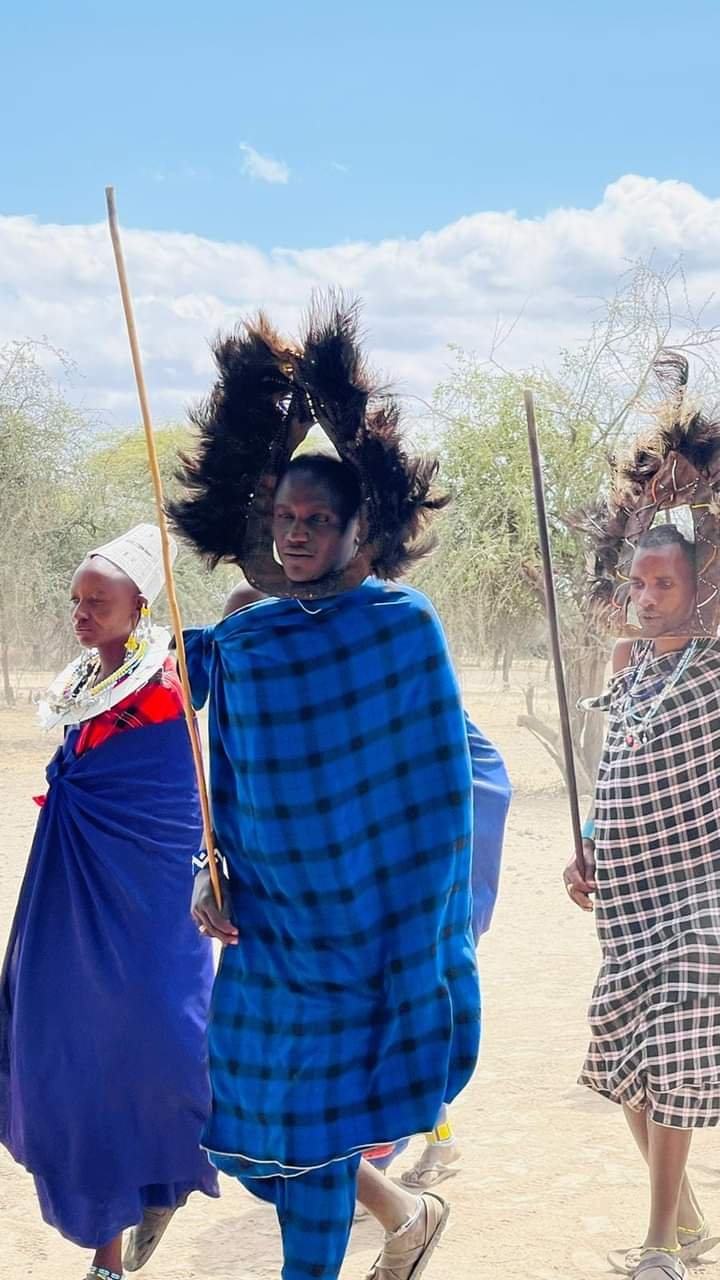
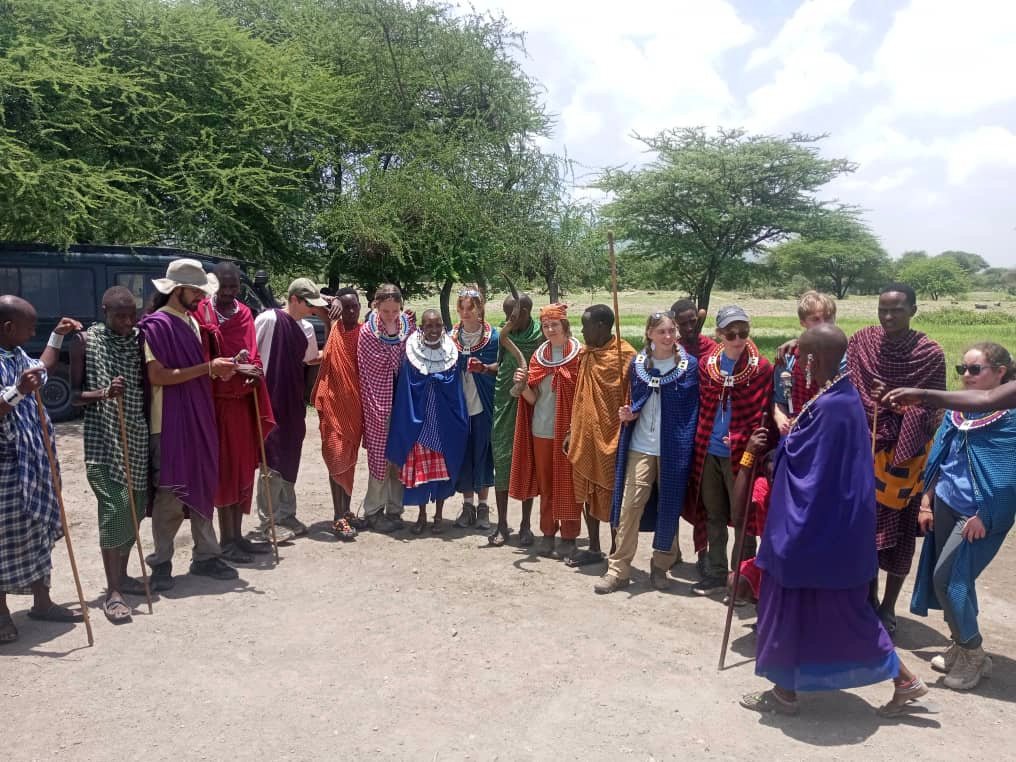
The women of the community lead a welcome song, and a senior host speaks first to greet the group. Before you enter the boma circle, you are wrapped in a shuka (the checked Maasai cloth), and you may be given a beaded collar. Some men wear ceremonial headdresses for the welcome.
-
The jumping dance (adumu)
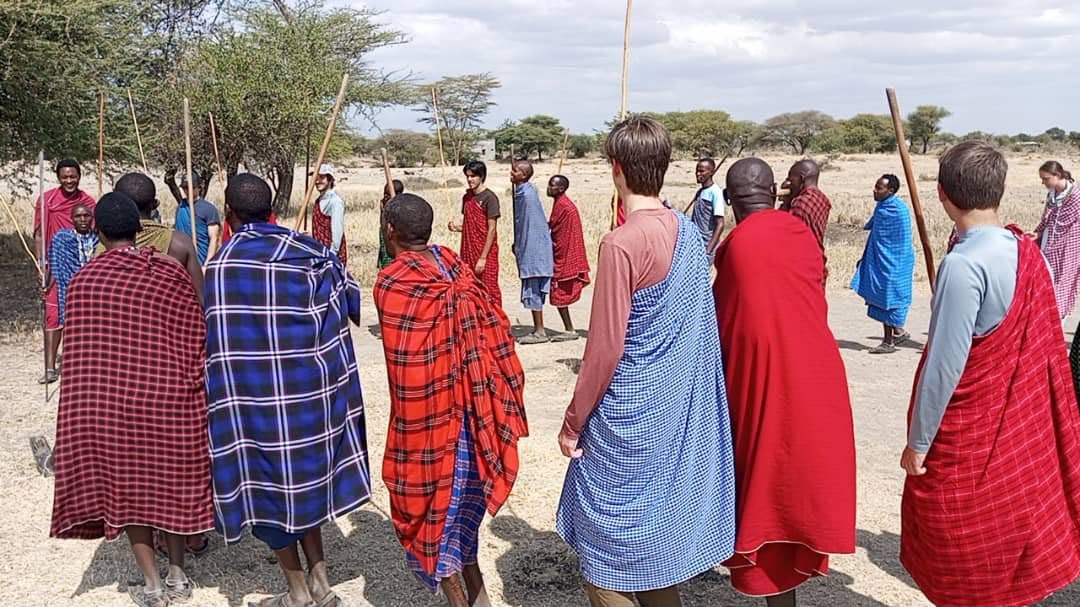
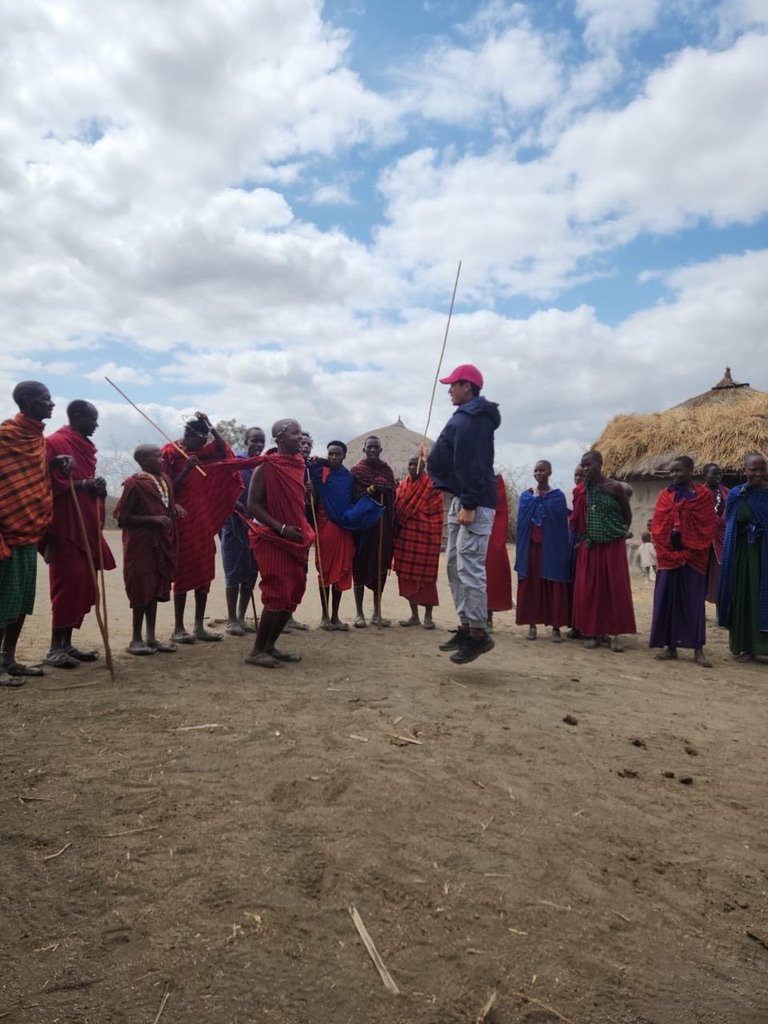
Men form a circle, sing, and take turns jumping straight up from a standing position. Visitors are often invited to try, and it is always optional. Nobody minds how high you go. The laughter is part of it.
-
Fire-making
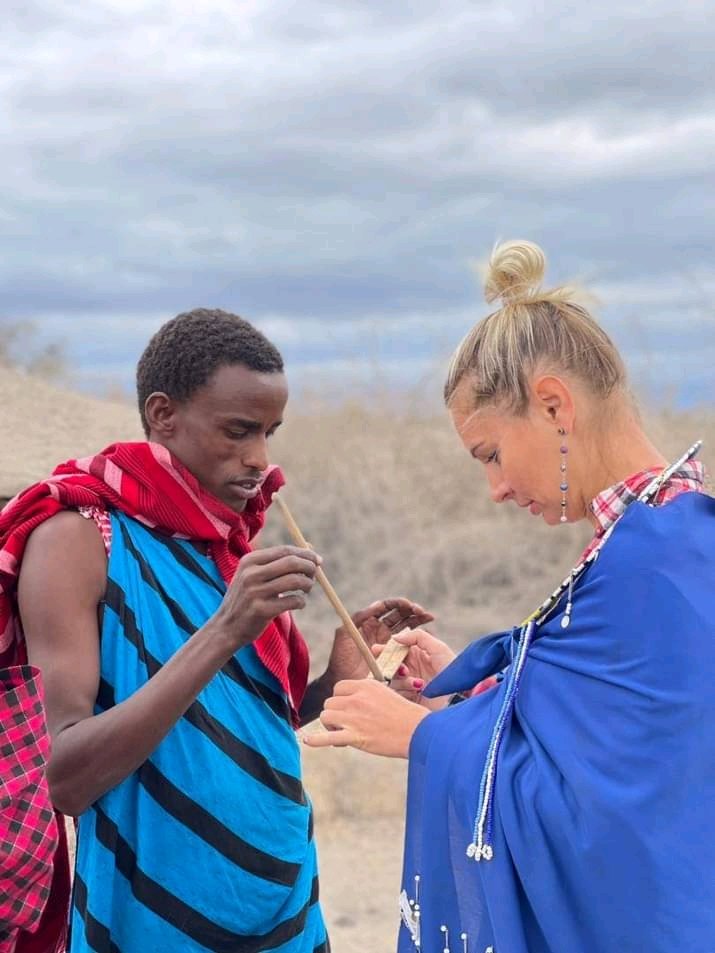
A host spins a hardwood stick against a softer piece of wood until the dust smoulders, then blows it into flame. You may be offered the stick to try yourself. It is harder than it looks.
-
A walk through the homestead
You walk the boma seeing the house construction and livestock enclosures and hearing how the homestead is organised. A community guide leads the walk, with your Kilimania guide alongside to translate and add context. Going inside a house happens only by invitation, and not on every visit.
-
Beadwork and questions
Women from the community lay out the beadwork they make, and there is time to ask questions. More on buying below.
-
Group photo and departure
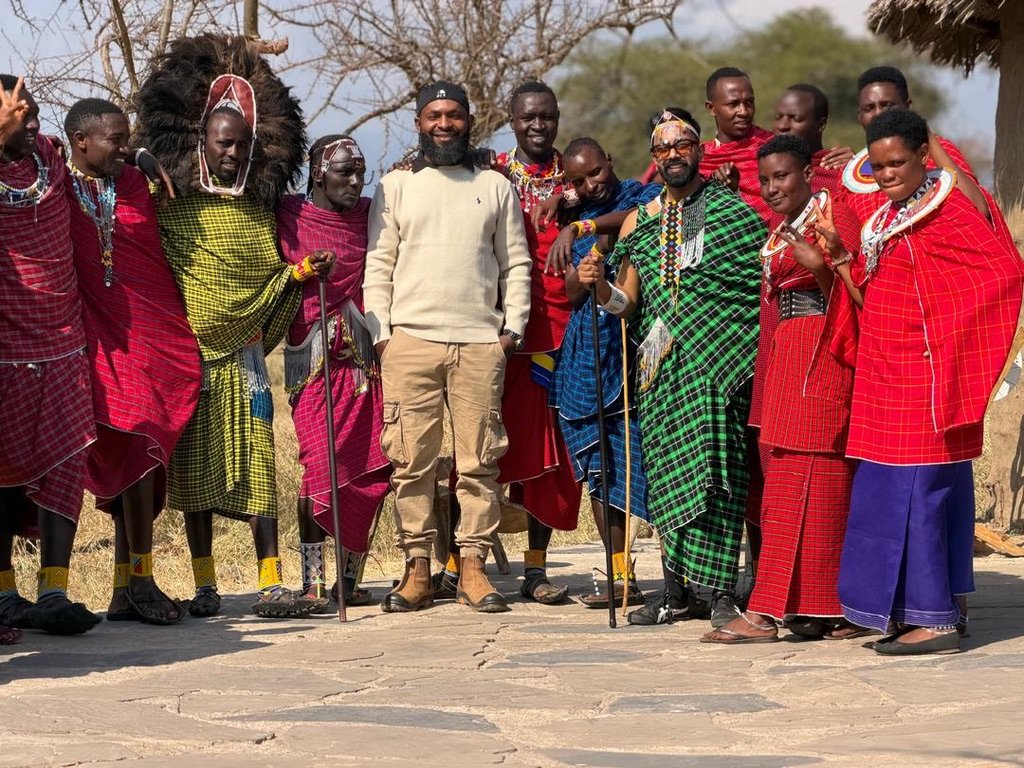
Many groups end with a photo together before the drive back. Ask your hosts first, as you would for any photo. You are usually back at your hotel between 13:00 and 14:00 in Moshi, or 14:30 and 15:30 in Arusha. Lunch is not included, so eat a good breakfast or plan lunch for after you return.
What It Costs
This is a private trip, arranged for your group only. The price is per person and drops as your group grows. The Maasai Boma Cultural Experience runs from $75 pp for a group of five.
| Group size | Price per person | Group total |
|---|---|---|
| 1 person | $115 | $115 |
| 2 people | $95 | $190 |
| 3 people | $85 | $255 |
| 4 people | $80 | $320 |
| 5 people | $75 | $375 |
Example: a family of four pays $80 per person, $320 in total. For groups larger than five, contact us for a group quotation.
Included: private return transport from your Moshi or Arusha hotel, your Kilimania guide, the community visit fee, bottled water and the guided boma programme.
Not included: lunch, beadwork purchases, tips for your guide, and travel insurance.
Photography: What to Ask and How to Ask It
This is where most visitors feel unsure. Joining a visit does not mean everyone there has agreed to be photographed. Here is how it works in practice.
Usually fine once your guide has checked
- The welcome song and jumping dance, as group scenes
- Fire-making, focused on hands and the stick
- The thorn fence, houses from outside, and the landscape
- You or your group joining in
Ask the person first, every time
- Close-up portraits of any one person
- Children, even if they are smiling at you
- Elders, and anyone who turns away
- Inside a house, including with flash
- Women at the beadwork tables while they are selling
How to ask
Lift your camera slightly, make eye contact, and raise your eyebrows. That gesture is understood everywhere. If you want words, the Swahili is “Naomba kupiga picha?” (May I take a photo?). A nod or “ndiyo” means yes. A shake of the head, “hapana”, or someone simply turning away means no. Lower the camera and do not ask again.
If you are unsure, ask your guide quietly. That is part of their job.
If someone asks for money for a photo
At our partner boma, photography is covered by the visit fee. No extra payment is expected for photos taken with consent. If a host does ask for money for a photo, leave it to your guide, who will handle it directly. If a visitor raises a camera without asking, the guide steps in quietly and reminds them of the consent rule.
What to Buy and What That Money Supports
The beadwork is the main thing you can buy: bracelets, necklaces, collars, earrings and small decorated items. Women in the community make and sell it themselves. When you pay the maker directly, the money goes into her hand. That is the most direct way to contribute during your visit.
- Bring small bills. Items typically range from about 10,000 TZS (roughly $4) for a small bracelet to about 80,000 TZS (roughly $30) for a large beaded collar. Tanzanian shillings or small US dollar notes make paying the maker straightforward.
- Prices are set by the makers. At our partner boma, beadwork is not bargained over. Paying the stated price keeps it simple for everyone.
- You do not have to buy. A polite “asante, hapana” (thank you, no) is fine. Nobody should pressure you, and a good guide will step in if it happens.
Gifts for children: please don’t
Handing out sweets, pens or coins to children encourages them to approach visitors for handouts, and it bypasses the parents and elders. Kilimania’s policy is clear: no sweets, pens or money for children during the visit. If you want to give more than the visit fee and your beadwork, ask your guide about the community’s school fund. Kilimania can pass contributions to it on request.
Where the visit fee goes
The host community receives a fixed fee for every visitor, taken from your trip price. Kilimania pays it on the day of the visit to the community’s elected treasurer. The community uses the fund for school fees, water infrastructure and livestock. Beadwork money is separate and goes straight to the individual maker.
Staged vs Genuine: An Honest Assessment
If you are looking for a responsible Maasai cultural experience or wondering whether an ethical boma visit is possible, the answer comes down to two things: who controls the programme, and who gets paid.
Here is the honest answer. A boma that hosts visitors is a structured cultural experience. The welcome is planned. The dance happens because guests have arrived. The beadwork is laid out because people will buy it. If you expect to see a family going about an ordinary Tuesday, unaware of you, you will be disappointed.
That does not make it fake. The people are Maasai. They live there. The songs, the jumping, the fire-making and the beadwork are their own, and they have chosen to share them on terms they agreed to, for income they need. A dance done for guests is still their dance.
What the visit is
- A real meeting with Maasai hosts
- Cultural practices shown and explained by the people who hold them
- A fixed visit fee for the community, and direct income for the craftswomen
- Time to ask questions you could not ask anywhere else
What it is not
- A view of unplanned daily life
- A picture of how every Maasai family lives today
- The same as spending days with a remote community
- A performance you are owed; hosts can say no to anything
| Visitor-hosting boma (this trip) | Remote homestead | |
|---|---|---|
| How you get there | Booked through an operator as a half-day trip | Not bookable; needs long-standing personal ties |
| Programme | Planned welcome, dance, demonstrations, beadwork | None; ordinary daily life |
| People | Maasai families who have chosen to host guests | Maasai families who have not invited visitors |
| Photography | Discussed openly; your guide helps you ask | No agreed norms; easily intrusive |
| Language | Your guide explains and translates | Maa or Swahili only |
| Time needed | Approximately 2–4 hours on site | Days, not hours |
| Income for hosts | A fixed fee per visitor, plus beadwork sales | None; an uninvited visit is a cost to them |
Turning up uninvited at a remote homestead is not a more “real” version of this trip. It is more intrusive, and the family gets nothing for it.
How to tell a well-run visit from a poor one: the hosts decide what is shown, the guide briefs you on etiquette before you arrive, nobody is pushed into selling or posing, and the operator can tell you how the community is paid. You are entitled to ask us that last question before you book.
Visitor Etiquette: Quick Checklist
Do
- Greet people and return handshakes
- Ask before every portrait, and before entering any house
- Join the dance or fire-making if invited; saying no is fine too
- Carry small bills and buy directly from the maker
- Wear modest clothes that cover shoulders and knees
- Ask questions: your hosts expect them
Don’t
- Photograph children or elders without a clear yes
- Hand out sweets, pens or money
- Keep asking after someone has said no
- Bargain over beadwork: prices are set by the makers
- Wander into houses or livestock pens on your own
- Fly a drone: drones are not permitted at the boma, and flying one in Tanzania requires a Tanzania Civil Aviation Authority permit
Who This Trip Is Best For
Families with children
The ground is flat, the visit is short, and children tend to love the jumping dance and fire-making. Keep younger ones close and brief them on asking before photos.
Rest days around Kilimanjaro
It asks nothing of tired legs, so it suits the days before a climb or straight after one. Planning a climb? See our Kilimanjaro group climb dates.
First-time visitors to East Africa
Seeing a boma up close explains the thorn-fenced homesteads you pass on every safari drive, and the red shukas you see along the roads.
After a safari
After days of watching wildlife from a vehicle, you get a conversation with the people who have lived alongside that wildlife for generations.
Photographers who ask first
Strong colour, faces and light. If you are happy to ask, wait for a yes and accept a no, the pictures you leave with will be better for it.
Limited mobility, and groups of 4–5
The site is flat with no climbing. Tell us about specific needs when you book. At $80 or $75 per person for four or five people, it is one of the lower-priced private trips we run.
Who Should Choose Something Else
- You want unscripted, everyday Maasai life. A day trip cannot give you that honestly. Nobody can sell it to you ethically in half a day.
- Structured cultural tourism makes you uncomfortable. Even a well-run visit has a programme. If that will spoil it for you, skip it.
- You have already done a boma visit in Kenya or Tanzania. The format will feel familiar.
- You want wildlife. Choose a Tarangire National Park day trip or a Lake Manyara day trip instead.
- You want a longer cultural day with walking. The Materuni waterfalls and Chagga coffee day combines a hike with village culture.
- You are travelling alone on a tight budget. The solo price is $115, because the vehicle and guide cost the same for one person as for five.
Kanti’s Note From the Field
Kanti Kessy, Safari Lead, Kilimania Adventure. 17 years guiding the Northern Circuit.
- Who observed it
- Kanti Kessy, Safari Lead, 17 years guiding the Northern Circuit
- When / season
- Dry season, July 2026
- What he saw
- “The moment that changes a group is the fire. A host spins the stick for barely a minute and then there’s flame, while twenty people stand there holding cameras worth more than the house we’re standing in. Every time, the cameras come down. People stop filming and start watching. That shift tells me the visit has actually landed.”
- Why it matters to you
- It is the one moment on the visit where you are the one learning. Arrive expecting a show and you will get one. Arrive willing to watch someone do something you cannot do yourself, and that is where the visit stays with you.
Kanti has run this visit more than 200 times, and the pattern repeats with almost every group. That is why the schedule never rushes the fire-making.
The visit runs year-round. For month-by-month conditions, see our best time to visit Tanzania guide.
Frequently Asked Questions
A Maasai boma visit is a structured, half-day cultural visit to a Maasai homestead. Visitors are welcomed by community members, see the homestead layout and houses, watch and often join the jumping dance, and see demonstrations such as fire-making with sticks. There is usually a chance to buy beadwork directly from the makers. Expect approximately 2–4 hours on site.
Yes, when you ask first and accept the answer. Group moments such as the welcome dance are usually open to photographs once your guide confirms it with the hosts. Close-up portraits, children, elders and the inside of houses need individual permission. Gesture to your camera, or ask in Swahili: Naomba kupiga picha? If the answer is no, lower the camera and move on. At Kilimania's partner boma, photography is covered by the visit fee.
Approximately 2–4 hours on site, run as a half-day trip. The boma is about 45 minutes from Moshi and about 1 hour 30 minutes from Arusha. Pickup is 08:00–09:00 in Moshi, with return around 13:00–14:00; from Arusha, pickup is 07:00–07:30 with return around 14:30–15:30.
Wear comfortable, modest clothing that covers your shoulders and knees, closed shoes that can handle dust, a hat and sun protection. The ground is flat, so hiking boots are not needed. On many visits the hosts drape a shuka (Maasai cloth) over visitors, so lightweight layers underneath work well.
It can be, when community members choose to host visitors, earn income from the visit, and are treated as hosts rather than props. Your part is simple: ask before photographing people, buy crafts directly from the makers, do not hand out sweets or money to children, and accept that a scheduled visit is a structured cultural experience, not a view of private daily life.
Avoid handing sweets, pens or money to children during the visit. It encourages children to approach visitors for handouts and bypasses their parents and elders. If you want to contribute more, buy crafts directly from the makers, or ask your guide about the community’s school fund, which Kilimania can pass contributions to on request.
Yes. The site is flat, the visit is short, and children usually enjoy the jumping dance and fire-making. Keep younger children close, brief them about asking before photographing people, and bring water and sun protection because shade can be limited.
A roadside or visitor-hosting boma is a working Maasai homestead whose families have chosen to receive guests on a planned programme, with a guide to explain and translate. A remote boma has no visitor programme and has not invited guests. Visiting one needs long-standing personal ties and days, not hours. Kilimania’s Maasai Boma Cultural Experience is a visit to a visitor-hosting boma.
Kilimania Adventure’s private Maasai Boma Cultural Experience is priced per person by group size: $115 for one person, $95 each for two, $85 each for three, $80 each for four, and from $75 pp for a group of five. For groups larger than five, contact Kilimania for a group quotation.
Ask About Your Date
Tell us your group size and preferred date and we will confirm availability, timing and the exact price for your group. The Maasai Boma Cultural Experience runs from $75 pp for a group of five. We reply within 12 hours, 7 days a week.
Want to hear from past travellers first? Read Kilimania reviews on TripAdvisor.
Prefer to message? WhatsApp: +255 756 449 990 · info@kilimania.co.tz · Full trip details on the Maasai Boma trip page.
Related Day Trips
Or browse the full range of Tanzania day trips we run from Moshi.
The Short Version
A Maasai boma visit gives you approximately 2–4 hours with a community that has chosen to host guests: songs, the jumping dance, fire-making, a walk through the homestead and beadwork bought straight from the women who make it. It is structured, and that is fine as long as you know it going in. Ask before every portrait, leave the sweets at home, and spend your money with the makers. If you want wildlife instead, browse our safari and nature day trips.
We Walk With You.
Sabinus Msimba
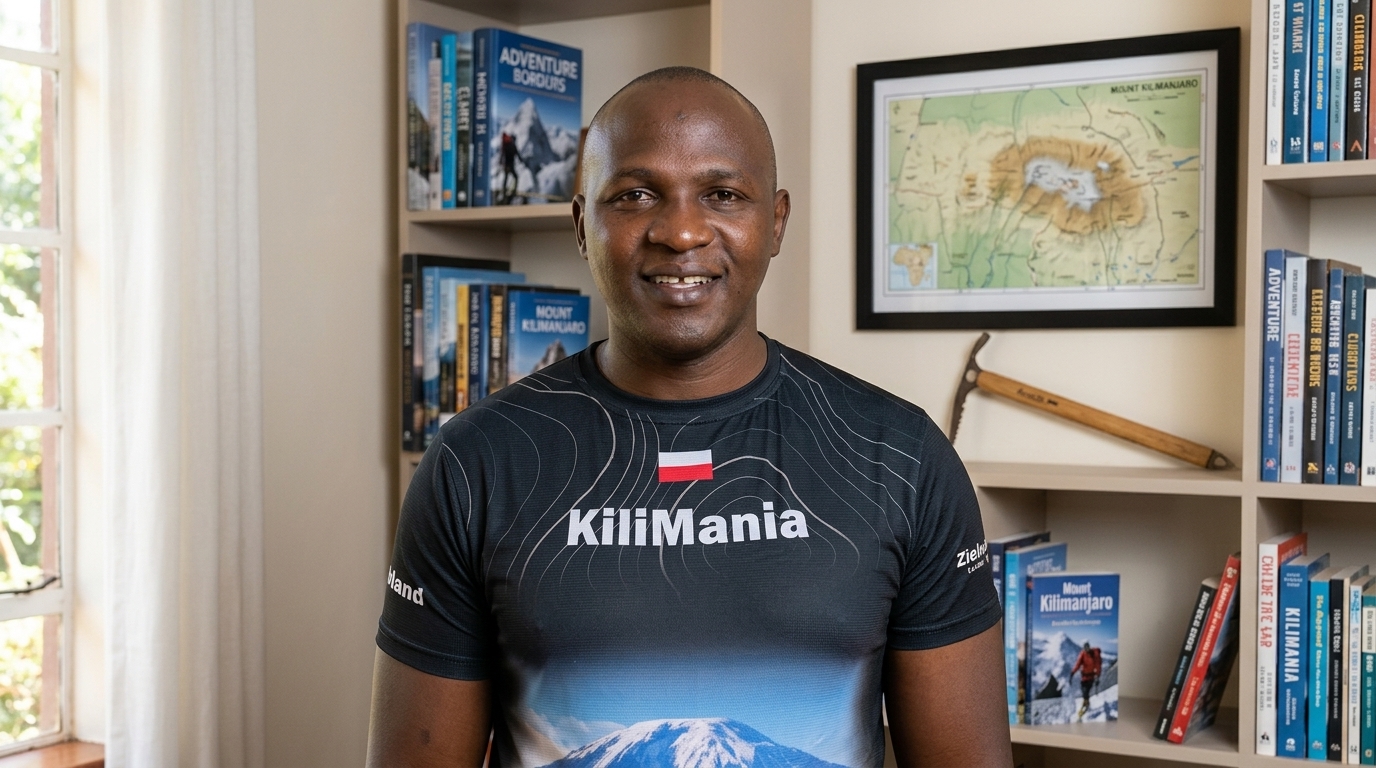
22 years guiding, 300+ Uhuru Peak summits, KINAPA-licensed. Sabinus reviews every Kilimania day-trip guide for accuracy before it is published.