
Zebra Rock Marangu Route: Why This Acclimatization Day Matters
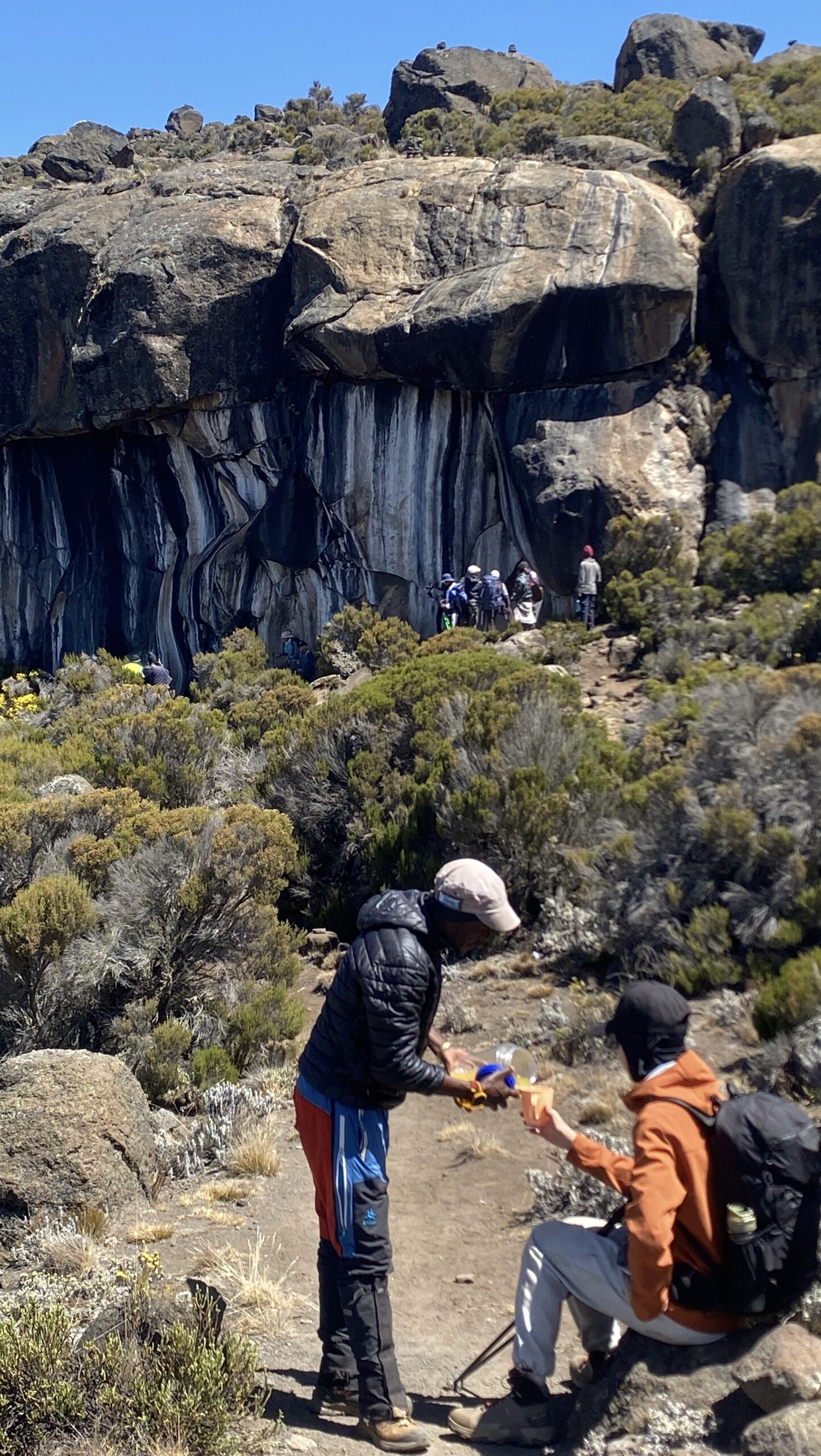
Zebra Rock is a rock formation above Horombo Hut on Kilimanjaro’s Marangu Route. On the 6-day itinerary, it’s the destination for the extra acclimatization day — you hike up, spend time at altitude, then walk back down to sleep at Horombo. It’s the practical version of “climb high, sleep low,” and after 22 years guiding this route, I still think it’s the single biggest reason the 6-day version beats the 5-day for most climbers.
At a Glance
Key Numbers
- 9 climbers started our August 2026 expedition
- 1 turned back ~300m after Marangu Gate, Day 1
- 8 of 8 remaining climbers reached Uhuru Peak
- Uhuru Peak: 5,895 meters
- 22+ years guiding experience (Sabinus Msimba)
- KINAPA-licensed since 2003
What is Zebra Rock on the Marangu Route?
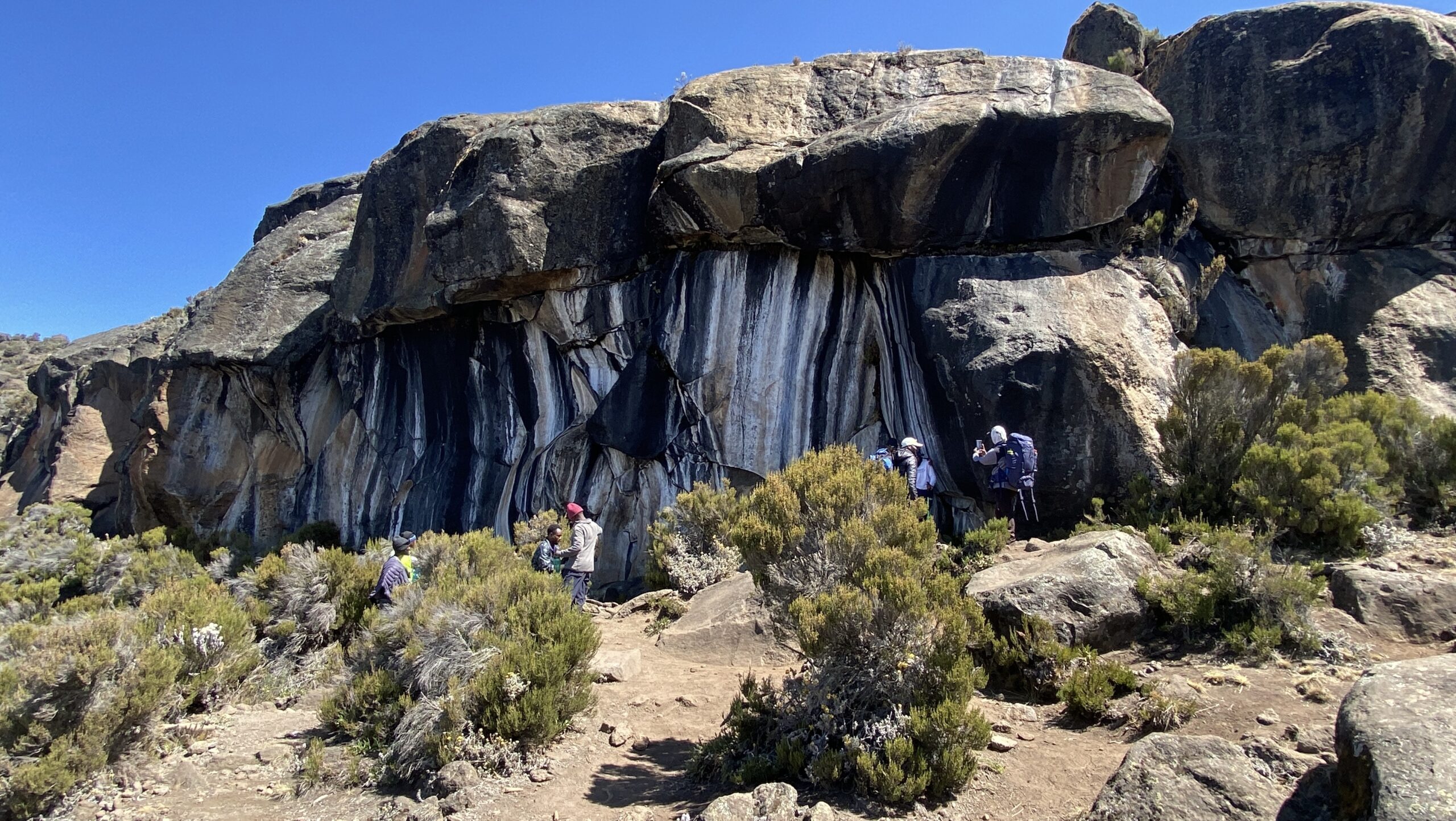
Zebra Rock is a distinctive rock formation above Horombo Hut on Kilimanjaro’s Marangu Route, named for the dark streaks running across its pale surface. On the 6-day itinerary, it’s used as the destination for the extra acclimatization day — climbers walk up, spend time at the higher elevation, then return to Horombo Hut for a second night. You don’t sleep at Zebra Rock. That single detail is what turns Day 3 from a relocation day into a genuine acclimatization day.
Where does Zebra Rock fit into the Marangu Route?
The 6-day sequence runs: Marangu Gate → Mandara Hut → Horombo Hut → Zebra Rock (day hike) → back to Horombo Hut → Kibo Hut → Uhuru Peak. Mandara Hut, Horombo Hut and Kibo Hut are the three fixed huts on this route, and Zebra Rock sits between the second and third of them — a detour, not a destination. Full daily distances are covered on our Marangu Route overview and the Marangu Route Huts guide.
What happens during the Zebra Rock day?
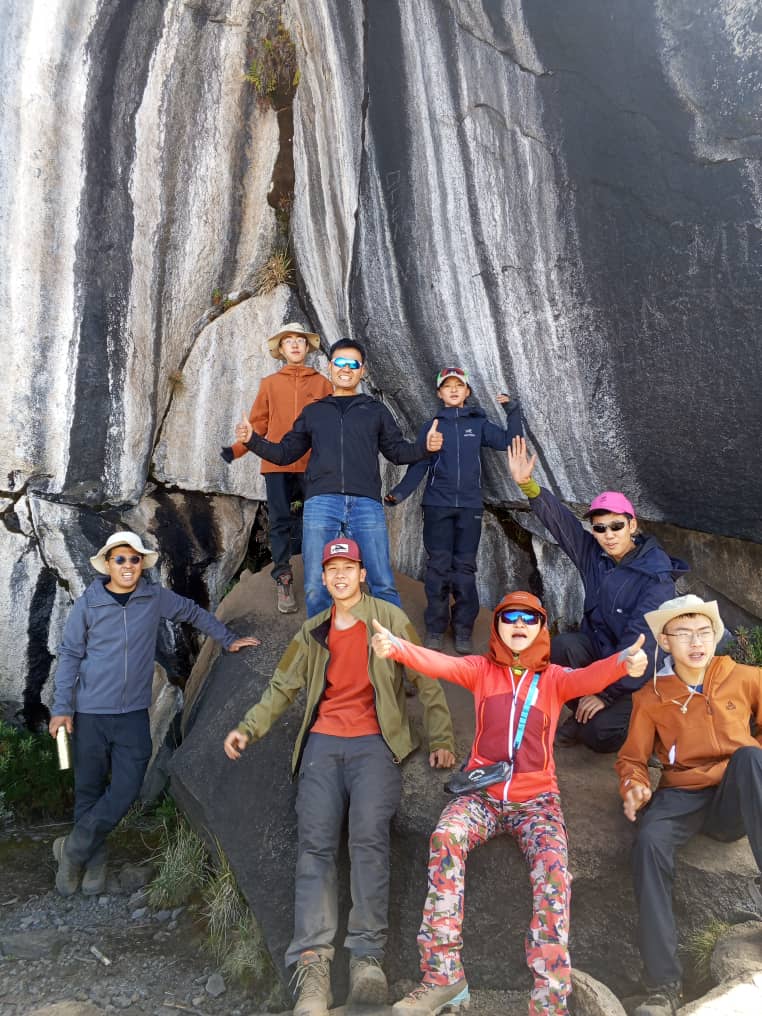
A typical day starts at Horombo Hut after breakfast. The group walks upward — slowly, deliberately, no rushing. There’s no summit to reach that day, so the pace stays controlled. Guides use the walk to watch pace, breathing, energy, appetite, headaches, hydration and general mood. After time at the higher point, everyone walks back down to Horombo for a second night. That evening at the lower altitude is the whole point — pole pole, one step at a time, and the body gets a chance to catch up.
Why does the extra day matter?
Altitude is the main obstacle on Kilimanjaro — not fitness. A climber who runs marathons at sea level can still develop symptoms above 4,000 meters, because physical fitness and acclimatization are different things entirely. The 6-day Marangu schedule gives the body one more full day of exposure and recovery than the compressed 5-day version, and it gives guides a second clear observation window before the long day to Kibo Hut. For more on this, see How Hard Is Kilimanjaro?
What did we observe on a real expedition?
On our August 2026 six-day Marangu expedition, nine climbers started. One turned back roughly 300 meters after Marangu Gate on Day 1 after developing concerning symptoms — before altitude was even really a factor yet, which tells you how individual this can be. The remaining eight continued. By the Zebra Rock day, guides Sabinus Msimba and Isack Mlala were watching pace, breathing and appetite closely across the group.
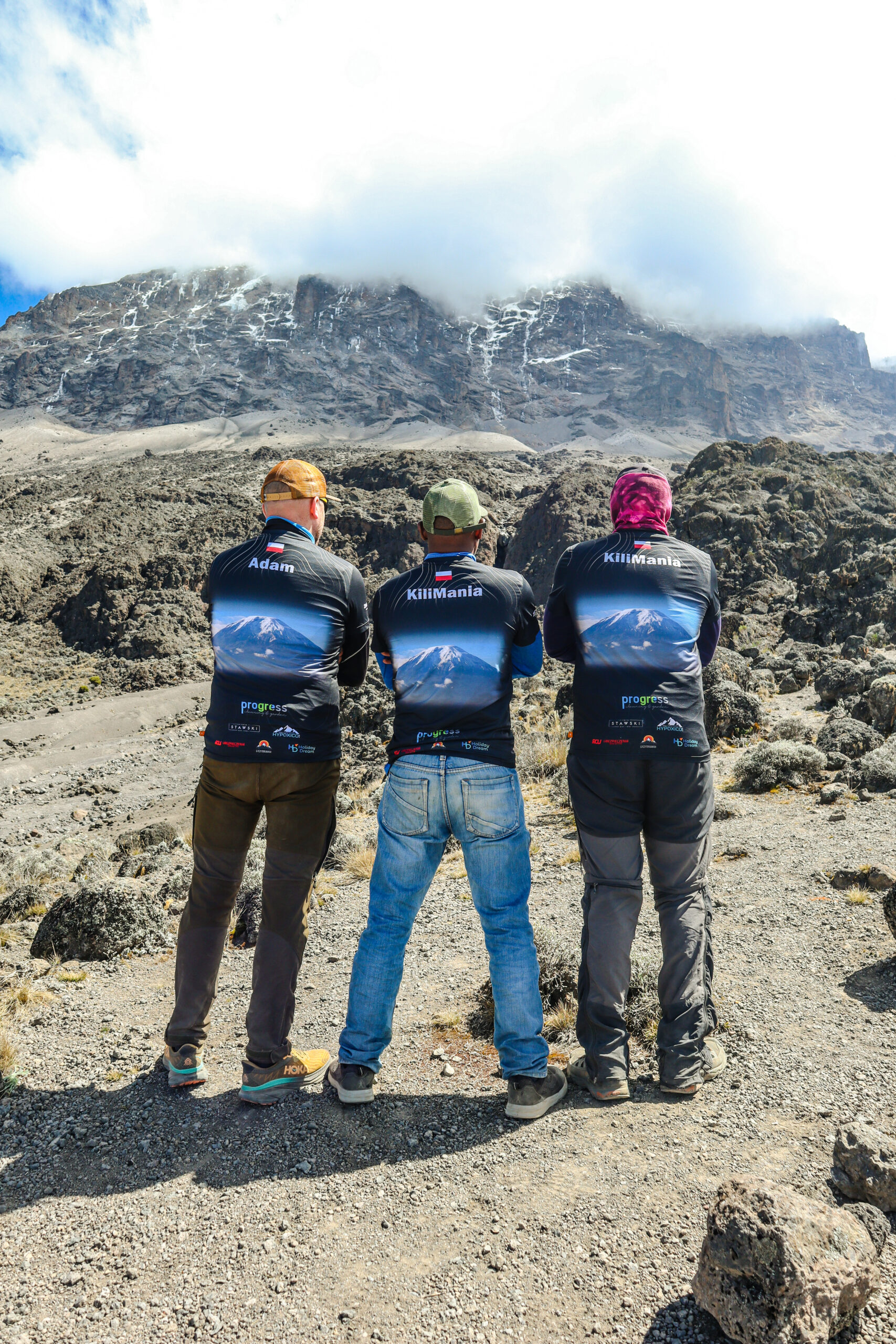
That observation window helped us manage the summit push more conservatively. Eight of the eight who continued past Day 1 reached Uhuru Peak. Honestly, that’s one expedition’s result, not a general success-rate claim — but it’s a real one. For the full account, read the 6-Day Marangu Route Trip Report.
Is Zebra Rock a difficult hike?
The terrain itself isn’t technical — no scrambling, no exposure. Difficulty depends almost entirely on how your body is responding to altitude that day. Expect slower walking, thinner air, colder conditions, a steady uphill section, rest stops, and a gradual descent back to Horombo. The correct approach is not to race to the destination. Seriously — this is not the day to prove anything.
What should you carry for the Zebra Rock day?
You don’t need your full expedition luggage — that stays at Horombo Hut. Your daypack should hold water, snacks, a warm layer, rain protection, sun protection, personal medication, and basic personal items. Your guide will confirm the exact list before departure.
📥 Free Download: Kilimanjaro Altitude Symptom & AMS Checklist
Altitude illness is the leading reason climbers turn around on Kilimanjaro. This is the practical checklist Sabinus Msimba and our guiding team use to monitor climbers throughout every expedition.
- Normal acclimatization symptoms above 3,000m
- Acute Mountain Sickness (AMS) warning signs
- HACE and HAPE emergency symptoms
- Daily health monitoring form (SpO₂, pulse, hydration)
- Guide reporting and self-assessment checklist
Prepared by: Sabinus Msimba, Senior Mountain Guide, Kilimania Adventure, Moshi. Educational use only — not a substitute for medical advice.
Why do guides watch appetite?
Appetite is one of several practical signals guides track during a high-altitude trek. A climber who suddenly can’t or won’t eat or drink may need closer attention, especially alongside other symptoms. Appetite alone doesn’t diagnose altitude illness — we look at the whole picture and follow standard mountain-safety procedure.
Does Zebra Rock prevent altitude sickness?
No — and this is the part most people miss. The acclimatization day helps the body adjust, but it doesn’t guarantee anyone avoids AMS, HACE or HAPE. People respond differently. Even very fit climbers can develop symptoms. That’s exactly why responsible operators keep monitoring climbers for the entire expedition, not just on the acclimatization day. If you’re climbing with a pre-existing condition, read Climbing Kilimanjaro With Medical Conditions first.
Why the 5-day Marangu skips Zebra Rock — and the real trade-off
The 5-day itinerary has to compress the schedule. After Horombo Hut, climbers continue straight toward Kibo Hut instead of taking a separate acclimatization day. That saves one mountain day but removes a full day of altitude exposure. Here’s the trade-off in plain terms:
| Factor | 5-Day Marangu | 6-Day Marangu |
|---|---|---|
| Zebra Rock included | No | Yes |
| Nights at Horombo Hut | One | Two |
| Dedicated acclimatization day | None | Day 3 |
| Guide observation window | Shorter | One extra full day |
| Schedule pressure | Higher | Lower |
| Recommended for | Very tight schedules only | Most first-time climbers |
For a deeper breakdown, see 5-Day Vs 6-Day Marangu: Which Reaches Uhuru Peak? and Marangu Route Difficulty: A Guide’s Honest Breakdown.
Comparing 5-day vs 6-day for your dates?
Send us your preferred month and group size and we’ll walk you through which fits your timeline. We reply within 12 hours (East Africa Time).
WhatsApp: +255 756 449 990 · info@kilimania.co.tz
KINAPA-licensed guiding team · TATO-registered operatorWhat happens after Zebra Rock?
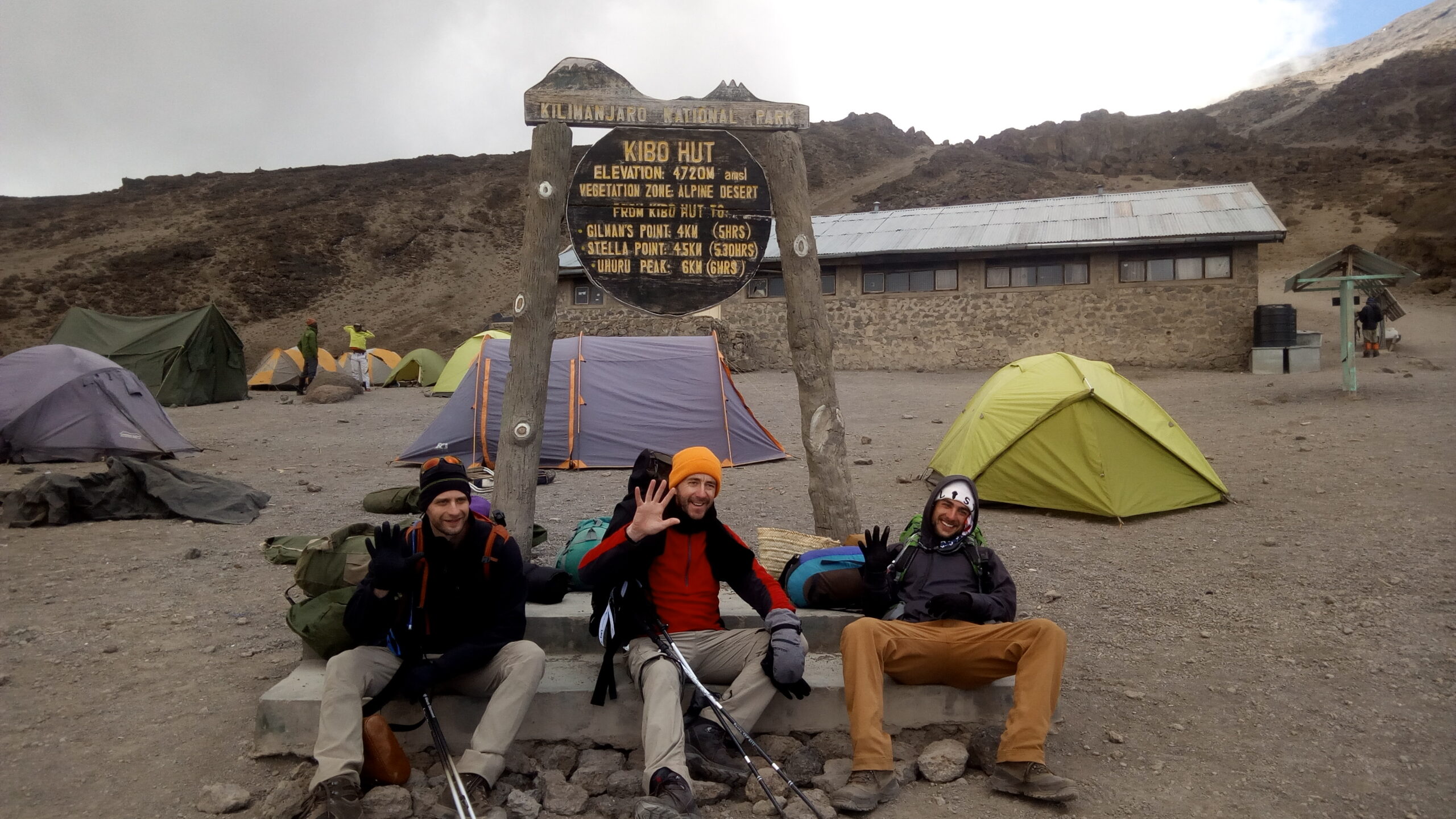
After the second night at Horombo, the group makes the long approach to Kibo Hut — the same staging hut used on both the Marangu and Rongai routes before summit night. Vegetation thins into alpine desert, Kibo’s summit cone dominates the skyline, and the mood shifts. The summit feels close now. From Kibo Hut, climbers rest during the afternoon before the midnight or late-night departure for Uhuru Peak.
Bottom Line
Zebra Rock isn’t the summit, and it isn’t a rest day either — you’re still hiking, just using the day differently. If your schedule allows the sixth day, the extra altitude exposure and the additional guide-observation window are the practical reasons most of our groups choose it over the 5-day version. It won’t guarantee you avoid altitude sickness. Nothing will. But it gives your body, and your guide, more information before the push to 5,895 meters.
Frequently Asked Questions
What is Zebra Rock on the Marangu Route?
A rock formation above Horombo Hut used as the destination for the 6-day itinerary’s acclimatization hike. Climbers return to Horombo the same day.
Does the Zebra Rock day prevent altitude sickness?
No. It helps with adjustment but doesn’t eliminate the risk of AMS, HACE or HAPE. Ongoing monitoring throughout the climb remains essential.
Why choose the 6-day Marangu Route over the 5-day?
The sixth day adds Zebra Rock exposure and a second night at Horombo, giving more acclimatization time and another guide observation window before Kibo Hut.
Is the hike to Zebra Rock difficult?
The terrain isn’t technical. The main variable is your individual response to altitude — expect slower pace and thinner air.
What should I carry on the Zebra Rock day?
A daypack only — water, snacks, warm layer, rain and sun protection, personal medication. Full bags stay at Horombo Hut.
How high is Horombo Hut compared to Zebra Rock?
Horombo Hut sits at approximately 3,720 meters. Zebra Rock is several hundred meters higher — you gain altitude during the day and sleep lower that night.
Explore More Kilimanjaro Routes
The compressed itinerary — no Zebra Rock day.
Includes the Zebra Rock acclimatization day.
Another hut-based approach from the north side.
Tented route with a longer acclimatization profile.
For a complete comparison of all seven routes, see our Kilimanjaro Routes 2026 pillar guide, and for full trip planning — costs, permits, training — see the Climbing Kilimanjaro Guide 2026.
Do not think of acclimatization as wasted time. Walking slowly, staying hydrated, eating as well as you can, communicating symptoms early, and following your guide’s instructions are all part of a responsible climb. Zebra Rock is one additional day between the rainforest and the summit — and for many climbers, it’s one of the most valuable days on the whole route.
Ready to book the 6-day Marangu Route?
Send your preferred dates, group size, and any medical notes — we’ll reply within 12 hours (East Africa Time) with availability and next steps.
WhatsApp: +255 756 449 990 · info@kilimania.co.tz
KINAPA-licensed since 2003 · TATO-registered · TripAdvisor reviews · Google reviews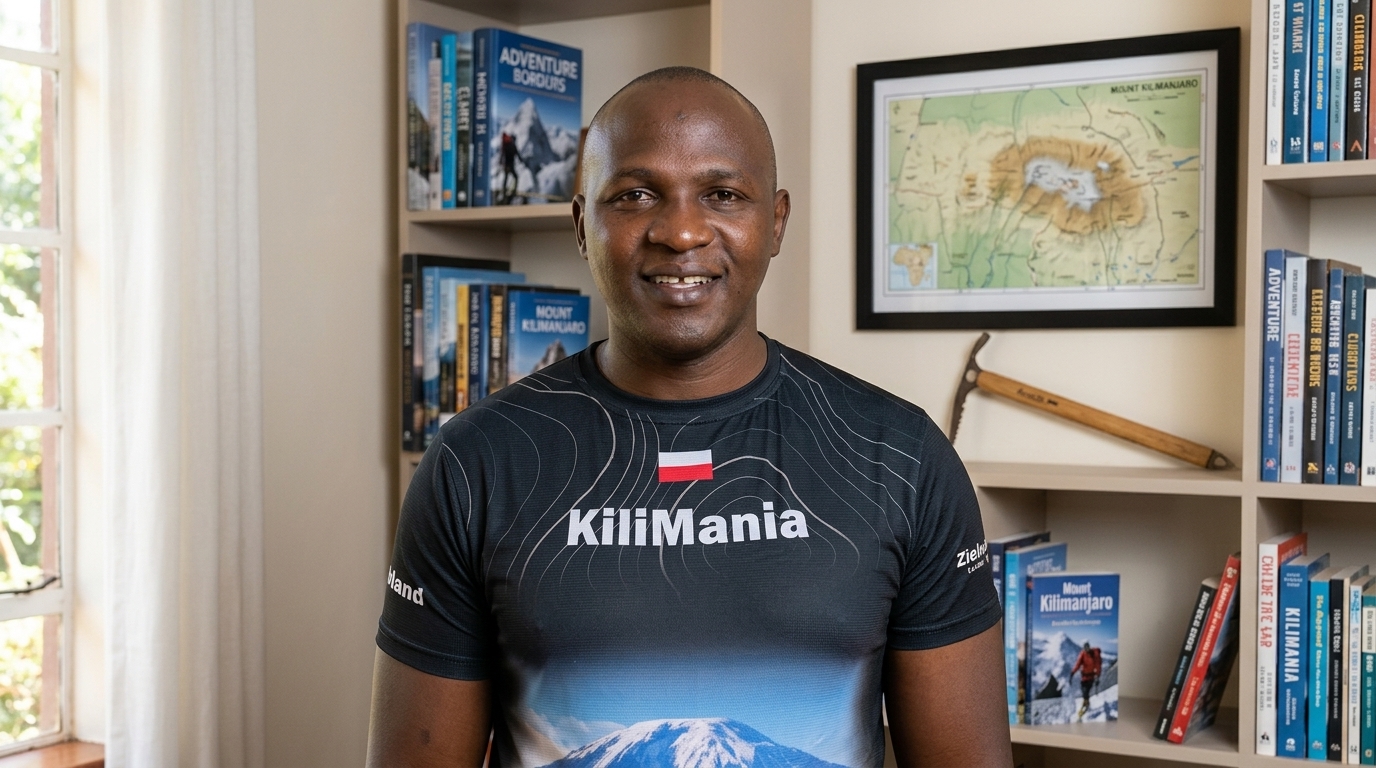
Sabinus Msimba
Senior Mountain Guide & Co-founder, Kilimania Adventure. 22+ years guiding on Mount Kilimanjaro, 300+ personal Uhuru Peak summits, KINAPA-licensed since 2003, Wilderness First Responder certified. Career began in 2001 as a porter on the Marangu Route.
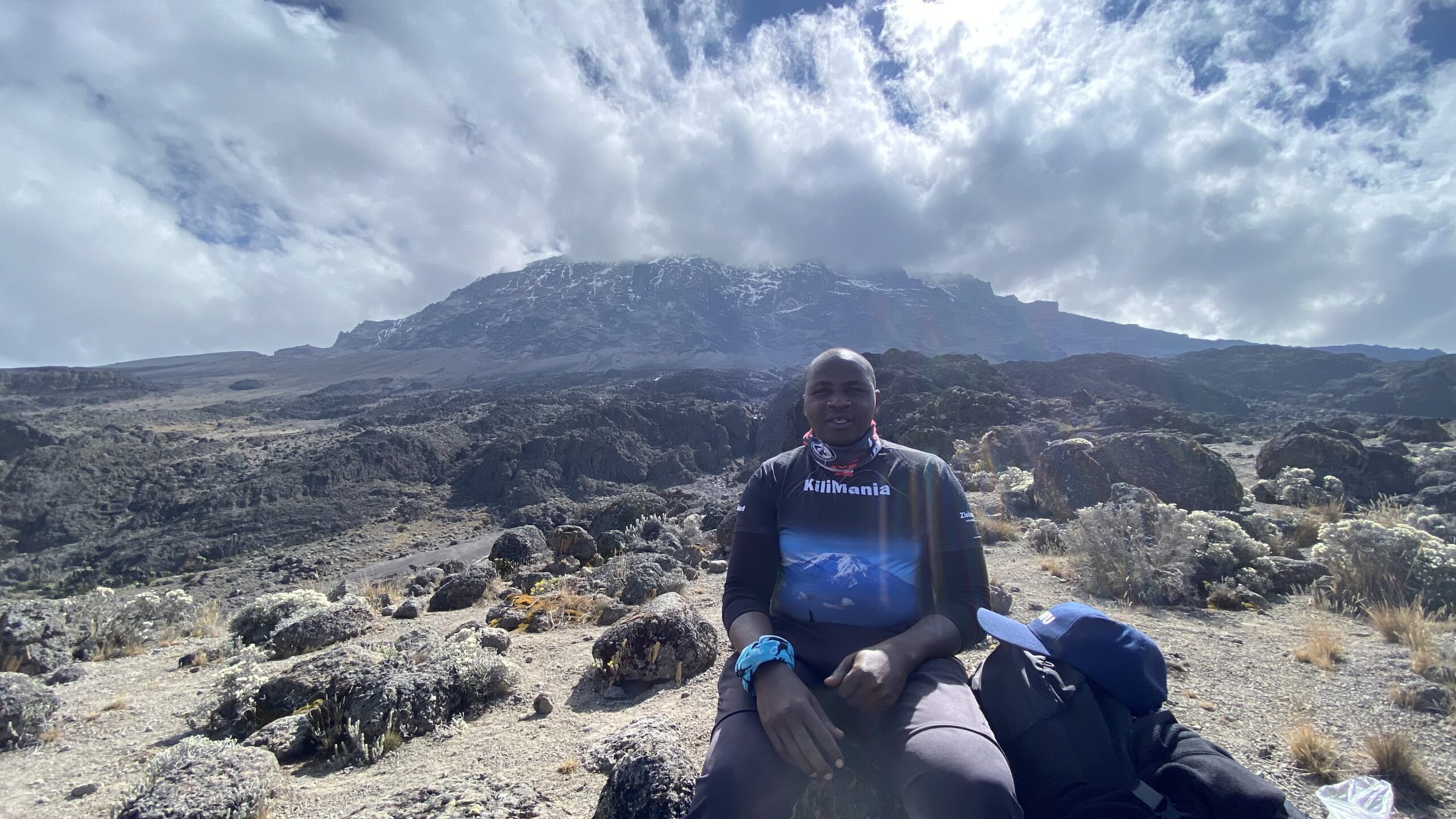
Kilimania Adventure is a TATO-registered tour operator based in Moshi, Kilimanjaro Region, Tanzania. This article reflects our operational experience guiding the Marangu Route and is not medical advice. From our base in Moshi, we also run daily safaris to Serengeti, Ngorongoro Crater, Tarangire and Lake Manyara, with pickups from Kilimanjaro International Airport (JRO) and Arusha Airport (ARK).
Altitude illness can be serious. Information here reflects guide observation and general mountain practice, cross-checked against recognized wilderness medicine principles where applicable. Climbers with pre-existing conditions should consult a physician before high-altitude travel. Regulatory information on climbing permits is available directly from KINAPA and the Tanzania Association of Tour Operators (TATO).
We Walk With You.