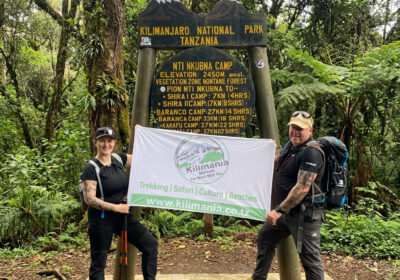
Is the Marangu Route Hard? A Guide’s Honest Difficulty Breakdown
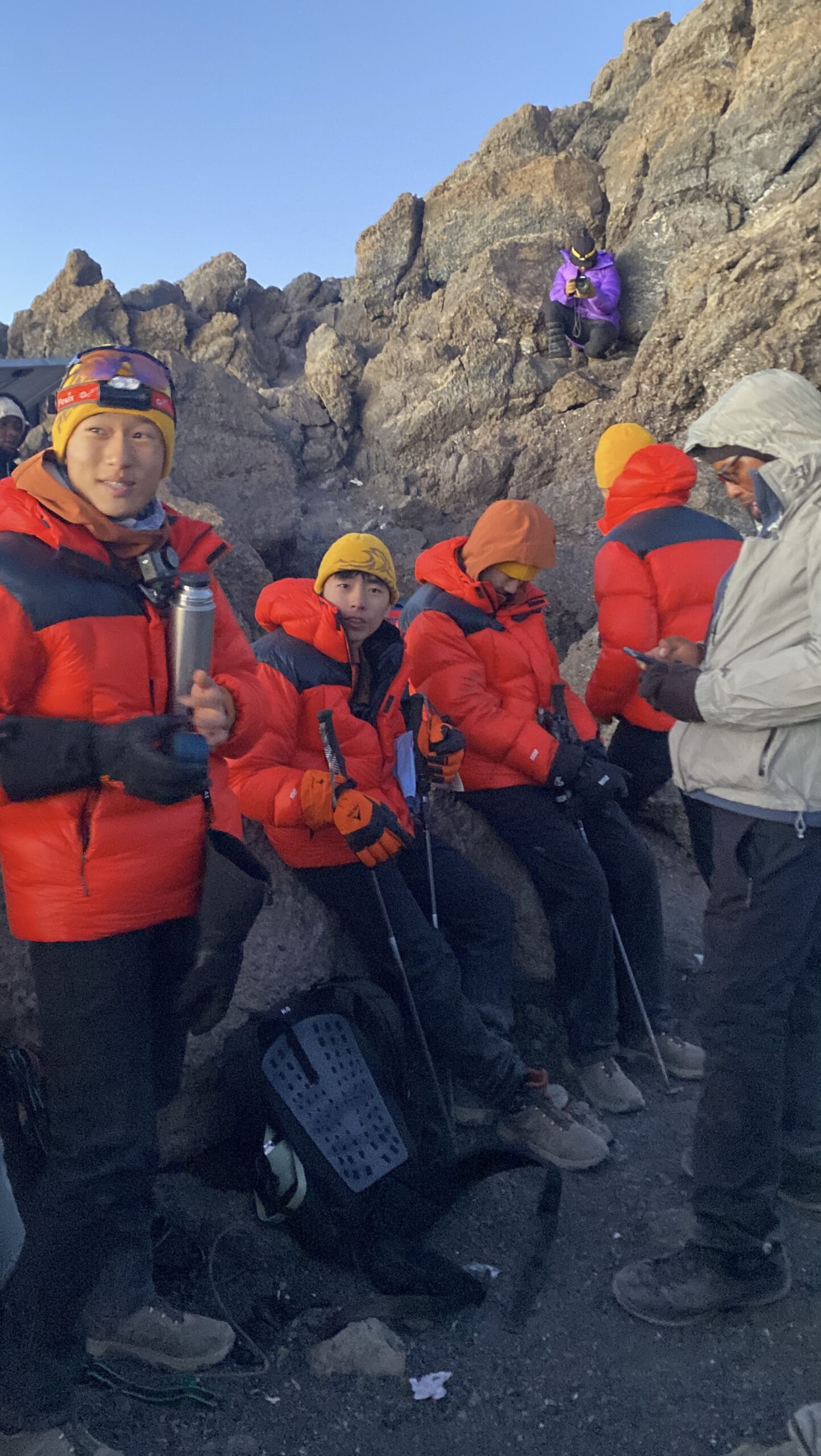
The Marangu Route is often called the “easy” way up Kilimanjaro, and the terrain does support that reputation — it’s the gentlest gradient of any standard route, and hut accommodation removes the physical toll of tent camping. But terrain is only half the story. Altitude affects every climber regardless of route, and Marangu’s standard itinerary gives less time to acclimatize than longer alternatives. This is a genuine difficulty breakdown, not a sales pitch — including where climbers most often struggle.
Marangu Route Difficulty at a Glance
- Terrain difficulty: Low to moderate — gentler gradient than most other routes
- Altitude difficulty: High — same summit elevation as every other route
- Hardest single stretch: Kibo Hut to Uhuru Peak on summit night
- Acclimatization time: Shorter than 7–8 day tented routes, unless you choose the 6-day version
- Physical demand: Lower than tented routes due to hut accommodation
Marangu Route terrain: the easy part
Much of Marangu’s trail is relatively wide and well-established, with a gentler gradient than several other Kilimanjaro routes — a legacy of it being the oldest trail on the mountain. You won’t encounter the scrambling sections found on routes like Umbwe, and there’s no need to pitch or strike a tent each day. For climbers concerned about rough terrain or basic camping skills, this is genuinely one of the less physically demanding ways up. It’s also why many families consider it — see our family Kilimanjaro climbing guide if that’s your situation.
Marangu Route altitude: the part that actually matters
Here’s what terrain difficulty doesn’t tell you: every Kilimanjaro route reaches the same summit elevation — Uhuru Peak, 5,895m — but the rate of ascent and the acclimatization profile differ considerably between routes. Marangu’s standard itinerary moves through elevation zones quickly, which is precisely why we don’t recommend the 5-day version as a default. For a full comparison of the two, see our 5-day vs. 6-day Marangu Route breakdown. If you’re still weighing up how many days to commit to the mountain overall, our guide on trip length covers that decision in more depth.
Marangu operates under Kilimanjaro National Park rules set by KINAPA and the broader TANAPA (Tanzania National Parks Authority), covering permits, ranger checkpoints, and hut allocation. These rules apply regardless of which route a climber takes, which is part of why altitude — not terrain — is the real leveler between routes.
| Day | Camp | Elevation change | Physical effort | Altitude risk |
|---|---|---|---|---|
| 1 | Mandara Hut | 1,860m → 2,700m | Low | Low |
| 2 | Horombo Hut | 2,700m → 3,720m | Moderate | Moderate |
| 3 | Horombo Hut (acclimatization) | 3,720m acclimatization | Moderate | Moderate — by design |
| 4 | Kibo Hut | 3,720m → 4,700m | Moderate | High |
| 5 | Uhuru Peak → Horombo | 4,700m → 5,895m → 3,720m | Very high | Highest point of the climb |
| 6 | Marangu Gate | 3,720m → 1,860m | Moderate | Low |
Marangu summit night: where difficulty concentrates
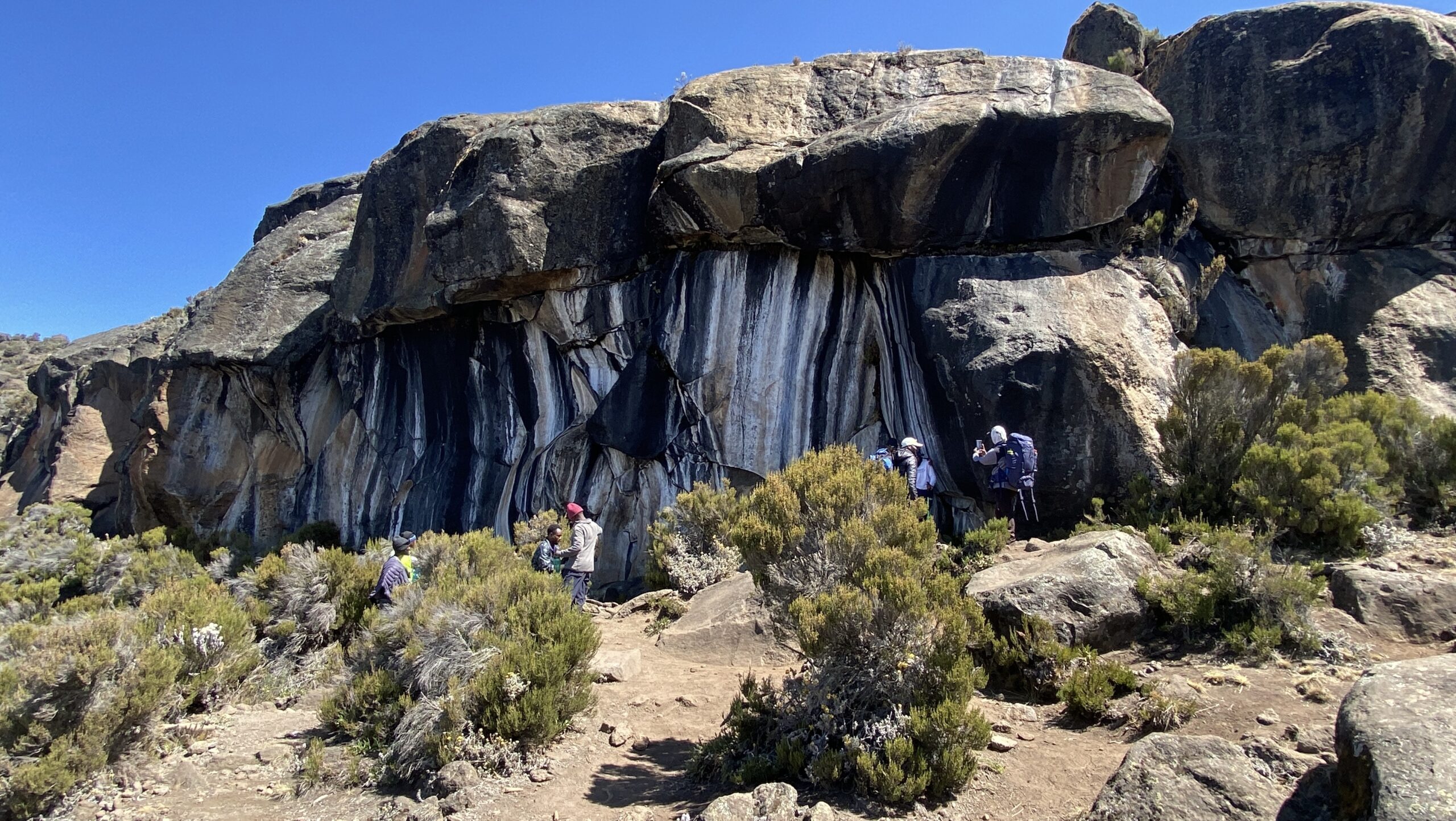
For most climbers, summit night is the hardest part of the Marangu Route. Leaving Kibo Hut around midnight, climbers cover roughly 1,200 vertical meters of loose volcanic scree in darkness and freezing temperatures, arriving at Gilman’s Point after five to seven hours before continuing around the crater rim to Uhuru Peak. This is where fatigue, cold, and cumulative altitude exposure combine — and where pacing decisions made earlier in the week matter most. Our hour-by-hour summit night breakdown walks through exactly what that night looks like.
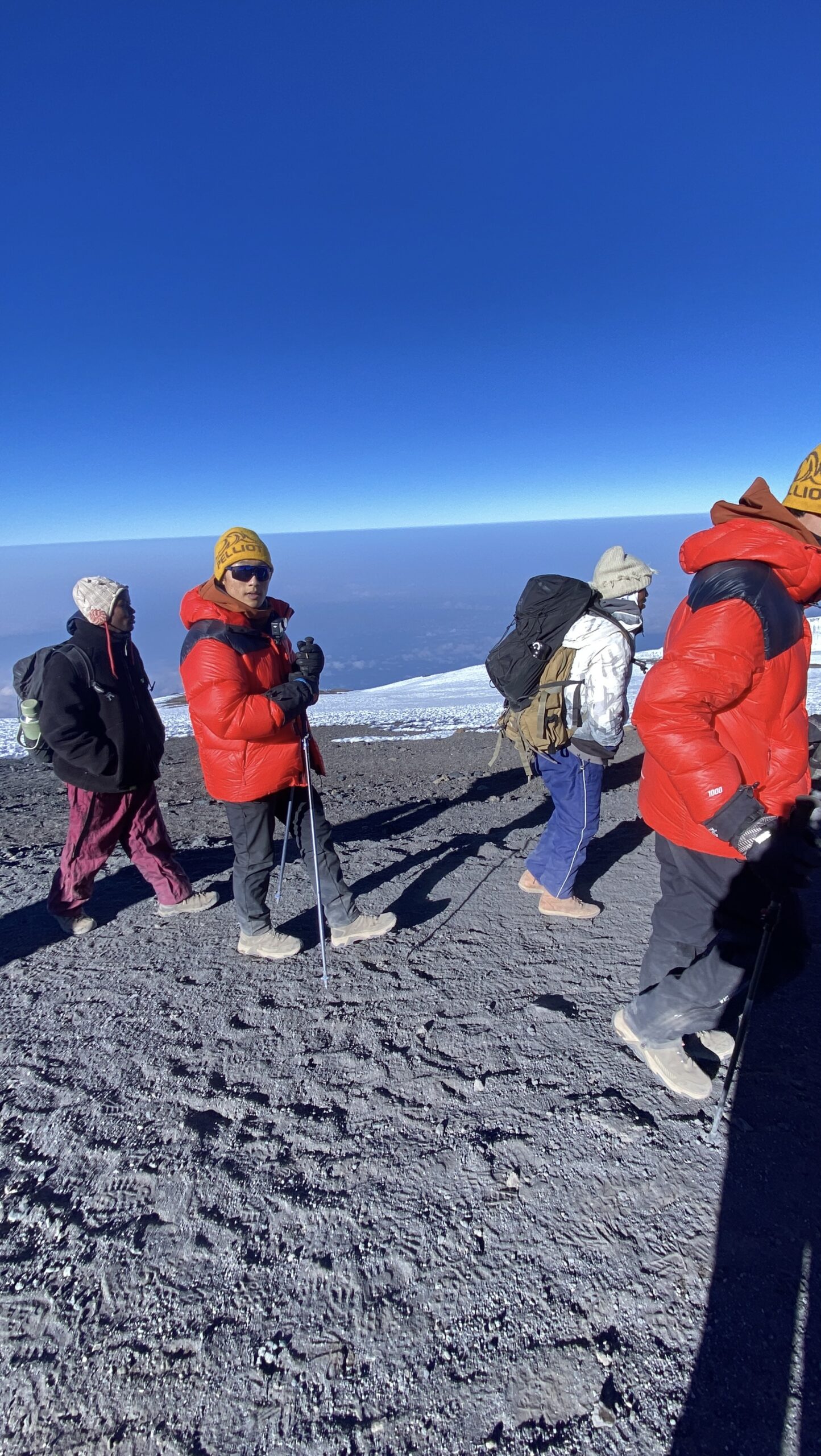
I’ve stood at Kibo Hut at midnight more times than I can count, and the pattern repeats: climbers who moved slowly and deliberately through the rainforest and moorland zones on days one and two are usually the ones still moving steadily by Gilman’s Point. Climbers who push their pace early because the terrain feels easy often struggle more above 4,700m. We slow groups down deliberately on the lower days for exactly this reason — it’s rarely popular in the moment, and it’s almost always the right call by summit night.
For a real account of how this plays out, including a Day 1 safety decision that shaped one group’s entire climb, see our real 6-day Marangu Route trip report. Conditions on summit night also shift by month — check our Kilimanjaro weather by month guide before you book your dates.
Free Download: Kilimanjaro Altitude Symptom & AMS Checklist
Altitude-related symptoms are one of the most important reasons climbers may need to slow down, stop, or turn around on Kilimanjaro. This practical checklist is used by Sabinus Msimba and the Kilimania Adventure team to monitor climbers throughout every expedition.
- Normal acclimatization symptoms above 3,000m
- Acute Mountain Sickness (AMS) warning signs
- HACE and HAPE emergency symptoms
- Daily health monitoring form (SpO₂, pulse, hydration)
Download the free PDF checklist
Prepared by Sabinus Msimba, Senior Mountain Guide, Kilimania Adventure, Moshi, Tanzania. For educational purposes only — not a substitute for professional medical advice.
Who Marangu genuinely suits
- Climbers who prefer sleeping in a hut over a tent — see our Marangu Route huts guide for what to expect at Mandara, Horombo, and Kibo
- Climbers with limited vacation time who still want proper acclimatization (with the 6-day version)
- First-time high-altitude trekkers who want a more predictable, less technical trail
Climbers who prefer a more established trail and hut accommodation may find Marangu appealing, but age alone does not determine whether someone is suitable for a high-altitude climb — see KINAPA’s minimum age rules for the specific requirements. Climbers prioritizing maximum acclimatization time or varied scenery are usually better matched to a 7- or 8-day tented route. If you’re unsure whether to climb at all, our honest look at reasons some climbers should reconsider is worth reading first. Pack lists also vary slightly by route and season — see our full Kilimanjaro packing list.
Marangu vs. other Kilimanjaro routes
| Route | Typical duration | Accommodation | Terrain difficulty | Acclimatization profile |
|---|---|---|---|---|
| Marangu | 5–6 days | Huts | Low–moderate | Shorter unless 6-day chosen |
| Machame | 6–7 days | Tents | Moderate | Good — climb high, sleep low |
| Lemosho | 7–8 days | Tents | Moderate | Longest exposure of the standard routes |
| Rongai | 6–7 days | Tents | Low–moderate | Good, drier northern approach |
Budget is part of this decision too — costs vary by duration, group size, and season. Our hidden costs of climbing Kilimanjaro guide and current TANAPA park fee breakdown are worth reading before you compare operator quotes.
The bottom line
The Marangu Route is easier in terrain and hard in altitude — like every other route on the mountain, within a UNESCO World Heritage Site. Its real advantage is comfort, not reduced difficulty. If you want the trail’s gentler profile without giving up meaningful acclimatization time, the 6-day version with the extra Horombo acclimatization day is the version we recommend.
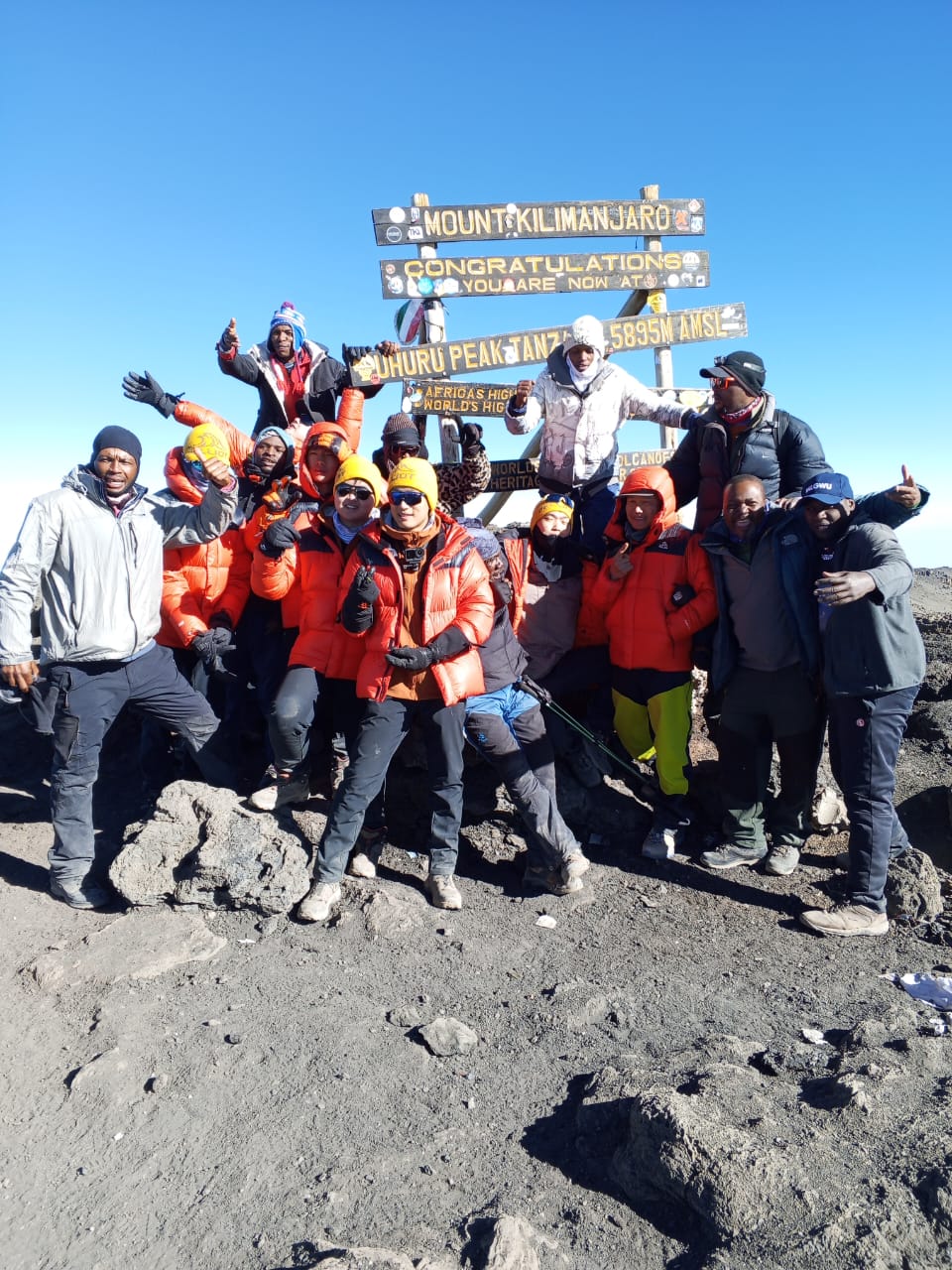
Frequently asked questions
Is the Marangu Route the easiest way up Kilimanjaro?
The terrain is gentler than most other routes, and hut accommodation removes the physical demands of tent camping. But altitude affects every climber regardless of route, and Marangu’s shorter standard itinerary gives less time to acclimatize than 7- or 8-day alternatives.
What is the hardest part of the Marangu Route?
For most climbers, summit night is the hardest part. The climb from Kibo Hut to Uhuru Peak covers roughly 1,200 vertical meters on loose scree, in darkness and freezing temperatures, after five days of cumulative altitude exposure.
Does the 6-day itinerary make Marangu easier than the 5-day version?
It doesn’t change the terrain, but it meaningfully improves acclimatization by adding an extra day at Horombo Hut, which most guides consider one of the biggest factors in summit-night difficulty.
Who should avoid the Marangu Route?
Climbers who want maximum acclimatization time or the most scenic, varied terrain are usually better suited to 7- or 8-day tented routes like Machame or Lemosho, which spend more days at altitude before summit night.
Planning a 5- or 6-day Marangu Route climb?
Send us your dates and group size and we’ll recommend the itinerary that best fits your time, experience, and acclimatization needs. Our team in Moshi replies within 12 hours, every day.
WhatsApp +255 756 449 990 · info@kilimania.co.tz
KINAPA-licensed guides · TATO-registered operator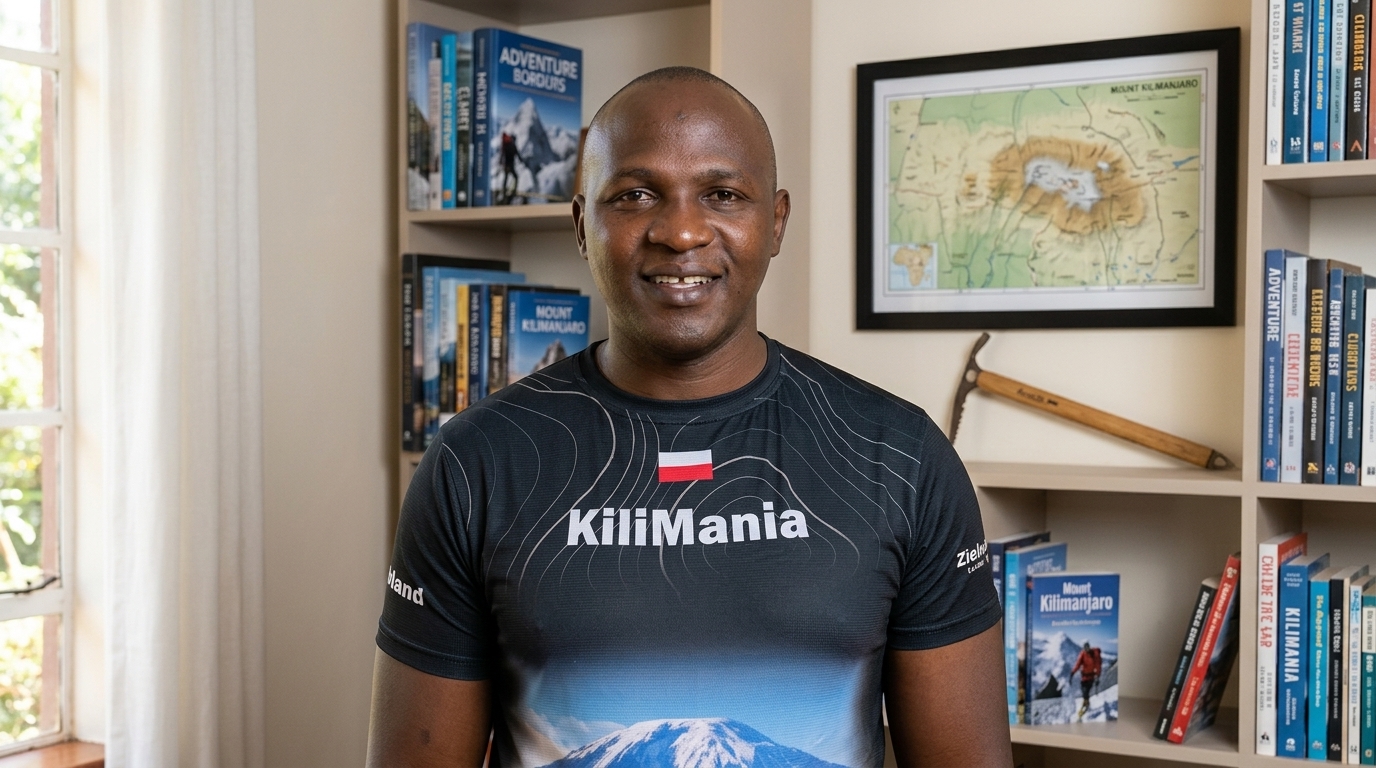
Sabinus Msimba
Senior Kilimanjaro Guide, Kilimania Adventure. 22 years guiding on Mount Kilimanjaro, 300+ personal Uhuru Peak ascents, KINAPA-licensed. Full credentials and license verification are available on his bio page.
See verified feedback on TripAdvisor and Google Reviews.
Last verified: August 2026 · Next scheduled review: February 2027
Kilimania Adventure is a TATO-registered tour operator based in Moshi, Tanzania. This article reflects our commercial interest in Kilimanjaro climbing bookings alongside factual guidance from our guiding experience.