Kilimanjaro Summit Night, Hour by Hour: What Actually Happens (2026)
Field data cited in this article (timings, SpO₂ readings, temperatures) comes from Kilimania Adventure’s own guide logs from July 2026 guided climbs unless otherwise noted. Medical claims about AMS, HACE, and HAPE are referenced against the CDC Yellow Book, the Wilderness Medical Society, and the International Society for Mountain Medicine.
Quick Answer
Summit night typically runs 6 to 9 hours from Barafu Camp (4,673m) to Uhuru Peak (5,895m). Most Kilimania groups wake at 11:00 PM, eat a small meal by 11:30 PM, and depart right at midnight. It is the hardest stretch of any Kilimanjaro climb. Appetite loss, cold-numbed fingers, and a single vomiting episode are normal — not signs of failure. Departing exactly on schedule doesn’t guarantee a fast pace: one of our July 2026 groups left at midnight as planned but still took just over eight hours, reaching Uhuru Peak at 8:15 AM. That is not a failed climb; it is a guide adjusting speed to the climbers in front of him, not the clock.
📱 Not sure if you can handle summit night?
WhatsApp Sabinus — Free 15-Min ConsultTextbook Timeline vs. Real Timeline
Most guide companies describe an 11 PM wake-up, a midnight departure, and a 5:30–6:30 AM summit as “typical.” What often goes unsaid is that following that schedule to the minute — waking at 11 PM, eating by 11:30 PM, departing at midnight — does not guarantee that fast a pace. Real climbs vary far more than the brochure suggests, even when every prep step goes exactly to plan.
Source: Kilimania Adventure internal guide log, Lemosho Route climb, July 2026.
| Stage | Textbook Timing | Real Climb, July 2026 | SpO₂ / Notes |
|---|---|---|---|
| Wake-up at Barafu (4,673m) | 11:00 PM | 11:00 PM | Resting SpO₂ ~78-82% (guide pulse oximeter reading) |
| Meal & gear check | 11:30 PM | 11:30 PM | One of three climbers couldn’t manage food; soup and tea offered instead |
| Departure from camp | Midnight | 12:00 AM — right on schedule | -9°C, light wind |
| First rest break | 1:30 AM | 1:45 AM | One climber’s fingers numb despite mittens |
| Halfway point (~5,200m) | 3:00 AM | 3:30 AM | Appetite gone for all three family climbers |
| Sunrise / scree section | 5:00 AM | 6:00 AM | SpO₂ readings 65-72% (guide pulse oximeter reading) |
| Stella Point (5,756m) | 5:30–6:30 AM | 7:30 AM | SpO₂ dropped to 63-68% (guide pulse oximeter reading) |
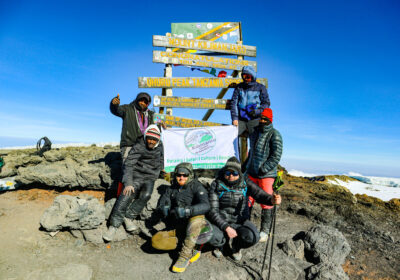
| Uhuru Peak (5,895m) | 6:00–7:00 AM | 8:15 AM | Most other groups had already begun their descent |
| Descent to Barafu | 9:00–10:00 AM | ~12:30 PM | Group ate a full lunch at camp |
| Continue to Mweka Camp | Same afternoon | Arrived with daylight to spare | First full night’s sleep in five nights |
An on-time departure is not the same as a fast climb. This group followed the prep schedule to the minute — 11 PM wake-up, 11:30 PM meal, midnight departure — and still took just over eight hours to reach the summit. That is not a failed climb. It means the guide adjusted pace to match the climbers in front of him, not the clock.
Want to know how this timeline changes on your chosen route?
Compare Kilimanjaro Routes & Summit Approaches📥 Free Download: Kilimanjaro Altitude Symptom & AMS Checklist
Altitude illness is a leading reason climbers turn around on Kilimanjaro. This is the checklist Sabinus Msimba and the Kilimania team use to monitor climbers on summit night.
- Normal acclimatization symptoms above 3,000m
- AMS warning signs vs. HACE/HAPE emergency symptoms
- Daily health monitoring form (SpO₂, pulse, hydration)
The Real Hour-by-Hour Breakdown
This is what actually happened, hour by hour, on the July 2026 climb. The group hit every prep milestone on schedule — wake-up, meal, departure — and the pace still slowed dramatically after the first cold hour. Here is exactly why.
11:00 PM — Wake-Up & Gear Check
A guide unzips the tent and calls softly — no shouting at this altitude. Boots that were warm at 8 PM are stiff with cold. Headlamps, gloves, and extra layers get checked one by one before anyone steps outside.
11:30 PM — Meal Prep, Even Without Appetite
Tea is poured before anyone speaks. None of the three family climbers managed a full dinner the evening before, and one still couldn’t face food at this 11:30 PM meal. We serve soup, not a plate — insisting on a full meal this close to departure usually backfires.
12:00 AM (Midnight) — Departure, Right on Schedule
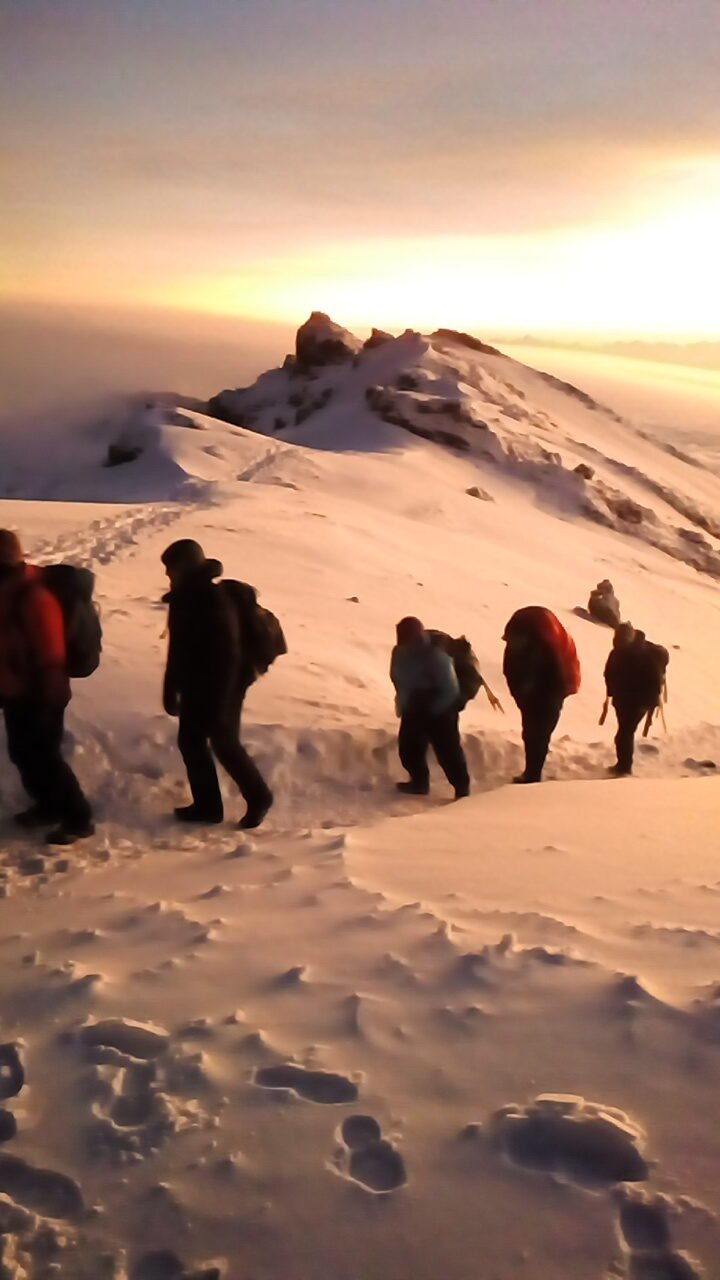
Headlamps only. No conversation. The group left exactly when planned — the first 20 minutes are still the steepest psychological hurdle of the night, on-time departure or not.
1:45 AM — The Cold Wall
This is where hand warmers fail if they weren’t activated early enough. One climber’s fingers went numb inside liner gloves; we stopped, swapped to mittens with fresh warmers, and kept walking within four minutes — long stops let core temperature drop further. This single 15-minute delay is where the day’s schedule starts to slip.
3:30 AM — Appetite Collapse (Halfway Point)
Roughly three and a half hours after a midnight departure, appetite disappears entirely for most climbers. All three in this group stopped eating solid food here. We switched to sips of sugared tea and small bites of dried mango.
6:00 AM — Sunrise & the Scree Grind
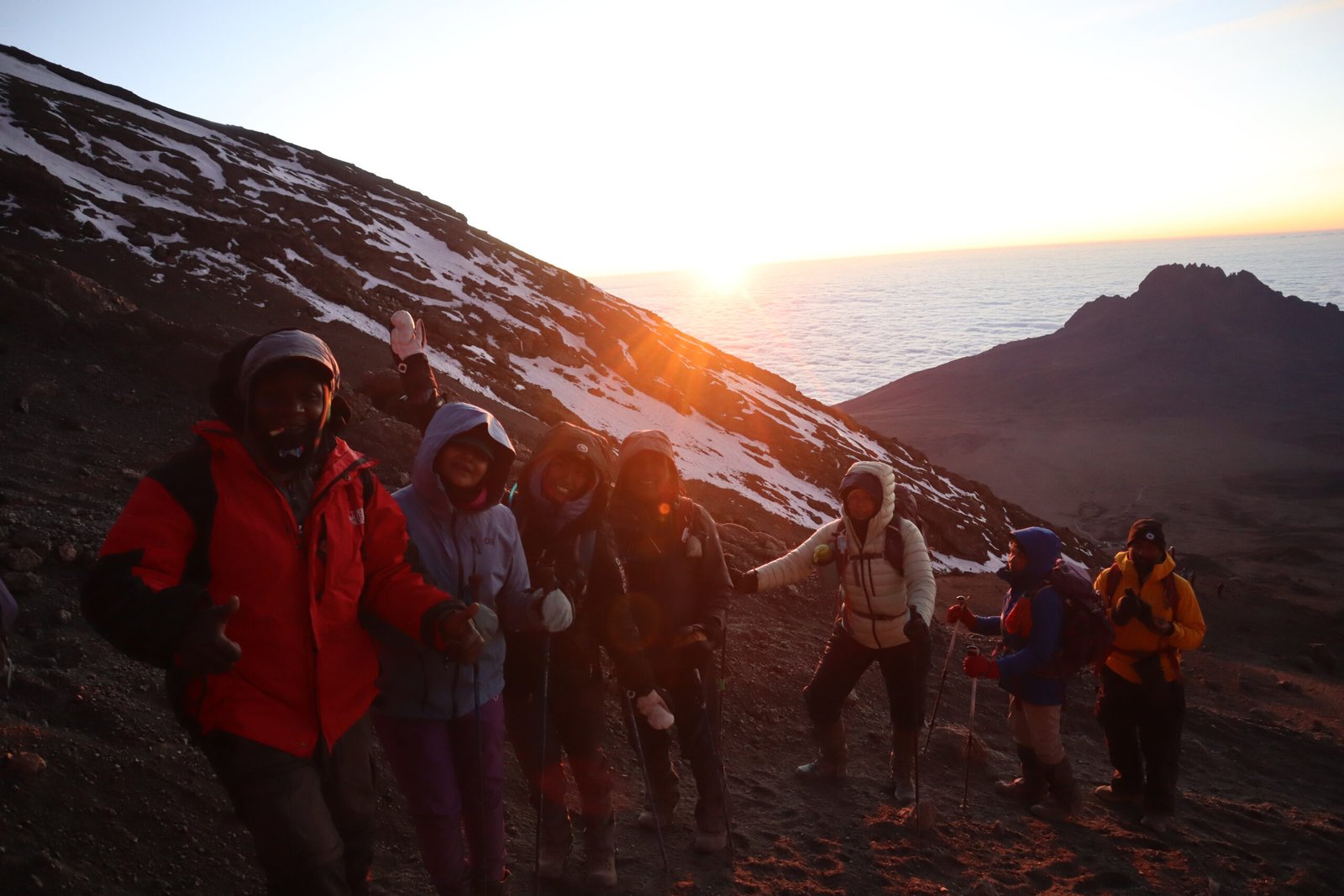
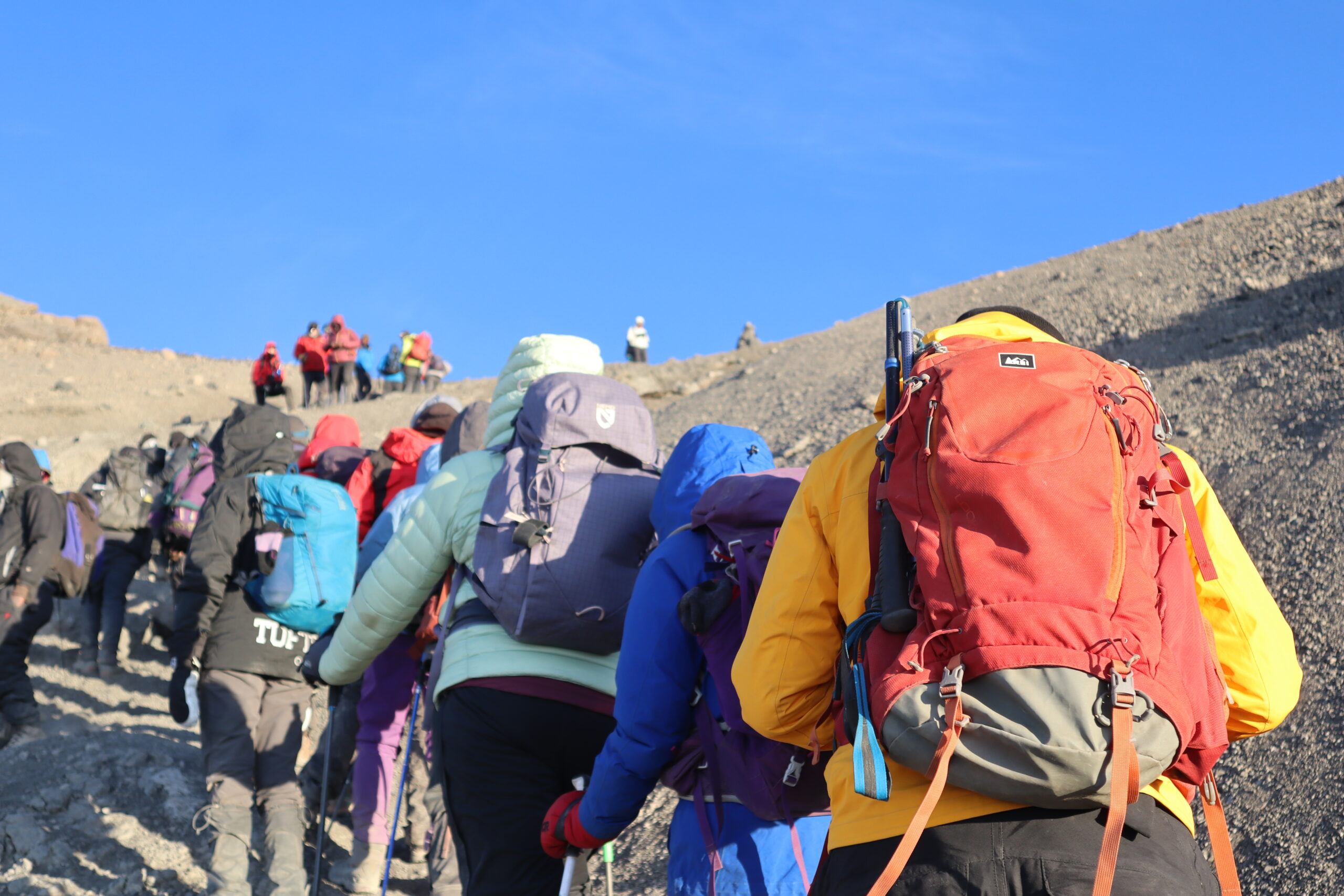
Sunrise is the emotional lift most climbers expect, but it arrives alongside the hardest terrain of the night: loose volcanic scree on steep switchbacks. Two steps forward, one slide back, on a slope that never seems to end.
7:30 AM — Stella Point
Stella Point is not the summit — say this out loud to your climbers here, because the crater rim view fools people into thinking they’ve arrived. There is still 40-60 minutes of walking, at altitude, along a relatively gentle but exposed ridge.
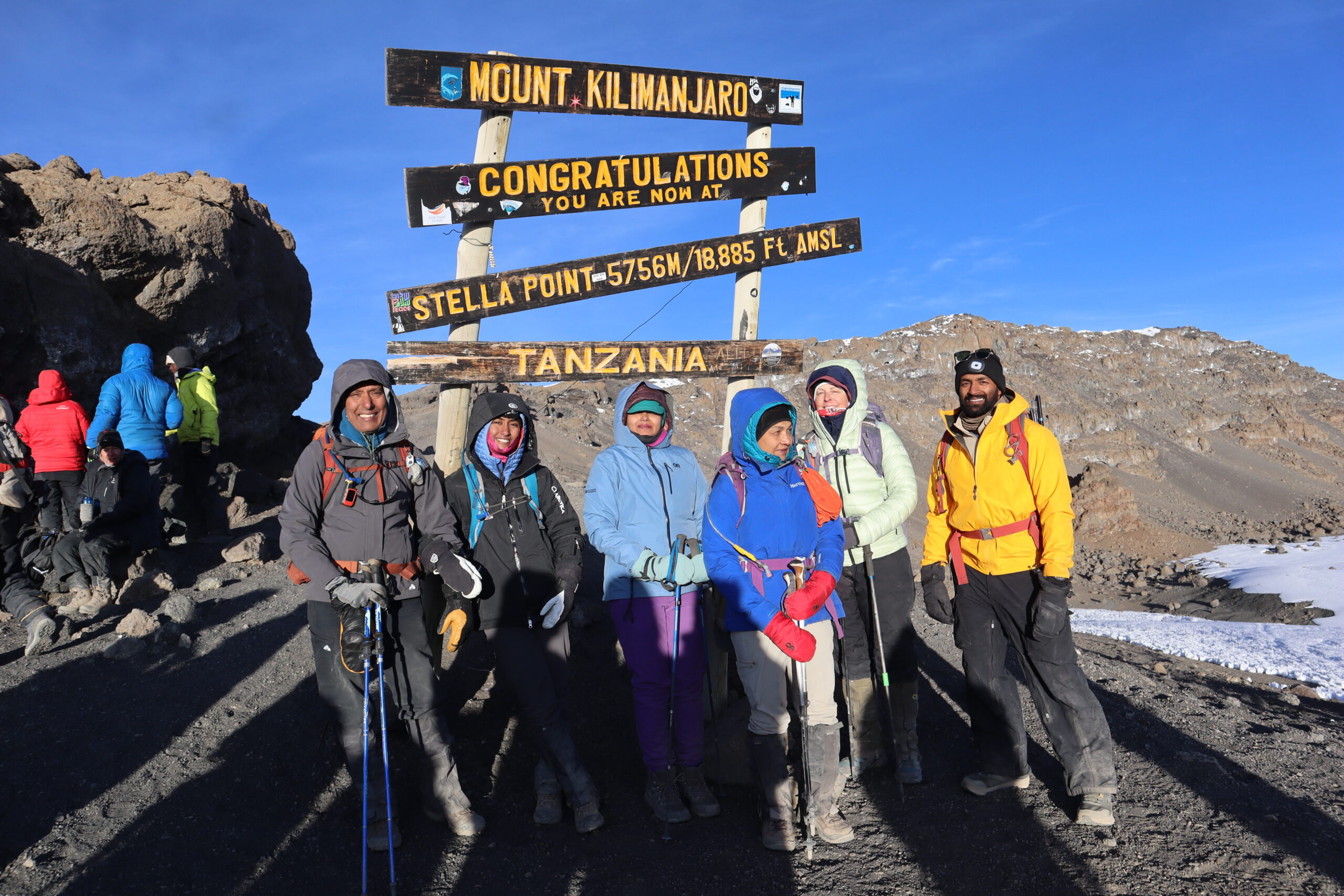
8:15 AM — Uhuru Peak
Eight hours and fifteen minutes after a midnight departure — well past the textbook 6:00-7:00 AM window, but still a safe, successful summit. Photos take four minutes — nobody lingers longer at this altitude by choice.
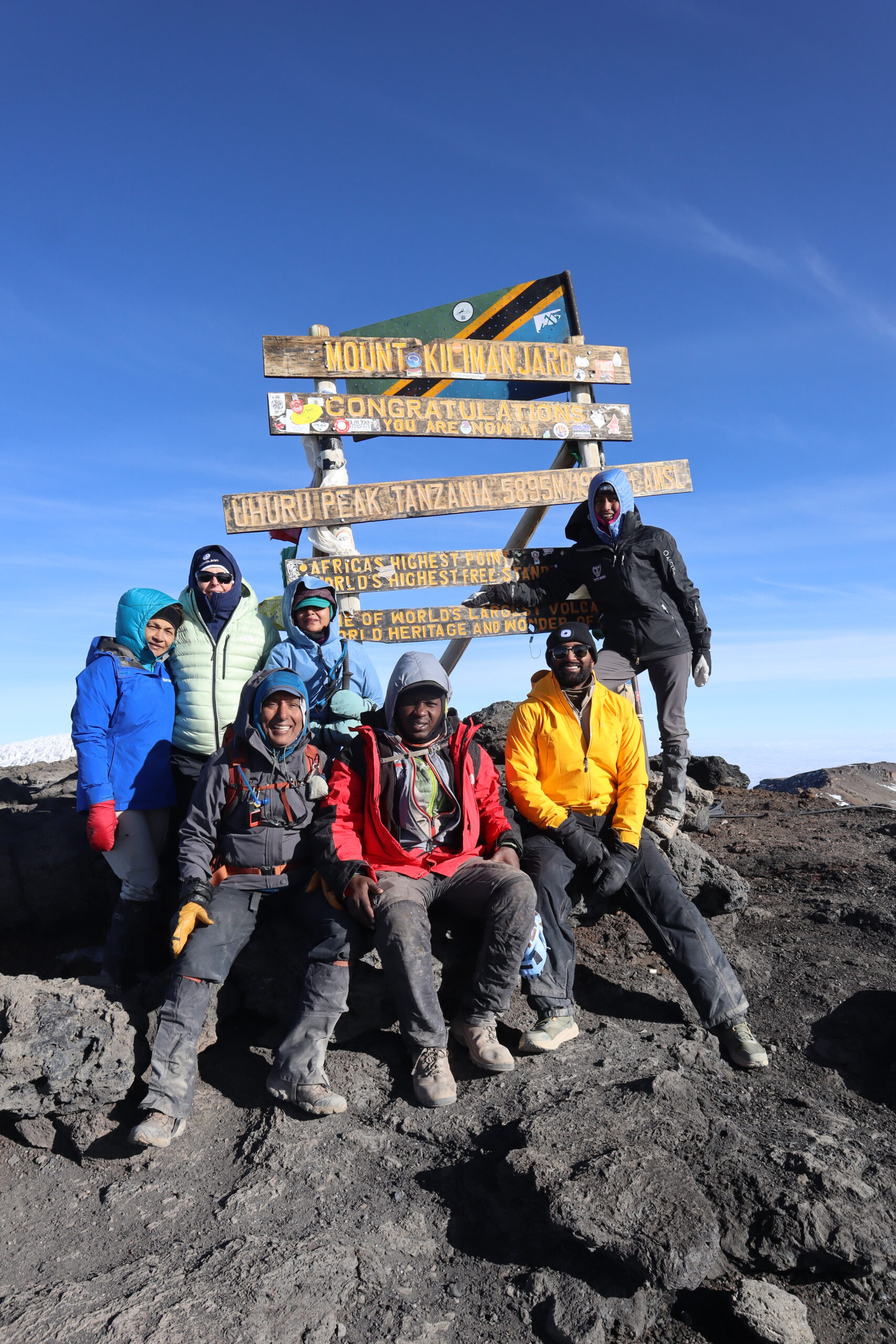
8:30 AM Onward — The Descent
The descent is rarely discussed but is its own ordeal: exhausted legs on loose scree, often in full sun and rising heat. The group reached Barafu Camp by around 12:30 PM for a full lunch, then continued to Mweka Camp with daylight to spare — their first full night’s sleep in five nights.
What to Eat Before Summit Night, Even Without Appetite
Appetite loss above roughly 3,500m is normal, driven by reduced blood flow to the digestive system as the body prioritizes oxygen delivery to muscles and brain — a pattern consistent with International Society for Mountain Medicine guidance on altitude physiology. On the July 2026 climb, none of three family climbers ate a proper dinner the evening before, and one still couldn’t manage the 11:30 PM pre-departure meal.
We do not force a large meal onto a nauseated climber — it commonly triggers vomiting rather than preventing it. Instead:
- Soup — easy to digest, warm, hydrating.
- Banana or dried fruit — small, manageable bites every 30 minutes.
- Plain crackers — settle the stomach without heavy fat or protein.
- Sugared tea, sipped — better tolerated than plain water for some climbers.
Some fuel beats none. A climber who eats 250 calories across the night generally paces better than one who eats nothing, even if neither finishes a full meal.
Vomiting, Headaches & AMS: What’s Normal vs. Dangerous
A single episode of vomiting, followed by recovery, is common and does not automatically indicate a dangerous condition — it typically relates to exertion, cold, and mild altitude effects. In one real case on this climb, a climber vomited once partway up, recovered within minutes, and continued to the summit at a slower pace.
Symptom classification below follows guidance published by the Wilderness Medical Society and the CDC Yellow Book.
| Symptom | Usually Normal | Requires Immediate Descent |
|---|---|---|
| Headache | Mild, responds to rest/water | Severe, unresponsive to painkillers |
| Vomiting | Single episode, recovers in minutes | Repeated, with confusion |
| Coordination | Slow but steady walking | Ataxia — cannot walk a straight line |
| Breathing | Heavy but improves at rest | Breathless at rest, wet cough (possible HAPE) |
| Mental state | Tired, quiet, focused | Confused, disoriented (possible HACE) |
Guides watch closely after any vomiting episode for signs of HACE (cerebral edema) or HAPE (pulmonary edema), which require immediate descent regardless of proximity to the summit — no exceptions, even 100 metres from Uhuru Peak.
For climbers managing pre-existing conditions, see our dedicated guide to climbing Kilimanjaro with medical conditions.
7 Mistakes Climbers Make on Summit Night
- Starting too fast. The adrenaline of a midnight departure tempts climbers to outpace the guide in the first 30 minutes — this is the single biggest predictor of exhaustion by hour four.
- Boots laced too tightly. Tight lacing restricts circulation and speeds up toe numbness in sub-zero temperatures.
- Not drinking enough. Climbers avoid water to skip a toilet stop in the cold, then arrive at Stella Point dehydrated and nauseated.
- Overeating at the 11:30 PM meal. A heavy plate this close to a midnight departure often comes back up within the first two hours of climbing.
- Staring at the summit the entire time. Watching a headlamp line stretch endlessly upward is demoralizing; we tell climbers to watch the guide’s boots instead.
- Taking long breaks. A 15-minute sit-down break lets muscles stiffen and core temperature drop — five minutes, standing, is safer.
- Ignoring early symptoms. Climbers who mention a mild headache at hour two recover faster than those who hide it until hour six.
Pacing Techniques That Actually Work
- Follow the lead guide’s pace — not a faster climber’s pace.
- Take short, deliberate steps — pole pole, roughly half a normal stride.
- Sip water every 5 minutes, rather than large infrequent gulps.
- Eat a small amount every 30 minutes, even without appetite.
- Keep breaks under 5 minutes — longer stops let the body cool and stiffen.
- Report symptoms immediately — early reporting means pacing adjustments, not automatic descent.
Gear That Actually Matters on Summit Night
Temperatures commonly fall to -10°C to -15°C near Stella Point before sunrise in July. Cold-related dropouts are as common as altitude-related ones in our own guide logs. The essentials: a four-layer system (merino base, fleece mid, down jacket, waterproof shell), insulated mittens over liner gloves, toe warmers, a headlamp with spare batteries, and an insulated water system to prevent the hose from freezing. Full detail in our Kilimanjaro Packing List 2026.
Does Your Route Change Summit Night?
Yes — approach distance and terrain differ, even though the altitude challenge is similar everywhere above Barafu or Kibo Hut.
| Route | Summit Approach Camp | Joins Crater Rim At | Typical Terrain |
|---|---|---|---|
| Lemosho | Barafu Camp, 4,673m | Stella Point | Steep scree switchbacks |
| Machame | Barafu Camp, 4,673m | Stella Point | Steep scree switchbacks |
| Marangu | Kibo Hut, 4,703m | Gillman’s Point | Scree and volcanic rock, shorter huts route |
| Rongai | Kibo Hut / School Hut | Gillman’s Point | Similar to Marangu approach |
| Northern Circuit | Barafu Camp, 4,673m | Stella Point | Longer acclimatization before same final push |
Compare route-specific summit-night data in Kilimanjaro Summit Night By Route.
Key Takeaways
- Summit night is 6-9 hours, not a fixed 6 — pace varies by group.
- An on-time midnight departure does not guarantee a fast pace — pacing decisions happen after you start walking, not before.
- Wake at 11 PM, eat a small amount by 11:30 PM, depart by midnight — that schedule is a starting point, not a promise.
- Appetite loss above 3,500m is normal; offer small amounts, not full meals.
- One vomiting episode with recovery is common; repeated vomiting with confusion is not.
- Stella Point is not the summit — the hardest 45 minutes often comes after it.
- Cold-related dropouts (numb hands, frozen hoses) are as common as altitude ones.
- Turning back on a guide’s call is a safety decision, not a failed climb.
FAQ
How long does Kilimanjaro summit night take?
Summit night typically takes 6 to 9 hours from Barafu Camp (4,673m) to Uhuru Peak (5,895m). On a real July 2026 Kilimania climb, the group woke at 11:00 PM, ate a small meal by 11:30 PM, and departed right at midnight as planned — yet still took just over 8 hours, reaching Uhuru Peak around 8:15 AM. Pace varies significantly by group fitness and acclimatization, even when the schedule is followed exactly.
What time do you wake up for summit night?
Most Kilimania groups wake around 11:00 PM, eat a small meal by 11:30 PM, and depart at midnight. Guides may shift this earlier or later based on the group’s pace on previous days, the weather forecast near the crater rim, and how climbers responded to altitude at lower camps — midnight is the target departure, not a guarantee of a fast summit.
Is vomiting on summit night normal?
A single episode of vomiting followed by recovery within minutes is common and usually relates to exertion, cold, and mild altitude effects rather than a dangerous condition. According to Wilderness Medical Society guidance, this alone does not indicate HACE or HAPE. Guides monitor closely afterward; repeated vomiting combined with confusion or loss of coordination requires immediate descent.
What is the hardest part of summit night?
Most Kilimania climbers find the section between Stella Point and Uhuru Peak the hardest, not because of technical difficulty but because oxygen saturation is typically at its lowest point of the climb and the summit feels deceptively close while still requiring 40 to 60 more minutes of walking at altitude.
What happens if I can’t continue?
Guides reassess continuously throughout the night. Turning back on a guide’s recommendation is a safety decision, not a failure. A guide accompanies the descending climber while the rest of the group continues with the assistant guide. Symptoms suggesting HACE or HAPE require immediate descent regardless of how close the group is to the summit.
What should I eat if I have no appetite?
Small amounts of soup, banana, or plain crackers at the 11:30 PM meal are better than forcing a full plate. Appetite loss above roughly 3,500m affects a large share of climbers due to reduced digestive blood flow at altitude. Some fuel, even 200 to 300 calories, is more useful than none, and it reduces the chance of vomiting from an overfull stomach.
How much water do I need on summit night?
Aim for 1.5 to 2 litres sipped continuously throughout the 6 to 9 hour ascent, not consumed in large amounts at once. Insulate your hydration hose or use a wide-mouth bottle stored upside down inside your jacket, since hydration tubes commonly freeze below -10°C on Kilimanjaro’s summit approach.
What’s the difference between AMS, HACE, and HAPE?
According to the CDC Yellow Book and Wilderness Medical Society, AMS causes headache, nausea, and fatigue and often resolves with slower pacing and rest. HACE causes confusion and loss of coordination. HAPE causes breathlessness at rest and a wet cough. Both HACE and HAPE require immediate descent regardless of proximity to the summit.
Why does the actual summit time vary even when the group departs on schedule?
A midnight departure only controls when the climb starts, not how fast it goes. Cold-numbed hands, appetite loss, and dropping oxygen saturation slow different climbers at different rates after departure. A group that leaves exactly on time can still take 8 or 9 hours if the guide chooses to slow the pace for safety rather than rush to match a textbook arrival window.
Does my chosen route affect summit night?
Yes. Most southern routes (Machame, Lemosho, Shira, Northern Circuit) summit via Barafu Camp and Stella Point, while Marangu approaches via Kibo Hut and Gillman’s Point, and Rongai also joins near Gillman’s Point. Approach distance and terrain differ by route even though the physiological altitude challenge is similar across all of them.
Conclusion
Summit night rarely goes exactly to the textbook pace, and it doesn’t need to. Departing right on schedule, a rough patch at the cold wall, one vomiting episode — none of these mean the climb has failed. What matters is a guide willing to slow down, and climbers willing to keep taking the next small step.
We Walk With You.
Ready to plan your climb?
We’ll walk you through exactly what to expect on summit night — every hour of it.
WhatsApp Sabinus Email the TeamAbout the Author
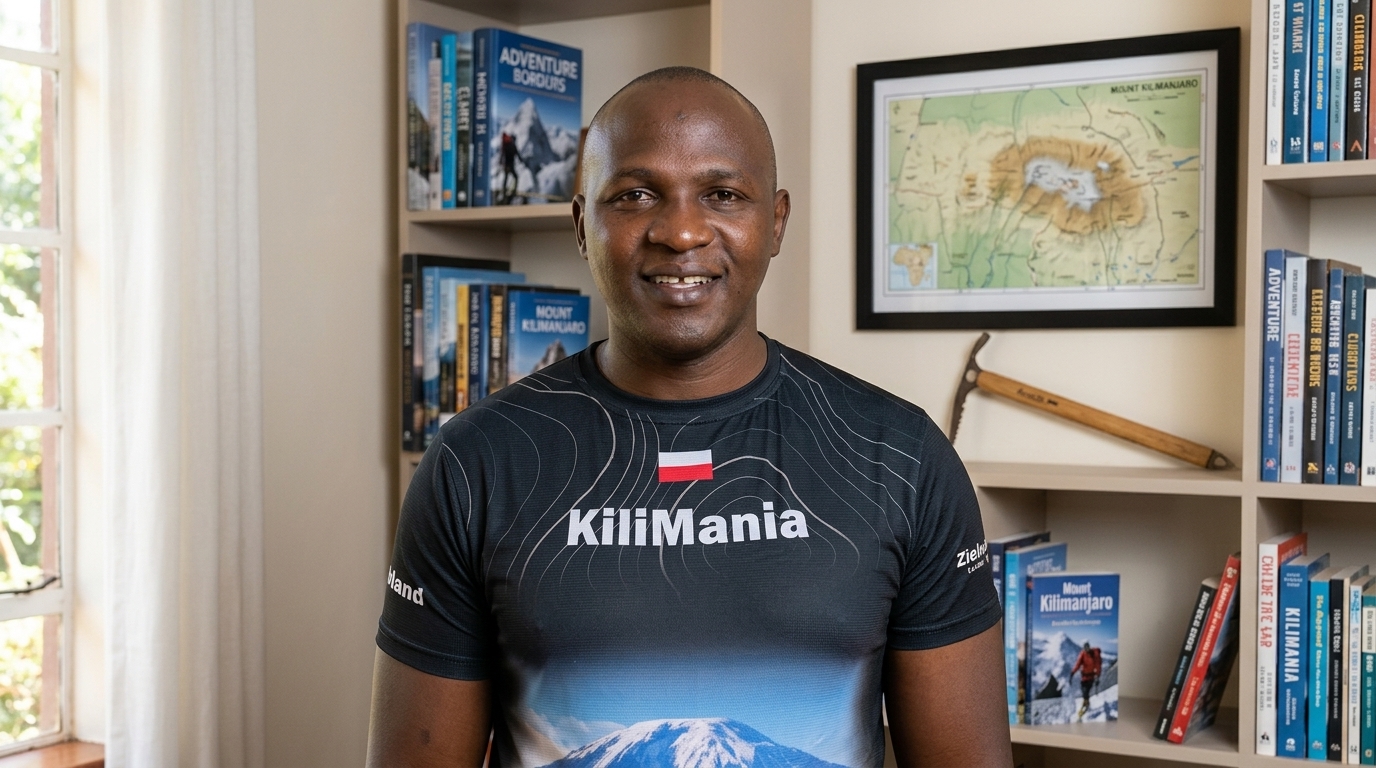
Sabinus Msimba
22+ years guiding on Mount Kilimanjaro · 300+ personal Uhuru Peak summits · KINAPA-licensed since 2003 · career began in 2001 as a porter on the Marangu Route.
All timings, health readings, and observations in this article are drawn from Kilimania’s own July 2026 guided climbs and reviewed by the author before publication.
Continue Reading
Choose Your Climb
Further Reading & Official Sources
Disclosure: This article reflects guide field observations and is reviewed for accuracy by Senior Guide Sabinus Msimba. It is not medical advice; consult a physician for altitude-related health concerns before high-altitude travel. Verify current park regulations at kilimanjaronationalpark.go.tz.