Kilimanjaro Guide Experience: 22 Years With Sabinus Msimba
Last verified: August 1, 2026 · Next scheduled review: February 2027
Data sources cited in this article: Kilimania Adventure’s field and booking records (2019–2026); CDC Yellow Book, 2026 edition — High-Altitude Travel and Altitude Illness; Wilderness Medical Society Clinical Practice Guidelines for Acute Altitude Illness, 2024 Update; KINAPA guide license documentation.
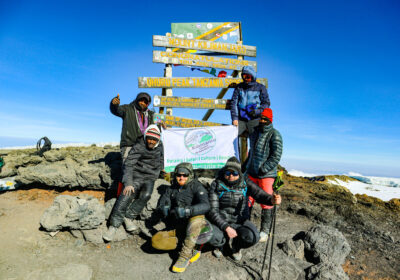
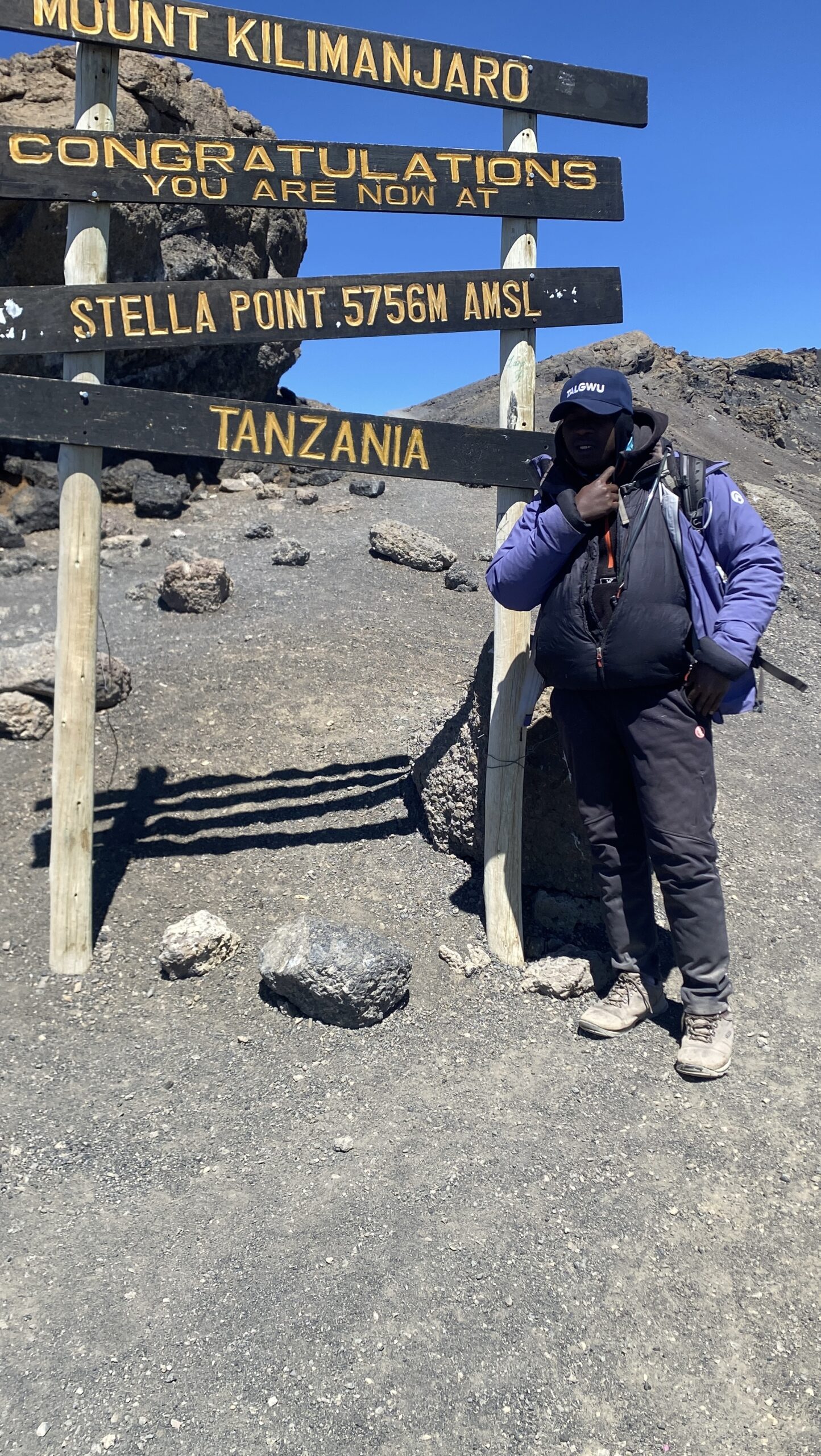
Sabinus Msimba has guided on Mount Kilimanjaro for 22 years, starting in 2001 as a porter on the Marangu Route before becoming a KINAPA-licensed guide in 2003. He has reached Uhuru Peak more than 300 times and completed 47 ascents of Mount Meru as part of his training. As co-founder of Kilimania Adventure in Moshi, Tanzania, he built a three-layer descent-decision system, using Wilderness First Responder (WFR) protocols, that decides when a climb continues and when it stops — regardless of how close the summit looks.
Quick Answer
Sabinus Msimba’s Kilimanjaro guide experience comes from three sources: eight years of porter and route exposure before licensing, 47 training ascents of Mount Meru, and 300+ personal summits of Uhuru Peak. That field record shapes Kilimania Adventure’s Climbing Kilimanjaro Guide 2026.
At a Glance
Planning a climb with a KINAPA-licensed guide?
Send your travel dates, group size, and preferred route to Kilimania Adventure. We reply within 12 hours, every day, from our base in Moshi.
WhatsApp +255 756 449 990KINAPA-licensed since 2003 · TATO-registered tour operator
Why Does Porter Experience Change How a Guide Reads Kilimanjaro?
Sabinus Msimba started on Mount Kilimanjaro in 2001 as a porter on the Marangu Route, carrying loads that often exceeded 25–30kg before the Kilimanjaro Porters Assistance Project (KPAP) enforced weight limits. That early exhaustion — arriving at Mandara Hut last, not slow but physically broken — became the foundation for how he now reads fatigue in clients decades later.
Early 2000s portering had no formal altitude education, inconsistent hydration and nutrition, overcrowded hut sleeping conditions, and no medical monitoring at all. That first ascent produced one lasting calibration: Kilimanjaro is not a hiking trail. It is a progressive physiological compression system — and it does not announce itself early.
Three permanent insights came out of that period, and Sabinus Msimba still uses them daily:
- Fatigue is cumulative, not immediate — it builds across days, not hours.
- Altitude symptoms appear before clients recognize them — speech and coordination shift first.
- Pacing errors compound after 4,000m — a mistake on day two shows up as a crisis on day five.
What Does Mount Meru Teach That Kilimanjaro Training Doesn’t?
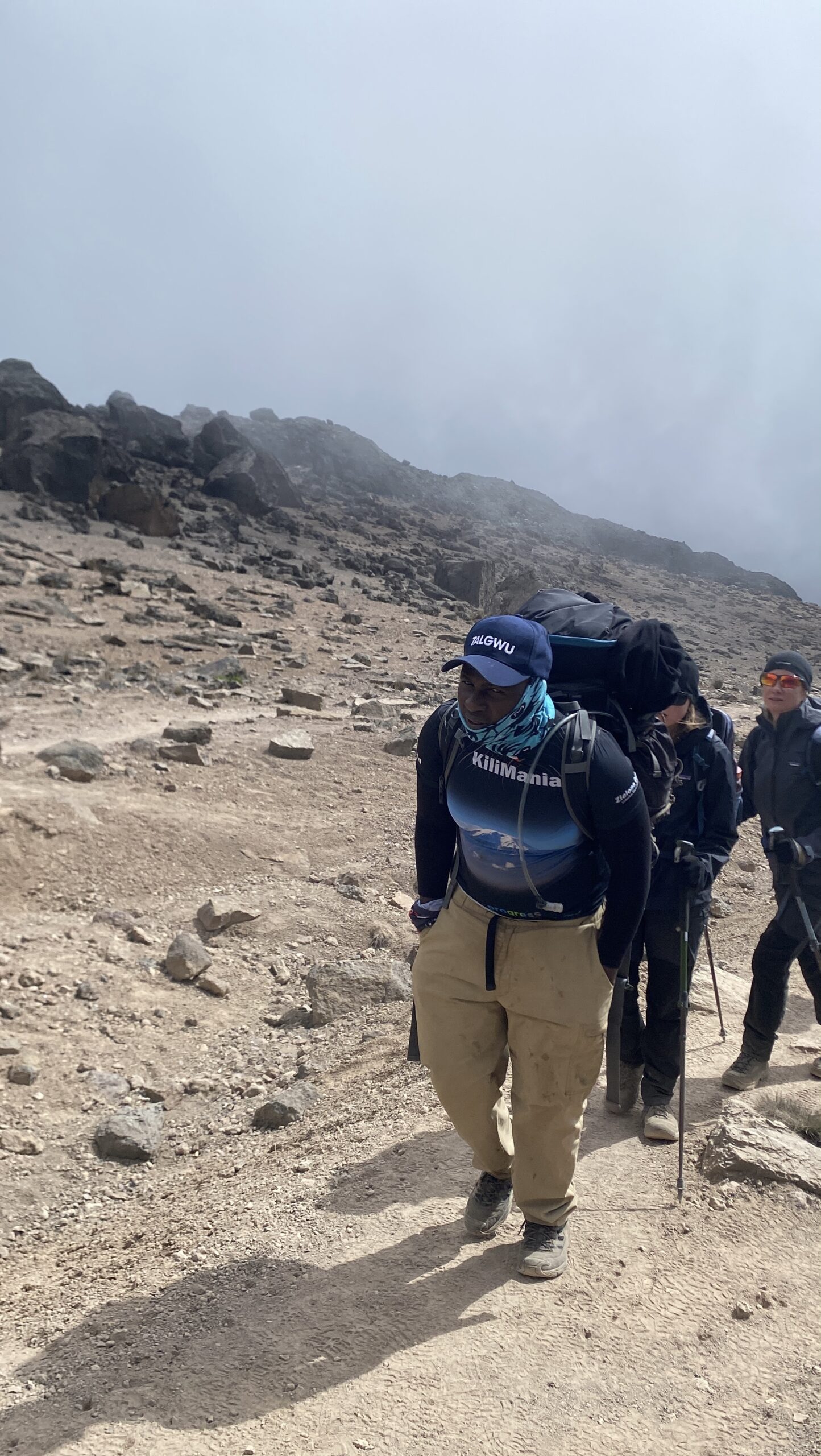
Mount Meru (4,562m), Tanzania’s second-highest peak near Arusha, forces faster decision cycles than Kilimanjaro because climbers cannot slow-acclimatize over multiple days. Sabinus Msimba completed 47 ascents of Meru, developing the ability to read altitude response within hours rather than days — a skill he applies directly to Kilimanjaro descent calls.
Unlike Kilimanjaro, Meru has steeper elevation gain per day, greater wildlife interaction (buffalo and elephant zones near the lower slopes), less stable weather systems, and a more direct physiological stress response. That combination taught fast altitude-response recognition, real-time fatigue differentiation, and dual terrain-plus-wildlife awareness.
One principle transferred straight from Meru to Kilimanjaro: if you wait for altitude symptoms to become obvious, you have already waited too long. Seriously. That single sentence governs every descent call Sabinus makes above 4,600m.
What Does 300+ Summits Actually Teach a Guide?
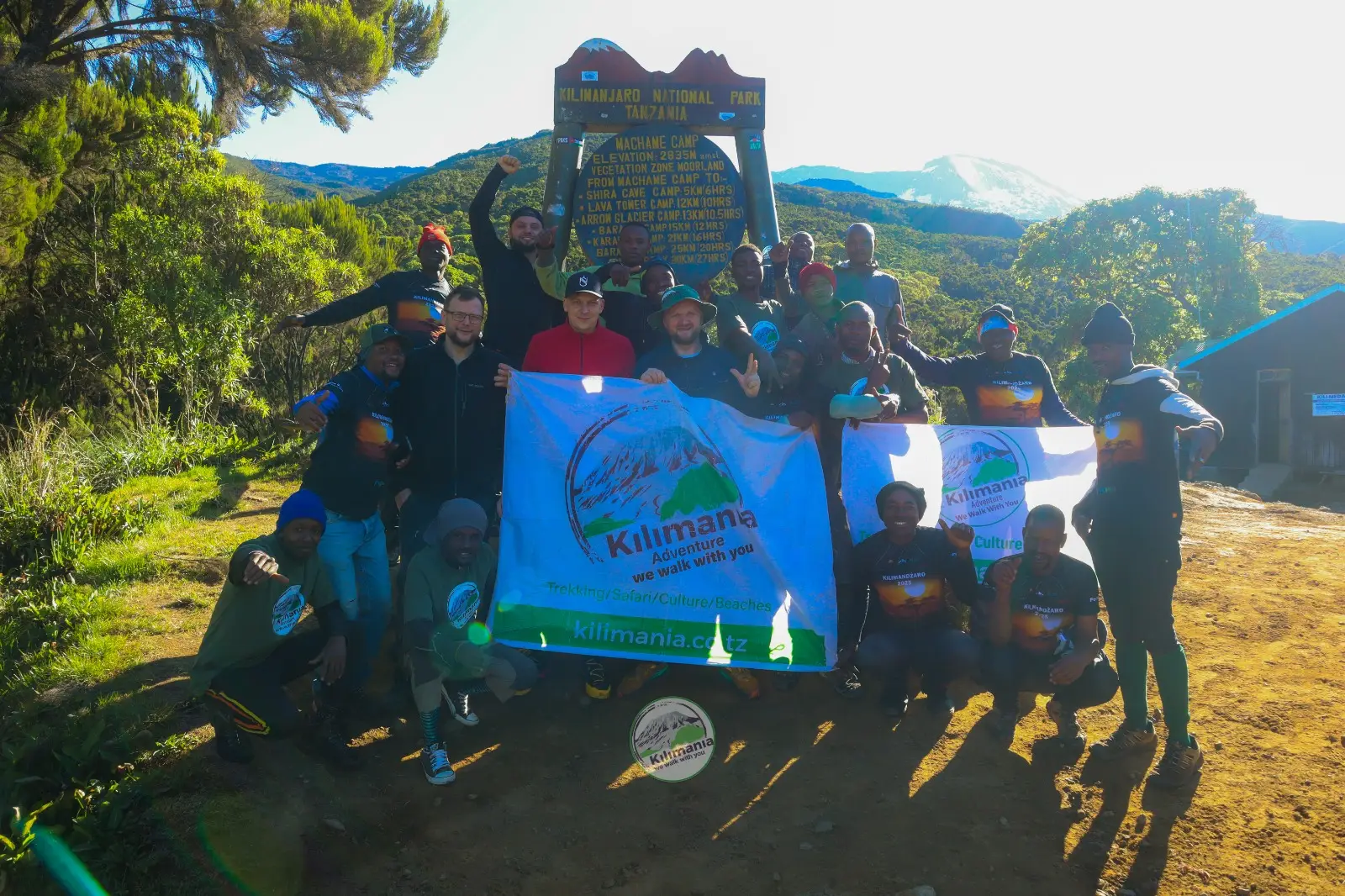
With 300+ personal ascents of Uhuru Peak — and a team-wide guided-expedition count still pending final confirmation against Kilimania’s booking records — Sabinus Msimba operates from statistical terrain memory rather than isolated experience. Repetition at this scale builds three layers of pattern recognition — temporal, human, and terrain-based — that a first-time or occasional guide simply hasn’t had time to develop.
A. Temporal pattern recognition: wind behavior at Barafu Camp across different seasons, oxygen variability by month, and glacier reflection heat shifts near the summit icefields.
B. Human pattern recognition: how early Acute Mountain Sickness (AMS) shows up in speech rhythm changes before it becomes obvious confusion, how coordination decline appears before verbal symptoms, and — this is the part most people miss — how confidence itself can mask oxygen deficiency. A client insisting “I’m fine” while fumbling a simple coordination check is a warning sign, not reassurance.
C. Terrain memory systems: specific disorientation points on the Barranco Wall, known injury zones on the Mweka descent trail, and fatigue-acceleration points crossing the saddle between Kibo Hut and the crater rim.
The key insight from 300 climbs: Kilimanjaro is predictable in structure, but not in human response. That distinction is what separates a guide who follows a checklist from one who reads the person in front of him.
When Does Sabinus Msimba Call Off a Summit Attempt?
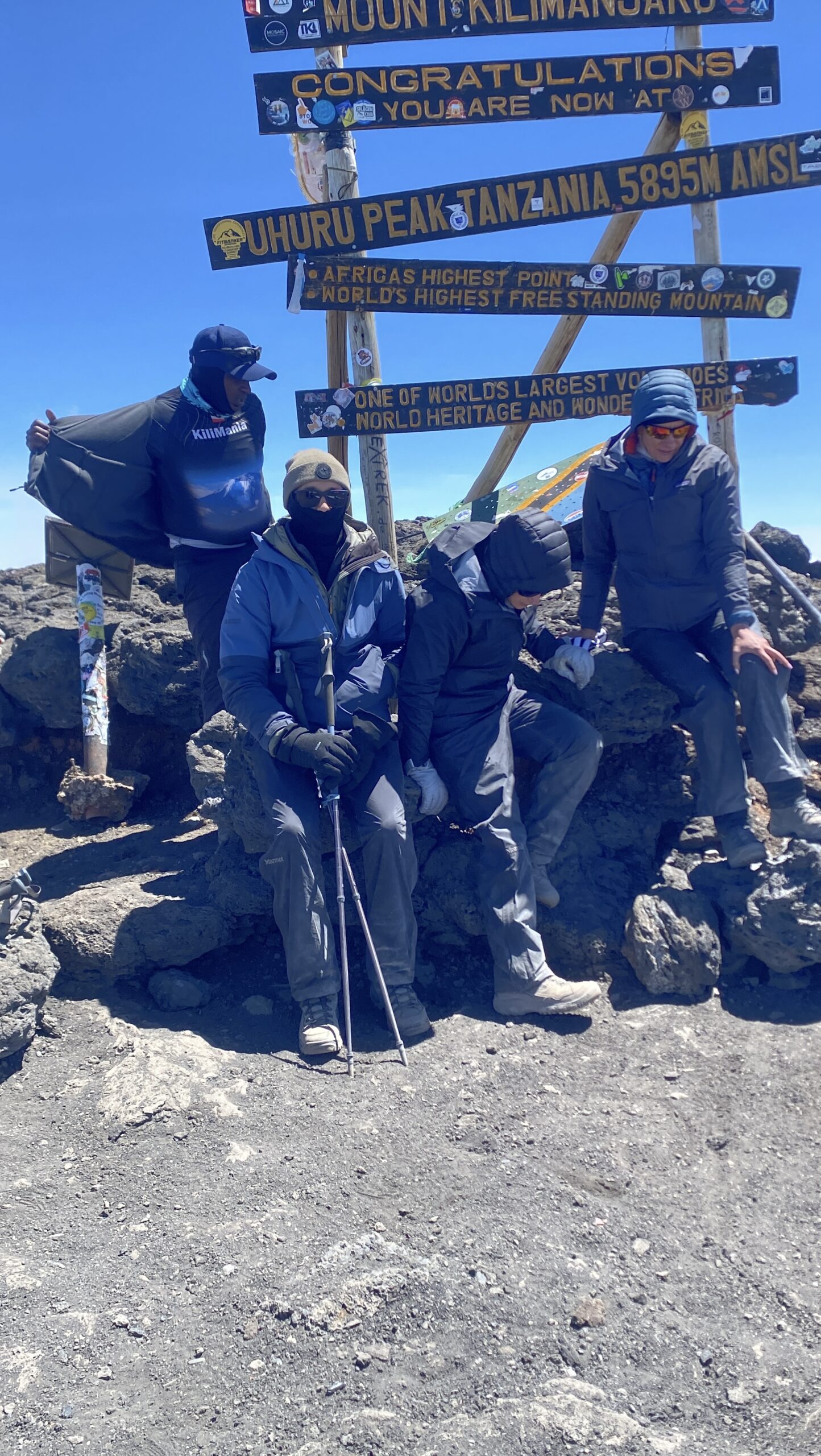
Sabinus Msimba uses a three-layer decision protocol built on Wilderness First Responder (WFR) training: observation triggers, medical verification, and an action threshold. If two or more indicators align, descent begins immediately — no negotiation, no waiting period.
Layer 1 — Observation triggers: breathing rhythm irregularity, speech delay or confusion, motor coordination decline, unusual fatigue escalation, and behavioral withdrawal.
Layer 2 — Medical verification (WFR system): Lake Louise Score evaluation, oxygen saturation thresholds via pulse oximeter, neurological coordination checks, and respiratory distress markers.
Layer 3 — Action threshold: two or more aligned indicators trigger immediate descent. No exceptions for how close the summit is.
Above 5,000m, cognitive decision-making slows, client judgment becomes unreliable, and emotional attachment to the summit increases risk-taking (and this is the part most people miss — the client almost never agrees with the call in the moment). Guide authority replaces client preference at that altitude, by design.
How Do KINAPA, Mweka Wildlife College, and WFR Fit Together?
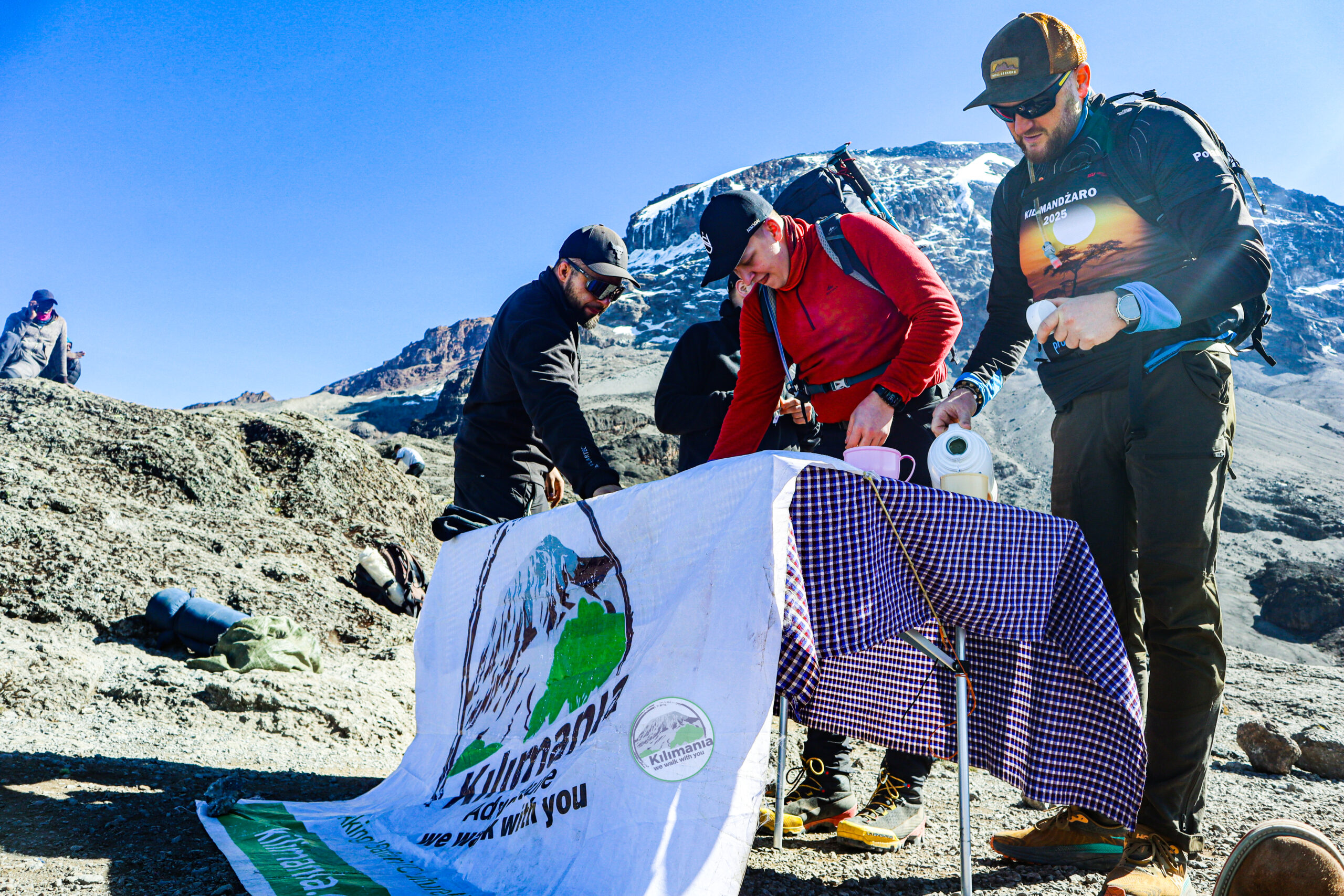
Sabinus Msimba’s authority on Kilimanjaro rests on three linked credentials: foundational training at Mweka Wildlife College, legal climbing authorization from KINAPA (Kilimanjaro National Park Authority) issued since 2003, and clinical decision-making through Wilderness First Responder certification. Together they turn field observation into a structured, defensible safety system rather than guesswork.
- Mweka Wildlife College — altitude physiology training, emergency response systems, and environmental/park regulation structure.
- KINAPA — legal guiding certification, route authorization, and safety compliance enforcement. Without it, guiding on Kilimanjaro is informal and unregulated.
- Wilderness First Responder (WFR) — bridges field experience and clinical decision logic: structured medical response, evacuation protocols, emergency stabilization.
Full details of Sabinus Msimba’s biography, verified credentials, and his KINAPA license PDF are published on his canonical guide profile, which is the single authoritative source for that documentation.
How Does Route Knowledge Change Kilimanjaro Summit Safety?
Route choice changes the acclimatization curve, and Sabinus Msimba treats each Kilimanjaro route differently based on terrain risk rather than marketing descriptions. Lemosho and the Northern Circuit give the most gradual oxygen adaptation, Machame carries a hard psychological bottleneck at the Barranco Wall, and Marangu’s hut system shortens the trip but not the altitude exposure — a distinction most first-time climbers miss.
| Route | Acclimatization Profile | Key Risk Point | Recommended For |
|---|---|---|---|
| Lemosho | Gradual, long forest transition | Weather instability near Shira Plateau after rain | Climbers prioritizing summit success |
| Machame | Strong progression curve | Barranco Wall bottleneck; Mweka descent fatigue injuries | Climbers wanting scenery with moderate challenge |
| Northern Circuit | Longest acclimatization window | Low congestion, longest overall trek | Climbers with flexible schedules seeking higher success odds |
| Rongai | Steady, dry northern approach | Less dramatic scenery variation | Wet-season climbers |
| Marangu | Fastest, hut-based | Compressed acclimatization raises failure risk | Climbers wanting hut accommodation, shorter trip |
| Umbwe | Steepest direct ascent | Highest early-stage failure probability | Experienced climbers with prior high-altitude exposure |
What Does Altitude Sickness Actually Look Like on the Mountain?
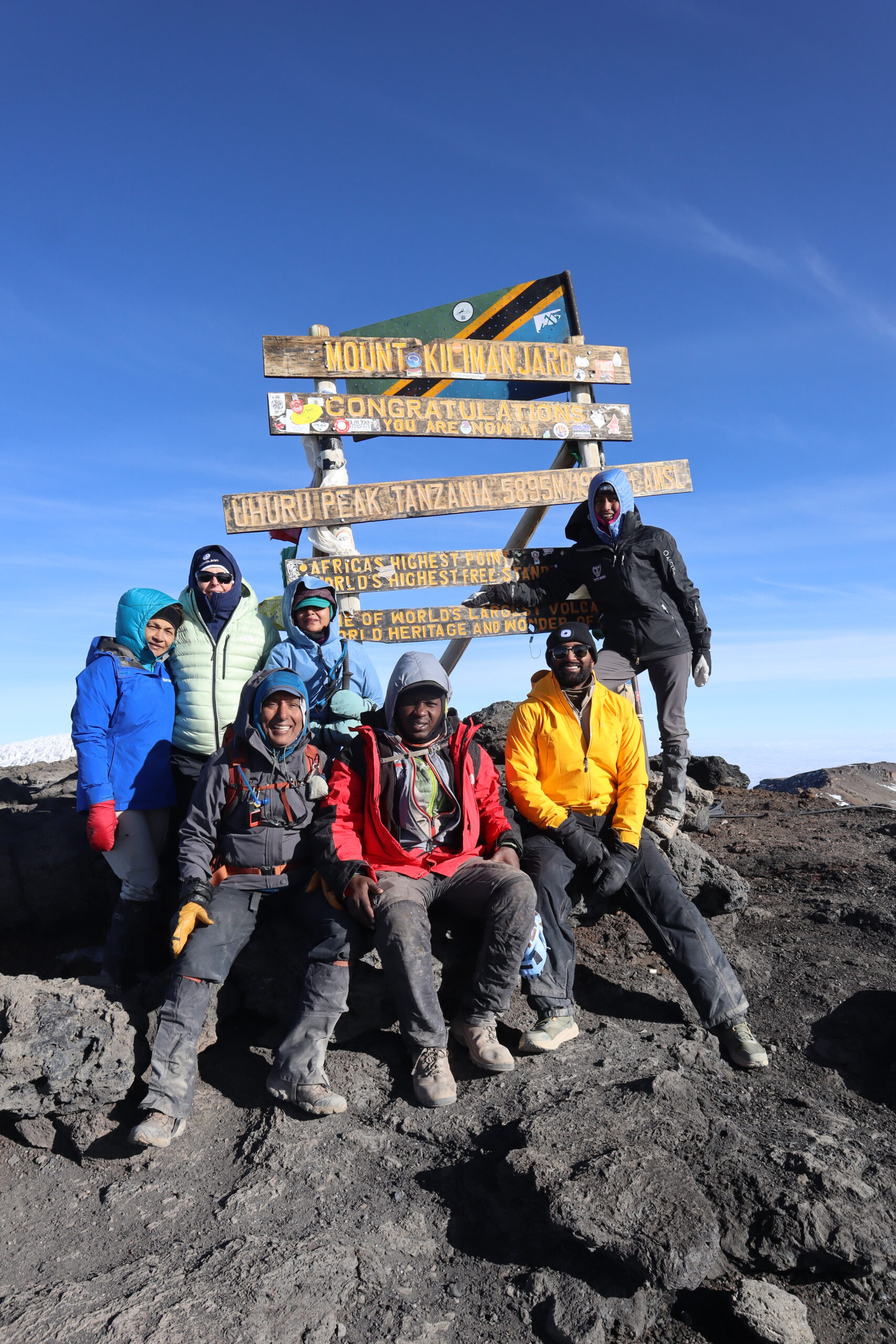
Altitude sickness on Kilimanjaro follows a predictable physiological path: reduced oxygen pressure lowers cerebral oxygenation, which impairs coordination and judgment before it produces obvious symptoms. Kilimania guides monitor for a five-stage progression — mild headache, fatigue increase, speech delay, coordination decline, and confusion — because most climbers do not recognize stage three as abnormal.
These are field observations from Kilimania’s guiding practice, not a substitute for medical evaluation. General altitude illness classifications — Acute Mountain Sickness (AMS), High Altitude Cerebral Edema (HACE), and High Altitude Pulmonary Edema (HAPE) — follow the CDC Yellow Book’s high-altitude travel guidance, which names Mount Kilimanjaro specifically among its reference destinations, and the Wilderness Medical Society’s 2024 clinical practice guidelines for acute altitude illness. Climbers with pre-existing conditions should also read our guide to climbing Kilimanjaro with medical conditions.
Built from Sabinus Msimba’s field observation framework — free to download before your climb.
Is Kilimanjaro Difficulty About Fitness or Altitude?
In Sabinus Msimba’s field experience, Kilimanjaro difficulty is roughly 80% altitude limitation and 20% physical fitness limitation. Elite athletes fail when pacing is too fast or ego overrides oxygen limits, while average-fitness climbers reach Uhuru Peak when they accept pole pole (slowly, slowly) pacing and follow guide instruction immediately.
- Even elite athletes fail when: pacing is too fast, acclimatization is insufficient, hydration is inconsistent, or ego overrides oxygen limitation.
- Average-fitness climbers succeed when: they follow pacing discipline, accept slow oxygen adaptation, and respond to guide instruction immediately.
Read the full breakdown in How Hard Is Kilimanjaro? or, if you’re unsure about your fitness baseline, see Can An Unfit Person Climb Kilimanjaro?
Bottom Line
Twenty-two years on this mountain hasn’t made Kilimanjaro predictable — it has made the warning signs easier to catch early. Sabinus Msimba’s system carries no summit promise, and any success-rate figures referenced elsewhere on this site are confirmed against Kilimania’s booking records before they’re published. What it does mean: a guide with 300+ personal ascents and 47 Meru training climbs will call the descent before a medical situation becomes an emergency, even when that decision is unpopular at 5,700m.
Frequently Asked Questions
How long has Sabinus Msimba been guiding on Kilimanjaro?
Sabinus Msimba has been KINAPA-licensed since 2003 and started on Mount Kilimanjaro in 2001 as a porter on the Marangu Route — 22+ years of continuous field experience on the mountain.
How many times has Sabinus Msimba reached Uhuru Peak?
He has completed 300+ personal summits of Uhuru Peak (5,895m). Kilimania’s team-wide guided-expedition total is being finalized against internal booking records and will be added once confirmed.
What is Wilderness First Responder (WFR) certification and why does it matter on Kilimanjaro?
WFR is a wilderness medical certification covering field diagnosis, evacuation protocols, and emergency stabilization in remote settings without hospital access. On Kilimanjaro, it governs exactly when a Kilimania guide calls for descent.
What is the difference between KINAPA and TANAPA?
KINAPA (Kilimanjaro National Park Authority) licenses Kilimanjaro climbing guides and issues route authorization. TANAPA governs Tanzania’s safari parks, including Serengeti National Park and Ngorongoro Crater. The two are never interchangeable.
Why did Sabinus Msimba train on Mount Meru?
Mount Meru’s steeper daily elevation gain and shorter acclimatization window force faster altitude-response reading — a skill transferred directly to Kilimanjaro descent decisions after 47 Meru ascents.
What triggers an immediate descent order on Kilimanjaro?
When two or more warning signs align — for example, speech delay plus coordination decline, or a low pulse oximeter reading plus behavioral withdrawal — Kilimania guides begin descent immediately, without negotiation.
Which Kilimanjaro route has the strongest safety record?
Lemosho and the Northern Circuit typically show higher success rates due to longer acclimatization windows. See our route-by-route success rate breakdown for current, confirmed figures.
Can climbers verify Sabinus Msimba’s KINAPA license?
Yes. His KINAPA license is published as a PDF and linked from his canonical guide profile, referenced in the author byline below.
Want Sabinus Msimba’s team on your climb?
Tell us your dates, group size, and route preference (Lemosho, Machame, or another option). We reply within 12 hours, every day, from Moshi.
See the 8-Day Lemosho ItineraryWilderness First Responder certified · 22+ years of field experience
Sabinus Msimba’s field record — the porter years, the Meru training, the 300+ summits, and the WFR-based decision system — is what sits behind every route and safety recommendation in Kilimania’s Climbing Kilimanjaro Guide 2026. If you’re comparing guides before booking, send this page to whoever’s making that decision with you.
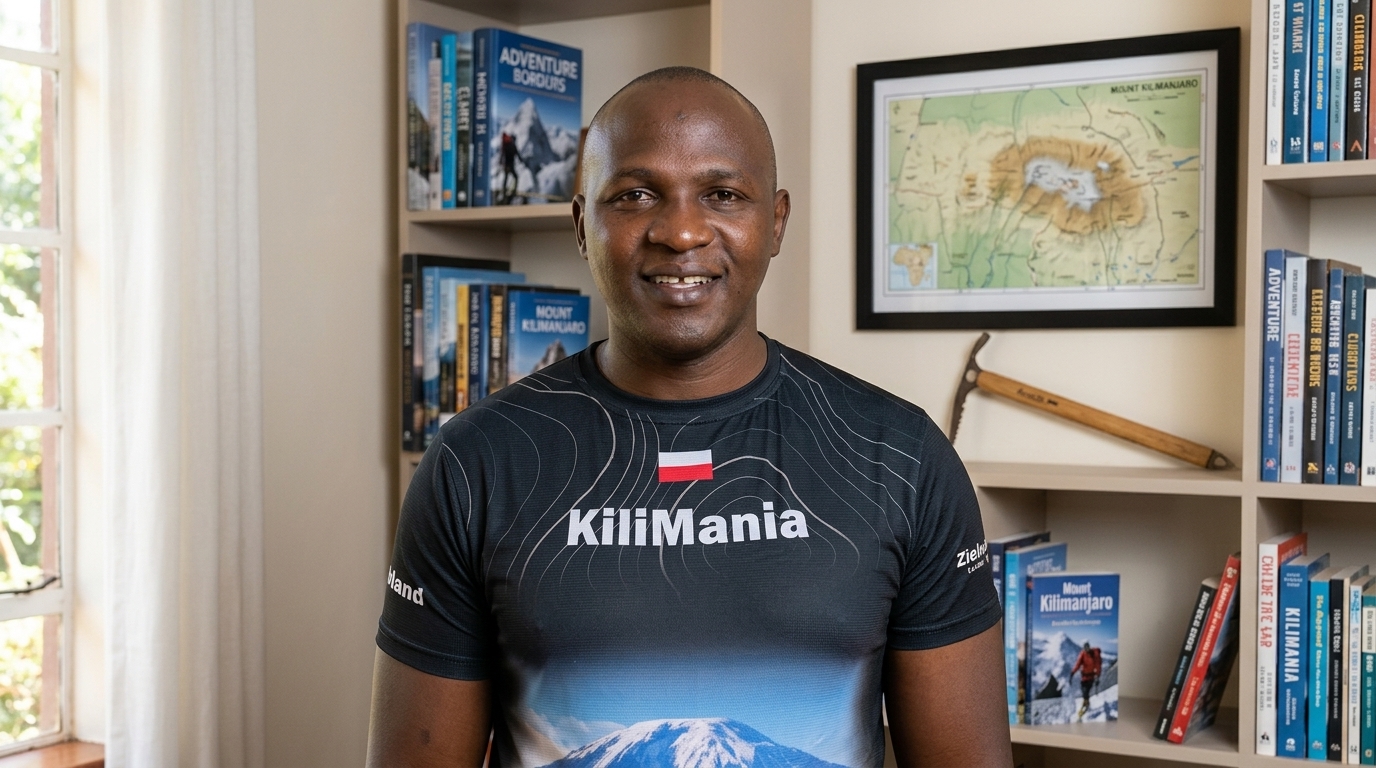
Written by Sabinus Msimba, Senior Mountain Guide and Co-founder of Kilimania Adventure. KINAPA-licensed since 2003. Wilderness First Responder certified.
Full biography and verified credentials: Sabinus Msimba’s profile · View KINAPA license (PDF) · TripAdvisor reviews · Google reviews
Kilimania Adventure is a licensed Tanzania tour operator and may receive bookings from this page. First-hand observations and company data are identified where used; the guided-expedition total and route success-rate figures referenced above are pending final confirmation against internal records and are not stated as fixed numbers until verified.
This article is for educational purposes only and does not replace professional medical advice. Climbers with pre-existing medical conditions should consult a physician before high-altitude travel. Guide observations described here reflect Kilimania Adventure’s field practice and are not a substitute for clinical diagnosis.