Last Updated: April 2026—Includes latest park fees, Ngorongoro lodge closures, and real-time migration patterns based on field reports.
Planning a first safari and unsure what it really costs once park fees, VAT, and crater vehicle charges are added? Or confused about when the migration actually passes through your chosen camp? This guide gives you the specific numbers and honest timing that most safari articles skip.
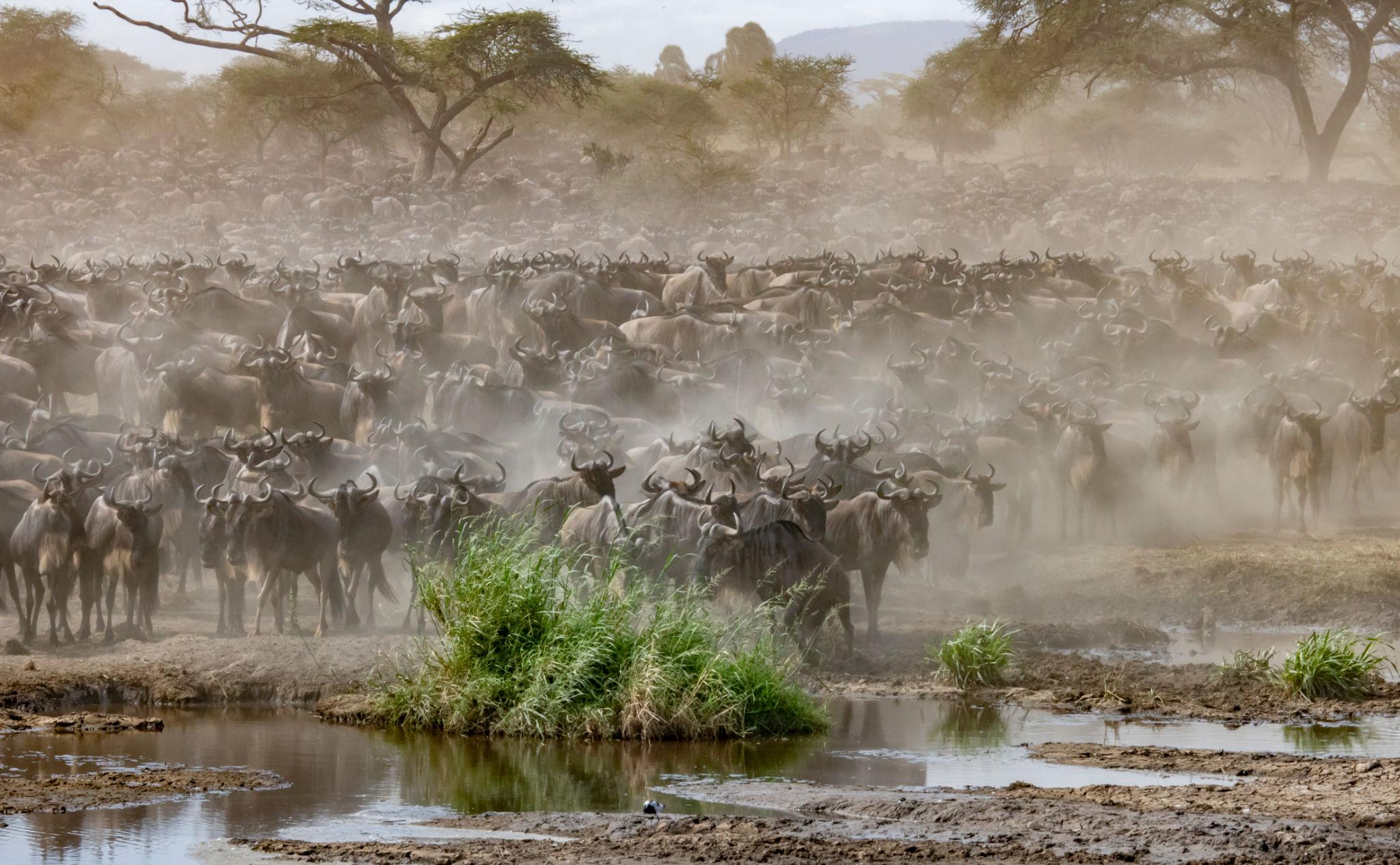
Table of Contents
Introduction
This Tanzania safari guide covers the practical planning decisions for 2026 trips: real costs broken down by style and fee type, the right timing for each ecosystem, which parks to prioritise, and the mistakes that cost travelers money and wildlife sightings.
It is written for first-time safari travelers from Europe, the UK, and North America planning a northern circuit trip of 5–10 days. It is also useful for repeat visitors updating knowledge before booking.
Kilimania Adventure operates from Moshi, at the foot of Kilimanjaro. Our guides live near the parks and track herd movement weekly — not seasonally. When the rains shift in February, we know within days where the calving ground is moving. That real-time knowledge informs every itinerary we build.
Explore sample itineraries and routes on our Tanzania Safari Tours page.
Why This Guide Can Be Trusted
This guide is written using field knowledge from Kilimania Adventure guides operating daily in northern Tanzania safari circuits.
✔ Field Experience
- Daily safaris in Serengeti, Ngorongoro, and Tarangire
- Real-time migration tracking from ranger networks
✔ Operational Knowledge
- Routes updated weekly based on wildlife movement
- Local guiding teams based in Arusha & Moshi
✔ Transparent Travel Planning
- Itemized pricing based on real park fee structures
- No hidden charges policy (VAT + crater fees always disclosed)
A Tanzania safari costs between $180 and $1,200 per person per day in 2026, depending on accommodation style. Park fees of $82.60 (Serengeti) or $70.80 (Ngorongoro Conservation Area) per adult per day are charged separately from operator quotes, and 18% VAT applies to most services. The Great Migration moves in response to rainfall — not to a fixed calendar — so route planning must stay flexible.
What Makes Tanzania’s Northern Safari Circuit Different
Tanzania preserves ancient migration routes across connected, largely unfenced ecosystems. Animals move freely between the Serengeti, Ngorongoro Conservation Area, and Tarangire without the barriers that fragment wildlife in more developed reserves elsewhere on the continent.
According to TANAPA (Tanzania National Parks Authority), the Serengeti supports over 1.5 million wildebeest — the largest terrestrial mammal migration on Earth — along with approximately 3,000 lions and 7,000 spotted hyenas. Ngorongoro Crater concentrates around 25,000 animals inside a 260 km² caldera, making it one of the highest wildlife densities in Africa.
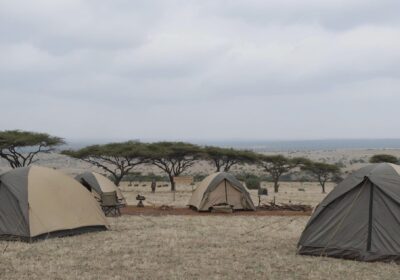
The northern circuit runs Arusha or Moshi → Tarangire → Lake Manyara → Ngorongoro → Serengeti. This sequence builds naturally from accessible to remote, and from shorter to longer game drives. Most 5–7 day itineraries follow a version of this route.
What separates a well-planned Tanzania safari from a disappointing one is not which parks you visit — most operators offer the same circuit — but when you go to each zone and how long you stay.
Tanzania Safari Cost Breakdown 2026
| Style | Price per day | Includes |
|---|---|---|
| Budget | $180–$250 | Camps, shared vehicle |
| Mid-range | $250–$450 | Lodges, private 4×4 |
| Luxury | $500–$1,200 | Premium camps |
These daily rates are operator fees. They do not include park fees, which are charged separately per 24-hour period at each park.
Additional costs to build into every budget:
- Serengeti National Park fee: $82.60 per adult per 24 hours
- Ngorongoro Conservation Area fee: $70.80 per adult per 24 hours
- Ngorongoro Crater vehicle descent fee: $295 per vehicle per entry
- Hot-air balloon safari near Seronera or Kogatende: approximately $599 per person
- Guide and driver tip: $20–$30 per vehicle per day (standard practice)
- 18% VAT applies to most services — ask for itemized invoices
International flights, Tanzania visa fees, and travel insurance are separate from all of the above. A mid-range 7-day safari for two people including flights from Europe realistically costs USD 7,000–$11,000 total, once every line item is included.
2026 logistics note: Ngorongoro Crater Lodge is closed for a full rebuild throughout 2026. Travelers planning a luxury Ngorongoro night must rebook to alternative properties. Confirm your lodge is operational before finalizing any itinerary.
Park Fees Explained — The Costs Most Guides Understate
This is the section most competitor guides get wrong or skip entirely.
Park fees in Tanzania are charged per person per 24-hour period, not per calendar day. If you enter Serengeti at 3:00 PM on Tuesday, your 24-hour period runs until 3:00 PM on Wednesday. A 3-night Serengeti stay, therefore, incurs 3 full-day fees at $82.60 per adult — $247.80 per person before any operator charges.
Some itineraries cross from the Ngorongoro Conservation Area side of Ndutu into Serengeti National Park during a single game drive. When this happens, both fees apply on the same day — $70.80 NCA plus $82.60 SNP — totaling $153.40 per person for those 24 hours. Good operators design routes to minimize unnecessary boundary crossings.
Always request a fully itemized quote from your operator that lists:
- Park entry fees by park and number of days
- Crater vehicle descent fee, if applicable
- VAT calculated as a line item
- Concession or camping fees where relevant
Fee schedules are reviewed annually. Confirm the latest figures directly with TANAPA before booking.
Guide Insight — Kilimania Adventure, Moshi In early March, wildebeest calves cluster between Lake Ndutu and the Hidden Valley after night rains. Predators patrol the marsh edges at first light, so we position near the acacia line before sunrise. If the herds shift west by noon, we cut behind Shamba la Maharage to avoid churned tracks and keep the vehicle off the main congestion routes. This kind of daily adjustment is only possible with a private vehicle and a guide who tracks conditions on the ground, not on a schedule.
Best Safari Parks in Tanzania’s Northern Circuit
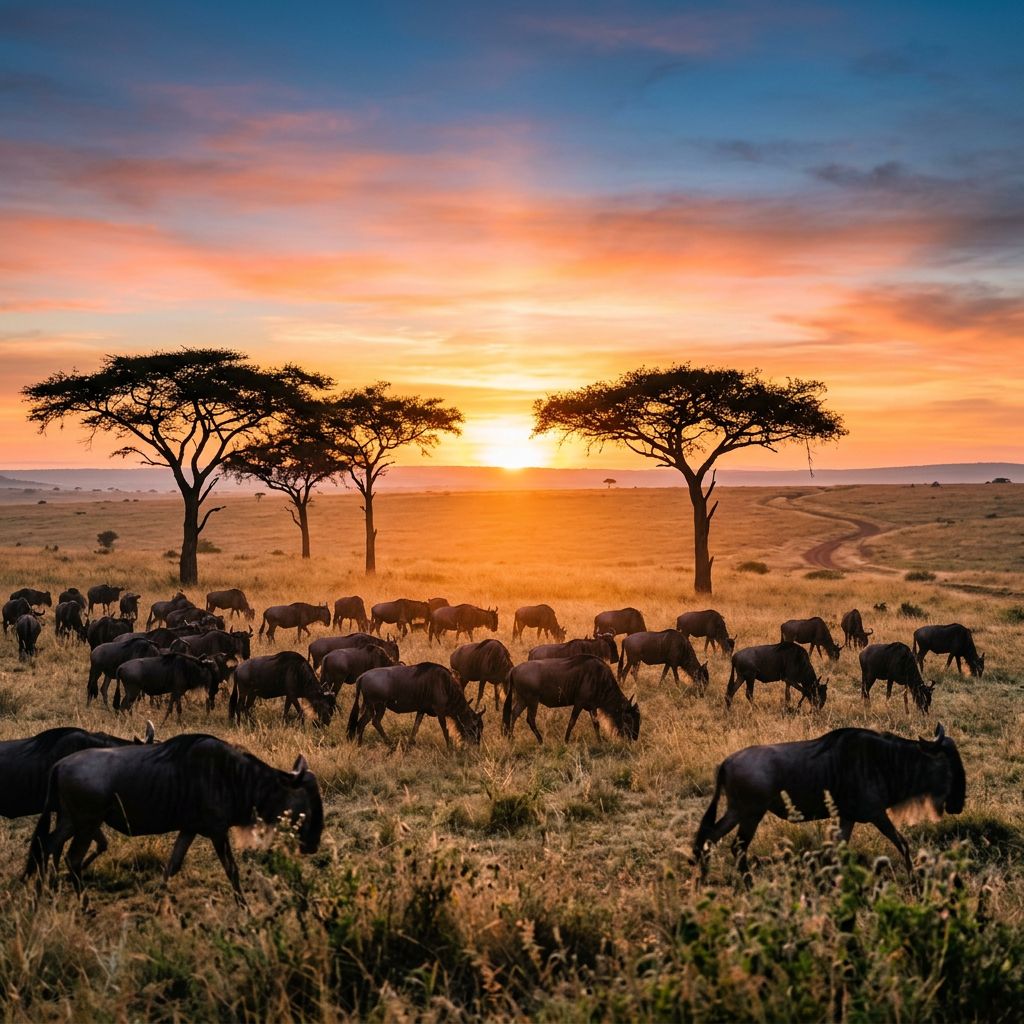
Serengeti National Park covers 14,750 square kilometres of open plain, woodland, kopjes (granite rock outcroppings), and riverine forest. Lions, cheetahs, and leopards are present year-round. The migration passes through all four zones — Ndutu in the south (January–March), Seronera in the centre (April–June), Grumeti in the west (June–July), and Kogatende in the north (July–September). Plan your zone by your travel dates, not by a general “Serengeti” booking.
Ngorongoro Conservation Area includes the crater floor — a self-contained ecosystem holding lions, spotted hyenas, elephants, hippos, and black rhinos. It is the most reliable location in Tanzania for black rhino sightings. The crater is cold in the early morning (bring a fleece) and requires a half-day maximum on the floor per day. Ngorongoro is also home to Maasai communities who coexist within the conservation area — a cultural dimension most other parks lack.
Tarangire National Park is at its peak from July to October, when the Tarangire River becomes the only water source for hundreds of kilometres, and elephants concentrate in herds of 200–300 animals. The baobab landscapes are unlike anywhere else on the northern circuit. Walking safaris are available in Tarangire — one of the few parks where this is permitted.
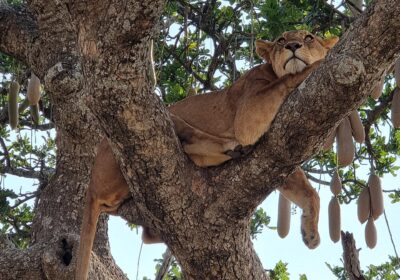
Lake Manyara National Park is a compact half-day or full-day park ideal as a circuit opener from Arusha. Tree-climbing lions use the yellow-fever acacia trees along the lakeshore. Flamingos appear in large numbers when water levels are suitable. Hippo pools near the park entrance are reliable at any season.
For predator-focused travelers, explore our 4-Day Big Cats Safari, which routes through Tarangire, Ngorongoro, and Ndutu during calving season
Best Time to Visit Tanzania for Safari in 2026
| Season | Months | Conditions | Wildlife highlight | Price level |
|---|---|---|---|---|
| Dry season | June–October | Short grass, clear roads | River crossings (north Serengeti) | Peak rates |
| Short rains | November–December | Light rain, herds moving south | Transitional, good birding | Mid-rates |
| Calving season | January–March | Green, occasional rain | Ndutu predator action | Mid-rates |
| Long rains | April–May | Heavy rain, some road closures | Quiet, resident wildlife | Lowest rates |
The single most important thing to understand about migration timing is this: wildebeest move in response to rainfall and grass growth, not to a date on a calendar. The 2024 river crossings at the Mara peaked three weeks earlier than in 2023 because of different rainfall patterns. No guide or app can predict the exact crossing week more than a few days in advance. Any operator who sells you a “guaranteed migration crossing” itinerary is overpromising.
For calving season safaris in Ndutu (January–March), camps book out 6–9 months in advance. For dry season safaris in the northern Serengeti (July–September), book 4–6 months ahead. Contact our Moshi team to check current availability.
Which Tanzania Safari Is Right for You?
| Traveler Type | Best Safari Style |
|---|---|
| First-time visitor | 6–7 day northern circuit |
| Photographer | Private 7–10 day Serengeti-focused safari |
| Budget traveler | Group safari (Tarangire + Ngorongoro + Serengeti) |
| Honeymoon couples | Luxury tented camp + fly-in Serengeti |
| Wildlife enthusiasts | Ndutu + Northern Serengeti migration route |
What a Tanzania Safari Day Actually Looks Like
Most articles describe what you might see. This describes what the experience actually feels like.
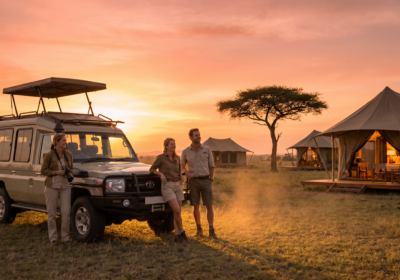
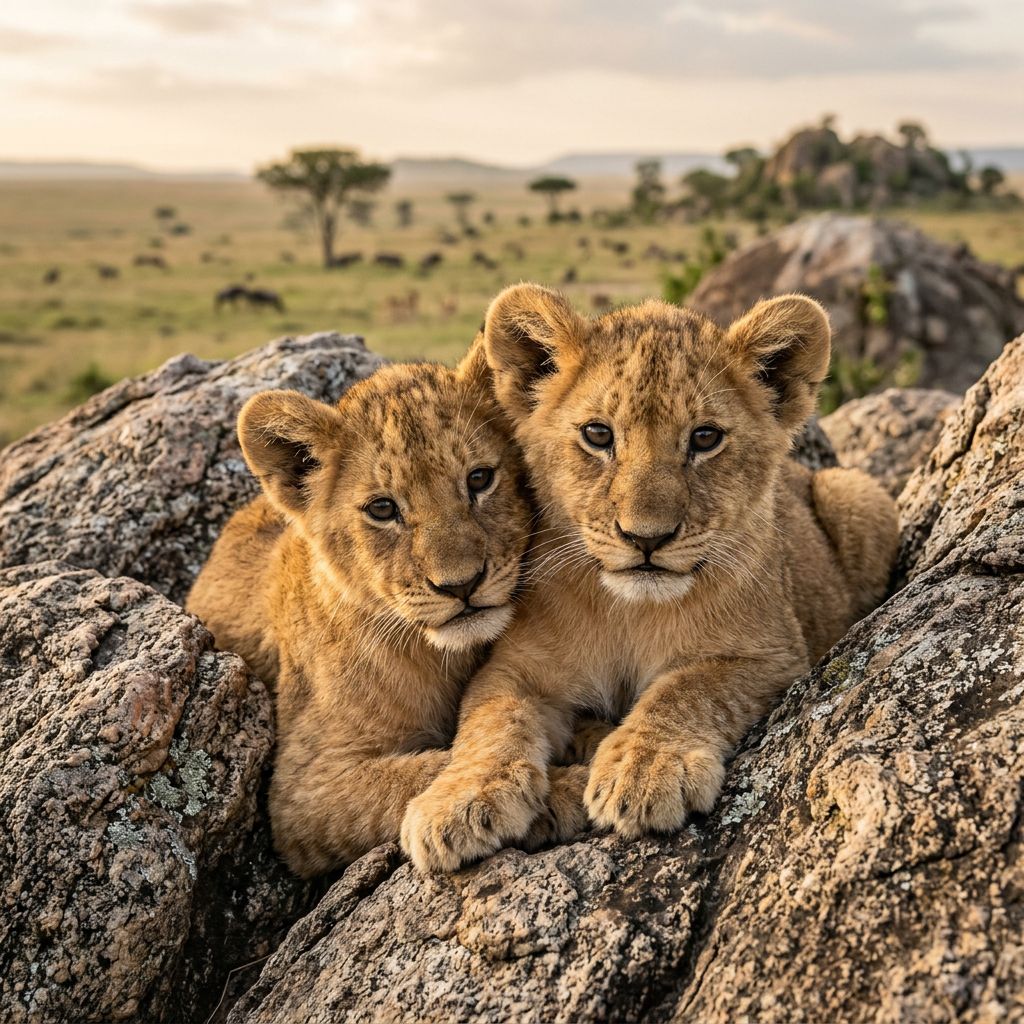
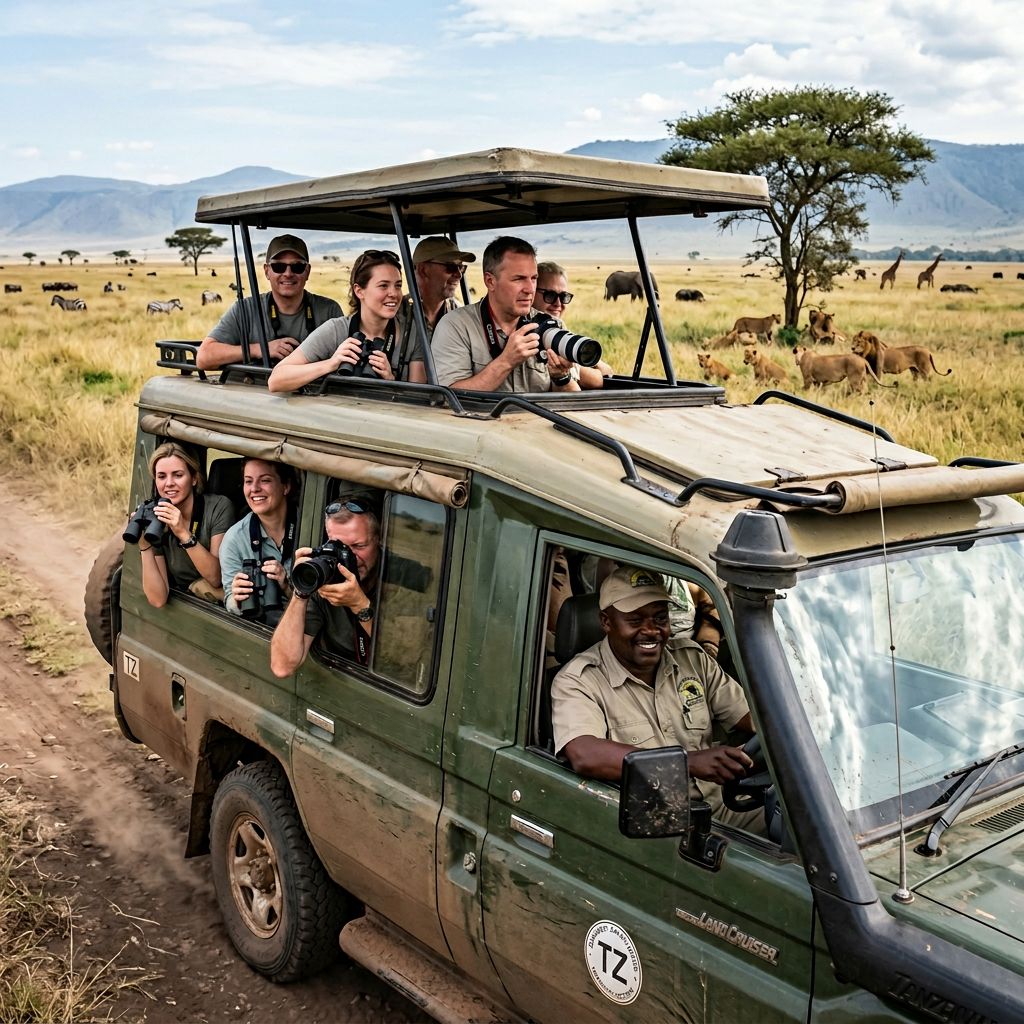
You leave camp at 5:45 AM. The air is cold — Ndutu in January drops to 14°C before sunrise. The plains are silent except for nightjars finishing their call. Within fifteen minutes of the acacia line, the guide cuts the engine. A lion pride of seven is resting on a kopje 80 metres away, two cubs still milk-drunk against their mother’s flank. No other vehicles are present. You sit in silence for twenty minutes.
By 9:00 AM, the plains are warm and prey animals become nervous. A cheetah on a termite mound scans south. The guide repositions without being asked. By 11:00 AM, the midday heat pushes predators to shade, and most vehicles return to camp for lunch.
The afternoon drive departs at 4:00 PM as temperatures drop. Golden light hits the grass at a low angle. A leopard crosses the track at dusk, pauses, and disappears into the bush.
This is not a zoo. It is raw, unscheduled wilderness, and no two days produce the same result. That unpredictability is precisely what makes it worth the journey.
Real 5-Day Tanzania Safari Experience (From Our Guides)
This is not a sample itinerary — it reflects how safaris actually run on the northern circuit based on real guiding experience.
Day 1: Arrival & Tarangire Game Drive
Depart early from Arusha or Moshi. Within two hours, the landscape opens into baobab-dotted plains of Tarangire National Park.
Elephant herds often appear near the Tarangire River by midday. In the dry season, groups of 50–200 elephants are common.
Day 2–3: Central Serengeti (Wildlife Core Zone)
Drive through the Ngorongoro highlands into the Serengeti National Park.
Morning drives focus on predator activity:
- Lions active before 9:00 AM
- Leopards resting in acacia trees
- Cheetahs scanning open plains
Afternoon positioning depends on radio updates and fresh tracks — routes adjust daily based on wildlife movement.
Day 4: Ngorongoro Crater
Early descent into Ngorongoro Conservation Area.
Wildlife density is high:
- Black rhino sightings possible
- Lions and hyenas often seen within close range
- Hippos concentrated in crater pools
Game drive time is limited, so positioning early is critical.
Day 5: Return & Cultural Stop
Return toward Arusha with optional Maasai village visit or local market stop.
This final day transitions from wildlife viewing to cultural experience — often one of the most memorable parts of the trip.
Common Safari Planning Mistakes — and How to Avoid Them
Fixing travel dates to a single “migration week.” Rainfall varies year to year. Book flexible camps that can shift you between zones if the herds move unexpectedly. Our Moshi team monitors weekly herd positions from guides in the field.
Underestimating park fees and VAT. A 7-day northern circuit easily adds $700–$900 per person in park fees alone. Ask for an itemized invoice before paying any deposit.
Trying to visit too many parks in four days. Four parks in four days means four sets of park entry fees, four long transfer drives, and very little game viewing time. Choose depth over distance. A 5-day trip focused on Ngorongoro and two Serengeti zones outperforms a 4-park race every time.
Ignoring lodge closures. Ngorongoro Crater Lodge is closed for rebuilding throughout 2026. Travelers who book based on older articles or recommendation sites will need to replan. Always confirm your lodge is operational before finalizing.
Booking shared vehicles for photography. Shared vehicles follow fixed schedules and leave on time. A private 4×4 stays at an active hunt until it concludes, repositions for light, and acts on radio tips from other guides. For wildlife photography, this is not optional.
Packing the wrong colours. White and bright blue attract tsetse flies. Blue and black are particularly problematic in areas with high fly density. Khaki, tan, and olive are the right choices for every drive.
What to Pack for a Tanzania Safari
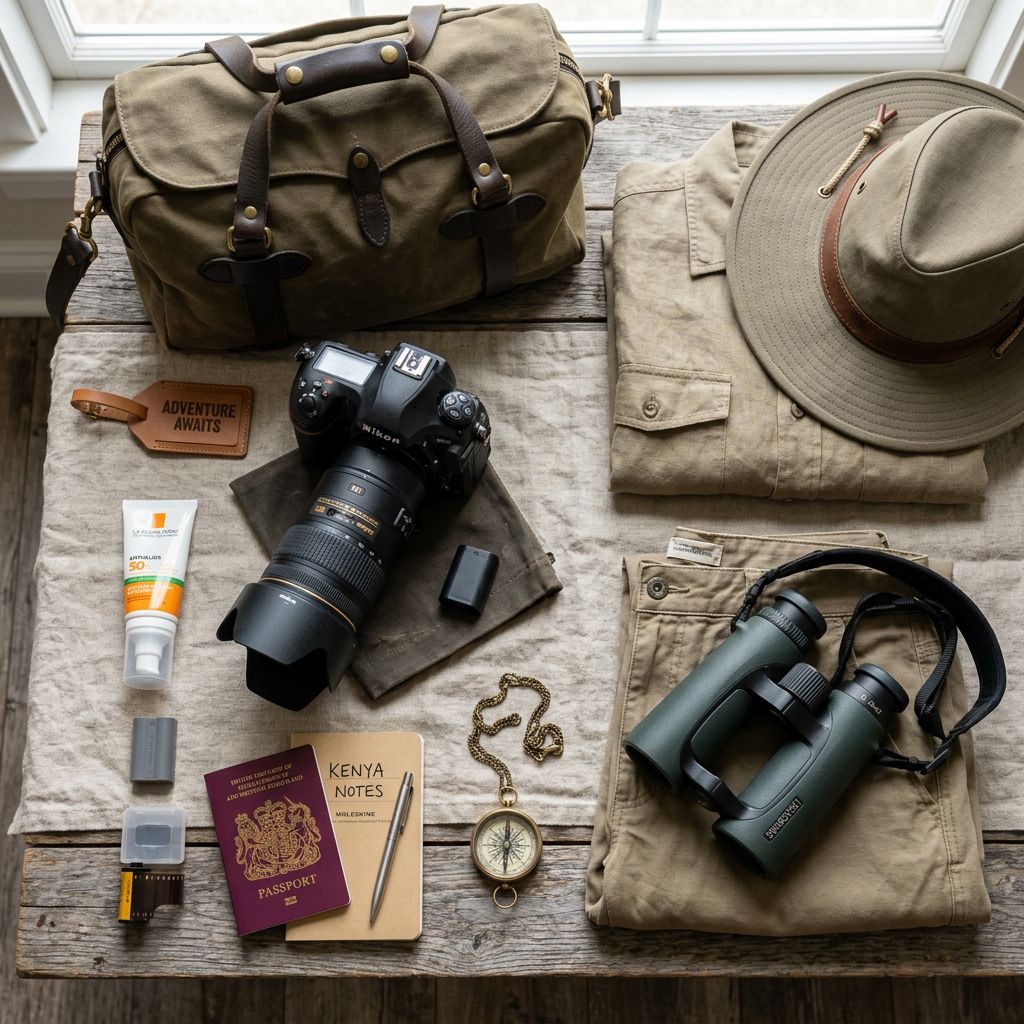
Neutral-coloured layers: Mornings in Ngorongoro drop to 10–12°C. Ndutu afternoons reach 34°C. Both happen on the same day if you do the crater in the morning and Ndutu in the afternoon. Merino base layer plus a midweight fleece covers both.
Light rain jacket: Short rains (November–December) and long rains (April–May) arrive quickly and without much warning on open plains.
Wide-brim hat and SPF 50 sunscreen: Pop-up roofs expose you to full equatorial sun for 6–8 hours. Reapply every two hours.
8×42 binoculars: The standard for scanning kopjes for resting cats and spotting wildlife at 200–300 metres before the vehicle gets close enough to disturb them.
Telephoto lens (300mm minimum): Ethical wildlife distances keep vehicles 25 metres or more from active predator sightings. A 400–600mm lens fills the frame at that distance.
Soft-sided duffel bag: Fits in Land Cruiser storage and small bush plane holds far better than hard-shell luggage.
Portable power bank (20,000mAh): Most camp charging is limited to evening hours. Camera batteries drain faster than expected on long drives.
Medications and prescription copies: Remote areas have no pharmacies within reach. Carry antimalarial medication (confirm type with your travel clinic), DEET repellent, and any personal medications with documentation.
Plan Your Tanzania Safari with Local Experts
Tanzania safaris are not fixed itineraries — they depend on rainfall, wildlife movement, and seasonal changes.
That’s why booking with a local operator in Arusha or Moshi ensures:
- Better wildlife positioning
- Accurate migration timing
- Lower wasted travel days
- Real-time route adjustments
Start planning your safari here:
Tanzania Safari Tours → Kilimania Adventure
About the Author
This guide was created by Sabinus Msimba safari specialists based in Moshi and Arusha.
Our team has over 10 years of experience guiding across:
- Serengeti National Park
- Ngorongoro Conservation Area
- Tarangire National Park
We track wildlife movements weekly and build itineraries based on real-time conditions — not fixed seasonal assumptions.
FAQ
Q: How many days do I need for a Tanzania safari?
Five to seven days balance park variety with meaningful time in each location. A classic northern circuit covering Tarangire, Ngorongoro, and Serengeti works well at 6–7 days with one or two nights in each zone. Fewer than 5 days makes the route feel rushed, and the transfer drives dominate the day.
Q: Is a Tanzania safari expensive, and what is the real total cost?
Daily operator rates run from $180 (budget) to $1,200 (luxury) per person. Add park fees of $70–$83 per adult per day, depending on park, the $295 Ngorongoro Crater vehicle descent if included, and 18% VAT on services. A 7-day mid-range safari for two people, including international flights from Europe, realistically costs $8,000–$12,000 total.
Q: When is the Great Migration in the Serengeti?
The migration is a year-round cycle, not a single event. Wildebeest calve in Ndutu (southern Serengeti) from January to March. Herds are in the central Serengeti from April to June. River crossings at the Grumeti happen in June and July. The famous Mara River crossings occur from July to September in the northern Serengeti near Kogatende. Exact timing shifts each year based on rainfall — build flexibility into your dates rather than locking to a specific week.
Q: Is Tanzania safe for solo female travelers?
Yes. Kilimania Adventure has run solo female itineraries consistently and can pair female-guided safaris on request. Our Moshi and Arusha bases are secure. Park vehicles and lodges are private and professionally managed. We recommend travel insurance and sharing your itinerary with a contact at home — standard practice for any solo safari traveler.
Q: What animals are realistically sightable on the northern circuit?
On a well-routed 6–7 day northern circuit, expect to see lions, elephants, giraffes, zebras, hippos, buffalo, hyenas, and a wide variety of antelope on most drives. Leopard sightings occur most consistently in the Seronera Valley (Serengeti) and Tarangire’s riverine zones. Cheetah sightings are most reliable in Ndutu and the southern Serengeti from January to March. Black rhino sightings are concentrated in Ngorongoro Crater. No operator can guarantee any specific sighting — that is the nature of wild animals in a 14,750 km² unfenced ecosystem.
Conclusion
Plan with flexible routes that follow rainfall and herd movement rather than fixed dates. Build park fees, VAT, and the Ngorongoro Crater descent charge into your budget from the first conversation with your operator — not after you see the final invoice. If you are traveling in 2026 and had Ngorongoro Crater Lodge on your shortlist, book an alternative now.
See example routes and specific itineraries on our Serengeti Safari page.
We Walk With You.
Browse Kilimania Adventure’s itineraries and talk to a local planner in Moshi about timing, park fees, and which route matches your wildlife priorities and budget. We will tailor a trip from Arusha or Moshi that fits your dates — not a package designed for someone else.
Explore options: Tanzania Safari Tours
For current park fees and regulations, check TANAPA and KINAPA directly before finalizing your budget.
Related Safari Guides