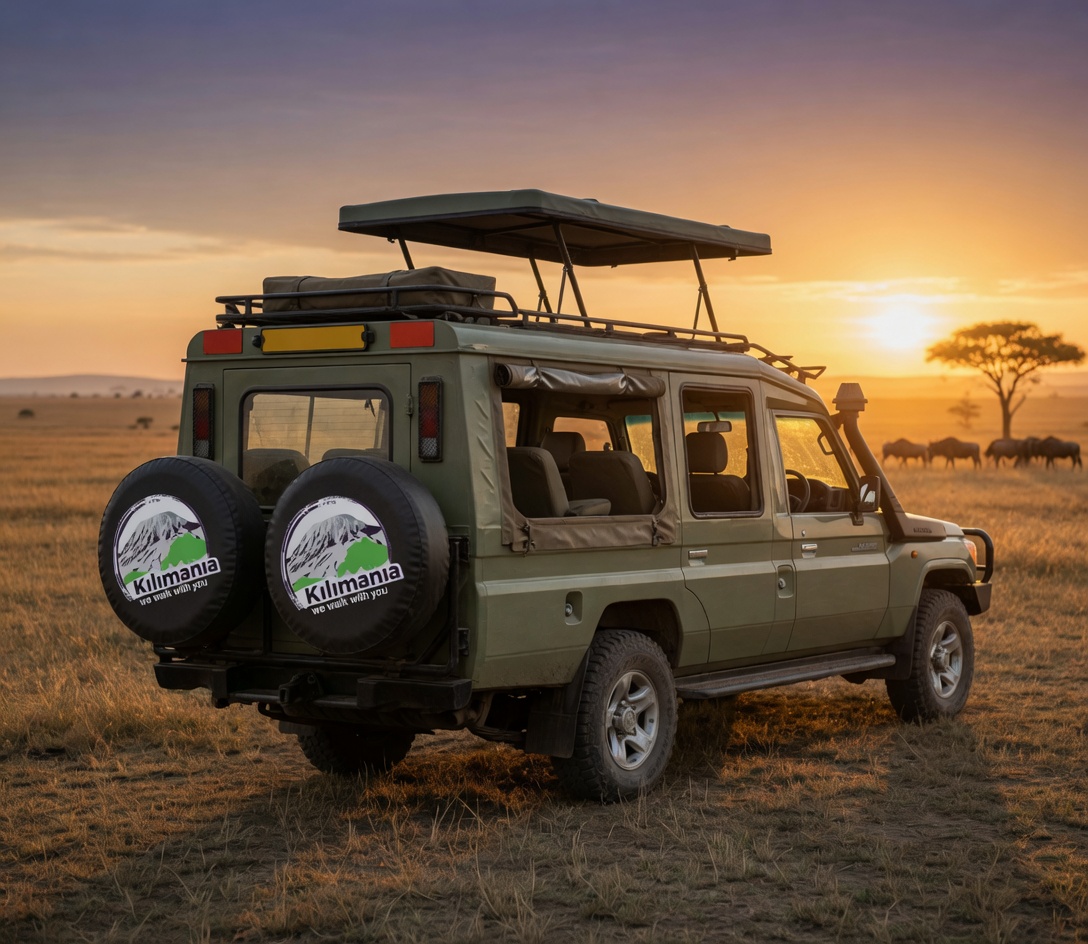
You have seen the migration photos. You know the Big Five live here. But when you start comparing the Tanzania safari cost 2026, the numbers swing widely. One operator quotes $2,000 for a week. Another quotes $12,000 for similar parks. Which one reflects the real cost?
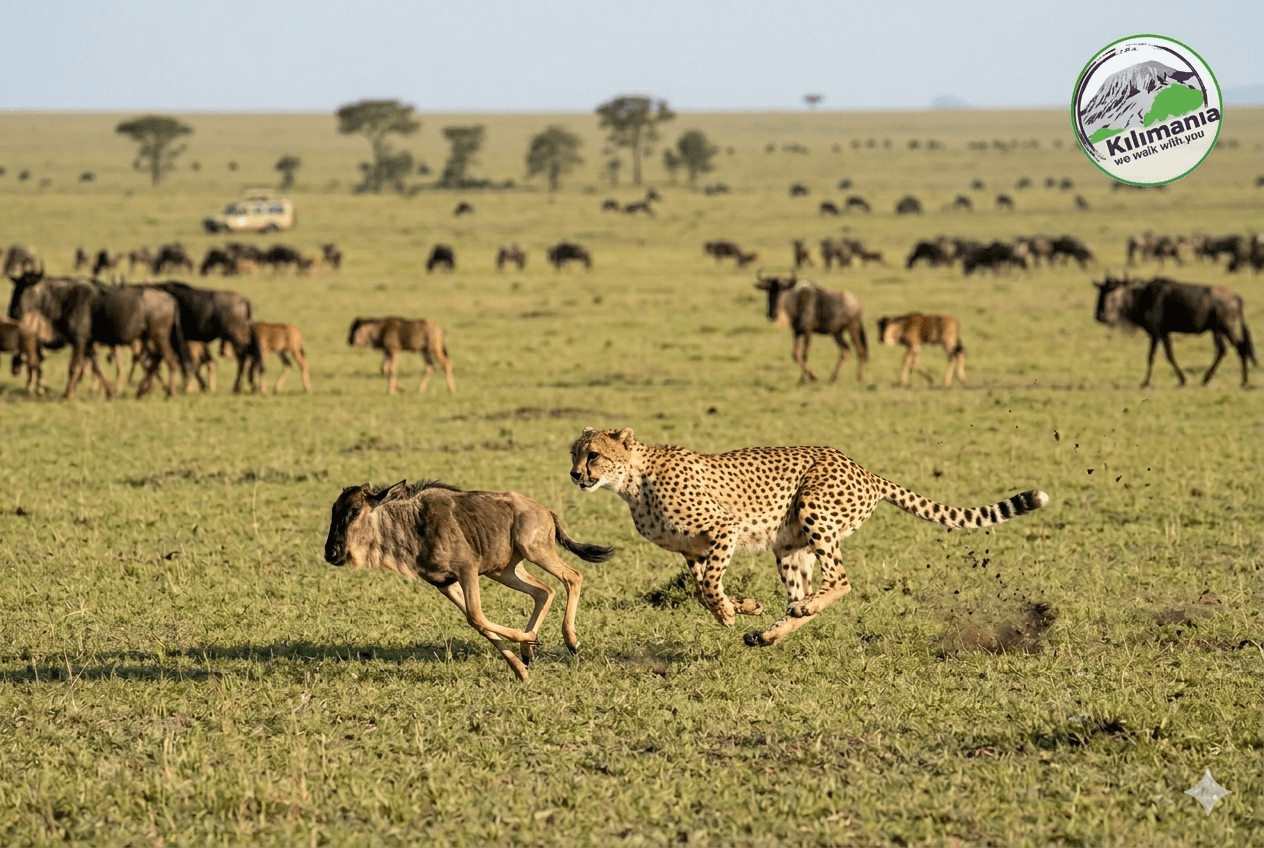
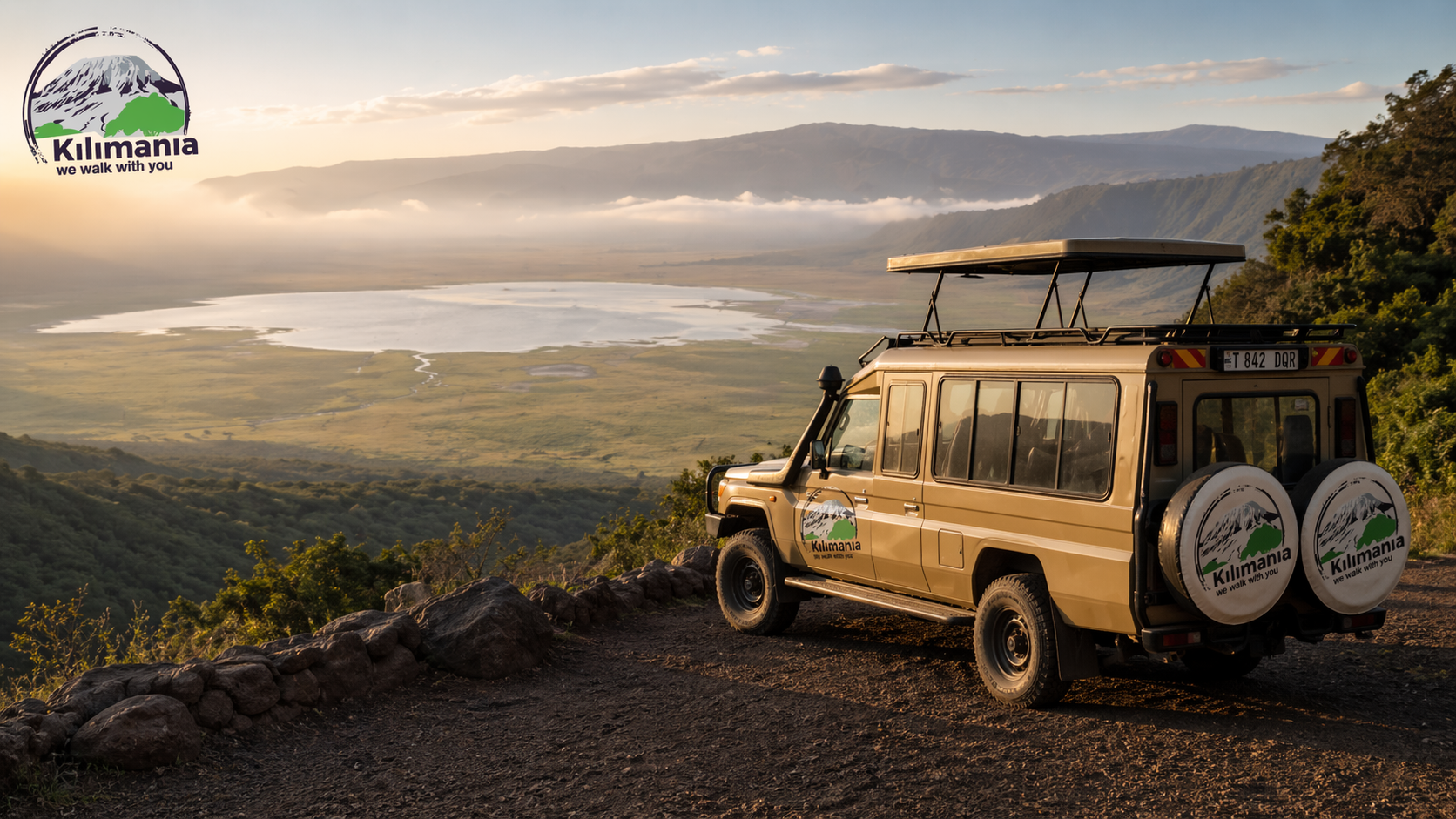
Most travelers spend $3,000–$5,500 per person for a mid-range Tanzania safari in 2026, with park fees making up 20–30% of the total cost.
Tanzania Safari Cost 2026
A Tanzania safari cost in 2026 typically ranges from $250 to $1,500 per person per day, depending on travel style and season.
A Tanzania safari cost in 2026 typically ranges from:
$250–$400/day → Budget camping safari
$450–$800/day → Mid‑range lodge safari
$850–$1,500+/day → Luxury safari
For a 7‑day safari, expect:
Budget: $1,400–$2,800 per person
Mid‑range: $2,800–$5,600 per person
Luxury: $6,000–$15,000+ per person
For a standard 7-day northern circuit safari covering Serengeti National Park and Ngorongoro Conservation Area, park fees alone cost $500–$650 per person, regardless of accommodation level.
Table of Contents
Introduction
This guide explains the Tanzania safari cost 2026 with a full breakdown of daily rates, park fees, transport, and real itinerary pricing. It helps travelers understand where the money goes and how to plan based on budget and travel style.
It is written for international travelers comparing safari options across budget, mid‑range, and luxury levels. It also explains how group size, timing, and park selection affect total cost.
Our team operates safaris daily from Moshi and Arusha, organizing trips across Serengeti National Park and Ngorongoro Conservation Area. Pricing here reflects actual bookings and current park fee structures.
Before choosing your travel dates, review this seasonal guide:
Best Time to See Big Cats in Tanzania
How much does a Tanzania safari cost in 2026?
A Tanzania safari cost in 2026 typically ranges from $250 to $1,500 per person per day. Budget safaris use camping and shared vehicles, while higher-priced options reflect lodge locations, private guides, and fly‑in logistics.
Park fees alone can reach $500–$650 per person for a standard 6–7 day itinerary, regardless of comfort level.
Before you book, read our detailed Tanzania Safari Guide: Avoid Common Planning Mistakes, Real Costs & Tips to avoid the hidden add-ons that catch many travelers off guard.
Tanzania Safari Cost 2026 Per Day by Travel Style
Understanding the Tanzania safari cost per day is the most effective way to compare packages.
Budget Camping Safari: $200–$400 per person/day
You sleep in dome tents at public campsites inside or near the parks. Shared ablution blocks. A dedicated safari chef prepares your meals over a camp stove. You share the safari vehicle with up to five other travelers. This style works well for travelers who prioritize wildlife over comfort.
Mid‑Range Lodge Safari: $450–$800 per person/day
You stay in permanent tented camps or small lodges with en‑suite bathrooms, hot water, and real beds. Most mid‑range properties sit inside or immediately outside park boundaries. Meals are plated or buffet style. This is the most requested tier for first‑time visitors and families.
Luxury Safari: $850–$1,500+ per person/day
You stay in prime‑location lodges or mobile camps with swimming pools, fine dining, private guides, and often all‑inclusive drinks and laundry. Many luxury packages include internal flights to minimize drive time. In the Serengeti National Park, luxury camps often move with the migration.
Ultra‑Luxury Safari: $1,500–$3,000+ per person/day
Everything is private: the vehicle, the guide, the chef, and often the camp. Exclusive‑use villas or flagship tented camps with butler service, plunge pools, and premium wine lists. Fly‑in itineraries and helicopter transfers are common.
| Safari Tier | Daily Cost (per person) | Accommodation | Vehicle | Typical Group |
|---|---|---|---|---|
| Budget | $200–$400 | Public camping | Shared 6‑seat | 5–6 guests |
| Mid‑Range | $450–$800 | Tented camps / lodges | Private or shared | 2–6 guests |
| Luxury | $850–$1,500 | High‑end camps | Private premium | 2–4 guests |
| Ultra‑Luxury | $1,500–$3,000+ | Exclusive villas | Private exclusive | 2–4 guests |
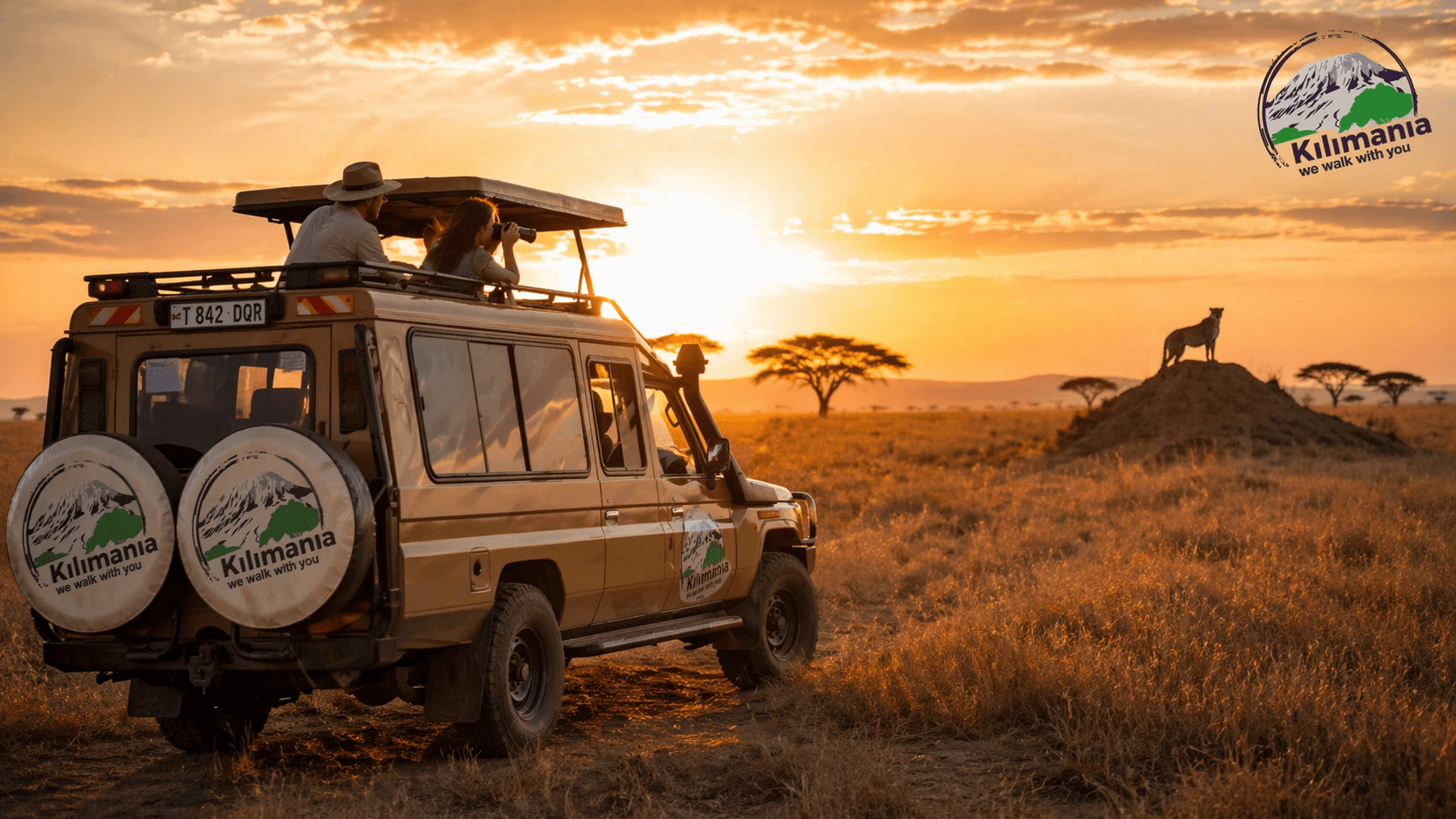
Ngorongoro Crater entry fees 2026 (real cost impact)
Ngorongoro Crater is one of the most expensive safari locations due to additional vehicle charges.
2026 fee structure:
- Conservation fee: ~$70 per adult/day
- Crater service fee: ~$295 per vehicle
- Vehicle entry: ~$10–40 per day
For a couple in a private vehicle, this can exceed $400 in a single day.
For a group of six, the same cost drops to around $120–150 per person due to shared vehicle fees.
Practical tip: Join a group for crater day if traveling as a couple. This reduces cost without changing the experience.
“Ngorongoro’s three-layer fee structure — including the $295 per-vehicle descent fee — is explained in full in our Ngorongoro Crater fees 2026 guide.”
Official park details:
TANAPA official fees
Fixed Park Fees: What Every Traveler Pays Regardless of Budget
Park fees are non‑negotiable government charges. They apply to every visitor, whether you sleep in a $50 tent or a $2,000 lodge.
For a standard 7‑day northern circuit itinerary covering Tarangire National Park (2 days), Ngorongoro Conservation Area (1 day), and Serengeti National Park (3 days), park fees alone total approximately $500–$650 per person.
| Park | Fee per adult per 24h | Typical days | Subtotal |
|---|---|---|---|
| Tarangire National Park | $53–$59 | 2 | $106–$118 |
| Lake Manyara National Park | $53–$59 | 1 | $53–$59 |
| Ngorongoro Conservation Area | $70.80 | 1 (plus vehicle fee) | $70.80 + share of $295 |
| Serengeti National Park | $70–$84 | 3 | $210–$252 |
| Total park fees only | $440–$500 plus crater vehicle share |
Add the crater vehicle fee split across a group, and you arrive at $550–$650 per person for the week in fees alone.
Why this matters for budget travelers: On a $2,500 budget safari, park fees consume roughly 25% of your total spend. On a $12,000 luxury safari, the same fees represent only 5%.
Choosing parks wisely reduces safari costs
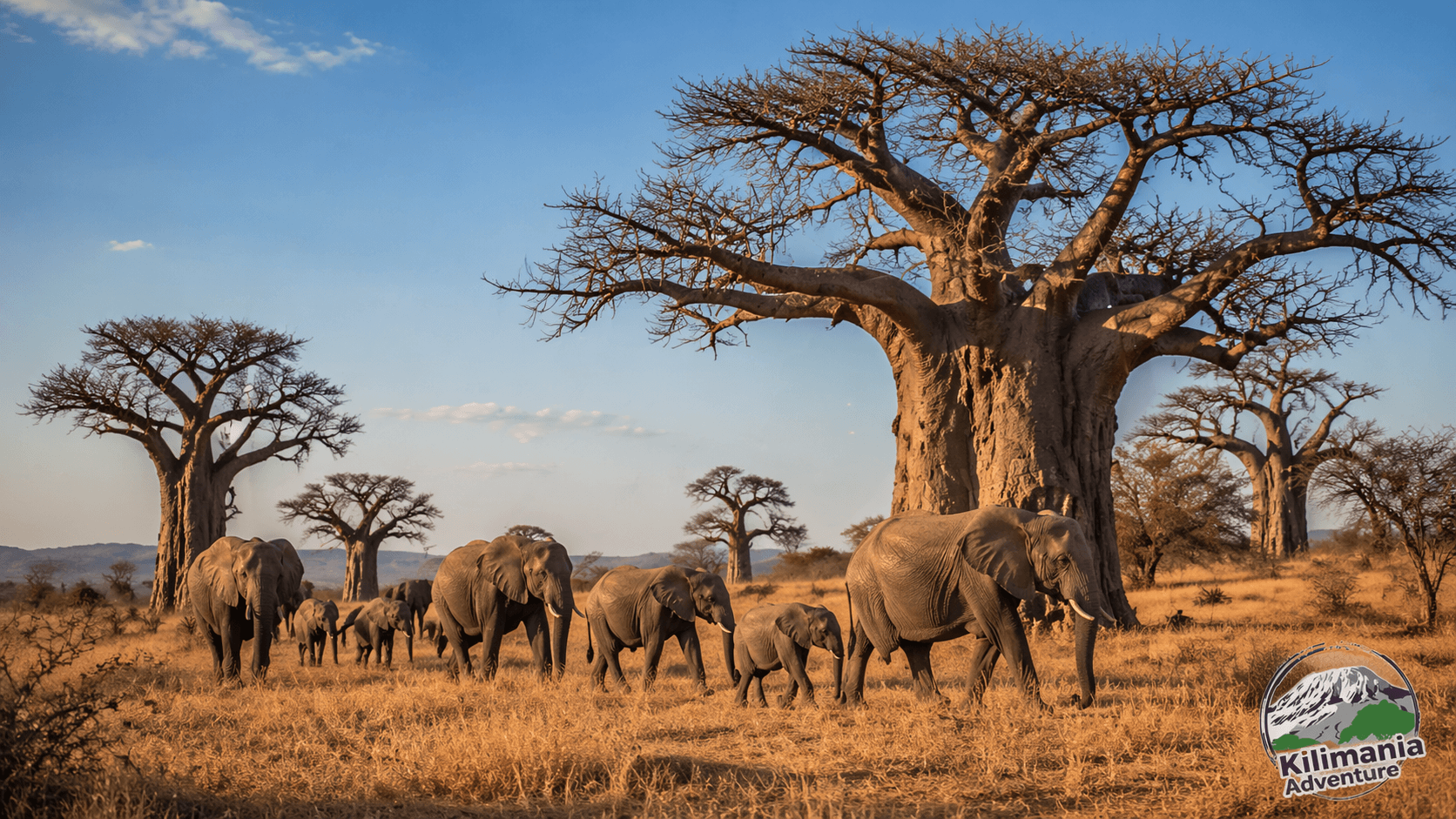
Not all parks cost the same. Combining nearby parks reduces fuel, time, and entry duplication.
For example:
- Tarangire National Park + Lake Manyara National Park = lower logistics cost
- Serengeti National Park = higher transport cost but longer wildlife stays
Compare routes here:
Ndutu vs Serengeti Safari: Best Timing, Costs, and Wildlife
What affects the Tanzania safari price the most?
The biggest factors affecting the cost of a Tanzania safari per day are:
- Park fees (fixed government cost)
- Accommodation level (largest variable)
- Group size (vehicle cost sharing)
- Travel season (20–40% variation)
Changing just one of these can reduce total cost by $500–$2,000 per person.
Private vehicle vs group safari: the cost mathematics
A standard safari vehicle (custom 4×4 Land Cruiser with pop‑up roof) costs roughly $200–$350 per day for the vehicle, fuel, and guide. This is a fixed cost regardless of how many passengers it carries.
| Group size | Vehicle fixed cost per day | Cost per person per day |
|---|---|---|
| 2 people | $200–$350 | $100–$175 |
| 3 people | $200–$350 | $67–$117 |
| 4 people | $200–$350 | $50–$88 |
| 5 people | $200–$350 | $40–$70 |
| 6 people | $200–$350 | $33–$58 |
What you gain with a private vehicle: Dawn departures, route control, linger at sightings, no waits.
What you lose: Higher per‑person cost for couples; less social interaction.
Tanzania safari cost tipping guide: budget realistically
Tipping is customary and should be treated as a mandatory budget line item.
- Safari guide (private): $20–$30 per person per day
- Safari guide (shared/group): $10–$20 per person per day
- Safari cook (camping only): $10–$15 per person per day
- Lodge/camp general staff: $5–$10 per person per night (communal tip box)
- Transfer drivers: $5–$10 total per transfer
For a 7‑day private safari, a couple should budget $280–$420 total for the guide tip plus $35–$70 per person for lodge staff.
Currency note: Bring USD bills printed after 2013 (Series 2009+). Tanzanian banks refuse older notes.
Best time for Tanzania safari: how the season changes your cost
The best time for a Tanzania safari depends on what you want to see and your budget flexibility.
- Peak season (June–October): Full rates. Mid‑range safari costs $550–$800 per day.
- Green season (November–May, excluding Ndutu): 20–40% lower. Mid‑range safari $350–$550 per day.
- Shoulder months (November, March): 20–30% lower. Mid‑range safari $450–$650 per day.
Real‑world example: A 7‑day mid‑range safari in August costs roughly $4,200–$5,600. The same itinerary in April costs roughly $2,800–$3,900 — a saving of $1,400–$1,700 per person.
For calving season timing (January–February) in Southern Serengeti (Ndutu area), read:
Ndutu Calving Season 2026: Insider Migration Calendar & Booking Guide
Tanzania Safari Hidden Costs (Quick Summary)
Most travelers underestimate these extra costs:
- Park fees: $500–$650 per person
- Tips: $200–$500 per person
- Drinks & extras: $20–$50/day
- Balloon safari: $550 per person
- Flights (international): $800–$1,500
These can increase your total budget by 30–50%.
Why Luxury Costs More (Real Explanation)
The price difference between a budget and a luxury Tanzania safari comes from:
- Location: Inside parks = higher concession fees
- Exclusivity: Private vehicles vs shared
- Service level: Staff ratio (luxury camps can have 3–5 staff per guest)
- Logistics: Fly‑in safaris vs long driving routes
Important: Park fees stay the same — only comfort and access change.
Sample 7-Day Tanzania Safari Cost: Private Mid-Range Lodge
For travelers who want a clear, all-in figure, here is a complete 7-day northern circuit safari for two people using mid-range tented camps and a private vehicle in peak season (August).
Itinerary:
- Day 1: Arrival at Kilimanjaro International Airport, transfer to Arusha hotel.
- Day 2: Arusha to Tarangire National Park (full day drive).
- Day 3: Tarangire to Lake Manyara National Park (half-day drive).
- Day 4: Lake Manyara to Ngorongoro Crater rim (afternoon arrival).
- Day 5: Ngorongoro Crater descent (full morning), afternoon transfer to Serengeti.
- Day 6: Full day in Central Serengeti.
- Day 7: Morning Serengeti drive, afternoon flight from Seronera airstrip to Arusha, or drive back.
| Expense | Per person | For two people |
| Park fees (Tarangire 2d, Manyara 1d, Ngorongoro 1d, Serengeti 2d + crater vehicle share) | $600–$700 | $1,200–$1,400 |
| Accommodation (6 nights mid-range tented camps) | $1,800–$2,400 | $3,600–$4,800 |
| Private vehicle + guide (7 days) | $350–$525 ($100–$150 per day) | $700–$1,050 |
| Meals (lunches and drinks) | $150–$250 | $300–$500 |
| Internal flight (Serengeti to Arusha, optional) | $200–$250 | $400–$500 |
| Tips (guide + lodge staff, 7 days) | $315–$490 | $630–$980 |
| Total 7-day mid-range private safari | $3,415–$4,615 | $6,830–$9,230 |
| Per-day average | $488–$659 |
Add 10–15% contingency for extra drinks, souvenirs, or unplanned expenses: final total range $7,500–$10,600 per couple.
Budget version (group vehicle, camping, 7 days): $2,800–$4,200 per couple ($1,400–$2,100 per person, $200–$300 per day).
Luxury version (fly-in both ways, high-end lodges, private guide, 7 days): $14,000–$21,000 per couple ($7,000–$10,500 per person, $1,000–$1,500 per day).
5-Day Tanzania Safari: Real Itinerary and Itemized Costs
The 5-day safari in Tanzania is the most common first-time itinerary. It covers Tarangire National Park (elephant herds), Ngorongoro Crater (Big Five density), and either Lake Manyara or a shorter Serengeti visit.
Sample 5-day mid-range itinerary for two people (private vehicle, June–October):
| Day | Activity | Overnight | Key cost component |
| 1 | Arusha to Tarangire, afternoon drive | Tented camp near Tarangire | Park fee: $53–$59 |
| 2 | Morning Tarangire drive, afternoon to Lake Manyara | Tented camp near Manyara | Park fees: $53–$59 (Tarangire) + $53–$59 (Manyara) |
| 3 | Morning Manyara, afternoon to Ngorongoro rim | Ngorongoro rim camp | NCA entry: $70.80 + vehicle fee share |
| 4 | Ngorongoro crater descent, afternoon to Serengeti | Serengeti tented camp | Crater service fee: $295.60 per vehicle + Serengeti entry: $70–$84 |
| 5 | Morning Serengeti drive, return to Arusha | Arusha hotel or flight out | Serengeti park fee (second day) |
Itemized costs for two people (private vehicle, mid-range accommodation):
| Expense Category | Per person | For two people | Notes |
| Park fees (all parks including crater vehicle split) | $500–$600 | $1,000–$1,200 | Fixed government fees |
| Accommodation (4 nights mid-range) | $1,200–$1,800 | $2,400–$3,600 | $300–$450 per person per night |
| Private vehicle + guide (5 days) | $250–$375 | $500–$750 ($100–$150 per day) | Fixed daily vehicle cost divided by two |
| Meals (lunches and water; dinners included in lodging) | $100–$150 | $200–$300 | |
| Internal transfers (Arusha pickup/dropoff) | $50–$100 | $100–$200 | |
| Total mid-range private 5-day safari | $2,100–$3,025 | $4,200–$6,050 | |
| Per-day average (per person) | $420–$605 |
Budget version of the same itinerary (camping, group vehicle of 6 people):
- Total per person: $1,400–$2,000 ($280–$400 per day)
- Savings: roughly 30–35% compared to private mid-range
Luxury version of the same itinerary (fly-in to Serengeti, high-end lodges):
- Total per person: $4,500–$7,500 ($900–$1,500 per day)
- Added costs: internal flight ($200–$400), premium accommodation ($500–$1,000 per night)
For a complete 5-day itinerary designed for wildlife photography, see 4 Days Tanzania Big Cats and Balloon Safari (extendable to 5 days).
Common mistakes that increase safari cost
Many travelers overpay due to planning decisions, not actual safari prices.
Avoid these:
- Booking peak season without flexibility
- Choosing private vehicles when group sharing works
- Staying only one night in Serengeti National Park (high transport cost)
- Ignoring Ndutu’s seasonal advantages
Example seasonal strategy:
Ndutu Calving Season 2026
Traveling in February often lowers costs while improving predator sightings.
Planning with a local Tanzania safari team
Working with a local operator improves pricing transparency and logistics planning.
Our team is based in Moshi near Mount Kilimanjaro, with daily safari departures from Arusha.
We coordinate:
- Park permits
- Vehicle allocation
- Seasonal route planning
- Accommodation selection based on migration patterns
This reduces unexpected costs and avoids last‑minute pricing increases.
Budget Safari Tanzania Reviews: What Past Travelers Report
Reading the budget safari Tanzania reviews reveals a consistent pattern. Travelers who enjoyed their budget safari highlight specific conditions:
Positive feedback patterns:
- Shared camping creates a social atmosphere with travelers from different countries.
- Dedicated safari cooks often exceed expectations, preparing hot meals under challenging bush conditions.
- Public campsites inside the parks allow you to hear wildlife at night.
- The cost savings allowed longer trips or the addition of Zanzibar.
Negative feedback patterns:
- Public campsites in Serengeti and Ngorongoro are noisy before dawn. Other groups depart early, and night noises from wildlife can disrupt sleep.
- Shared vehicles mean you cannot linger at a leopard sighting if others want to move on.
- Basic foam mattresses on camping safaris affect sleep quality, especially for travelers over 50.
- Older vehicles sometimes break down, leading to lost game viewing time.
Our advice on budget safaris:
Budget camping works well for:
- Travelers under 45 who sleep easily and do not mind rustic conditions.
- Solo travelers who want to meet people and minimize costs.
- Photographers who prioritize being inside the parks over lodge amenities.
Budget camping is less suitable for:
- Honeymoon couples expect privacy and comfort.
- Anyone with back or joint problems who needs a real bed.
- Travelers who want to wake up at 6:30 AM instead of 5:30 AM (campsites are noisy early).
For a balanced approach, consider mixing one or two nights of camping with lodge nights. Our 3-7 Days Tanzania Budget Safari allows exactly this kind of hybrid itinerary.
Before table image suggestion: A public campsite in Serengeti at sunrise, showing dome tents set up near safari vehicles.
ALT text: Serengeti public campsite budget safari, Tanzania cost-saving accommodation option
Hidden Costs You Must Budget For
Quoted safari prices rarely include everything. These five hidden costs add $200–$1,000 to your total.
1. Single traveler supplement
Most accommodation is priced for double occupancy. Solo travelers pay 50–100% more per night to occupy a room or tent alone. A $400 mid-range lodge becomes $600 for a solo guest. Group-joining safaris reduce this supplement if you accept sharing accommodation with a same-gender traveler.
2. Domestic flight baggage fees
If your itinerary includes flights from Arusha to Serengeti airstrips (Seronera, Kogatende, or Ndutu), the standard luggage allowance is 15 kg (33 lbs) per person in a soft-sided bag. Hard suitcases are not allowed. Excess baggage fees run $3–$5 per kg. A couple with two 23 kg bags pays roughly $48–$80 per flight segment.
3. Visa and departure taxes
Tanzania visa on arrival: $50 for most nationalities, $100 for US citizens. Some online visa portals charge an extra $25 processing fee. Many regional flights from Zanzibar still collect a departure tax of $15–$30 in cash.
4. Hot air balloon safari
A sunrise balloon safari over the Serengeti costs $550–$650 per person. Champagne breakfast follows landing. This add-on is not included in any standard package. Many couples add it for honeymoons, but it nearly doubles your daily spend.
5. Concession fees for staying inside parks
Some quotes separate concession fees, especially for Serengeti and Ngorongoro. These fees run $50–$150 per person per night on top of standard park entry fees [13†L17-L18]. Always confirm whether your quote includes concession fees or adds them as an extra.
For families with children:
- Children under 5: free for park entry and most accommodation.
- Children aged 5–15: 50% of park entry fees.
- Accommodation varies: some lodges charge 50–75% of adult rates, others charge full price if the child needs their own bed.
- Private vehicle fee is not discounted for children.
What Is Included vs What Costs Extra
Before signing any safari contract, ask for a detailed written list of exclusions. Here is what reputable operators typically include versus what they exclude.
Almost always included in your quoted daily rate:
- Park entry fees (but confirm this explicitly)
- 4×4 safari vehicle with pop-up roof
- Professional English-speaking driver-guide
- Fuel and all vehicle-related costs
- Full board (breakfast, lunch, dinner)
- Bottled drinking water during game drives
- Airport transfers on arrival and departure days
- All government taxes and VAT
Often included in mid-range and luxury packages:
- House wine, beer, and soft drinks with dinner (check the limits)
- Laundry service
- Wi-Fi in common areas
- Walking safaris with an armed ranger
Rarely included (budget for these separately):
- International flights
- Tanzania visa
- Travel insurance
- Tips for guides, cooks, and lodge staff
- Hot air balloon safari
- Alcoholic drinks on game drives
- Personal items (souvenirs, extra snacks, phone calls)
- Maasai village visits ($30–50 per person)
Critical questions to ask your operator before booking:
- “Are park fees and the 18% VAT included in the quoted price?”
- “What is the passenger limit per vehicle, and will every passenger have a window seat?”
- “Can we extend our time at wildlife sightings if we choose, or are there strict time limits?”
- “What happens to the payment if the safari cannot operate due to weather or road conditions?”
- “Is the vehicle guaranteed to have a pop-up roof and charging ports?”
Frequently Asked Questions (FAQ)
What is the average Tanzania safari cost in 2026?
A typical safari costs $250–$1,500 per day, depending on travel style. A 7‑day mid‑range safari averages $3,000–$5,500 per person.
Are park fees included in safari prices?
Sometimes. Always confirm. Park fees cost $70–$84 per day, plus a $295 crater vehicle fee in Ngorongoro Conservation Area.
What is the cheapest way to do a Tanzania safari?
Join a group camping safari. Costs drop to $200–$300/day by sharing a vehicle and accommodation.
How much should I tip my safari guide?
$20–$30 per person per day for a private guide; $10–$20 per person per day for a shared group guide.
When is the most affordable time for a safari?
April and May (green season). Prices drop 30–50%, but some camps close, and roads can be muddy.
Do children pay full price?
Children under 5 are free for park entry. Ages 5–15 pay 50% of park fees. Accommodation discounts vary by lodge.
Can I combine a safari with Zanzibar?
Yes. Add $400–$800 per person for flights and beach accommodation. A 5‑day safari + 4 nights in Zanzibar totals roughly $3,500–$5,500 per person for mid‑range.
Conclusion
Your Tanzania safari cost in 2026 will land between $250 and $1,500+ per day, depending on accommodation, group size, and travel season. The fixed costs—park fees, crater service fee, and tipping—add $700–$1,000 per person regardless of where you sleep.
Many travelers hesitate at the upfront price, but the fees directly fund wildlife conservation, anti‑poaching patrols, and community development in one of Africa’s most protected ecosystems.
For a detailed, all‑inclusive itinerary with no hidden fees, start here:
4 Days Tanzania Safari with Ndutu Calving Season
We Walk With You.
Plan your Tanzania safari with clear pricing
- • TANAPA official park fees
- UNESCO World Heritage: Ngorongoro Conservation Area
- TATO (Tanzania Association of Tour Operators)
Safari costs vary based on dates, group size, and travel style. A structured itinerary avoids hidden fees and unnecessary expenses.
Request a customized plan with:
- Exact daily pricing
- Park fees included
- Route optimized for your travel dates
Start here: 4‑Day Big Cats Safari in Tanzania
Or explore more options:
Kilimania Adventure Home
Planning a Tanzania safari for 2026 or 2027? Share your travel dates, group size, and preferred safari style (budget camping, mid-range lodges, or luxury camps). Our Moshi-based team will prepare a detailed, itemized itinerary with every fee included—no surprises, no hidden markups.
Contact us for a custom 2026 safari quote →