Language
Currencies
4 Day Big Cats Safari in Tanzania – Ndutu Calving Season
- (5 review)
- Tanzania
- Duration: 4 days 3 nights
- Language: English
- 1,000 Pp
Safari Overview: 4-Day Big Cats Expedition
| Feature | Details |
| Duration | 4 Days / 3 Nights |
| Start / End Point | Moshi, Tanzania (Kilimanjaro Region) |
| Key Destinations | Tarangire NP, Ngorongoro Crater, Ndutu Plains |
| Primary Focus | Big Cats (Lions, Cheetahs, Leopards) |
| Best Time to Visit | December – March (Ndutu Calving Season) |
| Vehicle Type | Custom 4×4 Land Cruiser with Pop-up Roof |
| Experience Level | High-Intensity Wildlife & Photography |
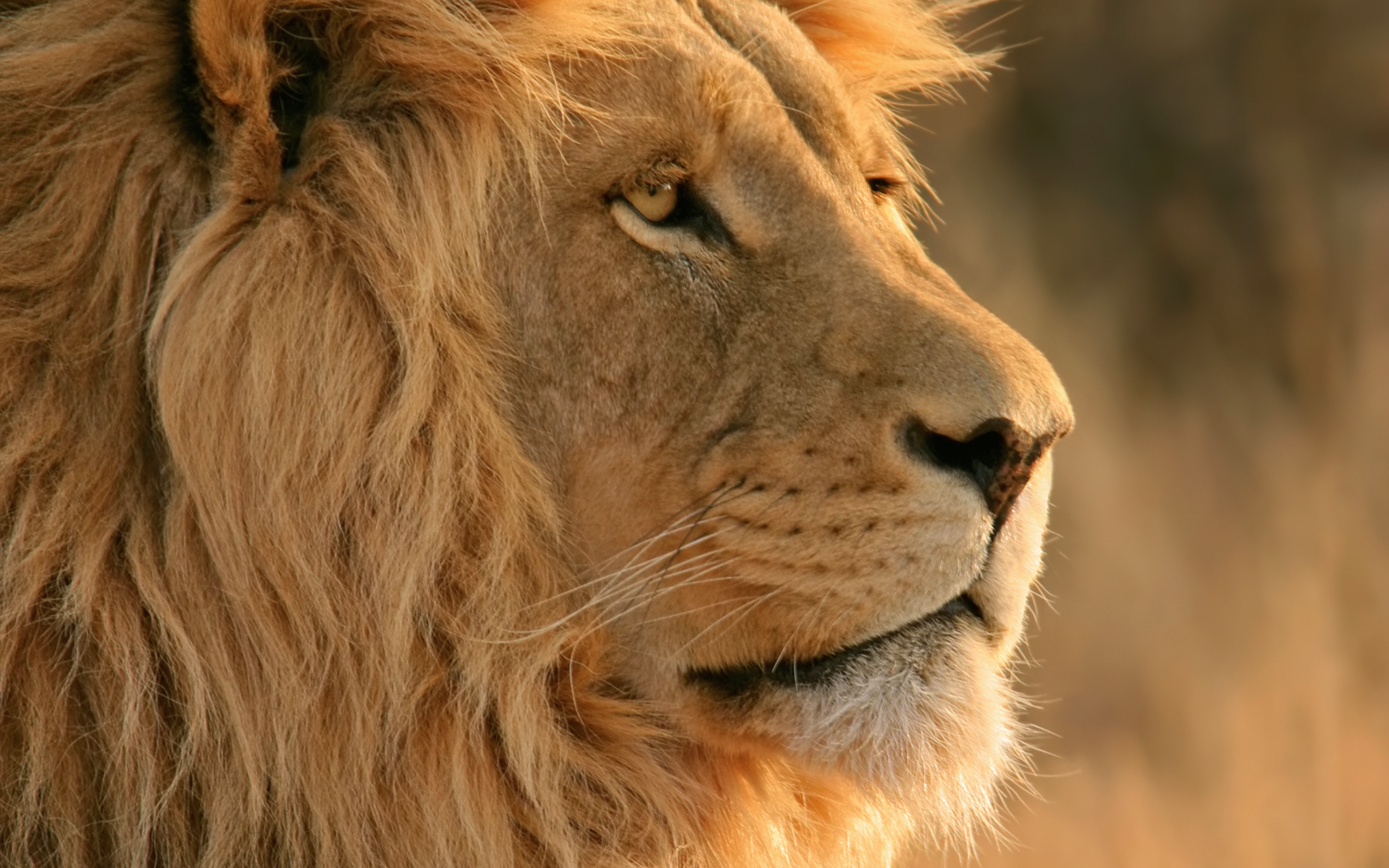
This 4-day big cats safari in Tanzania is designed for travelers who want to see lions, cheetahs, and leopards in their natural habitat. Covering Tarangire National Park, Ngorongoro Crater, and the Ndutu plains in the Serengeti ecosystem, this safari offers one of the best short wildlife experiences in Africa.
Why This is Tanzania’s Best Big Cats Safari
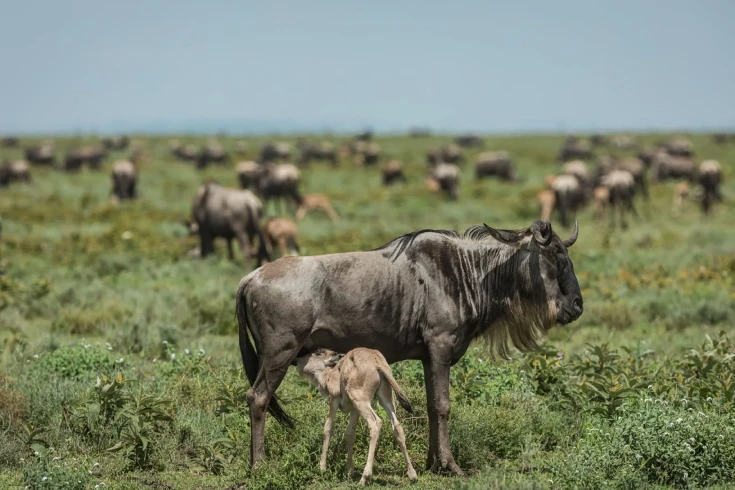
Ndutu’s calving season brings ~500,000+ wildebeest births in weeks, concentrating prey on open plains. Predators thrive: lion and cheetah hunting success rates spike with abundant vulnerable calves. Compared to Northern Serengeti or central Serengeti outside migration peaks, Ndutu’s off-road access (in designated areas) and short-grass visibility offer superior big-cat viewing. It’s the best time to see big cats and ideal for a Tanzania predator safari.
What Makes Our Safari Different
- Local Moshi-based team for responsive support and fair pricing
- Veteran guides skilled in big cat tracking and reading behavior
- Ethical viewing: safe distances, no crowding, no baiting
- Small groups for better angles and quieter sightings
- Well-maintained 4x4s with pop-up roofs, charging ports, fridge
Highlights
- Classic 4 days safari Tanzania itinerary
- Ndutu calving season wildlife spectacle
- Excellent predator sightings
- Knowledgeable local guides
- Flexible accommodation levels
- Ethical wildlife viewing practices
- TATO Licensed
- Local Moshi Operator
Includes/Excludes
- Private 4×4 safari vehicle
- Professional English-speaking guide
- Park & conservation fees
- Accommodation & meals as stated
- Drinking water during safari
- International flights
- Travel insurance
- Tips & personal expenses
Tour Itinerary
Day 1: Moshi → Tarangire National Park
Depart Moshi with your Kilimania Adventure guide and drive to Tarangire National Park, famous for its large elephant herds and predator populations.
Wildlife highlights:
- Elephants along the Tarangire River
- Lions and leopards
- Giraffes, zebras, and buffalo
Overnight: Lodge or tented camp near Tarangire
Meals: Lunch & Dinner
Day 2: Tarangire → Ngorongoro Conservation Area
After breakfast, travel to the Ngorongoro Conservation Area, enjoying scenic landscapes and Maasai villages.
Why Ngorongoro matters:
- UNESCO World Heritage Site
- Natural wildlife enclosure
- Big Five sightings possible
Learn more via UNESCO – Ngorongoro Conservation Area
Overnight: Lodge on or near the crater rim
Meals: Breakfast, Lunch & Dinner
Day 3: Ngorongoro Crater → Ndutu (Calving Season)
Descend into the Ngorongoro Crater early for a game drive, then continue to Ndutu, a key area during the wildebeest calving season (January–March).
Expect to see:
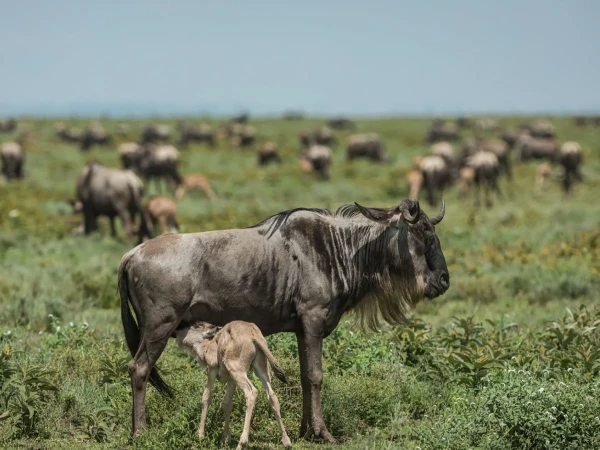
- Newborn wildebeest and zebras
- Lions, cheetahs, and hyenas
- Open plains ideal for photography
Overnight: Tented camp in Ndutu
Meals: Breakfast, Lunch & Dinner
Day 4: Ndutu → Moshi
Enjoy a final morning game drive in Ndutu before returning to Moshi.
This short safari may end today—but the memories stay with you.
Meals: Breakfast & Lunch
4 Days Safari Tanzania – Pricing Guide
| Comfort Level | 2 People | 4 People | 6 People |
|---|---|---|---|
| Budget | $1,300 | $1,100 | $1,000 |
| Mid-range | $1,700 | $1,480 | $1,350 |
| Luxury | $2,300 | $2,050 | $1,900 |
Accommodation Options – Budget to Luxury
| Level | What to Expect |
|---|---|
| Budget | Clean tented camps, shared facilities |
| Mid-range | Comfortable lodges, private bathrooms |
| Luxury | Premium lodges & exclusive tented camps |
Booking & Payment
- USD 100 deposit per person to confirm booking
- Balance payable on arrival in Tanzania
Tour Map
Book Your Tour Now
Tailored Travel Itinerary
Personalized Tanzania safaris featuring iconic wildlife, stunning landscapes, and unforgettable African adventures.
Group Discount
Check your safari group savings.
Wildlife You’ll See: The Stars of the Savannah
The 4-Day Big Cats Safari is meticulously routed through Tanzania’s most active predator corridors. While nature offers no guarantees, our expert tracking techniques maximize your chances of witnessing high-stakes wildlife drama.
The Apex Predators (The Big Cats)
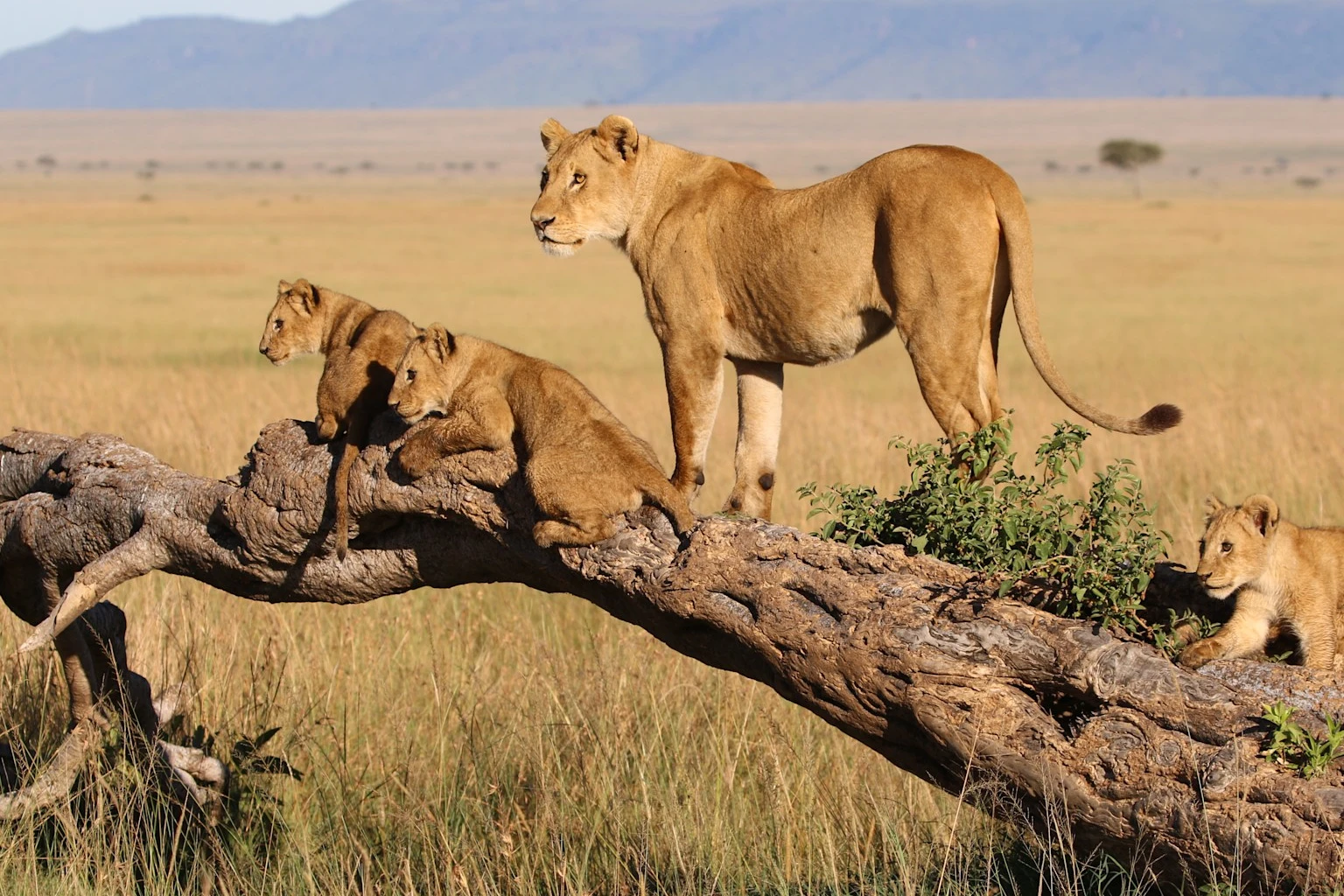
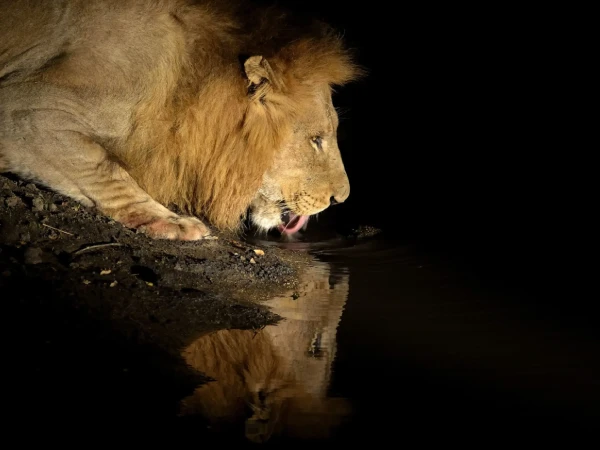
Lions: Experience the power of resident prides. During the Ndutu calving season, you are likely to witness coordinated hunts as lions take advantage of the high density of wildebeest calves.
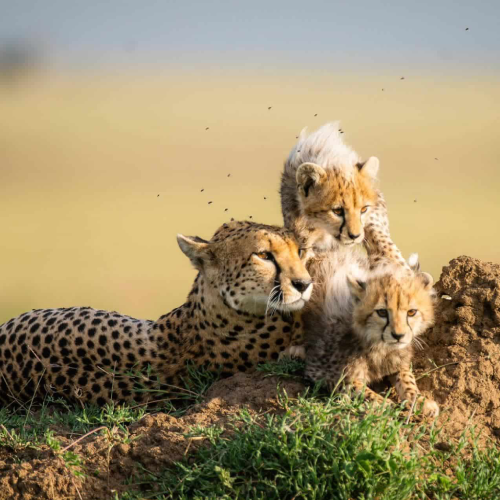
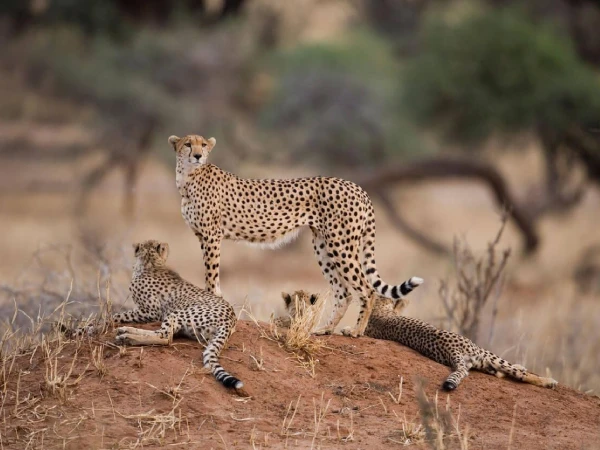
Cheetahs: The short-grass plains of Southern Serengeti and Ndutu provide exceptional visibility for the world’s fastest land animal. This is the premier location for observing high-speed open-plains pursuits.
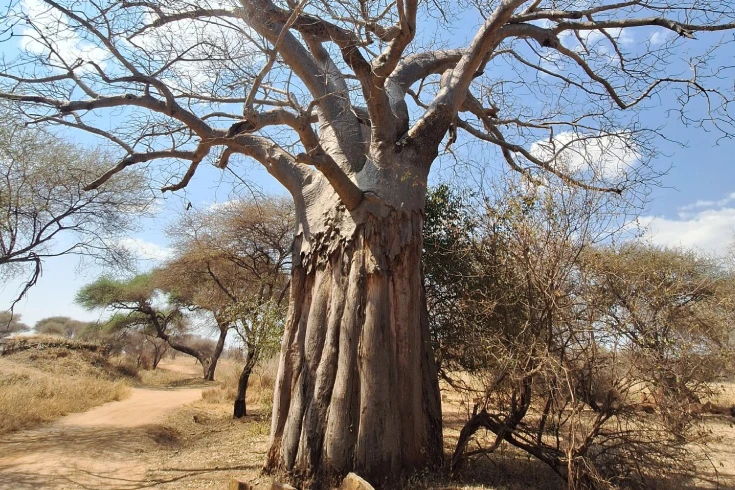
Leopards: Known as the masters of stealth, these elusive hunters are most frequently spotted lounging in the ancient baobabs and riverine woodlands of Tarangire or the dense fever tree forests of the Ngorongoro Crater.
The Great Migration & Supporting Cast
The “Big Cats” aren’t the only residents you’ll encounter. The ecosystem is teeming with life that creates the foundation for the predator action:
The Massive Herds: Hundreds of thousands of wildebeest and zebras congregate on the plains, creating a living carpet of movement.
Tanzania’s Giants: Encounter iconic elephants in the riverbeds of Tarangire, alongside towering giraffes and massive herds of Cape buffalo.
The Scavenger Hierarchy: Observe the social dynamics of spotted hyenas and golden jackals, and keep an eye out for the highly rare and endangered African wild dogs.
An Avian Paradise
For bird enthusiasts, the route spans diverse habitats—from volcanic craters to swampy floodplains.
400+ Bird Species: Look for the vibrant Lilac-breasted Roller, the prehistoric-looking Secretary Bird, and various raptors including the Martial Eagle and Lappet-faced Vulture.
Expert Insight: Early morning game drives (leaving at 6:00 AM) are essential. This is when the temperature is coolest and predators like cheetahs and lions are most active before the midday heat sets in.
4 Day Big Cats Safari in Tanzania: Best Time & Booking
To witness the raw drama of a predator hunt, timing is everything. While Tanzania offers spectacular wildlife year-round, we recommend aligning your dates with the specific behaviors of the region’s apex predators.
The Best Time to Visit
Peak Predator Action (December–March): This is the best time for the Ndutu calving and predators. As hundreds of thousands of wildebeest give birth, the plains become a high-intensity hunting ground for lions, cheetahs, and hyenas. This “green season” offers the most dramatic photography opportunities and action-packed game drives.
Classic Game Viewing (June–October): The dry season provides excellent visibility as animals congregate around permanent water sources. This period offers classic game viewing but typically fewer hunts compared to the calving season, as the tall grass and dispersed herds change predator tactics.
Strategic Booking Advice
Advance Planning: Due to the popularity of the calving season, we strongly advise you to book 6–9 months in advance for peak season camps. The most sought-after lodges in the Ndutu and Serengeti regions have limited availability and often reach full capacity nearly a year out.
Securing Your Spot: Early booking guarantees your preferred accommodation and ensures the availability of our most experienced predator-tracking guides.
Essential Packing Guide: Your 4 Day Big Cats Safari in Tanzania
To ensure you are fully prepared for the high-octane environment of the Tanzanian savannah, we have curated this professional gear list. For a 4-day Big Cats Safari in Tanzania, packing light in soft-sided duffel bags is recommended to maximize space and efficiency in our custom 4×4 safari vehicles.
Photography & Optics: Capture the Action
Ndutu Wildlife Photography Safari Calving Season | 12 Ethics
The Ndutu plains and Ngorongoro Crater offer some of the fastest wildlife action on earth. Your gear should be ready for split-second movement.
Telephoto Lens (300mm+): To capture the intense detail of a lion’s hunt or a cheetah’s sprint from a safe, ethical distance, a lens with 300mm to 600mm reach is essential.
Modern Mirrorless Tech: If you are shooting with 2026-era mirrorless cameras, ensure your Animal Eye-Tracking AF is active to keep moving predators in sharp focus.
Stability Over Tripods: Space is limited inside a vehicle. We recommend a beanbag (which we can provide) to stabilize your lens on the pop-up roof rather than a bulky tripod.
High-Speed Storage: Use V60 or V90 rated SD cards. The calving season requires “burst mode” shooting, which can easily result in 1,000+ images per day.
Optics: A pair of 8×42 or 10×42 binoculars is a must for spotting leopards camouflaged in the acacia canopy before they move.
Safari Apparel & Protection: Tactical Comfort
Temperatures in Northern Tanzania fluctuate wildly between the 6:00 AM dawn drives and the midday sun.
The Layering System: Wear lightweight, moisture-wicking base layers with a fleece or light jacket for chilly mornings.
Neutral Palette: Stick to khaki, tan, or olive drab. Avoid white (it gets dusty quickly), camouflage (reserved for military), and dark blue or black (which can attract tsetse flies).
Sun & Skin Defense: A wide-brimmed hat with a chin strap, polarized sunglasses, and high-SPF sunscreen are mandatory.
Insect Protection: Bring a repellent containing DEET or Picaridin for late afternoon and evening protection.
Travel Documents & Health
Tanzania E-Visa: We strongly recommend applying for your Tanzanian e-visa at least 2 weeks before arrival. While “Visa on Arrival” is available at Kilimanjaro International Airport (JRO), the digital portal is significantly faster.
Identification: A passport valid for at least 6 months beyond your departure date with at least two blank pages.
Yellow Fever Card: Required if you are arriving from (or have transited for more than 12 hours through) a yellow fever endemic country.
Personal Pharmacy: A “bush kit” including antihistamines, motion sickness tablets, and any personal prescriptions.
The Kilimania “Pro Tip”
Dust is a constant companion on the savannah, especially during the dry transitions of the calving season. We suggest bringing a dedicated silicone lens cover or a simple dry bag to seal your camera gear between sightings. This prevents fine volcanic dust from penetrating your lens seals and sensors. Leaning more about Best Tanzania Safari and Kilimanjaro Climb in Moshi 2026
Tanzania Safari Packages
- Tanzania
- 4 Days
- 1,000 Pp
Four-Day Tanzania Safari to Tarangire, Ndutu and Ngorongoro.
- Tanzania
- 3 Days
- 800 Pp
Wild Trails of Tarangire Safari with Walking and Night Drives.
- Tanzania
- 6 Days
- 600 Pp
Six-Day Tanzania Safari with Serengeti Hot Air Balloon Experience.
- Tanzania
- 4 Days
- 1450 Pp
Four-Day Big Cats and Serengeti Hot Air Balloon Safari.
Kilimanjaro Summit

Faq's
Frequently Asked Questions
Why choose a "Big Cats" safari over a standard Northern Circuit safari?
While a standard safari covers a variety of landscapes, a Big Cats Safari is strategically timed and routed to prioritize predator-prey interactions. We spend more time in the Ndutu and Ngorongoro regions, where the open terrain makes spotting leopards and tracking cheetah hunts significantly easier than in the dense bush of other parks.
When is calving season in Ndutu?
Usually January to March, depending on rainfall.
Is this safari private?
Yes. Private safaris are standard.
Can the itinerary be customized?
Absolutely.
What is the best time to see big cats in Tanzania?
December to March during the Ndutu calving season.
Can I see all big cats?
Yes, especially lions and cheetahs, with possible leopard sightings.
Is this 4-day itinerary suitable for professional photographers?
Yes. Our vehicles are equipped with pop-up roofs for 360-degree unobstructed views, and we provide beanbags for lens stability. Because we are a local Moshi operator, our guides understand the patience required for photography—we won’t rush you away from a sighting just to get to the next camp.
Does the price include all Tanzanian National Park fees?
Yes. At Kilimania Adventure, we believe in transparent pricing. Your quote includes all entry fees for Tarangire National Park, the Ngorongoro Conservation Area, and the Ndutu transit fees. There are no hidden “gate fees” to pay upon arrival.
Is it safe to be that close to lions and cheetahs in an open-roof vehicle?
Absolutely. Wildlife in these parks is “habituated” to the presence of safari vehicles. As long as guests remain inside the vehicle and follow the guide’s instructions, there is no danger. Our guides are trained in ethical wildlife viewing, ensuring we observe the animals’ natural behavior without causing them stress.
Do you need any help?
Ready to Explore? Let's Chat About Your Dream Trip
Let your wanderlust soar! Start exploring today and let unforgettable experiences await!