Choosing the wrong month can mean spending thousands of dollars and missing the wildlife event you traveled to Tanzania to see. The key is not finding the best season—it is matching your travel dates to the right park and the right wildlife experience.
The best time to visit Tanzania for a safari depends on which park you are visiting — not just which season. June–October is the dry season peak for Serengeti and Tarangire. January–March is the genuine peak for Ndutu calving, with up to 8,000 wildebeest calves born daily. Ngorongoro Crater is excellent year-round. No single month suits every traveler.
Key Stats
- $82.60 — Serengeti National Park adult entry fee per day (TANAPA 2026)
- $295 — Ngorongoro Crater descent fee per vehicle (not per person)
- 8,000 — Wildebeest calves are born daily at Ndutu in February
- 40–50% — Price reduction in April–May vs peak season
- 6–8 months — Recommended booking window for July–August departures from the US or UK
- 200+ — Field days per year, Kilimania guides operate across Northern Circuit parks
The Bottom Line: Most articles tell you June–October is Tanzania’s best safari season. That is correct for Serengeti and Tarangire — but it completely misses that January–February is the predator-action peak at Ndutu, and Ngorongoro Crater has no bad month. Match your dates to the right park, not just the right season.
Table of Contents
Introduction
This guide covers every park, every month, and every traveler type — not just the Serengeti migration calendar that most timing articles recycle. It is written for early-stage planners from the US, UK, Europe, and Australia who have a rough date window and need to know whether it is viable, good, or genuinely the wrong window for their goals.
From our base in Moshi, Kilimanjaro Region, Kilimania Adventure runs daily safaris to Serengeti National Park, Ngorongoro Crater, Tarangire National Park, and Lake Manyara National Park, with pickups from Kilimanjaro International Airport (JRO) and Arusha Airport (ARK). Our guides — including Kanti Kessy with 17 years on the Northern Circuit and Isack Mlala with 15 years in the field — log 200+ operational days per year across these parks. What follows is what we actually observe, not what competitor websites copy from each other.
According to the Tanzania Tourism Board, Tanzania receives approximately 1.5 million international visitors annually, with over 60% visiting Northern Circuit parks. The majority arrive in July and August — often without knowing that February delivers comparable predator density at a fraction of the vehicle competition.
Why Tanzania Safari Timing Is Not One Answer
Short answer: Tanzania’s four major Northern Circuit parks peak in different months because they contain different ecosystems, different permanent water sources, and different wildlife concentrations. The dry season is not universally superior — it depends on which park you visit and which wildlife event you are there to see.
This is the foundational error most articles make. They write “best time for Tanzania safari” and apply Serengeti logic to every park.
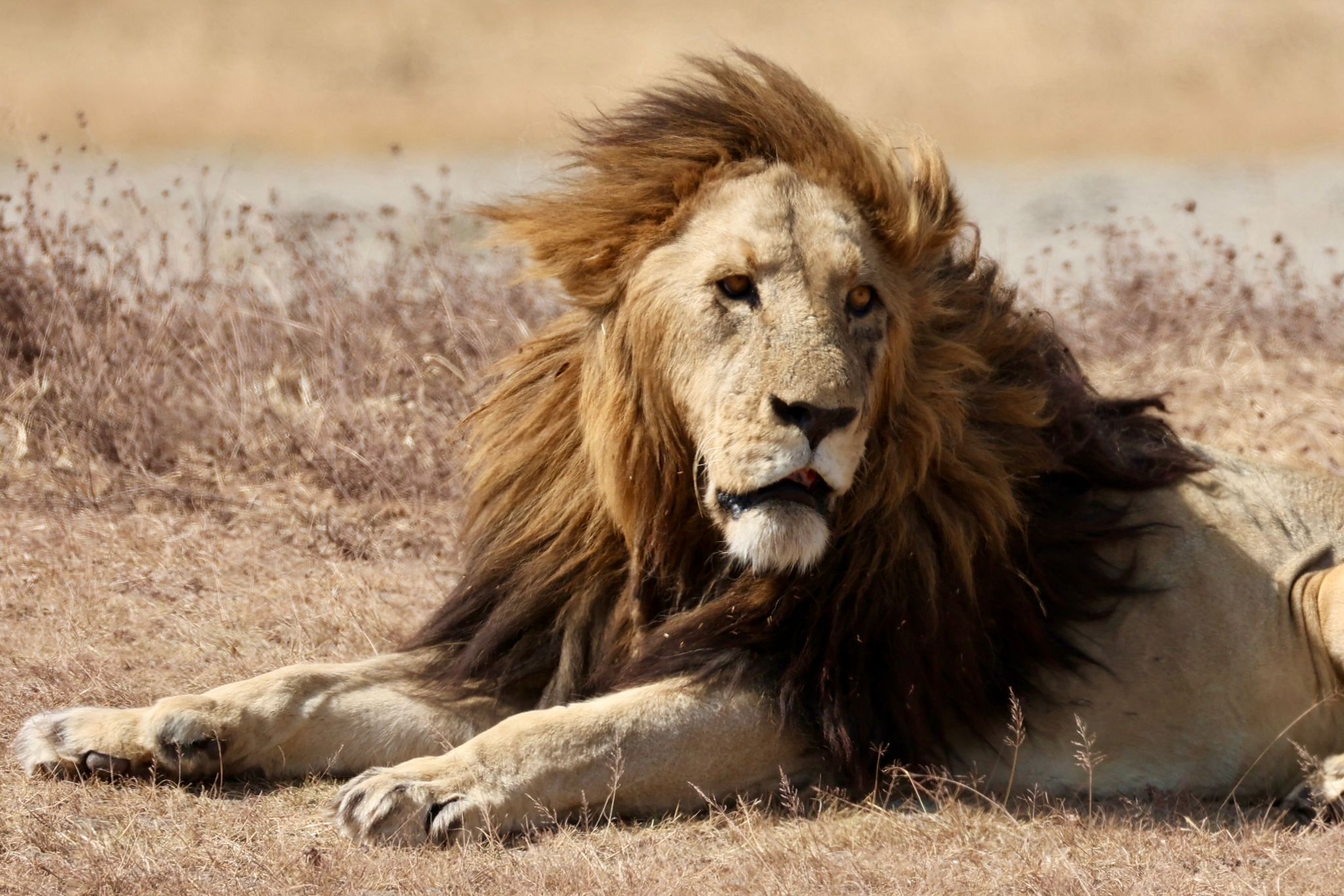
Serengeti National Park — 14,763 square kilometres of open savanna — follows the Great Migration calendar and rainfall patterns. Tarangire National Park operates on a completely different clock: the permanent Tarangire River is the only water source for hundreds of kilometres during July–October, drawing African elephant (Loxodonta africana) herds of 3,000+ animals — a concentration found nowhere else in Tanzania. Ngorongoro Crater sits inside a 260-square-kilometre caldera with permanent water year-round, making it genuinely good in every month. And Ndutu Plains — the short-grass ecosystem on the Serengeti’s southern edge — peaks in January–March for calving, a window most “avoid the rains” articles actively steer travelers away from.
Getting Tanzania timing right means matching dates to the correct park — not simply the correct season.
Month-by-Month Safari Guide: All 12 Months
January
February
🗓️ March
🗓️ April
May
June
July
August
September
October
November
December
Park-by-Park Timing: Where the Real Difference Is
Serengeti peaks June–October for dry season AND January–March for the Ndutu calving. Tarangire peaks ONLY July–October when the Tarangire River becomes the region’s sole water source. Ngorongoro Crater is genuinely year-round. Ndutu peaks December–March. Getting park timing right matters more than getting the season right.
Serengeti National Park — Two Distinct Peaks
Serengeti holds two peak seasons — not one — and most itineraries account for only one of them.
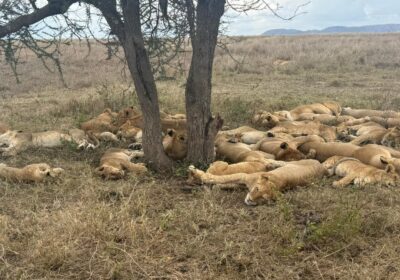
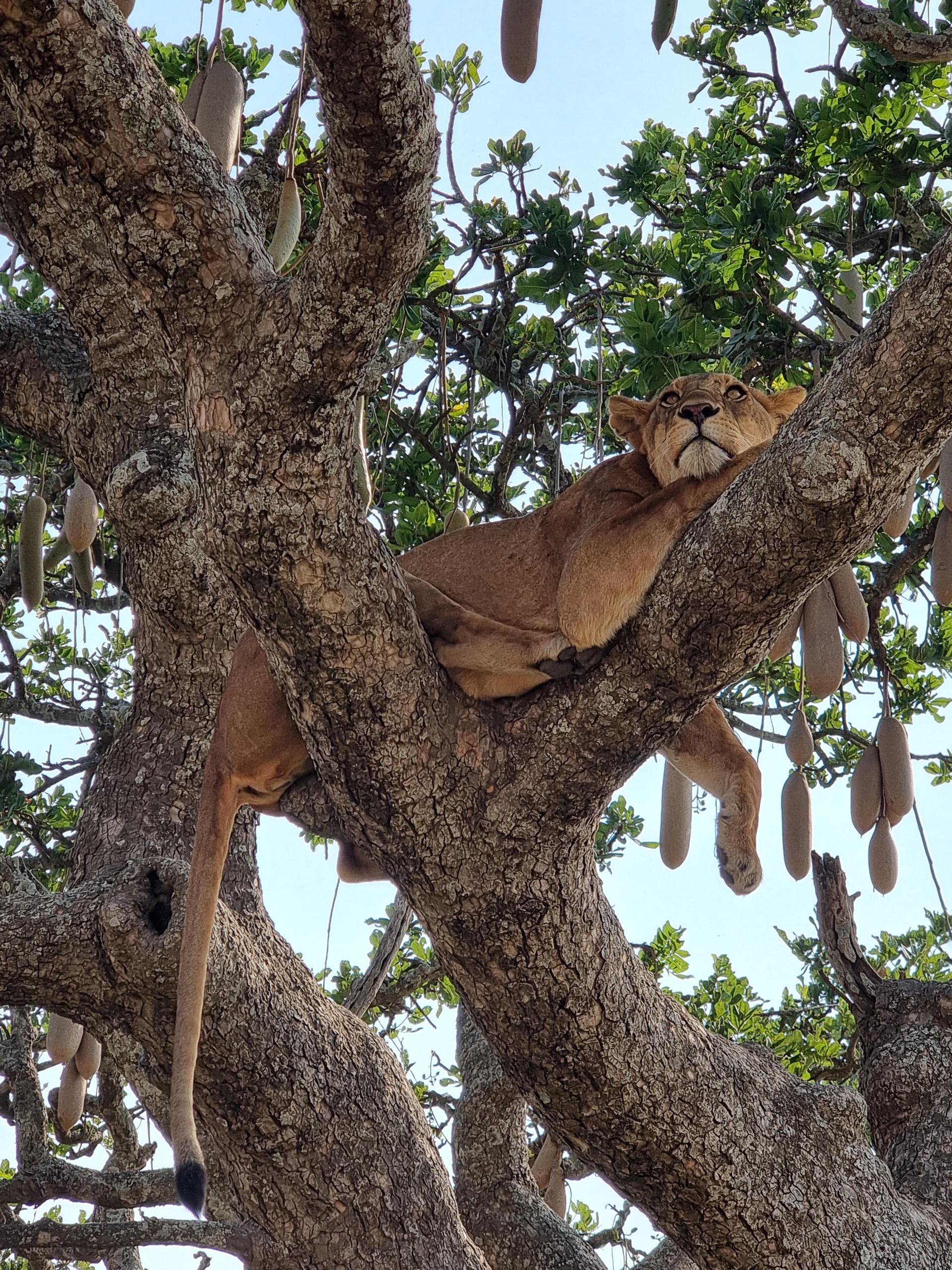
June–October (dry season): Wildlife concentrates around the Seronera River, Grumeti River, and Mara River. The Seronera Valley lion (Panthera leo) prides have been studied since 1966 and are among the most vehicle-habituated in Africa. The northern Serengeti — Kogatende area — hosts Mara River crossings from July through October. The drive from Naabi Hill Gate to Kogatende is 3.5–4.5 hours one-way; most itineraries underestimate this by 60–90 minutes.
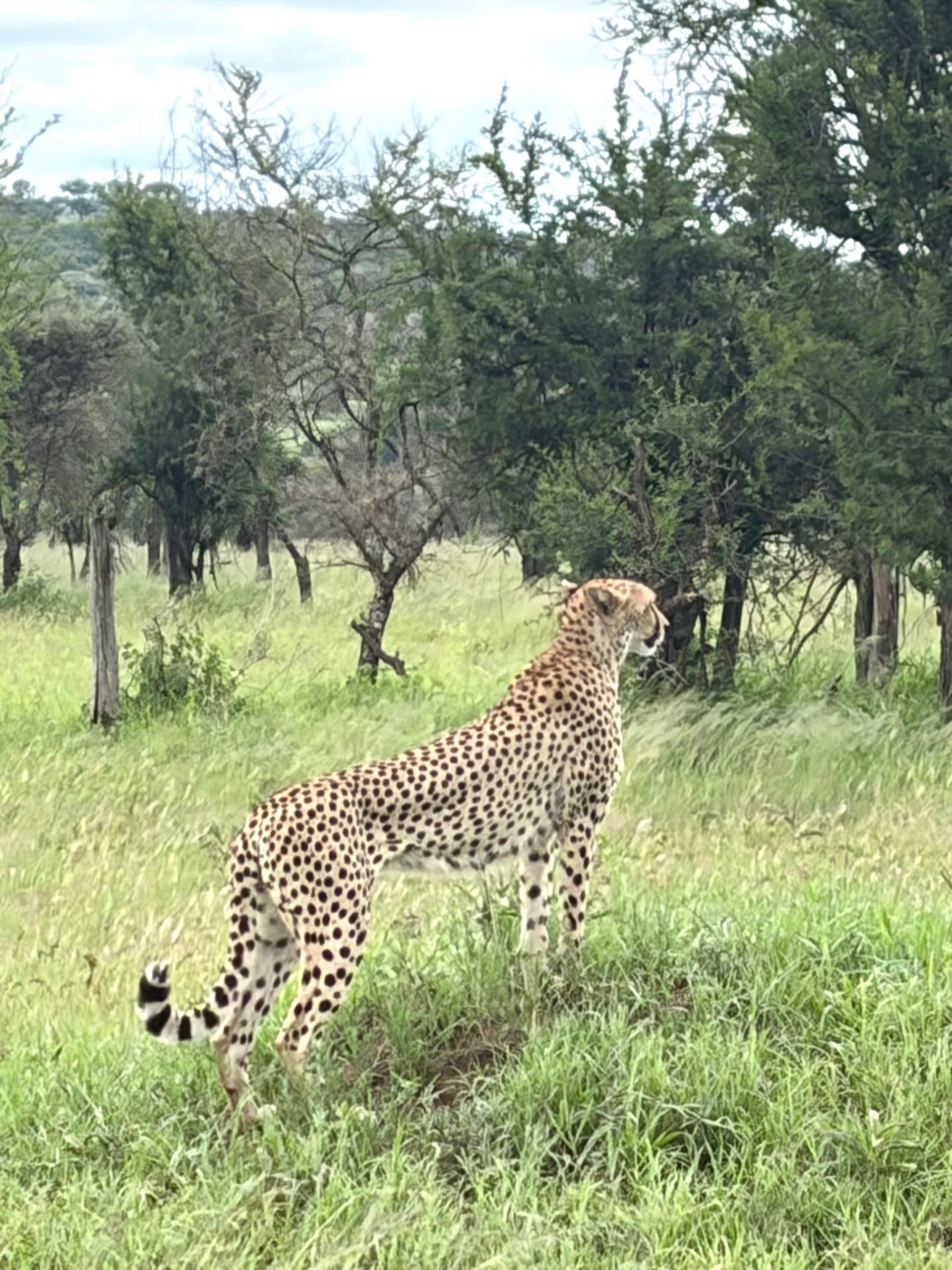
January–March (Ndutu calving season): The southern Serengeti and Ndutu Plains host 500,000+ blue wildebeest (Connochaetes taurinus) converging to calve. Up to 8,000 calves born daily in February. Predator density — cheetah (Acinonyx jubatus), spotted hyena (Crocuta crocuta), black-backed jackal (Lupulella mesomelas) — is the highest of any Tanzania season. Short grass means you see everything without vegetation obstruction. See our 4-day Tarangire Ndutu Ngorongoro safari for a complete Ndutu-centred itinerary.
Tarangire National Park — July–October Only for Elephant Peak
Tarangire is Tanzania’s most misunderstood park in terms of timing. Its dry season is not just “good” — it is genuinely extraordinary in a way with no equivalent elsewhere in northern Tanzania.
From July through October, the Tarangire River is the only permanent water source for hundreds of kilometres. African elephant herds of 3,000+ individuals — family groups, bachelor herds, and elderly bulls — compress along approximately 90 kilometres of riverbank. Kanti Kessy, our senior driver-guide with 17 years on the Northern Circuit, routinely observes 200–400 elephants in a single 6-hour game drive during September.
Outside July–October, animals disperse across the wider Tarangire ecosystem. The park retains its baobab (Adansonia digitata) landscapes and resident predators — but the elephant mega-herds are not present. If your dates fall in this window and you skip Tarangire, you will have missed the defining wildlife experience of Tanzania’s dry season. Combine with a Tarangire walking safari and night safari for the full experience.
Ngorongoro Crater — Year-Round, With Specific Seasonal Advantages
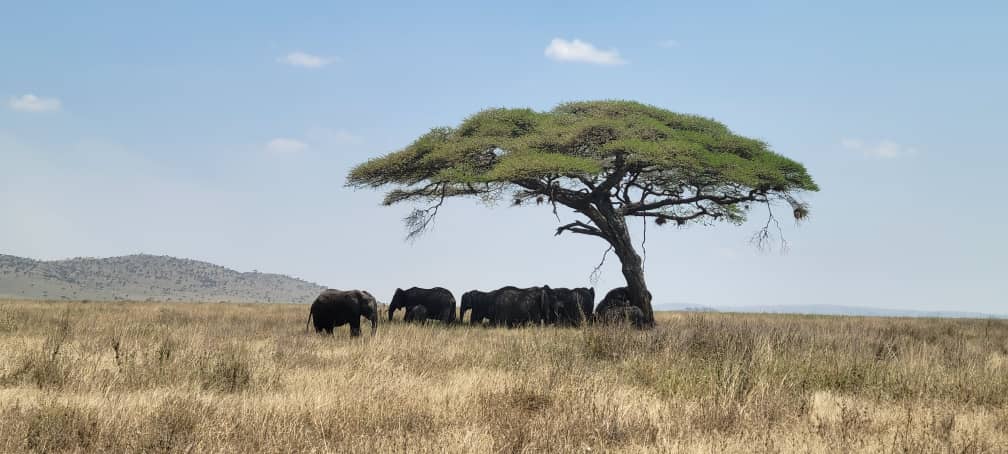
The 260-square-kilometre crater floor contains the Gorigor Swamp, Lake Magadi, and the Munge Riverbed — permanent water sources that anchor 25,000+ large animals regardless of season. Black rhinoceros (Diceros bicornis), resident lion prides, spotted hyena, Burchell’s zebra, and large buffalo (Syncerus caffer) herds are present every month.
Dry season (June–October): Sightlines improve as vegetation thins. Ngorongoro rim nights drop to 8–12°C — pack thermal layers regardless of what your packing list says.
Green season (November–May): Crater floor is greener, flamingo (Phoeniconaias minor) populations on Lake Magadi increase, migratory birds arrive. Photography light is superior. Fewer vehicles on the crater floor.
The NCAA requires all crater visitors to use a registered crater guide — self-drive is not permitted at any time. The $295-per-vehicle crater descent fee is identical in every season. See our complete Ngorongoro Crater safari guide from Moshi for full fee breakdown and logistics.
Dry Season vs Green Season: The Honest Comparison
Short answer: Dry season (June–October) delivers predictable, concentrated wildlife and excellent roads at peak prices. Green season (November–March, excluding April–May long rains) delivers 25–40% lower costs, 2–5 vehicles at sightings versus 10–25 in peak, photographic light that is genuinely superior, and the Ndutu calving season — an event dry season cannot replicate.
Most Tanzania safari articles are written in favour of dry season without examining what green season actually delivers. Here is the honest comparison:Dry Season (June–October)
Green Season (November–March, excluding April–May long rains)
Three wildlife events happen exclusively in green season and make it genuinely superior for specific traveler types:
Ndutu calving (January–March): 500,000+ wildebeest surrounded by the highest predator density in East Africa. No equivalent event exists in dry season. Thomson’s gazelle (Eudorcas thomsonii), impala (Aepyceros melampus), and zebra foals are born simultaneously.
Migratory bird arrivals (November–April): Tanzania holds 1,100+ bird species. Approximately 300 Palearctic migrants — European roller, yellow wagtail, white stork, marsh harrier — appear only during green months. A dry season visitor simply does not see these.
Green season photography: Dust-free air, cloud-filtered light, and zero vehicle competition. Photographers who accept variable roads get images that dry season visitors cannot replicate.
For couples combining safari with a beach extension, see our Tanzania safari and Zanzibar package guide — green season dates often yield the same wildlife quality at prices that fund the entire Zanzibar leg.
Who Should Go When: Traveller-Type Matching
Short answer: School-age families should book July–August and accept peak prices. Photographers should target November or January–February. Solo travellers and couples gain the most from green season shoulder months — fewer vehicles, lower costs, and group departures that remove the solo supplement entirely.
Families with school-age children: July–August. School holiday timing aligns with Tanzania peak. Wildlife is predictable and concentrated. The trade-off: highest prices and most vehicles at sightings. October half-term (October 1–15) gives near-peak wildlife with notably fewer vehicles. See our Tanzania safari with kids guide for age limits and safety considerations.
Wildlife photographers: November, January–February, early March. Cloud-diffused light eliminates harsh shadows. Green landscapes provide foreground depth. Ndutu in February delivers the highest-density predator-prey photography opportunity in East Africa, with 2–4 vehicles at sightings versus 15–20 in August. See our budget camping safari Tanzania guide for photographer-friendly camping itineraries in green season.
Honeymoon couples: June, September–October, or January–February. June delivers excellent wildlife before July crowds build. September–October offers peak wildlife as crowds thin. January–February delivers Ndutu intimacy at 15–20% below July pricing. Combine either window with our Tanzania safari and Zanzibar beach package.
Solo travellers: Any month, but green season maximises value. Our monthly group departure calendar matches solo travelers with 2–5 companions at shared vehicle costs — eliminating the solo supplement that costs $200–$600 extra per week on private vehicles.
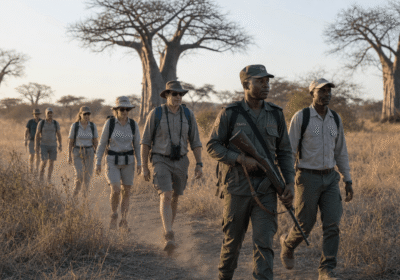
Walking safari travelers: June–October only. Walking safaris in Tanzania require an armed Tanzania Wildlife Authority (TAWA) ranger and are only permitted in designated parks during dry season. Road conditions and guide visibility into vegetation make June–October the only practical window.
Booking windows by departure country:
- US travellers: 6–8 months ahead for June–August. 4–6 months ahead for the February calving season.
- UK and EU travellers: 5–7 months ahead for peak. 3–4 months ahead for the shoulder season.
- Australian travellers: 7–9 months ahead. Australian winter (June–August) aligns exactly with Tanzania peak — the same dates are completed for simultaneously.
What Nobody Tells You About Tanzania Safari Timing
This is the section competitors sanitise. These are operational realities our guides encounter every week.
The Naabi Hill Gate drive is longer than every itinerary shows. The drive from Naabi Hill Gate to Seronera takes 45–90 minutes, depending on the season — most itineraries show 30 minutes. From Naabi to Kogatende in northern Serengeti: 3.5–4.5 hours one-way. Budget this correctly, or you’ll lose prime morning game-viewing time.
Ngorongoro rim nights are cold in any season. The rim sits at 2,400 metres. June through August: 8–12°C at night. Even in November and March, temperatures drop to 14–16°C. Pack thermal underwear regardless of what your operator’s packing list says. Emma v.d.B., Netherlands, March 2026, verified on TripAdvisor: “Honest warning: July nights at Ngorongoro rim are freezing. Bring thermal underwear. But we saw a leopard kill at 6 AM because we were already at the gate.”
Public campsites have long-drop toilets, not flush toilets. This is true in every season. If you have not used a long-drop before, know this before you arrive. Private campsites with en-suite bathrooms cost $50–$80 more per night. Our budget camping safari Tanzania guide explains exactly what each campsite tier includes.
The $295 crater descent fee is per vehicle — not per person. A group of 4 pays $73.75 each. A solo traveller pays $295 alone. Any quote listing this fee per person is either incorrect or overcharging. Any quote excluding this fee is being used to win a price comparison it does not deserve. Verify at ncaa.go.tz.
Green season roads in April are not an exaggeration. Some sections between Karatu and the Serengeti gate become genuinely impassable after heavy rain. The Serengeti’s southern circuit roads, including access to Ndutu Plains, close entirely in April–May at most camps. This is not a safety warning to dismiss — it is a logistics reality. First-time safari travellers should avoid April–May entirely and book shoulder season instead.
Thomas K., Germany, February 2026, verified Google Reviews: “The shared vehicle was the part I worried about most. By day 3 it was my favourite part of the trip — met a Swedish family we still message. The cook made a birthday cake on a camp stove.”

Common Timing Mistakes That Ruin Safari Trips
Short answer: The three most costly timing mistakes are: visiting Tarangire outside July–October, expecting the elephant spectacle; booking Ndutu in April, expecting calving season; and choosing August for the migration without accounting for vehicle density at popular sightings.
“`html “`Why Trust Kilimania Adventure for This Information
- Base: Moshi, Kilimanjaro Region, Tanzania — physical office, not an online-only booking desk
- TATO registration: Registered member of the Tanzania Association of Tour Operators
- Kilimanjaro experience: Sabinus Msimba has guided 300+ successful summit climbs over 22 years
- Safari experience: Kanti Kessy has run game drives on the Northern Circuit for 17 years
- Field days: 200+ days per year operating in Serengeti, Ngorongoro, Tarangire, and Lake Manyara
- Transparency commitment: We publish honest limitations because travellers who understand real conditions book better safaris
- Contact our Moshi office directly: +255 756 449 990, 7 days per week
Safety and health information: Malaria risk is present year-round in Tanzania’s national parks. Green season increases mosquito density — use DEET-based repellent, sleep in treated nets, and take prophylaxis as recommended by your GP or travel health clinic before departure. Ngorongoro rim altitude (2,400m) causes mild symptoms in some travellers; ascend slowly from Arusha or Moshi. These risks are manageable. They are not reasons to cancel a trip — they are reasons to prepare correctly.
Financial accuracy: All prices reflect May 2026 figures from Kilimania Adventure’s operational costs and TANAPA/NCAA published fee schedules.
Tanzania Safari Timing Summary
If you only remember three things from this guide:
- July–October is best for migration crossings and Tarangire elephant concentrations.
- January–March is best for Ndutu calving season and predator activity.
- Ngorongoro Crater is a year-round destination with no bad safari month.
Most travelers focus on season. Experienced safari planners focus on matching the correct park to the correct wildlife event.
FAQ: Best Time to Visit Tanzania for Safari
Is February or August better for a Tanzania safari?
February is best for wildebeest calving and predator action in Ndutu. August is best for Mara River crossings in northern Serengeti. Choose February for fewer crowds and lower prices, or August for peak migration viewing.
What is the best month for a Tanzania safari?
There is no single best month. February is best for Ndutu calving season, while July–August is best for Serengeti migration crossings. Ngorongoro Crater offers excellent wildlife viewing year-round.
Is January a good time for a Tanzania safari?
Yes. January marks the start of the Ndutu calving season, with excellent predator sightings, warm weather, and lower prices than peak dry-season months.
What is the cheapest month for a Tanzania safari?
April and May are usually the cheapest months, with discounts of up to 50%. For better weather and wildlife viewing, consider March or November instead.
Is Ngorongoro Crater worth visiting during the rainy season?
Yes. Ngorongoro Crater has permanent wildlife populations year-round. The rainy season brings greener scenery, fewer vehicles, and excellent photography conditions.
When should I book a Tanzania safari?
For July–August travel, book 6–8 months in advance. For January–March calving season safaris, booking 4–6 months ahead is usually sufficient.
Can I do a walking safari during the green season?
No. Most Tanzania walking safaris operate during the dry season (June–October) and require an armed TAWA ranger.
What is the best time for wildlife photography in Tanzania?
January–February and November offer the best photography conditions, with green landscapes, softer light, and fewer safari vehicles.
When should couples and families visit Tanzania?
Families usually travel in July–August during school holidays. Couples with flexible dates often get better value, fewer crowds, and lower prices in January–March or October–November.
Disclosure: This article is written by Kilimania Adventure, a TATO-registered safari and Kilimanjaro climbing operator based in Moshi, Kilimanjaro Region, Tanzania. We have a commercial interest in Tanzania safari and Kilimanjaro bookings. All prices reflect real 2026 costs from our own operations. We encourage you to compare our quotes with at least two other TATO-registered operators before booking.
About the Author
Sabinus Msimba is a KINAPA-licensed Kilimanjaro guide, senior safari guide, and co-founder of Kilimania Adventure in Moshi, Tanzania. He has guided Tanzania safaris since 2004, completed more than 300 Kilimanjaro summits, and spends over 200 field days annually in Serengeti, Ngorongoro, Tarangire, and Lake Manyara National Parks.
Last reviewed: May 2026 | Review schedule: Updated each November following TANAPA’s annual tariff announcement. Fee changes applied within 72 hours of official publication.
Data verification notice: Park fees and conservation area charges are set by government authorities and change without advance notice. All figures reflect published May 2026 rates. Verify current fees at tanzaniaparks.go.tz before booking. Request a gate receipt on arrival to confirm your operator paid the correct amount.
Conclusion
The single most important practical takeaway: match your dates to the correct park before worrying about the correct season — because Tarangire’s elephant peak (July–October) and Ndutu’s calving peak (January–March) are different events entirely, and arriving in the wrong park in the wrong month costs thousands without delivering the experience you planned for. The most common hesitation — “I can only go in February, am I too late for the migration?” — is resolved by a specific fact: February is not too late, it is the peak of a different and equally spectacular wildlife event at Ndutu. Browse our complete 7-day Tanzania safari Northern Circuit Big Five itinerary for a route that covers all major parks across any season. We Walk With You.
For International Travelers
All prices are in USD. Current conversions: $1,800 ≈ £1,400 | €1,680 | AU$2,700.
Flights to Kilimanjaro International Airport (JRO):
- New York or Los Angeles: $800–$1,400 return
- London: £550–£900 return
- Sydney: AU$1,400–AU$2,200 return
Tanzania e-visa: $50 most nationalities | $100 US citizens. Apply at immigration.go.tz at least 7 days before departure. Use a Visa or Mastercard credit card. Use Google Chrome or Firefox.
Yellow fever certificate: Required only if arriving from an endemic country. Not required for direct flights from USA, UK, EU, or Australia.
Pre-safari accommodation in Moshi: $35–$80 per night at budget guesthouses. Book one night before and one night after your safari.
Plan Your Tanzania Safari — Get a Fast Quote
📲 WhatsApp (Moshi, Tanzania): wa.me/255756449990 📧 Email: info@kilimania.co.tz 📞 Call: +255 756 449 990 (7 days per week)
Tell us:
- Travel dates
- Number of travelers
- Budget tier: budget / mid-range / luxury
We return a full itemised quote within 12 hours — park fees by park and by day, crater descent calculation by passenger count, VAT treatment stated in writing, complete inclusion and exclusion list. No costs discovered at the gate.
Verify our TATO registration: tatotz.org. Official park fees: tanzaniaparks.go.tz NCAA crater fees and regulations: ncaa.go.tz Tanzania e-visa portal: immigration.go.tz
We Walk With You.