Planning a Tanzania safari in 2026? Before you book, understand the hidden costs that can quietly add $500–$1,100 to your final price. Hidden Costs of Tanzania Safari
Travelers paid an average of 18% more than their initial quote for a Northern Circuit safari last year. It wasn’t a scam. It was a series of small, unmentioned fees and a VAT law that many websites choose not to explain until the final invoice arrives.
Quick Answer
Hidden costs of a Tanzania safari in 2026 typically add $500–$1,100 per person beyond the quoted package price. The biggest surprises include the Ngorongoro Crater descent fee ($295 per vehicle, plus 18% VAT totaling $348.10), an 18% VAT applied to operator services and concession fees, a tipping budget of $20–$30 per person per day, single traveler supplements of 30–100%, and concession levies of $47–$59 per person per night when sleeping inside park boundaries. Knowing these costs up front prevents budget shock at checkout.
Summary: Most travelers underestimate Tanzania safari costs by $500–$1,100 due to VAT, Ngorongoro descent fees, tipping, and concession charges. Always request a VAT-inclusive quote to avoid surprises.
Hidden Costs Summary (2026)
- Total hidden costs: $500–$1,100 per person
- Crater descent fee: $348.10 per vehicle (with VAT)
- VAT on services: 18%
- Tipping budget: $150–$400
- Single supplement: 30–100% extra
- Concession fees: $47–$59 per night
Table of Contents
Introduction
This article reveals every hidden cost of a Tanzania safari in 2026. We cover single supplements, the crater descent fee, VAT conundrums, concession levies, and tipping budgets in precise detail. This guide is written for international safari travellers—from the USA, UK, Germany, France, Netherlands, Australia, and Canada—who want to plan a trip without financial surprises.
From our base in Moshi, Kilimanjaro, we run daily safaris to Serengeti National Park, Ngorongoro Crater, Tarangire National Park, and Lake Manyara, with pickups available from Kilimanjaro International Airport (JRO). Our lead guide, Sabinus Msimba, has tracked lions in Central Serengeti for over 14 years and advises every guest that a low headline price rarely tells the full story. For a complete breakdown of the obvious costs, see our Tanzania safari cost 2026 guide. Here, we focus strictly on what gets left off the first quote.
Most hidden safari costs occur within Tanzania’s Northern Circuit, including
Serengeti National Park,
Ngorongoro Crater,
Tarangire National Park, and
Lake Manyara National Park.
Why Tanzania Safari Quotes Look Lower Than They Really Are
Most safari operators quote a base per-person price that covers accommodation, a vehicle, a guide, meals, and sometimes park fees—but rarely everything. The items most commonly excluded are: Tanzania visa fees, international flights, travel insurance, tips, alcoholic beverages, optional activities like balloon safaris, and certain park-specific surcharges.
When you add it all up, a quoted price of $1,800 per person for 6 days on the Northern Circuit can easily reach $2,100–$2,300 in actual spend. That is not necessarily a dishonest quote—it is an incomplete one.
The solution is simple: before you book, ask your operator for a fully itemised cost sheet. Ask specifically: Are park fees included? Are they VAT-inclusive? Is the Ngorongoro Crater descent fee included? What is the expected tipping amount? Our Tanzania Safaris page lists exactly what each package includes and excludes with no vague language.
Ngorongoro Crater Descent Fee 2026: The Cost That Surprises Everyone
The Ngorongoro Crater is a UNESCO World Heritage site and one of the most spectacular wildlife arenas on Earth. It is also one of the few places where you pay three separate government charges: a Conservation Area entry fee, a crater descent fee, and an overnight concession fee if you sleep inside the boundary.
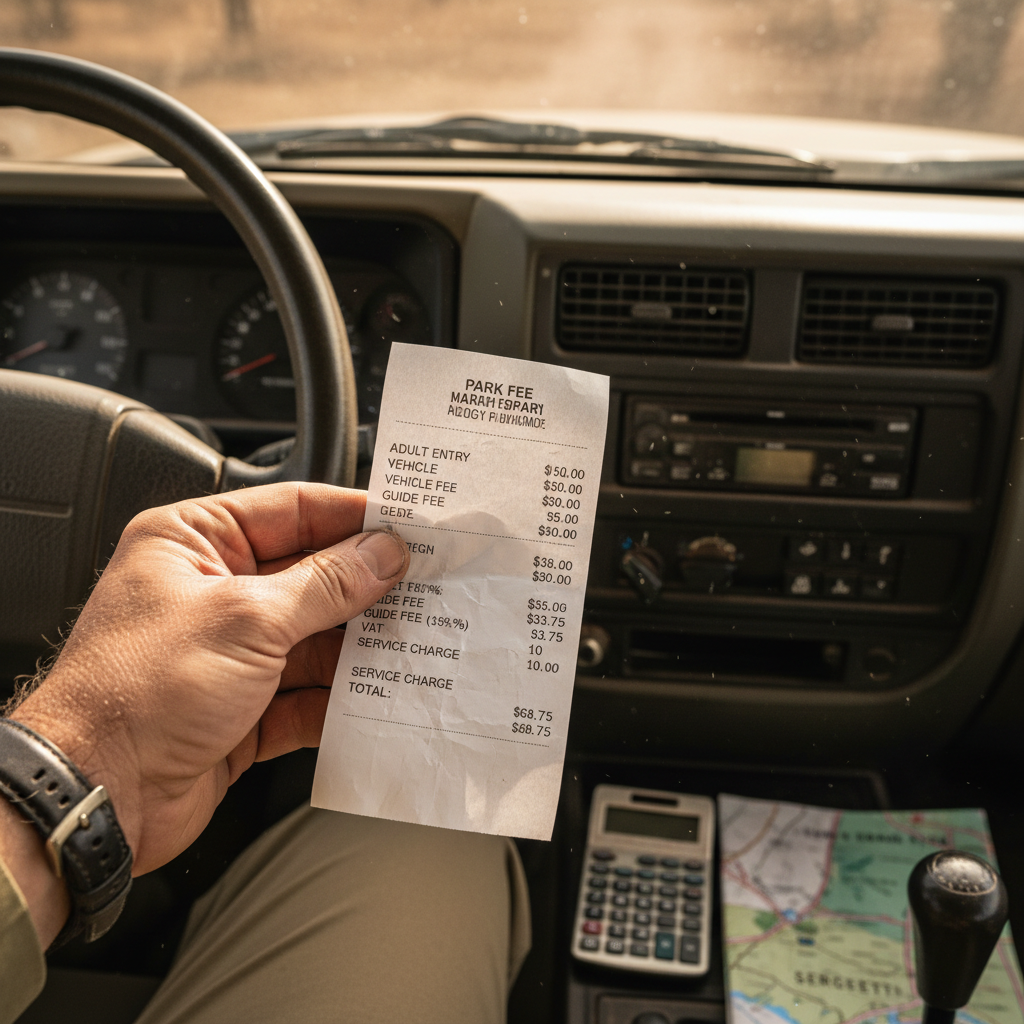
For 2026, the Ngorongoro Conservation Area Authority levies a crater service fee of $295 per vehicle per descent. With the 18% VAT applied, the actual charge at the gate is $348.10 per vehicle. This is a per-vehicle cost, not per person. A solo traveler pays the full amount alone. A group of six splits it roughly $58 each.
What makes this cost hidden? Many operators list “Ngorongoro park fees” as an inclusion, but fail to clarify that the descent fee is a separate line item charged by a different authority. You also pay the Conservation Area entry fee of $70.80 per adult per day on top of the descent fee. If you stay overnight inside the Conservation Area, a concession fee of approximately $59 per person per night also applies.
A solo traveler visiting Ngorongoro Crater for one day, therefore pays:
- Entry fee: $70.80
- Crater descent fee: $348.10 (full vehicle cost)
- Total: $418.90 in government fees alone, before accommodation, guide, or vehicle rental.
There is also a strict six-hour time limit on the crater floor. Rangers track entry and exit times. If you exceed six hours, expect an additional penalty fee. The descent fee is non-negotiable and must be paid via the Government Electronic Payment Gateway (GePG). Cash is not accepted at the gate. Always ask your operator: “Does your quote include the crater descent fee, or is that billed separately?”
For a short itinerary that handles this fee transparently, see our 2-day Tanzania safari Tarangire Ngorongoro page.
Ngorongoro Crater Experience
Rating: ⭐⭐⭐⭐⭐ (5/5)
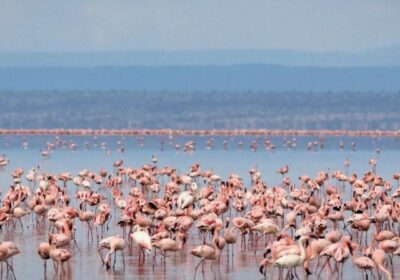
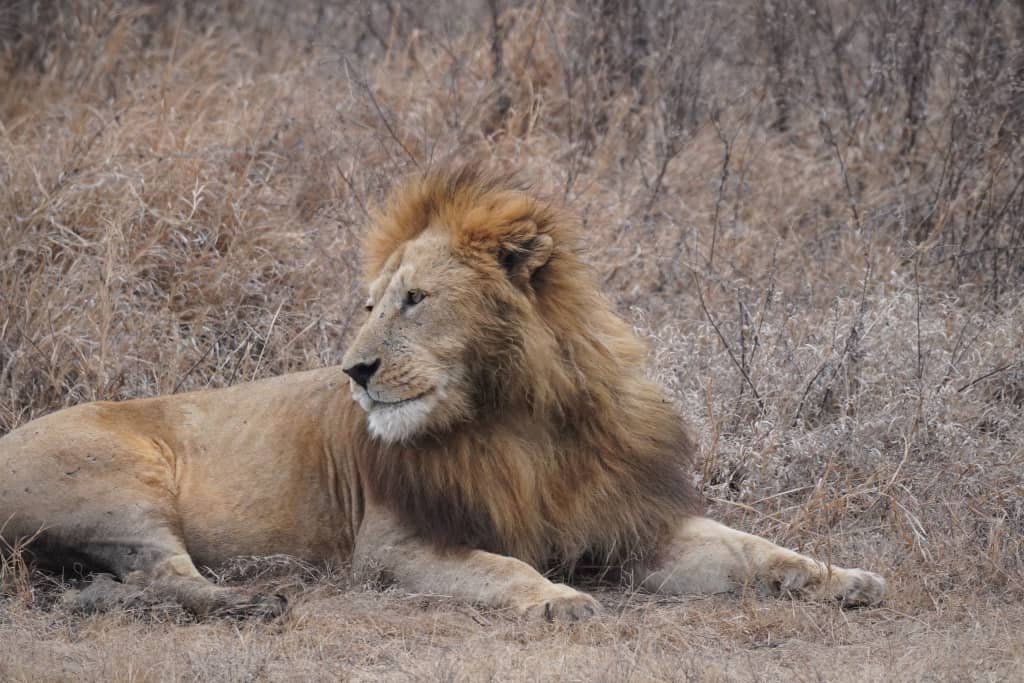
Descending into the Ngorongoro Crater is one of the most unforgettable moments of a Tanzania safari. As you drive down the steep crater walls, the landscape opens into a natural wildlife arena filled with lions, elephants, buffalo, and flamingos.
This is also where many travelers first realize the true value behind the crater descent fee. The experience is exclusive, regulated, and limited to just a few hours — making every minute count.
Tanzania Park Fees VAT: The 18% That Confuses Everyone
Understanding the Tanzania park fees VAT situation for 2026 saves you from an awkward 18% markup on arrival. The confusion stems from what is subject to Value Added Tax and what is exempt.
Currently, core national park entry fees for Serengeti, Tarangire, and Lake Manyara are exempt from VAT. This is a significant relief for travelers. However, the exemption does not apply to all tourism services. Safari operator service charges, vehicle fees, concession fees, and the Ngorongoro Crater descent fee all incur an 18% VAT charge.
Here is the 2026 reality for Serengeti National Park entry: the base fee is $70 per adult per day. Since this is VAT-exempt, you pay $70. But if you sleep inside the park, the concession fee of approximately $59 per person per night is subject to VAT. Your total nightly government cost inside Serengeti becomes roughly $59 × 1.18 = $69.62 in concession fees alone, plus the $70 entry fee, totaling about $139.62 per person per day.
For the Ngorongoro Crater descent fee, the $295 base rate plus 18% VAT equals $348.10 per vehicle.
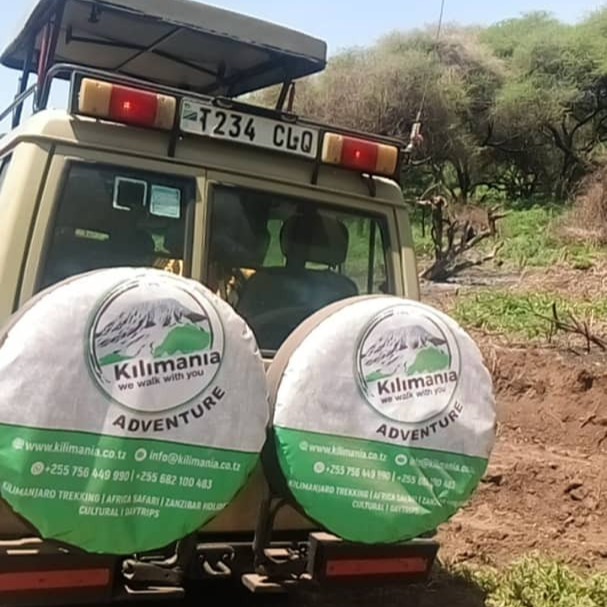
When an operator gives you a quote, ask if the price is “VAT inclusive” on the service portion. Some operators show a low number to win the business and later add VAT for guide services and transport. This can add $180–$600 to a 7-day safari. Legitimate operators registered with the Tanzania Association of Tour Operators (TATO), like Kilimania Adventure, show you the VAT breakdown from the start. Our Moshi office provides transparent invoices so you know the exact cost of every tax line.
Call our Moshi office directly at +255 756 449 990, and we will walk you through the exact VAT breakdown for your planned itinerary.
We are based in Moshi, near Kilimanjaro International Airport, and we operate daily safaris across Tanzania’s Northern Circuit.
Plan Your Tanzania Safari — Get a Fast Quote
Speak to a Local Tanzania Safari Expert
Tell us your travel dates, number of travellers, and budget tier — budget, mid-range, or luxury. We return a full itemised cost breakdown showing every park fee by park and by day, every campsite name, VAT treatment, and a complete inclusion and exclusion list. No costs discovered at the park gate.
Concession Fees and Camp Levies: The Invoice Line Nobody Explains
When you stay inside the parks, you sleep on land managed by a concessionaire, not the national park directly. These private operators add a nightly levy on top of your room rate. This is a hidden cost of the Tanzania safari 2026 that even experienced African travellers miss.
2026 concession fee rates (where VAT applies):
- Serengeti and Ngorongoro Conservation Area: approximately $59 per person per night
- Tarangire and Lake Manyara: approximately $47.20 per person per night
On a 6-night safari staying inside parks for 4 nights (2 in Serengeti, 1 in Ngorongoro, 1 in Tarangire), the concession fee total per person reaches:
- Serengeti: 2 × $59 = $118
- Ngorongoro: 1 × $59 = $59
- Tarangire: 1 × $47.20 = $47.20
- Total concession fees: $224.20 per person
These levies fund anti-poaching efforts and community projects, which we support. However, they must appear in your budget. Many properties show a “bed” rate and later add the levy on checkout. A family of four staying six nights in concession areas might see an unplanned $1,000 charge. Responsible travel means paying these fees gladly, but only when you plan for them.
One practical way to reduce concession fees: choose lodges or camps located just outside park boundaries for some nights. In the Karatu area near Ngorongoro or near Mto wa Mbu by Lake Manyara, you avoid the nightly concession charge while still enjoying full-day game drives inside the parks.
Single Traveller Supplement Safari: The Loneliest Price Hike
One cost that international travellers from the UK and Australia regularly question is the single traveller supplement. Solo safari travel is growing in popularity, but the economics of game driving do not favour the individual.
Most safari lodges and tented camps in the Serengeti and Ngorongoro price their rooms on a double-occupancy basis. If you travel alone, you carry the full cost of the room. That means a supplement of 50% to 100% of the accommodation portion. For a 6-day safari staying in mid-range lodges, this can mean an extra $400–$800.
But the supplement doesn’t stop at the bed. With some operators, a solo traveller also pays a de facto vehicle supplement. You are one person in a vehicle designed for six. If the operator does not run group-joining tours, you bear the full cost of the driver, fuel, and vehicle wear, adding $180–$280 per day to the per-person cost.
Practical comparison — 6-day Northern Circuit, mid-range:
| Traveler Setup | Vehicle Cost Allocation | Approx. Daily Add |
|---|---|---|
| Group of 4–6 (shared vehicle) | Split 4–6 ways | $0 supplement |
| Couple (private vehicle) | Split 2 ways | $60–$100/person/day |
| Solo (private vehicle) | Full cost alone | $180–$280/person/day |
For a solo traveller, this supplement can add $800–$1,400 to the total trip cost versus the per-person price quoted for groups.
The supplement is harder to negotiate in peak season (June–October, December–February) when demand is high. Operators are more flexible during the green season (March–May) when occupancy is lower. During these months, you can sometimes negotiate the single supplement down to 30–50% instead of the standard 70–100%. That is a savings of $800–$1,500 on a week-long safari.
The most effective mitigation: book a group-joining departure. From our Moshi base, we run shared small-group departures on the Northern Circuit with a maximum of six people per vehicle. Solo travellers pay the per-person group rate, share the vehicle, and still get a fully guided itinerary. Call us at +255 756 449 990 to check availability for your travel dates. You can also review our 2-day Tanzania safari short trip as an entry point that minimises solo cost impact.
Tanzania Safari Tipping Budget: It’s Not a Gratuity, It’s Expected Income
The Tanzania safari tipping budget often gets minimised by well-meaning agents. In the reality of the bush, tips form a substantial portion of staff income. Treating this as optional pocket change damages the morale of the team that makes your safari special.
2026 tipping structure:
- Safari guide/driver: $15–$25 per person per day (or $20–$30 per vehicle per day, shared across the group)
- Lodge or camp staff (communal tip box): $10–$15 per guest per day
- Cook on camping safaris: $5–$10 per day
- Balloon safari pilot: $20–$30 per person for a single flight
For a couple on a 7-day private safari, the total tipping budget should be $250–$400. For a family of four, budget $400–$600. For a solo traveller on a group safari, budget roughly $150–$250 for the week.
This is a hidden cost because almost no initial quote includes a “tipping line.” You pay it in cash, often in US dollars, at the end of the trip. Bring small bills ($5, $10, $20) because guides and lodge staff cannot always make change for $50 or $100 notes. ATMs in Moshi and Arusha have withdrawal limits, so bring crisp US dollar bills printed after 2009 from your home country.
Our lead guide, Sabinus Msimba, who has worked the Northern Circuit for over 14 years, puts it plainly: “Tips are how guides and camp staff make a living wage. The industry salary alone does not cover a family in Moshi. When clients tip, it changes things.”
Tipping happens at the end of each lodge stay (not at the end of the entire trip) and at the end of your time with your guide. Bring sealed envelopes to hand tips discreetly.
Tanzania Low Season vs Peak Season Prices: The Savings and the Secrets
Comparing Tanzania’s low season vs peak season prices is where budget-conscious travellers spot an opportunity. But the hidden cost lies in what you lose and what extra charges appear.
Park entry fees do not change by season for most parks. Whether you visit in April or July, you pay the same daily rate. The savings in the low season come from accommodation, not park fees.
Realistic comparison for a 6-day Northern Circuit safari, mid-range lodge:
| Cost Component | Low Season (Apr–May) | Peak Season (Jul–Oct) |
|---|---|---|
| Accommodation (6 nights, 2 people) | $1,200–$1,800 | $2,000–$3,200 |
| Park fees per person | $487 | $487 |
| Crater descent (split 2 ways) | $174 each | $174 each |
| Guide/driver tip | $200 total | $200 total |
| Concession fees per person | $224 | $224 |
| Estimated total per person | $1,650–$2,100 | $2,350–$3,000 |
The savings on accommodation during the low season can reach 30–40%. Lodges reduce rates to attract bookings, and operators often pass this reduction to the traveller.
What you gain in the low season: lower rates, fewer vehicles at sighting points, lush green landscapes, and the Ndutu area filling with wildebeest calving activity (January–March offers excellent calving viewing in Southern Serengeti and Ndutu). What you accept: higher chance of afternoon rain, some tracks temporarily difficult, and certain remote camps closing for maintenance in April and May.
For the budget-conscious adventurer, the short rains of November and early December offer the ideal middle ground. Rates sit between peak and low, landscapes turn green, and the Wildebeest migration stretches into the southern plains. Kanti Kessy, who has guided in Central Serengeti for over 11 years, recommends the shoulder months: “You get dry-season wildlife density, green-season lodge prices, and almost no other vehicles on the plains.”
When comparing quotes, always confirm whether the low-season rate includes a 4×4 with mud recovery gear. A lower price means nothing if your vehicle gets stuck for half a day.
Comparison Table: Hidden Costs Impact by Traveller Type
| Hidden Cost | Solo Traveler | Couple | Family of 4 |
|---|---|---|---|
| Ngorongoro Descent Fee (with VAT) | ~$348 per vehicle | ~$174 per person | ~$87 per person |
| Single Supplement (Accommodation) | $400–$800 total | N/A | N/A |
| Tipping Budget (7-day guide/staff) | $150–$250 | $250–$400 | $400–$600 |
| Private Vehicle Surcharge | Often included | Often standard | $300–$500 total if not included |
| Concession Levies (per person/night) | $47–$59 | $47–$59 | $47–$59 |
| VAT on Services (18%) | $150–$400 total | $300–$600 total | $500–$1,200 total |
What Else Gets Left Out of the Headline Price
Several more charges appear consistently on Tanzania safaris that rarely make it into the initial quote.
Tanzania visa:
$100 for US citizens, $50 for most European and Australian passport holders. Payable on arrival at Kilimanjaro International Airport (JRO) or Arusha Airport (ARK), or in advance online via the Tanzania Immigration Services eVisa portal.
Travel insurance:
Comprehensive travel insurance covering medical evacuation, trip cancellation, and adventure activities costs $100–$400 per person. Medical evacuation from Serengeti to Nairobi or Dar es Salaam can cost $15,000–$25,000. Coverage is non-negotiable.
Balloon safari over the Serengeti:
$595–$650 per persona. This is always an add-on activity, never included in a standard safari package. Book at least 2–3 months in advance during peak season (July–October).
Domestic flight luggage limits:
Light aircraft from Serengeti to Zanzibar or Arusha enforce a strict 15 kg (33 lbs) limit in soft-sided bags only. Hard-shell suitcases are not allowed. Excess baggage fees start at $5–$10 per kilogram. If you exceed significantly, you may need to purchase an extra seat for your luggage at $200–$400.
Alcoholic beverages:
Every full-board lodge includes meals. Wine, beer, and spirits are almost always billed separately. An imported beer at a Serengeti lodge can cost $5–$8. Budget $15–$30 per day if you plan to drink.
Maasai village visits and cultural experiences near Lake Eyasi or Ngorongoro:
typically $30–$50 per person. Worth doing. Not in your quote.
Airport transfers:
The drive from Kilimanjaro Airport (JRO) to Arusha (roughly 90 minutes) or Moshi (45 minutes) should cost $40–$60 for a legitimate private transfer. Some operators bury a $100–$120 transfer fee in the itinerary without itemising it. Ask for this as a line item.
For a detailed breakdown of what a complete package contains versus what you provide yourself, read our guide: What Is Included in Tanzania Safari Package | 2026 Cost Guide.
How Our Team Handles Transparent Pricing
We see too many travellers arrive at Kilimanjaro International Airport (JRO) with a printed voucher that fails to match the final cash call. That is why we build these costs into our upfront proposals. From our base in Moshi, we run daily safaris to Serengeti National Park, Ngorongoro Crater, Tarangire National Park, and Lake Manyara. Our lead guide, Saimon Bashemera, ensures that every client knows the crater descent fee, tipping guideline, and concession levy before their flight lands.
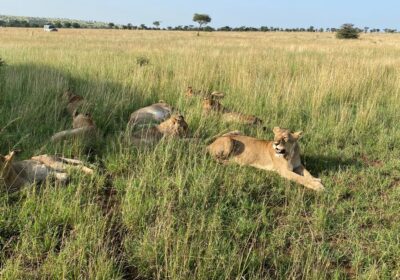
A family of four from Canada, who travelled with us last month on a 7-day safari, saw 21 lions, 12 elephants, and a leopard in a single morning in Central Serengeti. They also ended their trip with zero extra charges beyond their personal souvenir spending. That is proper planning.
Kilimania Adventure is a registered member of the Tanzania Association of Tour Operators (TATO). We require travel insurance confirmation from every international client before departure—not to be bureaucratic, but because we have seen what happens when something goes wrong without it.
Plan Your Tanzania Safari — Get a Fast Quote
Speak to a Local Tanzania Safari Expert
Tell us your travel dates, number of travelers, and budget tier — budget, mid-range, or luxury. We return a full itemized cost breakdown showing every park fee by park and by day, every campsite name, VAT treatment, and a complete inclusion and exclusion list. No costs discovered at the park gate.
Practical Tips for Avoiding Tanzania Safari Hidden Costs
- Request a VAT-inclusive itemised quote. Any reputable operator can send this. If they cannot, that is information.
- Ask specifically about the Ngorongoro Crater descent fee. It is $295 per vehicle (plus VAT, totalling $348.10) and should appear as a named line item.
- Check concession fees for every night inside a park. Staying outside park boundaries for one or two nights in Karatu or Mto wa Mbu can reduce costs by $47–$59 per person per night.
- Book group-joining departures if travelling solo. The cost difference versus a private vehicle is $800–$1,400 over six days.
- Travel in November or early December. Shoulder-season lodge rates with dry-season wildlife activity are the value point most operators do not promote heavily.
- Pack within the domestic flight luggage limit (15 kg in soft bags). Weigh your bag before arrival in Tanzania.
- Buy travel insurance before you leave home. Medical evacuation coverage is non-negotiable in remote parks.
- Carry USD cash for tips, visa on arrival, and souvenirs. Park gates are now cashless, but your guide’s tip envelope is not.
- Bring crisp US dollar bills printed after 2009. Older notes are often rejected by local banks in Arusha and Moshi.
FAQ: Hidden Costs of Tanzania Safari 2026
Q: Are drinks included in my safari, or is that a hidden cost?
A: Most budget and mid-range safaris include only drinking water in the vehicle. Other drinks—soft drinks, beer, wine—come at a premium inside the parks. An imported beer at a Serengeti lodge can cost $5–$8. Plan an extra $15–$30 per person per day for non-water beverages.
Q: Does the single supplement apply if I want to share a tent with a stranger?
A: Almost no operator matches strangers in a tent. If you book a group tour, you almost always pay the single supplement to secure a private room. The sharing option exists on some backpacker overland trucks, but standard safaris require the supplement.
Q: Is the Ngorongoro Crater descent fee refundable if the weather is bad?
A: You pay the Ngorongoro Crater descent fee only when your vehicle enters the crater floor. If you arrive at the rim and the authority closes descent due to flooding, you do not pay. These closures are rare but do happen in April and May.
Q: Do I need to pay park fees in cash, or can I use a card?
A: All non-resident park fees for Serengeti, Ngorongoro, Tarangire, and Lake Manyara require payment via a TANAPA smart card or the Government Electronic Payment Gateway (GePG). You do not carry cash to the gate. Your operator preloads the fees. Camps, however, often want cash for drinks and tips; POS machines fail due to network gaps.
Q: What happens if I don’t have enough US dollars for tips at the end?
A: You create a difficult situation for your guide and camp staff. They rely on these tips. ATMs in Moshi and Arusha have withdrawal limits. Bring crisp US dollar bills, printed after 2009, from your home country. Do not rely on Tanzanian ATMs for your tip fund.
Q: Are there hidden costs when booking a safari and Zanzibar package?
A: Yes. The most common is the domestic flight luggage limit. Light aircraft from Serengeti to Zanzibar enforce a 15 kg (33 lbs) luggage limit in soft bags. If your bag weighs more, you pay a penalty or must store luggage. This cost is hidden in the fine print of most combined packages.
Q: How much does a private vehicle cost if it’s not included in a basic tour?
A: If a budget tour uses a shared game drive model, a private vehicle upgrade can cost $300–$500 per day. At Kilimania, we include a private 4×4 vehicle with a pop-up roof as standard in most itineraries. Always check if a “budget” safari price includes a shared or private jeep.
Q: Can I negotiate the single supplement on a Tanzania safari?
A: Yes, especially during the low season (March–May) when occupancy is lower. Operators may reduce the single supplement from 70–100% down to 30–50% to fill empty beds. You can also avoid the supplement entirely by joining a group safari.
Related Tanzania Safari Cost Guides
- Tanzania safari cost 2026 complete breakdown
- Tanzania safari tipping guide 2026
- Tanzania safari group vs private cost comparison
- Best time for Tanzania safari cost
Conclusion
Never accept a quote that omits the crater descent fee, ignores the single supplement, and stays silent on VAT. Those are the three pillars of surprise billing in Tanzania. Backtracking on tips or scrambling for an ATM in Moshi ruins the final hours of an otherwise focused journey. Our Tanzania Safari Cost 2026: Full Breakdown page lays out the honest numbers so you can compare totals accurately.
The hesitation we hear most is: “I don’t want to be taken advantage of.” We walk with you through the full invoice, line by line, from Kilimanjaro Airport to the crater floor.
We Walk With You.
Ready to see a fully transparent safari quote? Visit our Tanzania Safaris page or read our 2-day Tanzania safari hidden fees breakdown to understand how we build honest itineraries. Call our Moshi office directly at +255 756 449 990 with your draft itinerary. We are here 7 days a week and will flag every missing cost before you commit.
Plan Your Tanzania Safari — Get a Fast Quote
Speak to a Local Tanzania Safari Expert
Tell us your travel dates, number of travelers, and budget tier — budget, mid-range, or luxury. We return a full itemized cost breakdown showing every park fee by park and by day, every campsite name, VAT treatment, and a complete inclusion and exclusion list. No costs discovered at the park gate.
- Tanzania National Parks Authority (TANAPA): https://www.tanzaniaparks.go.tz
- Ngorongoro Conservation Area Authority: https://www.ngorongorocrater.go.tz
- Tanzania Association of Tour Operators (TATO): http://www.tatotz.org/
- UNESCO Serengeti World Heritage Site: https://whc.unesco.org/en/list/156
Disclosure: This article is written by Kilimania Adventure, a TATO-registered safari and Kilimanjaro operator based in Moshi, Tanzania. We have a commercial interest in Tanzania safari bookings. All prices reflect real 2026 costs from our own operations. We encourage you to compare our quotes with at least two other TATO-registered operators before booking.
Written by: Kanti Kessy, Senior Safari Guide and Northern Circuit Specialist, Kilimania Adventure 17 years guiding Tanzania’s Northern Circuit. Expert in Serengeti, Ngorongoro, Tarangire, and Lake Manyara game drives. TATO-affiliated operator, based in Moshi, Kilimanjaro Region.
Reviewed by: Sabinus Msimba, Co-founder, Kilimania Adventure (22 years in Tanzania safari and Kilimanjaro operations, 300+ summit ascents)
This article is based on real safari operations, Tanzanian government fee schedules (TANAPA & NCAA), and field experience from licensed guides. Prices may change due to government updates without notice.
Last reviewed: May 2026 Review schedule: Updated each November following TANAPA’s annual tariff announcement. Fee changes applied within 72 hours of official publication. Data sources: TANAPA tariff schedule (verified May 2026), NCAA official fee schedule (May 2026), Kilimania Adventure booking records Q1–Q2 2026.
⚠️ Data verification notice: Park fees, visa costs, and conservation area charges are set by government authorities and can change without advance notice. All figures reflect published May 2026 rates. Verify current fees at tanzaniaparks.go.tz before booking. Request a gate receipt during your safari to confirm your operator paid the correct published amount.
Related Articles