
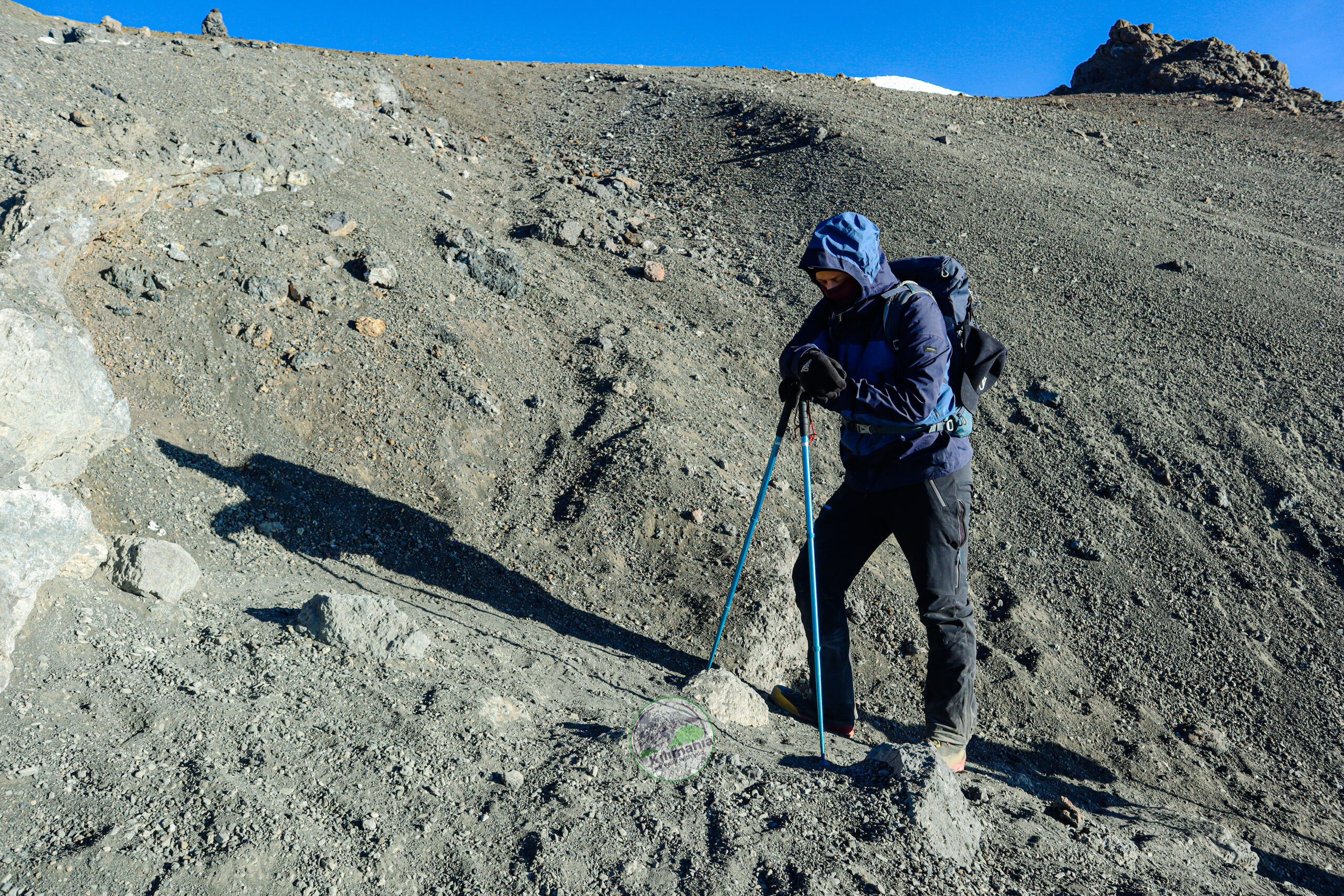
How Hard Is Kilimanjaro? Real Data From 300+ Summits
By Sabinus Msimba · Last reviewed: June 2026
Data sources cited in this article: Kilimania Adventure guided-climb records, 2016–2025; Wilderness Medical Society, CDC, and UIAA Mountain Medicine Commission altitude-medicine guidance.
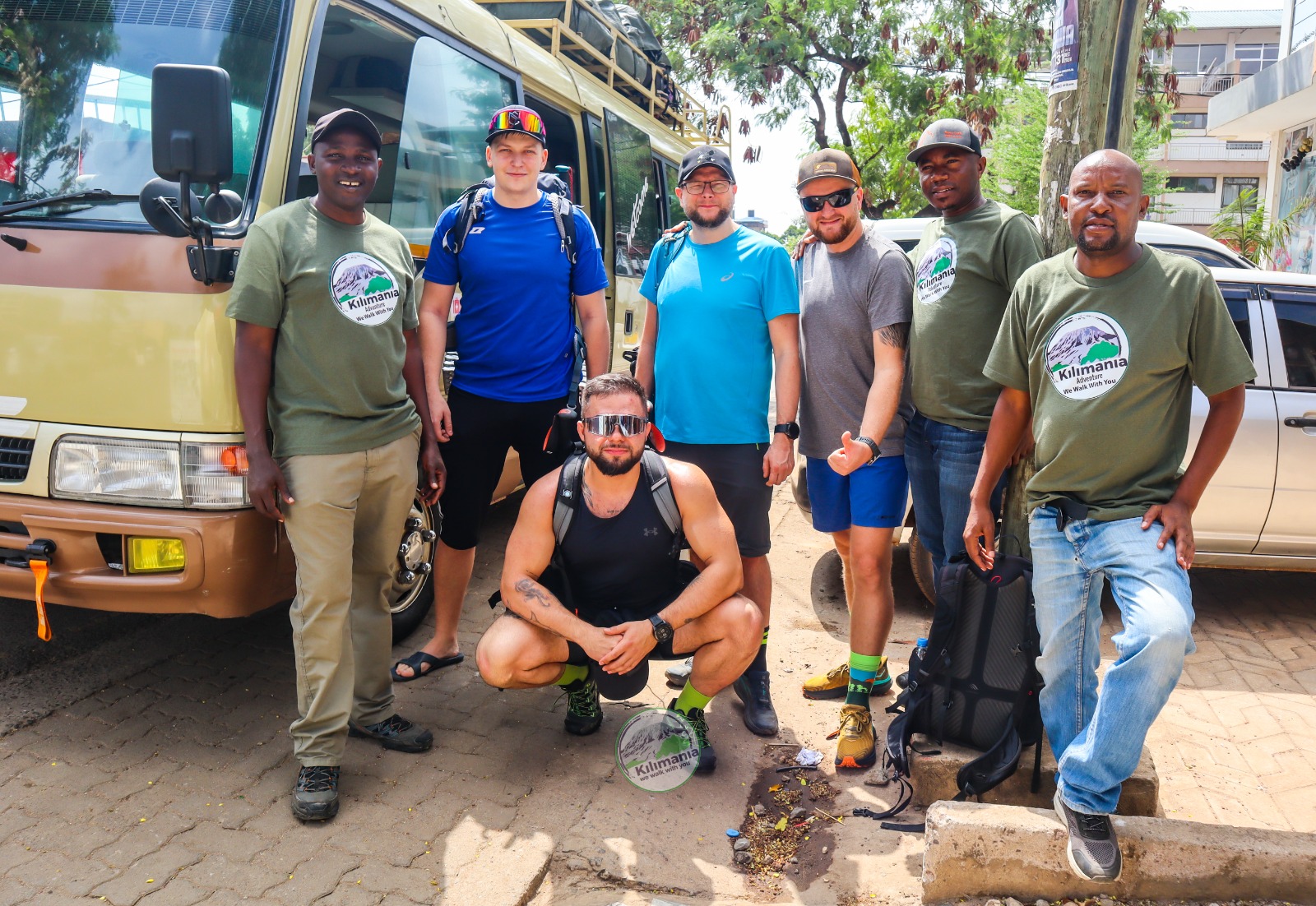
At 12:40 AM on a cold July summit push, I watched a fit, experienced runner sit down on the trail below Stella Point and refuse to continue. Three hours later, a retired schoolteacher from Scotland reached Uhuru Peak. The difference between them was not fitness. It was altitude tolerance and pacing — and after 22 years guiding on Mount Kilimanjaro, I have watched that pattern repeat more times than I can count.
Quick Answer
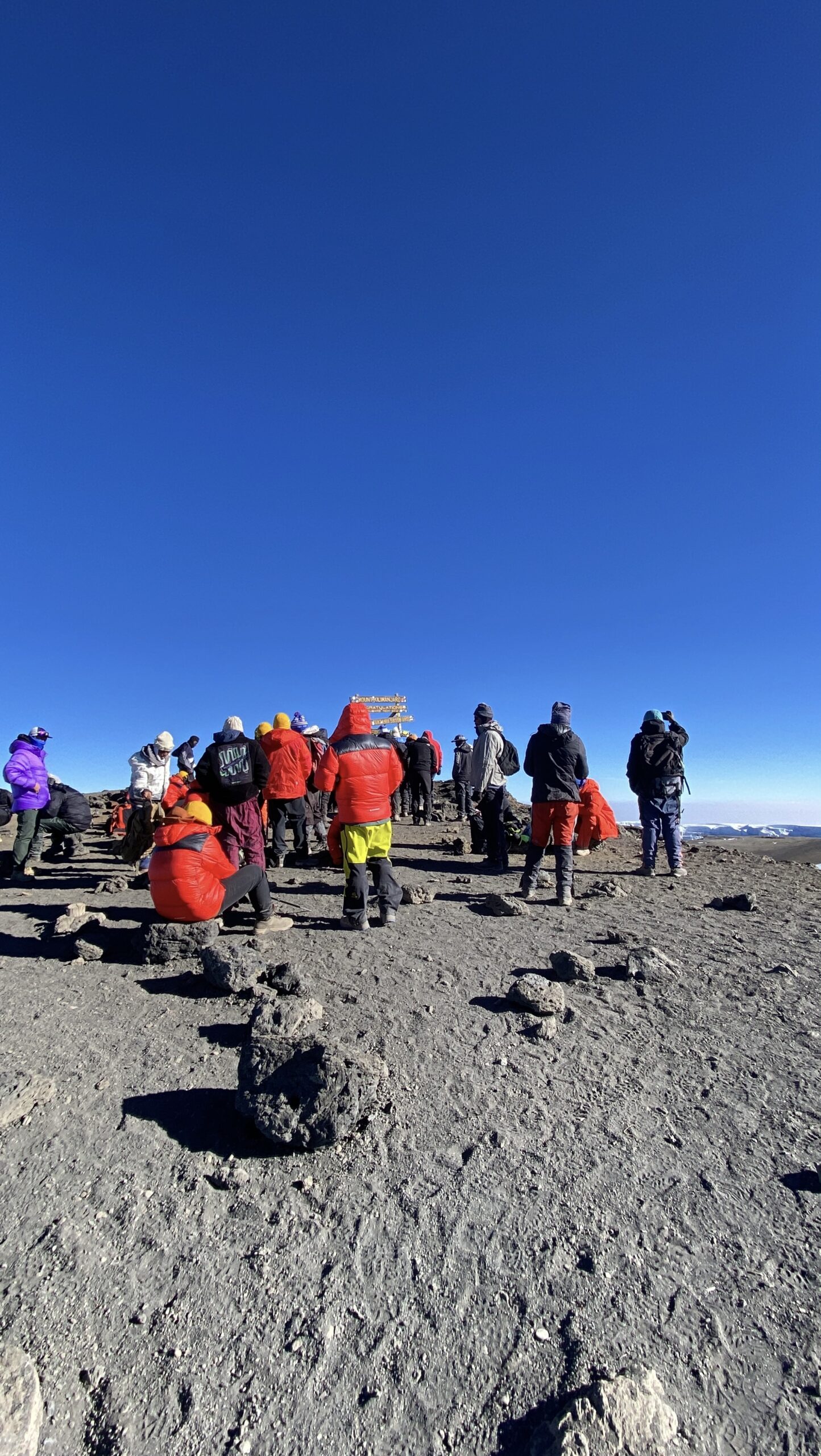
Kilimanjaro is difficult mainly because of altitude, not technical climbing — no ropes or prior climbing skill are required. At Uhuru Peak (5,895 m), the partial pressure of oxygen you breathe falls to less than half of sea-level values, even though the air is still roughly 21% oxygen. Most failures happen on summit night after several days of cumulative fatigue, and choosing a longer itinerary is the single most controllable factor in reaching the top. See our hour-by-hour summit night breakdown for what that night actually involves.
These ratings reflect Kilimania Adventure’s practical field assessment based on 22 years of guiding — not a scientifically standardized index.
Commonly cited industry-wide figure for climbers who do not reach Uhuru Peak on standard itineraries [external estimate, not Kilimania data]
Guided climb records in Kilimania Adventure’s dataset, 2016–2025
Elevation of Uhuru Peak, the true summit of Mount Kilimanjaro
Of recorded turnarounds in our dataset occurred in the final 139 vertical metres between Stella Point and Uhuru Peak
Is Kilimanjaro Harder Than Other Famous Treks?
For many trekkers, Kilimanjaro feels harder than comparable non-technical treks for one specific reason: it combines a very high summit elevation with a short acclimatization window. Everest Base Camp reaches a lower 5,364 m but typically allows 12–14 days to get there, while Kilimanjaro reaches 5,895 m in only 7–9 days. Individual difficulty still varies by fitness, prior altitude exposure, and route choice.
| Trek | Max Elevation | Typical Duration | Technical Skill | Acclimatization Window |
|---|---|---|---|---|
| Kilimanjaro — Uhuru Peak | 5,895 m | 7–9 days | None | Short relative to elevation gained |
| Everest Base Camp | 5,364 m | 12–14 days | None | Longer relative to elevation gained |
| Inca Trail | 4,215 m | 4 days | None | Lower altitude exposure overall |
| Mont Blanc | 4,808 m | 2 days | Moderate (glacier) | Very short — technical terrain adds risk |
| Aconcagua | 6,962 m | 18–21 days | Moderate (weather) | Long, matched to the greater elevation |
For a route-by-route breakdown matched to fitness and schedule, see our route selection guide.
What Do Altitude Medicine Experts Say?
Published guidance from the Wilderness Medical Society, the CDC, and the UIAA Mountain Medicine Commission identifies rapid ascent without adequate acclimatization as a primary risk factor for acute mountain sickness. Our own operational observations on Kilimanjaro are broadly consistent with that general guidance, though our records reflect field observation rather than clinical research.
The Lake Louise Score is a widely used symptom-based tool: a headache plus nausea, fatigue, dizziness, or poor sleep above 2,500 m suggests mild AMS, and worsening symptoms are a signal — not an automatic universal rule — that descent should be seriously considered. Under Kilimania Adventure’s own mountain-safety protocol, our guides use this scoring system as one input, alongside direct observation, to help decide when a climber should stop ascending.
- AMS (Acute Mountain Sickness): Headache plus fatigue, nausea, or disturbed sleep. Common in mild form above 4,000 m.
- HACE (High Altitude Cerebral Edema): Confusion, loss of coordination, altered consciousness. A medical emergency requiring immediate descent and evaluation.
- HAPE (High Altitude Pulmonary Edema): Persistent cough, unusual breathlessness at rest, crackling breath sounds. A medical emergency requiring immediate descent and evaluation.
📥 Free Download: Kilimanjaro Altitude Symptom & AMS Checklist
This checklist is used by Senior Guide Sabinus Msimba and the Kilimania Adventure team to help monitor climbers throughout an expedition, covering normal acclimatization symptoms, AMS warning signs, and HACE/HAPE emergency signs.
⬇ Download Free PDF ChecklistEducational use only — does not replace professional medical advice.
What Are the Five Things That Actually Make Kilimanjaro Hard?
Altitude, duration, summit night, mental endurance, and sleep deprivation are the five factors that determine difficulty on Kilimanjaro — and none of them respond to gym fitness training alone. Preparing for the wrong factor is the most common planning mistake we see.
Altitude: The Decisive Variable
Oxygen still makes up roughly 21% of the air at altitude, but barometric pressure drops sharply as you climb, so the actual amount of oxygen reaching your lungs with each breath falls substantially. At Barafu Camp (4,673 m) and especially near Uhuru Peak (5,895 m), climbers routinely notice they’re winded from simple tasks like re-tying a boot. In our experience guiding hundreds of climbers, cardiovascular fitness alone does not reliably predict who tolerates altitude well — pacing and acclimatization schedule matter more.
Duration: Seven to Nine Consecutive Days
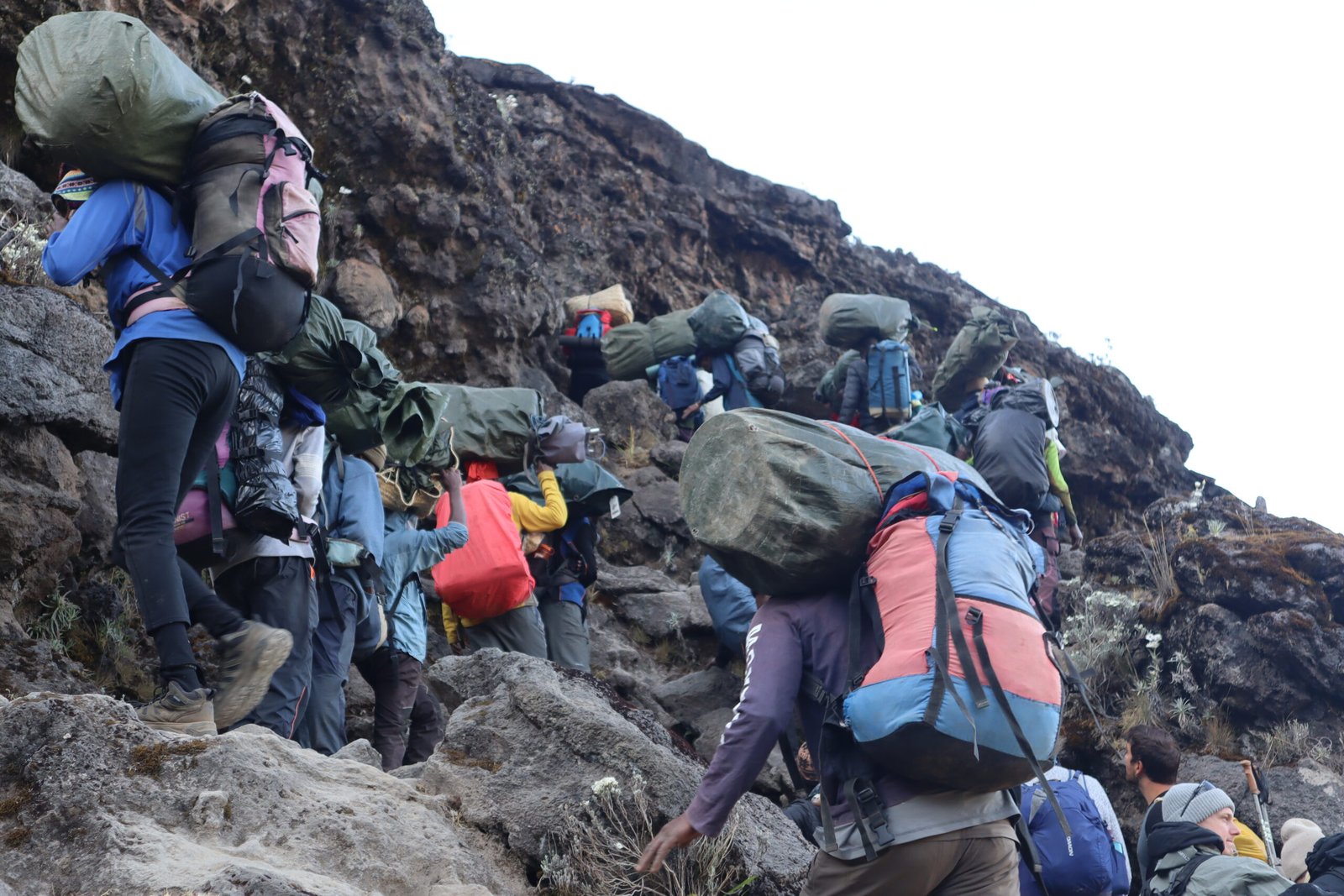
Kilimanjaro demands moderate effort — six to nine hours of movement — every day for the better part of a week, without the recovery cycles most training programs are built around. By day five or six, even well-conditioned climbers often describe a loss of motivation rather than physical pain. That’s a normal, expected response to sustained multi-day exertion at altitude, not a sign of weakness.
Summit Night: The Hardest Stretch
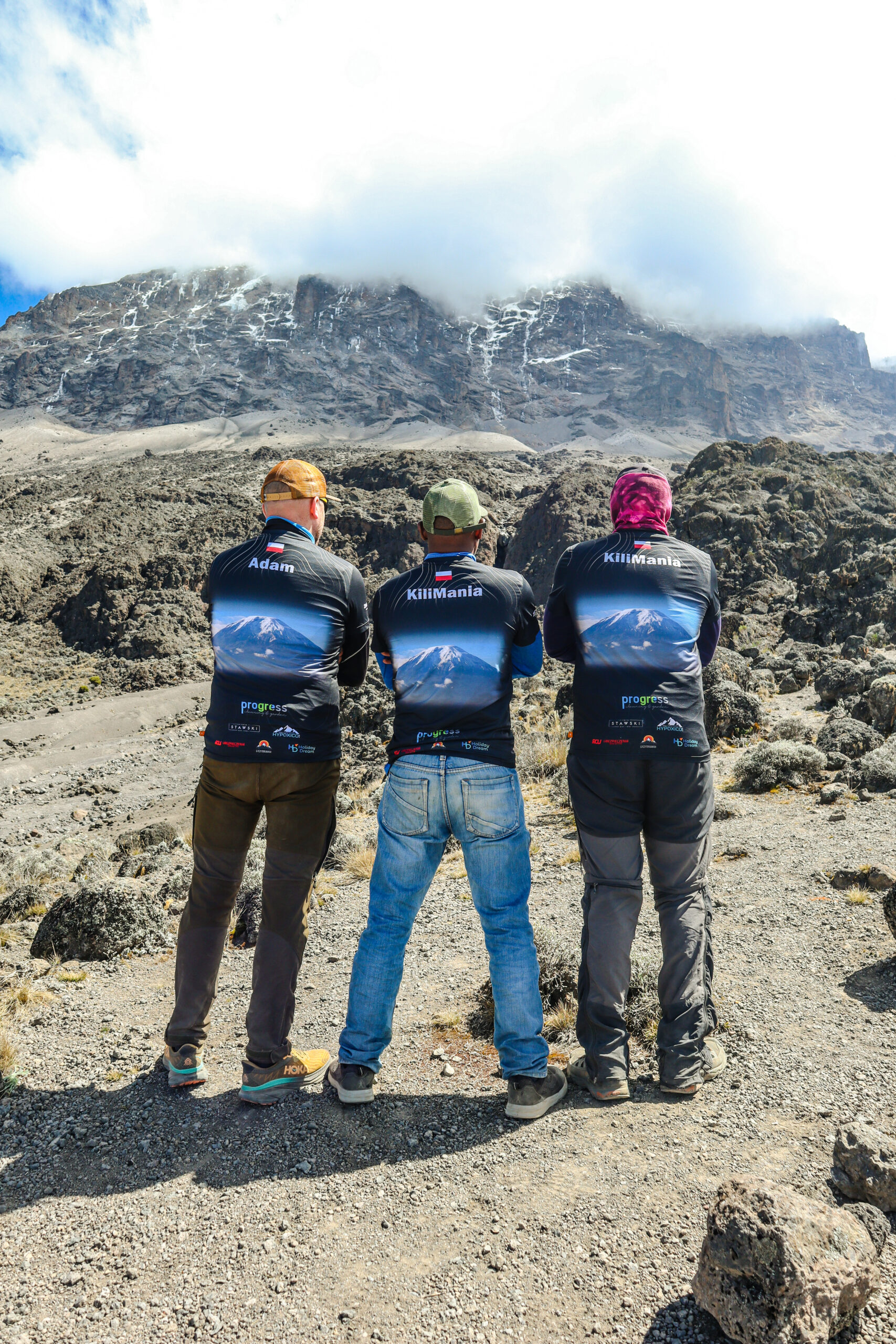
Summit night typically begins around midnight from Barafu Camp, in temperatures well below freezing, after a short and often broken sleep. At Stella Point (5,756 m), many climbers believe they’ve reached the top — they haven’t. The final 139 vertical metres to Uhuru Peak, at extreme altitude after many hours of climbing, is where our guides see the largest share of turnarounds in our own dataset.
Mental Endurance: The Invisible Factor
At extreme altitude in the dark and cold, exhaustion can make stopping feel like the only reasonable option — this is a normal physiological response, not a character flaw. Climbers who do best on our climbs generally agree in advance that the guide, not the climber, makes the final turnaround call, which removes a difficult decision from an oxygen-starved brain in the moment.
Sleep Deprivation: The Compounding Problem
Disrupted, cyclical breathing patterns above roughly 4,000 m commonly fragment sleep for several nights before summit night even begins. That accumulated sleep debt affects decision-making and perceived effort. Choosing a longer itinerary, so the body is less depleted heading into summit night, is the most practical way we’ve found to reduce this compounding effect.
Where Most Climbers First Feel Kilimanjaro’s Difficulty
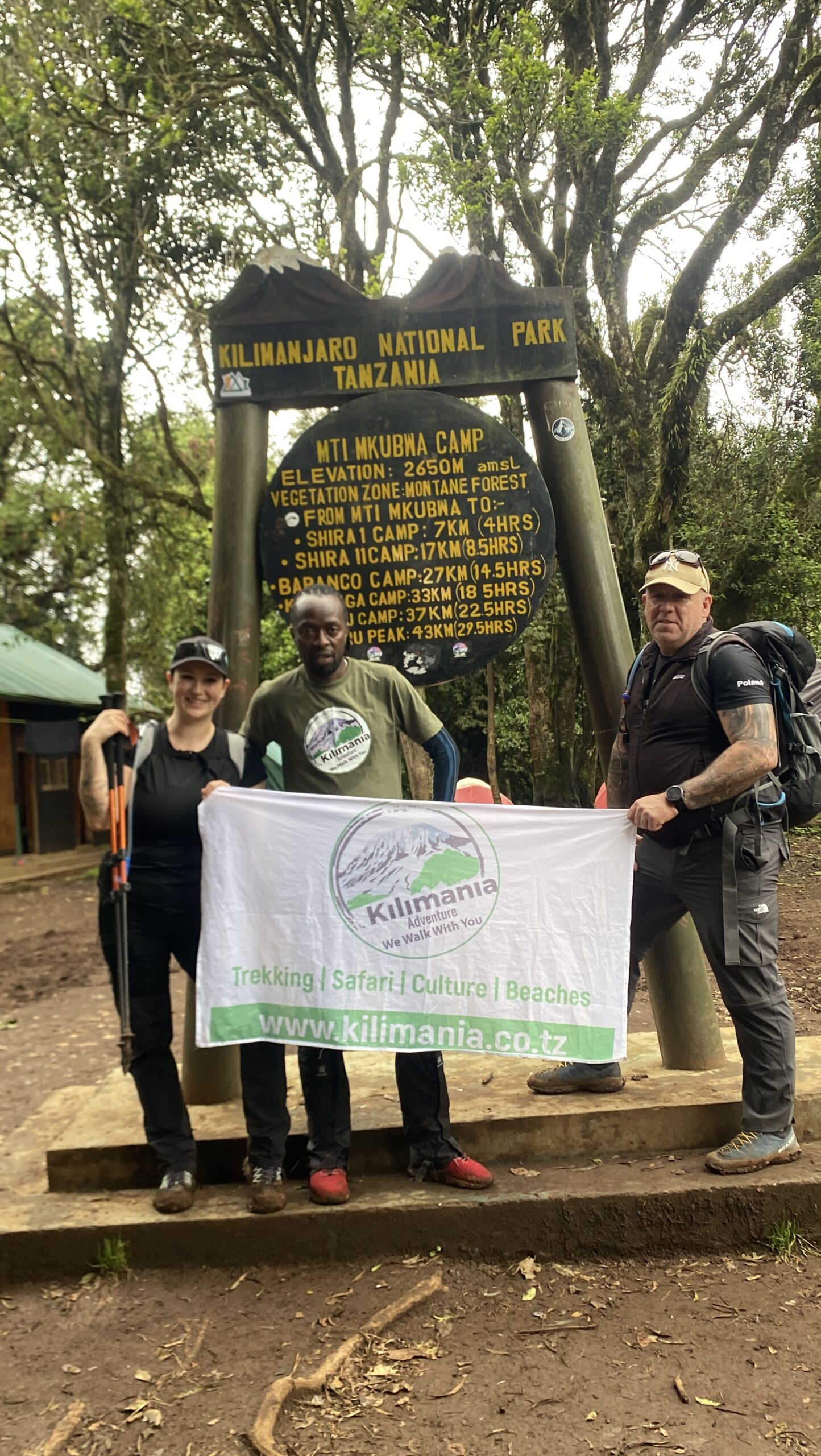
Climbers typically feel strong leaving the trailhead gates, with the first noticeable altitude effects appearing near Shira Camp or Horombo Hut (roughly 3,500–3,720 m). More serious symptoms, when they occur, tend to develop between Karanga Camp, Barafu Camp, and the summit zone above Stella Point — which is why the final day feels dramatically harder than the first four combined.
What Our Operational Data Shows
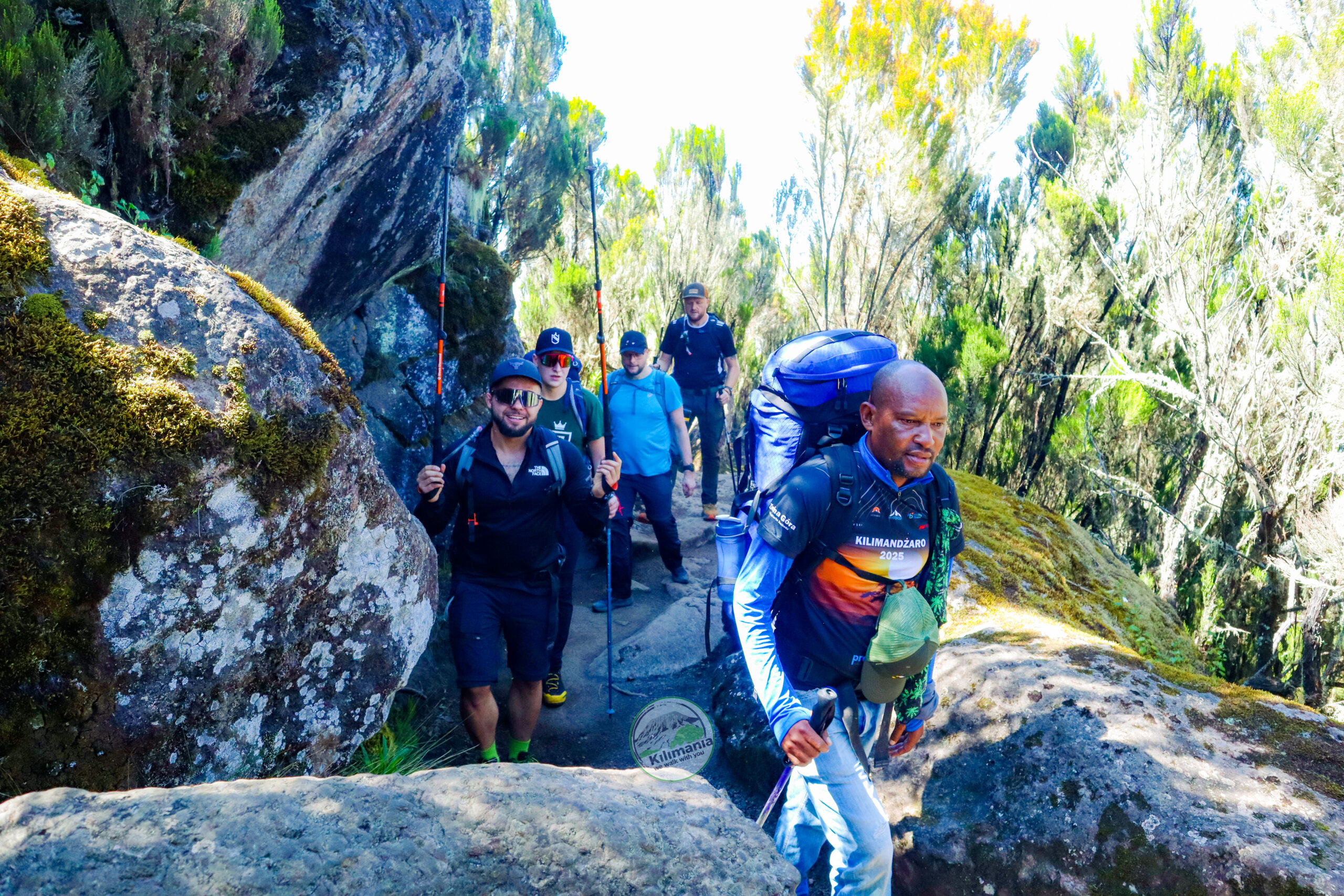
In our dataset, day count on the mountain is the strongest single predictor of summit success we’ve recorded — more consistently associated with outcomes than fitness level, nationality, or prior hiking experience.
Methodology: Figures below are drawn from Kilimania Adventure climb records, 2016–2025, covering 1,247+ guided climb records across our standard routes. Success is defined strictly as reaching Uhuru Peak (5,895 m) — not Stella Point or Gilman’s Point. These are our own operational records, not an independent industry-wide study.
Why Some Operators Report Higher Success Rates
Not every operator measures “success” the same way. Some count Stella Point (5,756 m) as a summit even though Uhuru Peak remains 139 vertical metres higher; some exclude climbers who leave before summit night; some publish figures only from their best-performing routes. Our figures count every guided climb, every turnaround, and use one consistent definition: reaching Uhuru Peak.
| Days on Mountain | Success Rate | Climbers in Sample |
|---|---|---|
| 5 Days | 41.2% | 87 |
| 6 Days | 63.8% | 213 |
| 7 Days | 78.3% | 412 |
| 8 Days | 86.1% | 359 |
| 9 Days | 89.7% | 176 |
Note: these figures cover our standard 5–9 day itineraries only. Custom and Crater Route climbs are recorded separately and are not included in this table.
Causes of Failure (Among Unsuccessful Climbs in Our Dataset)
- 47.3% — AMS (moderate to severe altitude sickness)
- 28.1% — Exhaustion combined with altitude effects
- 11.4% — Pre-existing physical injury or illness
- 7.8% — Non-altitude medical issues
- 5.4% — Voluntary withdrawal
Where Climbers Turn Around
Among the unsuccessful climbs in our dataset, roughly a quarter of turnarounds happened before Barafu Camp, the largest share (just over 40%) happened between Barafu Camp and Stella Point during the steep midnight ascent, and just under a third happened in the final stretch between Stella Point and Uhuru Peak.
How Kilimanjaro Difficulty Changes by Route
In our records, the 9-day Northern Circuit produced the highest summit success rate, while 5-day Marangu and Rongai itineraries produced the lowest, consistent with the pattern that more acclimatization days correlate with better outcomes.
| Route | Success Rate (Our Records) | Ideal For |
|---|---|---|
| Northern Circuit — 9 Days | 89.7% | Maximum acclimatization; first-time climbers, travelers 55+ |
| Lemosho — 8 Days | 86.4% | Most first-time Kilimanjaro climbers |
| Rongai — 6 Days | 81.5% | Dry-season climbers wanting a quieter route |
| Machame — 7 Days | 78.3% | Experienced hikers comfortable with steeper terrain |
| Marangu — 6 Days | 77.9% | Climbers preferring hut accommodation |
| Machame — 6 Days | 63.8% | Experienced altitude trekkers only |
| Marangu — 5 Days | 41.2% | Not recommended — limited acclimatization time |
Our operational records show a clear association between longer itineraries and higher summit outcomes, which is why we generally recommend an 8- or 9-day route to climbers prioritizing reaching Uhuru Peak. An additional acclimatization day does increase total trip cost — the exact amount depends on route, park charges, crew, and accommodation, so ask your operator for a written breakdown before booking. See our 6 vs 7 vs 8 day comparison for a fuller cost-versus-acclimatization breakdown.
How Kilimanjaro Difficulty Changes by Month
June through October generally offers the most reliable dry-season conditions for a Kilimanjaro summit attempt, while April–May (long rains) and November (short rains) tend to bring wetter trails and more persistent cloud cover. July and August are typically the coldest dry-season months — summit temperatures can fall well below freezing, so a sleeping bag rated for very cold conditions is essential rather than optional. For a full month-by-month and altitude-zone breakdown, see our Kilimanjaro Weather by Month guide.
Three Stories From the Mountain
The following accounts are based on real client experiences guided by our team; some identifying details have been generalized to protect climber privacy.
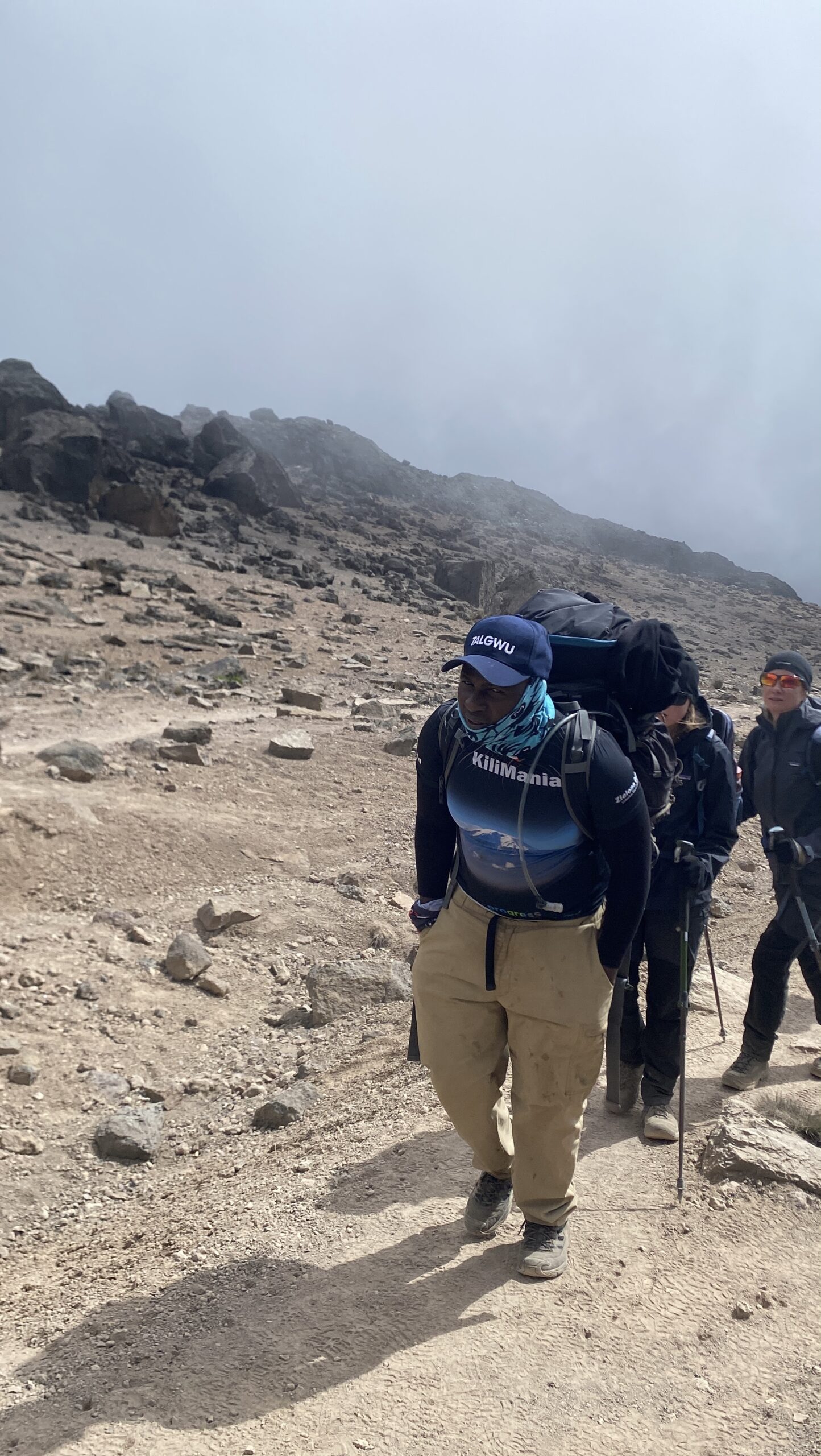
A retired teacher, first-time altitude climber. No prior altitude experience, months of walking preparation. On the final stretch to Uhuru Peak, she paced in short counted intervals rather than pushing continuously, and reached the summit in the early morning. Deliberate, paced breathing over raw speed is a pattern we see repeatedly among climbers who succeed.
An experienced endurance athlete. Strong recent race history, booked a shorter itinerary assuming fitness would carry him through. Symptoms consistent with worsening AMS appeared by day five, and our guide made the call to turn him back. He returned later on a longer itinerary and summited successfully.
A climber turned back near Stella Point. Showing signs of impaired coordination and disorientation at extreme altitude, he was descended immediately with a dedicated guide. He returned on a longer itinerary the following year and summited with his partner.
When Guides Make the Turnaround Decision
Under Kilimania Adventure’s mountain-safety protocol, our guides use the Lake Louise scoring approach alongside direct observation, checking climbers morning and evening from around 3,000 m. Worsening scores or visible symptoms of HACE or HAPE trigger our internal descent protocol. In our dataset covering 1,247+ climbs, our guides recorded 89 mandatory turnarounds and no helicopter evacuations — a record we attribute to intervening early rather than waiting for symptoms to become severe.
How to Assess Your Personal Readiness
This is a practical preparation self-check, not medical clearance. Anyone with cardiovascular, respiratory, or neurological conditions should consult a physician before booking, regardless of how this checklist scores.
- Can you walk continuously for five hours on uneven terrain?
- Have you hiked above 3,000 m in the last 12 months?
- Do you exercise aerobically at least three hours per week, consistently, for three months?
- Can you ascend 500 m of elevation gain in under two hours carrying a 5–8 kg pack?
- Have you completed a multi-day trek of three or more consecutive days recently?
- Can you walk 15 km on flat terrain without significant next-day fatigue?
- Have you experienced AMS symptoms above 3,000 m before?
Seven affirmative answers suggests good readiness for an 8-day itinerary with continued training. Fewer suggests building a 3–6 month structured preparation plan before booking — our Kilimanjaro Fitness Assessment guide walks through this in more depth.
FAQ: How Hard Is Kilimanjaro?
Is Kilimanjaro harder on a 5-day route than an 8-day route?
Yes. In Kilimania Adventure’s operational records, 5-day itineraries showed significantly lower summit-success outcomes than 8-day itineraries, because the shorter timeline provides less physiological acclimatization time before summit night.
Is Kilimanjaro harder than Everest Base Camp?
For many trekkers, yes — Kilimanjaro reaches a higher point (5,895 m) in a shorter window (7–9 days) than the typical 12–14 day Everest Base Camp itinerary to 5,364 m.
Can smokers climb Kilimanjaro?
Yes, though reduced lung efficiency can worsen altitude symptoms. We recommend stopping at least six weeks before arrival.
How many people die on Kilimanjaro each year?
Fatalities are rare relative to the number of annual attempts. Most are linked to underlying medical conditions or delayed descent decisions rather than the terrain itself. Exact annual figures are not independently published by KINAPA in a form we can verify, so we don’t quote a specific number here.
Can overweight people climb Kilimanjaro?
Yes, with appropriate preparation and a longer itinerary — there is no official weight restriction.
At what age is it too old for Kilimanjaro?
There’s no formal upper age limit. Cardiovascular health and joint condition matter more than age; anyone over 60 should get a medical evaluation first.
Is Kilimanjaro harder than a marathon?
It’s a different demand entirely — sustained moderate effort over 7–9 days at falling oxygen levels, rather than peak output for a few hours.
The Single Most Important Finding
In our records, adding one day to a shorter itinerary is consistently associated with meaningfully higher summit outcomes — more than any single piece of gear or supplement we’ve seen clients bring on the mountain. The trade-off is added cost, which varies by operator and route; ask for a written breakdown before you book.
My Honest Assessment After 22 Years on Kilimanjaro
Given two climbers and one summit permit, I’ll choose the slower person on an 8-day route over the fitter person on a 6-day route, every time. I’ve watched strong athletes turn back because they underestimated altitude, and I’ve watched retirees summit because they respected it. Pole pole — slowly, slowly — isn’t a slogan here. It’s the operating principle that gets people to Uhuru Peak.
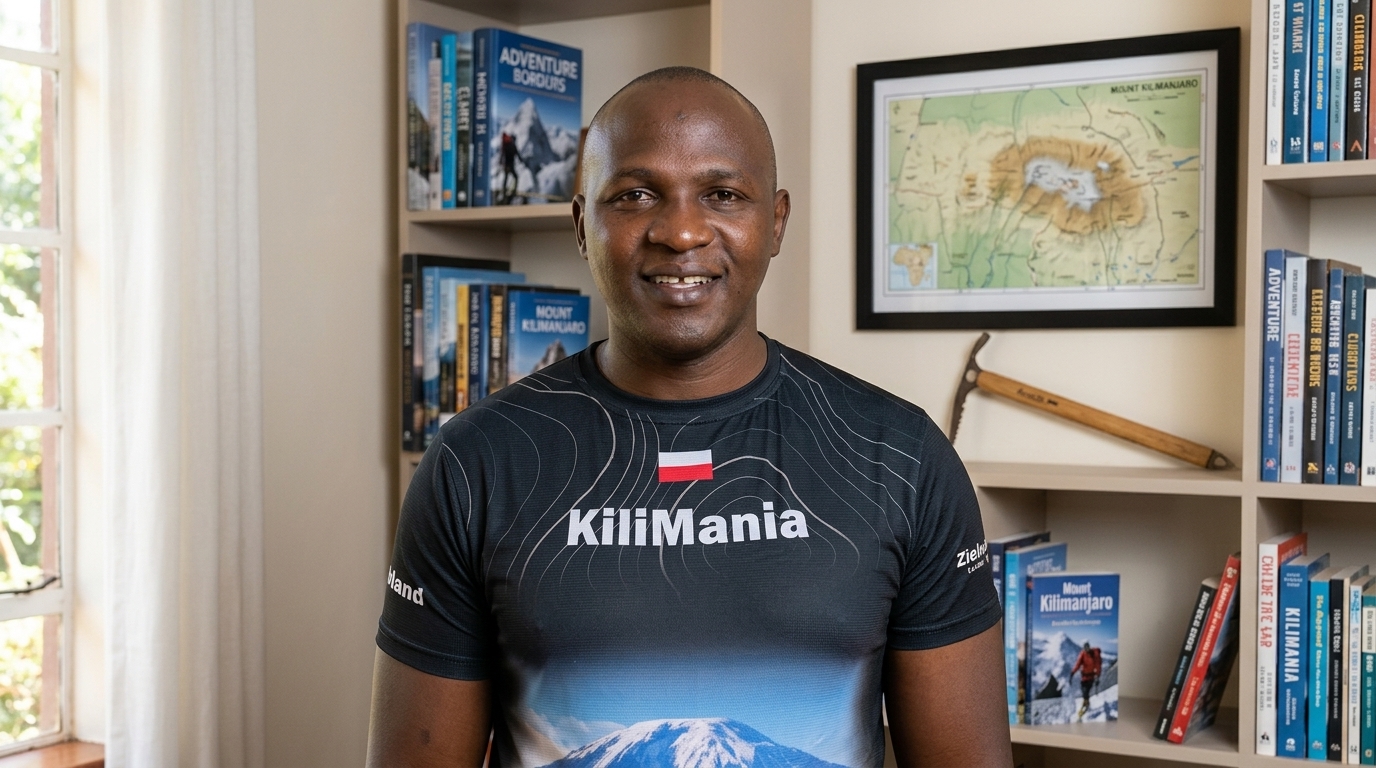
Written by Sabinus Msimba
Senior Mountain Guide & Co-founder, Kilimania Adventure. KINAPA-licensed since 2003. 22+ years on Kilimanjaro. 300+ Uhuru Peak summits. Full biography and credentials →
Last verified: June 2026 · Next scheduled review: June 2027
Disclosure: Success-rate and turnaround figures reflect Kilimania Adventure’s own operational records (2016–2025) and are not industry-wide statistics. Success is defined as reaching Uhuru Peak (5,895 m). KINAPA fees and regulations change — verify current rates at kilimanjaranationalpark.go.tz before booking. Medical information in this article is educational and does not replace individualized medical advice.
Plan Your Kilimanjaro Climb — Get an Honest Quote
We guide all Kilimanjaro routes from our base in Moshi, with pickups from Kilimanjaro International Airport (JRO) and Arusha Airport (ARK). Tell us your target dates, group size, preferred route, and any prior altitude experience — we reply within 12 hours, 7 days a week.
KINAPA-licensed since 2003 · TATO-registered
We Walk With You.