Kilimanjaro Fitness Assessment – Are You Ready?
Every Kilimanjaro operator will tell you that almost anyone can climb with the right preparation. That’s technically true. What they rarely tell you is what “right preparation” specifically means for your current fitness level — not a hypothetical average climber, not someone who hiked the Appalachian Trail last year, but you, today, with your current body, your current habits, and however many weeks you have before your departure date.
There is no universal minimum fitness standard for Kilimanjaro because the mountain’s demand varies by route, duration, and your individual physiology at altitude. What does exist is a clear set of physical benchmarks — tested against 1,247 climbs led by Senior Guide Sabinus Msimba and the Kilimania team — that predict, with reasonable accuracy, whether a climber will reach Uhuru Peak or turn around before it.
This assessment will tell you where you actually stand. Not where you hope you stand. Seriously.
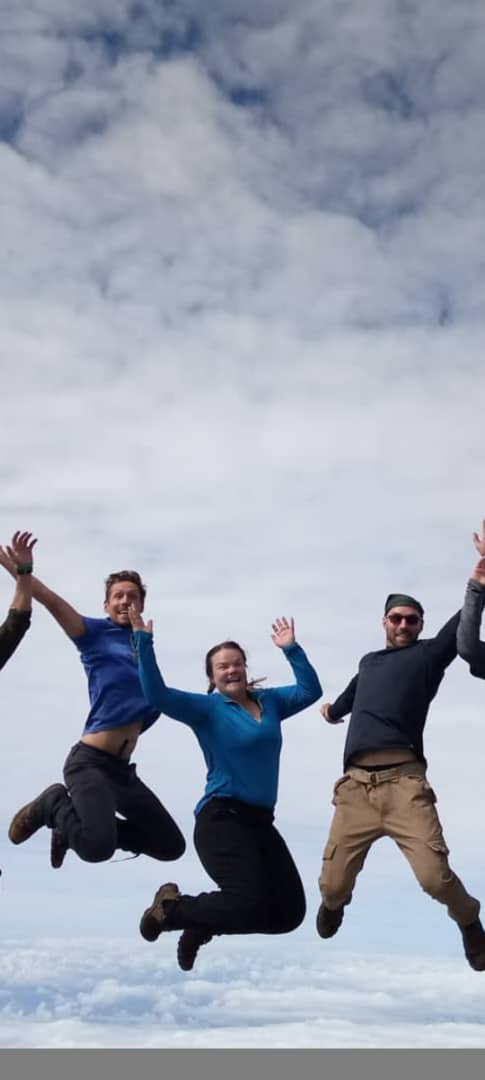
- 1,247 guided climbs analysed
- 8-day routes show measurably higher summit completion than 6-day routes
- Cumulative fatigue across consecutive days — not single-day intensity — is the leading physical cause of turnaround
- Climbers with 8+ hours of pre-trip boot use largely avoid blister-related descents
- 300+ personal summits by lead reviewer Sabinus Msimba
- 22 years of guiding experience informing these benchmarks
Disclosure: This assessment is developed by Kilimania Adventure, a TATO-registered operator based in Moshi, Tanzania. All fitness benchmarks derive from our own climb records (2019–2025). This is not a medical assessment — always consult your doctor before undertaking high-altitude trekking, particularly if you manage cardiovascular, respiratory, or joint conditions. See Climbing Kilimanjaro With Medical Conditions for condition-specific guidance.
Last reviewed: July 2026 | Reviewed annually each November
- Before You Start: The Kilimanjaro Baseline Test
- Want a Route Recommendation Before You Test?
- The 10-Question Kilimanjaro Fitness Assessment
- Your Score — What It Means and What to Do Next
- Score-to-Route Recommendation
- What Our Climb Data Shows About Fitness and Summit Success
- How Age Affects Your Assessment Score
- Frequently Asked Questions
- Conclusion
- Plan Your Climb — Routes Matched to Your Score
Before You Start: Kilimanjaro Fitness Level Baseline Test
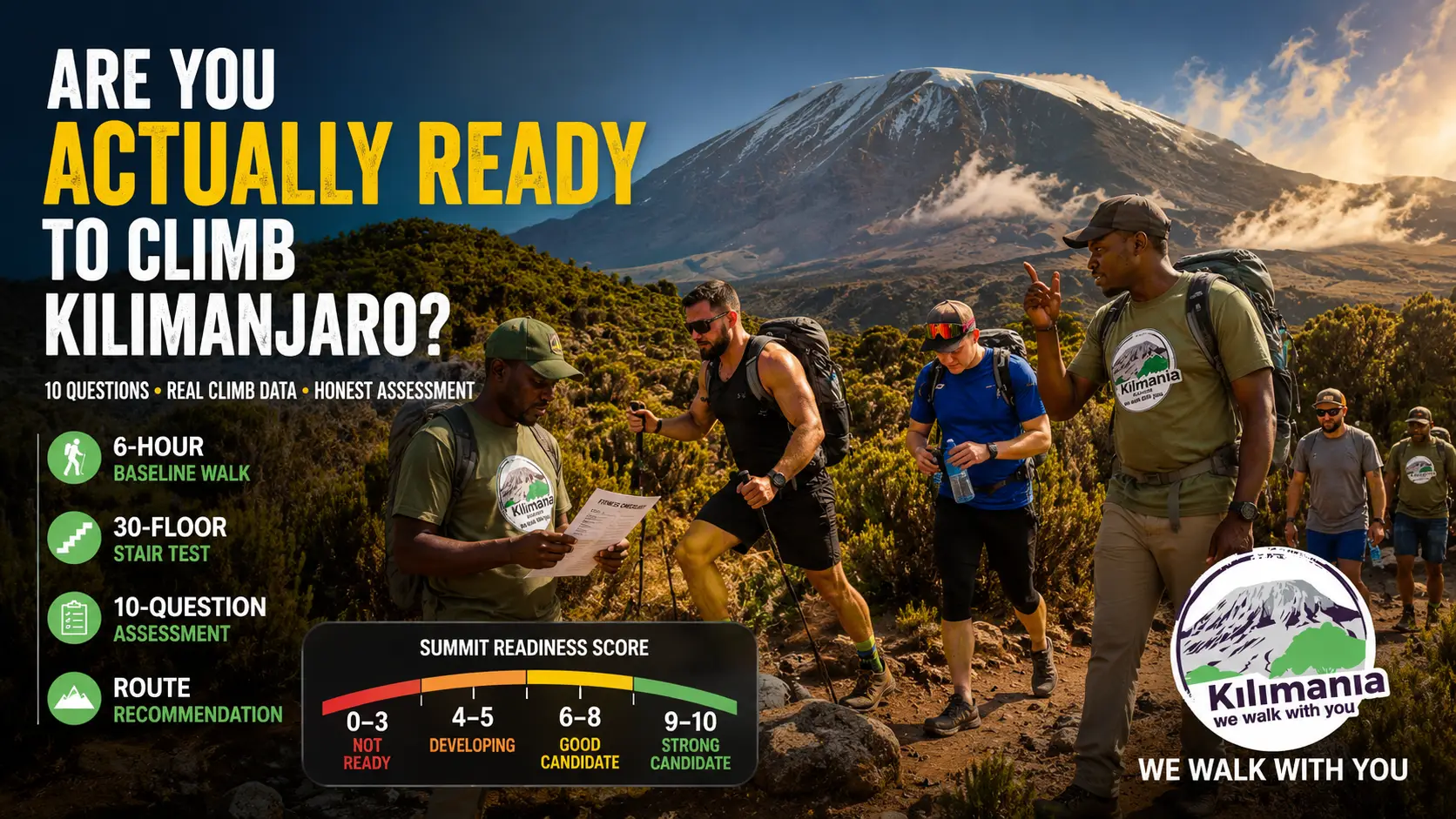
Before you answer the 10 questions below, complete this physical test. Do it on a real day, outside, on real terrain. It is the most honest data point you will get about your current readiness — more honest than any question you answer sitting at a desk.
The Test
Choose a day when you have 6 hours available. Pack a bag with 5kg of weight — water bottles, books, anything with mass. Walk on mixed terrain for 6 consecutive hours, with no more than 10 minutes of total stopping time. Include some incline if it’s available to you. If you live somewhere entirely flat, find a staircase and include it.
What to Record
During and after the walk, note these four things specifically:
Hour 3: How do your feet feel? Any hot spots developing? Any unexpected soreness in your hips or lower back that wasn’t there in hour 1?
Hour 4: How does your lower back feel under the pack? Has your posture changed — are you leaning forward more than you were at the start?
End of hour 6: Could you have continued for 2 more hours if the situation required it? Be honest. Not “I would push through” — could your body actually do it without real risk of injury?
The following morning: How do you feel when you wake up? Can you walk normally? Are your knees and ankles functional? Is the soreness muscular (expected, manageable) or joint-based (a signal worth paying attention to)?
What Your Baseline Test Result Tells You
| Your Morning-After Condition | What It Means | Next Step |
|---|---|---|
| Tired but functional — normal walking, some muscle soreness | You have the physical baseline | Complete the 10-question assessment below |
| Stiff and slow but manageable by midday | You’re at the edge of baseline fitness — your score will matter more | Complete the assessment honestly — don’t inflate answers |
| Could barely walk, significant joint or muscle pain | You need more preparation time before the assessment is meaningful | Build a daily walking habit for 4 weeks, then repeat this test |
| Could not complete 6 hours | Your departure date needs to move, or training starts now with a realistic 20-week timeline | Begin the 12-week training plan with a 4-week foundation period added first |
Tables are best viewed on desktop.
Tired but functional
Stiff but manageable
Could barely walk
Could not complete 6 hours
This test replicates what Kilimanjaro actually demands: sustained output over consecutive hours with a loaded pack, on uneven ground, with incomplete recovery between days. Running 5km on a treadmill three times a week does not replicate this. We have watched fit runners struggle on Day 3 while a 58-year-old who walked daily with a loaded pack finished the Lemosho Route strong in 2025.
One thing the baseline test reveals that no written question can: how your specific body responds to sustained load on consecutive muscle groups. A person can score 8/10 on the written assessment and still discover in the baseline test that their lower back fails reliably after hour 4 under pack weight. That’s critical information. The test costs one Saturday. Missing it can cost a summit.
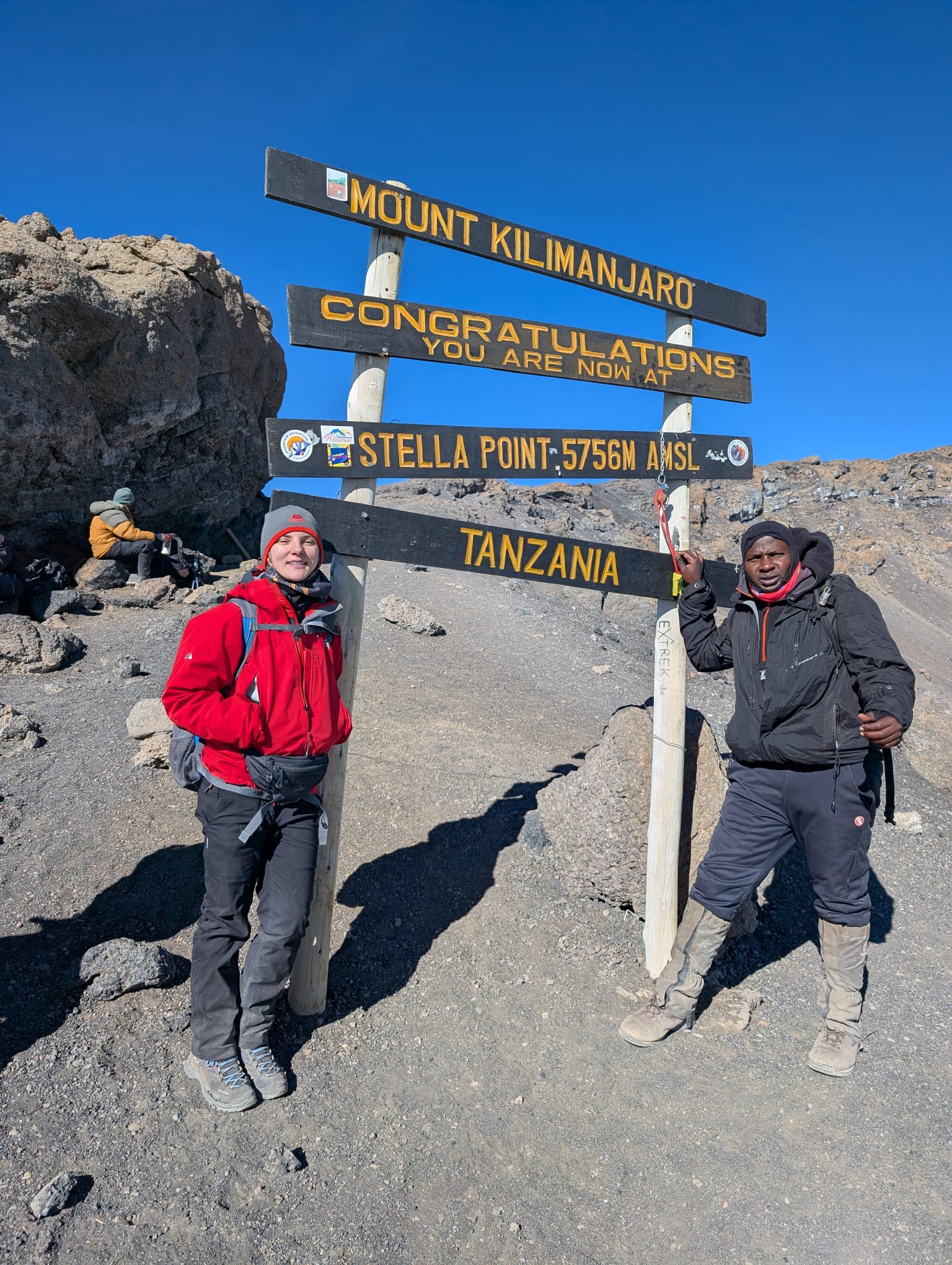
The Stair Test — A Second, Objective Checkpoint
The 6-hour walk tells you about endurance. It does not isolate leg power and cardiovascular output under load the way a single, measurable benchmark can. Add this test in the same week, on a separate day, with fresh legs.
The test: Find a stairwell, stadium steps, or a hill with a consistent gradient. Wearing the same 5kg pack, climb continuously for the equivalent of 30 floors (roughly 300 steps, or 15 minutes of continuous uphill effort if no stairs are available). Time yourself. Do not stop to rest mid-climb.
| Your Time | What It Indicates | Next Step |
|---|---|---|
| Under 15 minutes, breathing hard but controlled | Strong cardiovascular base for summit night’s sustained climb | Proceed to the 10-question assessment with confidence in Q4 and Q5 |
| 15–20 minutes, needed brief pauses | Adequate base, but summit night’s 6–8 hour ascent will demand more from you than this test shows | Add 2 stair or hill sessions per week to your training plan |
| Over 20 minutes, or could not complete without stopping repeatedly | Cardiovascular conditioning is your current limiting factor, independent of endurance | Build aerobic base for 6–8 weeks (brisk walking, cycling, swimming) before repeating this test |
Tables are best viewed on desktop.
Under 15 minutes
15–20 minutes
Over 20 minutes
Why this matters alongside the 6-hour walk: the two tests measure different things. The walk tests sustained low-intensity output over time — the dominant demand on Days 1 through 6. The stair test isolates the higher-intensity, oxygen-hungry effort that summit night specifically asks for, when you climb roughly 1,200m in 6–8 hours at the thinnest air of the trip. That’s the pace guides call “pole pole” — the slow, deliberate, sustainable rhythm that is the only pace that works above 4,000m. A climber can pass one test and fail the other. Both results belong in your preparation plan, not just one.
Want a Route Recommendation Before You Test?
Not sure which route fits your timeline and fitness right now? Browse our Kilimanjaro Routes 2026 guide for the full comparison, or message us directly. As we say here in Moshi, karibu — you’re welcome to ask any question before you book, not after.
📲 WhatsApp: +255 756 449 990 | 📧 info@kilimania.co.tz
No platform markup. No hidden fees. Direct from the operator. Quote replies within 12 hours, 7 days a week (East Africa Time, UTC+3).
The 10-Question Kilimanjaro Fitness Assessment
Score 1 point for each YES answer. Answer based on what you have actually done in the last 3–6 months, not what you intend to do or what you did two years ago. The mountain will provide its own honest assessment regardless of what you score here — the only person served by inflating your answers is nobody. Honestly.
Interactive Fitness Assessment
Select YES or NO for each question below, then hit Calculate.
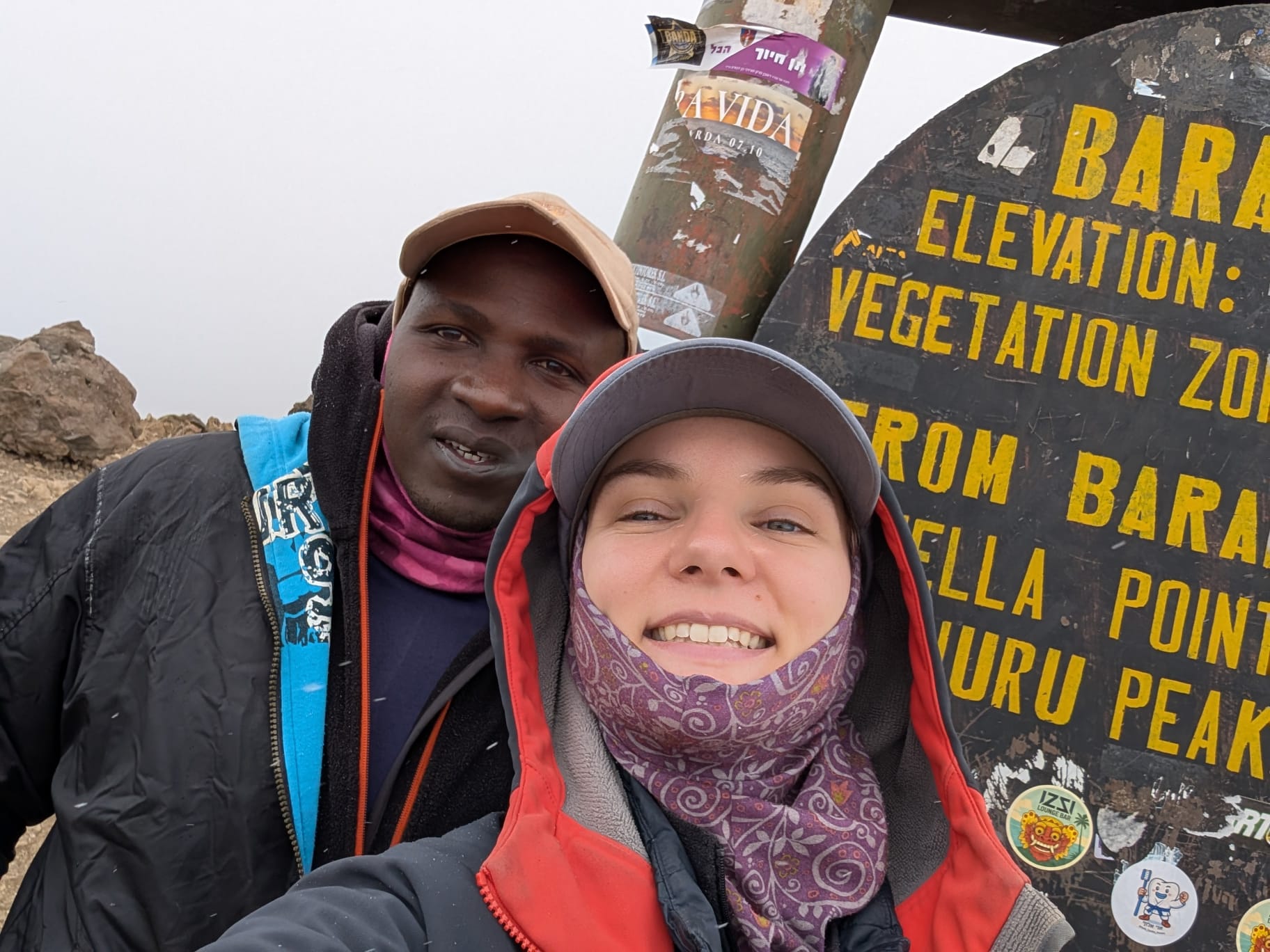
Your Total Score: ___ / 10
Your Score — What It Means and What to Do Next
Score 9–10: Strong Candidate
You have the physical foundation. The assessment and baseline test data suggest you’re prepared to begin Kilimanjaro-specific training and route selection without addressing fundamental fitness gaps first.
What this score does not mean: it does not mean you’re ready today. It means your starting point is strong. Altitude affects people independently of ground-level fitness — a score of 10 here does not predict your individual altitude response, which has a genetic component and cannot be assessed at sea level.
Recommended action:
- Choose your route based on your goals, not your fitness confidence. The 8-day Lemosho Route remains a strong choice even for strong candidates because acclimatisation time matters more than physical capacity at this level.
- Begin Month 3 of the 12-week training plan if departure is within 4–6 weeks. If 12+ weeks away, start from Month 1 and use the extra time for back-to-back endurance work.
- Book a route with a minimum of 7 days — see 7-Day Machame Route.
Score 6–8: Good Candidate With Preparation Required
You’re on the right trajectory. The gaps in your score identify specific preparation priorities — not reasons to reconsider the climb, but precise targets for the next 8–12 weeks.
The honest reality: a score of 6 means four of Kilimanjaro’s specific physical requirements are currently unmet. That’s workable with time. It is not workable with a 6-day itinerary, a 6-week timeline, or a training plan addressing only cardio fitness without the back-to-back hiking days and pack weight Kilimanjaro specifically demands.
Recommended action:
- Start the full 12-week Kilimanjaro training plan from Week 1, regardless of how fit you feel in other respects.
- Don’t book a 5 or 6-day route. Choose 7-Day Machame as your minimum; 8-Day Lemosho is the stronger choice for a 6–8 score.
- Book your climb a minimum of 4 months from today.
📥 Free Download: Kilimanjaro 12-Week Training Calendar
Download the same week-by-week training plan used by Kilimania Adventure guides and built from patterns observed across 1,247+ guided climbs.
Includes:
- 12-week hiking and endurance plan
- Pack weight progression
- Back-to-back training schedule
- Peak and taper strategy
- Route recommendations based on fitness level
Prepared by Sabinus Msimba, Senior Kilimanjaro Guide and Co-founder of Kilimania Adventure.
Score 4–5: Possible With Significant Commitment
You can reach summit-readiness. Our records include people who started here and finished on Uhuru Peak — and people who started here, underestimated the preparation requirement, and turned around at Lava Tower or Stella Point.
The difference was rarely talent. It was whether the person was honest about what “significant commitment” actually required, and whether enough time remained before departure to close the gap. A score of 4 today isn’t hakuna matata — it’s a signal to start now, not to book tomorrow.
The honest reality: you need 16–20 weeks of structured preparation, not 12. You need an 8-day minimum itinerary. And Questions 7 and 9 should both be YES before you go — if either is currently a NO, address it with your doctor first.
Recommended action:
- Add 4–8 weeks of foundation building (daily 45-minute walks with progressive pack weight) before starting the 12-week plan formally.
- Target the 8-Day Lemosho Route or the 9-Day Northern Circuit — the extra acclimatisation time is the single most important variable for this fitness level.
- Be honest about whether your departure date allows 16–20 weeks. If it doesn’t, moving the date is the decision that produces the summit.
WhatsApp us with your score and timeline — we’ll tell you honestly whether your date is realistic and which route gives the best odds.
Score 0–3: Not Ready Yet — But That’s a Fixable Condition
This assessment is not telling you that you cannot climb Kilimanjaro. It’s telling you that you’re not ready today. Those are different statements.
With 6+ months of systematic preparation, people who scored in this range have reached Uhuru Peak. The mountain doesn’t care where you started. It responds to what you did about it.
What rushing produces: suffering on the mountain, a guide-supported turnaround at Lava Tower or Barafu, and the specific regret of having spent real money and time to arrive genuinely underprepared. That outcome serves nobody.
Recommended action:
- Start today with 30 minutes of walking per day. Build to 45, then 60, over 4 weeks.
- Return to this assessment in 8 weeks.
- Don’t book a departure date until your score reaches at least 5.
Read Can an Unfit Person Climb Kilimanjaro? for an honest account of what this preparation path looks like.
Score-to-Route Recommendation
| Assessment Score | Fitness Level | Minimum Preparation | Recommended Route | Minimum Days | Avoid |
|---|---|---|---|---|---|
| 9–10 | Strong | 4–6 weeks refinement | 8-Day Lemosho or 7-Day Machame | 7 days | Nothing rules it out, but 5-day routes cut acclimatisation unnecessarily |
| 6–8 | Good with gaps | 12 weeks full plan | 8-Day Lemosho | 8 days | 5-day Marangu, 5-day Rongai, 6-day routes |
| 4–5 | Developing | 16–20 weeks | 8-Day Lemosho or 9-Day Northern Circuit | 8–9 days | Any route under 8 days |
| 0–3 | Not yet ready | 6+ months | Do not book until score reaches 5+ | 9 days when ready | All routes until baseline is established |
Tables are best viewed on desktop.
Score 9–10
Score 6–8
Score 4–5
Score 0–3
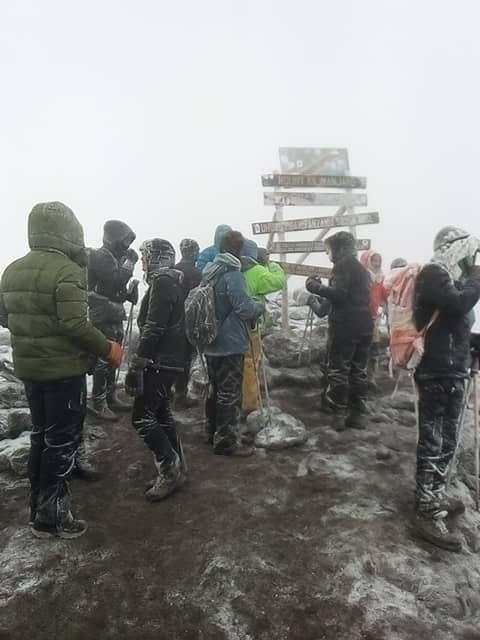
What Our Climb Data Shows About Fitness and Summit Success
From Kilimania’s guided climb records across 1,247 climbs (2019–2025), several variables consistently correlate with summit outcomes. Fitness level is one of them — but it is not the most important one.
| Variable | Impact on Summit Success | Within Climber Control | Notes From Our Data |
|---|---|---|---|
| Route duration (days) | High | Yes — route choice | Every additional day above 6 measurably improves acclimatisation. Our 8-day Lemosho success rate sits well above our 6-day average. |
| Pre-climb fitness level | Medium-High | Yes — preparation | Higher pre-climb fitness shows consistently higher completion rates on every route, most pronounced on 6-day itineraries with no margin for fatigue. |
| Individual altitude response | Medium | Partially — route choice helps | Altitude tolerance has a genetic component preparation cannot fully control. Highly prepared climbers occasionally turn around from altitude; less-fit climbers with strong tolerance occasionally summit on short routes. |
| Back-to-back training days completed pre-climb | Medium-High | Yes — training design | Climbers completing two consecutive 4+ hour hiking days in the 6 weeks before departure show measurably lower rates of fatigue-related turnaround. |
| Gear familiarity (especially boots) | Medium | Yes — preparation | Boot-related turnarounds (blisters, pressure points, instability) are a preventable share of descents. Climbers with 8+ hours of pre-trip boot use largely avoid this category of failure. |
Tables are best viewed on desktop.
Key finding: fitness level is a meaningful predictor of summit success, but it is consistently outweighed by route duration and acclimatisation time. A moderately fit climber on an 8-day Lemosho route outperforms a very fit climber on a 5-day Marangu route in our records, with notable consistency (and this is the part most folks miss when they’re shopping by price alone). If you’re in the 4–8 score range, choosing the right route matters more than adding another training month.
This is why we recommend the 8-Day Lemosho Route for most clients regardless of fitness level. See the full Kilimanjaro Routes Guide for complete success-rate comparisons.
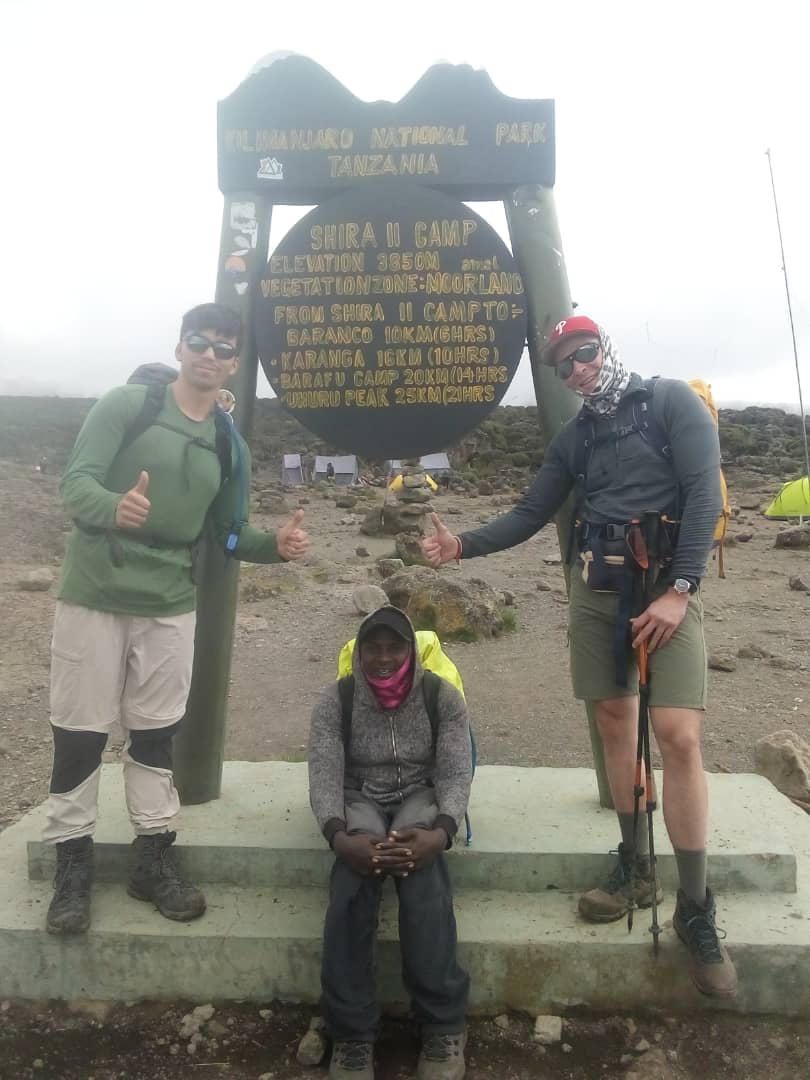
How Age Affects Your Assessment Score Kilimanjaro Fitness Level
The 10-question assessment applies to adult climbers of any age. How you interpret your score — and what preparation is required to act on it — does differ by decade.
| Age Range | Score Interpretation Adjustment | Key Additional Consideration | Resource |
|---|---|---|---|
| Under 30 | Score as written; recovery is typically faster | Overconfidence is the main risk — don’t skip the baseline test | Can a Beginner Climb Kilimanjaro? |
| 30–49 | Score as written — this is the demographic the assessment is calibrated for | Work and family schedules often compress training time | 12-Week Training Plan |
| 50–59 | Add 2–4 weeks to your indicated timeline | Questions 9 and 10 (joints) carry extra weight | Climbing Kilimanjaro Over 50 |
| 60–69 | A score of 6 needs the same preparation as a score of 4 in the 30–49 bracket | Cardiovascular clearance is non-negotiable at this age | Climbing Kilimanjaro Over 50 |
| 70+ | The assessment still applies, but timelines lengthen and clearance requirements rise | The 9-Day Northern Circuit is generally the right route here | Climbing Kilimanjaro Over 50 |
Tables are best viewed on desktop.
Under 30
50–59
60–69
70+
Frequently Asked Questions Kilimanjaro Fitness Level
Q: Is this assessment used by Kilimania before accepting bookings?
A: A version of this assessment is used in our pre-booking consultation — specifically the baseline test result, the timeline question, and the medical conditions question. We do not refuse bookings based on score alone, but we will tell you directly if your fitness, departure date, and route choice don’t form a realistic combination.
Q: What is the minimum fitness level to attempt Kilimanjaro safely?
A: The practical minimum is 4 consecutive hours of walking on mixed terrain with a 4kg pack, with enough recovery to repeat that output the next day — roughly a score of 5–6 here. Below that, the risk of altitude sickness compounding physical fatigue rises significantly, and the answer is route-dependent: adequate fitness for an 8-day Lemosho can be unsafe on a 5-day Marangu.
Q: Can I improve my score significantly in 8 weeks?
A: Yes, with consistency rather than intensity. Eight weeks of daily walking with progressive pack weight (3kg building to 6kg), two back-to-back hiking days per weekend from week 5, and a single 5-hour test hike in week 7 move most people from a score of 5 to 7–8. Questions 6 (prior altitude experience), 7 (medical conditions), and 8 (time available) don’t move with training alone.
Q: Does age affect how I should interpret my score?
A: Yes — see the age-adjustment table above. The questions don’t change by age, but the preparation timelines needed to act on a score increase with each decade above 50. A score of 7 at age 35 needs about 12 weeks; the same score at 62 needs 14–16 weeks with more rest days and joint-specific conditioning.
Q: What if I have a medical condition that affects some of my answers?
A: Score those questions honestly — a NO is a NO regardless of how well-managed the condition is. Read Climbing Kilimanjaro With Medical Conditions for condition-specific guidance. Many conditions that produce a NO today become a YES after medical management and doctor clearance. TANAPA requires climbers to be in good health, and your guide needs full disclosure before Day 1.
Q: How accurate is this assessment compared to actually climbing?
A: It’s a strong planning tool built from 1,247 real climbs — not a guarantee. Individual altitude response has a genetic component no ground-level test can fully capture. That’s just reality, not a reason to skip preparing.
info@kilimania.co.tz or WhatsApp: +255 756 449 990
Conclusion
Your score today is not your score on climb day. Every week of proper, sustained, honest preparation changes it — a 5 today with 16 weeks of the right training becomes an 8 or 9 by departure. The climbers who reach Uhuru Peak aren’t the naturally gifted; they’re the ones who were honest about where they started and systematic about closing the gap. Start the 12-week training plan, choose your route through our Kilimanjaro Routes Guide, and book through a TATO-registered operator with a transparent record. We Walk With You.
💬 Tell us your score and timeline — get a personalised plan in 24 hours.
WhatsApp: +255 756 449 990 | info@kilimania.co.tz
Plan Your Climb — Routes Matched to Your Score
| Route | Duration | Minimum Score to Book | Best For |
|---|---|---|---|
| 8-Day Lemosho Route | 8 days | Score 5+ with 16 weeks prep | Recommended for most fitness levels |
| 9-Day Northern Circuit | 9 days | Score 4+ with 20 weeks prep | Older climbers, medical conditions, maximum acclimatisation |
| 7-Day Machame Route | 7 days | Score 7+ with 12 weeks prep | Fit climbers with full 12-week preparation |
| 6-Day Machame Route | 6 days | Score 9–10 only | Very fit, experienced hikers with limited time |
| 6-Day Marangu Route | 6 days | Score 7+ recommended | Hut accommodation preference — note lower margin for error |
Tables are best viewed on desktop.
8-Day Lemosho
9-Day Northern Circuit
7-Day Machame
For the complete route comparison: Kilimanjaro Routes 2026 | Main booking page: Mount Kilimanjaro Climbing | Full planning resource: Climbing Kilimanjaro Guide 2026
Response times: Kilimania Adventure operates on East Africa Time (EAT, UTC+3) from Moshi, Tanzania. Messages sent after 6:00 PM EAT receive responses the following morning. All quote requests receive a reply within 12 hours, 7 days per week.
Related Reading
Climbing Kilimanjaro Guide 2026 · How to Train for Kilimanjaro · Can a Beginner Climb Kilimanjaro? · Can an Unfit Person Climb Kilimanjaro? · Climbing Kilimanjaro With Medical Conditions · Climbing Kilimanjaro Over 50 · Kilimanjaro Success Rate By Route · Senior Guide Sabinus Msimba
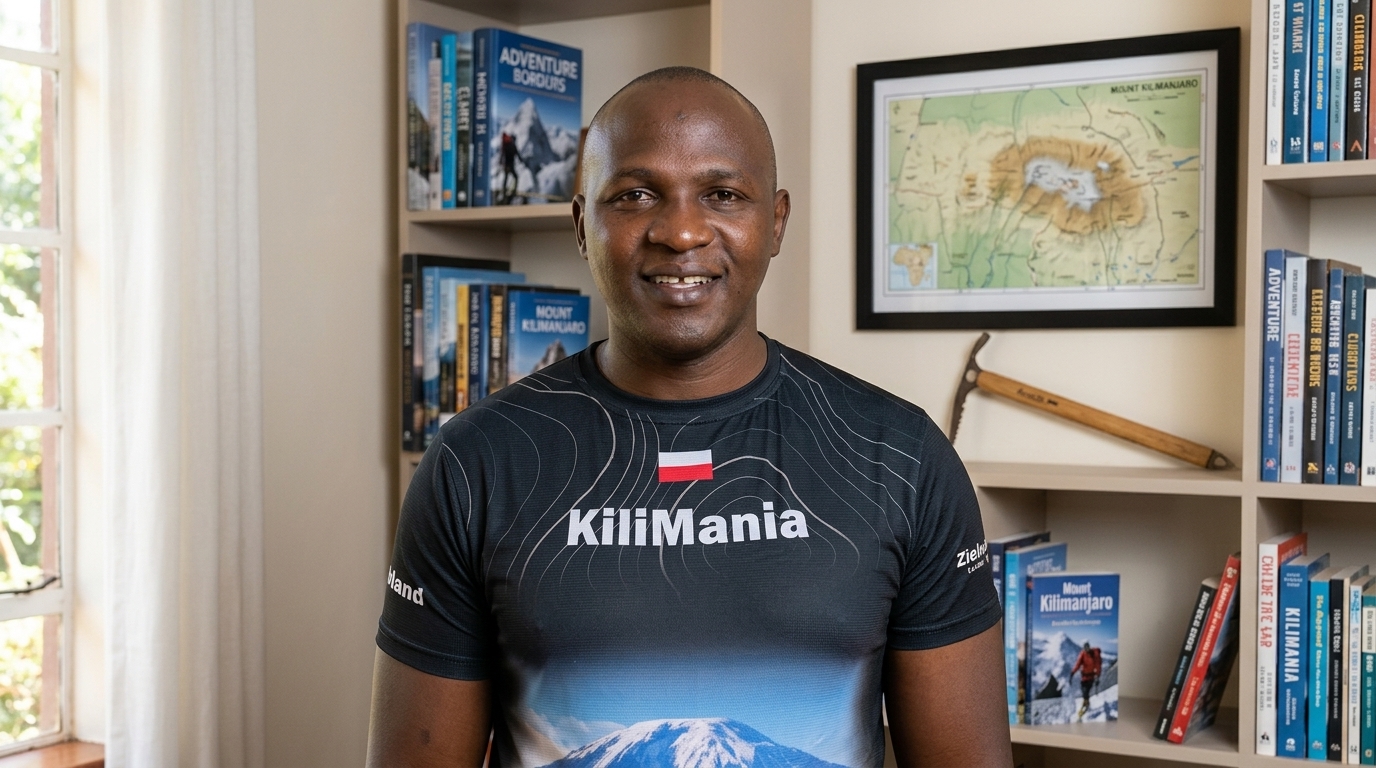
Sabinus Msimba
Senior Kilimanjaro Guide & Co-founder, Kilimania Adventure. 22 years on the mountain, 300+ personal summits, 1,247+ guided climbs. KINAPA-licensed. I’ve guided climbers from their first fitness test all the way to Uhuru Peak — and I’ve guided a few back down early, too. Both experiences taught me what this assessment is built on.