
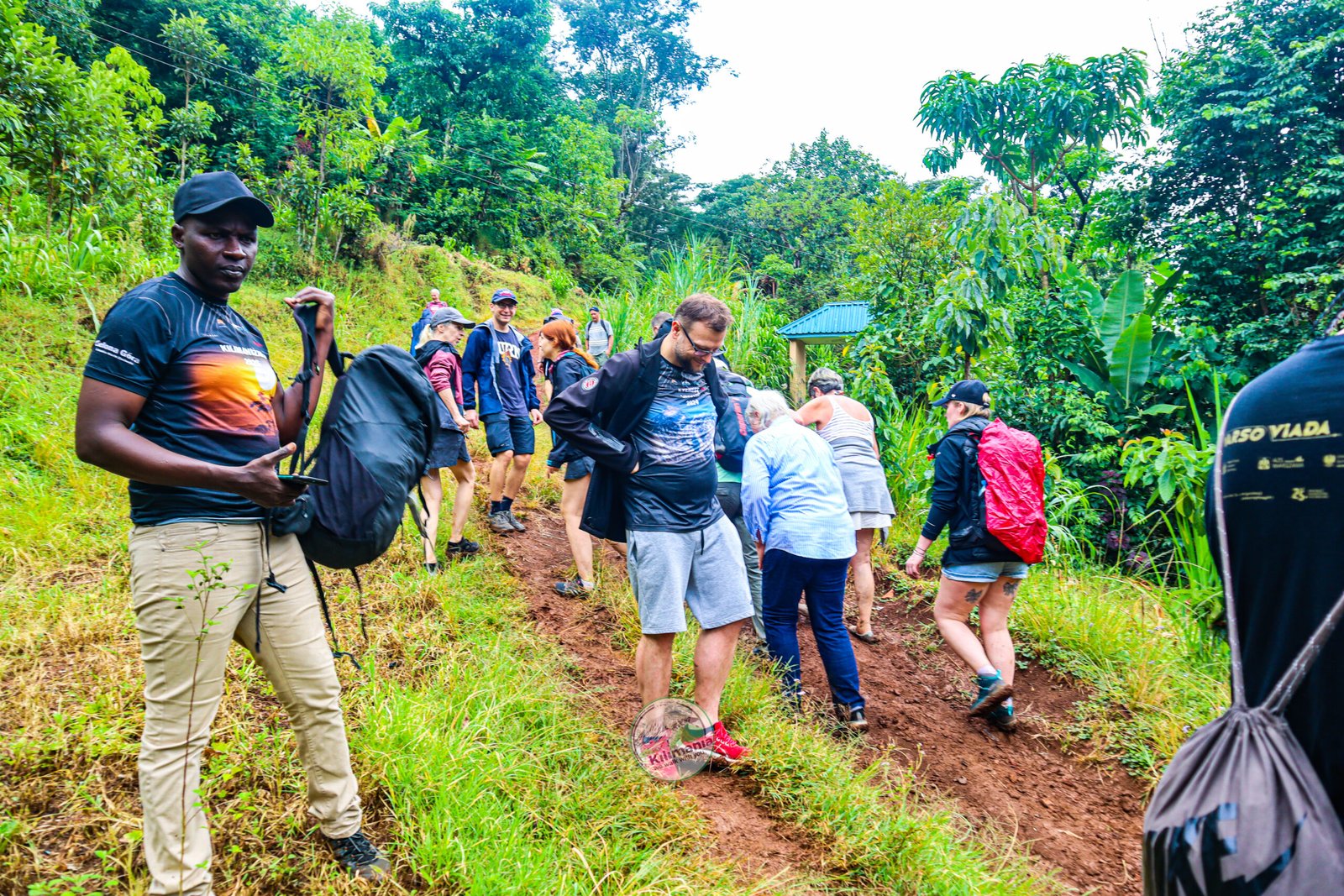
Rain does not automatically cancel rainy season day trips in Tanzania. Different trips respond differently, because rain changes trail footing, road access, visibility at altitude and comfort — not every trip in the same way. A spring-fed swim like Chemka tolerates wet weather well, the waterfall walks at Materuni and Marangu get muddier and slower, Maasai Boma and Tarangire depend on the road that day, and Shira Plateau can become a poor fit once fog and wet ground set in. Much of the difference between a good wet-season day and a poor one comes down to two decisions: which trip you pick, and which shoes you wear.
- Rain + trail → a footing problem. Slower walking, more care going down.
- Rain + altitude → a visibility and exposure problem. The view you came for may disappear.
- Rain + dirt road → an access problem. The destination may be fine; getting there is the question.
- Rain + swimming → mostly a comfort and access question, plus pool conditions at waterfalls.
- Rain + cultural visit → the road matters more than the weather at the village.
On this page
What “Rainy Season” Means in Practice for a Day Trip
Northern Tanzania has two wet periods: the long rains, generally around March to May, and the short rains, generally around November and December. Timing and intensity vary from year to year, so a current forecast and local conditions matter more than the calendar alone. For month-by-month planning, use our month-by-month guide to day-trip conditions. This article is narrower: what to do when rain is actually affecting your planned day.
“Rainy season” doesn’t mean rain from dawn to dusk. A wet-season day around Moshi can bring a clear morning, a heavy shower after lunch, then sun again by the drive home. Some days it rains for hours. Some days it barely rains at all. What matters for a day trip is what the rain does to the ground you’ll walk and drive on:
- Trail surface: clay and soil turn soft and slippery; rocky and forest paths hold up better.
- Road access: tarmac barely notices; unsealed final approach roads can soften after heavy or repeated rain.
- Altitude and exposure: the higher and more open the route, the more rain affects visibility, cold and safety.
- Water: rain can increase waterfall flow and change pool conditions; a spring-fed pool like Chemka depends less on recent rain.
- What fell before: one afternoon shower changes little; several wet days in a row change a lot.
What Actually Changes When It Rains
Trail conditions
This is the most common change. In our guiding experience, the red, clay-rich soil on Kilimanjaro’s lower slopes — around Materuni and Marangu especially — turns slick when wet. The main practical issue is slower, more careful walking, particularly on muddy descents. Muddier too (honestly, that’s part of it). The rainforest on the Kilimanjaro day hike is often damp; rain makes it wetter.
Road access
Most of the main approach from Moshi or Arusha is on paved roads; the more weather-sensitive section is usually the final unsealed approach to a site, which can soften after several days of rain. A soft track doesn’t automatically mean cancellation — it may mean a slower approach or a short walk. It’s worth checking current conditions with your operator on the morning of the trip rather than weeks ahead.
Visibility and altitude
This matters most on Shira Plateau, a high, open plateau on Kilimanjaro’s western side at roughly 3,600–3,800 metres. In wet weather, cloud can sit on the plateau, and with little natural shelter the day can change from scenic to cold, wet and exposed. Lower trips — Chemka, Materuni, Marangu, Maasai Boma — aren’t affected by altitude-related visibility.
Comfort and photography
Cooler air at the falls, mist in the forest, mud on your boots. For some travellers that’s fine with the right gear; for others it takes the fun out. That’s a conversation to have before booking, not after. For photography, rain changes the light rather than simply ruining it: softer colour and fuller waterfalls, but flatter skies and hazier long views.
Rainy Season Day Trips: Feasibility by Trip in Wet Conditions
Treat “possible” as exactly that — possible, depending on the day — rather than a promise.
| Trip | Wet-weather suitability | Main issue in rain | What can still work | Price (2026) |
|---|---|---|---|---|
| Chemka Hot Springs | Highly rain-tolerant | Wet approach and muddy ground around the pool | The swim in a spring-fed pool | From $70 pp, group of five |
| Materuni Waterfalls | Possible but muddy | Slippery clay path, especially going down; flow and pool conditions can change | Coffee and village visit | From $85 pp, group of five |
| Marangu Waterfalls | Possible | Wetter paths; flow, debris and current can increase | Cultural stops in Marangu village | From $80 pp, group of five |
| Maasai Boma | Usually possible | Unsealed access roads after heavy rain | The visit with the community | From $75 pp, group of five |
| Tarangire National Park | Possible | Some park tracks slow down after heavy rain | Game drive in a greener landscape; birding | From $240 pp, group of five |
| Shira Plateau | Consider postponing in poor visibility | Fog, mud, cold wind and exposure on an open high plateau | The walk itself, with limited views | From $190 pp, group of five |
| Kilimanjaro Day Hike | Possible with gear | Wet rainforest trail; rain gear essential | Forest walk to Mandara Hut | $215 pp joining / $275 pp private |
Trip-by-Trip Notes for Wet Weather
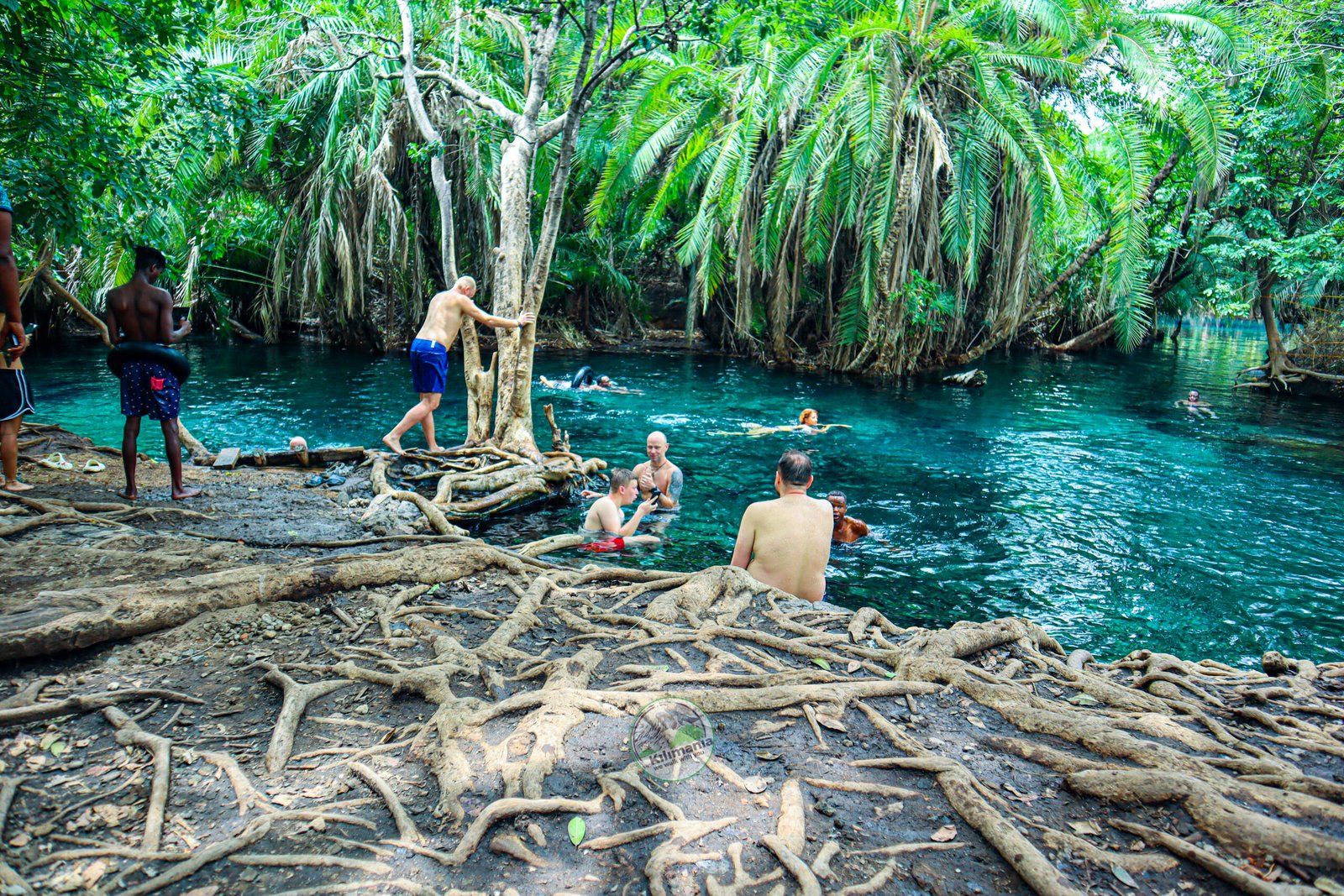
Chemka Hot Springs — highly rain-tolerant
Chemka (also called Kikuletwa) is fed by springs rather than by a waterfall, so the pool depends far less on recent rain than a waterfall pool does. What rain mainly changes is around it: the approach, the muddy ground at the edge of the pool, cooler air and your comfort getting in and out. You’re getting wet anyway.
If your priority is a swim that doesn’t rely on a waterfall pool’s changing flow, Chemka is the more predictable option. Bring a dry bag for your phone, a towel, and sandals you don’t mind getting muddy. The Chemka Hot Springs day trip runs from $70 pp for a group of five; the Chemka visitor guide covers what to expect.
Materuni Waterfalls — possible, prepare for mud
Two things happen at Materuni when it rains. Flow at the falls can increase — louder, fuller, more spray — which changes how the falls look and can also change the pool. And the path becomes slippery, above all on the clay sections going down towards the falls and on the way back.
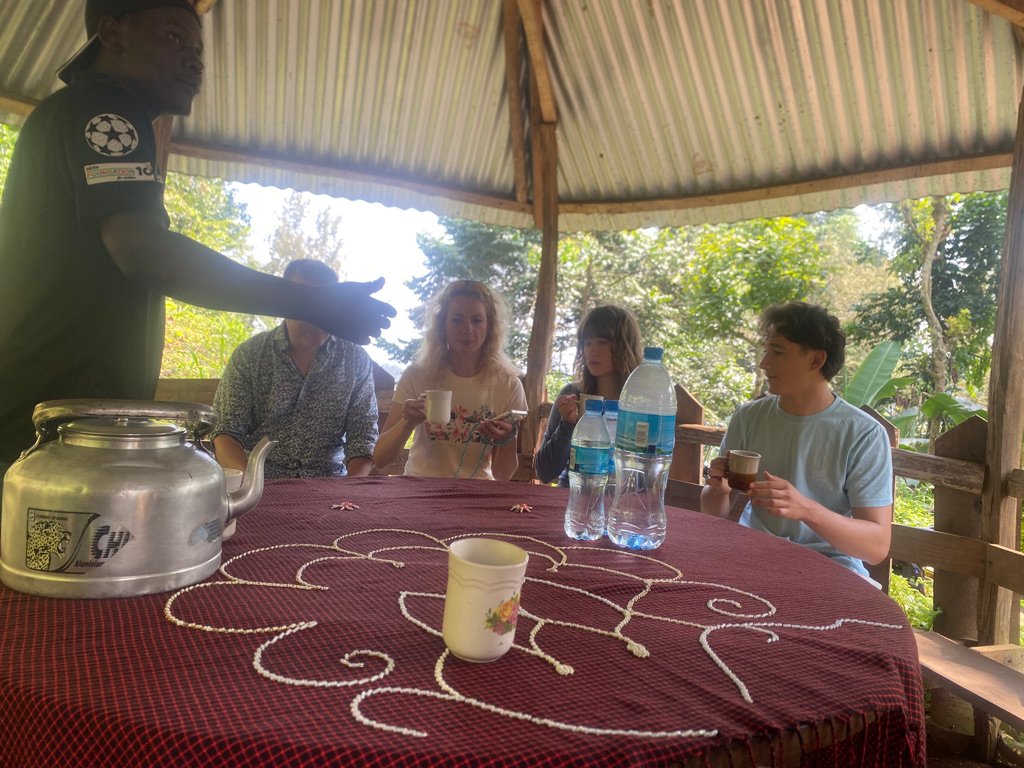
The coffee part of the day happens in the village and is barely touched by weather. The walk is where footing matters: smooth trainers and sandals struggle; closed shoes with real grip manage at a slower pace — pole pole, as we say on the mountain. Trekking poles help on the climb back. The Materuni Waterfalls day trip runs from $85 pp for a group of five; the Materuni waterfall and Chagga coffee guide covers the route in detail.
Marangu Waterfalls — practical, often the gentler choice
In our guiding experience, the walk to the falls at Marangu, on Kilimanjaro’s eastern slopes, is shorter and less demanding than Materuni’s, and falls such as Ndoro can run stronger after rain. The cultural side of the day around Marangu village, including the Chagga caves, isn’t weather-dependent. That makes it a good wet-season pick for travellers who want waterfall scenery without Materuni’s longer muddy descent.
One caution on swimming: stronger flow and a good swim aren’t the same thing. Sabinus reports that during April and May 2026 he saw the Ndoro pool at Marangu carrying more debris after rain — banana leaves, branches and loose sediment — with a noticeably stronger current. Don’t assume a waterfall pool is suitable for swimming just because it’s normally used; your guide should check flow, debris and pool conditions on the day. If a swim matters to you, Chemka is the more predictable option because it doesn’t depend on waterfall flow. See the Marangu waterfalls and cultural day trip (from $80 pp for a group of five) or the Marangu waterfalls guide.
Maasai Boma — usually possible, check the road first
A boma visit isn’t a trail walk, so rain rarely spoils the visit itself — time with the community carries on wet or dry. What can change is the access road: some routes to rural bomas are unsealed, and after sustained rain the last stretch can be slow. If the road is passable, the day runs normally. Confirm access on the morning of the visit; nobody can promise it weeks ahead. Our Maasai Boma visit guide explains how the day actually runs.
Tarangire National Park — green season has its own character
Wet-season Tarangire looks nothing like the dusty, golden park in most photos: green grass, baobabs in leaf, and a busy time for birds. Wildlife viewing depends on current conditions, habitat and animal movement — no one can promise particular sightings in any season — and animals can spread out more once water is widely available, so you may cover more ground. Some internal tracks slow down after heavy rain, which can change the route inside the park. The Tarangire National Park day trip runs from $240 pp for a group of five; the Tarangire day trip guide covers timing from Moshi or Arusha. Park rules and fees come from TANAPA.
Shira Plateau — not recommended in poor wet weather
Shira is a high, open plateau inside Kilimanjaro National Park, a UNESCO World Heritage Site. On a clear day the views of Kibo are the reason to go. In poor wet weather, cloud can hide them completely, the track turns muddy, and cold wind on wet clothing at altitude is a real discomfort risk — not just a missed view. It isn’t “never go.” A clear-weather Shira and a foggy, wet Shira are almost different trips: the second offers limited visibility and colder, wetter conditions, so decide whether that still fits what you want from the day.
If you have Shira planned and poor weather is forecast, the Kilimanjaro day hike to Mandara Hut is a lower-altitude, forested alternative. Keep Shira dates flexible if you can. The Shira Plateau day trip runs from $190 pp for a group of five; the Shira Plateau day hike guide explains the route in good conditions.
Kilimanjaro day hike to Mandara Hut — possible with proper gear
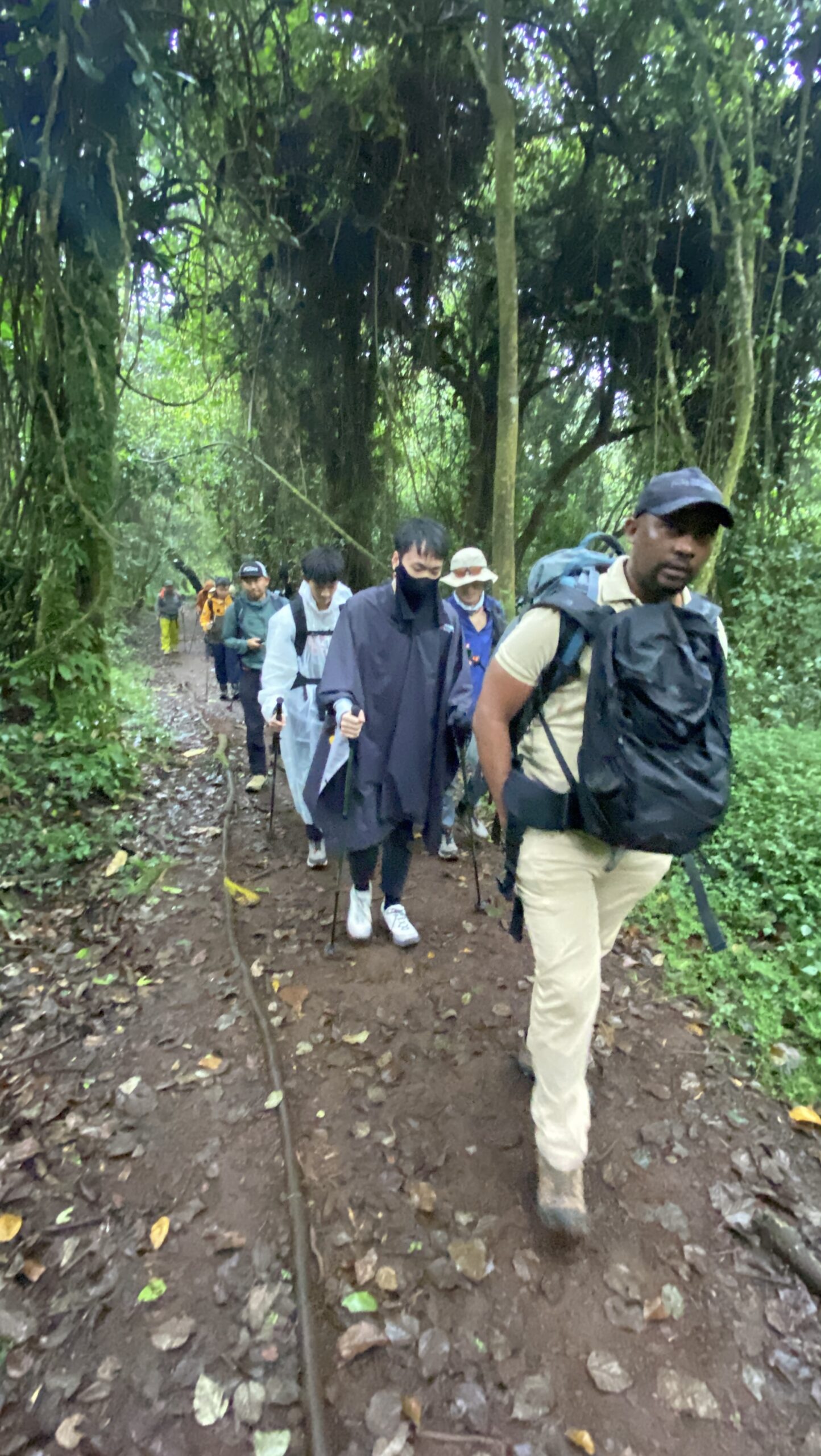
The Marangu Route to Mandara Hut climbs through montane rainforest inside Kilimanjaro National Park, where damp is common. Wet-season rain makes the path wetter and slower underfoot. A waterproof jacket, a pack cover and footwear with grip aren’t optional here — they’re basic kit. The forest has its own feel in mist: quiet, green and dripping, even when views higher up are gone.
The Marangu Kilimanjaro day hike is $215 pp on a joining trip or $275 private; the guide to the Kilimanjaro day hike to Mandara Hut covers the route. Thinking about the full summit later? The Kilimanjaro joining calendar lists group departures, and the Kilimanjaro climbing page covers the multi-day routes.
Rain Conditions by Severity — What Each One Affects
Not all rain is equal. The effect depends on intensity, duration, how much has already fallen, terrain, altitude, road surface and the destination itself. Use this table as a starting point when you’re deciding at short notice.
| Condition | What it mainly affects | Trips most affected | Practical response |
|---|---|---|---|
| Light rain or a passing shower | Mostly comfort; footing on steep clay | Most trips, usually lightly | Usually carry on with a rain jacket |
| Steady rain for a few hours | Trail footing, comfort | Materuni, Marangu, Kilimanjaro day hike | Grippy footwear, slower pace, trekking poles |
| Heavy, persistent rain | Trail surface, road access | Maasai Boma access roads, Materuni descent | Check conditions on the morning of the trip |
| Several rainy days in a row | Road access, saturated ground | Maasai Boma, Tarangire internal tracks | Confirm access; be ready for an alternative |
| Fog and cloud at altitude | Visibility, exposure, safety | Shira Plateau | Postpone or switch to a lower trip |
| Heavy rain upstream of a waterfall | Flow, debris and current in the pool | Materuni, Marangu | Guide checks the pool before anyone swims |
What to Pack for Rainy Season Day Trips
On rainy season day trips, the difference between a good day and a miserable one is usually two items: a waterproof jacket and closed shoes with grip. The rest is comfort. For a full trip-by-trip list, see the Tanzania day trip packing list.
Essential for walking trips
- Lightweight waterproof jacket
- Closed shoes with grip (not sandals)
- Small dry bag or pack cover for phone and documents
Useful extras
- Spare socks and a dry shirt for the drive back
- Quick-drying trousers or shorts, not jeans
- Trekking poles for waterfall walks and the day hike
Trip-specific
- Swimwear and towel for Chemka
- A warm layer under the jacket for the Kilimanjaro day hike
What Stays the Same
- Price. Kilimania’s published 2026 day-trip rates are set by group size, not by season; see Tanzania day-trip costs.
- The core of each trip. The swim, the waterfall, the coffee, the cultural visit.
- Guide support. A guide who knows the route well enough to judge it on the day — more useful in wet conditions, not less.
- Park rules. Entry requirements and normal safety planning don’t change with the weather.
- Trip format. Private or joining works the same way; see private vs joining day trips if you haven’t decided.
- Your part. No guide can fix a missing rain jacket halfway up a trail.
When to Switch Trips
Switching isn’t failure — often it’s the difference between a good day and a long, cold one. The decision comes from rain, terrain and your own tolerance together.
Usually continue when the rain is light or on and off, access roads are passable, trail footing is manageable for you, visibility still serves the purpose of the trip, and you have proper rain gear.
Reconsider when an access road becomes impassable, the trail becomes unsuitable for you, fog removes the main point of a high or exposed trip, waterfall flow changes swimming conditions, or you have no rain protection.
Rain forecast and fog likely → switch to the Kilimanjaro day hike or Marangu Waterfalls. Both are lower, with forest or village cover.
Heavy rain and you’re not comfortable on muddy descents → Chemka (no trail) or Marangu Waterfalls (shorter, gentler walk).
Access road soft after days of rain → confirm that morning. If it isn’t passable, an Arusha city day trip is less dependent on rural roads.
Internal tracks softening → confirm with your operator; the route inside the park may change rather than the whole day.
Heavy rain and no waterproof gear → sort the gear before departure or postpone. Don’t go without a proper jacket.
Rain forecast and flexible dates → Chemka, or a short low-altitude outing such as Lake Duluti.
Choose by priority in wet weather:
- A swim → Chemka
- Waterfalls → Materuni or Marangu, with grippy shoes — a swim depends on the pool that day
- Wildlife → Tarangire, subject to road conditions
- Mountain forest → the day hike to Mandara Hut
- High-altitude views → Shira, only when visibility allows
- A short, low-effort outing → Lake Duluti
The decision is easier made before the vehicle leaves Moshi or Arusha than halfway up a trail. For other options near your base, see the guides to day trips from Moshi and day trips from Arusha, or browse the full Tanzania day trips collection.
Lower-Effort Fallback Options, Including Lake Duluti
When a long trail or a high route no longer fits the weather, a shorter, low-altitude outing can rescue the day. Sabinus’s view: “Lake Duluti is an easy, low-stress half-day option.” It’s a small crater lake near Arusha that suits travellers who want less hiking, a quieter pace and nothing at altitude.
Lake Duluti is mentioned here as a general local fallback idea, not as one of Kilimania’s published day-trip products, and paths around the lake should still be checked on a wet day like any other walk. If you’d like it as part of a custom plan, ask when you enquire.
Who This Suits — and Who Should Choose Something Else
This guide is for travellers whose dates already fall in the long or short rains and who need a straight answer on what’s worth keeping on the plan. Families will find the lower-effort options useful (see day trips with kids), as will anyone who wants gentler walking (see accessible day trips).
Choose something else if you strongly prefer dry trails, want clear mountain views, dislike mud, or aren’t comfortable walking on slippery ground — and your dates are still flexible. In that case, pick a drier window using the month-by-month guide linked above. If you need predictable footing, or can’t adjust your plan on the day, a waterfall walk in wet weather may not suit you; a spring-fed swim or a short, low-altitude outing is usually easier to plan around.
Sabinus’s Note From the Trail
Mvua — rain — doesn’t choose favourites, but it doesn’t hit every trip the same way either. After more than twenty-two years guiding on these slopes, the thing I watch on a wet morning isn’t really the sky over Moshi. It’s the ground. Clay on the Materuni path, the unsealed stretch to a boma, cloud sitting low over the mountain.
At Materuni the waterfall itself is rarely the problem — with more water coming over, it looks different, often fuller. The walk back is what needs care. So my advice is simple: tell your guide the night before if you don’t have shoes that grip, and decide together in the morning whether Chemka is the better call. On Shira, fog does more than hide Kibo; it hides the landmarks you walk by. That’s the trip I’d rather move than push.
And my favourite rainy day? Often Chemka. Warm water, rain on your shoulders. Karibu — come prepared, and the wet season still gives you good days.
Frequently Asked Questions
Does rain cancel Tanzania day trips?
Rarely on its own. Rain mostly changes trail footing, road access and comfort. Chemka carries on, waterfall walks and the Kilimanjaro day hike get muddier, Maasai Boma and Tarangire depend on the road that day, and Shira Plateau is the one trip worth moving in fog and wet weather.
Which Tanzania day trip is most tolerant of rain?
Chemka Hot Springs is generally the most rain-tolerant option. Its pool is fed by springs rather than a waterfall, so it depends less on recent rain, and you are swimming anyway. Rain mainly affects the approach, the muddy ground around the pool and comfort.
Is Materuni Waterfalls worth visiting in the rain?
It can be, with the right shoes. Rain can increase flow at the falls, but the clay path becomes slippery, especially on the way down. Wear closed shoes with good grip, walk slowly, and expect muddy feet. The coffee part of the day in the village is barely affected by weather.
Is Shira Plateau suitable in wet weather?
It can be a poor fit in poor wet weather. Shira is a high, open plateau where fog can hide the views that are the main reason to go, wet wind gets cold quickly, and there is little shelter. If Shira matters to you, keep your dates flexible or switch to a lower trip.
Can you hike to Mandara Hut when it rains?
Usually, with proper gear. The Kilimanjaro day hike on the Marangu Route to Mandara Hut passes through rainforest where damp is common. With a waterproof jacket, a pack cover and footwear with grip, it becomes a wetter, slower forest walk. Views higher up may be hidden by cloud.
Is Tarangire National Park worth visiting during the rainy season?
It can be. The green season brings fresh landscapes and good birding. Wildlife viewing depends on current conditions and animal movement, and animals can spread out more when water is widely available. Some park tracks slow down after heavy rain, so the route inside the park may change.
Can waterfall pools be used for swimming after heavy rain?
Not always. Heavy rain can increase flow and wash debris into waterfall pools; Sabinus reports seeing the Ndoro pool at Marangu carry banana leaves, branches and sediment during April and May 2026. Your guide should check flow and pool conditions on the day. If a swim matters, Chemka depends less on waterfall flow.
Should I change my Tanzania day trip if heavy rain is forecast?
Not automatically. Check what the rain will affect: trails, roads or views. Swimming and cultural trips often carry on; high or exposed routes are worth moving. Confirm road and trail conditions with your operator on the morning of the trip, and switch to a shorter or lower trip if needed.
The Short Version
Rain affects Tanzania day trips in proportion to two things: how much the trip depends on trail footing, and how exposed it is to altitude and visibility. Some trips tolerate wet weather better than others: waterfall walks and the Kilimanjaro day hike usually stay practical with grippy shoes and a waterproof, Tarangire in the green season offers greener vegetation and different wildlife-viewing patterns, and Shira Plateau is the trip most worth moving in poor visibility. Keep a fallback in mind, stay flexible, and let current conditions — not a seasonal label — make the final call.
Related Day Trip Guides
About the author
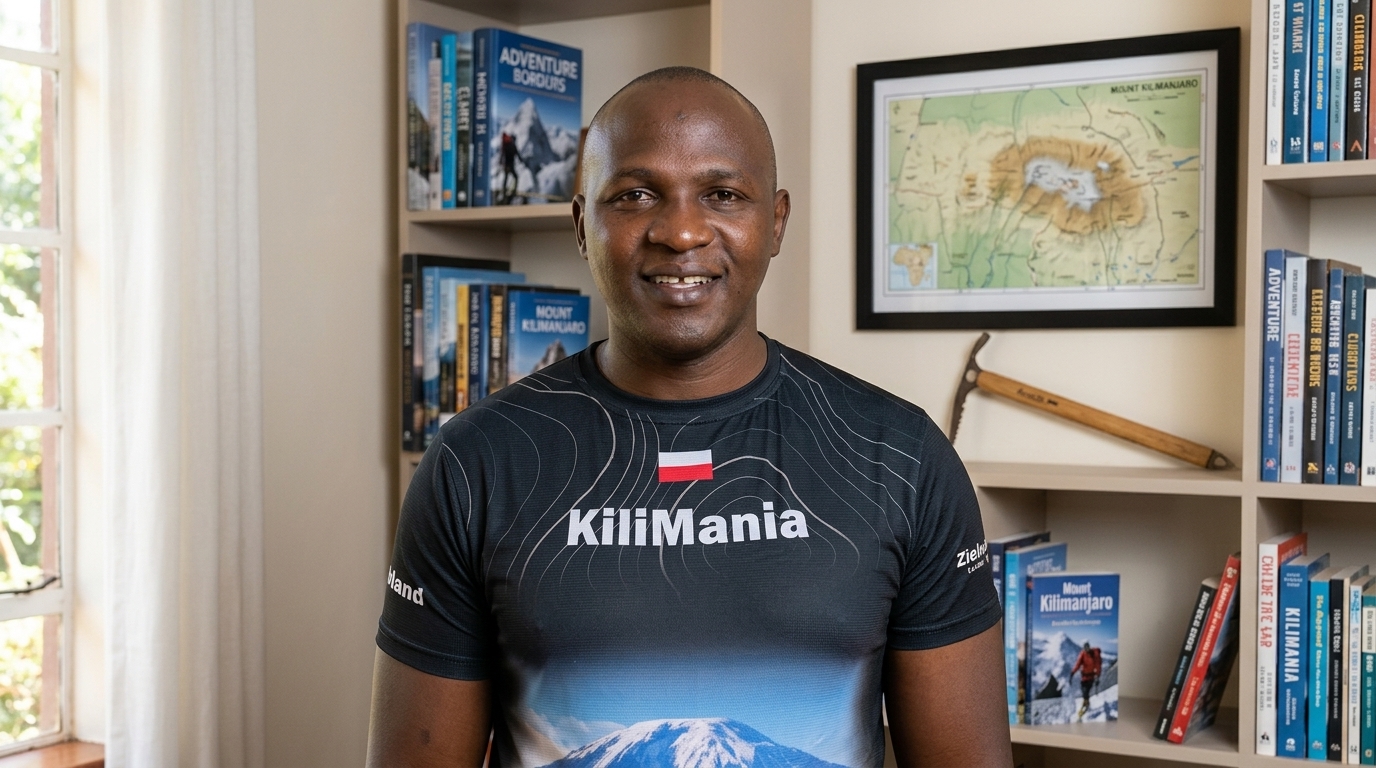
Sabinus Msimba
Senior Kilimanjaro Guide & Co-founder, Kilimania Adventure
22+ years guiding on Mount Kilimanjaro and 300+ personal Uhuru Peak summits. KINAPA-licensed. Based in Moshi, he runs day trips and climbs across the dry and wet seasons.
Full biography and credentials · Kilimania on TripAdvisor (external reviews)
Disclosure: Kilimania Adventure, a tour operator based in Moshi, Kilimanjaro Region, runs the day trips discussed on this page. Prices are Kilimania’s published 2026 rates, quoted per person for a group of five unless stated, and should be confirmed for your travel date. Trip suitability depends on the weather, road and trail conditions on the day, and no operator can predict those weeks ahead. This page contains no affiliate links. Last Updated: September 2026.