
Marangu Waterfalls and Chagga Cultural Trail: What to Expect
Last updated: September 2026
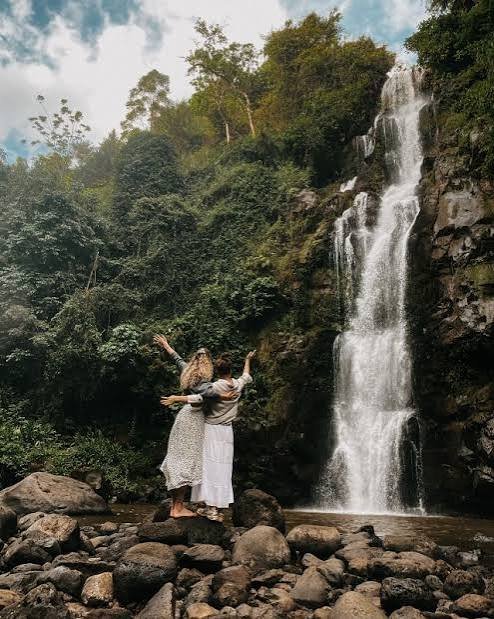
Direct answer: The Marangu Waterfalls day trip combines a walk to Ndoro Waterfalls with a Chagga Cultural Trail through nearby farmland and villages, approximately 40 km (1–1.5 hours) from Moshi. It includes a 30–60 minute walk to the waterfall, a visit to a Chagga cave complex, and time in a local village. The full day, including drive time, takes approximately 6–8 hours. Private pricing starts from $80 per person for a group of five. This trip does not enter Kilimanjaro National Park and is not the Kilimanjaro climbing route — see the note below.
Not to be confused with the Marangu climbing route: this article covers the Marangu Waterfalls & Chagga Cultural Day Trip — Ndoro Waterfalls, a Chagga cave visit, and village time near Marangu village, outside Kilimanjaro National Park. If you’re looking for the guided day hike inside the park along the Marangu Route, see our separate Kilimanjaro Day Hike guide instead.
- From Moshi
- ~40 km, 1–1.5 hrs
- From Arusha
- ~120 km, 2.5–3 hrs
- Total trip duration
- ~6–8 hours (with drive)
- Trail time (each way)
- ~30–60 minutes
- Difficulty
- Easy–moderate
- Swimming
- Possible, weather-dependent
- Children
- Depends on age, fitness & conditions
- Best season
- Year-round; falls run strongest Mar–May
- Typical departure
- ~08:00 from Moshi
- From price
- $80 pp (group of 5)
On this page
What Happens on This Day Trip
You’re picked up from your hotel in Moshi around 08:00. The drive to Marangu passes through Chagga villages and coffee and banana farmland on Kilimanjaro’s southern slopes, roughly 1,300–1,800 m above sea level. From the trailhead, a local community guide accompanies the walk, the cave visit, and the cultural stops.
The walk down to Ndoro Waterfalls goes through cultivated shambas and patches of forest. At the falls, you have time to look around, take photos, and swim if conditions allow. The return climb is the more tiring part of the walk, so footwear matters. From the falls, the group typically continues to a Chagga cave complex and a village stop before heading back to Moshi.
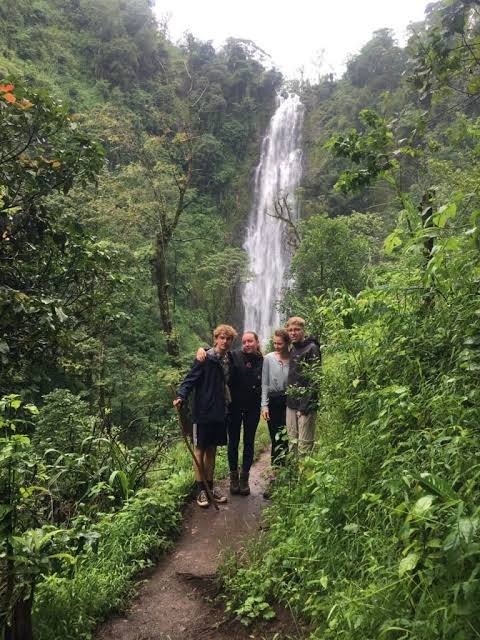
Ndoro Waterfalls and the Trail
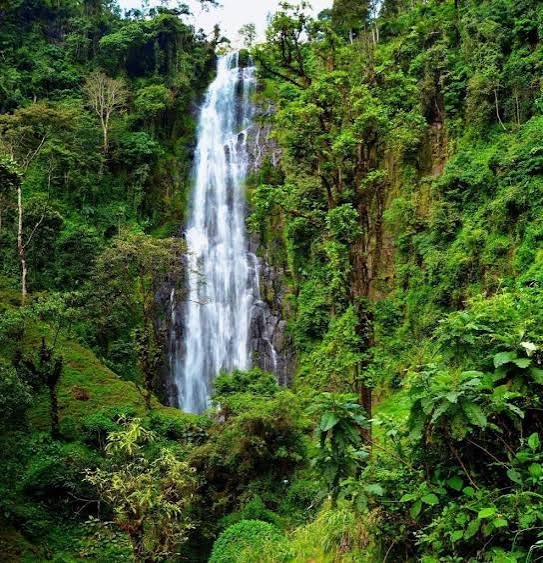
The waterfall on this trip is Ndoro Waterfalls, locally also known as Marangu Waterfalls or by its local Chagga name, Kinukamori — the same waterfall, not a separate site. The trail is easy to moderate — mostly a gradual descent on a footpath through farmland and forest, with some steeper sections closer to the falls. After rain, the path can get slippery, and the climb back up is where most visitors notice the effort.
Swimming at the pool below the falls is possible but not guaranteed. The water is cold, fed by mountain streams rather than warmed by the sun, and your guide assesses conditions on the day — water level, current, and clarity. After heavy rain, the pool can carry too much runoff to recommend swimming. Bring a swimsuit and towel in case conditions are good, but plan for the possibility that they won’t be.
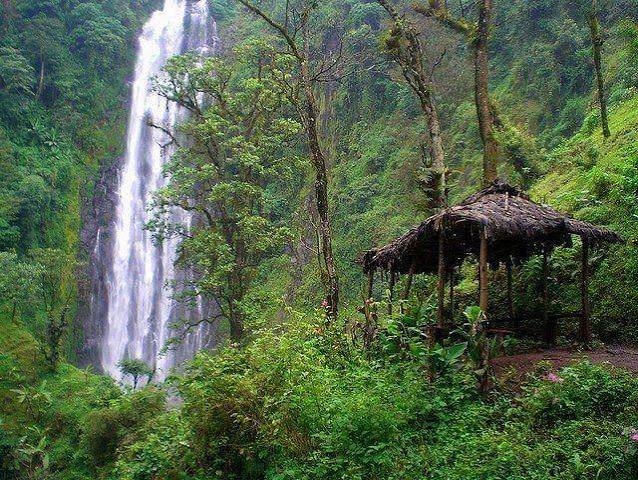
The Chagga Caves
The cave complex on this trail is associated with earlier Chagga defensive traditions — built as shelter during a period of conflict with Maasai cattle raiders — rather than being a World War II-era construction, as some general descriptions suggest. Ask your guide about the caves directly; this is genuinely old Chagga history and worth hearing first-hand.
The complex was built to hold a substantial number of people and includes features still visible today: ventilation shafts, chambers for storing food and water, pens for livestock, multiple entry and exit points, and a system the Chagga used to signal each other underground. Visiting the caves is part of the standard cultural trail itinerary; your guide will confirm the exact stop on the day.
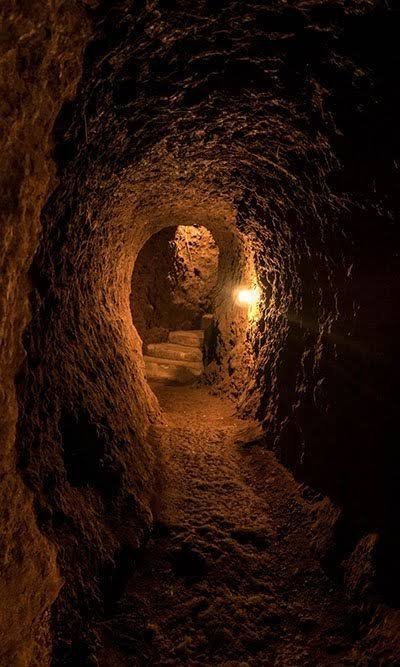
Inside, expect low ceilings, narrow passages, and near-total darkness except for the flashlights your guide provides, typically for 10–15 minutes. If you’re uncomfortable in confined spaces, or have mobility, back, or knee issues that make crouching difficult, talk to your guide beforehand — waiting above ground while the rest of the group goes in is a normal, easy accommodation, not something you’re required to push through.
The Village and Farmland
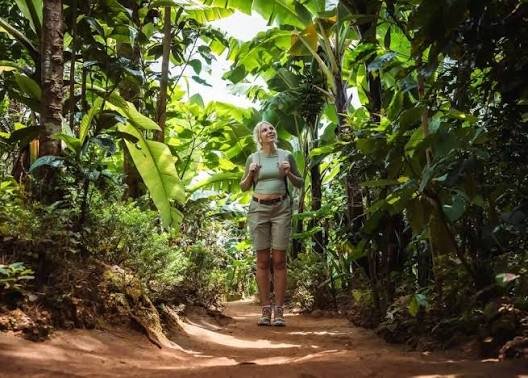
Alongside the waterfall and caves, the trip includes time walking through a working Chagga village and farmland — coffee, banana, and vegetable shambas grown using intercropping methods used on these slopes for generations. Chameleons are a common, low-key highlight along this stretch of trail; birds are regularly seen, and monkeys turn up occasionally, though none of these are ever guaranteed.
Pole pole — slowly, slowly — is the pace to expect here. Nobody on this trip is watching the clock, and the day works best if you aren’t either.
Ready to check dates and availability for the Marangu Waterfalls & Chagga Cultural Day Trip?
Pricing
From $80 per person (private group of five)
This is a private day trip — the price is per person, and the more people travelling together, the lower the price per person.
| Group size | Price per person |
|---|---|
| 1 person | $120 |
| 2 people | $100 |
| 3 people | $90 |
| 4 people | $85 |
| 5 people | $80 |
Example: a private group of four pays $85 per person — $340 total. For groups larger than five, contact Kilimania Adventure for a group quotation. Village and site-access fees for the waterfall and cave visit are included in the price shown — this trip does not enter Kilimanjaro National Park, so no national park entry fees apply. Prices are reviewed regularly; your quote at booking is the confirmed figure. See the full day trips price list for all of Kilimania’s private day trips.
What’s Included and What’s Not
| Included | Not included |
|---|---|
| Private transport from Moshi (round trip) | Tips for your guide and driver |
| Your Kilimania driver-guide | Alcohol and personal purchases |
| Village and site-access fees for the waterfall and cave visit | Souvenirs or beadwork bought directly from villagers |
| Drinking water | Travel insurance |
Lunch arrangements can vary by date and group size — confirm whether lunch is included when you book, and we’ll tell you exactly what’s arranged for your trip.
Marangu Waterfalls or Materuni Waterfalls?
Both are Chagga waterfall-and-culture day trips from Moshi and are easy to mix up by name. The short version: Marangu Waterfalls (this trip) pairs Ndoro Waterfalls with a Chagga cave visit and village walk; Materuni Waterfalls pairs its own waterfall with a hands-on coffee-picking and roasting demonstration instead of caves. Neither is objectively “better” — it depends on whether you’d rather go underground or learn how your coffee is made.
| Marangu Waterfalls | Materuni Waterfalls | |
|---|---|---|
| Signature stop | Chagga cave complex | Coffee-picking & roasting demonstration |
| From Moshi | ~40 km, 1–1.5 hrs | See the Materuni guide for current distance/time |
| From price | $80 pp (group of 5) | See the Materuni guide for current pricing |
| Confined spaces | Yes — optional cave visit | No |
Who This Trip Is Best For
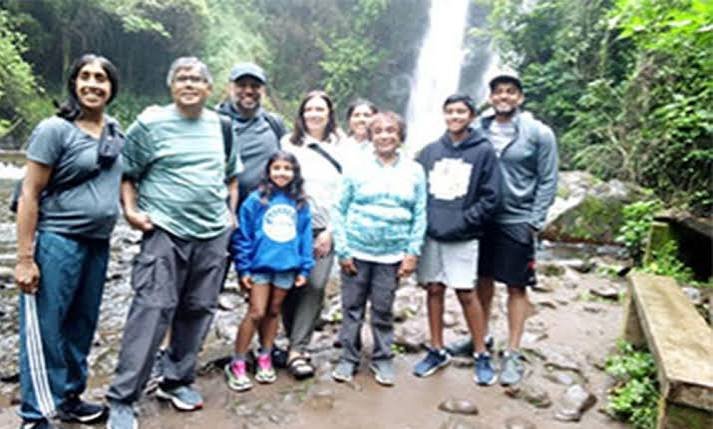
- Travelers who want a genuine cultural and historical experience alongside a waterfall, not just scenery
- Families — suitability depends on your child’s age, walking ability, and comfort with uneven or slippery terrain; tell us your child’s age when booking so we can advise honestly, including on the cave visit
- Travelers arriving before or recovering after a Kilimanjaro climb who want a lower-key day out
- Anyone curious about Chagga history beyond the standard waterfall photo stop
Who Should Choose Something Else
| If you want… | Consider instead |
|---|---|
| Warmer, more reliable swimming water | Chemka Hot Springs |
| A waterfall visit paired with a coffee demonstration | Materuni Waterfalls & Coffee |
| A step onto the Kilimanjaro climbing route itself | Kilimanjaro Day Hike (Marangu Route) |
| A day with no confined spaces or cave visit at all | Ask us to arrange a village-and-waterfall-only version, skipping the caves |
| Open-landscape wildlife viewing instead of forest and farmland | Arusha National Park Day Trip |
What to Pack
- Shoes with real grip — trainers or hiking shoes, not smooth-soled sandals or sneakers; the return climb is where poor footwear causes the most trouble, especially after rain
- A swimsuit and towel, in case swimming conditions are good on the day
- A light rain jacket during the wet season (March–May, November)
- Drinking water and a light snack
- A small flashlight or headlamp as backup, though your guide provides one for the caves
- A camera — and cash in small notes if you want to buy beadwork or produce directly from villagers
Sabinus’s Note From the Trail
During the long rains in April and May 2026, the pool at Ndoro Waterfalls filled with debris washed down from farms upstream — banana leaves, branches, loose sediment — and the current ran noticeably stronger than usual. Even with warm weather that day, I advised the group against swimming; the water wasn’t clean or calm enough to be worth it. The trail down was also considerably muddier than in dry season, and one guest wearing smooth-soled sneakers instead of hiking shoes found the climb back up difficult, needing several stops to steady his footing.
Why it matters: conditions during the rainy season (March–May, or November) can shift quickly — a fuller, more dramatic waterfall but less predictable swimming and a muddier trail. It’s one visit, not a rule for every rainy day, but grip-soled shoes are worth packing whatever the season.
Karibu — questions about dates, group size, or what to bring? We’re happy to help you plan.
Frequently Asked Questions
Is Marangu Waterfalls the same as the Kilimanjaro Marangu Route?
No. This trip is a waterfall and cultural day trip near Marangu village, outside Kilimanjaro National Park, and doesn’t require a climbing permit. The Marangu Route is a separate mountain-climbing route inside the park, with its own guided day-hike product — see our Kilimanjaro Day Hike guide if that’s what you’re after. Note that Marangu Waterfalls (Ndoro Waterfalls) is also known locally as Kinukamori — it’s the same waterfall, not a different one.
How far is Marangu Waterfalls from Moshi?
Approximately 40 km, roughly a 1 to 1.5 hour drive. From Arusha, it’s approximately 120 km and 2.5 to 3 hours.
How long does the whole trip take?
Including drive time, pickup, the walk, the cave visit, and the village stop, plan for approximately 6 to 8 hours total.
Can I swim at the waterfall?
Sometimes. The water is cold, and your guide checks conditions on the day — water level, clarity, and current. It’s never guaranteed, especially during or right after the rainy season, so bring a swimsuit but don’t plan the day around it.
What are the Chagga caves?
A cave complex associated with earlier Chagga defensive traditions, built as shelter during conflict with Maasai cattle raiders. It includes ventilation shafts, storage chambers, livestock pens, and multiple entry and exit points. Visiting is part of the standard itinerary.
Is the cave visit suitable for everyone?
It involves low ceilings, narrow passages, and near-total darkness aside from flashlights, so it’s not for everyone. If you’re uncomfortable in confined spaces or have mobility, back, or knee issues, tell your guide — you can wait above ground while the rest of the group goes in.
Is this trip suitable for children?
It depends on your child’s age, walking ability, and comfort with uneven or slippery terrain, plus conditions on the day. Many families do bring children; tell us your child’s age when booking so we can advise honestly, including on the cave visit specifically.
How much does the Marangu Waterfalls trip cost?
Private pricing starts from $80 per person for a group of five, up to $120 per person for a solo traveler. See the price table above, or contact us for a group quotation if you have more than five people.
Can I visit Ndoro Waterfalls without a guided tour?
It’s possible to reach the general area independently and pay village and site-access fees on arrival, but a local guide is still expected for the trail and cave visit, and public transport to the trailhead is limited. Kilimania’s day trip bundles the private transport from Moshi, the driver-guide, and the site fees into one price, which is usually simpler and not much different in cost once you add up an independent trip’s transport and guiding.
Can I do this trip before or after climbing Kilimanjaro?
Yes — it’s a popular lower-intensity option both before a climb and after, though it doesn’t gain meaningful altitude, so it isn’t a substitute for acclimatization.
Related Day Trips
Ndoro Waterfalls and the Chagga cave trail make for a day that’s as much about history and daily village life as it is about the waterfall itself — worth doing whether you’re settling in before a climb or unwinding after one. We Walk With You.
 Kilimania on TripAdvisor
Kilimania on Google Reviews
Kilimania on TripAdvisor
Kilimania on Google Reviews
Links go to Kilimania Adventure’s own review pages; they don’t imply endorsement of this specific article by TripAdvisor or Google.
Disclosure: Kilimania Adventure operates the day trip described in this article. Pricing shown reflects our current private-trip rates and is reviewed regularly; your booking quote is the confirmed figure. Trail conditions, swimming safety, and cave accessibility are assessed by your guide on the day and can change with weather. This article was written by Sabinus Msimba based on Kilimania’s own operational experience running this trip.