What Do You Eat on Kilimanjaro?
Written by Sabinus Msimba, Senior Mountain Guide, Kilimania Adventure · Published and last reviewed August 2026
Data sources cited in this article: Kilimania’s mountain kitchen operating practices; CDC Yellow Book chapter on high elevation travel; Wilderness Medical Society altitude illness guidance.
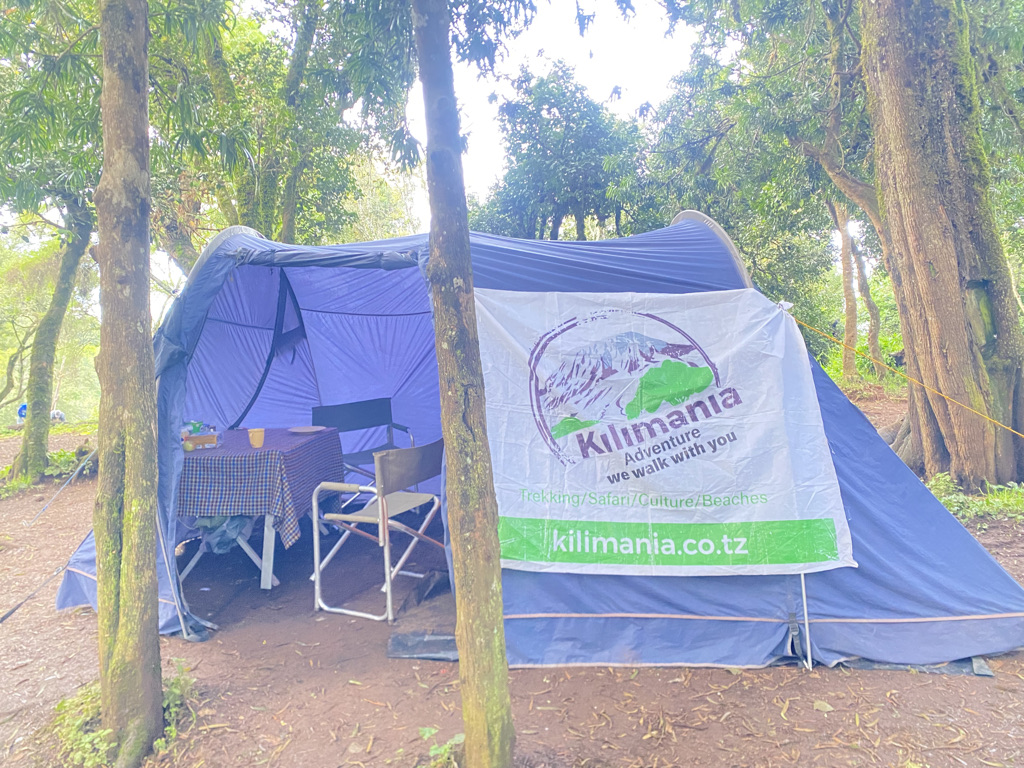
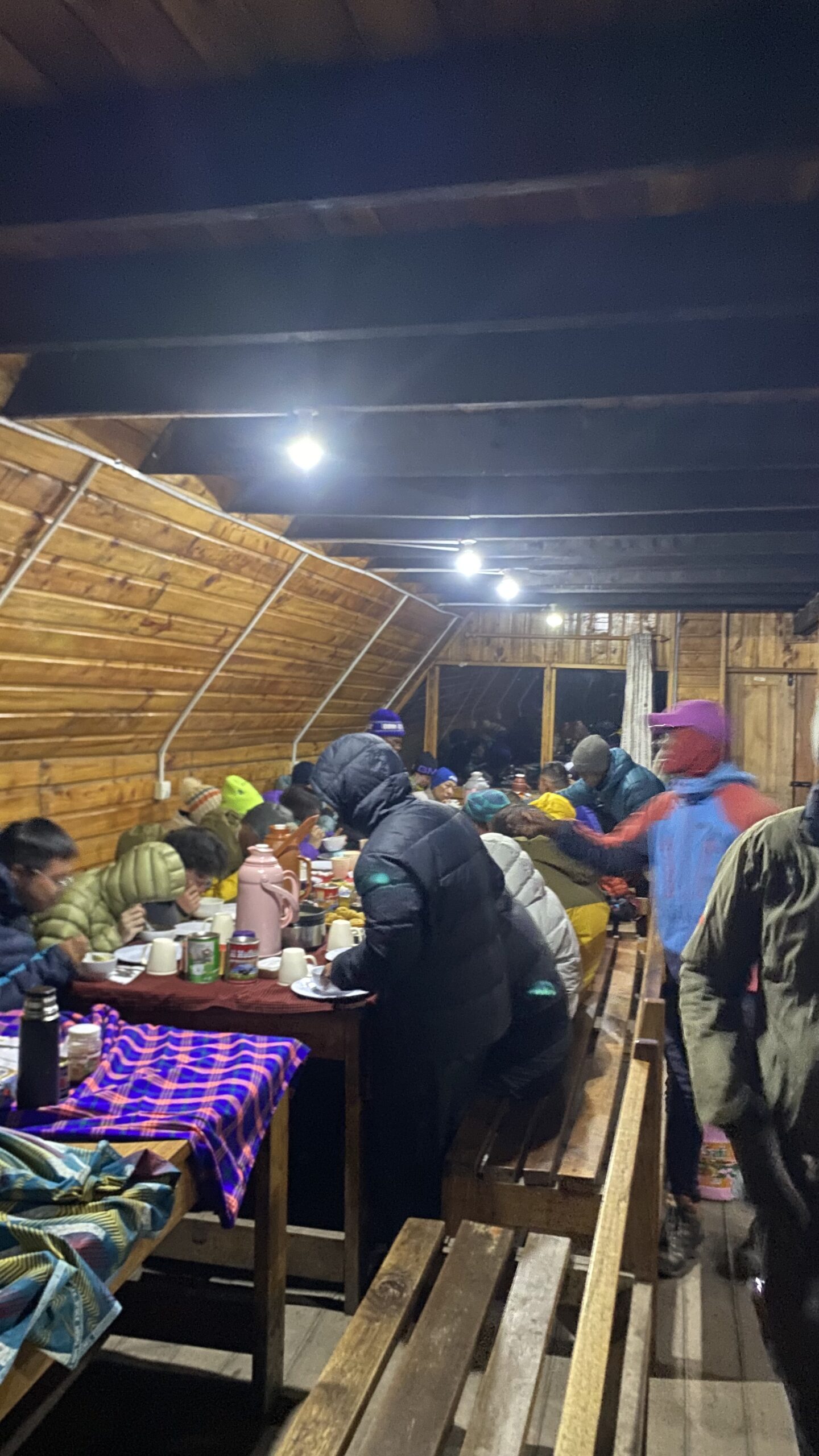
Kilimania’s mountain cooks prepare breakfast, lunch and dinner every day of a climb, cooked fresh at each camp. Meals vary by route and itinerary, but the pattern below is what most climbers on a standard Machame, Lemosho or Marangu itinerary can expect — along with what happens to appetite once altitude gets involved, and why garlic soup shows up the night before summit night.
Quick answer: Expect a hot breakfast, a packed or hot lunch, and a soup-plus-main-course dinner each day, prepared by our mountain kitchen team. Above roughly 4,000 metres, some climbers notice a smaller appetite or mild nausea. Eating small amounts regularly still matters, and any worsening symptoms should be reported to your guide right away.
What Does a Typical Day of Food Look Like?
Exact menus depend on route, season and what’s available in Moshi that week, but the structure below is consistent:
| Meal | Typical foods | Where |
|---|---|---|
| Breakfast | Porridge, eggs, toast, sometimes pancakes, tea/coffee/hot chocolate | Mess tent or dining hut |
| Lunch | Sandwich or chapati, boiled egg or chicken, fruit, biscuit — or a hot lunch on some itineraries | Trail (packed) or camp |
| Dinner | Soup, then rice, pasta or potatoes with a protein and vegetables, simple dessert | Mess tent or dining hut |
| Before summit push | Warm soup, tea, easy-to-eat carbohydrates — kept deliberately light | Final high camp |
Breakfast on Kilimanjaro
Breakfast is cooked fresh each morning and typically includes porridge, eggs prepared scrambled or fried, toast with margarine, jam or honey, and sometimes pancakes. Hot drinks — tea, instant coffee or hot chocolate — come alongside. Fresh fruit and a wider ingredient range are generally easier to arrange lower on the mountain; higher camps and longer itineraries lean more on foods that store and travel well over several days.
Lunch on the Mountain
On many days, lunch is a packed meal eaten on the trail: a sandwich or chapati, a boiled egg or piece of chicken, fruit, a small pastry or biscuit, and a juice box. On some itineraries — shorter hiking days or scheduled acclimatization stops — the crew sets up a hot lunch at the mess tent instead. Which one you get depends on the day’s hiking distance and the route.
Dinner on Kilimanjaro
Dinner is usually the most substantial meal: a soup starter (vegetable, chicken, or garlic soup on the night before a summit attempt), a main course of rice, pasta or potatoes with a protein and vegetables, and a simple dessert such as fruit or a warm pancake. Portions and richness are often scaled back higher up, since heavier food is harder to digest comfortably at altitude and appetite tends to be smaller anyway.
Does Kilimanjaro Food Change by Route?
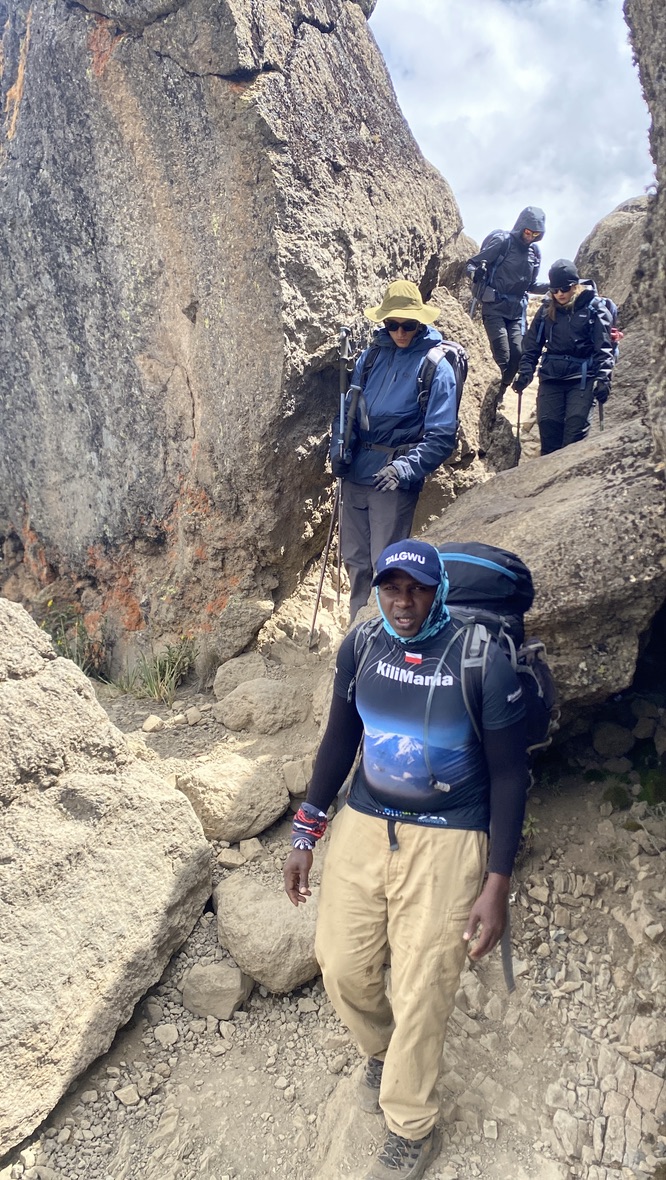
The basic structure — three meals a day, hot food where possible — stays the same everywhere on the mountain, but the setup differs. Marangu is the one route with permanent huts, so meals are served in a dining hall rather than a mess tent. Machame, Lemosho, Rongai and the Northern Circuit all use tented camps, with the mess tent pitched fresh each evening. Whether lunch is packed or hot depends more on the day’s hiking distance than the route itself, and on every route, the highest camps rely more on food that keeps well, simply because of what can be carried and stored over several days without spoiling.
Why Does Altitude Reduce Your Appetite?
“After more than two decades guiding on this mountain, I’ve learned the biggest meal isn’t always the right one. On summit night especially, climbers usually want warm soup, tea and small snacks — appetite is almost always lower than it was down in the forest.” — Sabinus Msimba
It’s common for climbers to notice a smaller appetite, mild nausea, or less interest in food at higher elevations. Reduced appetite and mild nausea can occur at altitude for some climbers — it isn’t universal, and it isn’t automatically a sign of a serious problem. Still, eating small amounts regularly matters, since a long hiking day takes more energy than a normal day at sea level. What’s more important than finishing a full plate is watching for signs that go beyond ordinary appetite loss: worsening nausea, vomiting, severe weakness, confusion, or breathing difficulty at rest are reasons to tell your guide immediately, not wait it out.
For a fuller picture of altitude illness and how it’s assessed, see the CDC Yellow Book chapter on high elevation travel and the Wilderness Medical Society. Our guide to climbing Kilimanjaro with medical conditions covers this in more depth. Acetazolamide (Diamox) is a medication used for altitude illness prevention and treatment in appropriate circumstances — any decision about using it belongs in a conversation with a qualified healthcare professional before you travel, not with a tour operator.
See how meals, camps and pacing differ across our climbs before you choose a route.
Compare Kilimanjaro RoutesGarlic Soup on Kilimanjaro: Tradition, Not Medicine
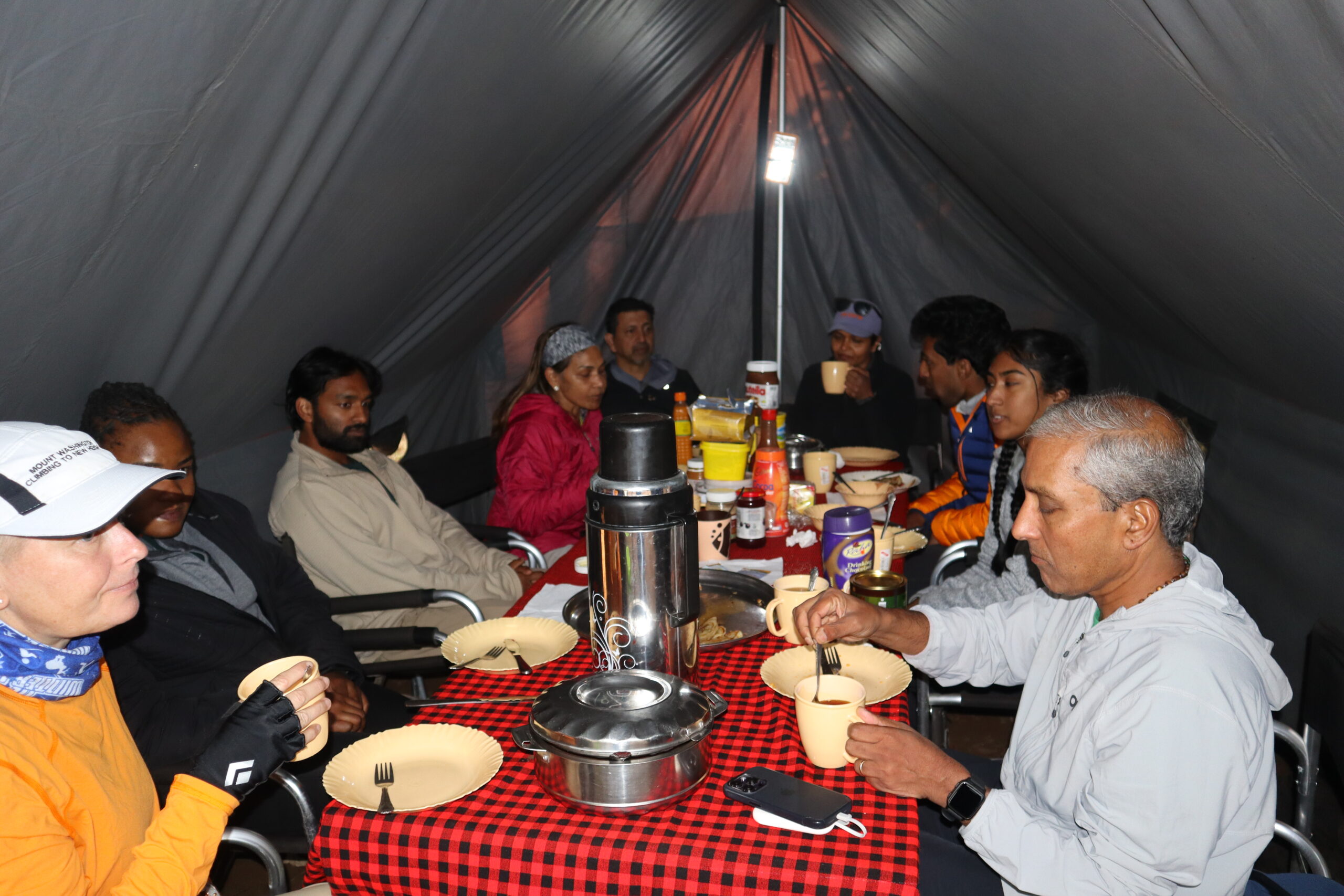
Garlic soup is a long-standing tradition among Tanzanian mountain crews, usually served the night before a summit attempt. It earns its place because it’s warm, hydrating, easy to digest and comforting before a long, cold night — not because of any proven effect on altitude physiology. There is no medical evidence that garlic soup prevents or treats acute mountain sickness, and it isn’t a substitute for proper acclimatization or medical advice.
Snacks Worth Packing
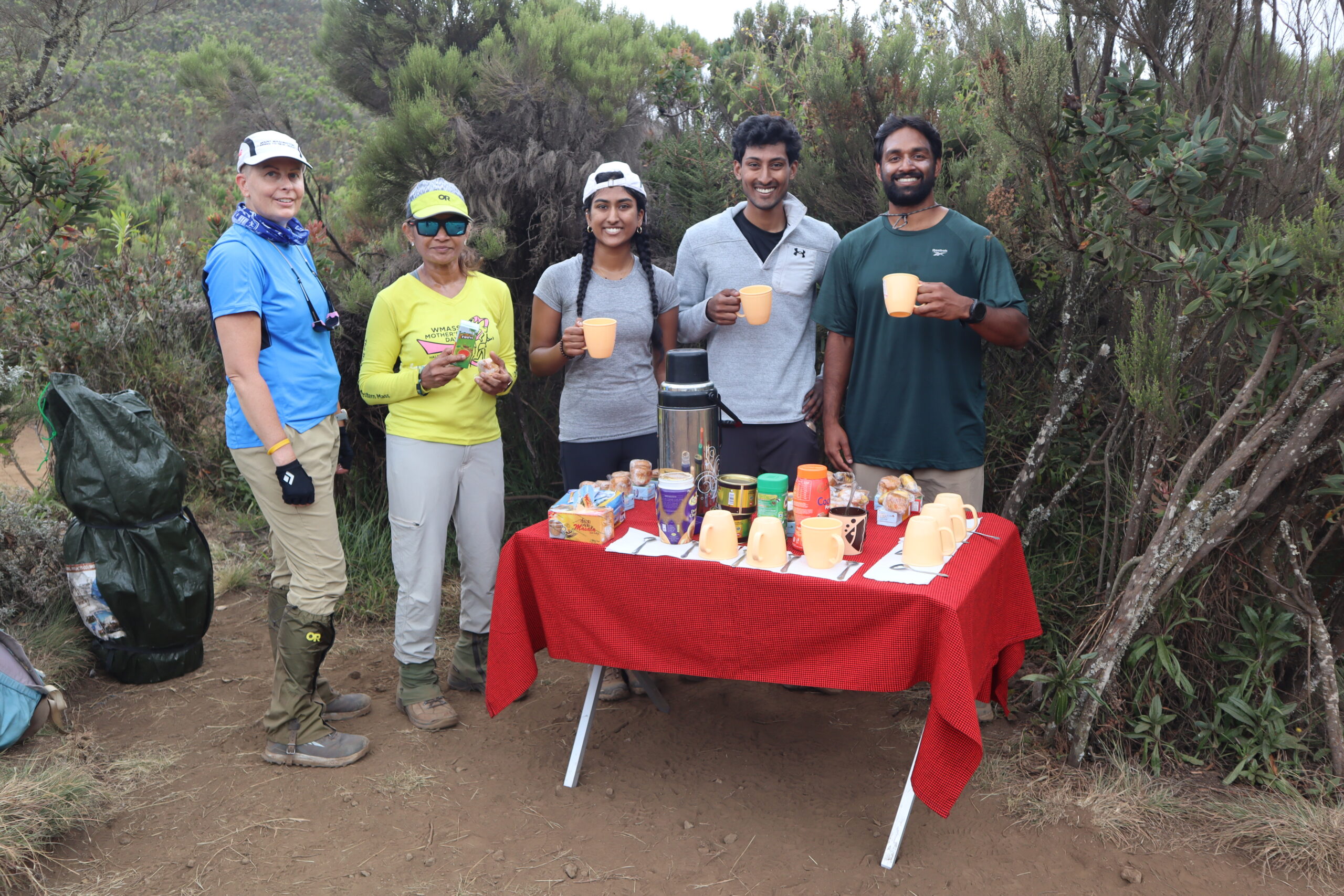
Bring snacks you already know you enjoy and can tolerate — that matters more than any particular brand. Useful options include boiled sweets, energy bars, dried fruit, nuts where appropriate, ginger candies, crackers, and an electrolyte powder for your water bottle. Chocolate can soften in warmer, lower sections of the trail, so pack it somewhere it won’t melt into your other gear. On cold, high-altitude stretches, keep a few snacks in an inner jacket pocket rather than your pack — much easier to reach without removing gloves.
What to Eat on Summit Night
Before setting off, we serve a lighter meal — usually warm soup, tea, and simple carbohydrates like biscuits or porridge. A heavy meal at that altitude, in the cold, in the middle of the night, is harder to digest and more likely to cause discomfort. During the ascent, small, easy-to-eat snacks work better than a full meal: sweets, a few bites of an energy bar, or crackers, alongside regular sips of water or an electrolyte drink. There’s no single food that guarantees comfort on summit night — the goal is simply to keep taking in small amounts of energy and fluid rather than going hours with nothing at all.
Vegetarian, Vegan and Gluten-Free Food
Our kitchen team can plan vegetarian, vegan and gluten-free meals when told in advance, ideally at booking, so there’s time to source the right ingredients in Moshi. Vegetarian meals typically substitute extra beans, lentils, eggs and vegetables for meat. Vegan meals remove dairy and eggs as well. We can plan gluten-free meals too, but because mountain kitchens use shared preparation areas and equipment, we cannot guarantee a completely gluten-free environment. Travelers with celiac disease should discuss their requirements with us before booking and consider bringing trusted packaged gluten-free snacks from home as backup, since local supply options are more limited than in a larger city.
Food Allergies and Special Dietary Requirements
A dietary preference and a serious food allergy or condition like celiac disease aren’t the same thing, and it’s worth being clear about which applies to you. We can prepare separate meals for common allergies such as nuts or dairy when told in advance, but because food is prepared in a mountain kitchen with shared equipment, we cannot promise a fully allergen-free environment. If you have a severe allergy, talk with us before booking so we can explain honestly what we can and cannot guarantee. If you carry a prescribed epinephrine auto-injector, bring your own and keep it accessible — don’t rely on any tour operator to supply one.
Drinking Water and Hydration
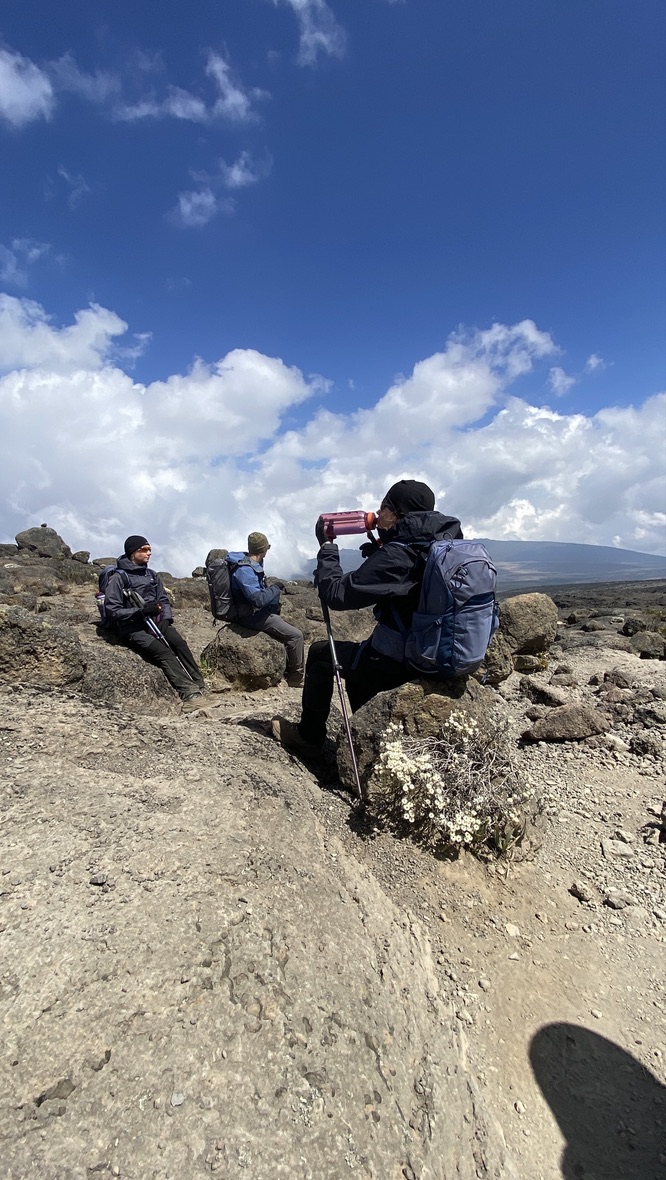
Mountain air is dry, and both hiking effort and heavier breathing at altitude increase how much fluid your body loses. Drink according to thirst and your guide’s advice, taking regular sips during exertion rather than waiting until you feel very thirsty — thirst can lag behind fluid loss at altitude. Individual needs vary by body size, pace and weather, so there’s no fixed daily target to aim for, and deliberately over-drinking large amounts of plain water can also be harmful. A rough, informal check some climbers use is urine colour — pale is generally a reasonable sign, though it isn’t a precise medical test. Our crew boils water sourced at camp; carrying a bottle plus a hydration bladder makes it easier to sip consistently. For what conditions feel like by month, see our Kilimanjaro weather guide.
What Kilimania Provides on Your Climb
Breakfast, lunch and dinner are included every day on the mountain, prepared by our cooking team using supplies sourced and carried from Moshi. Hot drinks are served at breakfast and dinner, and water is boiled and distributed at camp. What isn’t included is your personal snack stash — the specific foods you know you’ll want at 2am on summit night are worth packing yourself, along with anything tied to a medical condition.
Frequently Asked Questions
Do I need to bring my own food on Kilimanjaro?
Kilimania provides breakfast, lunch and dinner every day of the climb, prepared by our mountain cooking team. Personal snacks are still worth packing, particularly familiar foods you know you can eat if your appetite drops on summit night.
Can I request vegetarian, vegan, or gluten-free meals?
Yes, when told in advance. Our cooks can plan vegetarian, vegan and gluten-free meals, but because mountain kitchens use shared preparation areas and equipment, we cannot guarantee a completely allergen-free or gluten-free environment. Travelers with celiac disease or severe allergies should discuss their requirements with us before booking.
Does garlic soup help prevent altitude sickness?
No. There is no medical evidence that garlic soup prevents or treats altitude sickness. It is a Tanzanian mountain tradition served because it is warm, hydrating and easy to digest before summit night, not because it changes how your body handles altitude.
Why do I lose my appetite on Kilimanjaro?
Reduced appetite and mild nausea can occur at altitude for some climbers. Eating small amounts regularly still helps, but worsening nausea, vomiting, severe weakness, confusion or breathing difficulty should be reported to your guide immediately.
Does Kilimanjaro food change by route?
The basic meal structure is similar across routes, but dining setup differs: Marangu uses hut-based dining halls, while Machame, Lemosho and other routes use tented mess tents. Whether lunch is packed or served hot also depends on the day’s itinerary, and higher camps on any route rely more on food that stores well.
The Bottom Line
Food on Kilimanjaro is planned around what a climber can realistically manage at altitude, not what looks impressive on a menu. Eat small amounts consistently even when appetite drops, treat garlic soup as tradition rather than treatment, and flag any dietary need or medical condition before you book. For the full picture of what a climb involves day to day, see our Climbing Kilimanjaro Guide.
Questions about meals or dietary needs before you book?
WhatsApp Kilimania: +255 756 449 990We Walk With You.
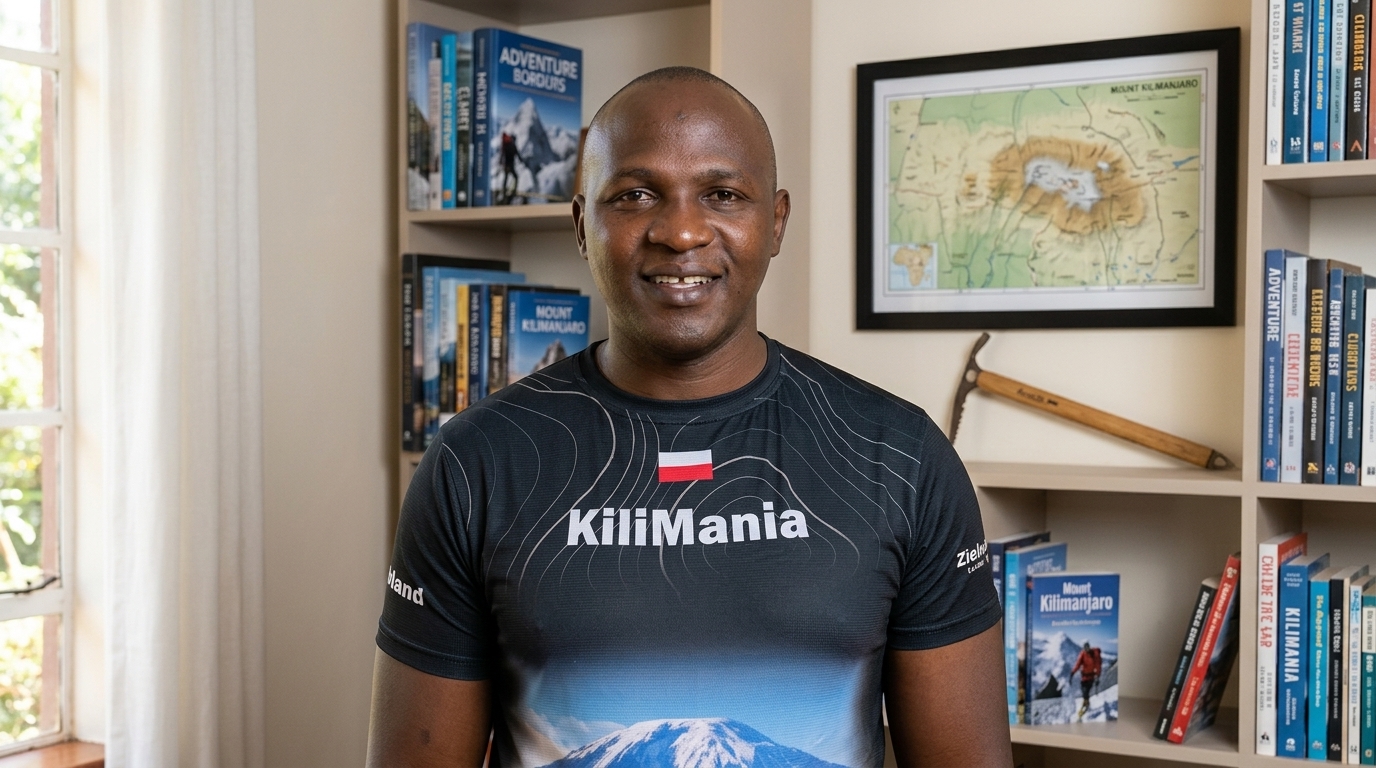
Sabinus Msimba
Senior Mountain Guide & Co-founder, Kilimania Adventure. 22+ years guiding on Kilimanjaro, 300+ personal Uhuru Peak summits, KINAPA-licensed.
Disclosure: Kilimania Adventure is a TATO-registered Kilimanjaro climbing and safari operator. This article reflects our own mountain kitchen practices and general information on nutrition at altitude. It is not a substitute for personalized medical advice — speak with a healthcare professional before high-altitude travel, particularly if you have an existing medical condition.