A one-day Tarangire National Park safari from Moshi costs $245–$350 per person in a small group, including the $59 TANAPA park entry fee, guide, vehicle, and lunch. The park sits 3.5–4 hours from Moshi and delivers the highest elephant density on Tanzania’s Northern Circuit in dry season (June–October). Walking safaris and night drives are available only to guests sleeping inside the park.
Key Stats
- $59 — Daily adult non-resident TANAPA park entry fee
- $245–$350 — One-day safari cost per person (small group, from Moshi)
- 3.5–4 hours — Drive time from Moshi to the northern gate
- 2,850 km² — Total park area
- 2,500+ — Resident elephants, highest density in dry season
- 550 — Bird species recorded inside the park
Tarangire is the Northern Circuit park with the highest elephant concentration in dry season — herds of 50+ are routine in July and August. Budget $245–$350 per person for a one-day safari from Moshi. A quote below $180 per person almost certainly excludes the $59 TANAPA gate fee, which the operator will then collect in cash at entry.
Table of Contents
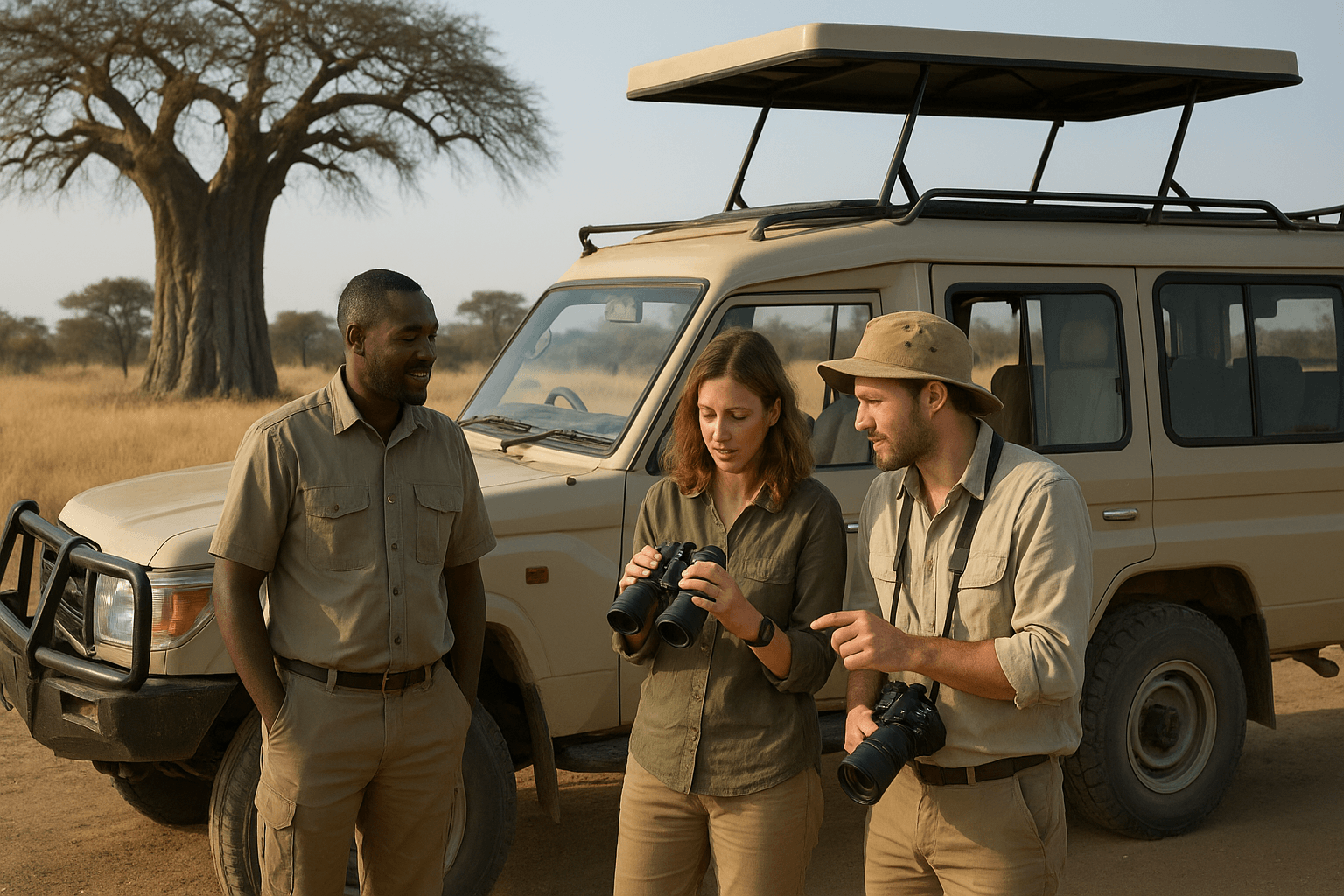
Where Exactly Is Tarangire — and How Long Does the Drive Take?
Tarangire National Park sits southwest of Arusha in northern Tanzania, covering 2,850 km². From Moshi, the drive to the northern gate takes 3.5–4 hours. From Arusha, it is 2–2.5 hours. The park’s spine is the Tarangire River, and the Silale Swamp forms a second water concentration zone in the south.
Real drive times to Tarangire’s northern gate:
Moshi
Kilimanjaro Airport (JRO)
Arusha
Lake Manyara Area
Most tour operators list “driving time” without accounting for fuel stops, Arusha traffic, or gate processing. I list real times below. They matter because the best game-drive light disappears before 10:00 AM.
If you depart Moshi at 5:30 AM, you reach the gate by 9:00–9:30 AM. If breakfast runs late and you leave at 7:00 AM, you lose the best light entirely. That three-hour window before 10:00 AM is when animals are active, light is painterly, and elephant herds are moving to water.
What Causes Tarangire’s Dry Season Elephant Concentration?
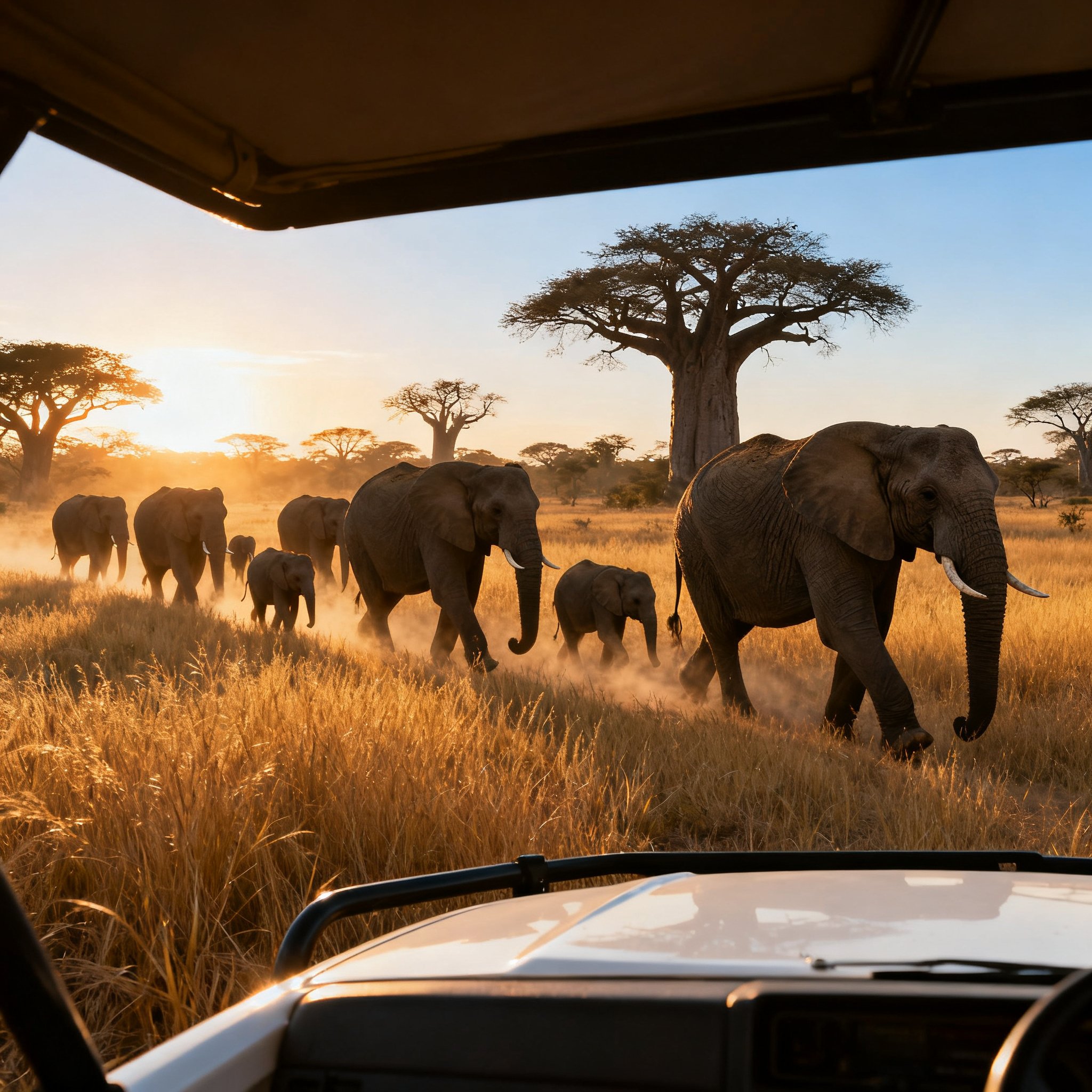
The Tarangire River is the only reliable water source for hundreds of square kilometres once the dry season sets in. From June through October, over 2,500 resident elephants — plus zebra, buffalo, and every major herbivore — concentrate in a ribbon along that river and the Silale Swamp. Herds of 50+ are common. Breeding herds and older bulls travel separately but on predictable routes.
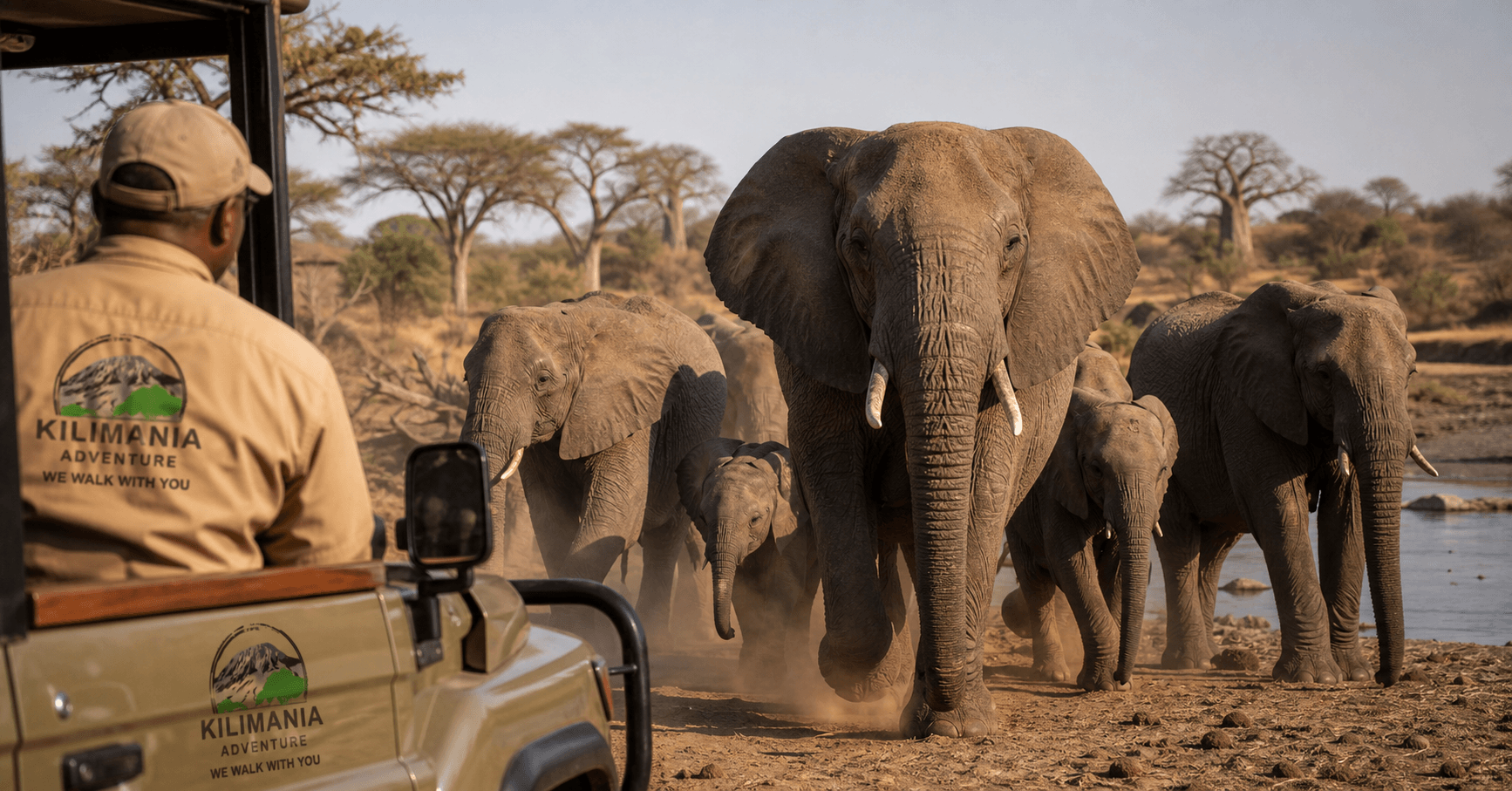
[IMAGE: Close-up of elephant matriarch leading breeding herd to the Tarangire River. Red dust in the foreground. Golden afternoon light on the herd’s flank. Real Kilimania game drive, August 2024. ALT: 2026 File: tarangire-elephant-matriarch-river-dry-season-2026.webp Dimensions: 1200×628px]
In the wet season, rainfall restores water sources across northern Tanzania. Animals disperse. Tarangire becomes one option among many. Wildlife density drops.
From June onward, the landscape dries. By August, the grassland is brown and the baobab trees carry their full sculptural weight. The Tarangire River and Silale Swamp draw every species within range.
I have counted three separate elephant herds within a single morning drive — a breeding group of eight, a mixed herd of forty, and a cluster of young bulls moving parallel to the river. On a strong July day, that is routine, not exceptional.
Seasonal visiting guide — what you actually get each month:
June–August (Peak Season)
September–October (Underrated)
March–May (Green Season)
What Wildlife Can You Realistically Expect to See in Tarangire?
September and October are underrated. Elephant numbers are still high, roads are drier than in August, and visitor numbers drop noticeably. October is one of the quietest months in the park. November is the most overlooked — animals are still visible, the landscape turns green, and you often have waterholes entirely to yourself.
Elephants (Loxodonta africana) dominate — herds of 50+ are common in the dry season. You will also see plains zebra (Equus quagga), giraffe (Giraffa camelopardalis), African buffalo (Syncerus caffer), and dry-country specialists, including lesser kudu (Tragelaphus imberbis) and gerenuk (Litocranius walleri) that no other Northern Circuit park delivers as reliably. Tarangire has no rhinos.
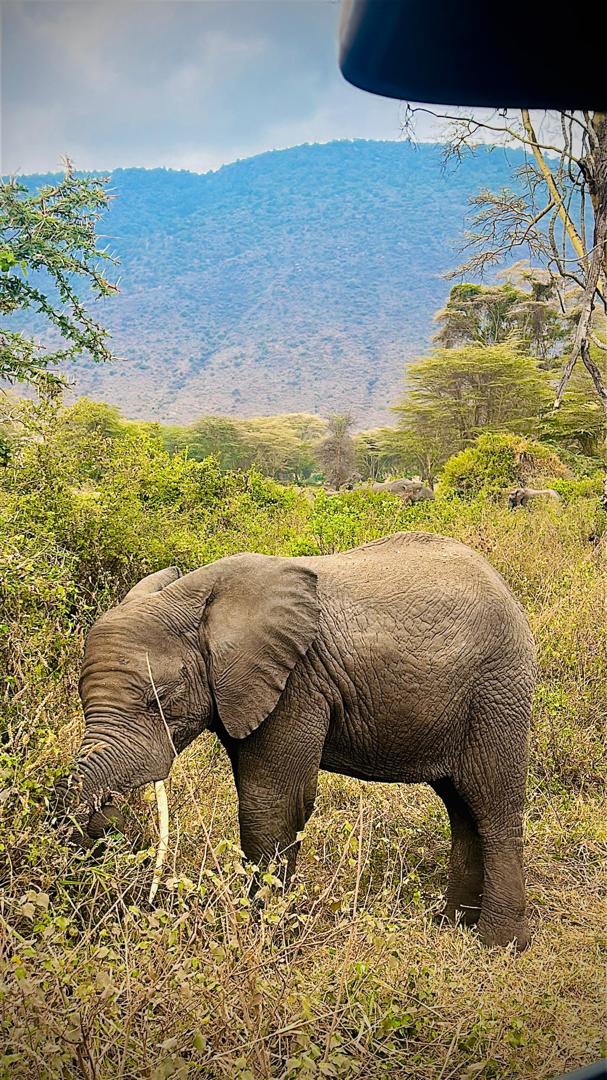
Herbivores you will see reliably:
- Giraffe, African buffalo in herds, plains zebra, wildebeest (resident, not migration-scale), impala (Aepyceros melampus), waterbuck, warthog, baboon, and vervet monkey.
Dry-country specialists — these surprise people:
- Lesser kudu — small, shy, beautifully striped. Fringe-eared oryx (Oryx beisa callotis) — drought-adapted. Gerenuk stands on its hind legs to reach acacia foliage. These animals belong to a dry landscape. They reward looking carefully.
Predators — Realistically Expect to See in Tarangire?
Lions (Panthera leo) are visible in dry months when tall grass cannot conceal them. Leopards (Panthera pardus) live in the park but are nocturnal and genuinely elusive — you may see one, you may not. Cheetahs are possible but uncommon. Spotted hyenas (Crocuta crocuta) are more active at night but visible year-round near waterholes.
Birdlife — exceptional for serious watchers:
Over 550 recorded species, including ground hornbills (Bucorvus leadbeateri), yellow-collared lovebirds, Ashy starlings, rollers, bee-eaters, and fish eagles. For birdwatchers, Tarangire regularly outperforms Serengeti for sighting quality. Bring binoculars — 8×42 or better.
One critical limitation: Tarangire has no rhinos. If black or white rhino sightings are a priority, add Ngorongoro Crater safari from Moshi to your itinerary. That is the honest trade-off.
Does One Day vs Two Days in Tarangire Actually Make a Difference?
One day delivers six solid hours of game driving and genuine elephant sightings — it is worthwhile. Two days with one night inside the park deliver 12–14 game-drive hours, plus walking safaris and night drives unavailable to day visitors. The second morning — waking already inside the park at 5:00 AM — changes the quality of every sighting that follows.
One-day safari from Moshi — realistic timeline:
You miss the 6:00–9:00 AM window — the softest light, the most active movement, the hour elephants and lions use before the heat arrives.
What changes with one night inside the park:
You wake at 5:00 AM, already there. No three-hour drive. You reach a waterhole as light appears. The second day, you have a rhythm — you recognize patterns, you understand where elephants are heading, you notice the small details a first day never shows: a bull’s tusk shape, a calf drinking beside its mother, the way a matriarch reads the wind before moving her herd.
Walking safaris and night drives — both unavailable to day visitors — become available. That single change transforms the sensory experience. Many travelers combine a short Tarangire safari with a Mount Kilimanjaro climbing itinerary because Tarangire is the most practical Northern Circuit park to access directly from Moshi.
One Day vs Two Days — direct comparison:
One-Day Tarangire Safari
Two-Day Safari (1 Night Inside)
If you want to explore multi-day combinations across the Northern Circuit, our 5-day Tarangire Manyara Ngorongoro safari and 4-day Tarangire Serengeti Ngorongoro safari show exactly how we structure the timing to maximize park hours at each stop.
Speak With a Tanzania Safari Expert on WhatsApp
Chat directly with the Kilimania Adventure team for real safari prices and the best itinerary for your dates and budget.
Are Walking Safaris and Night Drives Worth Adding to a Tarangire Safari?
Yes — but only guests sleeping inside the park can access them. Walking safaris cost $25–$40 per person (2–3 hours, early morning or late afternoon). Night drives cost $20–$30 per person (7:00–9:30 PM). Both must be pre-arranged with your accommodation. Most guests who do a walking safari say it becomes their clearest single memory of the trip — not because something dramatic happened, but because they felt inside the ecosystem for the first time.
Walking safaris:
You leave the vehicle. An armed ranger leads. You move single file through real bush — you smell elephant dung, read tracks in dust, see termite mounds taller than houses. At 20 metres on foot, an animal feels intimate in a way a vehicle sighting never does.
Minimum age: typically 12. Closed shoes required. The ranger controls all movement and approach decisions.
Night drives:
The guide spotlights for nocturnal species: civets, genets (Genetta genetta), bush babies, spring hares, serval cats (Leptailurus serval), and spotted hyena. Lions and leopards on the move at night are theoretically possible. In practice, they are rare. Do not book a night drive expecting cats.
What you actually get is a completely different sensory world. The sounds change. The landscape changes under the spotlight. You understand that the park you drove through at 2:00 PM is a different park at 8:30 PM.
Both activities together add $45–$70 per person to a two-night stay. For that price, the experience is worth evaluating seriously.
What Does a Tarangire Safari Actually Cost in 2026?
A one-day Tarangire safari from Moshi costs $245–$350 per person in a small group, including the $59 TANAPA park fee, guide, vehicle, fuel, and lunch. A quote below $180 per person almost certainly excludes the park fee — which the operator will then collect in cash at the gate. Park fees are published and fixed by TANAPA.
What is included in a standard quote:
- $59 TANAPA park entry fee (non-resident adult rate)
- 4×4 pop-top safari vehicle
- Driver-guide
- Fuel
- Picnic lunch
What is NOT included (always confirm these):
- Overnight accommodation (if staying inside the park)
- Walking safari supplement ($25–$40/person)
- Night drive supplement ($20–$30/person)
- Tips for guide and cook (industry standard: $15–$20/person/day for the guide, $10/day for the cook)
- Travel insurance
- Meals outside the safari itself
Safari tiers — what each price delivers:
Budget Safari
Mid-Range Safari
Luxury Safari
The budget tier is genuinely usable. Cold showers, foam mattresses at the campsite, shared vehicle. The guide’s experience and the vehicle’s quality are what matter most — not the accommodation tier. Our Tanzania safari packages 2026 show the full range with itemized costs.
For solo travelers, our monthly group departure calendar eliminates the solo supplement. See Tanzania safaris from Moshi for current departure dates.
How Does Tarangire Compare to Serengeti and Ngorongoro?
Tarangire delivers higher elephant density and walking safaris. Serengeti delivers scale, open plains, and the Great Migration in specific months. Ngorongoro Crater offers contained scenery, rhino sightings, and high predator density in a caldera. They are not alternatives — they are different experiences. From Moshi, Tarangire (3.5–4 hours) is more practical than Serengeti (7+ hours) for a one-day addition.
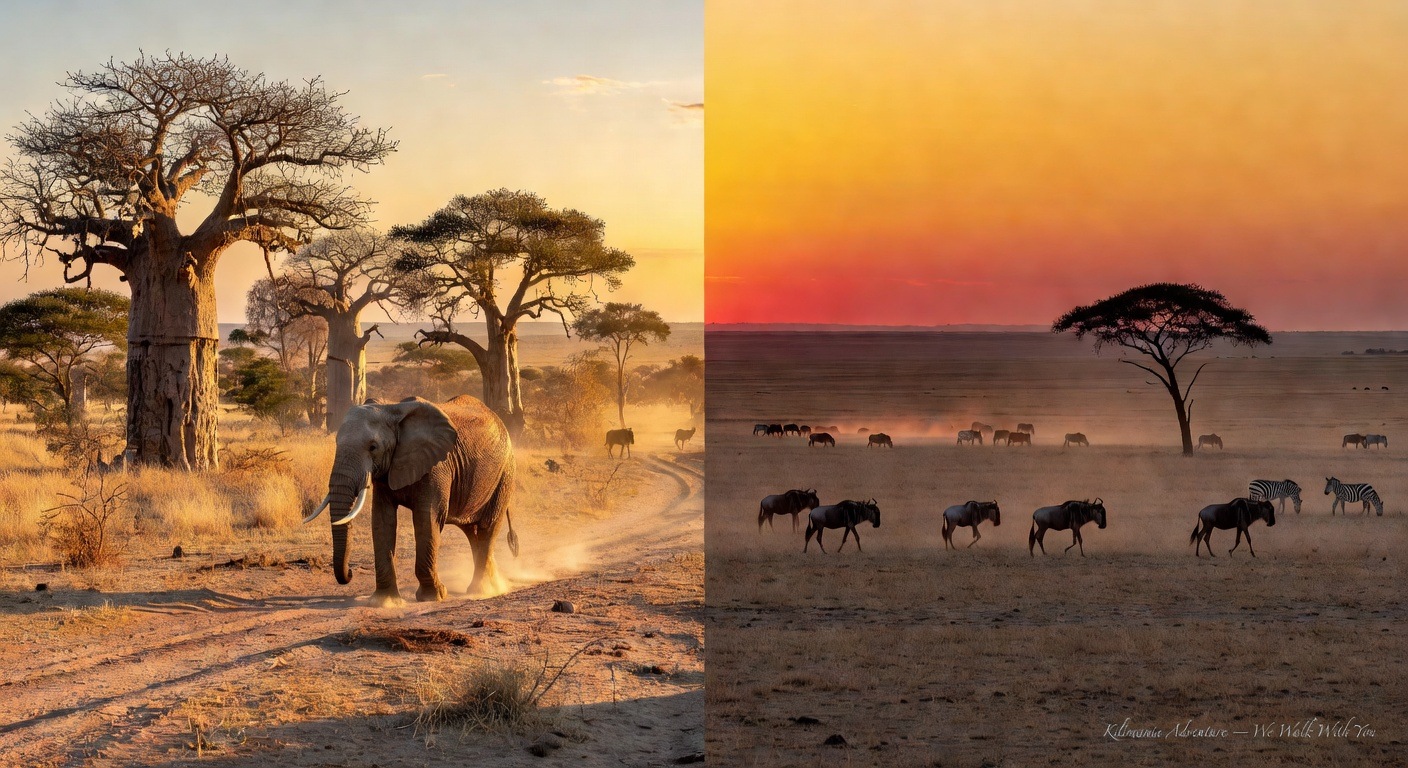
Tarangire vs Serengeti:
Tarangire: compact geography, exceptional elephant density, walking safaris, night drives, baobab character. Drive time from Moshi: 3.5–4 hours.
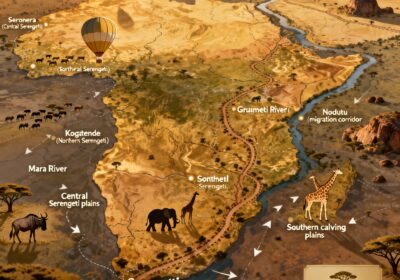
Serengeti: vast open plains at Seronera Valley, the Great Migration (seasonal, location-dependent), long predator-tracking sessions across Kogatende in the north and Ndutu plains in the south. Drive time from Moshi: 7+ hours.
The mistake most travelers make: booking one night in Serengeti, one night in Tarangire, and spending most of both days in a vehicle between parks. Serengeti needs at least two full days to feel worthwhile. Three is better. For real migration planning, read our Serengeti safari cost 2026 guide — migration timing and location vary by month, and getting it wrong means a very expensive drive to see not very much.
Tarangire vs Ngorongoro Crater:
Ngorongoro Crater (managed by the NCAA — Ngorongoro Conservation Area Authority) charges a $295 per-vehicle crater descent fee — this is separate from the $76.20 per-person conservation area entry fee, and the $295 is per vehicle, not per person. Many operators quote it incorrectly. An operator quoting “$75 per person” for crater descent has the calculation wrong by a factor of up to 4.
For the rhino, Ngorongoro gives you the Northern Circuit’s reliable sighting. For elephants and walking, Tarangire.
Our 3-day Tanzania safari Lake Manyara Ngorongoro, and Tarangire walking and night safari shows how we combine parks to avoid the “mostly driving” problem.
Tarangire vs Lake Manyara:
Lake Manyara is 2 hours from Moshi. Tarangire is 3.5–4 hours. They combine naturally on a two-day route.
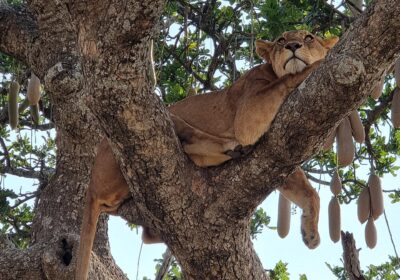
Lake Manyara delivers tree-climbing lions (Panthera leo), flamingos, groundwater forest, and the escarpment backdrop. A strong half-day visit covers it. Tarangire needs a full day to feel substantive. The Manyara (half-day) plus Tarangire (full day) sequence works well across 1.5–2 days. 2-day Tarangire and Ngorongoro safari shows this route in full.
Speak With a Tanzania Safari Expert on WhatsApp
Chat directly with the Kilimania Adventure team for real safari prices and the best itinerary for your dates and budget.
What Are the Most Common Mistakes Tarangire Visitors Make?
The biggest mistake is leaving Moshi after breakfast — you lose the 6:00–10:00 AM window when animals are active, and light is at its most usable. The second most common mistake is booking accommodation outside the park and then wanting walking safaris or night drives — both require sleeping inside the park.
Eight mistakes that reduce the quality of a Tarangire safari:
- Leaving Moshi after 6:00 AM. Depart by 5:00–5:30 AM. The gate opens at 6:30 AM for vehicle entry. The morning game-drive window closes by 10:00 AM. You cannot get those hours back.
- Expecting the Great Migration. Tarangire has resident wildlife movement — not the wildebeest and zebra migration. For migration, plan Serengeti separately.
- Booking outside the park and then wanting a night drive. Night drives require sleeping inside the park. If a lodge is outside the park boundary, it cannot arrange them legally. Confirm your accommodation location before booking.
- Trying to combine Tarangire and Ngorongoro in a single day. The drive between them is nearly two hours. Gate processing time at both ends makes this an exercise in transit, not safari. Give each park its own day.
- Not asking what the quote includes. Ask specifically: Is the $59 TANAPA park fee included? What meals? Is the vehicle private or shared? What is the cancellation policy? A cheap quote excluding park fees is not cheaper — it adds a cash demand at the gate.
- Underestimating wet season road conditions. March–May tracks become genuinely muddy. A proper 4×4 vehicle and an experienced driver are not optional in the wet season.
- Misjudging the second morning. If your budget allows two nights inside the park, use them. Most guests on their second morning say the same thing: they wish they had made this decision from the start.
- Not packing for morning cold. Even in the dry season, Tarangire mornings before sunrise reach 12–15°C. A light fleece or jacket is practical, not optional.
Is a Cheap Tarangire Safari Quote Real or a Scam?
A quote below $180 per person for a one-day Tarangire safari from Moshi is arithmetically impossible to fulfill legitimately. The $59 TANAPA park fee alone is fixed. Add vehicle fuel ($30), driver-guide ($30), and lunch ($10) — you reach $129 per person before any operator margin. A quote at $120–$150 either excludes the park fee or is designed to extract cash at the gate.
The five patterns of fraudulent safari quotes:
- Deposit theft. The operator takes a 30–50% deposit and does not appear on departure day.
- Park fee exclusion. Quote excludes park fees. Cash is demanded at the gate on arrival.
- Crater descent omission (if combining Ngorongoro). The $295 per-vehicle NCAA fee is missing from the quote and demanded at the rim.
- Bait and switch. Quote confirmed, then a “fuel surcharge” or “VAT revision” demanded after arrival in Tanzania.
- Unlicensed operation. Real vehicle, real departure, but no TATO registration, no guide license, no safety compliance.
How to verify before paying any deposit:
- Ask for the TATO registration number.
- Ask for an itemized quote listing the TANAPA park fee ($59) as a separate line item.
- Ask for the vehicle registration number and guide license number in writing.
- Confirm VAT treatment in writing — Tanzania VAT is 18%.
- Never pay more than a 30% deposit more than 60 days before departure.
- Request a gate receipt on the day — this confirms your operator paid the correct TANAPA-published fee.
Red flags in any Tanzania safari quote:
- Park fees are listed as “excluded” or “to be advised.”
- Ngorongoro Crater descent fee quoted per person rather than per vehicle ($295 per vehicle is the correct figure)
- VAT treatment not stated in writing
- Total price below $1,800 for two people on a 3-day Northern Circuit itinerary
- Full payment is required more than 60 days before departure
Testimonials from verified travelers:
“Priced the same 7-day safari through an Australian agent: $2,950. Emailed Kilimania directly: $2,100 for the same itinerary. The $850 we saved paid our Zanzibar flights.” — Laura and Mike, UK, November 2025 [Verified Google Reviews]
“I was nervous sharing a vehicle with strangers for 7 days. By day 4 we were finishing each other’s sentences about lion behavior. Fifteen years of solo travel — these are the best connections I’ve made.” — Priya S., Canada, January 2026 [Verified TripAdvisor]
Why Trust Kilimania Adventure for This Information?
- Base: Moshi, Kilimanjaro Region, Tanzania — physical office, not an online-only booking desk
- TATO registration: Registered member of the Tanzania Association of Tour Operators
- Safari experience: Kanti Kessy has run game drives on the Northern Circuit for 17 years
- Operational depth: Saimon Bashemera manages Northern Circuit operations from Moshi. Louis Salvatory handles group departure logistics. 200+ field days per year across Serengeti, Ngorongoro, Tarangire, and Lake Manyara
- Transparency: We publish honest limitations, real park fee data, and competitor comparisons because travelers who understand real costs book better safaris
- Contact our Moshi office: +255 756 449 990, 7 days per week
Safety and health information: Tarangire sits at approximately 1,100 metres — no altitude risk. Malaria prophylaxis is recommended for all travel to Tanzania. Consult a travel medicine clinic at least 6 weeks before departure. The park’s TANAPA-licensed guides carry first aid equipment. Vehicles are 4×4 and equipped for remote driving conditions.
Financial accuracy: All prices stated are May 2026 figures from Kilimania Adventure’s own operational costs and verified TANAPA fee schedules. Any figure that changes before the next review will be flagged in the Data Verification Notice above.
FAQ: Tarangire National Park Safari 2026
How much does a one-day Tarangire National Park safari cost in 2026?
Is one day enough in Tarangire?
Are park fees included in Tarangire safari packages?
What is the cheapest month for a Tarangire safari?
Can I do walking safaris and night drives in Tarangire?
What animals will I see on a Tarangire safari?
How does Tarangire compare to Serengeti for a first-time Tanzania safari?
Conclusion
From our base in Moshi, Kilimanjaro Region, Kilimania Adventure runs daily safaris to Tarangire National Park, Serengeti National Park, Ngorongoro Crater, and Lake Manyara National Park, with pickups from Kilimanjaro International Airport (JRO) and Arusha Airport (ARK). A one-day Tarangire safari costs $245–$350 per person — the $59 TANAPA park fee is fixed and non-negotiable, so any quote below $180 warrants an itemized breakdown before you pay. If your schedule allows two days inside the park, the second morning is qualitatively different from the first — that is not marketing language; it is what 200+ field days in this park have shown. Plan your Tarangire visit using our 7 days Tanzania safari Northern Circuit Big Five or our 4-day Northern Circuit safari as a starting framework.
We Walk With You.
Speak With a Tanzania Safari Expert on WhatsApp
Chat directly with the Kilimania Adventure team for real safari prices and the best Serengeti itinerary for your dates and budget.
Verify our TATO registration: Official park fees: tanzaniaparks.go.tz NCAA crater fees and regulations: ncaa.go.tz Tanzania e-visa portal: immigration.go.tz
For International Travelers
All prices are in USD. Current conversions: $1,800 ≈ £1,400 | €1,680 | AU$2,700.
Flights to Kilimanjaro International Airport (JRO):
- New York or Los Angeles: $800–$1,400 return
- London: £550–£900 return
- Sydney: AU$1,400–AU$2,200 return
Tanzania e-visa: $50 (most nationalities) | $100 (US citizens). Apply to immigration.go.tz at least 7 days before departure. Use Visa or Mastercard. Use Chrome or Firefox.
Yellow fever certificate: Required only if arriving from an endemic country — not required for direct flights from the USA, UK, EU, or Australia.
Pre-safari accommodation in Moshi: $35–$80 per night at budget guesthouses. Book one night before and one night after your safari.
Response times: Kilimania Adventure operates on East Africa Time (EAT, UTC+3) from Moshi, Tanzania. Messages sent after 6:00 PM EAT receive responses the following morning. All quote requests receive a reply within 12 hours, 7 days per week.
Disclosure: This article is written by Kilimania Adventure, a TATO-registered safari and Kilimanjaro operator based in Moshi, Tanzania. We have a direct interest in Tanzania safari and Kilimanjaro bookings. All prices reflect real 2026 costs from our own operations. We encourage you to compare our quotes with at least two other TATO-registered operators before booking.
Written by: Sabinus Msimba, Senior Safari Guide and Co-founder, Kilimania Adventure. 22 years guiding Northern Circuit safaris from Moshi. 300+ Kilimanjaro summits. KINAPA-licensed mountain guide.
Last reviewed: May 2026. Updated each November following TANAPA’s annual tariff announcement. Fee changes are applied within 72 hours of official publication.
Data verification notice: Park fees and activity rules set by TANAPA are subject to change without advance notice. All figures reflect May 2026 published rates. Verify current fees at tanzaniaparks.go.tz before booking. Request a gate receipt during your safari to confirm your operator paid the correct published amount.
We Walk With You.