Do Men or Women Handle High Altitude Better? A Guide’s 22-Year Field Observation
⚡ Quick Answer Men vs Women at High Altitude
Research on sex differences in acute mountain sickness and field experience point in slightly different directions — and understanding why tells you something important about gender and altitude sickness. The largest single meta-analysis (Hou et al., 2019; 18 studies; 7,669 participants) found women have a modestly higher statistical prevalence of AMS (relative risk 1.24). Yet UIAA Medical Commission reviews conclude the broader literature remains mixed and does not support sex as a reliable clinical predictor. On the mountain over 22 years, I more often see male clients struggling visibly or reporting symptoms late — most likely because men under-report, not because of superior female physiology. Individual variation is large; no gender is reliably “better” at altitude.
Key Takeaways
- Research: Hou et al. 2019 meta-analysis found women have RR 1.24 higher AMS prevalence — but heterogeneity is high and UIAA reviews call the overall evidence inconclusive.
- Field pattern: Male clients more often delay symptom disclosure, which makes their AMS look more severe by the time it’s reported.
- No causal mechanism confirmed: No study has established a proven biological cause for sex differences in AMS after controlling for age, BMI, smoking, and prior acclimatisation.
- What matters most: Early reporting, guide-set pace, hydration, and route length — not gender — determine summit safety.
- Best prevention: An 8-day-or-longer route with built-in acclimatisation (e.g., Lemosho or Northern Circuit) benefits every climber regardless of sex.
What Is Acute Mountain Sickness (AMS)?
Acute mountain sickness is the most common high-altitude illness encountered on Kilimanjaro and in high-altitude environments worldwide. It typically develops above 2,500–3,000 metres when the body has not yet adapted to the significantly lower partial pressure of oxygen in the air. At Uhuru Peak — Kilimanjaro’s summit at 5,895 m — there is roughly 47% of the oxygen available at sea level. The body works hard to compensate, but for many climbers that compensation is incomplete, especially when ascent is too rapid. This is one of the core Kilimanjaro AMS risk factors every climber should understand before booking a route.
Core AMS symptoms are a headache in the context of a recent altitude gain, plus one or more of: nausea or vomiting, profound fatigue or weakness, dizziness or lightheadedness, and difficulty sleeping. In more severe cases — particularly High Altitude Cerebral Edema (HACE) — symptoms progress to confusion, loss of coordination, and altered consciousness. This is a medical emergency requiring immediate descent.
The Lake Louise Scoring System
Guides and wilderness physicians use the Lake Louise Scoring System (LLSS) to grade AMS severity. The LLSS assigns points across four symptom domains:
| Symptom Domain | Score Range | Practical Guide Notes |
|---|---|---|
| Headache | 0–3 | 0 = none; 1 = mild; 2 = moderate; 3 = severe/incapacitating |
| Gastrointestinal symptoms (nausea/vomiting) | 0–3 | Loss of appetite is often the first sign I watch for at Lava Tower |
| Fatigue or weakness | 0–3 | Distinct from normal hiking tiredness — rest does not relieve it |
| Dizziness or lightheadedness | 0–3 | Should not be confused with normal exertion breathlessness |
A total score of 3–5 indicates mild AMS — rest at current altitude and careful monitoring. A score of 6 or above indicates moderate-to-severe AMS — descent is required. Any neurological signs (confusion, ataxia) indicate possible HACE — descend immediately regardless of score. Our guide on climbing Kilimanjaro with medical conditions covers when pre-existing conditions change this calculus.
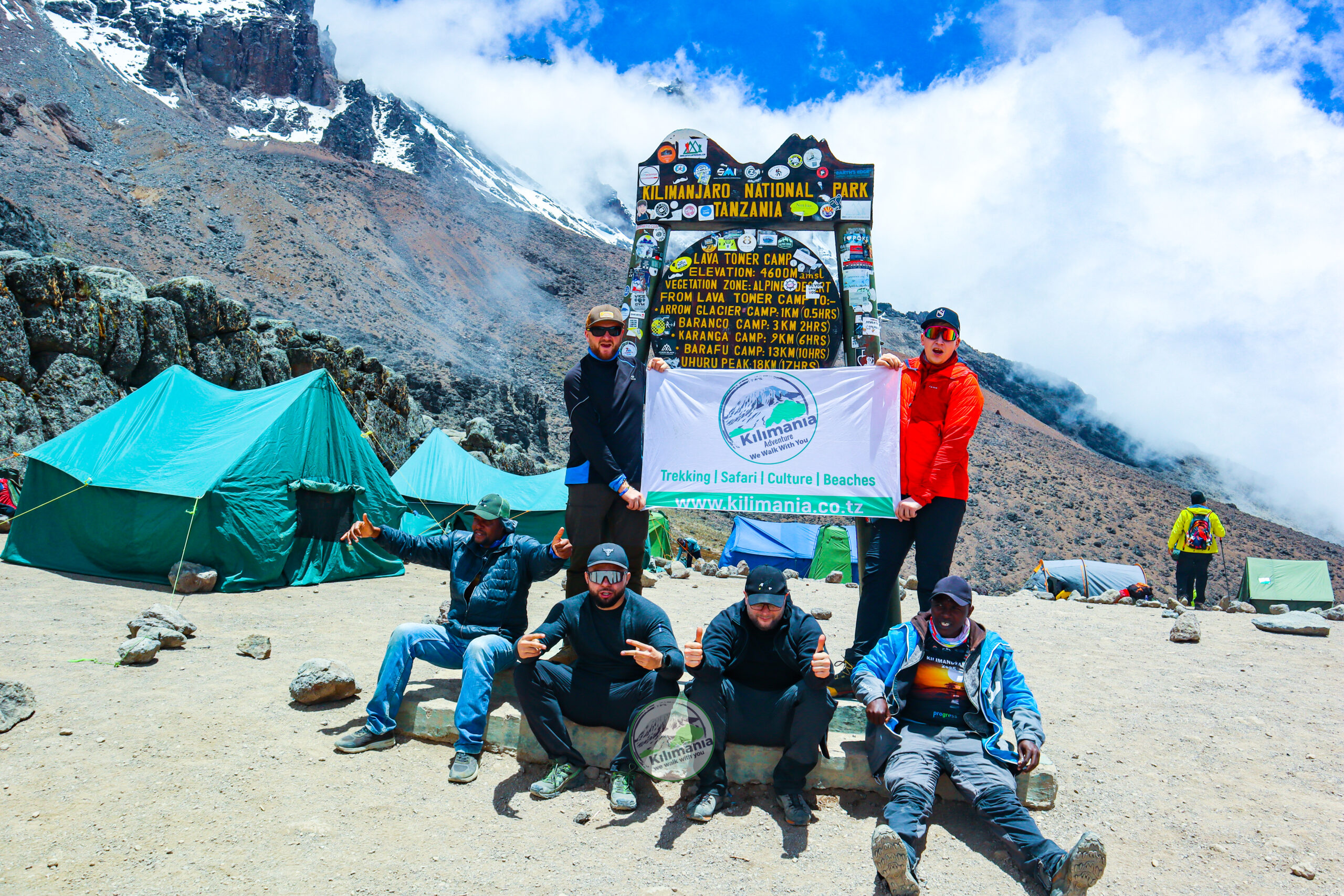
On Kilimanjaro, altitude sickness risk increases sharply above Lava Tower Camp (4,630 m), through Barafu Camp (4,673 m), and most critically during summit night when climbers push from 4,673 m to 5,895 m in darkness. Understanding the Lake Louise criteria is not just for doctors — it is essential knowledge for every climber and their guide.
What Peer-Reviewed Research Actually Shows About Gender and Altitude Sickness
The question of whether sex-based differences in hypoxia tolerance exist has been studied for decades. The answer from the literature is — frustratingly — “it’s complicated.” Here is what the best available evidence actually shows.
The 2019 Meta-Analysis: The Strongest Single Study
The most statistically powerful study on AMS gender differences is a 2019 meta-analysis by Hou and colleagues, published in Military Medical Research. It pooled data from 18 prospective studies involving 7,669 participants (2,639 women and 5,030 men) across a range of altitudes and ascent profiles.
Key finding: Women had a statistically higher prevalence of AMS — relative risk 1.24 (95% confidence interval 1.09–1.41). Put in plain language: across these studies, women were roughly 24% more likely to meet the diagnostic threshold for AMS than men in the same conditions.
However, the authors themselves caution that heterogeneity across the included studies was significant. Different altitude thresholds, different ascent rates, different proportions of acetazolamide users, and different diagnostic criteria make direct comparison imperfect. Importantly, no study has established a causal biological mechanism for sex differences in AMS after controlling for confounders like age, BMI, smoking history, and prior acclimatisation — the association is real in aggregate data, but the “why” remains unresolved.
Earlier Research: Mixed and Contradictory
| Study / Authors | Year | Sample | Key Finding on Gender | Notes |
|---|---|---|---|---|
| Honigman et al. Ann. Internal Medicine |
1993 | n = 3,158 Colorado resort |
Women reported AMS symptoms more frequently than men | Self-reported; moderate altitude (1,920–2,950 m) |
| Richalet et al. Med. & Sci. Sports & Exercise |
2012 | n = 1,556 | No significant sex difference after controlling for fitness and body composition | Highlighted individual ventilatory response over sex alone |
| Wagner et al. J. Applied Physiology |
2000 | Laboratory hypoxia study | Menstrual cycle phase influenced ventilatory response; progesterone mildly protective | Suggests hormonal variability within women may matter more than sex as binary |
| Hou Y et al. (meta-analysis) | 2019 | n = 7,669 18 studies |
Women: higher AMS prevalence (RR 1.24, 95% CI 1.09–1.41) | Largest dataset available; significant heterogeneity noted |
| UIAA Medical Commission Scoping Reviews |
2020–2024 | Literature review | “Current evidence does not support a significant sex difference in AMS as a reliable clinical rule” | Heterogeneity too high; individual variation dominates |
The current StatPearls entry on Acute Mountain Sickness (2025) reflects this mixed picture, concluding that sex is one of many variables and individual physiological response remains the dominant predictor. The Wilderness Medical Society guidelines similarly do not recommend gender-specific management protocols.
Evidence Snapshot: Research vs. Field Observation
Best meta-analysis
Women: higher AMS prevalence (RR 1.24). Based on 18 studies, 7,669 participants. Significant heterogeneity.
Broader literature
Mixed and inconclusive. Multiple large studies find no significant sex difference after controlling for confounders.
Guide experience (22 yrs)
Male clients more visibly struggle or report late. Pattern consistent across hundreds of mixed-gender groups.
Under-reporting + behaviour
Men delay disclosure. Research captures diagnosed AMS; guides see daily symptom expression and reporting lag.
What this means for you
Slow ascent, early symptom reporting, and guide-set pace protect all climbers equally regardless of sex.
What I’ve Observed Over 22 Years of Guiding: Field Notes from the Mountain
In my decades on this mountain I have guided more than 300 summit attempts across every major route. I want to be precise about something before I share what I have seen: my observations are field notes, not clinical trials. I do not have a control group. I may be subject to confirmation bias. I say this because honesty matters more to me than telling a clean story.
Here is the pattern I have watched build slowly, consistently, over hundreds of mixed-gender climbs: when a group crosses above 4,000 metres and symptoms begin, it is more often the male climbers who push through without saying anything, and more often the female climbers who report early and accurately.
Case 1: The Marathon Runner and the Weekend Hiker
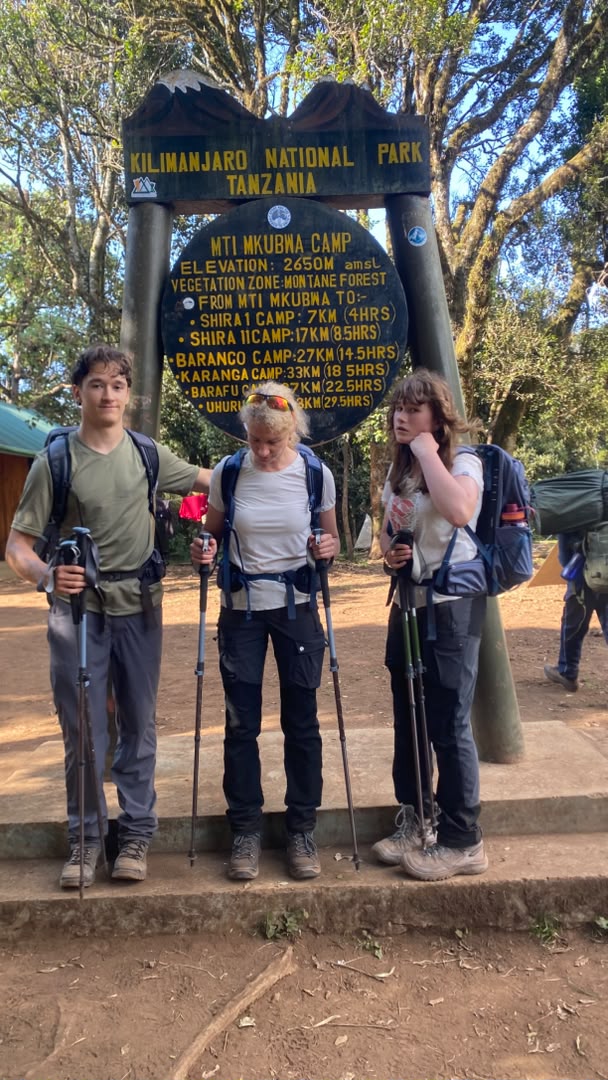
A 45-year-old male marathon runner and a 52-year-old female recreational hiker on the same 8-day Lemosho Route. At Lava Tower (4,630 m) on Day 4, the woman reported a mild headache (Lake Louise score: 1) immediately at lunch. We slowed pace, increased water intake, and she summited on Day 8. The man said nothing at Lava Tower. By Barafu Camp (4,673 m) on Day 6, he disclosed a splitting headache he had carried for 36 hours and complete appetite loss — Lake Louise score 5. We descended him. He did not summit.
Case 2: The Corporate Team (Eight Climbers, Mixed Gender)
A team-building group of eight: five men and three women, aged 30–42. Over six days on the Machame Route, the first four headache disclosures all came from female climbers — promptly. Of the five male climbers, three admitted at the summit push (5,200 m) that they had been experiencing headaches since Arrow Glacier (4,872 m) and said nothing. All three turned back.
Case 3: The Family on the Lemosho Route
A mother (51), her son (24), and her daughter (28) on an 8-day Lemosho Route. The son was the fittest by every visible measure yet struggled noticeably more above 4,000 m, dismissing a significant headache at Karanga Camp as “just dehydration.” His sister disclosed a mild headache two days earlier, was paced carefully, recovered fully, and summited confidently. The son summited too, but it was significantly harder than it needed to be.
I am not presenting these cases, or the internal log summary above, as proof of anything about biology. What they illustrate is a behavioural pattern with practical consequences on the mountain, regardless of its cause.
Get a Pacing Plan Built Around Your Specific Group
Every group is different. Tell us who is climbing — ages, fitness levels, any health considerations — and I will help you plan the safest possible approach, route by route and day by day.
💬 Get Your Personalised Pacing Plan – Free 15-Min Consultation ✉ info@kilimania.co.tzBeyond Biology: Three Alternative Explanations for the Field Pattern
1. Reporting Bias: The “Toughing It Out” Problem
Some climbers — in my experience, disproportionately male — are socially conditioned to minimise symptoms, avoid appearing weak, or refrain from slowing the group. AMS symptoms disclosed early are manageable; the same symptoms hidden for 12–24 hours can escalate into a situation requiring emergency descent. I now conduct individual, private symptom checks with every climber above 4,000 m, rather than group check-ins where social dynamics suppress disclosure.
2. Muscle Mass and Resting Oxygen Demand
On average, male climbers carry significantly more skeletal muscle mass than female climbers of similar body weight. Muscle tissue at rest demands oxygen, and at altitude — where oxygen partial pressure is already reduced — higher resting oxygen demand can compound acclimatisation stress. Cardiovascular fitness appears more protective than muscular size when it comes to altitude-induced hypoxia and AMS risk.
3. Hydration Discipline
Over hundreds of expeditions, I have observed a consistent difference in hydration discipline: female climbers more often follow hydration guidelines consistently throughout the day. Dehydration at altitude worsens AMS symptoms and accelerates their onset. Drink three to four litres of water daily above 3,000 m, whether or not you feel thirsty — thirst at altitude is a lagging indicator.
The Hormonal Factor — What Science Doesn’t Yet Know
Progesterone, which rises in the luteal phase of the menstrual cycle, is a respiratory stimulant — it increases ventilation at rest. Some laboratory studies, including Wagner et al. (2000), showed women in the luteal phase had modestly better ventilatory responses under hypoxic conditions. Estrogen has also been proposed to have neuroprotective properties relevant to HACE.
However, effect sizes are small, intra-individual variation is large, and the altitude medicine community has not translated this into clinical recommendations. The UIAA Medical Commission does not recommend timing a climb around menstrual cycle phase, and neither do I. This is exactly why fixed gender rules are unhelpful and why individual assessment matters.
Why the Guide Observation and the Research Can Both Be True
Research measures diagnosed AMS — a Lake Louise score above threshold, assessed in a structured study protocol. Guides see the daily expression of symptoms and the lag between onset and disclosure. A male climber who has hidden a Lake Louise 3 headache for 18 hours and finally discloses it at score 6 looks like he is struggling far more than a woman who reported at score 2 the previous afternoon and recovered — even though research would count both as AMS.
Both observations can be accurate simultaneously. The better questions are: who reports early, who paces well, and who trusts their guide? Those are the variables that determine summit outcomes.
📥 Free Download: Kilimanjaro Altitude Symptom & AMS Checklist
Used by Senior Guide Sabinus Msimba and the Kilimania Adventure team to monitor every climber throughout every expedition.
- Normal acclimatisation symptoms above 3,000 m — what to expect
- AMS warning signs and Lake Louise scores
- HACE and HAPE emergency symptoms and descent thresholds
- Daily health monitoring form (SpO₂, pulse, hydration, appetite)
- Guide reporting and self-assessment checklist
Prepared by: Sabinus Msimba, Senior Mountain Guide, Kilimania Adventure. For educational purposes only — not a substitute for professional medical advice.
Practical Advice for Every Climber, Regardless of Gender
Report Every Symptom Early
A headache at Lake Louise 1 reported immediately is manageable. The same headache hidden until it reaches Lake Louise 5 may end your climb. I conduct individual private check-ins with every climber above 4,000 m precisely because group dynamics suppress honest disclosure.
Do Not Rely on Fitness
Aerobic fitness does not protect you from acute mountain sickness — one of the most important facts to internalise when asking does fitness prevent altitude sickness. Kilimanjaro altitude sickness risk factors are dominated by ascent rate and individual physiological sensitivity, not VO2 max.
Pace to the Most Vulnerable Member
In any group, pace should be set by the person having the hardest day — not the fittest, not the most eager. A guide-led pace is not a compromise; it is a strategy.
Know the Descent Thresholds
Descend without debate if you experience confusion, severe shortness of breath at rest, inability to walk in a straight line (ataxia), a severe headache unresponsive to rest and hydration, or any rapidly worsening symptom. These are non-negotiable descent criteria.
Discuss Acetazolamide (Diamox) With Your Doctor
Acetazolamide (Diamox) can meaningfully reduce AMS risk. The standard prophylactic dose is 125–250 mg twice daily, starting 24–48 hours before major ascent. It has contraindications (sulfa drug allergy; kidney conditions) and side effects (increased urination; tingling in fingers and toes). Our guide on climbing Kilimanjaro with medical conditions covers questions worth asking your doctor before you fly.
Prevention Strategies That Work for Everyone
Choose a Route With Sufficient Days
A 5-day route has a dramatically lower summit success rate than an 8-day route — not because of distance, but because of acclimatisation time. See our full Kilimanjaro Routes comparison.
Climb High, Sleep Low
The Lemosho and Machame routes include a built-in acclimatisation day at Lava Tower (4,630 m) followed by a descent to Barranco Camp (3,960 m) — a principle proven to improve physiological adaptation.
Stay Hydrated and Maintain Nutrition
Three to four litres of water daily above 3,000 m. Eat at every meal even if appetite has dropped, especially carbohydrates.
Avoid Alcohol and Sleeping Tablets
Both suppress breathing during sleep, worsening overnight oxygen desaturation — already impaired at altitude.
Train Appropriately Beforehand
Fitness doesn’t prevent AMS, but it reduces general fatigue that can mask symptoms. Our 12-week Kilimanjaro training guide is the most practical preparation resource we have produced.
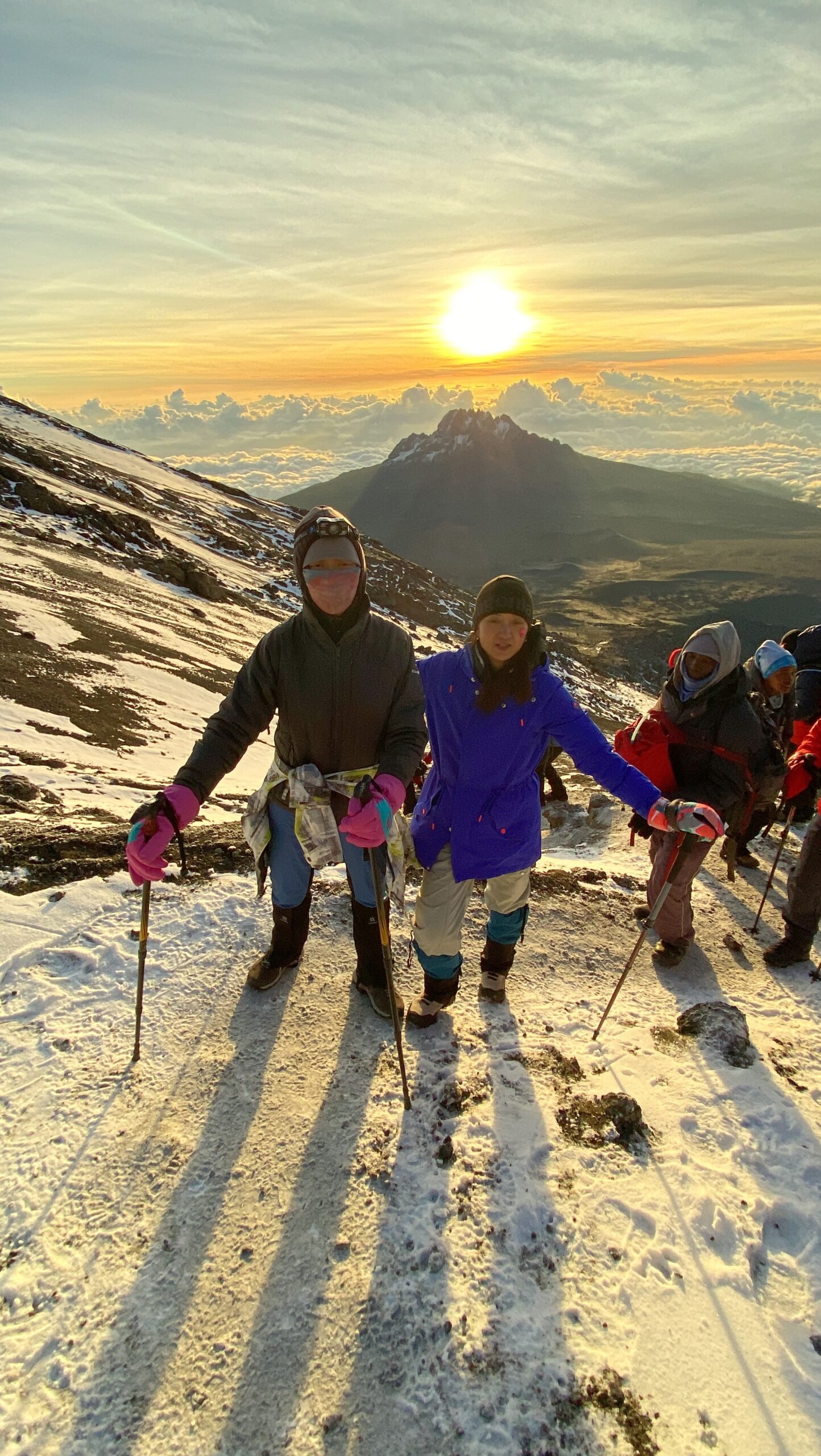
Choose the Right Route for Your Group
Best acclimatisation. Recommended for most groups.
Maximum acclimatisation. Best for older climbers or prior AMS.
Popular and scenic. Good acclimatisation for fit climbers.
Strong acclimatisation with slightly fewer days.
See our full Kilimanjaro Routes 2026 comparison.
📥 Free Download: Kilimanjaro 12-Week Training Calendar
The same week-by-week training plan used by Kilimania Adventure guides in the field.
- 12-week hiking and endurance plan
- Pack weight progression schedule
- Back-to-back training days and peak/taper strategy
- Route recommendations based on fitness level
Frequently Asked Questions About Gender and Altitude Sickness
Do men or women handle altitude better?
The largest peer-reviewed meta-analysis (Hou et al., 2019; n=7,669) found women have a modestly higher statistical prevalence of acute mountain sickness (RR 1.24). However, field guides frequently observe male climbers showing more visible distress, largely because men more often delay reporting symptoms. Neither gender is reliably “better” at altitude.
What does current medical research say about gender and altitude sickness?
A 2019 meta-analysis of 18 studies (n=7,669) found women had a statistically higher AMS prevalence (RR 1.24, 95% CI 1.09–1.41). UIAA scoping reviews and StatPearls note significant heterogeneity and conclude the evidence does not support a clinically decisive sex difference.
Does fitness level prevent altitude sickness?
No. Fitness improves endurance but does not reliably prevent AMS, which is driven by individual physiological response to reduced oxygen rather than aerobic capacity. Elite athletes have needed to descend while beginners summit without difficulty.
Why do some climbers under-report altitude sickness symptoms?
Male climbers more frequently delay disclosing headache, nausea, or appetite loss due to confidence or reluctance to slow the group. By the time symptoms are reported, the window for simple pace adjustment has often closed. Early reporting is the single most effective safety behaviour.
What is the safest approach to altitude sickness regardless of gender?
Report every symptom immediately, never assume fitness protects you, let the guide pace to the group’s most vulnerable member, and know non-negotiable descent thresholds. Choosing a route with sufficient days (8-day Lemosho or longer) is the best structural prevention decision.
Does age affect altitude tolerance more than gender?
Age has a more consistent effect on certain altitude responses than gender does, though many climbers over 60 or 70 summit successfully with appropriate pacing. Neither age nor gender is deterministic.
Should women adjust their Kilimanjaro climb based on their menstrual cycle?
Limited research suggests progesterone in the luteal phase may mildly stimulate ventilation, but effect sizes are small and no altitude medicine body recommends timing a climb around cycle phase.
Can I take Diamox (acetazolamide) to prevent altitude sickness regardless of gender?
Yes, it is widely used and effective for many climbers regardless of sex, typically 125–250 mg twice daily starting 24–48 hours before ascent. Discuss contraindications and side effects with a physician before travel.
How does gender affect performance specifically on Kilimanjaro summit night?
Differences relate less to gender and more to pacing discipline and symptom honesty. Male climbers more often push pace early and are harder hit later; female climbers more often trust the guide-set pace.
What are the Lake Louise Scoring System criteria for diagnosing AMS?
AMS is a headache after recent altitude gain plus a total score of 3 or more across headache, GI symptoms, fatigue, and dizziness (each 0–3). Scores of 6+ require descent; neurological signs require immediate descent regardless of score.
Is there a biological cause for sex differences in altitude sickness?
No study has established a confirmed causal mechanism after controlling for age, BMI, smoking, and prior acclimatisation. Proposed mechanisms remain associative, not proven causal factors.
Conclusion: What the Mountain Actually Cares About
After 22 years and more than 300 summit attempts, here is what I know with confidence: the research suggests women may develop AMS slightly more often, while the field pattern I observe is that male climbers more often delay reporting symptoms. Both can be true simultaneously.
What the mountain does not care about is your gender, your fitness level, or how much you spent getting here. It responds to how honestly you communicate, how faithfully you follow your guide’s pace, and how promptly you disclose every symptom.
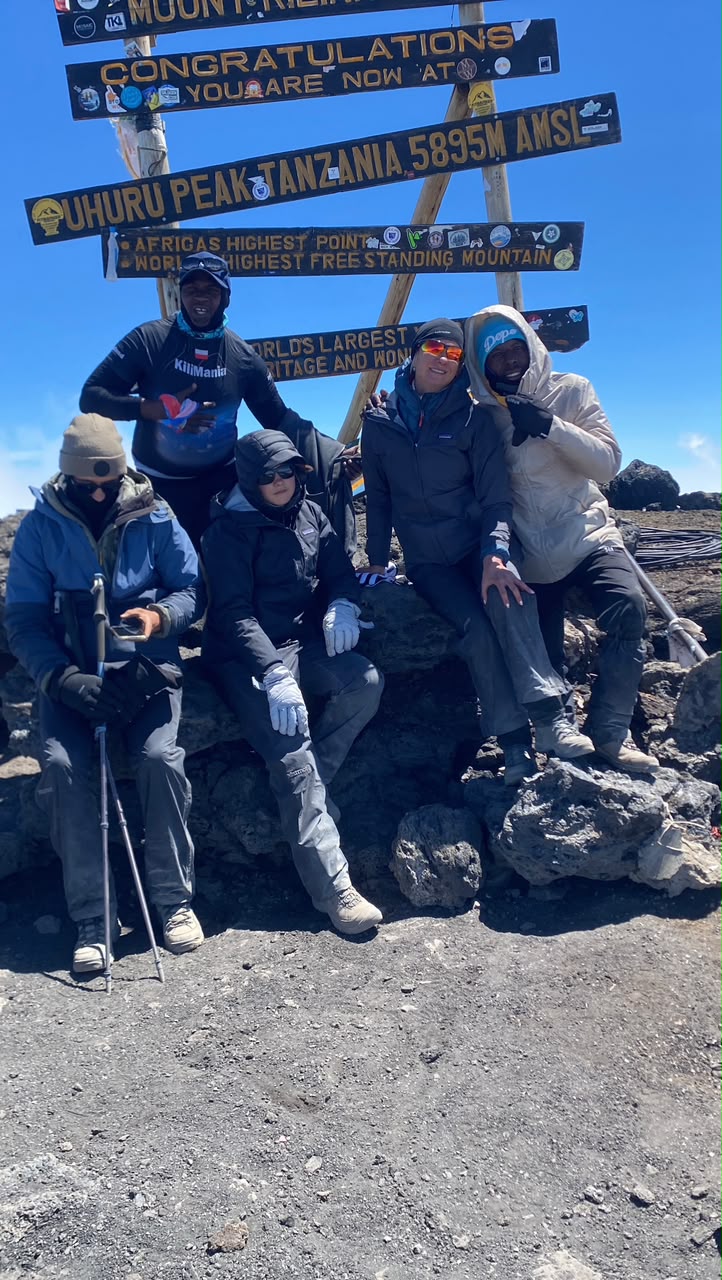
If you are planning a climb and want advice tailored to who is in your group, that is exactly the conversation I want to have with you before you arrive.
“On Kilimanjaro, the mountain does not care about your gender — it cares about your honesty, your hydration, and your humility.”
We Walk With You.
— Sabinus Msimba, Senior Guide & Co-founder, Kilimania Adventure
Ready to Plan Your Kilimanjaro Climb?
Tell us who is in your group and we will recommend the safest route, the right number of days, and a pacing strategy built around your actual group.
💬 Get Your Personalised Pacing Plan – Free 15-Min Consultation ✉ info@kilimania.co.tz
Sabinus Msimba
Senior Kilimanjaro Guide and Co-founder of Kilimania Adventure. Born in Moshi, Kilimanjaro Region, Tanzania.
- 22 years guiding on Mount Kilimanjaro (2003–present)
- 300+ guided summit attempts across all major routes
- KINAPA Senior Guide License — view PDF
- Member: Tanzania Association of Tour Operators (TATO)
View full guide profile · TripAdvisor · Google Reviews
🩺 Reviewed for medical accuracy by Dr. James Carter, MD, FACEP, Wilderness Medicine Specialist (unaffiliated). Review date: July 2025.
Continue Reading
- Climbing Kilimanjaro Guide 2026 Pillar guide
- Kilimanjaro Routes 2026: Every Route Compared Routes hub
- Kilimanjaro Summit Night, Hour by Hour Related guide
- Climbing Kilimanjaro With Medical Conditions Health & safety
- How to Train for Kilimanjaro 2026 Preparation