
Materuni vs Marangu Waterfalls: Which Waterfall and Culture Day Trip?
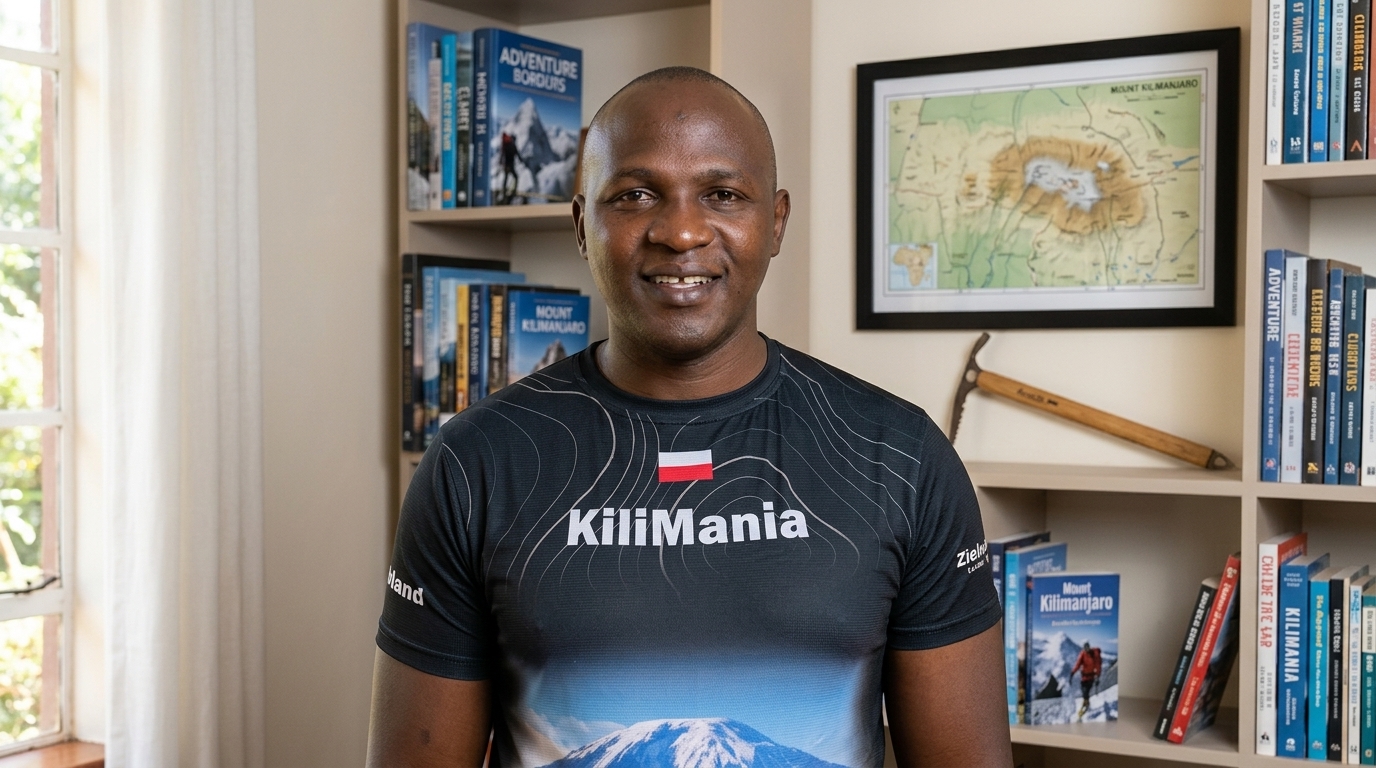
By Sabinus Msimba, senior guide, Moshi
Last updated:
Data sources: every figure on this page comes from Kilimania’s own full guides to Materuni (updated 17 September 2026) and Marangu (updated September 2026): operational estimates for trips from Moshi and our guides’ field experience. Prices are current rates as of September 2026; confirm before booking.
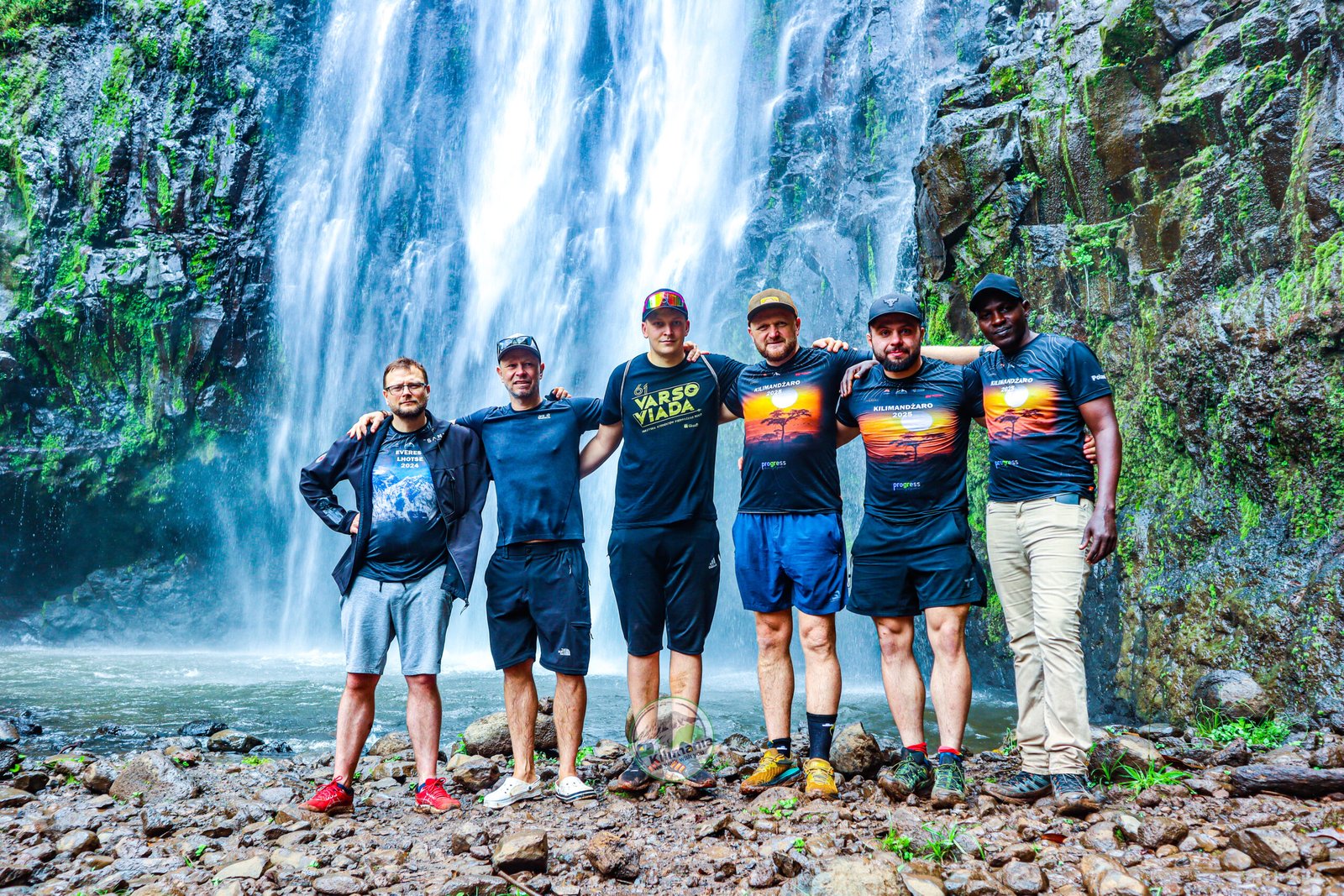
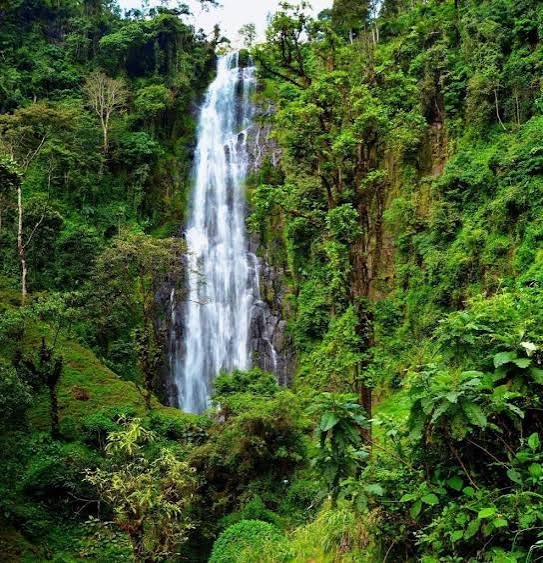
Materuni vs Marangu waterfalls comes down to coffee or caves. Both are Chagga waterfall-and-culture day trips from Moshi. Materuni is closer (about 15 km, 30–45 minutes’ drive), with a waterfall of roughly 70–80 m and a hands-on coffee session. Marangu is about 40 km (1–1.5 hours) away and pairs Ndoro Waterfalls with a Chagga cave complex and a village walk. Prices are close: from $85 per person for Materuni and $80 per person for Marangu, based on a group of five (Kilimania day-trip pricing, September 2026).
At a glance
- Materuni from (group of 5)$85 pp
- Marangu from (group of 5)$80 pp
- Materuni drive from Moshi30–45 min
- Marangu drive from Moshi1–1.5 hrs
- Materuni walk, each way45–60 min
- Marangu walk, each way30–60 min
The Short Answer
Pick Materuni if you want the shorter transfer, a tall waterfall and a coffee session where you pick, roast and grind the beans yourself. Pick Marangu if you’d rather spend longer in the car for Chagga history underground and a slower walk through village farms. Neither is a lesser version of the other. They are two different days that happen to share a waterfall.
The $5 price gap shouldn’t decide it. Drive time, what you want the cultural part of the day to be about, and whether you’re comfortable in a low, dark tunnel should.
Comparison Table: Materuni vs Marangu Waterfalls
| Factor | Materuni | Marangu |
|---|---|---|
| Distance and drive from Moshi | ~15 km; 30–45 min | ~40 km; 1–1.5 hrs |
| Drive from Arusha | 2–2.5 hrs | 2.5–3 hrs |
| Waterfall | Materuni Waterfall, approx. 70–80 m | Ndoro Waterfalls (also called Kinukamori); height not yet measured by our team |
| Walk to the falls, each way | 45–60 min (60–70 min with children or after rain) | 30–60 min |
| Shape of the walk | Uphill through farms and forest; one stream crossing; steeper final approach | Mostly a gradual descent; steeper near the falls; the climb back is the harder part |
| Trail difficulty | Moderate | Easy to moderate |
| Cultural stop | Coffee: picking, pulping, roasting, grinding, tasting (about 45–60 min) | Chagga cave complex (10–15 min underground) and village farm walk |
| Confined spaces | None | Yes (optional; you can wait above ground) |
| Swimming | Possible; cold; guide decides on the day | Possible; cold; guide decides on the day |
| Lunch | Local Chagga lunch included | Varies by date; confirm when booking |
| Total day | Half day or full day | About 6–8 hours with driving |
| From price, group of 5 | $85 pp | $80 pp |
| Price, 2 people | $110 pp | $100 pp |
Swipe the table sideways to see both columns.
What Is the Difference Between Materuni and Marangu?
Moshi is the practical base for both trips, but Materuni and Marangu sit in different parts of the Kilimanjaro foothills. Materuni village is about 15 km above Moshi. Marangu lies about 40 km east, near the gate that climbers use for the Marangu Route. The waterfall trip stays outside Kilimanjaro National Park, so no park entry fees apply.
Both communities are Chagga, the people who have farmed Kilimanjaro’s lower slopes for generations. What differs is the part of that life each trip shows you. Materuni follows coffee from the bush to the cup. Marangu takes you underground into a cave complex built for shelter from raiders, then through the farms around the village.
Choose Materuni If…
Materuni may fit you better if you:
- are staying in Moshi and want the shorter transfer (30–45 minutes each way);
- want coffee to be the main cultural part of the day, not a side stop;
- would rather do something with your hands than listen to a history talk;
- want a single tall waterfall, roughly 70–80 m, where a cold dip is sometimes possible;
- don’t want any tunnels or confined spaces in the day;
- want lunch included without having to arrange it.
Trip details: Materuni Waterfalls Day Trip. The full walk-through is in the Materuni waterfalls and Chagga coffee guide.
Choose Marangu If…
Marangu may fit you better if you:
- are more curious about Chagga history than about coffee;
- want to walk through a cave complex with ventilation shafts, storage chambers and livestock pens;
- don’t mind 1–1.5 hours in the vehicle each way;
- prefer a walk that starts easy (downhill) and saves the effort for the way back;
- like the idea of a slow village walk, where chameleons and birds are common sightings;
- already did Materuni on an earlier trip and want a different Chagga day.
Trip details: Marangu Waterfalls and Cultural Day Trip. The Marangu Waterfalls day trip guide walks through the day stop by stop.
Waterfall Experience: What Actually Feels Different?
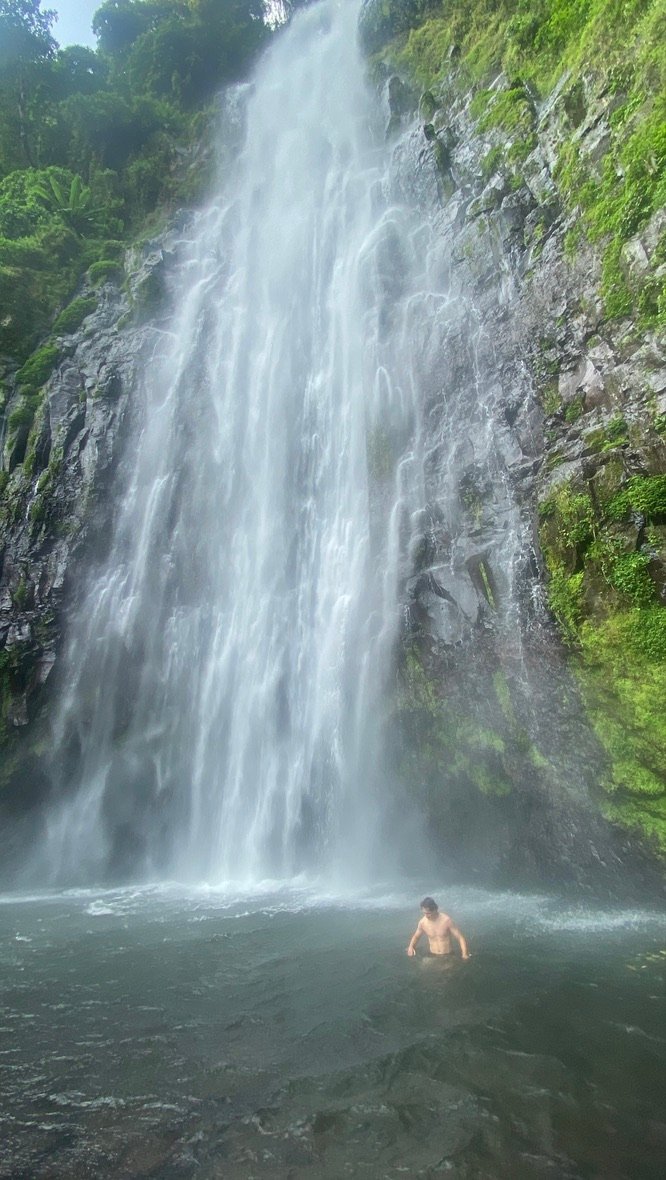
At Materuni, the waterfall is the goal of the walk. You climb through farms and forest and hear the falls before you see them: a single drop of roughly 70–80 m into a pool, with enough spray that the surrounding rocks stay wet all year.
At Marangu, the falls are one stop in a longer day. Ndoro Waterfalls (locally called Kinukamori) sits below the village in dense forest, with a thatch shelter nearby for a rest before the climb back. Our team hasn’t yet measured its height, so we don’t quote one. Expect a greener, more enclosed setting, with the caves and village carrying more of the day.
Both falls run strongest from March to May, when both pools can turn cloudy or fast and swimming is less likely.
Cultural Experience: Coffee vs Caves and Farm Life
Materuni: coffee, start to finish
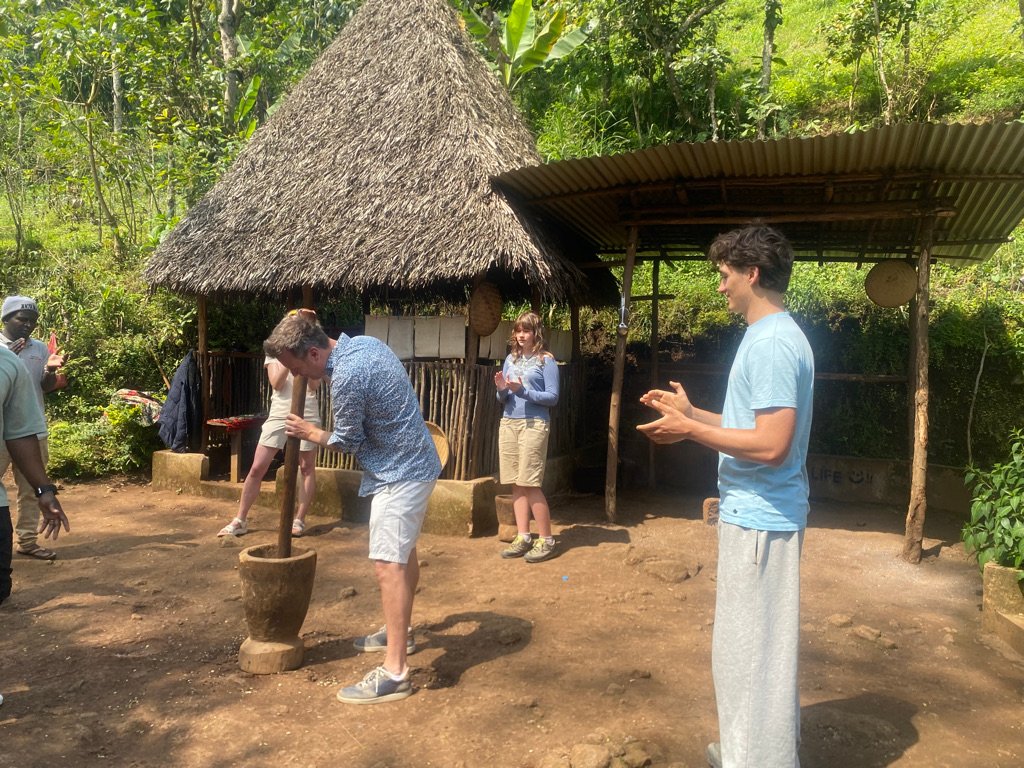
The session happens with local hosts at a working farm where coffee grows among bananas and shade trees. You pick ripe cherries (when the farm has them that week), pulp them by hand, stir beans over a wood fire and take turns with a heavy wooden pestle. Then everyone sits down to drink it. The full sequence takes about 45–60 minutes, and it’s hands-on throughout.
Marangu: caves, farms and the village
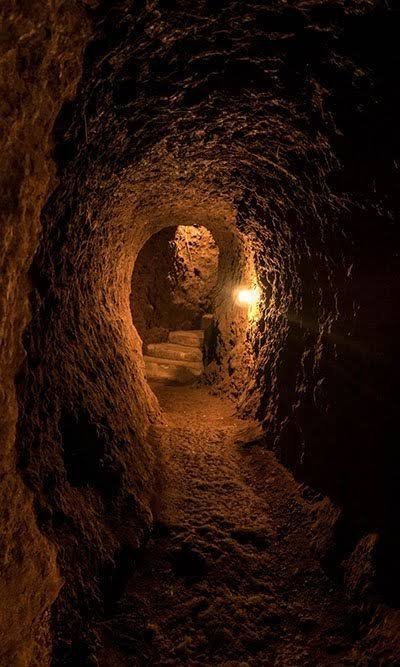
The cave complex is linked to earlier Chagga defensive traditions: it was built as shelter during conflict with Maasai cattle raiders. You’ll see ventilation shafts, chambers for food and water, livestock pens and several entrances. Time underground is typically 10–15 minutes, by flashlight. The village walk then covers the everyday side: coffee, banana and vegetable plots grown together, the way these slopes have been farmed for generations.
Trail Difficulty and Walking Conditions
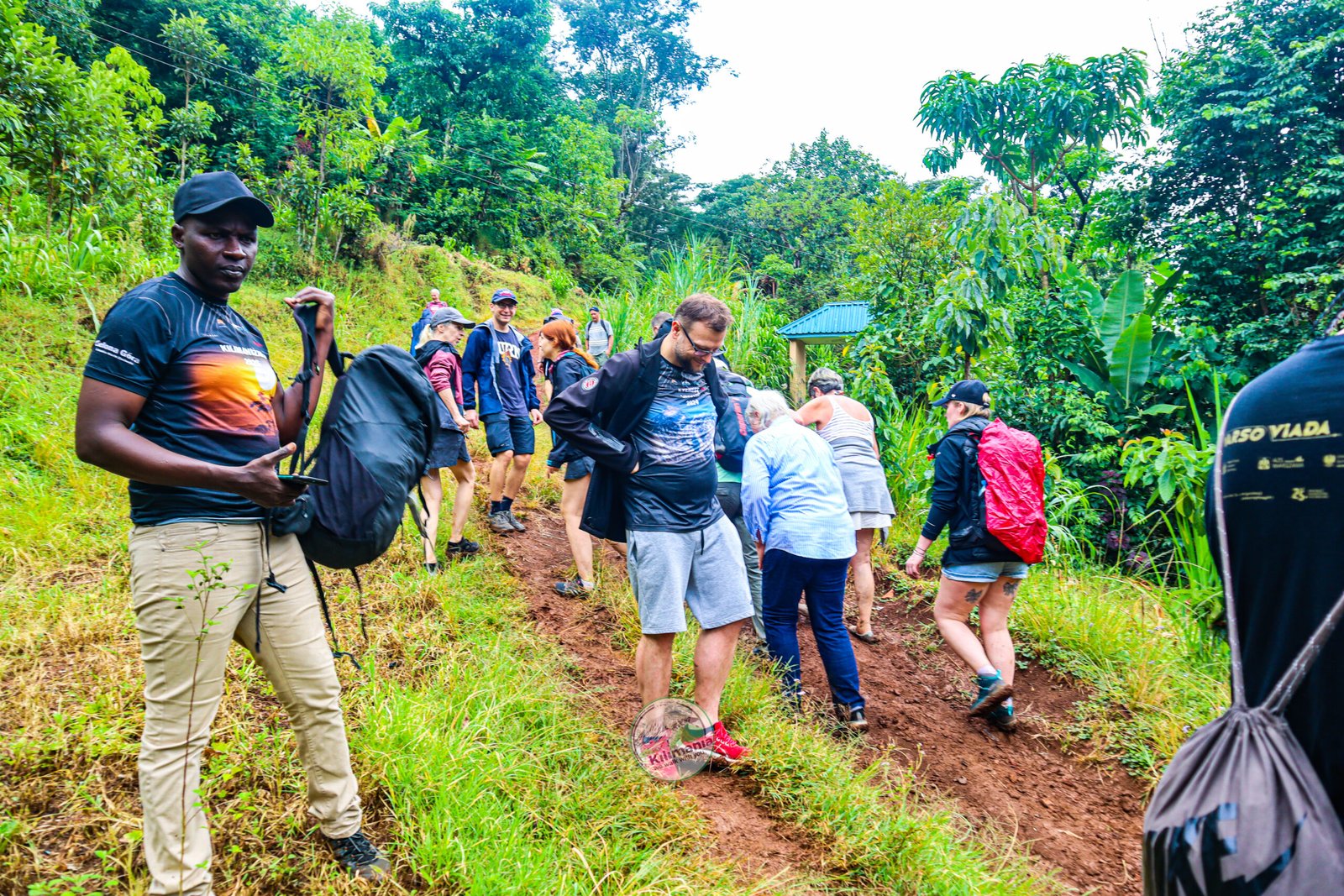
Materuni is rated moderate. The path is narrow and mostly single file, with exposed roots, loose stones, a stream crossing about halfway and a steeper final approach. Nothing needs hands or scrambling, but sandals are the wrong choice. Allow 45–60 minutes each way, or 60–70 minutes with children or after rain. There’s no vehicle access to the falls, so it isn’t suitable for limited mobility.
Marangu is rated easy to moderate. The walk down is a gradual descent through farms and forest, steeper near the falls. The climb back up is where most people feel it, especially after rain. Allow 30–60 minutes each way. The caves are the real limit: if crouching is hard on your back or knees, or tight spaces bother you, you can wait above ground.
Travel Time From Moshi
Materuni is about 15 km and 30–45 minutes from Moshi. Marangu is about 40 km and 1–1.5 hours, with a typical 08:00 pickup and a full day of 6–8 hours. Over the return journey, Marangu adds roughly an hour or more of driving. From Arusha, allow 2–2.5 hours to Materuni and 2.5–3 hours to Marangu.
Crowding varies with season, weekday, weather and other groups’ schedules. An early start usually means a quieter pool at either waterfall. Ask about expected conditions for your date rather than relying on a general rule.
If your day trip falls around a climb, see the Kilimanjaro climbing page or the Kilimanjaro joining calendar for group departure dates. Neither trip replaces acclimatisation on the mountain.
Price and What You Get
Both are private trips, so the per-person price falls as your group grows. Per Kilimania’s current rates, Materuni costs $85 per person for five, $90 for four and $110 for two. Marangu costs $80 per person for five, $85 for four, $90 for three, $100 for two and $120 solo.
Both include private transport from Moshi, your guide and the village or site fees. The main difference is lunch: a local Chagga lunch is included at Materuni, while lunch on the Marangu trip varies by date and group size, so confirm it when you book.
Which Trip Has More Cultural Depth?
Neither, in any measurable sense. Materuni goes deep on one subject, coffee, and lets you take part. Marangu covers a wider slice of village life and history, and asks more of your imagination in the caves. If you learn by doing, Materuni will likely feel richer. If you learn by hearing stories in the place they happened, Marangu probably will.
Sabinus’s Note From the Trail
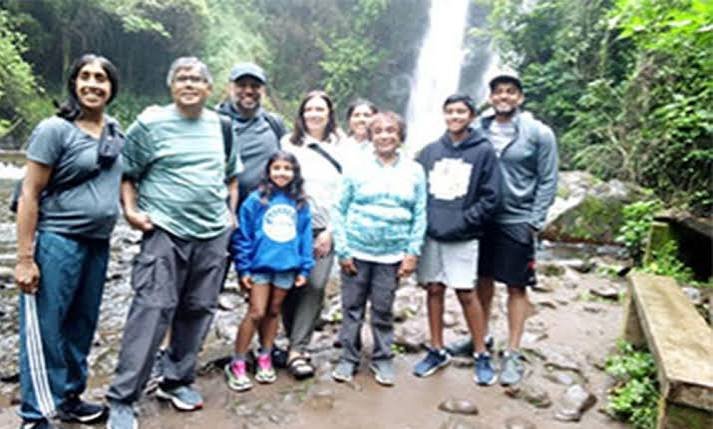
Materuni: “The stream crossing at the halfway point is the part that changes most between seasons. … After heavy rain in March or April, the water can rise to knee height, and that is when we reroute the group or wait a few minutes for the flow to settle.”
Marangu: “During the long rains in April and May 2026, the pool at Ndoro Waterfalls filled with debris washed down from farms upstream … Even with warm weather that day, I advised the group against swimming … one guest wearing smooth-soled sneakers instead of hiking shoes found the climb back up difficult, needing several stops to steady his footing.”
Sabinus Msimba, senior guide. Excerpted from his trail notes in the Materuni and Marangu guides.
The shared lesson: in the rainy months both trails get muddy and both pools become unpredictable. Grip-soled shoes matter more than fitness on either trip.
Frequently Asked Questions
Which is closer to Moshi, Materuni or Marangu?
Materuni is closer: about 15 km, a 30–45 minute drive from Moshi. Marangu is about 40 km, a 1–1.5 hour drive, so a Marangu day spends roughly an extra hour or more on the road in total. From Arusha, allow 2–2.5 hours to Materuni and 2.5–3 hours to Marangu.
Which trip is better for coffee?
Materuni. Coffee is the centre of the Materuni cultural stop: you pick ripe cherries when the farm has them, pulp them by hand, roast beans over a wood fire, grind them in a wooden mortar and taste the result with local hosts. It takes about 45–60 minutes. Marangu’s cultural focus is a Chagga cave complex and a village farm walk instead.
How much does a Materuni day trip cost?
Per Kilimania’s current rates, the private Materuni Waterfalls day trip costs from $85 per person for a group of five, $90 per person for four and $110 per person for two. Village guide fees, community fees and a local Chagga lunch are included. Confirm the current rate before booking, as prices are reviewed regularly.
How much does a Marangu waterfall trip cost?
Per Kilimania’s current rates, the private Marangu Waterfalls and Cultural day trip costs from $80 per person for a group of five, rising to $85 for four, $90 for three, $100 for two and $120 for a solo traveller. Village and site fees are included; no national park fees apply. Lunch varies by date, so confirm it when booking.
Is Materuni harder to walk than Marangu?
Slightly. Kilimania rates Materuni as moderate: 45–60 minutes uphill each way on a narrow path with roots, stones and a stream crossing. Marangu is rated easy to moderate: 30–60 minutes each way, mostly a gradual descent to Ndoro Waterfalls, with the climb back being the harder part. Both trails get slippery after rain, so wear shoes with grip.
Which trip has more Chagga cultural activities?
Neither has more culture; they show different sides of it. Materuni is hands-on and built around the coffee process. Marangu is more historical, built around a cave complex used as shelter from Maasai cattle raiders and a walk through village farms. Choose Materuni if you want to do something; choose Marangu if you want to see and hear how people lived.
Is Marangu Waterfalls the same as Marangu Gate on Kilimanjaro?
No. Marangu Gate is the Kilimanjaro National Park entrance used by climbers on the Marangu Route. The waterfall day trip visits Ndoro Waterfalls, also called Kinukamori, near Marangu village outside the national park, so no climbing permit or park entry fee is needed. Both sit in the Marangu area, which is why the names are confused.
Which should I choose if I only have one day?
If your free day falls between flights or right after a Kilimanjaro climb, Materuni is the easier fit because the drive is shorter and lunch is included. If you have a full, unhurried day and Chagga history interests you more than coffee, Marangu is worth the longer road. Both are lower-effort days than any day on the mountain.
Read the Full Guides
This page only covers the decision. For everything else on each trip, go to the Materuni waterfalls and Chagga coffee guide or the Marangu Waterfalls day trip guide. Weighing a waterfall against a swim instead? Read Materuni vs Chemka and the Chemka Hot Springs guide.
With more than one free day, the Lake Chala day trip guide, the Kilimanjaro day hike to Mandara Hut and a day in Moshi round out the options. The overview article, Best Day Trips From Moshi, compares them all, and every trip is listed under Tanzania day trips.
For background on the mountain itself, see Tanzania National Parks (TANAPA), which manages Kilimanjaro National Park, and the UNESCO World Heritage listing for Kilimanjaro National Park.
Which One Should You Choose?
Materuni is the shorter day: 30–45 minutes from Moshi, a waterfall of roughly 70–80 m, coffee you make yourself and lunch included. Marangu asks for 1–1.5 hours each way and gives you a Chagga cave complex, Ndoro Waterfalls and village farms in return. At $85 versus $80 per person for five, price isn’t the tiebreaker (your time and your curiosity are). We walk with you, whichever you choose.
Disclosure: Kilimania Adventure operates both day trips discussed in this article. Prices are Kilimania’s private-trip rates as of September 2026 and can change; your booking quote is the confirmed figure. Trail conditions, swimming and cave access are assessed by your guide on the day. No reviews or testimonials appear on this page. Independent reviews are on TripAdvisor and Google Reviews.
About the author
Sabinus Msimba is a senior mountain guide and co-founder of Kilimania Adventure, based in Moshi, with 22 years of guiding on Kilimanjaro and its foothills.